Most readers don’t notice a chapter break until it’s gone. That small white space, that number at the top of a fresh page, functions as a kind of punctuation for the entire reading experience. It signals: breathe here, stop here, you’ve arrived somewhere. Take it away, and something unusual happens to how a story moves through you.
A handful of writers have chosen to remove that structure entirely, or to strip it down so far that it practically disappears. The reasons vary, and so do the results. Some chapterless novels are among the most celebrated works in literary history. Others are demanding, disorienting, almost combative. What they share is the conviction that the story’s form should mirror its content, and that sometimes an unbroken flow says more than any numbered division ever could.
Mrs Dalloway by Virginia Woolf (1925)
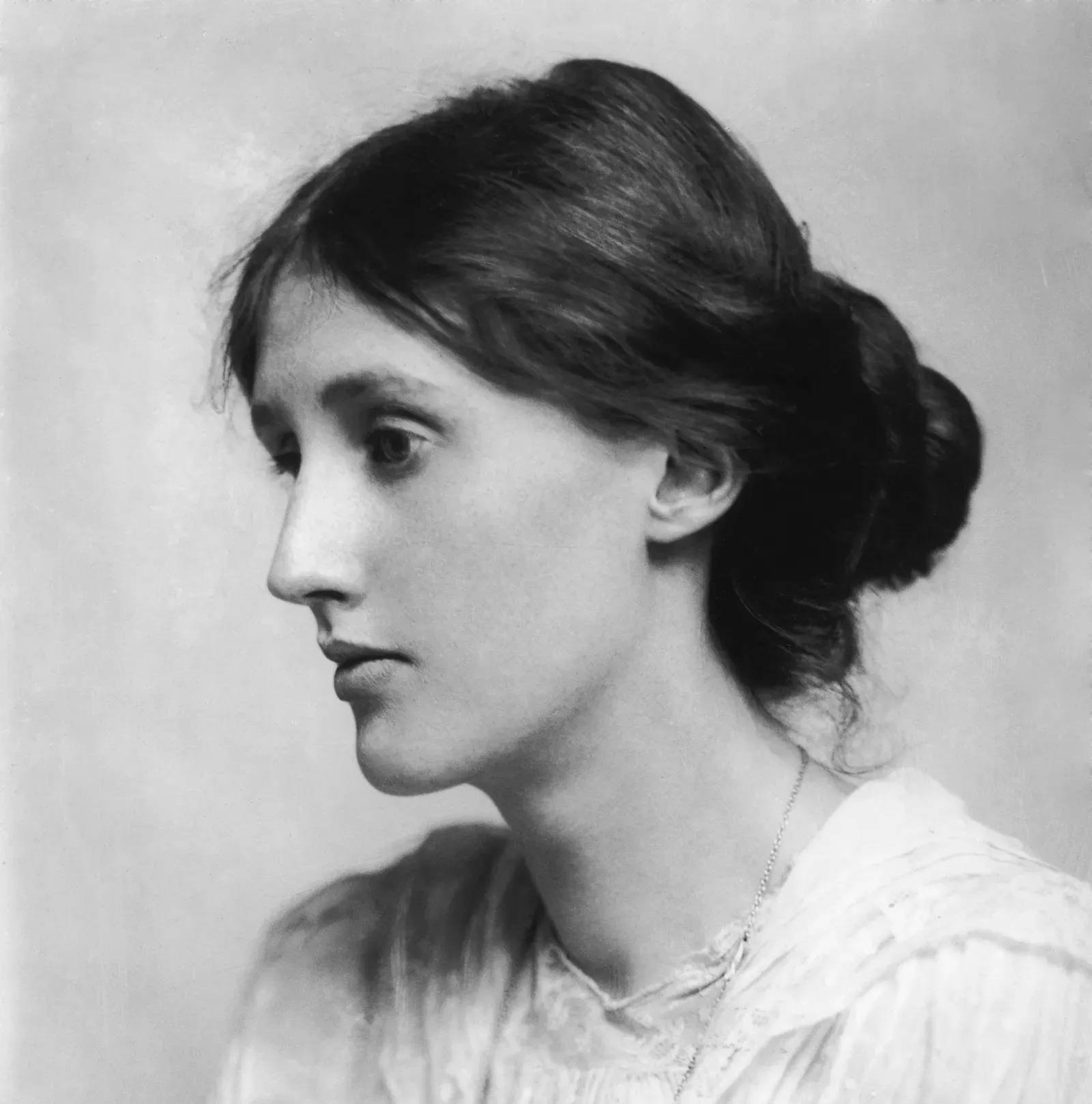
Virginia Woolf’s Mrs Dalloway unfolds over a single day in London, and the absence of chapters is no accident. Woolf’s stream-of-consciousness technique lets the story flow seamlessly between characters’ minds, blurring the line between past and present. The reader drifts with Clarissa Dalloway as she plans her party, experiencing her memories and anxieties in real time. Without chapters, the narrative mimics the flow of thought itself, never neatly parceled, always shifting and surprising.
Literary analysts often cite this structure as key to the novel’s success, making it feel like one long, intricate breath. The single-day timeline and the chapterless form reinforce each other perfectly: real days don’t arrive in numbered segments, and neither does Clarissa’s consciousness. It’s one of the most elegant structural arguments in modernist fiction.
Ulysses by James Joyce (1922)
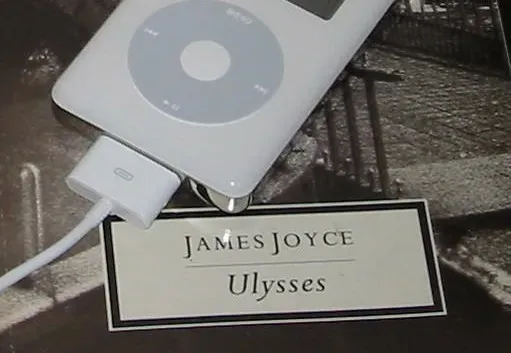
Joyce’s novel Ulysses is a landmark in which the episodes of Homer’s Odyssey are paralleled in a variety of literary styles, particularly stream of consciousness. Scholars argue that this technique forces readers to become active participants, piecing together meaning from a vast, swirling narrative. The book’s structure mimics the experience of living a single day, with thoughts and memories surfacing unpredictably. Ulysses is a novel that demands and rewards close attention, and its lack of chapters is a big part of that challenge.
It compressed the events of a single, ordinary day, June 16, 1904, into a sprawling, epic narrative that structurally and symbolically paralleled Homer’s Odyssey, using a dazzling array of distinct styles and linguistic invention to explore the lives of Leopold Bloom, his wife Molly Bloom, and Stephen Dedalus in hyper-minute detail. The novel does have internal episode divisions recognized by scholars, but numbered chapter breaks in the traditional sense are absent, and that omission carries real weight.
The Road by Cormac McCarthy (2006)
The narrative structure of The Road deviates from traditional novel form by employing a sparse, fragmented style that mirrors the bleak, post-apocalyptic setting. The lack of chapters, minimal punctuation, and frequent shifts in perspective contribute to a sense of disorientation, reflecting the characters’ struggle for survival. This unconventional approach enhances the novel’s themes of desolation and resilience. The book earned McCarthy the Pulitzer Prize in Fiction in 2007 and was adapted into a successful film in 2009.
The novel is a series of episodes and vignettes, with no chapter titles or markers, only double-space breaks, so that it is organized very much like an unmarked journey. McCarthy also chooses to use no quotation marks in dialogue, and for some contractions he leaves out the apostrophes, as if to indicate that in this new world, remnants of the old world no longer exist. Every missing structural cue adds to the sense that civilization, in all its forms, has gone.
The Unnamable by Samuel Beckett (1953)
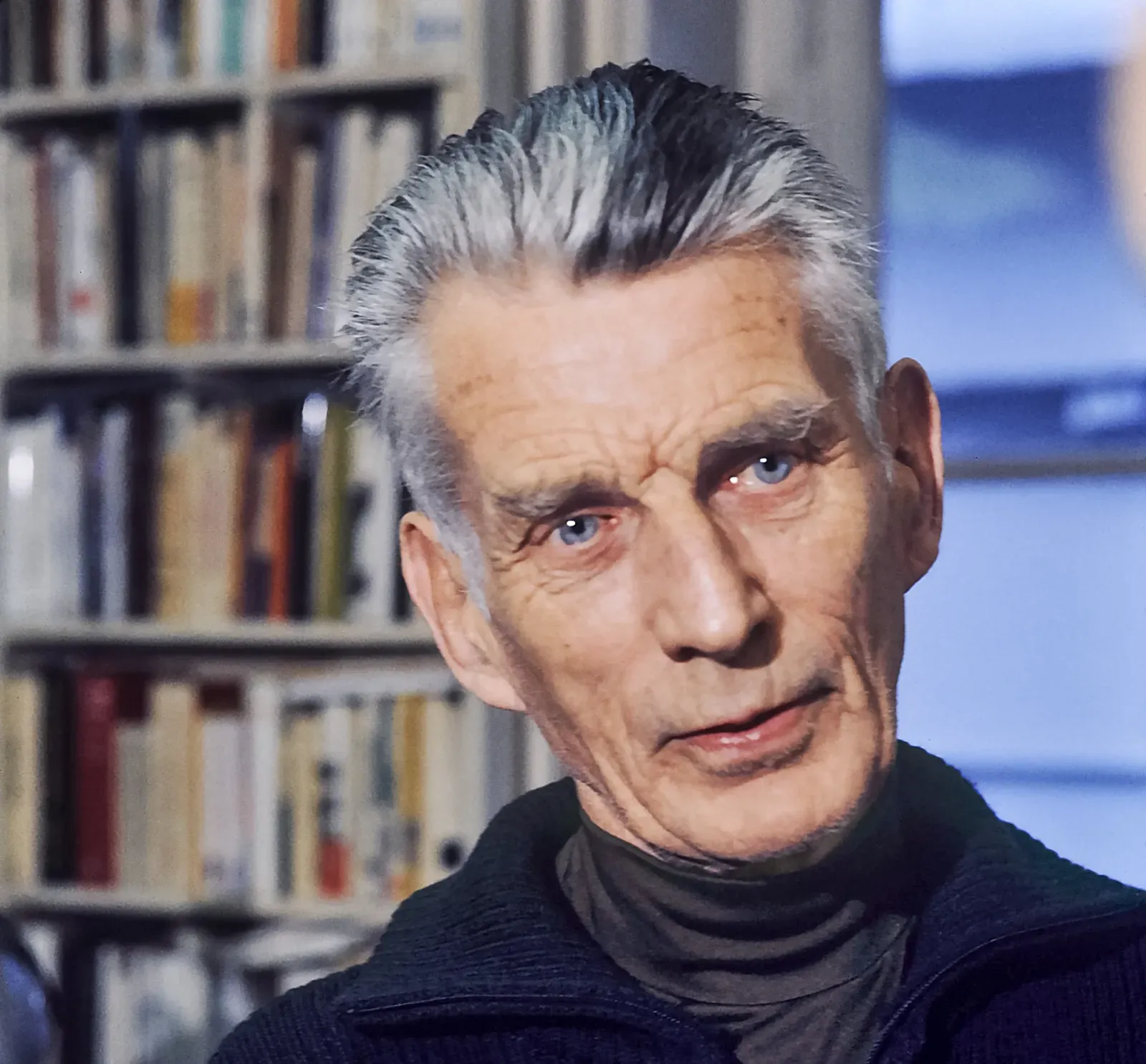
Samuel Beckett’s The Unnamable is a novel that seems determined to resist structure altogether. There are no chapters, no real plot, and even the narrator’s identity is unclear. This radical approach is a deliberate reflection of the book’s philosophical themes: the impossibility of certainty, the search for meaning in chaos. Literary critics see the lack of chapters as a metaphor for the endless, circular nature of thought and self-questioning.
The Unnamable is the third installment of Beckett’s trilogy, following Molloy and Malone Dies, and it pushes the chapterless form further than either of its predecessors. The prose barely pauses. Sentences fold into one another across pages, creating something closer to a vigil than a narrative. It’s not a comfortable read, but that discomfort is precisely the point.
Seasons of Migration to the North by Tayeb Salih (1966)
Tayeb Salih’s Seasons of Migration to the North breaks away from traditional chapter divisions, using an unbroken narrative flow to mirror the protagonist’s restless journey between cultures. The novel’s structure reflects the confusion and dislocation experienced by its central character, who moves between Sudan and England. Literary commentators have praised this stylistic choice for highlighting the themes of exile and identity.
The absence of chapters means the story unfolds like a continuous memory, echoing the protagonist’s struggle to reconcile different worlds. This approach also helps blur the boundaries between past and present, a technique that deepens the novel’s exploration of post-colonial identity. The unbroken structure is essential to the book’s haunting, dreamlike atmosphere. Often cited alongside the works of Joseph Conrad as a postcolonial response, the novel is considered one of the most important Arabic-language works of the twentieth century.
Finnegans Wake by James Joyce (1939)
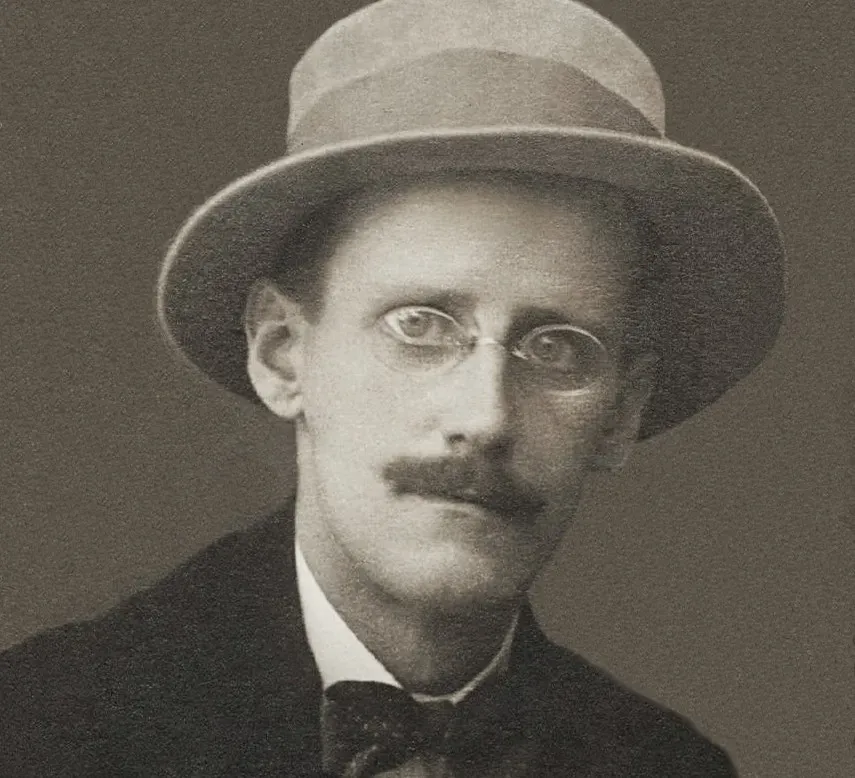
Written in Paris over a period of seventeen years and published in 1939, Finnegans Wake was Joyce’s final work. The entire book is written in a largely idiosyncratic language, which blends standard English lexical items and neologistic multilingual puns and portmanteau words to unique effect. Many critics believe the technique was Joyce’s attempt to recreate the experience of sleep and dreams. It is a story with no real beginning or end, ending in the middle of a sentence and beginning in the middle of the same sentence, as remarkable for its prose as for its circular structure.
Partner offer
Owing to the work’s linguistic experiments, stream of consciousness writing style, literary allusions, free dream associations, and abandonment of narrative conventions, Finnegans Wake remains largely unread by the general public. What makes its structure so striking is that the chapters are marked off by page breaks and white space but have no names or numbers, and critics have supplied numbers and names simply to make it easier to discuss the units. The book resists ordinary navigation by design.
The Old Man and the Sea by Ernest Hemingway (1952)
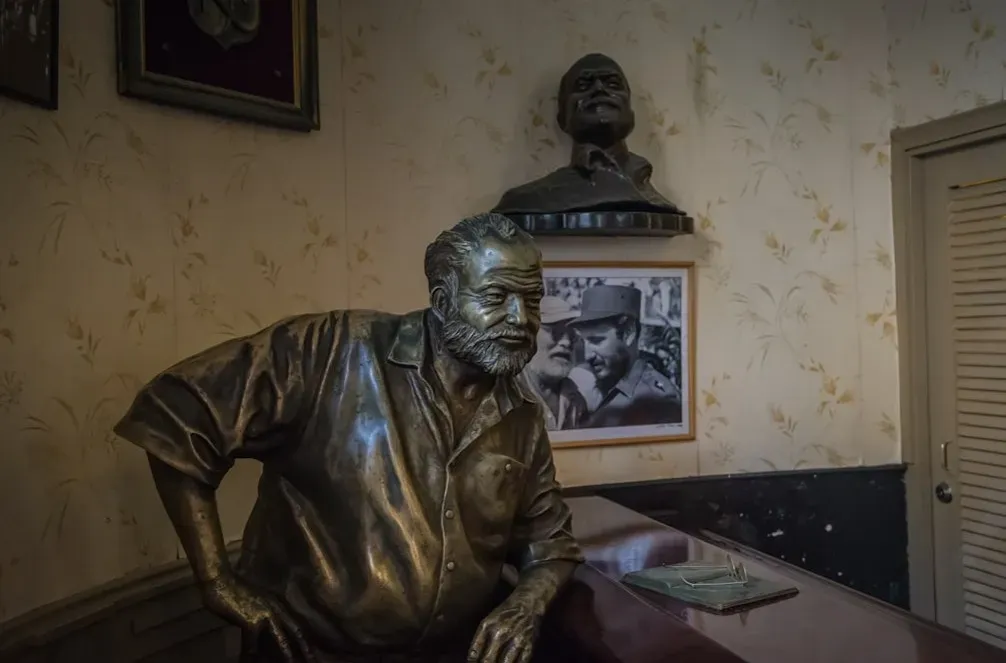
Ernest Hemingway’s The Old Man and the Sea is an influential chapterless work and one of the most recognized in American literature. The novella follows an aging Cuban fisherman named Santiago on an exhausting solo battle with a massive marlin in the Gulf Stream. Dividing that story into chapters would have interrupted its elemental rhythm, the sense of time measured only by sun, pain, and endurance.
Hemingway’s stripped-back prose style was already famous for what it left out, and the lack of chapters fits that same aesthetic. The story doesn’t offer the reader an official place to rest because Santiago himself doesn’t get to rest. This kind of chapterless storytelling creates an immersive reading experience, allowing the narrative flow to go uninterrupted. The novella won Hemingway the Pulitzer Prize in 1953 and contributed to his Nobel Prize in Literature the following year.
The Melancholy of Resistance by László Krasznahorkai (1989)

László Krasznahorkai’s The Melancholy of Resistance is famous for its dizzying, unbroken sentences and absence of chapters. The novel is a marathon of language, with paragraphs that stretch for pages and a story that refuses to pause. This style has been described by critics as both challenging and hypnotic. Krasznahorkai uses this technique to evoke a sense of inevitability and dread, mirroring the oppressive atmosphere of the town at the novel’s center.
The lack of chapters makes the story feel inescapable, heightening the tension as events spiral out of control. Readers are forced to surrender to the novel’s relentless rhythm, which has been credited with giving the book its unique power. Krasznahorkai’s approach is almost philosophical in its insistence: the world he describes is one in which no natural resting point exists, and the prose form insists on that truth at every turn.
The Invention of Morel by Adolfo Bioy Casares (1940)

Adolfo Bioy Casares’ The Invention of Morel is a surreal tale that doesn’t use chapters to segment its narrative. The story takes the form of a fugitive’s diary, written on a mysterious island populated by what appear to be projections of people rather than living beings. The journal format gives the text its own internal momentum, and formal chapter breaks would have fractured the intimacy of that device.
Jorge Luis Borges, a close friend of Bioy Casares, praised the novel’s tight construction in his famous prologue, calling it a perfect adventure story. The absence of chapters serves the plot’s central tension: as the narrator’s understanding of the island deepens, the narrative becomes harder to put down. It reads less like a book and more like a document someone found and couldn’t stop reading.
Ducks, Newburyport by Lucy Ellmann (2019)

Lucy Ellmann’s Ducks, Newburyport constitutes one continuous chapterless stream of words. The novel, which runs to over a thousand pages, consists almost entirely of a single, unbroken sentence that traces the inner monologue of an Ohio woman baking pies, raising children, and quietly cataloguing her grief, rage, and love. It is arguably the most extreme deployment of the chapterless form in recent literary history.
The novel was shortlisted for the Booker Prize in 2019 and won the Goldsmith’s Prize that same year, both recognitions of its formal ambition. The long sentence is not a gimmick but a structural argument: this is how a mind actually operates under the weight of daily life and accumulated loss. There’s no chapter to mark the moment things change, because for this narrator, things are always changing and never changing at the same time.
Zone One by Colson Whitehead (2011)

Zone One by Colson Whitehead splits into only three sections with no chapters, taking readers into a world of hunting and killing the living dead after they’ve seemed to take over a now-abandoned city. The hunt is continuous, complete with flashback after flashback, which means the narrative can be difficult to break from. Whitehead organized the book around three consecutive days rather than traditional chapter divisions, which gives the novel a strange, grinding forward pressure.
What makes Zone One unusual within its genre is its refusal to deliver zombie fiction’s usual mechanical satisfactions. The absence of chapters strips away any sense that the narrative is building toward defined goals. Each day bleeds into the next. The accumulation of memory and threat never resets, and the reader, like the protagonist Mark Spitz, never gets a clean break from any of it.
What connects these eleven novels isn’t a shared aesthetic philosophy so much as a shared instinct: that the story demands a particular kind of container, and a conventional chapter structure would be the wrong one. Some commentators view chapter divisions as artificial structures that interfere with the alternative reality being created by a writer. Some authors have successfully created powerful narratives without the use of chapters, enhancing their themes and connecting with their readers in unique ways. When the form and the content align this precisely, the result isn’t just a structural choice. It becomes part of what the book means.
Partner offer
Planning a trip to Vegas?
Compare hotel rates and show tickets on VEGAS.com.