There are performances that hit their mark, and then there are performances that do something far stranger and more radical – they bend the entire film around them. They shift tone, rewrite the narrative logic, even nudge the camera into places the director never planned. Honestly, it’s one of the most thrilling things that can happen in cinema.
Sometimes it’s a single improvised gesture. Sometimes it’s months of obsessive preparation bleeding into every scene. Whatever the mechanism, these moments remind us that acting is not a passive craft. It can be seismic. Let’s dive into eleven performances that didn’t just inhabit their films – they redirected them entirely.
1. Marlon Brando – The Godfather (1972)
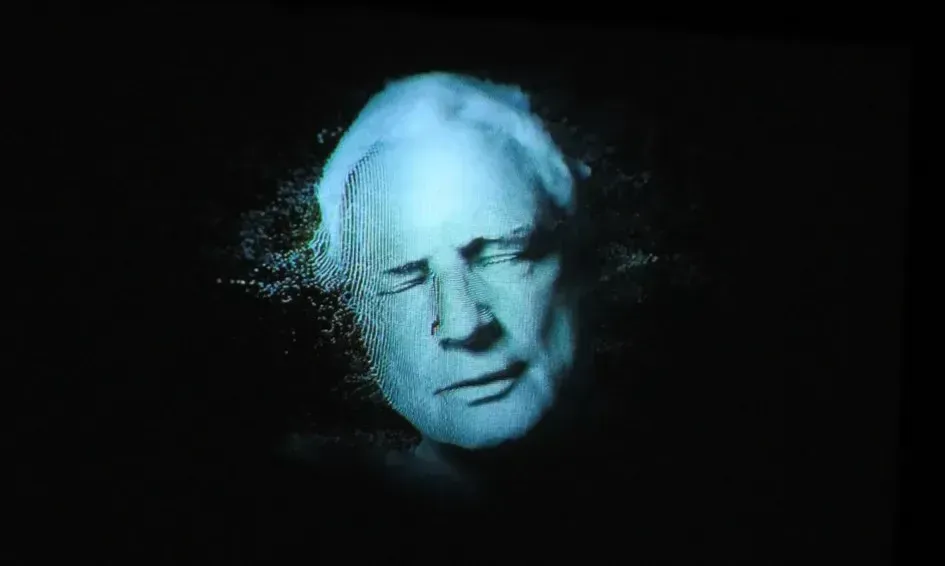
Almost nothing about Brando’s casting was supposed to work. Paramount executives viewed Brando as box office poison and did not want him in the film. He was considered difficult, unpredictable, and not physically right for an aging don. Then came the audition that changed everything. Brando wanted to make Don Corleone “look like a bulldog,” so he stuffed his cheeks with cotton wool for the audition.
Coppola convinced Brando to submit to a makeup test, in which Brando did his own makeup, and Coppola was electrified by Brando’s characterization as the head of a crime family – but had to fight the studio in order to cast the temperamental Brando. Brando’s understated yet commanding presence brought a depth to the character of the Mafia don that made him both terrifying and deeply human. Brando won his second Academy Award for Best Actor for this role, and his performance has influenced countless portrayals of complex antiheroes in films ever since.
2. Heath Ledger – The Dark Knight (2008)
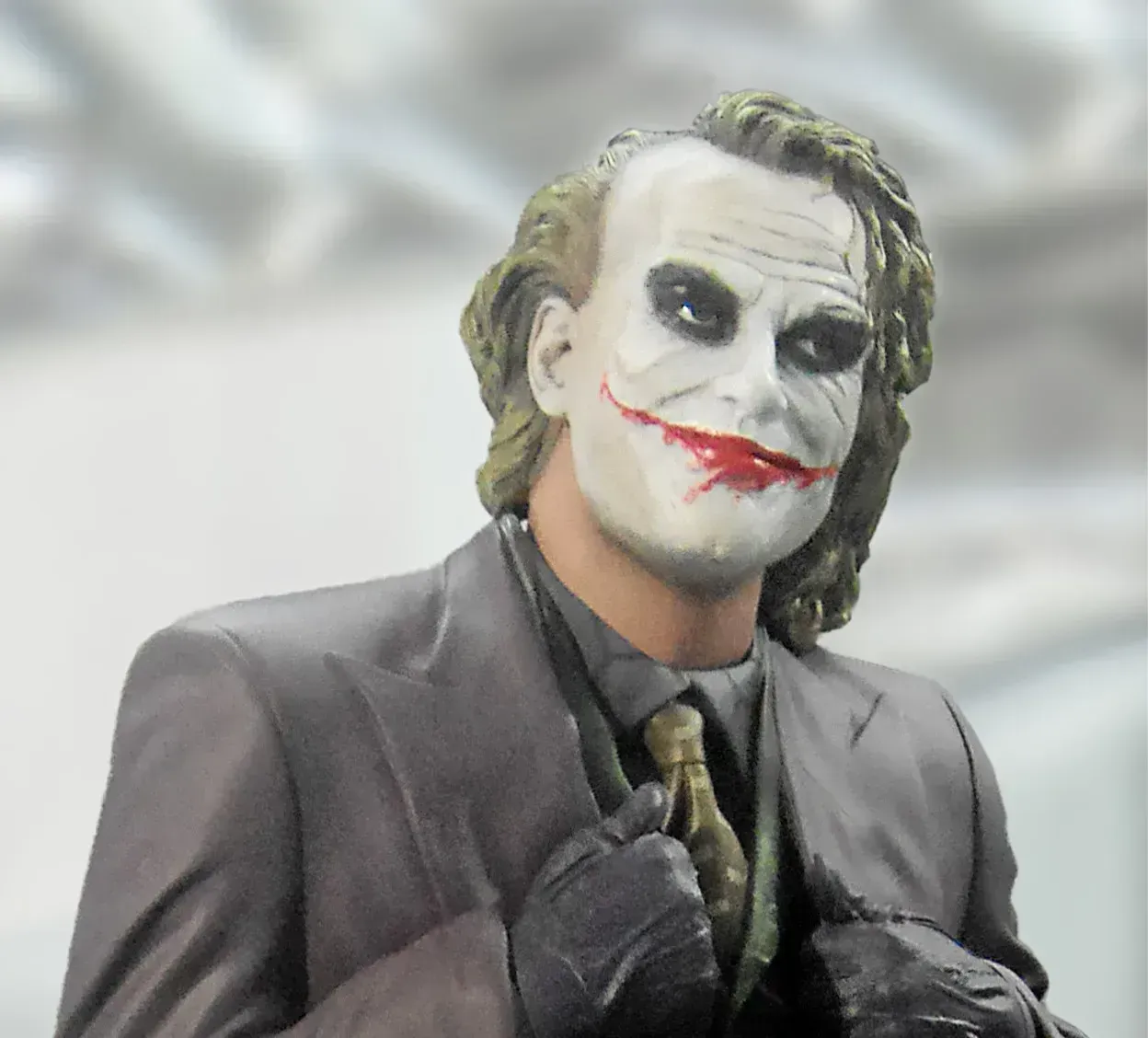
The internet practically revolted when Ledger was cast as the Joker. He was still seen as a romantic lead, a pretty-faced talent from period dramas. The Dark Knight was marketed with an innovative interactive viral campaign that initially focused on countering criticism of Ledger’s casting by those who believed he was a poor choice to portray the Joker. What followed was one of cinema’s greatest reversals of expectation. To prepare for his role as Joker, Heath Ledger locked himself in a motel room in London for about six weeks, during which he delved into the psychology of the character.
He was dedicated to developing every tic of the Joker, including the voice and the laugh, and based the appearance of the Joker on the look of the late punk rocker Sid Vicious combined with the personality of Alex from A Clockwork Orange. Ledger directed both of the Joker’s hostage videos in the film, and it was actually Ledger’s impressive work on the first video that convinced Nolan to let him also direct the second. Ledger would posthumously win the Academy Award for Best Supporting Actor for his role as the Joker, which makes the Joker the first comic book character to ever win an Academy Award.
3. Jack Nicholson – One Flew Over the Cuckoo’s Nest (1975)
There’s a reason this film is still studied in acting schools around the world. Jack Nicholson’s performance as the rebellious Randle P. McMurphy is both hilarious and heartbreaking, and his portrayal of the free-spirited man who challenges the authoritarian system of a mental hospital is one of his most iconic roles. What made it extraordinary was the way his energy turned a potentially bleak, one-note story into something alive and unpredictable.
Nicholson’s magnetic presence and ability to convey both humor and pathos make McMurphy a complex, multidimensional character, and his conflict with Nurse Ratched is the heart of the film, with Nicholson’s energy driving the narrative forward. Nicholson won the Academy Award for Best Actor for this performance, and One Flew Over the Cuckoo’s Nest became one of the few films to win all five major Oscars – Best Picture, Director, Actor, Actress, and Screenplay. Without his raw magnetism pushing every scene to its limit, the film might have felt cold and clinical rather than combustible.
4. Daniel Day-Lewis – There Will Be Blood (2007)
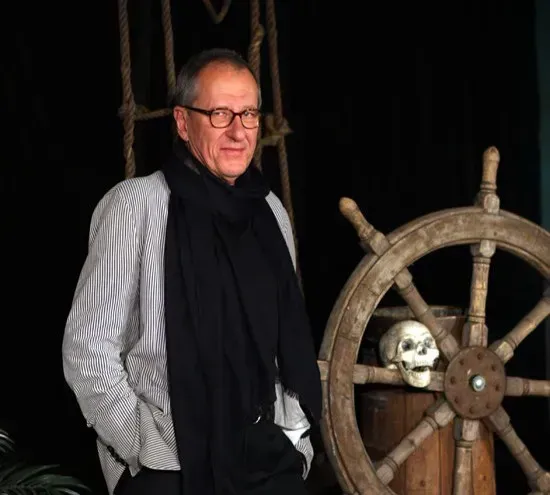
Let’s be real – There Will Be Blood lives or dies on a single performance. The film is essentially a two-and-a-half-hour character study, and director Paul Thomas Anderson trusted nearly everything to Day-Lewis. It was an enormous gamble. Daniel Day-Lewis is renowned for his intense method acting, and his performance in There Will Be Blood is a masterclass in cinematic acting, playing the ruthless oilman Daniel Plainview and delivering a performance that is both chilling and captivating.
Day-Lewis fully immerses himself in the character, embodying the ambition, greed, and moral decay of Plainview, and his delivery is measured, yet his presence on screen is magnetic, commanding attention in every scene. The film’s slow, deliberately unhurried pace only works because Day-Lewis fills every frame with a coiled menace that keeps the audience perpetually on edge. It’s the rare case where an actor’s commitment physically reshapes a film’s structure – the editing, the silence, the scale – all bend to accommodate what he brings.
5. Peter Sellers – Dr. Strangelove (1964)
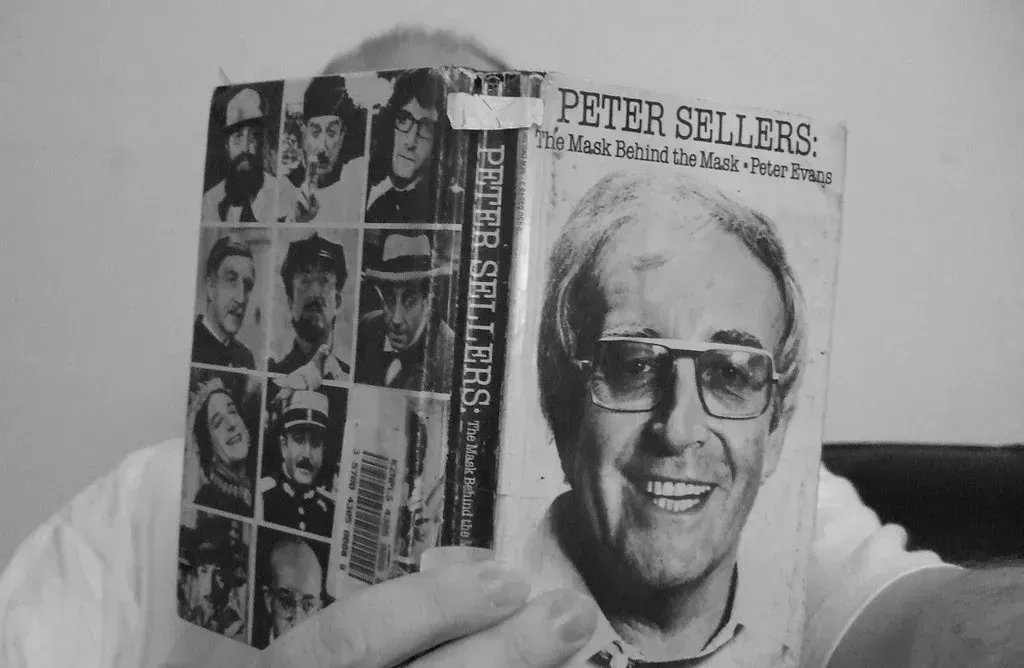
Here is a performance that literally multiplied itself. Sellers was cast in multiple roles by Stanley Kubrick, a decision that began as a studio imposition but became one of cinema’s happiest accidents. Playing a blandly ineffective U.S. President, a cautious Royal Air Force Captain, and a maniacal ex-Nazi scientist, Sellers’ three-pronged turn in Stanley Kubrick’s satirical nightmare is as audacious as it is nuanced.
Sellers was one of the few actors whom the director allowed to ad-lib, and for Kubrick, who had been forced by the studio into casting Sellers in multiple roles, the actor’s masterful exhibition of comic bravado underlined the absurdity of the film’s exploration of “mutually assured destruction.” Sellers’ combination of meticulous preparation and inspired improvisation inspired future generations of comic actors to embed themselves in their characters, including Jim Carrey, Sacha Baron Cohen, and Steve Coogan. The film’s satirical spine was always strong, but Sellers’ comic genius inflated it into something genuinely surreal.
6. Charlize Theron – Monster (2003)

There are physical transformations in film, and then there is what Charlize Theron did for Monster. The gap between the glamorous star who walked in and the character who appeared on screen was so wide it felt almost impossible. Charlize Theron’s transformation into the real-life serial killer Aileen Wuornos in Monster is one of the most remarkable performances of the 21st century. Nobody expected the film to be anything more than a curiosity.
While Theron brought out Wuornos’ raw evil, she pulled off another feat few could have anticipated – she almost made Wuornos sympathetic. The keyword is almost, as the film never celebrates or justifies Wuornos, yet director Patty Jenkins and Theron find her humanity, getting to the root of her heinous actions. Theron’s Oscar-winning performance might have broken our hearts if there wasn’t so much blood on Wuornos’ hands, but even so, the film left us seeing Wuornos and Theron in a whole new light. That moral complexity – that uncomfortable almost-sympathy – was entirely born from the performance itself.
7. Robert De Niro – Taxi Driver (1976)

Scorsese had a vision for Taxi Driver that was always dark. But De Niro’s preparation pushed the film into a different register entirely – something rawer, more documentary-feeling, more dangerous. His immersive performance in Taxi Driver was marked by his intense preparation, which included working as a taxi driver and learning to shoot guns. Think about that. He actually drove cab shifts around New York City for weeks.
This level of commitment to his roles has become a hallmark of De Niro’s acting style, earning him widespread critical acclaim and numerous awards. The “You talkin’ to me?” mirror scene, which De Niro largely improvised, became one of the most quoted moments in cinema history and completely defined the film’s vision of a man unraveling in isolation. Improvisation in film acting can have a transformative impact, sometimes even altering the direction or tone of a film, when an actor’s spontaneous performance reveals a new aspect of a character or story, prompting a shift in the narrative’s development. De Niro is the textbook example of that principle.
8. Marlon Brando – On the Waterfront (1954)
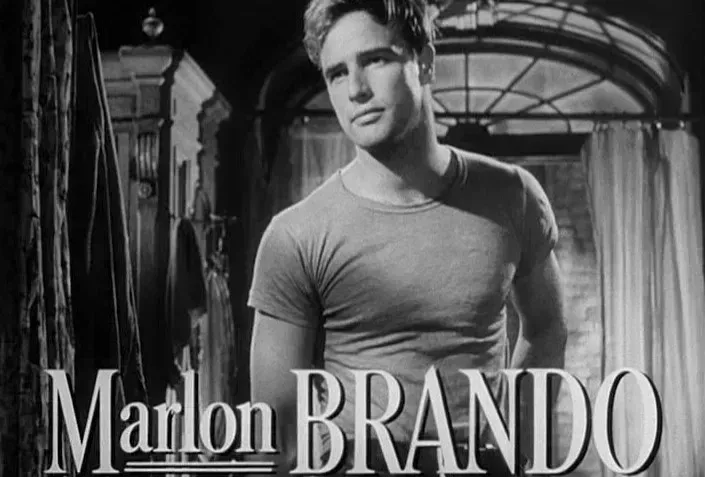
If The Godfather was Brando reclaiming his crown, On the Waterfront was the moment he built it in the first place. When Brando imported the “emotional memory” technique from New York to Hollywood, he delivered a string of subtle, psychologically rich performances – particularly his turn as a conflicted longshoreman in this Elia Kazan masterpiece. Nothing quite like it had been seen in mainstream American cinema before.
Brando’s work laid the foundations for the greatest generation of film actors in history, among them Robert De Niro, Gene Hackman, Morgan Freeman, and Meryl Streep, who built their careers on expanding the possibilities of Method acting, using their personal experiences to inform their craft. The film itself pivoted around his presence – Kazan’s direction became almost a frame built to contain Brando’s volcanic interior life. Brando’s performance transformed the way actors approached their craft and helped usher in the method acting era.
9. Kristen Stewart – Spencer (2021)
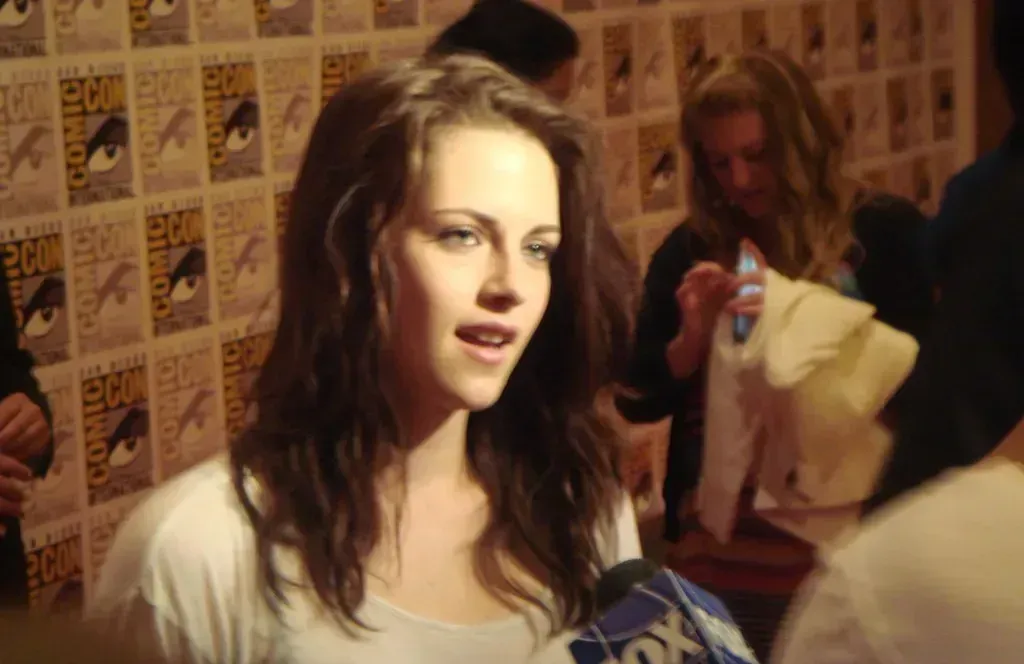
Most audiences arrived at Spencer prepared to be skeptical. Stewart had been underestimated for years, still carrying the baggage of the Twilight franchise in many viewers’ minds. By 2021, those following Kristen Stewart’s career closely knew there was much more to her than Twilight, but moviegoers who never ventured beyond the mainstream still saw her as Bella Swan. The transformation she delivered was therefore all the more striking.
Her transformation into the Princess of Wales caught many off-guard because of the film’s approach to this historic figure – instead of a conventional biopic, Spencer played more like a psychological thriller as the pressures of being in the royal family bear down on Diana. Stewart delved deep into Diana, making audiences feel all of her anguish in an external and internal battle to reclaim control of her life. Stewart finally garnered the respect she deserved for her Oscar-nominated turn as Diana Spencer. It’s hard to say for sure how the film would have landed with a more conventional performance, but I think the answer is: considerably less powerfully.
10. Adam Sandler – Punch-Drunk Love (2002)
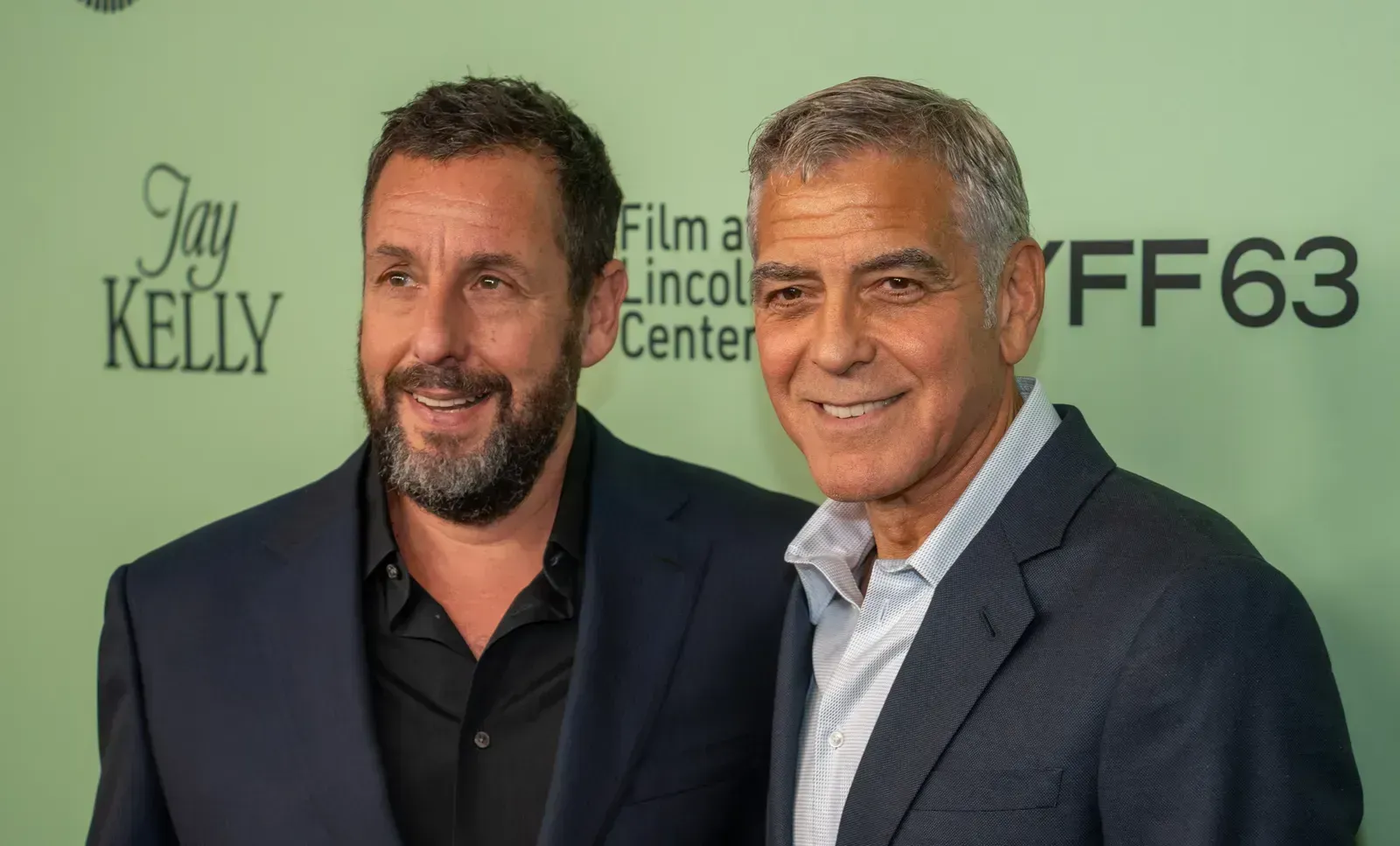
Paul Thomas Anderson casting Adam Sandler felt, to many people in 2002, like a provocation. Sandler was the king of lowbrow studio comedies. Anderson was one of the most formally ambitious directors of his generation. As Barry Egan, Adam Sandler surprised his harshest critics and adoring fans alike – even Sandler himself seemed to surprise himself, unsure why the director of Magnolia wanted to work with him.
What resulted was a film that used Sandler’s particular energy – that volcanic, barely-suppressed chaos he usually aimed at slapstick – and redirected it into something genuinely tender and frightening. Actors can surprise audiences with unexpected performances, and comedic actors can excel in dramatic roles – these transformative performances can change how an actor is perceived, allowing them to break free from previous associations and showcase their talent. Sandler’s performance didn’t just work within the film’s design; it became the design, reshaping the entire tonal architecture of the movie into something no one else could have made.
11. Andy Serkis – The Lord of the Rings Trilogy (2001–2003)
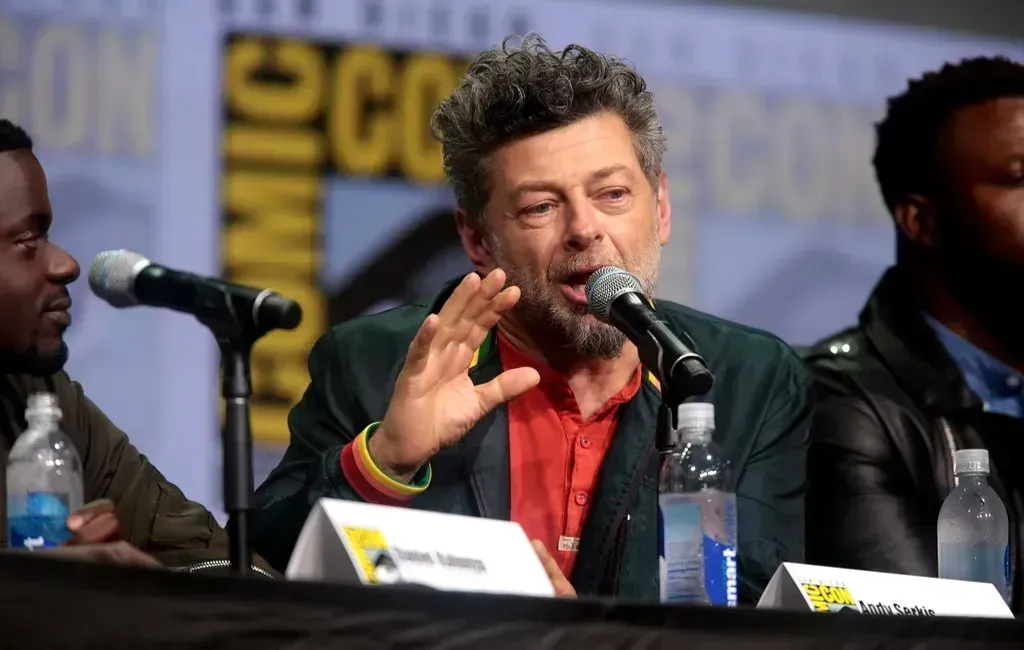
Here is the case where a performance didn’t just change a film – it changed what film acting was even capable of. At first, Serkis was only meant to provide the voice of the cruelly corrupted Gollum in Peter Jackson’s epic fantasy trilogy. He was a voice actor on paper. What he became was something else entirely, the unexpected center of the trilogy’s emotional weight.
The actor said his delivery was inspired by the sound of his cat horking up a hairball, but when the director asked Serkis to don a skintight bodysuit covered in sensors so the camera could capture his physical performance as well, a new kind of film acting was born. The master of motion capture has since used the skills he learned from playing Gollum in blockbuster franchises from The Planet of the Apes to Star Wars, and his ability to convey genuine emotion via CGI proved that it’s possible to put a soul into the machine. Gollum became the moral conscience of the entire trilogy – and nobody planned it that way. That’s the magic.
What all eleven of these moments share is a kind of productive accident – the collision between an actor’s deepest instincts and a story that wasn’t quite ready for what it was about to receive. Some directors fought their actors. Others stepped back and let something remarkable happen. The films were never the same afterward, and honestly, neither was cinema.
Which of these performances surprised you most? Drop your thoughts in the comments below – we’d love to hear which one you think truly changed the game.