


Every chart-topping career looks inevitable once it happens. The truth is messier. Behind almost every arena tour and Grammy speech sits a stretch of months, sometimes years, when the artist in question was ready to walk away from music entirely.
Rejection letters, empty bank accounts, and labels that simply didn’t get it pushed some of pop’s biggest names to the edge of quitting. What separated them from the thousands of other hopefuls wasn’t luck alone. It was one more attempt, one more demo, one more show that finally landed at the right moment.
1. Lady Gaga

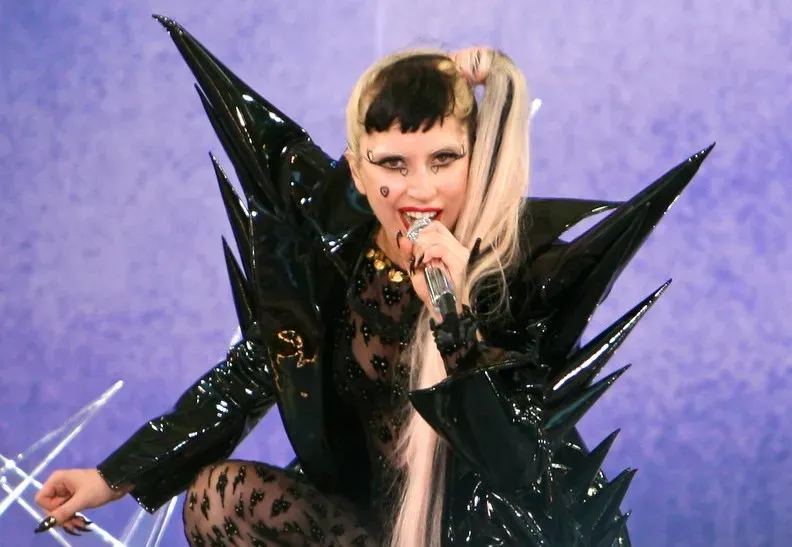
Before she was filling stadiums, Stefani Germanotta signed with Def Jam Records in 2006, only to watch that deal collapse almost immediately. By the time she began working on what would become her breakout single, “Just Dance,” the singer-songwriter born Stefani Germanotta had already been dropped by Def Jam Recordings in 2006 after just three months on the label. She kept writing and performing in clubs anyway, refusing to treat the setback as a verdict on her talent.
Even the song that saved her career almost didn’t survive. Gaga revealed that she nearly cut “How Bad Do U Want Me” from her Mayhem album, just as she almost left off “Just Dance” from The Fame for the same reason. Had she trusted that early instinct to shelve the track, pop music in 2008 might have looked very different.
2. Katy Perry

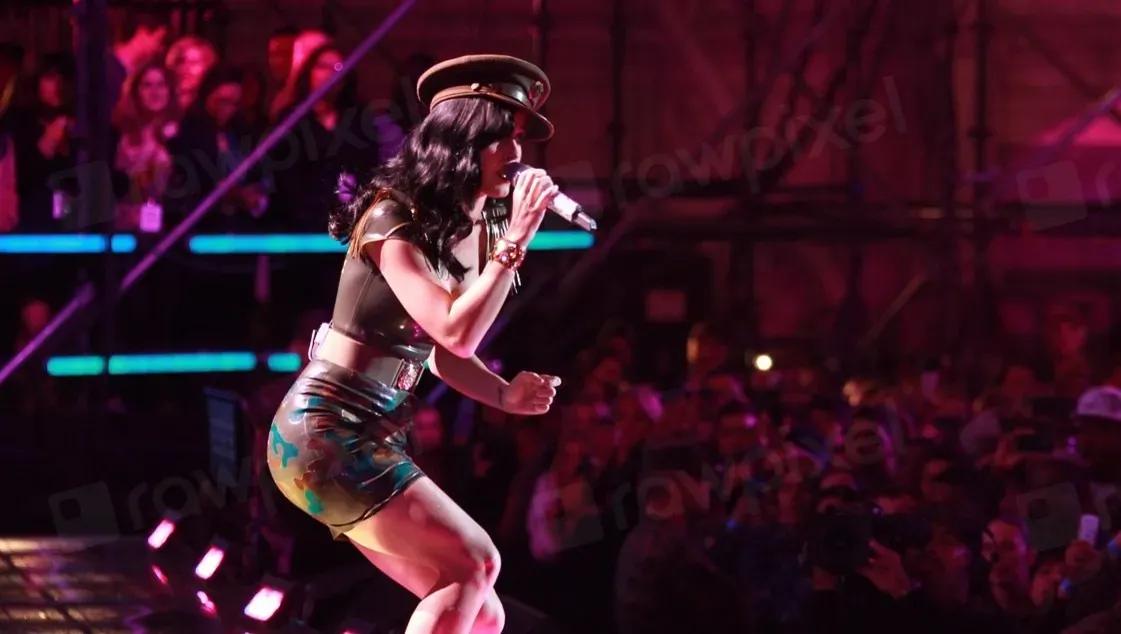
Katy Perry’s path to “Teenage Dream” ran through two failed record deals and a gospel album released under her birth name, Katy Hudson, that barely registered outside Christian music circles. It took years of being passed over by labels before Capitol Records finally gave her a real shot with One of the Boys in 2008. Perry’s 2008 breakthrough, One Of The Boys, which contained her first smash single “I Kissed A Girl,” was provocative and catchy.
Even after that first hit, nobody knew if she could repeat it. The 12-track collection that followed it certainly created the impact she needed to launch her international career, but left people wondering if its flagship single might be hard to top. Teenage Dream answered that question emphatically, but the road there was anything but smooth.
3. Kesha

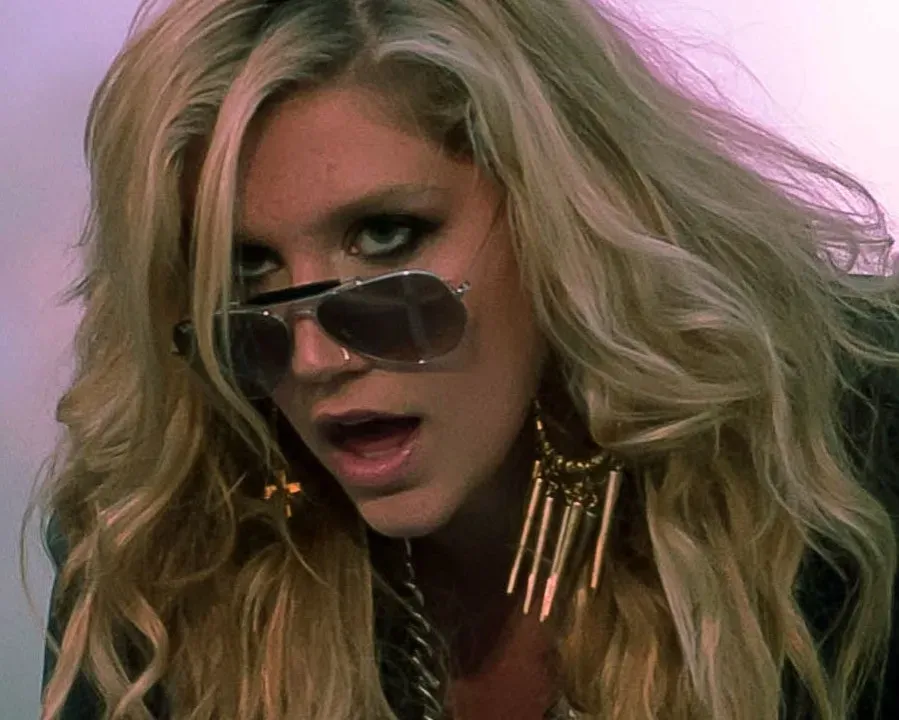
Long before “Tik Tok” topped the charts, Kesha spent years splitting her time between recording studios and restaurant shifts, waiting for a break that never quite arrived. Her first breakthrough came when rapper Flo Rida asked her to sing on his track “Right Round.” The song became a massive hit, selling more than 12 million copies. Yet the win felt hollow.
The single made her voice famous while leaving her broke. Kesha was not credited on the track, did not appear in the music video and, worst of all, earned no money from it. Only after countless rejections did she land a deal with RCA, and after many unsuccessful attempts, she finally struck a multi-album deal with RCA Records and released her first full-length solo record.
4. Ed Sheeran

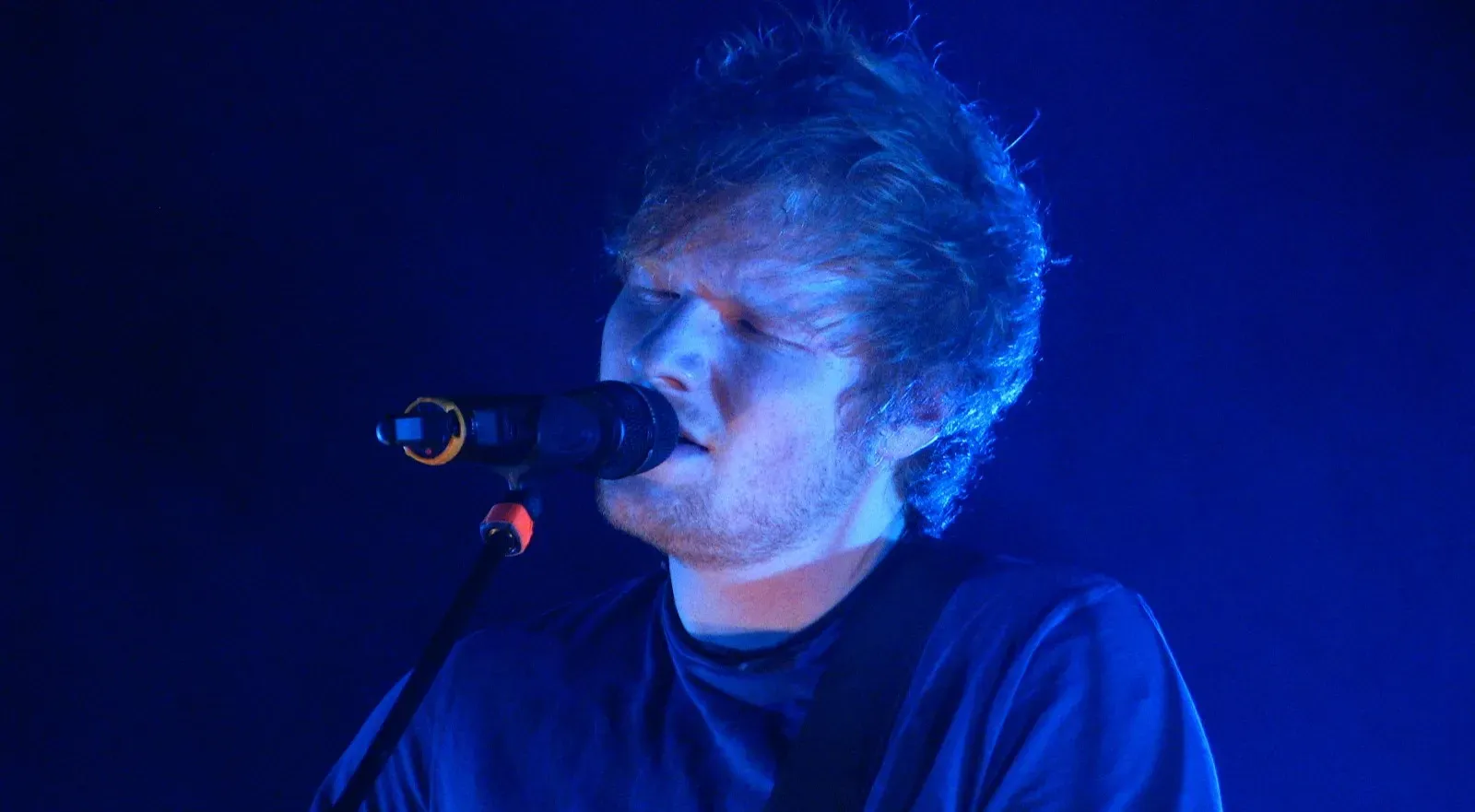
Ed Sheeran’s early years in London were defined by instability rather than momentum. Most of his nights were spent couch surfing with friends and even strangers he met at his gigs, sleeping under an arch outside Buckingham Palace or riding the London subway until it opened at 5am. The grind of gigging for spare change with no guaranteed place to sleep eventually caught up with him.
By his own account, the exhaustion nearly won. This began to wear on him, and he almost gave up music altogether. He kept writing anyway, and the song born from that period, “The A Team,” became the debut single that finally turned things around.
5. Sia

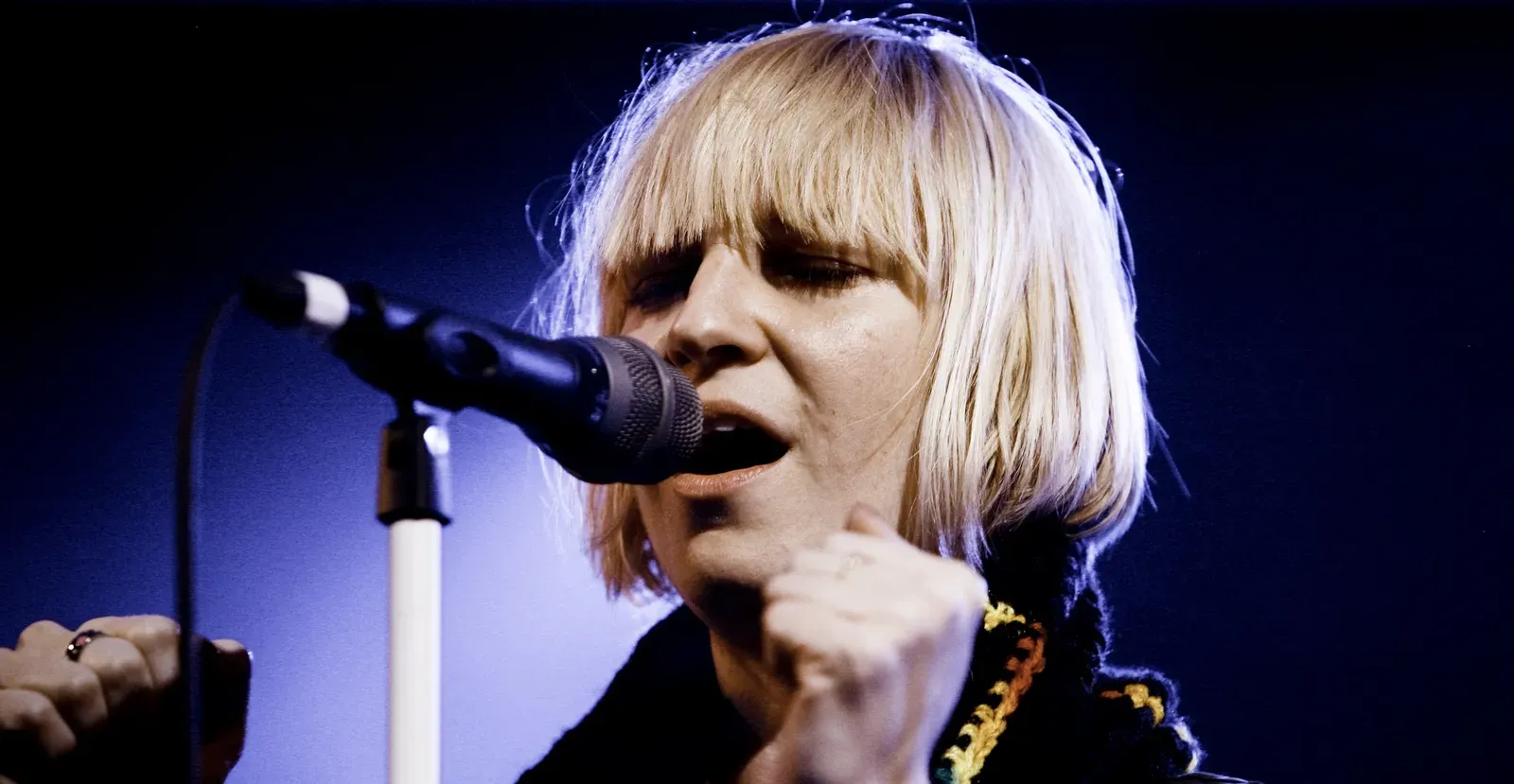
Sia’s story is one of the starkest on this list. After years of albums that never broke through commercially, her mental and physical health collapsed under the pressure of touring. Her mental and physical health were so poor she almost announced her retirement from singing and songwriting altogether.
She didn’t just consider quitting. She actually did it for a while. At one point, in 2010, Sia actually retired as a solo pop singer, with no real plans to return to the spotlight. Writing hits for other artists eventually pulled her back into her own spotlight, and “Chandelier” in 2014 turned her comeback into a genuine second act.
6. John Legend

Before “Ordinary People” and a string of Grammy wins, John Legend spent his twenties working as a management consultant while chasing a record deal that seemed permanently out of reach. Label after label passed on him, unconvinced that a singer-songwriter with a smooth, understated sound could compete in a market dominated by louder, flashier acts. He self-financed early recordings and sold CDs at his own shows just to keep the project alive.
Partner offer

The turning point came through a chance connection with a then-rising producer named Kanye West, who took an interest in his songwriting and helped push him toward a proper deal. Without that late assist, Legend has acknowledged he might have simply settled into consulting work for good. Instead, “Get Lifted” arrived in 2004 and gave him the foundation for everything that followed.
7. P!nk

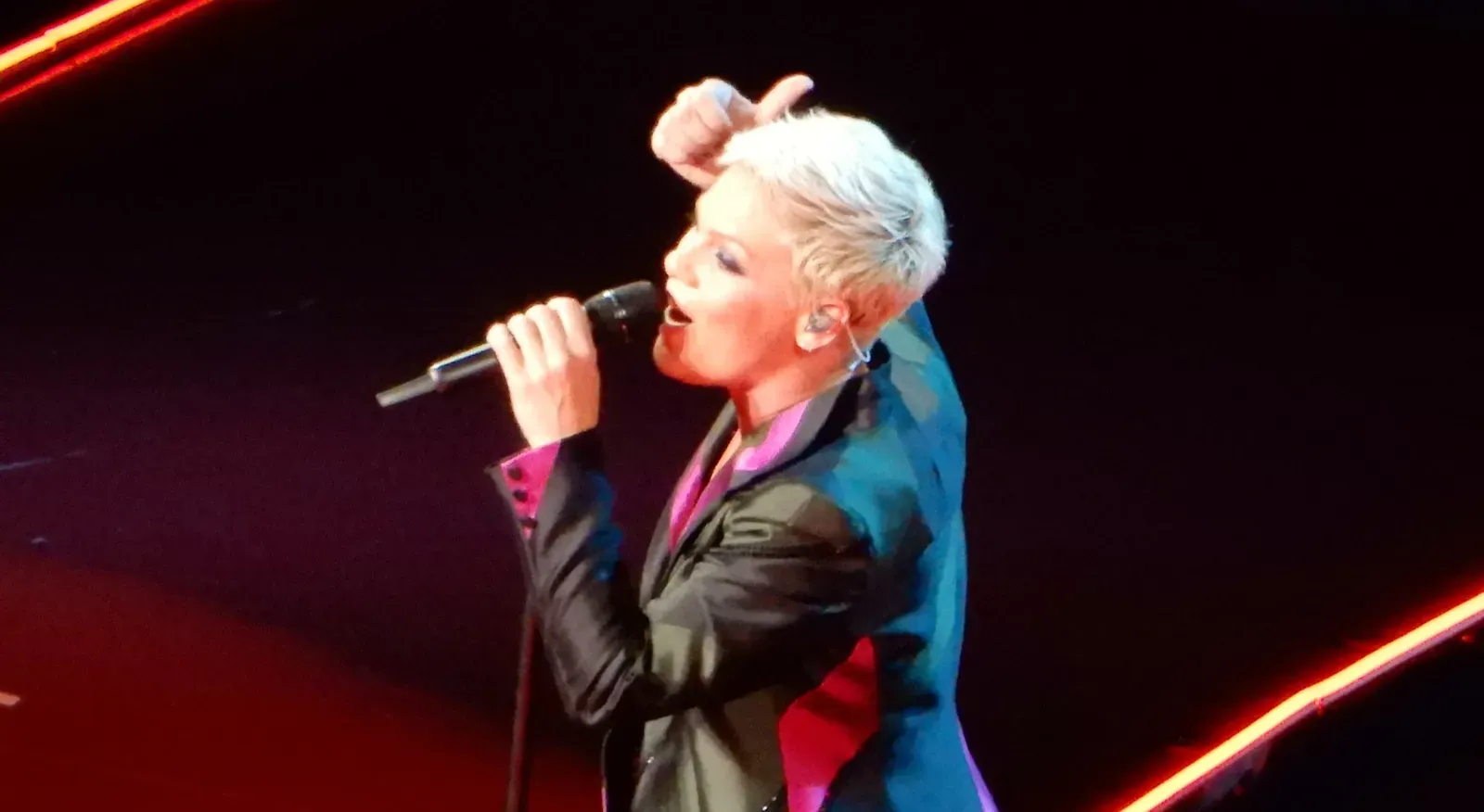
Pink’s first real shot at stardom came as part of a girl group called Choice, signed to LaFace Records in the late 1990s. That deal fell apart before the group ever released a full album, leaving her without a clear next step in an industry that had already labeled her a one-off failure. Label executives suggested she reconsider a career in music altogether.
Rather than walk away, she pushed for a solo deal at the same label, betting on herself when almost nobody else would. That gamble produced “There You Go” and “Most Girls” in 2000, and it set the template for a career built on refusing easy exits. Two decades later, she remains one of the few artists from that era still filling stadiums.
8. Adele

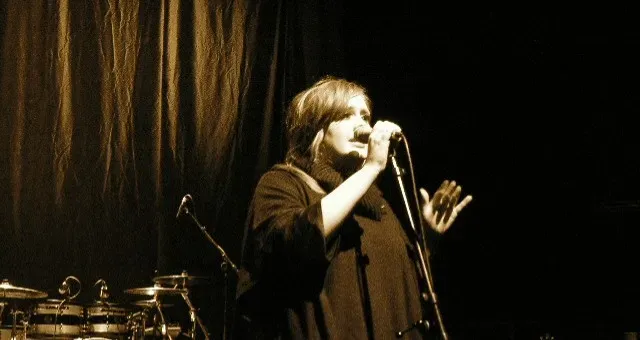
Adele’s rise looks effortless from the outside, but she has spoken candidly about the crippling stage fright that nearly derailed her early performances. In the years around her debut album, “19,” she battled panic before shows severe enough that she considered stepping away from live performance entirely. The anxiety wasn’t a minor inconvenience. It threatened the very career she was trying to build.
She managed those fears rather than eliminating them, choosing smaller, more intimate settings when possible and leaning on her songwriting as the part of the job that never scared her. That songwriting carried her through the doubt, eventually producing albums that sold in numbers few of her peers have matched. The willingness to keep showing up, nerves and all, turned out to be the difference.
9. Sam Smith

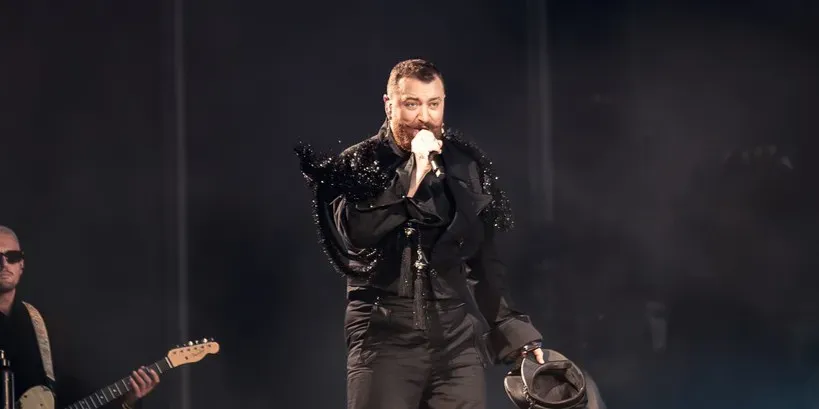
Before becoming one of Britain’s most recognizable voices, Sam Smith spent years auditioning, writing, and getting turned down by labels unsure of how to market them. Odd jobs filled the gaps between failed pitches, and the constant rejection wore on their confidence about whether a music career was realistic at all. Featured vocal spots on other artists’ tracks offered brief validation without steady income.
The breakthrough finally came through a guest verse on Disclosure’s “Latch,” a song that introduced Smith’s voice to a much wider audience than any of their own attempts had managed. “Stay With Me” followed soon after, turning years of uncertainty into a debut album that topped charts across multiple countries. The gap between struggling unknown and global name closed faster than almost anyone expected.
10. Meghan Trainor


Meghan Trainor built a career writing songs for other artists long before anyone knew her name, and for a while it looked like ghostwriting might be the ceiling of her ambitions. “All About That Bass” was reportedly offered to other singers first, none of whom wanted it, before Trainor decided to record it herself almost as an afterthought. She has described doubting whether a solo career was even worth continuing to chase at that point.
The song’s unexpected explosion in 2014 changed that calculation overnight, turning a writer working in relative obscurity into a chart-topping performer within weeks. It remains one of the more striking examples of a near miss becoming a signature hit almost by accident. Trainor has since built a career on the kind of catchy, retro-leaning pop that almost never got its first real airing.
11. Halsey


Before “Ghost” introduced Halsey to a wider audience, she spent her teenage years posting music online while dealing with bipolar disorder, unstable housing, and a general sense that a music career was more fantasy than plan. Uploading songs to Tumblr and SoundCloud was as much an outlet for that instability as it was a career strategy. There was no guarantee any of it would lead anywhere.
A growing online following eventually caught the attention of a label, leading to the Room 93 EP and, shortly after, the debut album Badlands in 2015. The shift from anonymous online artist to touring performer happened quickly once it started, but Halsey has been open about how uncertain those earlier years felt. What looked like overnight success was built on a foundation that nearly didn’t hold.
What ties these stories together isn’t talent alone, since plenty of talented people never get a second chance. It’s the decision, made quietly and without any guarantee of payoff, to try one more time after everything pointed toward stopping. That decision doesn’t show up on any chart, but it’s the reason these eleven names became household ones instead of footnotes.
Partner offer
Planning a trip to Vegas?
Compare hotel rates and show tickets on VEGAS.com.


