You know what’s wild about music history? Some of the most influential rock albums ever made were basically ignored when they first came out. Radio stations wouldn’t touch them. Critics shrugged. Fans walked right past them in record stores. Yet years later, these same records became the blueprints that defined entire generations of music.
It’s not always about being first to the party. Sometimes the best albums need time to breathe, to find their audience, to reveal their true power.
The Velvet Underground & Nico (1967)
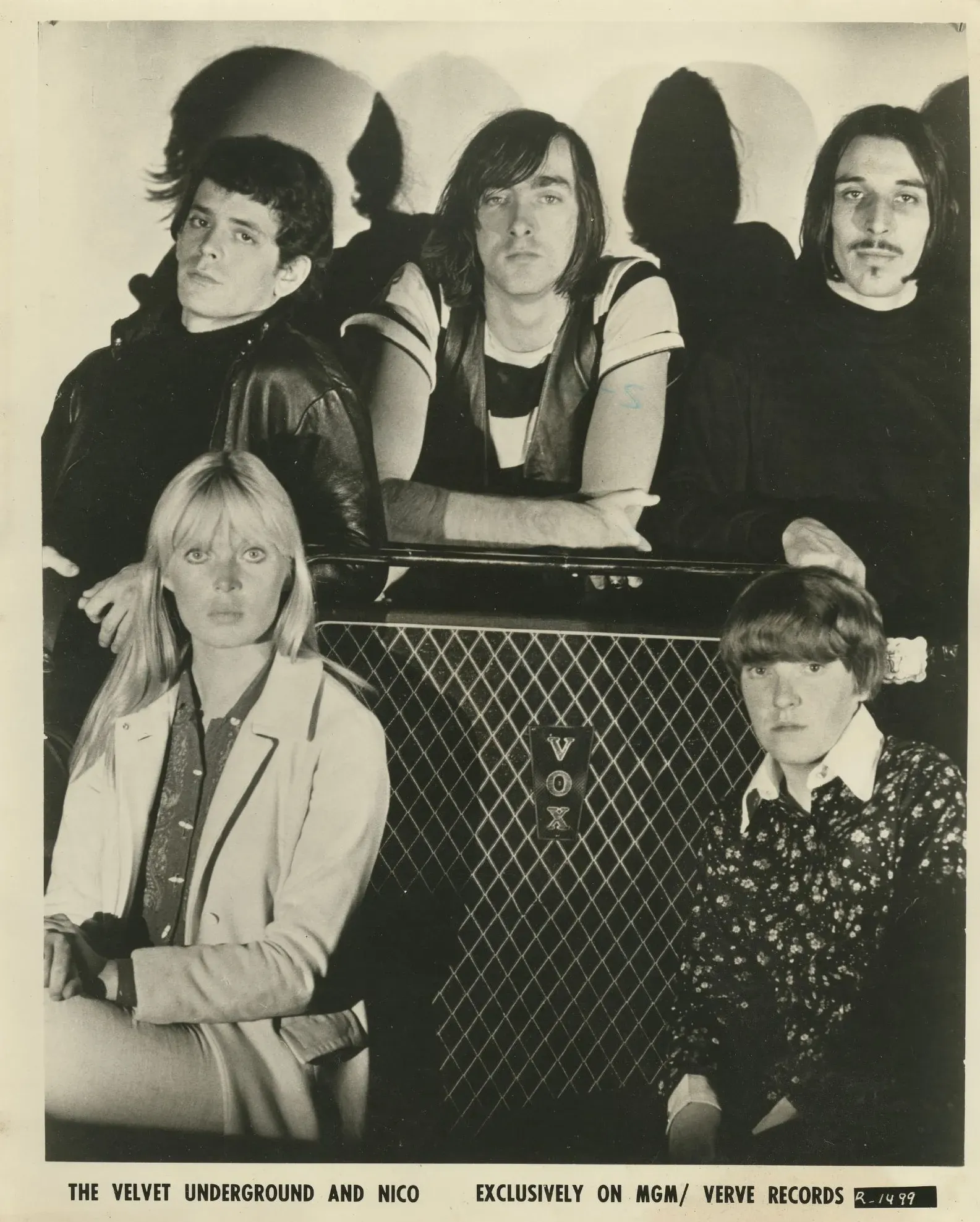
Let’s be real, this is the patron saint of all cult albums. When The Velvet Underground dropped their debut in March 1967, it was a commercial flop. The album’s controversial content led to its almost instantaneous ban from various record stores, many radio stations refused to play it, and magazines refused to carry advertisements for it. The album first entered the Billboard album charts on May 13, 1967, at number 199 and left the charts on June 10, 1967, at number 195. Honestly, it’s hard to imagine a more disastrous commercial launch.
Here’s the kicker though. Musician Brian Eno famously stated that while The Velvet Underground & Nico initially only sold 30,000 copies, everyone who bought one of those 30,000 copies started a band. That’s not just a clever quote. By the 1980s and 1990s, the debut LP from the band that gave us Lou Reed and John Cale was, finally, being hailed as one of the most influential albums ever made, shaping punk, post-punk, indie, and noise rock. The album that nobody wanted in 1967 became the foundation stone for nearly every alternative music movement that followed.
Big Star – Third/Sister Lovers (1974)

This one’s a heartbreaker. After the commercial failure of Big Star’s first two albums, #1 Record (1972) and Radio City (1974), Alex Chilton and Jody Stephens returned to Ardent Studios in late 1974 to record a batch of starkly personal, often experimental, and by turns beautiful and haunting songs. The sessions were a mess. Though Ardent Studios created test pressings for the record in 1975, a combination of financial issues, the uncommercial sound of the record, and lack of interest from singer Alex Chilton and drummer Jody Stephens in continuing the project prevented the album from ever being properly finished or released at the time of its recording.
It was eventually released in 1978 by PVC Records. Even then, like Big Star’s first two albums, Third/Sister Lovers did not have commercial success at the time of its release but later attracted wider interest. Today? It has since gone on to become a cult album, and was placed at number 449 on Rolling Stone’s 2012 list of the “500 Greatest Albums of All Time”, with its reputation growing with time as the album moved up to number 285 on the magazine’s 2020 listing. What was once considered too weird and broken became recognized as a masterpiece of emotional honesty.
Pixies – Surfer Rosa (1988)

Initially ignored outside of indie circles, Pixies’ Surfer Rosa became a major influence on bands like Nirvana and Radiohead. The album’s raw production, courtesy of Steve Albini, was unlike anything on mainstream radio at the time. At the time of its release, Surfer Rosa made little commercial impact, as its raw, unconventional production and unpredictable song structures were too challenging for mainstream radio, and many listeners found it disorienting.
The thing is, underground musicians got it immediately. Despite this, underground musicians from Smashing Pumpkins to Dinosaur Jr. immediately recognized its power, and the seeds of its enduring influence were quietly planted even as general audiences largely ignored it. Today, Surfer Rosa is seen as one of the most influential albums of the 1980s, shaping the DNA of grunge, indie rock, and beyond, with its abrasive sound, cryptic lyrics, and sudden dynamic shifts becoming a hallmark of alternative rock, influencing bands from Nirvana to Radiohead.
Patti Smith – Horses (1975)

Horses is the debut studio album by American musician Patti Smith, released on November 10, 1975 by Arista Records. Here’s the thing about Horses. It wasn’t completely ignored, but it definitely wasn’t embraced by the mainstream either. At the time of its release, Horses experienced modest commercial success and placed in the top 50 of the American Billboard 200 albums chart, while being widely acclaimed by music critics.
Still, its true impact took years to unfold. The album created the template for subsequent rock music of an intelligent and self-conscious, yet visceral and exciting sensibility, identifying its influence on the alternative rock, indie rock, and grunge movements that followed the punk era, and not only helped spread the gospel of Bowery art-punk around the world, it set the tone for smart, unbending female rockers of generations to come. Its influence rippled through R.E.M, Hole, PJ Harvey, Siouxsie and the Banshees, and every corner of outsider indie rock, and in 2009, the Library of Congress inducted it into the National Recording Registry.
Ramones – Ramones (1976)
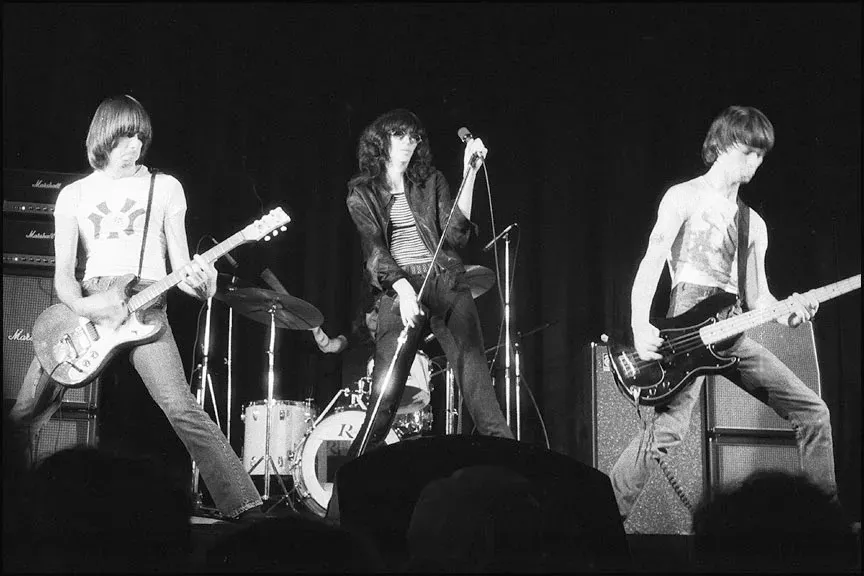
In 1976, punk rock had yet to become mainstream, and the Ramones’ self-titled debut album was largely ignored by the general public. Think about it. This was the album that basically invented punk rock as we know it, with its breakneck tempos and stripped down three chord songs. Its raw, fast-paced sound was a stark contrast to the polished rock of the time. Radio programmers didn’t know what to do with it. Most listeners probably thought it was just noise.
However, as the punk movement gained traction, Ramones was recognized as the album that kickstarted the genre, and its influence on punk music is immeasurable, and it remains a cornerstone of the movement. Every punk band that came after owed something to this record. It just took the world a few years to catch up.
Nirvana – Bleach (1989)

Before Nirvana achieved fame with Nevermind, their debut album Bleach was mostly unnoticed. Recorded for roughly six hundred bucks, it was raw, sludgy, and buried under layers of distortion. It sold modestly in underground circles but didn’t make any real waves beyond the Pacific Northwest indie scene. The songs were darker and heavier than what would make them famous just two years later.
Everything changed when Nevermind exploded in 1991. However, as Nirvana’s popularity skyrocketed, fans revisited Bleach and recognized its significance in the grunge movement, and today, it is considered a classic album that helped shape the sound of ’90s rock. Suddenly, that scrappy debut was being reappraised as a crucial document of a movement that changed rock forever.
My Bloody Valentine – Loveless (1991)

My Bloody Valentine’s Loveless was too noisy and unconventional for early listeners, but it is now regarded as one of the greatest shoegaze albums ever. The recording process nearly bankrupted their label and drove the band to the edge of collapse. When it finally came out, many listeners found it impenetrable. Its dense layers of sound and ethereal melodies were unlike anything else at the time, and it took a while for audiences to appreciate its brilliance.
However, as shoegaze gained popularity, Loveless was recognized as a groundbreaking album that defined the genre. Musicians started studying its production techniques like sacred texts. The album that almost nobody understood in 1991 became one of the most influential records of the decade, inspiring everyone from Smashing Pumpkins to modern dream pop acts.
The Replacements – Let It Be (1984)

The Replacements’ Let It Be was overshadowed by the mainstream music of the time, but it later gained recognition as an indie rock bible. Paul Westerberg and his bandmates were too punk for the mainstream and too melodic for hardcore purists. They fell between every conceivable crack. Its blend of punk energy and melodic songwriting resonated with alternative musicians and inspired generations of artists.
Today, Let It Be is regarded as a classic album that helped define the indie rock genre and influenced countless bands. It’s one of those records that almost every alternative rock musician from the past forty years will cite as a formative influence, even though it barely sold when it first came out.
Guns N’ Roses – Appetite for Destruction (1987)
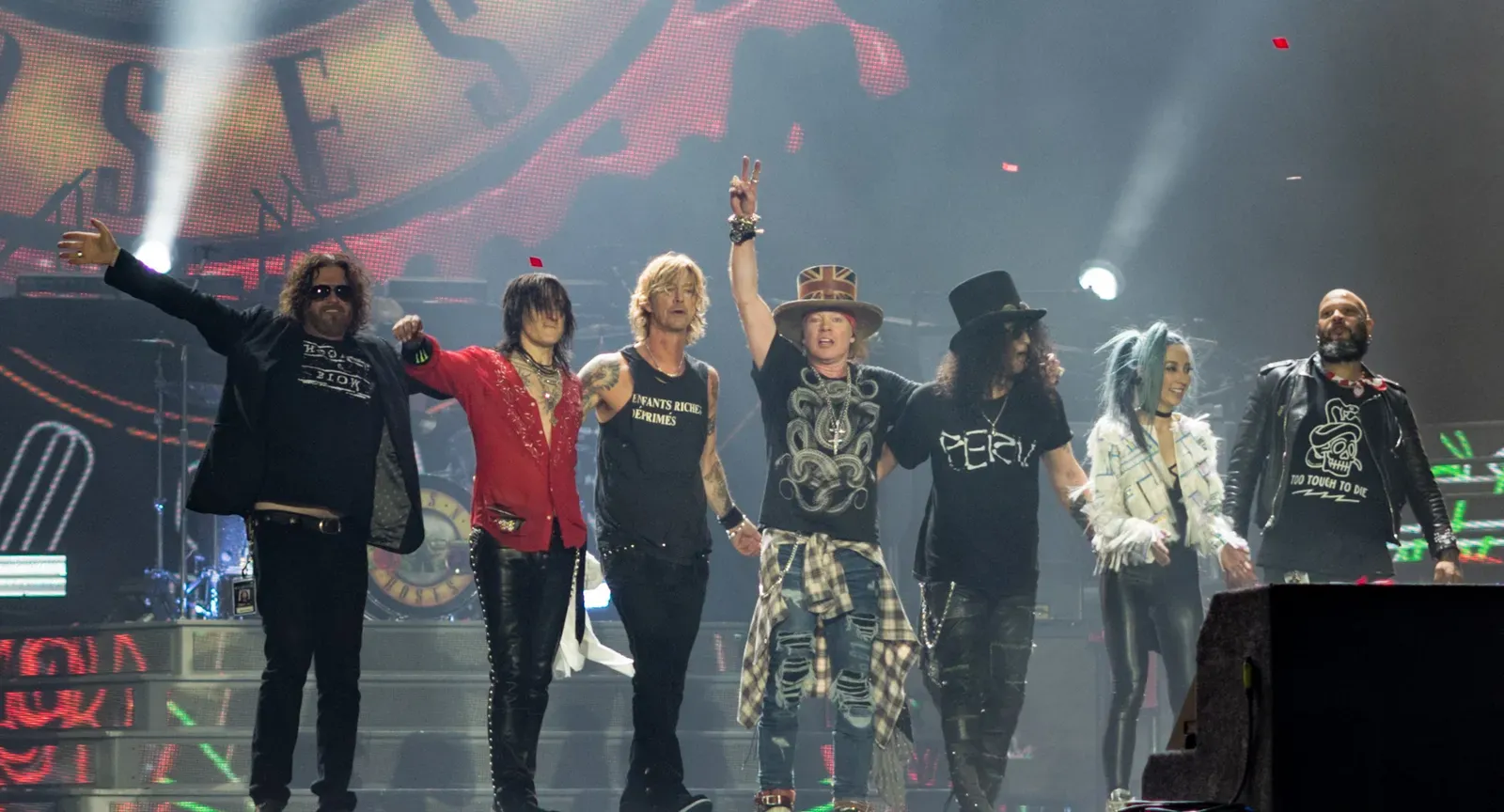
This might surprise you because Appetite eventually became one of the biggest selling rock albums ever, but its start was rough. The first single, ‘Welcome to the Jungle’, was ignored, and the album sold poorly for an entire year. Initially ignored by radio and MTV, ‘Appetite for Destruction’ faced shelving by the label. The band’s raw image and sound seemed too dangerous for the polished hair metal era.
Then something clicked. The record only took off after Geffen’s David Geffen personally convinced MTV to play the video for ‘Sweet Child o’ Mine’, which suddenly unlocked mass commercial success and cemented the album’s status as a masterpiece. Despite its initial struggles, ‘Appetite for Destruction’ became the best-selling debut album in history, cementing Guns N’ Roses’ legendary status. What started as a commercial failure became a phenomenon that redefined hard rock.
Pink Floyd – The Piper at the Gates of Dawn (1967)
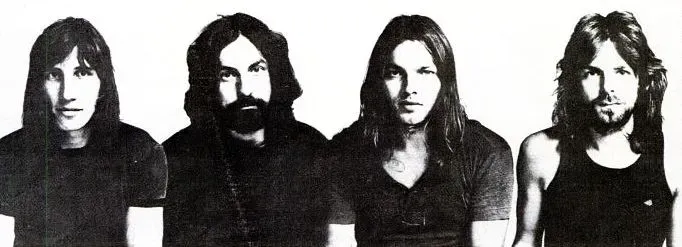
Pink Floyd’s debut album, The Piper at the Gates of Dawn, was initially too experimental for mainstream audiences. Syd Barrett’s psychedelic vision was unlike anything on the radio. Released in the same year as The Velvet Underground & Nico, its psychedelic soundscapes and surreal lyrics puzzled many listeners. It was outsider art masquerading as pop music, full of whimsical fairy tales and unsettling sonic experiments.
However, as Pink Floyd’s later albums like Dark Side of the Moon and The Wall achieved massive success, fans began to revisit their early work. Barrett’s genius became recognized posthumously, and the album that seemed like a strange anomaly in 1967 is now seen as one of the greatest psychedelic rock records ever made. Its influence echoes through progressive rock, indie music, and anywhere artists dare to get weird.
What’s the lesson here? Commercial success at launch means absolutely nothing when measuring an album’s true impact. These records prove that sometimes the most important art needs time to find its people. They were too strange, too raw, too ahead of their time. Yet they endured because they were honest, because they took risks, because they refused to compromise their vision for radio play or chart positions.
So what do you think? Have you discovered any of these albums years after their release and felt like you’d unlocked some secret? Which overlooked album changed your perspective on music?