
Music history is a funny, often cruel beast. Some bands get enshrined in the canon almost immediately. Others, despite writing some of the most extraordinary songs ever recorded, get swallowed by time, bad luck, or simple indifference. Honestly, it’s one of the most frustrating things about rock history.
The bands on this list never quite got what they deserved. Some were too ahead of their time. Some got crushed by distribution disasters or industry mismanagement. A few simply self-destructed at the worst possible moment. But here’s the thing – their music survived anyway. Let’s dive in.
1. Big Star – The Unluckiest Band in America

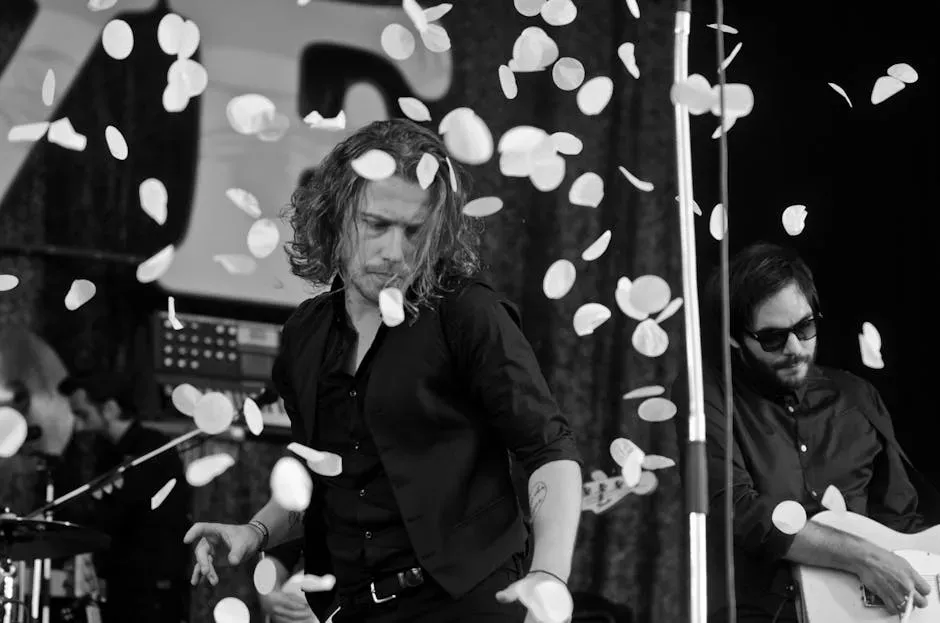
If there is a single story that encapsulates how brilliance can be buried by bad luck, it’s Big Star. Big Star was an American rock band formed in Memphis, Tennessee in 1971 by Alex Chilton, Chris Bell, Jody Stephens, and Andy Hummel. They had everything: sharp songwriting, immaculate production, and shimmering guitar work that felt like sunlight on glass.
Big Star’s debut album, 1972’s #1 Record, was met with enthusiastic reviews, but ineffective marketing by Stax Records and limited distribution stunted its commercial success. It barely found its way to record shop shelves. It got a rave review in Rolling Stone, but a rave review’s not much good if you can’t buy the album.
In its first era, the band’s musical style drew influence from 1960s acts such as the Beatles and the Byrds, pioneering a style that foreshadowed the alternative rock of the 1980s and 1990s. Before they broke up, Big Star created a “seminal body of work that never stopped inspiring succeeding generations.” Artists like Beck, Wilco, R.E.M., the Replacements, and Teenage Fanclub would all claim them as an influence.
Big Star’s most well-known song is likely “In the Street,” which was interpolated into the theme of That ’70s Show. “Thirteen” has been ranked in Rolling Stone’s list of the 500 Greatest Songs of All Time; likewise, three of Big Star’s albums have places in Rolling Stone’s 500 Greatest Albums of All Time. That’s an astonishing legacy for a band most people still answer with “who?”
2. The Zombies – A Masterpiece Nobody Bought

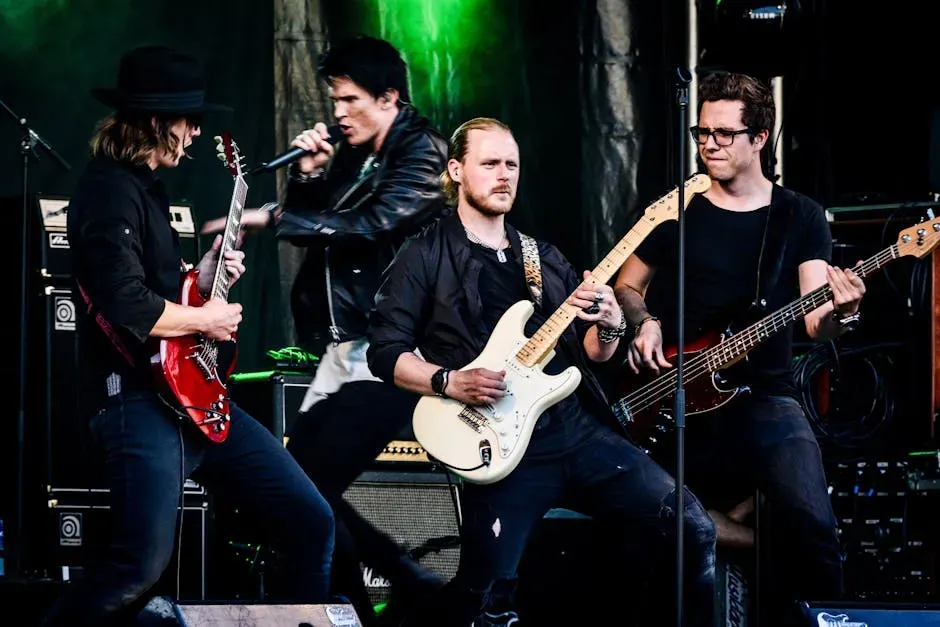
Few stories in rock are as bittersweet as The Zombies. The Zombies are often remembered for the hauntingly beautiful “Time of the Season,” but their true genius runs far deeper. In the 1960s, their lush, baroque-pop sound set them apart from the British Invasion crowd, yet their album “Odessey and Oracle” was initially dismissed, barely cracking the charts.
In 1969, the Zombies had another massive Number One with “Time of the Season,” but they had already broken up due to the lack of initial success with their final album, Odessey and Oracle. Think about that for a second. Their biggest hit arrived after the band had already quit. It’s almost poetic in its tragedy.
Their 1968 album Odessey and Oracle was ranked number 100 on Rolling Stone’s 2012 list of the 500 Greatest Albums of All Time, and number 243 on Rolling Stone’s 2020 list. A documentary about the band features archival footage and appearances by admirers such as Dave Grohl, Hayley Williams, Harry Styles, HAIM, Post Malone and FINNEAS. That’s quite a fan club.
The Zombies were finally inducted into the Rock and Roll Hall of Fame in 2019. Recognition came roughly half a century late, but at least it came.
3. Television – The Band That Invented Modern Guitar Music


Here’s a band that genuinely changed how the electric guitar was played, and most people outside hardcore music circles have never heard of them. Television’s “Marquee Moon” is often praised as a cornerstone of punk and art rock, but the band’s commercial fortunes never matched their critical acclaim. Emerging from New York’s legendary CBGB scene in the mid-1970s, Television’s sound was marked by dazzling, interlocking guitars and poetic lyrics.
The band kicked off a musical renaissance in New York when they became the first rock band to play CBGB, opening up the doors for the many acts that followed, including the Ramones, Blondie, and the Talking Heads. They literally built the stage for others to stand on, metaphorically and, reportedly, physically.
Marquee Moon failed even to scratch the US Billboard Top 200 on release in February 1977, although it hit No. 28 in the UK. Among the most acclaimed music releases in history, it consistently features in professionally curated lists of top albums, including various iterations of Rolling Stone magazine’s “The 500 Greatest Albums of All Time,” on which it ranked 128th in the 2003 list and 107th in the 2020 list.
Marquee Moon proved to be a foundational record of alternative rock, as Television’s innovative instrumentation on the album strongly influenced subsequent post-punk, new wave, and indie rock movements of the 1980s and rock guitar playing in general. Tom Verlaine died on January 28, 2023, at the age of 73, taking with him one of the most singular musical minds of his generation.
4. The Replacements – The Best Band to Never Make It


The Replacements had a spectacular talent for sabotaging themselves at precisely the wrong moment. The Replacements (1979–1991) were an influential Minneapolis-based band that fused punk, rock, country, and blues to capture the teenage angst of the 1980s. Founded by innovative guitarist Bob Stinson, the band also included bassist Tommy Stinson, drummer Chris Mars, and dynamic singer/songwriter Paul Westerberg.
After two albums in the style of punk rock, they became one of the main pioneers of alternative rock with their acclaimed albums Let It Be and Tim. Their records dripped with emotional honesty that felt almost uncomfortably raw. Tracks like “Unsatisfied” and “Bastards of Young” resonate with themes of youth disillusionment, heartbreak, and identity struggles. While other bands of the time focused on polished sound and catchy hooks, The Replacements dared to prioritize authenticity.
Often referred to as “one of the best bands to never make it,” a reference to their self-sabotage when presented with opportunities and their slow collapse after signing with Sire, the Replacements’ legacy lives on in their pioneering sounds, lyrics, and working-class aesthetics. Their high-school-dropouts vibe, fierce rhythms, and lyrics inspired the Bay Area punk scene, the Seattle grunge scene, and alt-country bands.
They reunited in 2012 and started to tour, which lasted until 2015. They sold out huge arenas, made more money, and played in front of more fans than they did in their prime. Better late than never, though it still stings a little.
5. Love – The Album That Should Have Changed Everything


Love, led by the enigmatic Arthur Lee, are one of those rare cases where a single album is so staggeringly good that its obscurity almost defies explanation. Love’s psychedelic masterpiece “Forever Changes” was released in 1967 to little fanfare, but its influence has only grown with time. The band, led by enigmatic frontman Arthur Lee, wove orchestral flourishes and folk-rock melodies into haunting, prophetic lyrics.
Despite its now-legendary status, the album barely made a dent commercially, peaking at number 154 on the Billboard charts. For context, that’s a staggering disconnect between quality and commercial reward. Imagine painting the Sistine Chapel and having nobody visit.
Over the years, musicians from The Doors to The Stone Roses have cited Love as a crucial influence, and “Forever Changes” frequently appears in lists of the greatest albums ever made. The album’s enduring appeal lies in its unique blend of genres and Lee’s poetic vision, which critics now describe as one of the most powerful statements of the 1960s.
Partner offer

I think it’s the sheer emotional density of the record that keeps pulling people back. Love’s inability to achieve lasting fame during their active years only adds to the sense of mystery and injustice surrounding their story.
6. Wire – The Minimalists Who Inspired Everyone

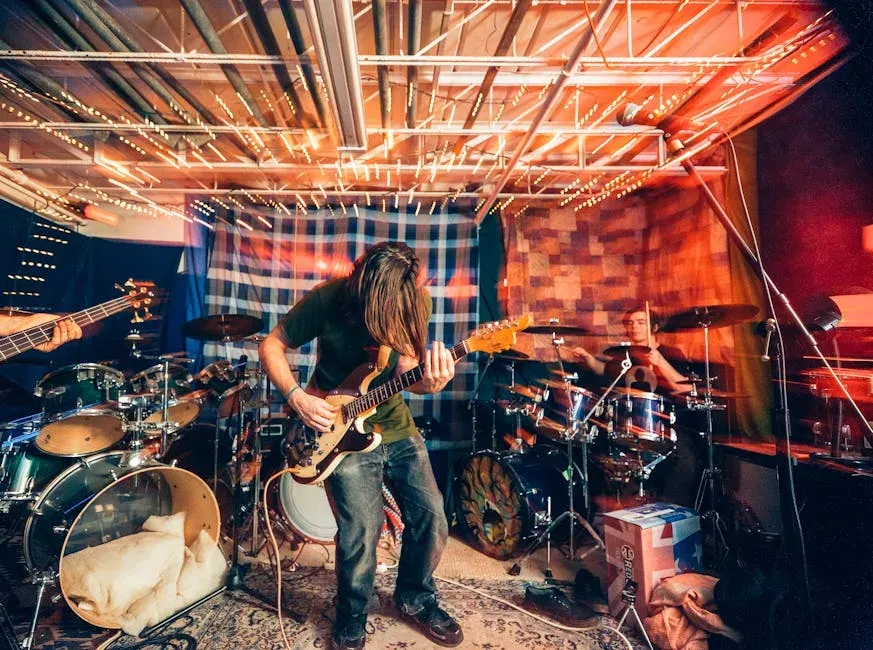
A criminally underrated punk group formed in 1976, Wire influenced many styles of punk music to come after them, while they were considered post-punk. Their approach was almost the opposite of excess: stripped back, angular, ruthlessly efficient. Think of them as the anti-stadium rock.
Their debut album “Pink Flag” influenced many American hardcore punk groups such as Minor Threat and Black Flag. Their influence also reached more mainstream groups such as Sonic Youth. The ripple effect of that one debut record is almost impossible to overstate.
They make the list for influencing so many artists despite less than desirable record sales and no real mainstream media buzz. There’s something almost noble about that. They made their music with zero interest in commercial reward, and the music industry eventually caught up with them anyway, through the artists they shaped.
7. Blood, Sweat and Tears – Jazz-Rock Royalty Swallowed by Shifting Tastes

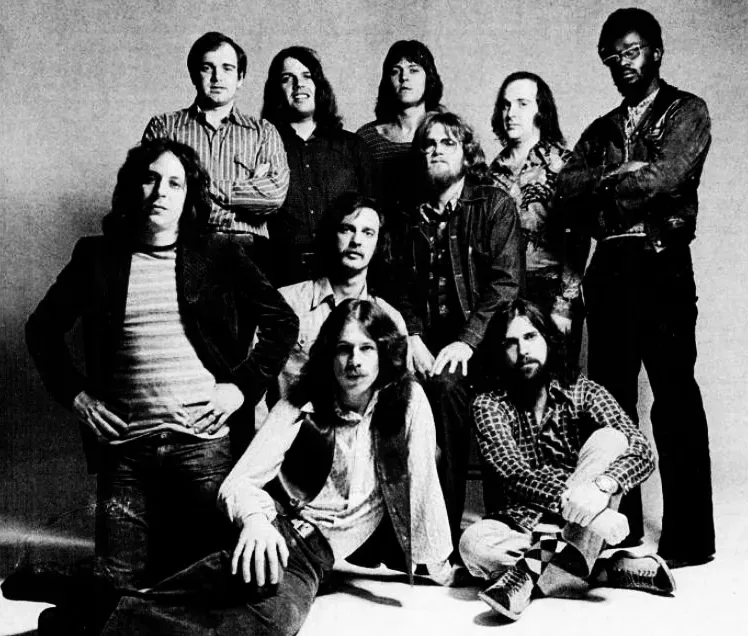
Jazz-rock fusion was, briefly, the cutting edge of late-’60s pop, and Blood, Sweat and Tears sat at the very top. Their 1968 self-titled album didn’t just chart well – it sold better than The Beatles’ Abbey Road in the United States, and won the Grammy for Album of the Year over Crosby, Stills and Nash and Johnny Cash.
The band’s secret weapon was its brass section, which gave songs like “Spinning Wheel” and “You’ve Made Me So Very Happy” a swinging, brassy punch. They were enormous. Legitimately, undeniably huge. And then rock changed direction, and they were left stranded.
The very things that made them successful – polished arrangements, a whiff of showbiz professionalism – doomed them as rock shifted toward grit and authenticity. It’s a cruel irony that their greatest strength became their greatest liability. The genre moved on and simply left them behind without a second glance.
8. Wishbone Ash – The Twin Guitar Architects

Wishbone Ash featured a rare two lead guitar lineup hailing praise as the best guitar duo since The Yardbirds. Wishbone Ash achieved moderate success in the early 70s with their self-titled debut album and their follow up “Argus.” They played a Blues-Rock/Hard Rock combo that influenced such groups as Lynyrd Skynyrd, Thin Lizzy, Van Halen, and Metallica.
Andy Powell and Ted Turner redefined the twin guitar approach, making it a feature of the sound. That is an extraordinary legacy when you consider how many guitar-based rock bands leaned on dual-lead interplay in the decades that followed. They essentially wrote the blueprint that others got famous for using.
Better known in their native U.K. than in the States, they nevertheless cracked the Billboard Top 200 Album Chart in America an impressive ten times, with 1973’s Wishbone Four hitting number 44. Although many members have come and gone, and they never caught on in the U.S. as strongly as they did at home, this prototypical British heavy-rock band is still led by guitarist Andy Powell after more than five decades. Five decades, and still not in the Rock and Roll Hall of Fame. Go figure.
9. UFO – The Heavy Metal Architects Nobody Remembers Correctly

Their creative period between 1974 and 1978 produced some of the most consistently excellent heavy music of the era, thanks to the addition of 18-year-old guitar prodigy Michael Schenker, who left the Scorpions to join the group. Schenker’s guitar heroics were the band’s main draw, but UFO featured virtuoso-level talent across the board.
As one music writer put it, UFO might actually apply to the long-running musical gag of being “your favorite artist’s favorite artist.” While never having runaway success in the U.S., they have been a massive influence on rock and metal bands of all stripes by pushing the boundaries of all guitar-heavy genres early in their career.
Right as they were on the verge of making it big in the US, Schenker left the band and UFO began to fade from view, though they still tour to this day. That departure was like pulling the engine out of a car just before the finish line. The timing was catastrophic, and mainstream recognition never fully recovered.
10. Squeeze – The British Songwriting Duo You Forgot About


Squeeze rose to prominence during the new wave period in the late ’70s and had a number of songs covering a wide range of different sounds, from the slower, bluesy feel of tunes like “Black Coffee in Bed” and “Tempted” to the uptempo fun of “Cool For Cats.” While Britpop rockers Blur would get a lot of attention in the ’90s for writing songs that were distinctly British in tone and sound, Squeeze was doing it a decade earlier.
One of the finest British bands of the late ’70s and early ’80s, Squeeze are practically forgotten these days, which is criminal considering their two most prominent members are often credited with having a writing partnership akin to Lennon and McCartney. That’s a bold comparison, but the songwriting evidence is hard to dismiss.
There is something deeply underrated about the sheer craft of a band that could make working-class life in Britain sound like the most interesting thing in the world. Squeeze did that consistently across album after album, and the mainstream let them slip quietly into the background.
11. Little Feat – The Best Band You’ve Probably Never Seen on a Greatest Bands List

While the British rock scene was littered with all sorts of underrated bands in the ’70s, the same was true across the pond in the United States. While bands such as Aerosmith and the Eagles were tearing up the charts, other acts were trying to scrape together a living by hitting the road. One such band was Little Feat, a group out of Los Angeles formed in 1969 that never made a hit single, but still managed to catch the attention of much bigger acts.
Little Feat blended rock, funk, R&B, and country into something that sounded like absolutely nothing else. Lowell George’s slide guitar playing alone is worth the price of admission. Their live performances were legendary among musicians in the know, even as mainstream radio gave them almost nothing.
Rock history isn’t written in stone – it’s written in memory, and memory is fickle. Some artists remain cultural fixtures decades later, while others, despite massive sales, screaming crowds, or even whole genres revolving around them, fade into obscurity. Little Feat is perhaps the clearest proof of that. Their influence runs deep through American roots rock, and most casual listeners couldn’t name a single song.
It’s worth asking: how many other extraordinary bands has history quietly dropped? Part of it is timing. Bands who embody a particular moment often struggle to survive beyond it. Another factor is influence – some acts change the landscape, others ride the wave. The bands on this list changed the landscape. They just never got the credit for it. What’s your pick for the most criminally overlooked band in history? Drop it in the comments.
Partner offer
Planning a trip to Vegas?
Compare hotel rates and show tickets on VEGAS.com.