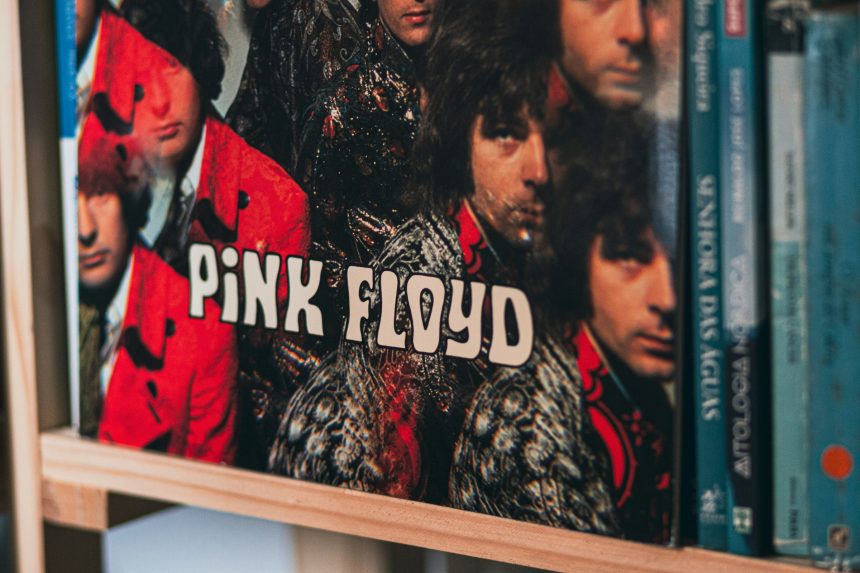
Most listeners notice the vocal first, then maybe the guitar or a hook that gets stuck in their head. The bass usually works quietly underneath, holding everything together without asking for credit. Every so often, though, a bass part steps forward and becomes the reason a song exists in the first place, the riff you hum before you even remember the lyrics. The eleven tracks below are built that way. Strip away the drums, the vocals, even the guitar, and the song still stands because the low end is doing the heavy lifting. These are basslines that didn’t just support a hit. They became one.
1. Another One Bites the Dust – Queen

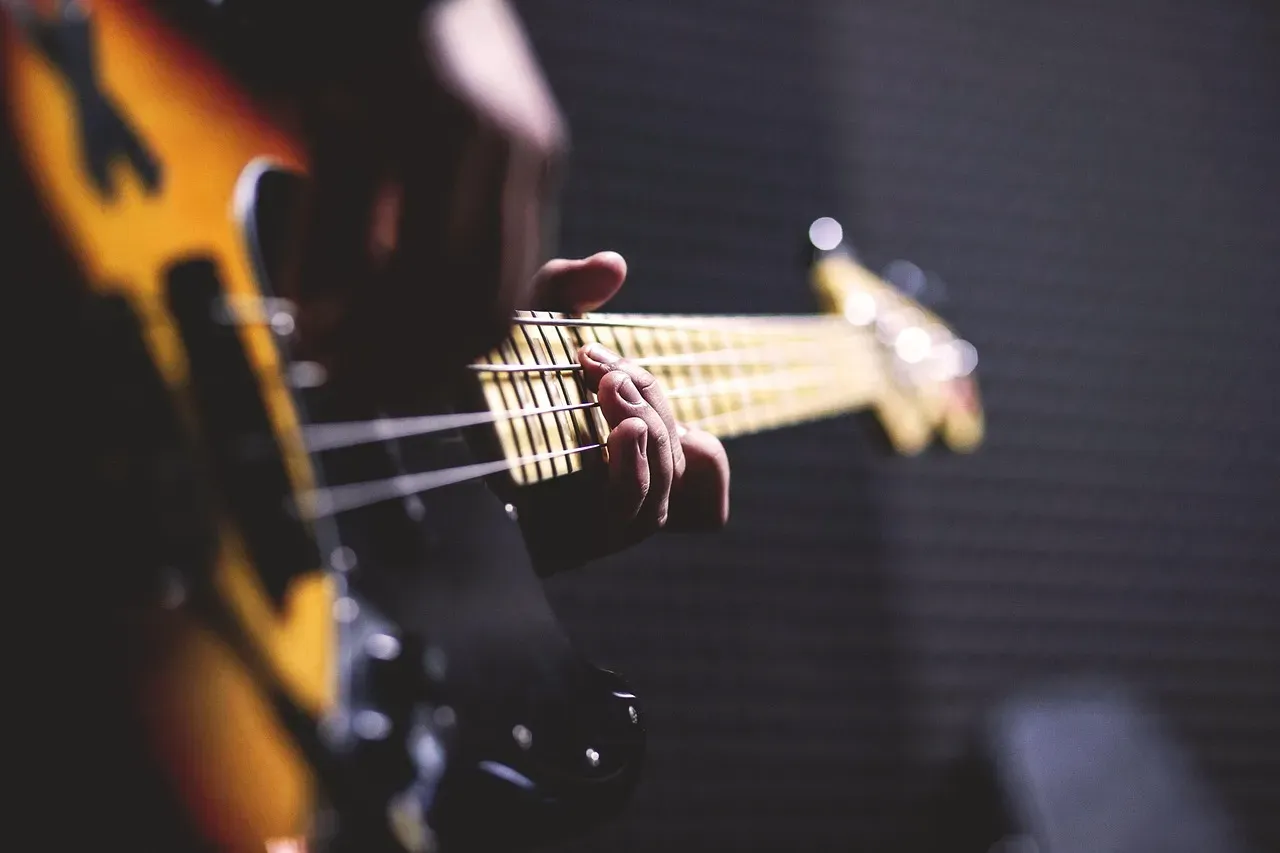
John Deacon wrote this song entirely, and the bassline he came up with is arguably the most recognizable four bars in Queen’s catalog. John Deacon’s bass line was inspired by “Good Times” by the disco group Chic. He reportedly spent time hanging around Chic’s studio sessions before writing it, absorbing their groove and turning it into something distinctly his own.
Written by bassist John Deacon, the song was featured on the group’s eighth studio album, The Game (1980), and was a worldwide hit, charting at number one on the US Billboard Hot 100 for three weeks. Interestingly, after attending a Queen concert in Los Angeles, Michael Jackson suggested to Freddie Mercury backstage that “Another One Bites the Dust” be released as a single. The bassline is so tight and metronomic that it has been used in a study to train medical professionals to provide the correct number of chest compressions per minute while performing CPR, since the bassline has close to 110 beats per minute.
2. Billie Jean – Michael Jackson

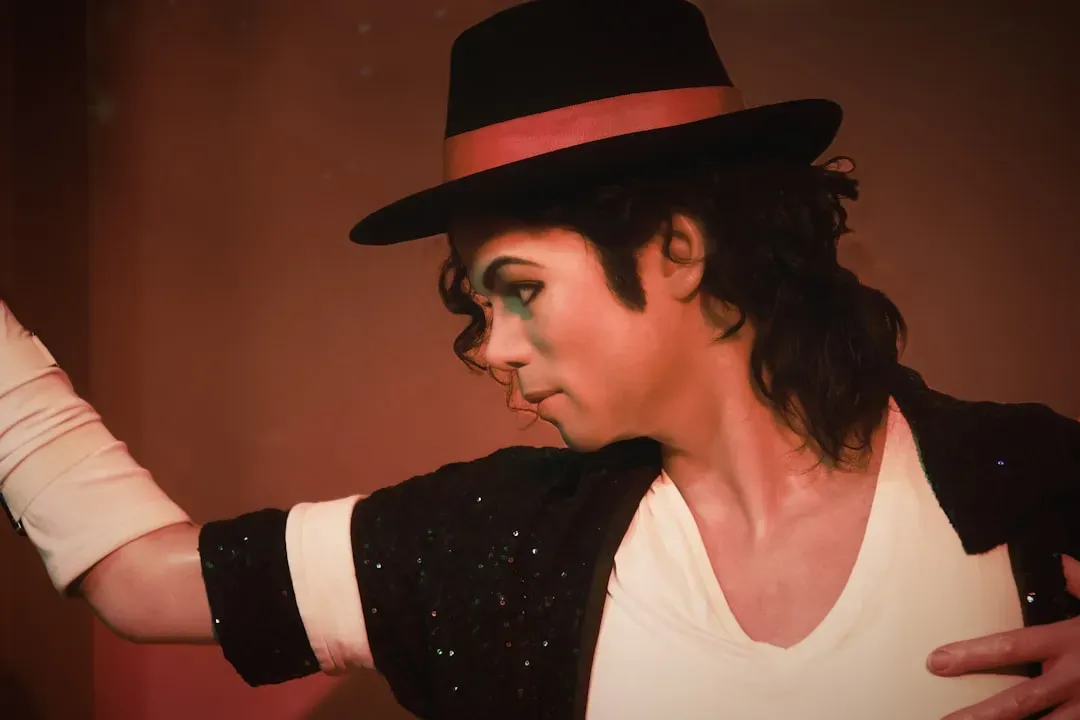
Session bassist Louis Johnson, nicknamed “Thunder Thumbs” for his slap technique, played on nearly every track that mattered on Michael Jackson’s Thriller. Johnson was best known for his work with the group the Brothers Johnson and his session playing on several hit albums of the 1970s and 1980s, including the best-selling album of all time, Michael Jackson’s Thriller. On Billie Jean specifically, he didn’t slap. He played it with his fingers, laying down a smooth, hypnotic pattern that loops almost unchanged for the entire five minutes.
What makes the story more remarkable is that Johnson never worked from written parts. He said he had never been given parts to play in his whole life, that no one ever gave him music paper to read, and instead they would just hand him a track and tell him to play what he wanted. That instinctive, unscripted approach is exactly what gives Billie Jean its eerie, locked-in groove, a bassline so central that it is considered one of the most iconic and influential basslines in popular music history.
3. Money – Pink Floyd
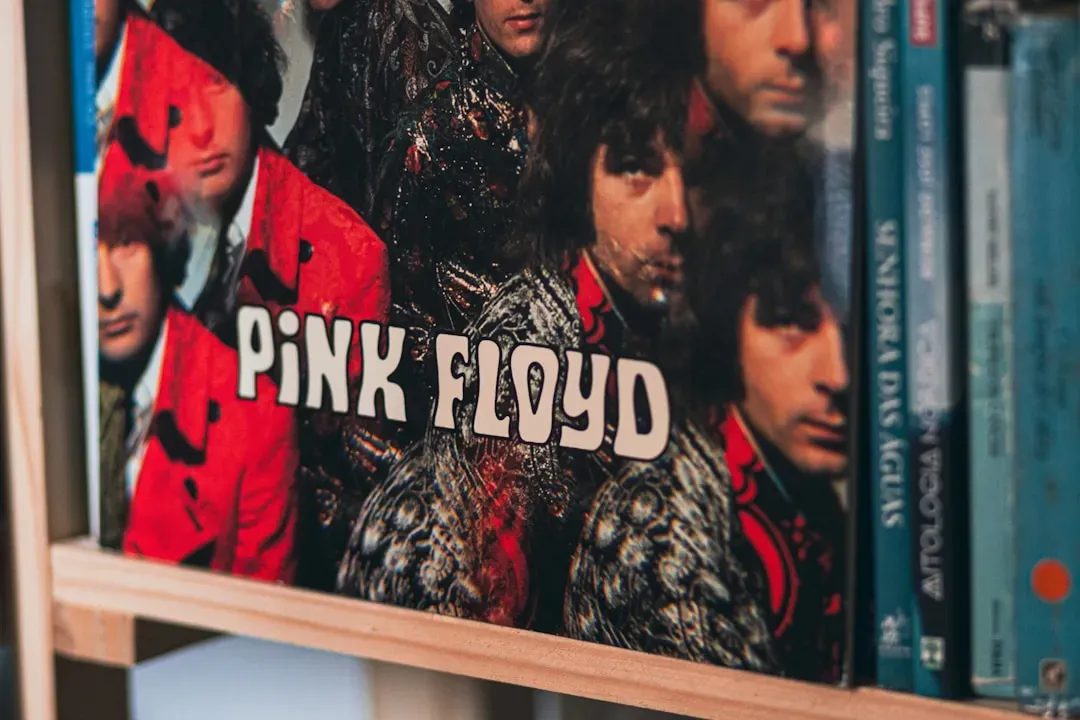
Roger Waters wrote both the lyrics and the riff for this Dark Side of the Moon centerpiece, and its unusual meter is part of what makes it so memorable. “Money” is noted for its unusual 7/4–4/4 time signature, and the tape loop of money-related sound effects that is heard periodically throughout the song. The riff itself has been called “one of the most memorable classic bass riffs ever recorded.”
David Gilmour has been clear about where the idea came from. As the sole credited writer on Money, bassist Roger Waters was responsible for coming up with the riff and the basic form of the song, and Gilmour confirmed “it’s Roger’s riff.” Waters reportedly chose the odd time signature because it suited the bluesy feel he was going for, and the bass carries listeners through those uneven bars so naturally that most people never notice they’re counting in seven.
4. My Generation – The Who

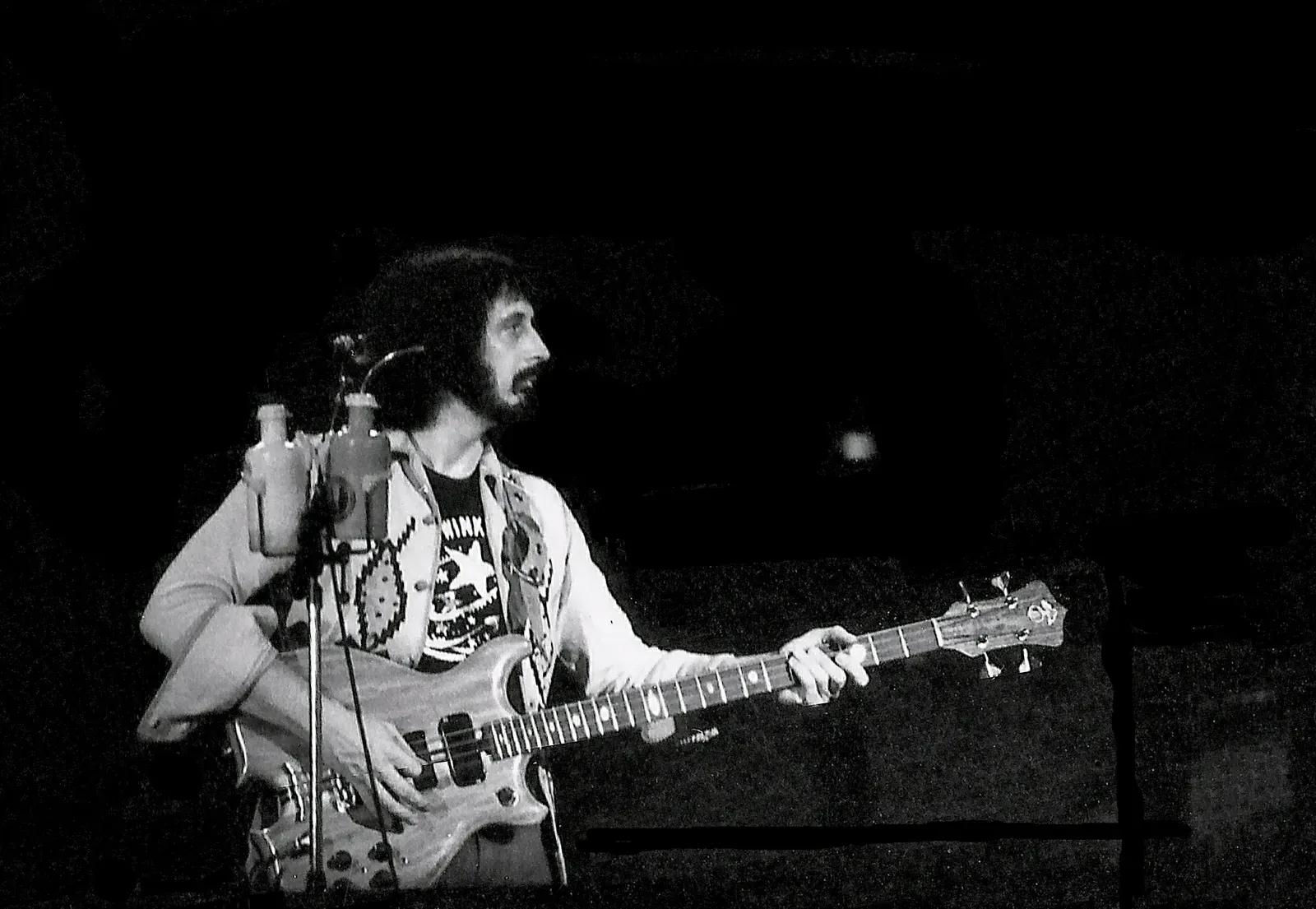
Before John Entwistle, bass solos essentially didn’t exist in rock music. “My Generation” featured one of the first bass solos in rock history, played by Entwistle on his Fender Jazz Bass rather than the Danelectro bass he originally wanted to use. He’d bought several Danelectros specifically for the session, but their thin strings kept snapping, forcing him to switch instruments and simplify what he’d planned.
Even simplified, the result changed what people expected from a bass guitar. He recorded the first bass solo in the history of popular music on The Who’s song “My Generation.” The song’s call-and-response structure, where the solo bounces between Pete Townshend’s guitar and Entwistle’s bass, gave the low end a spotlight it had never had before on a hit single.
5. Good Times – Chic

Bernard Edwards’ bassline on this 1979 disco track is one of the most sampled pieces of music in pop history. Its rolling, syncopated groove became the rhythmic backbone for the Sugarhill Gang’s “Rapper’s Delight,” effectively helping launch hip hop into the mainstream. Chic’s own producers eventually received songwriting credit on that record because the bassline was lifted so directly.
Edwards’ playing on Good Times is deceptively simple on paper but almost impossible to replicate with the same feel. It moves with a loose, walking confidence that made it irresistible on dance floors and equally appealing to rock musicians looking to borrow its energy, John Deacon among them when he wrote Another One Bites the Dust the following year.
6. Come Together – The Beatles

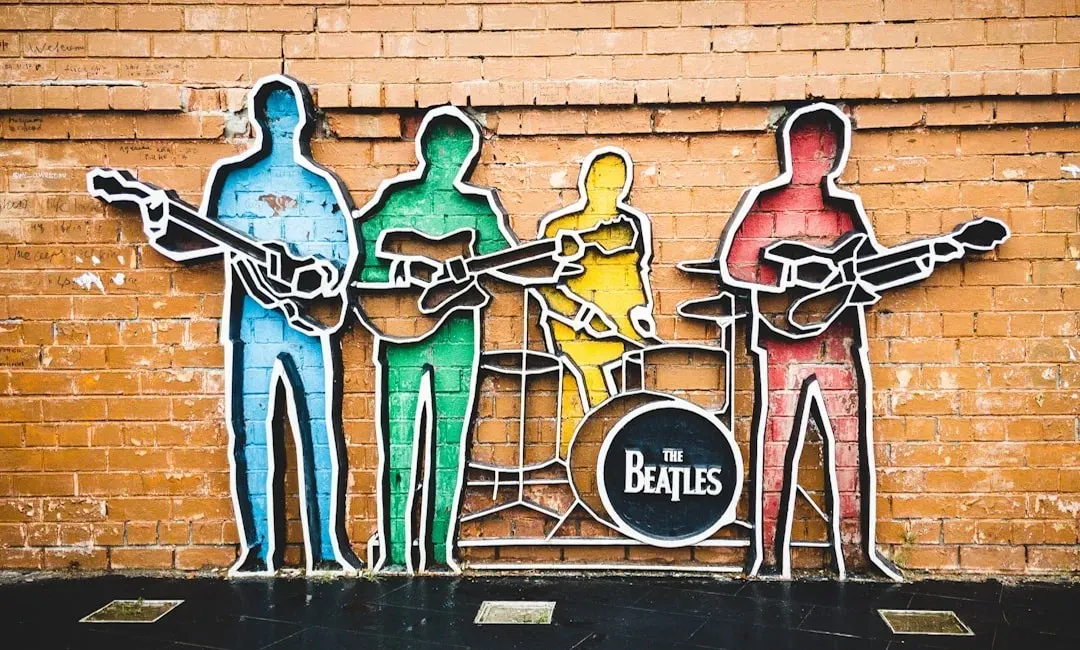
Paul McCartney’s bass part on this Abbey Road opener is swampy, slow, and full of space, which is exactly why it works. Instead of filling every gap, McCartney lets the bassline breathe between John Lennon’s cryptic lyrics, giving the song its slinky, half-spoken feel. The part moves almost like a second vocal line, answering the melody rather than just holding down the root notes.
It’s a different kind of bass playing than McCartney is known for elsewhere in the Beatles catalog, where his lines tend to be busier and more melodic. Here he pulls back, and that restraint is what makes the groove so hypnotic. Few basslines in rock manage to feel that unhurried while still driving the entire song forward.
7. Sunshine of Your Love – Cream

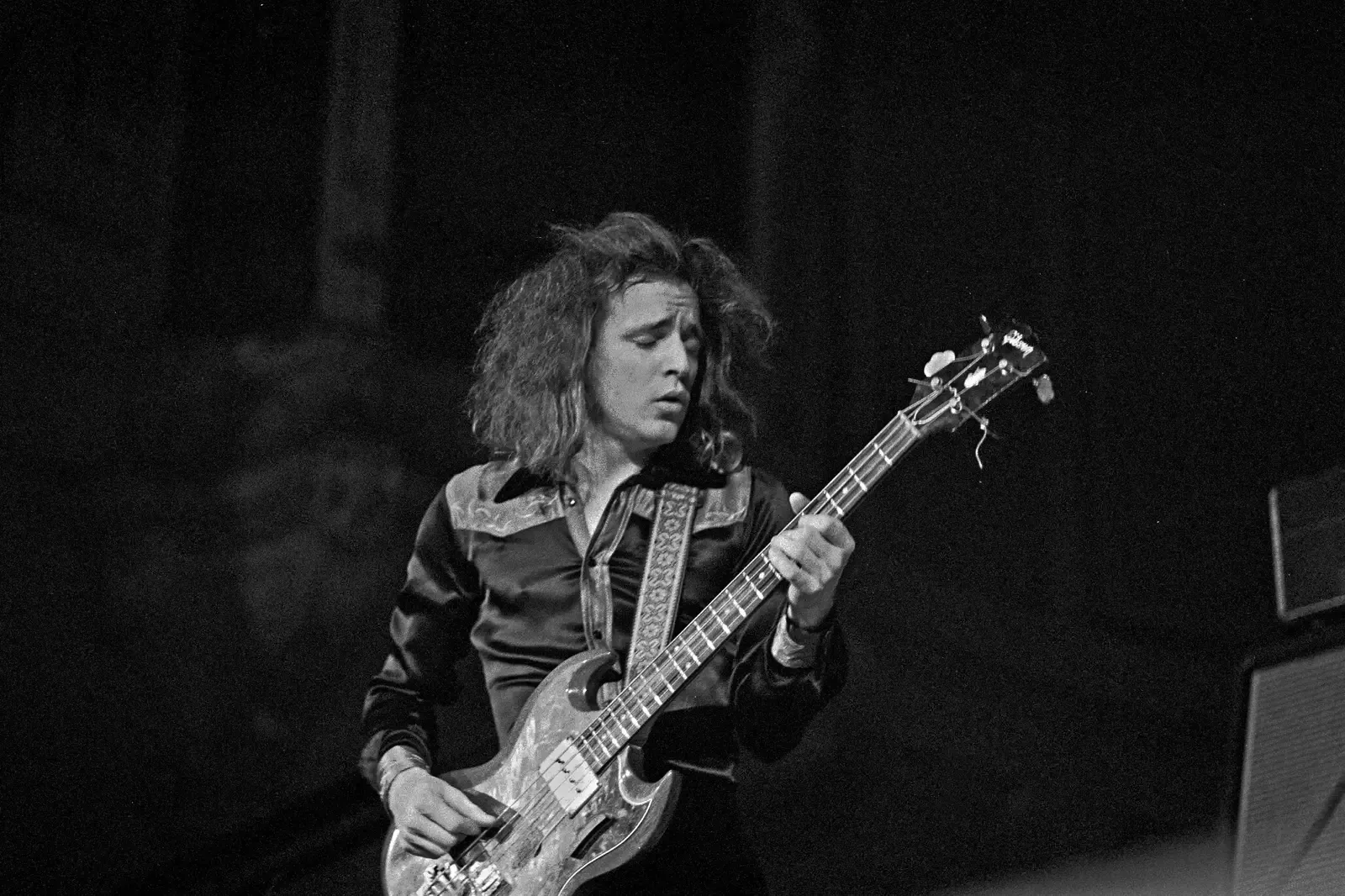
Jack Bruce’s descending riff on this 1967 track is one of the most instantly identifiable bass parts of the psychedelic rock era. It’s simple by design, just a few notes repeated with heavy conviction, but that simplicity is what turned it into a blueprint for countless riff based rock songs that followed. The riff carries as much melodic weight as Eric Clapton’s guitar solo, which is unusual for a power trio built around a guitar hero.
Bruce, who was classically trained and came up through jazz before joining Cream, brought a different sensibility to rock bass than most of his peers. His playing throughout Sunshine of Your Love treats the bass as a lead voice rather than a supporting one, sitting right alongside the guitar instead of underneath it. That approach helped define what a power trio bassist could sound like.
8. Higher Ground – Red Hot Chili Peppers
Flea’s cover of Stevie Wonder’s 1973 funk classic turned an already great song into a showcase for one of rock’s most technically gifted bassists. His slap and pop technique on the 1989 Mother’s Milk version is aggressive, fast, and endlessly inventive, closer to a lead instrument solo than a typical bass part. It’s one of the tracks most often cited when people talk about Flea’s influence on a generation of bass players.
What’s notable is how Flea manages to honor the original groove while making it entirely his own. Wonder’s version leans on synthesizer bass with a smoother funk pocket, while Flea’s take is percussive and physical, practically bouncing off the strings. The cover became a live staple for the Chili Peppers precisely because that bassline gives the whole band somewhere explosive to build from.
9. Longview – Green Day

Mike Dirnt’s slippery, descending bassline on this 1994 Dookie track is one of punk rock’s most recognizable riffs, largely because it doesn’t sound like typical punk at all. The line slides and bends in a way that feels almost lazy, which is part of its charm, giving the song a slacker attitude before Billie Joe Armstrong even starts singing. It’s melodic enough to function as the song’s actual hook.
Dirnt has talked over the years about how much of his early playing came from just messing around rather than following formal theory, and Longview has that loose, exploratory feel baked into it. The bassline carries the verses almost entirely on its own, with guitar and drums dropping out to let it sit exposed. Few punk songs from that era give the bass that much room to define the entire mood.
10. Portrait of Tracy – Jaco Pastorius

This 1976 instrumental is a rare case where the bass isn’t just carrying the song. It is the song. Jaco Pastorius, playing a fretless bass, built the entire piece around natural and artificial harmonics, a technique that was virtually unheard of on electric bass at the time and made the instrument sound almost like a harp or chiming bell.
Pastorius wrote the piece for his first wife, and its delicate, almost fragile quality stands in sharp contrast to the aggressive funk playing he was known for elsewhere. It remains a reference point for bassists studying harmonics decades later, often cited as proof that the instrument could be genuinely virtuosic and melodic rather than purely rhythmic. Few solo bass compositions have entered the standard repertoire the way this one has.
11. Around the World – Daft Punk


Daft Punk’s 1997 track from Homework builds its entire structure around a single looping bass pattern, repeated with almost mechanical discipline for the length of the song. It’s a programmed, disco inspired line rather than a traditionally played one, but its influence on dance music production has been enormous. The bass loop essentially functions as the song’s chorus, its main hook, and its rhythmic anchor all at once.
The duo layered vocoded vocals and sparse instrumentation on top, but strip those away and the bassline alone still communicates the entire vibe of the track. It’s a good example of how electronic music inherited the same lesson rock and funk had already learned, that a strong enough low end pattern doesn’t need much decoration to hold a listener’s attention for four straight minutes.
These eleven basslines span disco, punk, prog rock, funk, and electronic music, yet they share the same basic trick. Each one gives the listener something to hold onto that doesn’t depend on the vocal melody or a flashy guitar part. Take away everything else, and the groove alone still tells you exactly what song you’re listening to. That’s a rare kind of songwriting, and it’s easy to overlook precisely because it works so well. The next time one of these tracks comes on, it’s worth paying attention to what’s actually driving it. More often than not, it isn’t the singer or the guitarist doing the heaviest lifting. It’s the bass, quietly running the whole show.