Have you ever read something so brilliant that you felt a pang of jealousy? You’re not alone. Even the most successful people in the world sometimes close a book and think, “I wish I’d written that.” That feeling isn’t just envy. It’s recognition of something extraordinary.
Writers, actors, musicians, and leaders across every field have experienced what some call literary envy. It’s that moment when a story grabs you so completely that you can’t help but wonder what your life would be like if those words had come from your mind instead. So let’s dive in.
To Kill a Mockingbird by Harper Lee

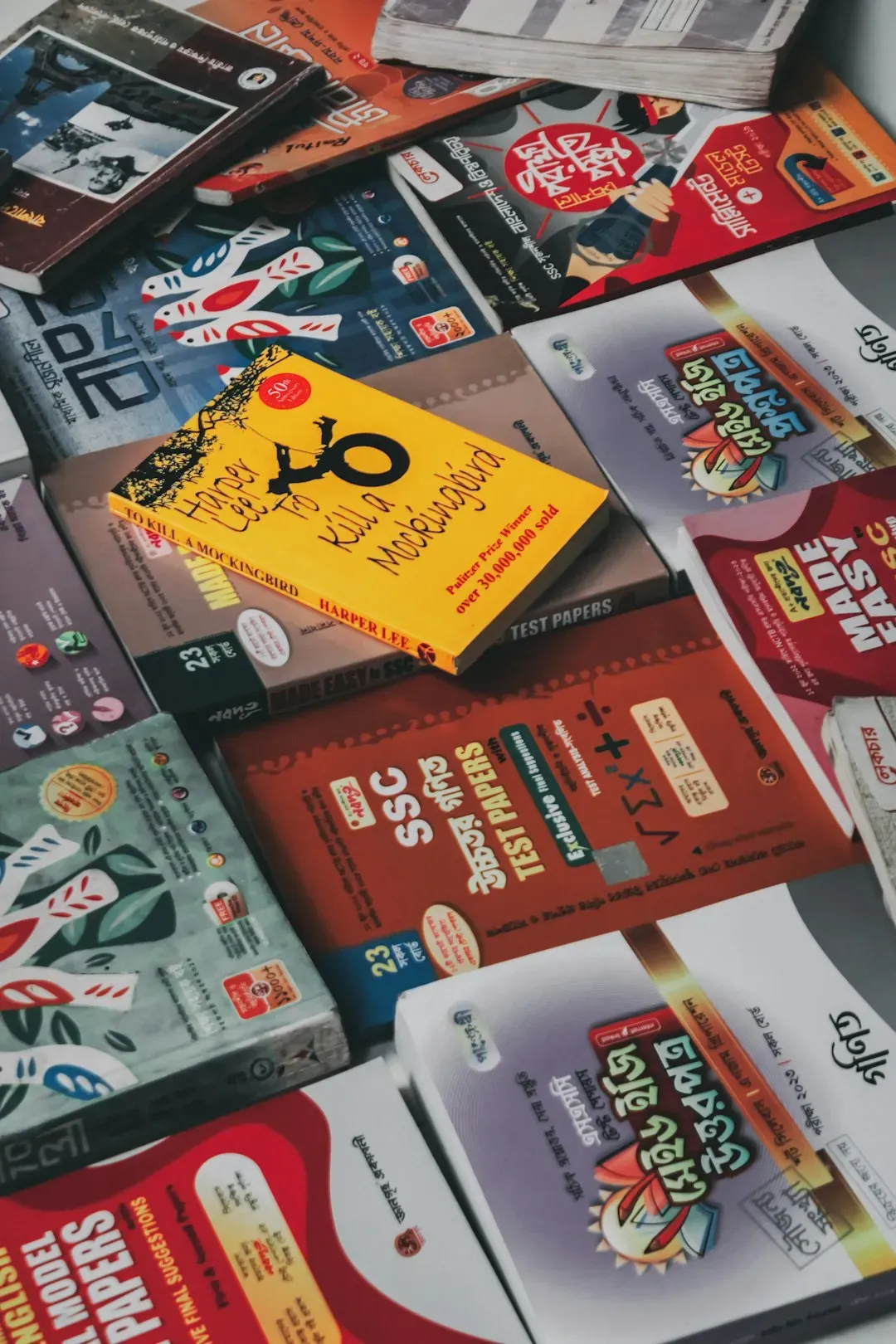
This American classic has haunted countless writers since its publication. Harper Lee captured something rare with Scout Finch’s voice. The novel tackles racism, childhood innocence, and moral courage in a way that feels both simple and impossibly complex.
Many authors have admitted they study this book repeatedly, trying to understand how Lee made it look so effortless. The courtroom scenes alone have inspired generations of legal dramas and social justice narratives. What makes it? Probably the fact that Lee said everything she needed to say in one perfect novel, then never felt the need to top it.
One Hundred Years of Solitude by Gabriel García Márquez

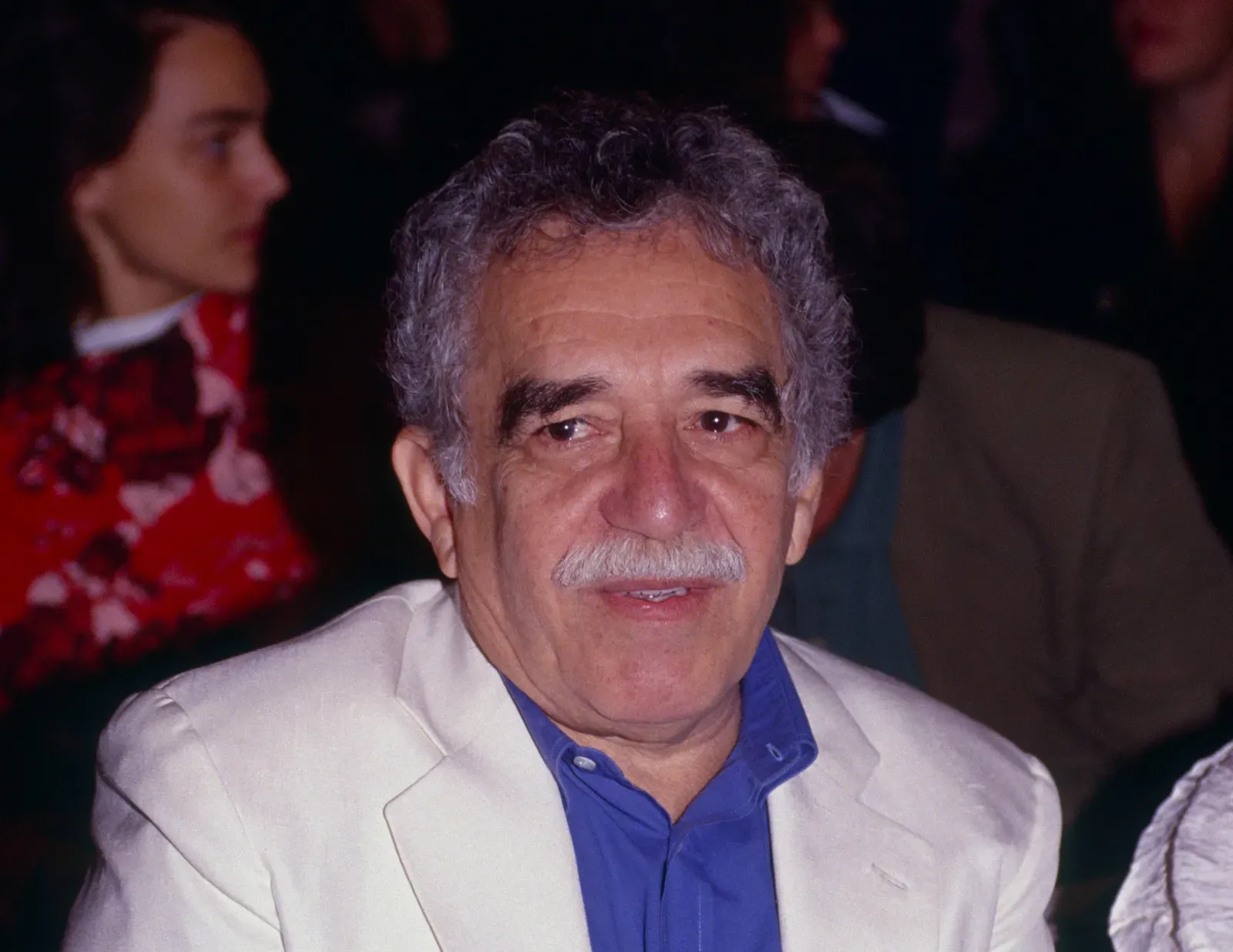
García Márquez created an entirely new way of seeing reality with this masterpiece. The novel took García Márquez eighteen grueling months to write while his wife Mercedes cared for their children and finances, and they had to sell their car and pawn appliances to sustain the family during the writing process. Talk about commitment to your craft.
The book introduces readers to the Buendía family across seven generations in the fictional town of Macondo. Magic realism had never felt so real before this. Writers around the world have tried to capture that same blend of fantasy and reality, but few have come close. The first 8,000 copies sold within a week, and half a million copies were sold within three years.
The Great Gatsby by F. Scott Fitzgerald

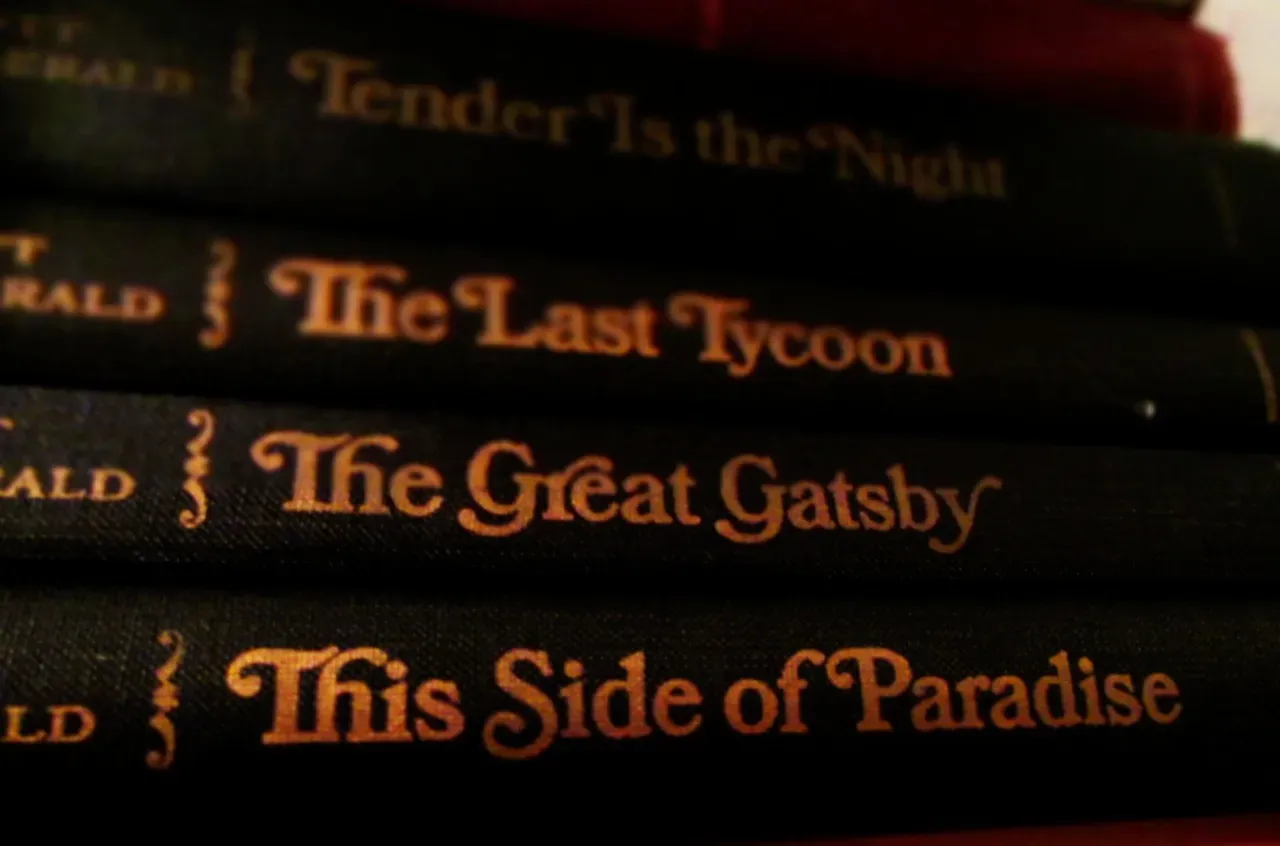
Let’s be real, Fitzgerald wrote the American Dream and then destroyed it in under 200 pages. The green light at the end of Daisy’s dock has become one of literature’s most powerful symbols. Every writer who’s ever tried to capture the hollowness beneath glamour knows they’re chasing Fitzgerald’s ghost.
The prose is so precise it hurts. Each sentence feels like it was carved from marble. Jay Gatsby’s tragic pursuit of an impossible past resonates differently with every generation that discovers it. Honestly, the fact that Fitzgerald died thinking he was a failure makes this book even more haunting.
Beloved by Toni Morrison

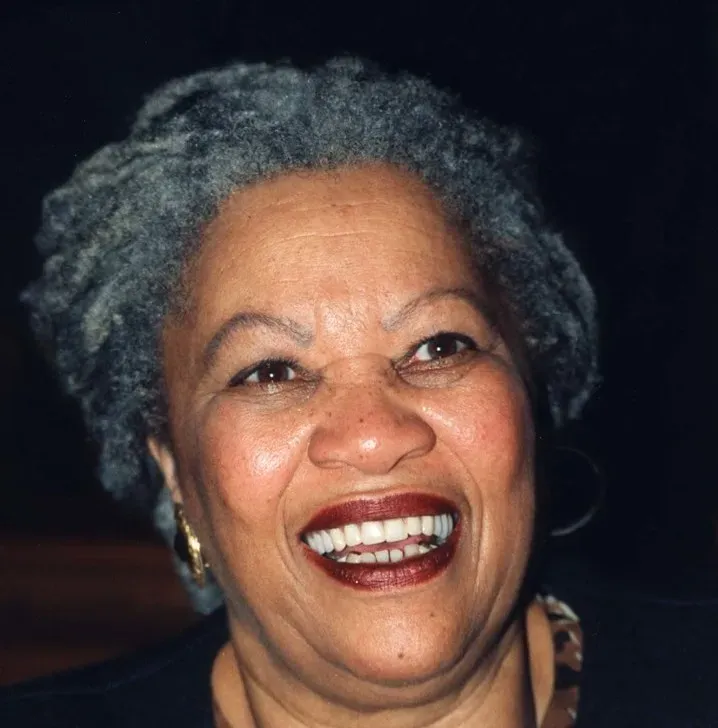
Morrison’s novel about slavery’s lasting trauma changed American literature forever. The story of Sethe and her haunted house on Bluestone Road goes places most writers wouldn’t dare to explore. It’s brutal, poetic, and absolutely necessary reading.
What makes this book so enviable? Morrison refused to make anything easy for her readers. She trusted us to follow her into the darkest corners of history and the human psyche. The ghost of Beloved herself remains one of literature’s most unforgettable characters. Writers study Morrison’s work like scripture, trying to learn how she wielded language with such devastating beauty.
Don Quixote by Miguel de Cervantes

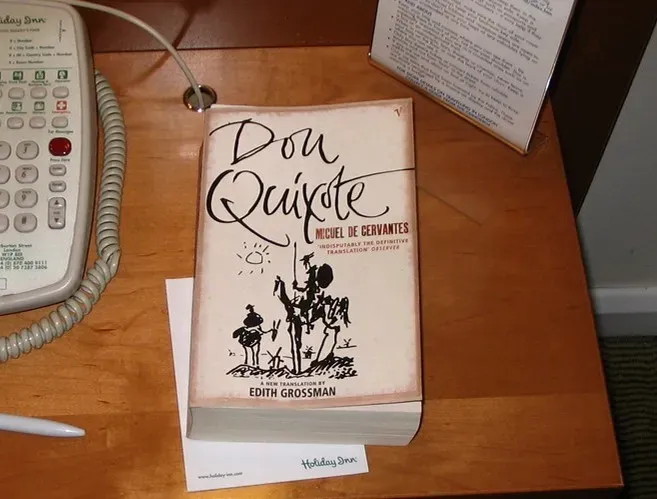
Cervantes died without ever considering Don Quixote his masterpiece, even though he valued his poetic work more highly than his prose. Imagine creating something that influential and not even realizing it. This novel essentially invented the modern novel as we know it.
The story of a deluded knight battling windmills has inspired countless adaptations, reimaginings, and homages over more than four centuries. Its influence on world literature cannot be overstated. Every writer who’s ever created a lovably flawed protagonist owes something to Cervantes. The irony and humanity woven throughout still feel fresh today.
Mrs. Dalloway by Virginia Woolf

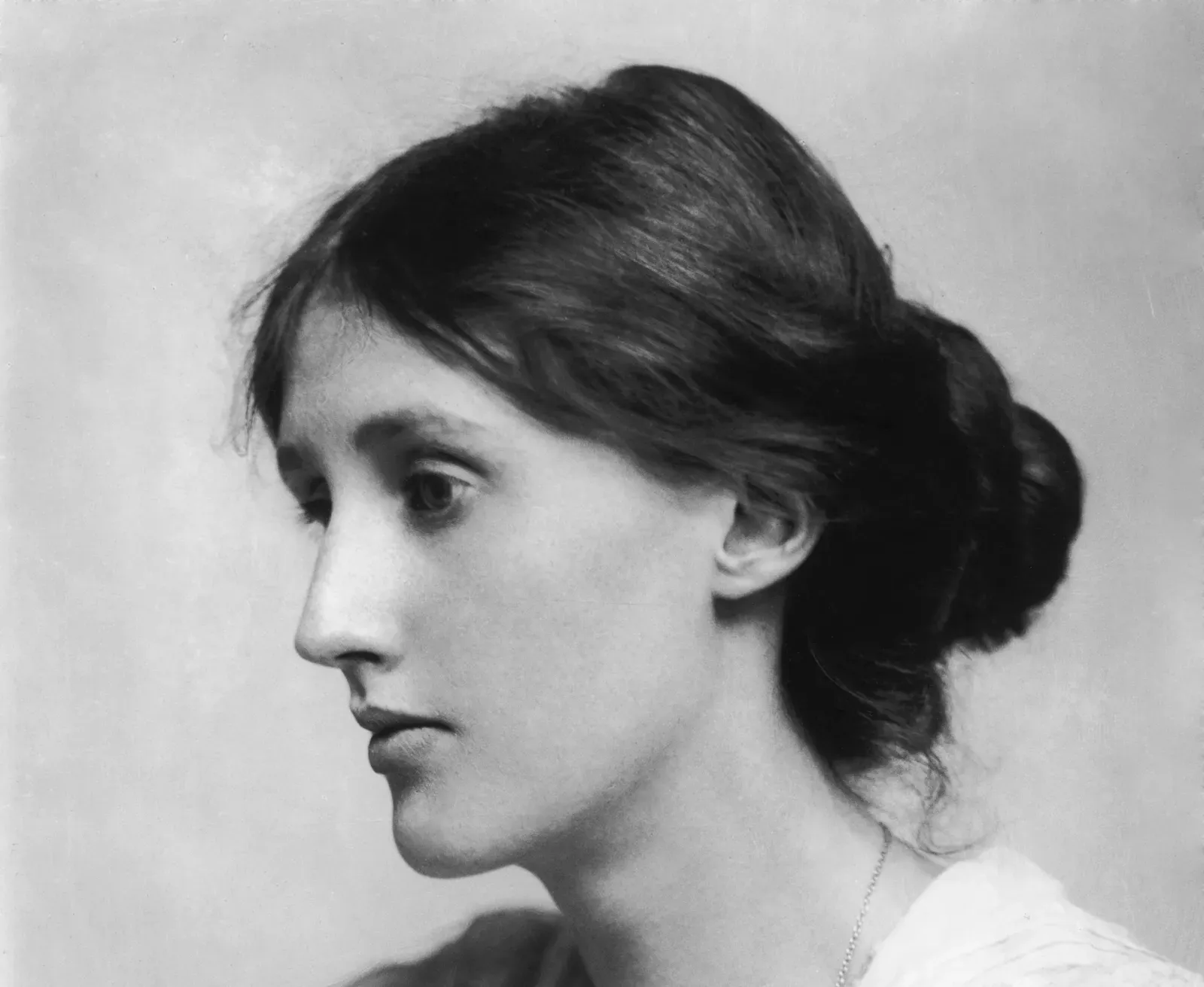
Woolf revolutionized how novels could work with this slender volume. The entire story takes place over a single day in London, but Woolf captures lifetimes within those hours. Her stream-of-consciousness technique opened doors for every experimental writer who came after.
Clarissa Dalloway preparing for a party becomes an exploration of time, memory, mental illness, and the weight of choices made years ago. The book feels effortless, which is exactly what makes it so maddening to other writers. How did Woolf make something so technically difficult appear so natural? That’s the question that keeps people reading it over and over.
Partner offer

Invisible Man by Ralph Ellison

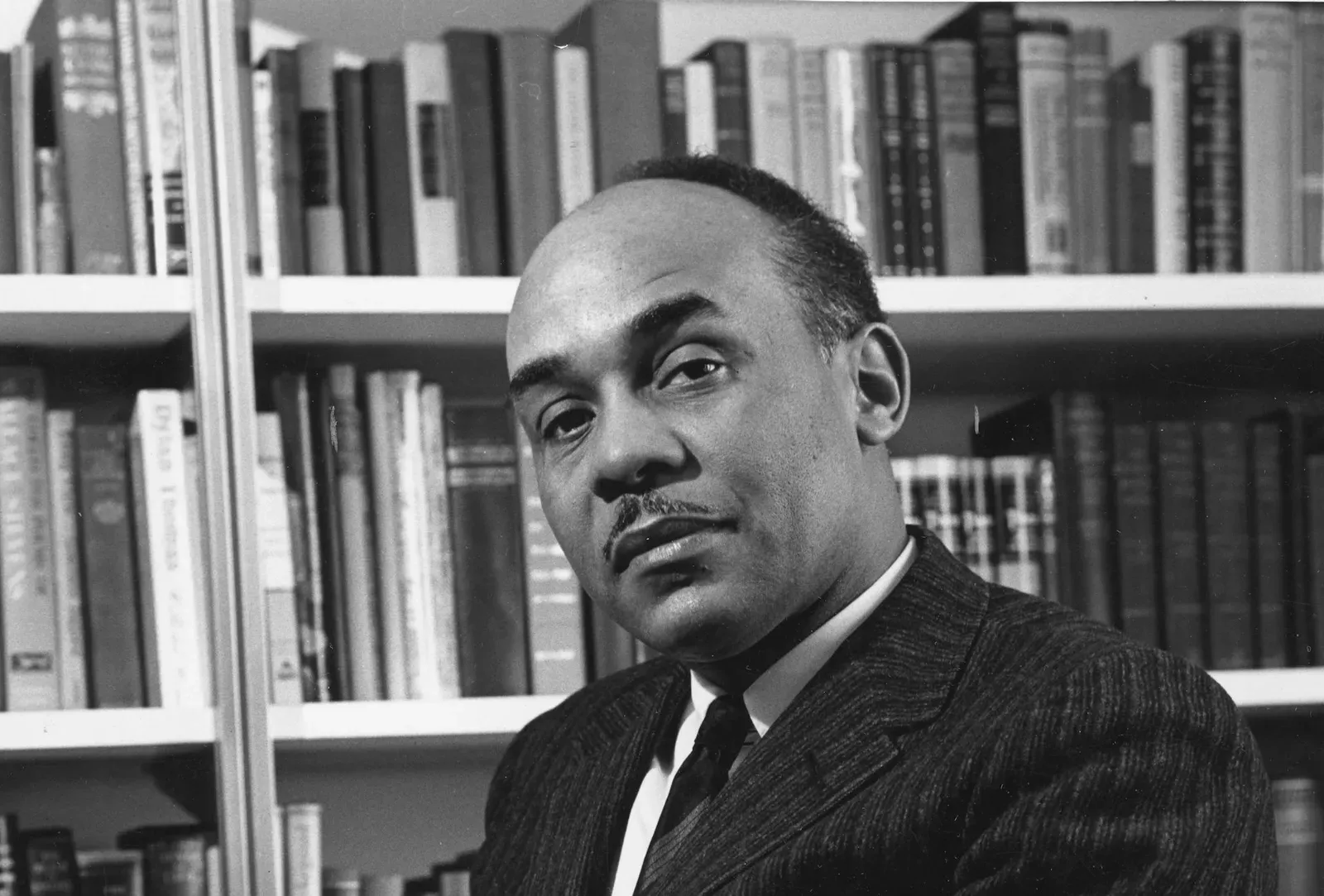
Native Son was Richard Wright’s most famous work, and when James Baldwin wrote about it, he noted its profound cultural impact on understanding the African American experience. Yet many consider Ellison’s Invisible Man to be the even greater achievement in exploring Black identity in America.
The unnamed narrator’s journey from the South to Harlem, from invisibility to self-awareness, created a new template for discussing race and identity. Ellison spent seven years writing this book, and every page shows that dedication. The opening line alone has become iconic. Writers admire how Ellison balanced social commentary with genuine storytelling.
Lolita by Vladimir Nabokov

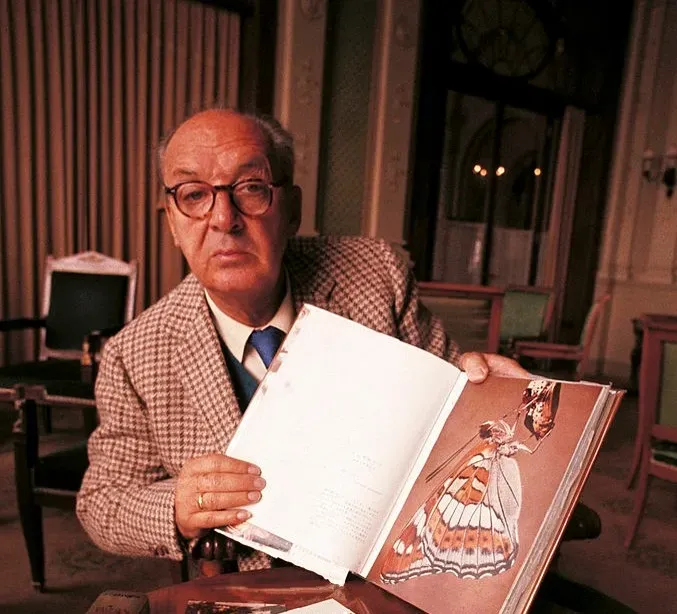
Here’s where things get complicated. Nabokov wrote one of literature’s most controversial and technically brilliant novels. The prose is gorgeous, which makes the subject matter even more disturbing. That tension is exactly what makes it unforgettable.
Nabokov is listed primarily for this one work, Lolita, proving that one book is all it takes to create a singular masterwork. Writers envy Nabokov’s ability to create unreliable narrators who seduce readers with language even as we recoil from their actions. It’s a high-wire act few could pull off.
The Handmaid’s Tale by Margaret Atwood

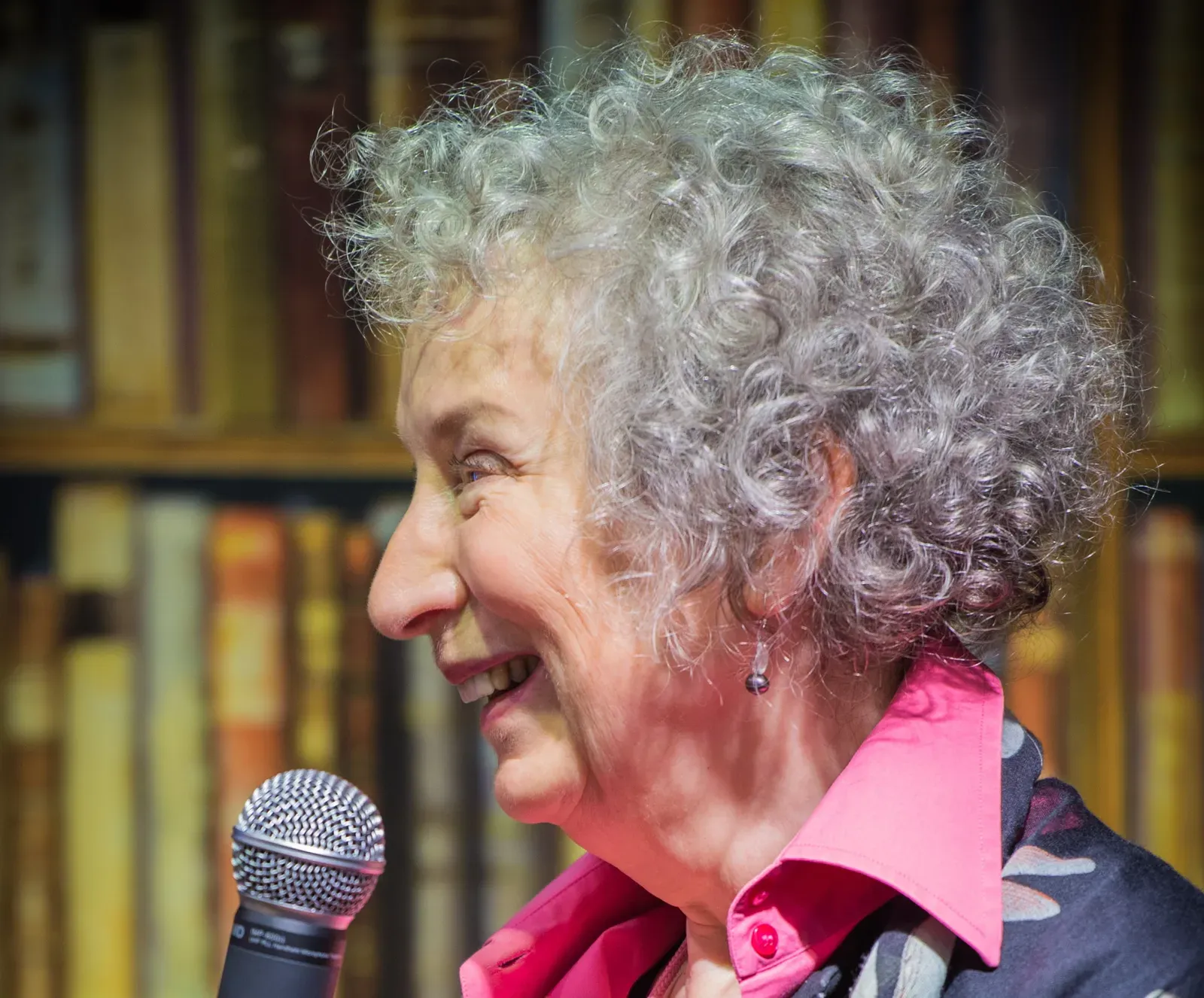
Atwood imagined a dystopian future that feels more relevant with each passing year. The Republic of Gilead and its oppression of women struck a nerve when published and continues to resonate. It’s become shorthand for discussions about reproductive rights and authoritarian control.
What makes writers wish they’d thought of this first? Atwood took contemporary anxieties and pushed them just far enough into speculative fiction to make us uncomfortable. The world-building feels inevitable rather than fantastic. Offred’s voice stays with you long after you finish reading. The fact that Atwood has said she included nothing that hasn’t happened somewhere in human history makes it even more chilling.
Crime and Punishment by Fyodor Dostoevsky

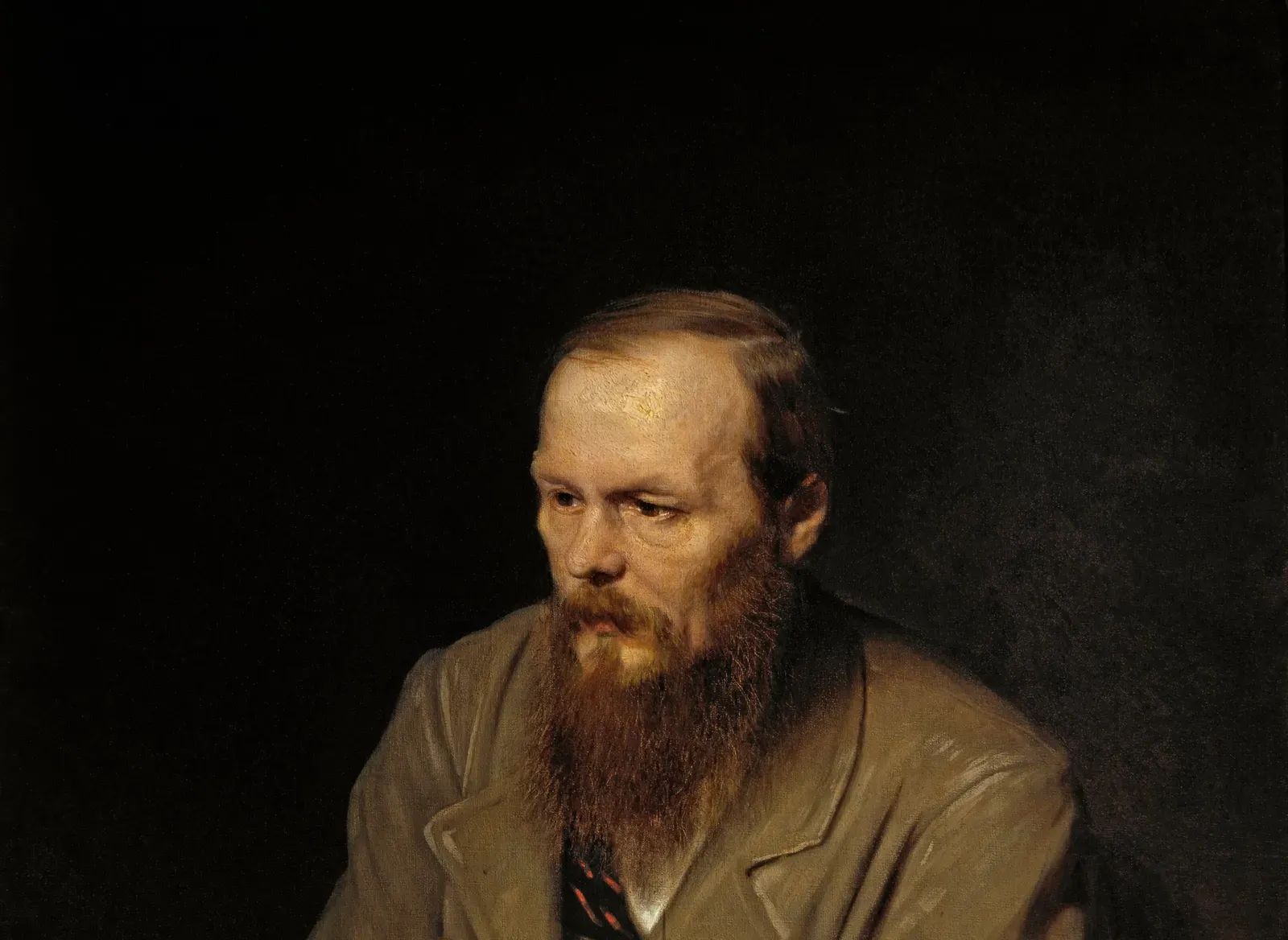
Dostoevsky crawled inside the mind of a murderer and dragged readers along for the psychological journey. Raskolnikov’s internal battle between his theory of the extraordinary man and his conscience created the template for psychological thrillers. Everything written about guilt and redemption since owes something to this novel.
The St. Petersburg setting becomes almost another character. Dostoevsky understood human nature’s darkest corners better than almost anyone. Writers study how he built tension through internal monologue rather than external action. It’s a masterclass in character psychology that modern authors still try to emulate.
Things Fall Apart by Chinua Achebe

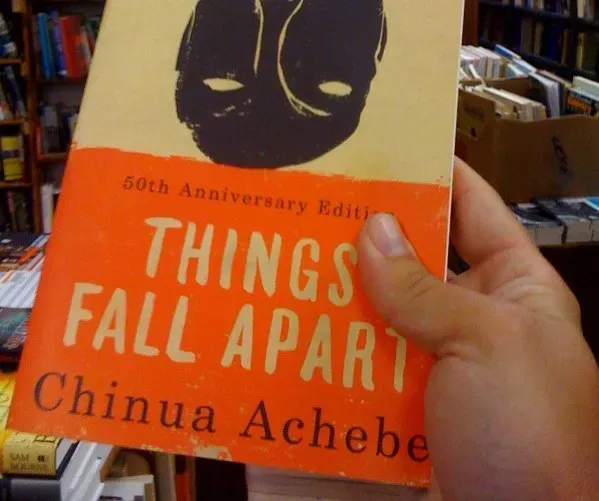
Achebe’s Things Fall Apart was arguably the first African novel to enter the Western canon, and it’s still ubiquitous in high schools across America as one of the most widely read works. Achebe gave African literature a new voice and challenged Western narratives about colonialism.
The story of Okonkwo and his Igbo village confronting British colonization remains painfully relevant. Achebe refused to exoticize or simplify his characters. He presented African society with complexity and dignity before showing how colonialism tore it apart. Writers admire how Achebe balanced cultural specificity with universal themes. He made readers around the world see their own humanity reflected in characters they’d never encountered before.
Hamlet by William Shakespeare

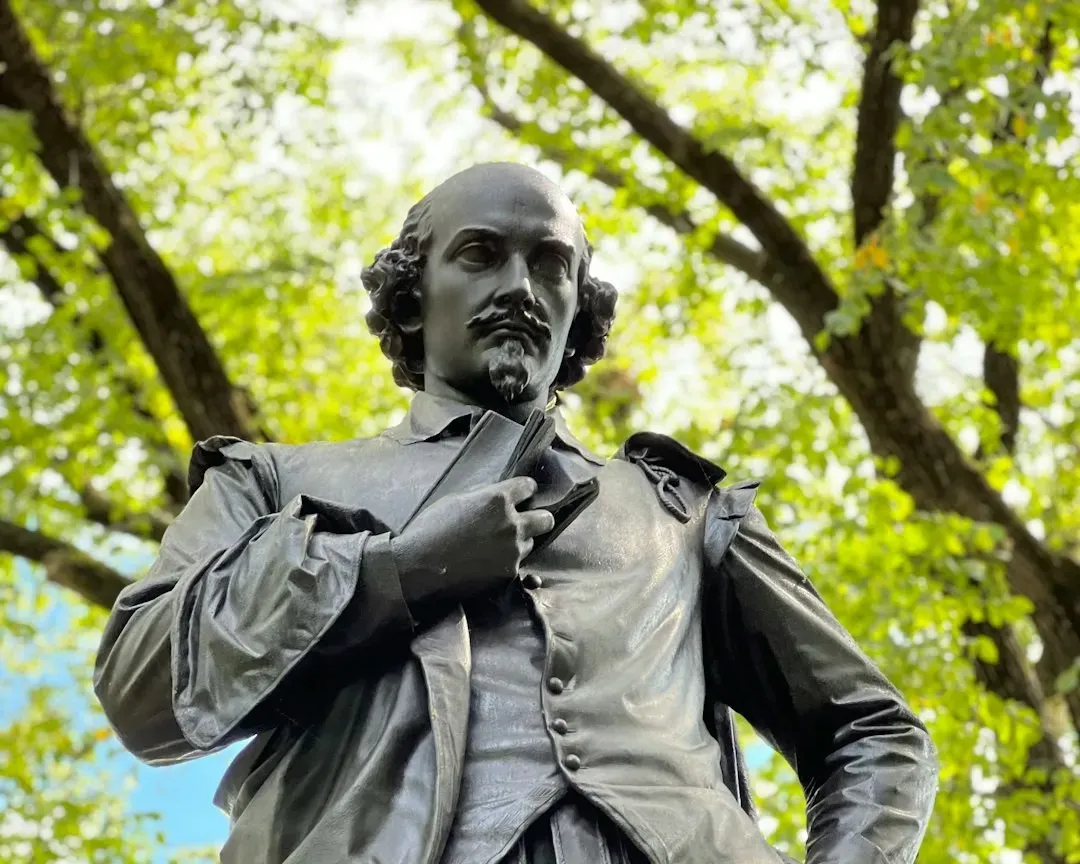
Hamlet represents the highest achievement of Shakespeare’s art, focusing on revealing the depth of characters through inner contradictions and conflicts, while Shakespeare showed the style of a master by integrating rhymeless poetry with prose, rhyming verses, and lyric ballads.
Every writer since has tried to create characters as complex as the melancholy prince. To be or not to be? That question has echoed through four centuries. The play contains more quotable lines than most authors produce in a lifetime. Shakespeare understood human psychology before psychology existed as a field. The family drama, political intrigue, and existential questioning still feel contemporary. That’s why people keep adapting it, reimagining it, and wishing they’d somehow thought of it first.
Writers across all fields have experienced that peculiar mix of admiration and envy when encountering truly great work. These twelve books represent just a fraction of the masterpieces that have inspired both awe and a bit of jealousy. They remind us that great writing transcends time, culture, and circumstance.
The beauty of literary envy is that it pushes us to create something equally meaningful. As one writing teacher put it, wishing you’d written someone else’s masterpiece is really just recognition that great art is possible. Maybe that’s the real gift these books give us. Not just stories to read, but standards to chase. What books make you wish you’d written them? That list might tell you more about your own creative aspirations than anything else.
Partner offer
Planning a trip to Vegas?
Compare hotel rates and show tickets on VEGAS.com.