
Ever felt intimidated by those towering classics sitting on your shelf, gathering dust? Here’s the thing. Not every masterpiece demands weeks of commitment. Some of the most celebrated novels in literary history clock in at surprisingly manageable lengths, perfect for devouring during a leisurely Saturday and Sunday. Think about it: you’ve got roughly 48 hours ahead of you, and the average reading speed for fiction is 260 words per minute. That translates to meaningful reading time if you dedicate just a few hours each day.
The beauty of shorter classics lies in their concentrated power. These writers didn’t waste a single word. They crafted stories that punch above their weight, delivering emotional depth and philosophical insights without the bloat. Whether you’re looking to finally cross some must-reads off your list or simply want to prove to yourself that yes, you can finish an actual book this weekend, these twelve selections offer the perfect starting point. Let’s dive in.
Of Mice and Men by John Steinbeck

At fewer than 120 pages, Steinbeck’s prose is rich yet economical, making this Depression-era tale remarkably digestible. The story follows George and Lennie, two migrant workers chasing the American Dream across California’s harsh landscape. Lennie’s mental disability and immense physical strength create a heartbreaking dynamic that Steinbeck explores with unflinching honesty.
What makes this novella so powerful is how much emotion Steinbeck packs into such a compact narrative. At around 30,000 words, its impact is that of a full-length novel. You’ll find yourself thinking about the final pages long after you close the book. The themes of friendship, loneliness, and shattered dreams resonate just as strongly today as they did in 1937, proving that great literature doesn’t need excessive length to leave a permanent mark.
Animal Farm by George Orwell
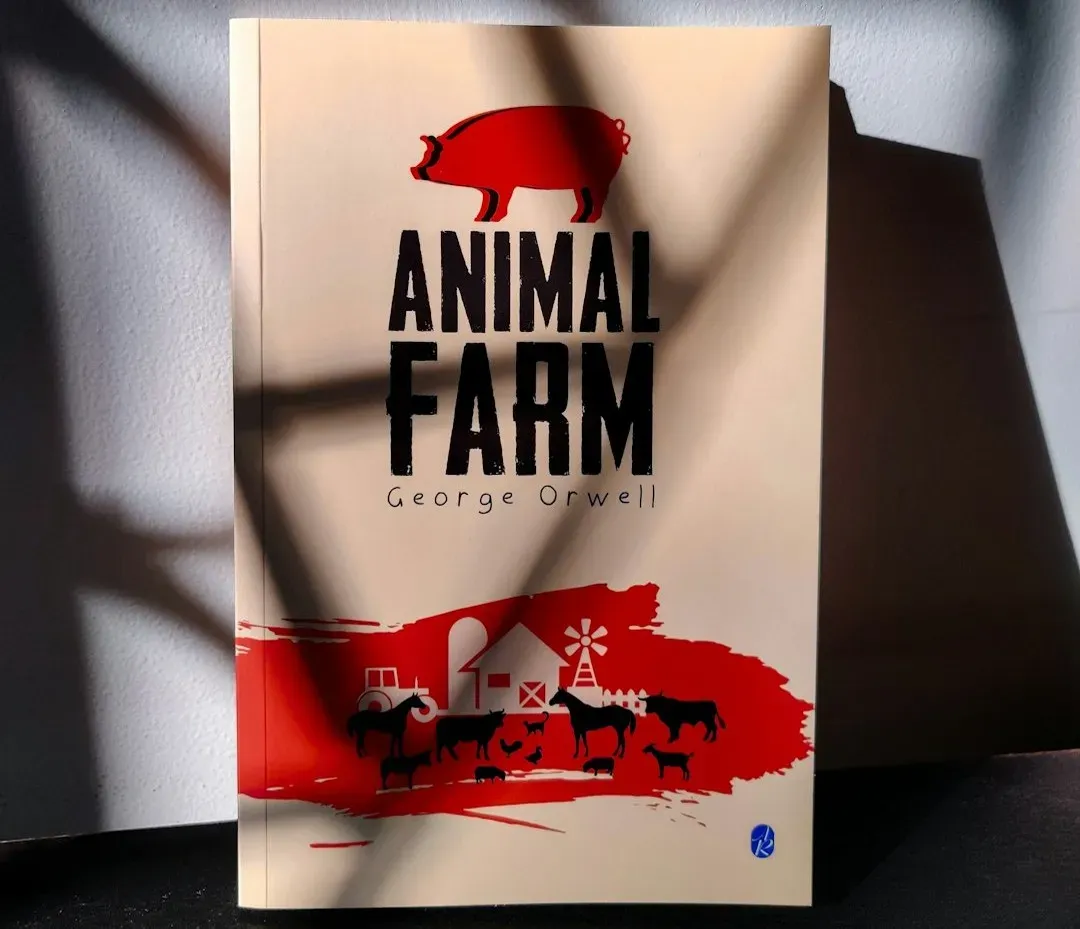
In just 112 pages, Orwell’s allegorical novella critiques totalitarianism through the tale of rebellious farm animals. What starts as an inspiring revolution against human oppression gradually morphs into something far more sinister. The pigs, initially comrades in the struggle, slowly transform into the very tyrants they overthrew.
The genius of this book lies in its deceptive simplicity. On the surface, it’s a farmyard story that children could follow. Yet beneath that accessible exterior lurks a devastating commentary on power, propaganda, and political corruption. You’ll breeze through the pages in a single afternoon, but the questions it raises about human nature and governance will stick with you indefinitely.
The Great Gatsby by F. Scott Fitzgerald
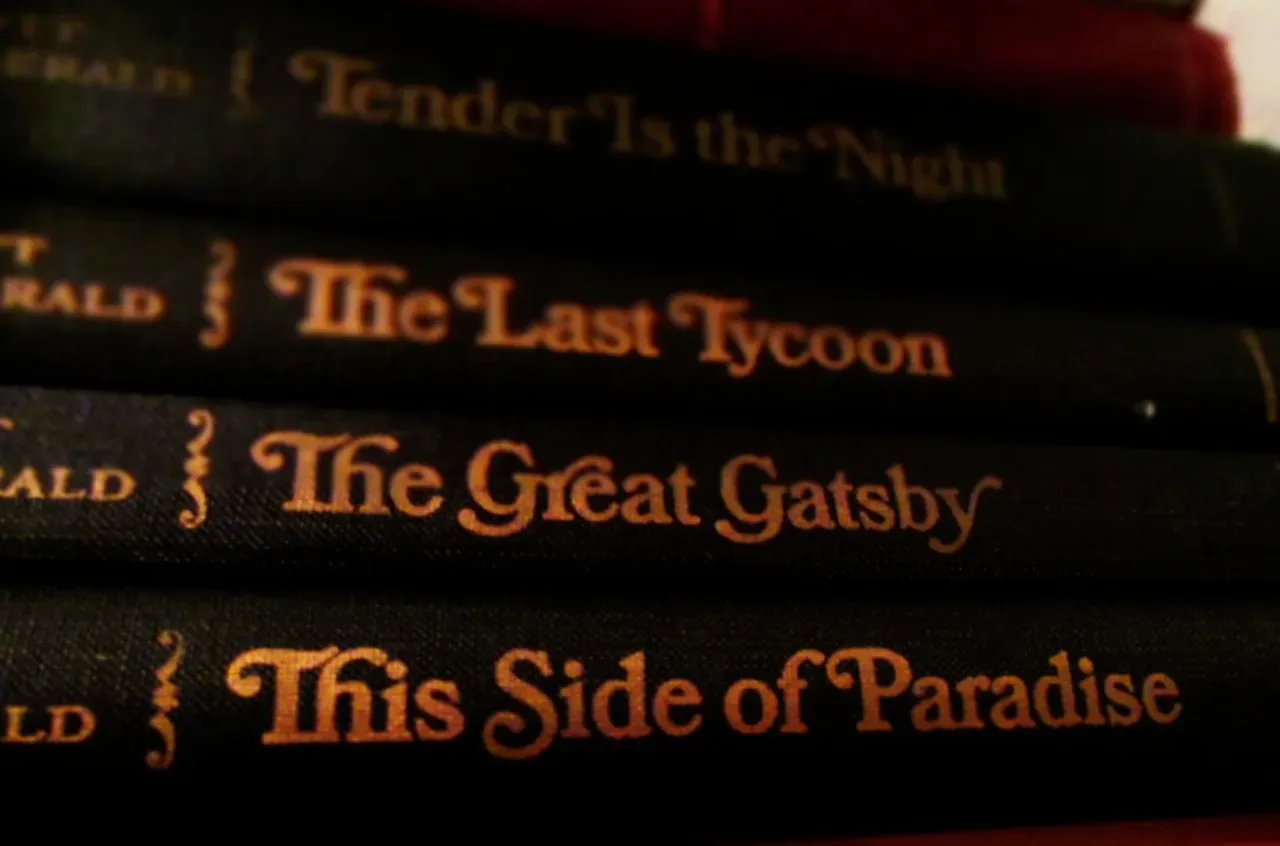
Fitzgerald’s superb work delves into themes of money, love, and the American Dream in under 200 pages, capturing the glittering excess and spiritual emptiness of the Jazz Age. Jay Gatsby’s obsessive pursuit of Daisy Buchanan becomes a metaphor for the corruption of the American Dream itself. The green light at the end of her dock represents everything just out of reach, everything we convince ourselves will make us whole.
Fitzgerald’s prose sparkles with a poetic quality that elevates this beyond mere social commentary. The Great Gatsby (47,094 words) and Slaughterhouse-Five (49,459 words) are considered literary masterpieces despite being much shorter than typical novels. Nick Carraway’s narration pulls you into a world of lavish parties and devastating revelations, making this perhaps the most efficient novel ever written about American identity.
The Old Man and the Sea by Ernest Hemingway

Hemingway’s Pulitzer Prize-winning novella tells the story of Santiago, an aging Cuban fisherman locked in an epic battle with a giant marlin. At fewer than 130 pages, the story captures the grandeur of human resilience and the beauty of struggle. Santiago hasn’t caught a fish in 84 days, and this marlin represents his chance at redemption, at proving he’s still got it.
Winning Hemingway the Nobel Prize, The Old Man and the Sea is a 27,000-word masterpiece that most readers could devour in an afternoon. Hemingway’s trademark sparse style works perfectly here, stripping away everything unnecessary to reveal the raw dignity of human perseverance. The relationship between Santiago and the young boy Manolin adds emotional weight without sentimentality, showing Hemingway at his restrained best.
Breakfast at Tiffany’s by Truman Capote

At just over 100 pages, it’s a perfect literary escape that blends glamour, melancholy, and emotional depth. Holly Golightly has become an iconic character, but Capote’s original novella reveals layers that the famous film adaptation only hints at. She’s not just a quirky socialite but a deeply complex woman using charm as armor against a painful past.
At just over 100 pages, the story brims with wit, glamour, and melancholy. Set in 1940s New York, the narrative captures a particular moment in American culture when reinvention felt possible but loneliness lurked beneath the surface. You’ll finish it quickly, but Holly’s search for belonging will resonate long after.
The Stranger by Albert Camus
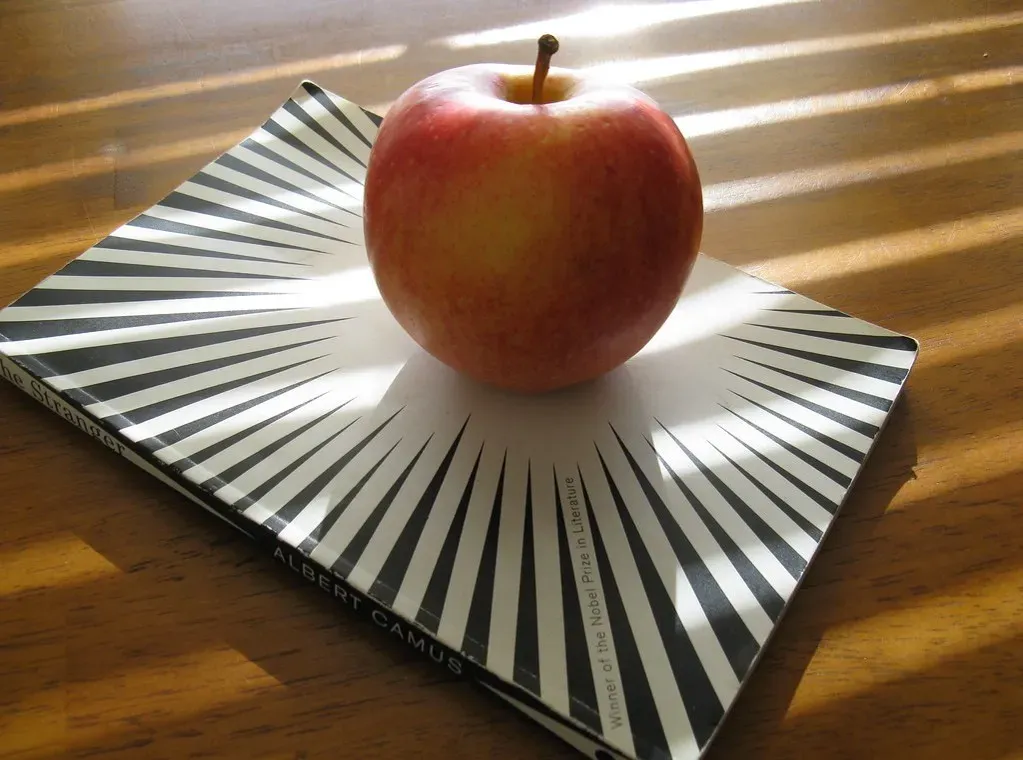
Camus’s existential masterpiece introduces us to Meursault, a man whose emotional detachment leads to shocking consequences. This existentialist classic follows Meursault, a detached man whose life spirals after a senseless act of violence. His refusal to perform expected emotions at his mother’s funeral sets the stage for a trial that becomes less about his crime and more about his failure to conform to social expectations.
Its compact yet meaningful narrative makes it suitable for anyone looking for a thought-provoking read to finish over the weekend. The novel forces uncomfortable questions about authenticity, meaning, and whether the universe cares about our choices. Camus strips away comforting illusions, leaving readers with a stark but strangely liberating vision of human existence.
The Metamorphosis by Franz Kafka

Kafka’s story of Gregor Samsa – who wakes up transformed into a giant insect – is as unsettling as it is thought-provoking. The premise sounds absurd, yet Kafka treats it with such matter-of-fact seriousness that the horror becomes existential rather than fantastical. Gregor’s family’s reactions reveal more about human cruelty and conditional love than any realistic drama could.
Franz Kafka’s The Metamorphosis and George Orwell’s Animal Farm are some of the shortest novels (really, novellas) you’ll find in bound books, yet these alarming, still-shocking stories show you can make a huge impact in just a few words. The claustrophobia of Gregor’s situation mirrors modern anxieties about work, family obligations, and identity. You can easily finish this disturbing gem in a couple of hours, though it’ll haunt you considerably longer.
Slaughterhouse-Five by Kurt Vonnegut

At roughly 200 pages, it’s an approachable yet profound story ideal for a weekend read, delving into time, memory, and war trauma in a unique narrative manner. Billy Pilgrim becomes “unstuck in time,” experiencing his life in a non-linear jumble that reflects the psychological fragmentation of trauma. Vonnegut’s semi-autobiographical account of the Dresden bombing emerges through dark humor and science fiction elements.
The phrase “So it goes” punctuates every mention of death throughout the novel, creating a rhythmic acceptance of mortality that’s both numbing and oddly comforting. Vonnegut blends genres fearlessly, proving that serious literature about war doesn’t require traditional realism. His innovative structure makes this one of those books you’ll want to immediately reread to catch everything you missed.
Heart of Darkness by Joseph Conrad

Conrad’s journey into the Congo reveals the darkness within colonialism and the human soul itself. Marlow’s quest to find the mysterious Kurtz becomes a descent into moral ambiguity and existential dread. The novella operates on multiple levels simultaneously: adventure tale, political critique, and psychological exploration.
The dense, atmospheric prose creates an almost hallucinatory quality as Marlow travels deeper into the jungle. Conrad doesn’t offer easy answers about civilization, savagery, or human nature. Instead, he leaves readers unsettled, questioning comfortable assumptions about progress and morality. At around 100 pages, it’s remarkably brief for a work of such complexity.
Chronicle of a Death Foretold by Gabriel García Márquez
This novella uniquely unravels a foretold murder through multiple perspectives, making it a compelling and thought-provoking story perfect for a weekend read. Everyone in town knows Santiago Nasar will be murdered, yet somehow the killing still happens. Márquez reconstructs the events with journalistic precision while maintaining his signature magical realism.
The narrative structure mirrors an investigation, with the narrator interviewing townspeople years after the tragedy. This fragmented approach reveals how truth becomes elusive, how memory distorts, and how collective guilt distributes responsibility until no one feels accountable. You’ll finish it in an evening, but the moral questions linger indefinitely.
Siddhartha by Hermann Hesse

Hesse’s spiritual journey follows a young man’s quest for enlightenment through various life experiences. Siddhartha rejects traditional religious teaching to discover wisdom through direct experience: love, wealth, pleasure, asceticism, and eventually, observing the river. The prose has a meditative quality that matches the philosophical content.
What’s remarkable is how Hesse avoids preaching despite exploring profound spiritual themes. Siddhartha’s journey feels genuine because he makes mistakes, loses his way, and discovers that enlightenment can’t be taught or given, only experienced. At roughly 150 pages, this slender volume packs more insight than many sprawling philosophical tomes.
Candide by Voltaire

Voltaire’s satirical masterpiece skewers philosophical optimism through the misadventures of the naive Candide. Taught that this is “the best of all possible worlds,” Candide encounters war, natural disasters, religious hypocrisy, and every imaginable misfortune. The escalating absurdity becomes darkly hilarious as Voltaire demolishes blind optimism with surgical precision.
Despite being written in 1759, the satire feels remarkably contemporary. Voltaire’s targets – empty philosophical systems, religious intolerance, political corruption – remain depressingly relevant. The novella’s brisk pace and acidic wit make it fly by, proving that intellectual critique doesn’t require ponderous seriousness. You’ll laugh while questioning everything.
A Christmas Carol by Charles Dickens
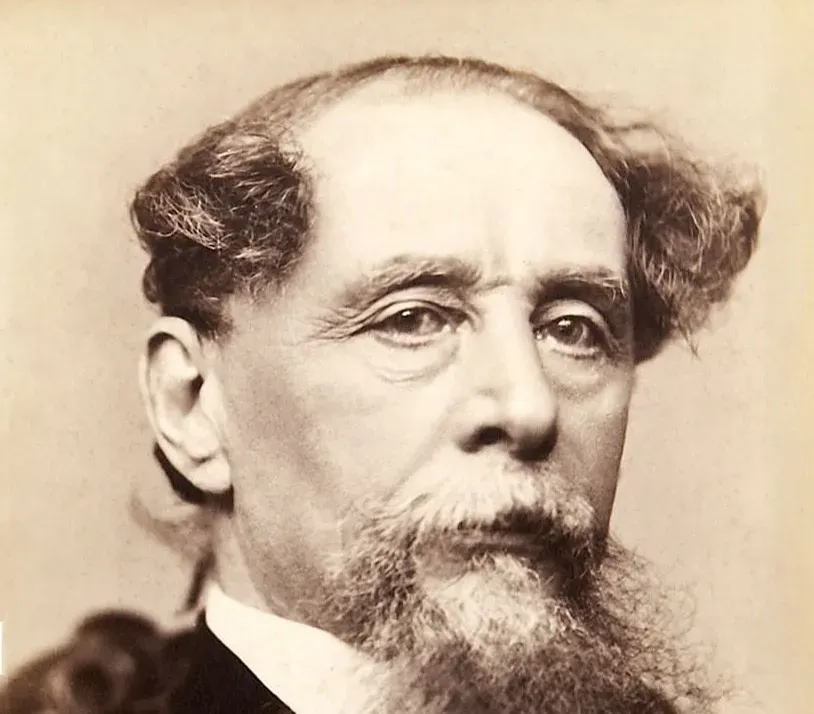
Dickens’s beloved ghost story transcends its holiday trappings to explore redemption and social responsibility. Ebenezer Scrooge’s transformation from miserly curmudgeon to generous humanitarian happens through supernatural intervention, but the underlying message about compassion and community resonates year-round. The three spirits show him past, present, and future with devastating effectiveness.
What’s easy to forget amid countless adaptations is how well Dickens writes. His prose combines gothic atmosphere, social critique, and genuine warmth without becoming saccharine. At around 30,000 words, this classic moves quickly while delivering emotional punch. It’s no wonder this remains one of the most adapted stories in literature – the core message about human connection never gets old.
Conclusion

These twelve classics prove that literary greatness doesn’t require intimidating page counts. The average silent reading speed for an adult person is 238 words per minute for non-fiction, and the average reading speed for fiction is 260 wpm, meaning most of these novels require just three to four hours of actual reading time. That’s totally achievable across a weekend, even with all your other obligations.
The real beauty here is efficiency. These authors understood that every word should earn its place. They compressed entire worlds, complex philosophies, and profound emotions into compact narratives that respect your time while expanding your mind. Whether you tackle one this weekend or challenge yourself to multiple classics, you’ll discover that the best literature doesn’t always come in the thickest packages. What will you read first?