History feels final, set in stone. Yet beneath the surface of our past lies something unsettling. Moments when a single decision, a stroke of luck, or even pure chance redirected everything. Think about it this way: if one person had said yes instead of no, if a briefcase had stayed in place, if weather conditions had been different, the world you live in now might be unrecognizable.
These aren’t just footnotes in dusty textbooks. They’re the threads that almost unraveled the entire tapestry of modern civilization. Some came down to seconds, others to inches. Each one reminds us how fragile our present really is. So let’s dive in.
When Nuclear War Almost Started Because of a Bear

Let’s be real here, nuclear annihilation nearly began because of wildlife. During the height of the Cuban Missile Crisis in October 1962, a figure climbed a fence near a military base in Duluth, Minnesota, triggering alarms that suggested Soviet special forces were preparing to sabotage US command facilities. Fighter jets loaded with nuclear weapons rushed to their launch sites under the assumption that World War Three had begun. At the last moment, however, it was realized the shadowy figure was actually a black bear climbing a fence, and the strike was called off.
A bear. That’s all it took to nearly start a thermonuclear exchange that could have obliterated hundreds of millions of people. The absurdity doesn’t make it less terrifying. Military systems were so tightly wound that even innocent wildlife could trigger Armageddon. If those jets had taken off just minutes earlier, or if someone hadn’t double checked, we might not be here today.
The Soviet Officer Who Refused to Launch a Nuclear Torpedo
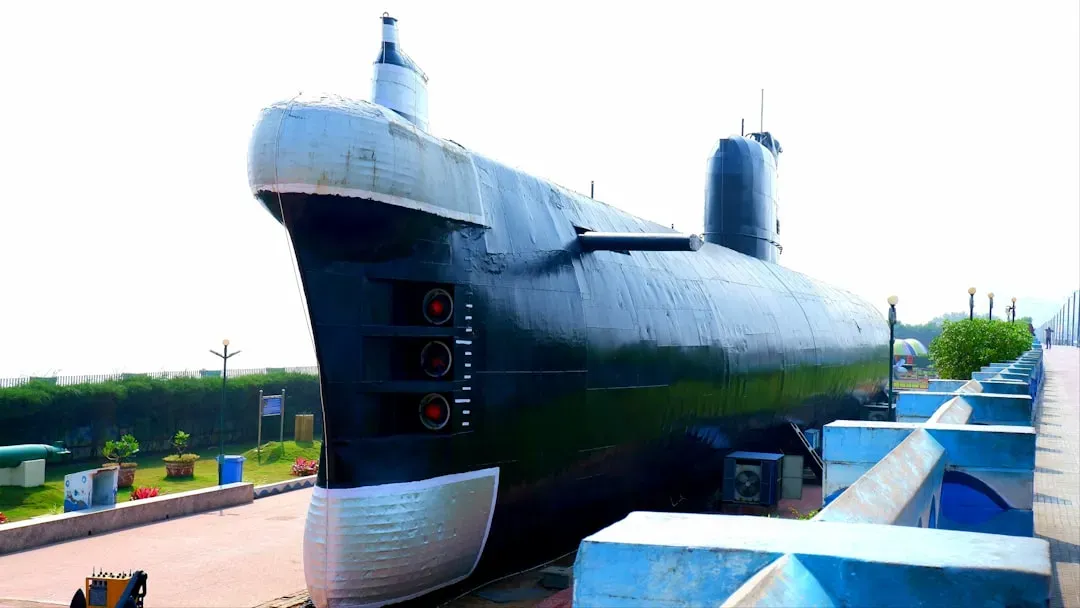
On October 27, 1962, during the Cuban Missile Crisis, a group of US Navy destroyers detected the Soviet nuclear-armed submarine B-59 near Cuba. Although in international waters, the US Navy dropped signaling depth charges to force B-59 to surface for identification. Deep beneath the ocean, the submarine’s crew believed war had already started.
Captain Valentin Savitsky wanted to launch a nuclear torpedo. On most Soviet submarines armed with nuclear torpedoes, only the captain and political officer were required to authorize a launch. On B-59, a third signature was needed because Vasili Arkhipov was also chief of staff of the brigade. Arkhipov said no. He remained calm while others panicked. He eventually persuaded Savitsky to surface and await orders. This decision was credited with preventing nuclear escalation. One man, refusing to press the button. That’s the only reason you’re reading this now.
The Briefcase That Saved Hitler’s Life

The 20 July plot, sometimes referred to as Operation Valkyrie, was a failed attempt to assassinate Adolf Hitler on 20 July 1944. Colonel Claus von Stauffenberg planted a bomb in a briefcase under the conference table where Hitler was meeting with military leaders. He then excused himself and waited for the explosion.
Here’s where fate intervened. An attending officer had nudged the briefcase containing the bomb out of his way to the far side of the massive oak support of the conference table, which thus shielded Hitler from the full force of the explosion. The wooden table leg absorbed most of the blast. Hitler survived with minor injuries. The failure led to the arrest of approximately 7,000 co-conspirators and the execution of 4,980. Had that briefcase stayed in place, World War II might have ended months earlier, potentially saving millions of lives. Instead, the war dragged on for another brutal year.
When a Computer Glitch Nearly Ended the World

On the morning of November 9, 1979, technicians at NORAD received an urgent alert that the Soviets had launched a barrage of missiles at North America. Convinced a nuclear attack was imminent, the US air defense program scrambled 10 interceptor fighter planes, ordered the president’s doomsday plane to take off, and warned launch control to prepare its missiles for a retaliatory attack.
For several agonizing minutes, the world teetered on the brink. Then someone thought to check satellite data. The panic soon subsided after NORAD consulted its satellite data and realized the nuclear warning was little more than a false alarm. The cause? A training tape had accidentally been fed into live warning systems. Honestly, this is the kind of thing that should terrify anyone. Our fate hung on fragile technology prone to glitches. One wrong move and civilization ends.
Stanislav Petrov: The Man Who Saved the World
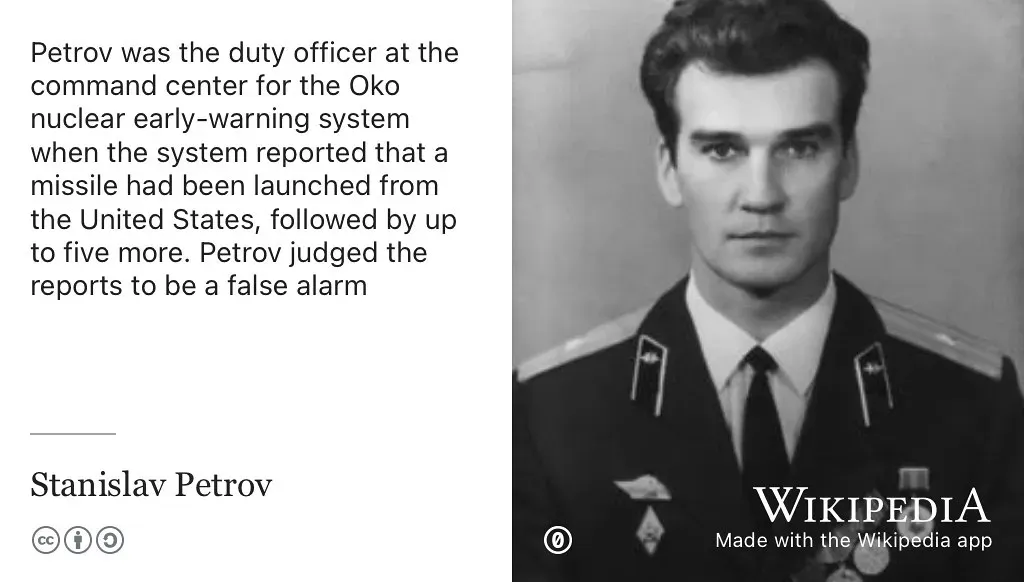
On September 26, 1983, Soviet officer Stanislav Petrov was on duty at the Oko nuclear early-warning system command center when it falsely detected incoming US missiles. Despite protocol, Petrov judged the alarm a false alarm, preventing a potential nuclear conflict. The system claimed five American missiles were heading straight for Russia.
Protocol demanded he report this immediately to Soviet high command, which would have triggered a massive nuclear retaliation. Petrov had a feeling that if the US were to attack, they would do it with far more than five missiles, so disobeyed Soviet military protocol and dismissed the warning. He was correct: the satellite had interpreted the sun’s reflection off the clouds as a missile attack. Petrov’s gut instinct and willingness to disobey orders saved billions of lives. For years, his heroism went unrecognized.
A Bomb That Almost Wiped Out North Carolina
During a routine flight over North Carolina in 1961, a B-52 bomber spun out of control and dropped two atomic bombs on the city of Goldsboro. The only thing that prevented a nuclear detonation that day was a safety switch that had been known to malfunction. One bomb broke apart upon impact, and the other endured minimal damage. By the slightest margin of chance, literally the failure of two wires to cross, a nuclear explosion was averted.
The bomb was nearly 260 times more powerful than those released on Hiroshima and Nagasaki during World War II. If that single switch had failed, a massive swath of North Carolina would have been obliterated instantly. Thousands, perhaps millions, would have died. The United States would have nuked itself by accident. It’s hard to say for sure, but the political and psychological fallout might have reshaped American history entirely.
The Berlin Wall Falls by Mistake
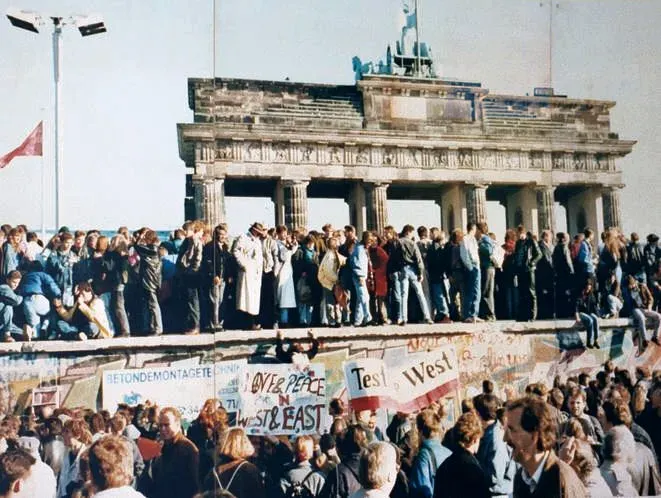
The Berlin Wall’s sudden collapse on November 9, 1989, shocked the world, but it was not part of any official plan. A press conference by East German official Günter Schabowski went unexpectedly when he mistakenly announced that citizens could cross the border immediately. He had misread his notes. The policy was supposed to take effect later with proper procedures.
The confused announcement led thousands of East Berliners to gather at checkpoints, overwhelming border guards who eventually allowed them through, effectively ending the Cold War division. One bureaucratic mistake triggered the fall of one of history’s most infamous barriers. Had Schabowski not misspoken, or if the guards had acted differently, the Iron Curtain might have remained for years longer, delaying the end of the Cold War. Imagine a world where that mistake never happened. The Soviet Union might have lasted longer. Germany might still be divided.
The Presidential Election Decided by 537 Votes

The outcome of the 2000 US presidential election between George W. Bush and Al Gore came down to just 537 votes in Florida. Ballots with hanging chads and confusing layouts led to weeks of recounts and legal battles. The US Supreme Court ultimately halted the recount, effectively handing the election to Bush.
If a few hundred votes had swung the other way, or if the Court had ruled differently, the presidency and American policy for the next eight years would have gone to Gore. Think about what that means. The Iraq War might never have happened. Climate policy could have taken a radically different direction. Hundreds of thousands of lives hung on a few hundred poorly punched ballots. Democracy sometimes comes down to the thinnest margins imaginable.
Pearl Harbor: The Attack That Could Have Been Stopped
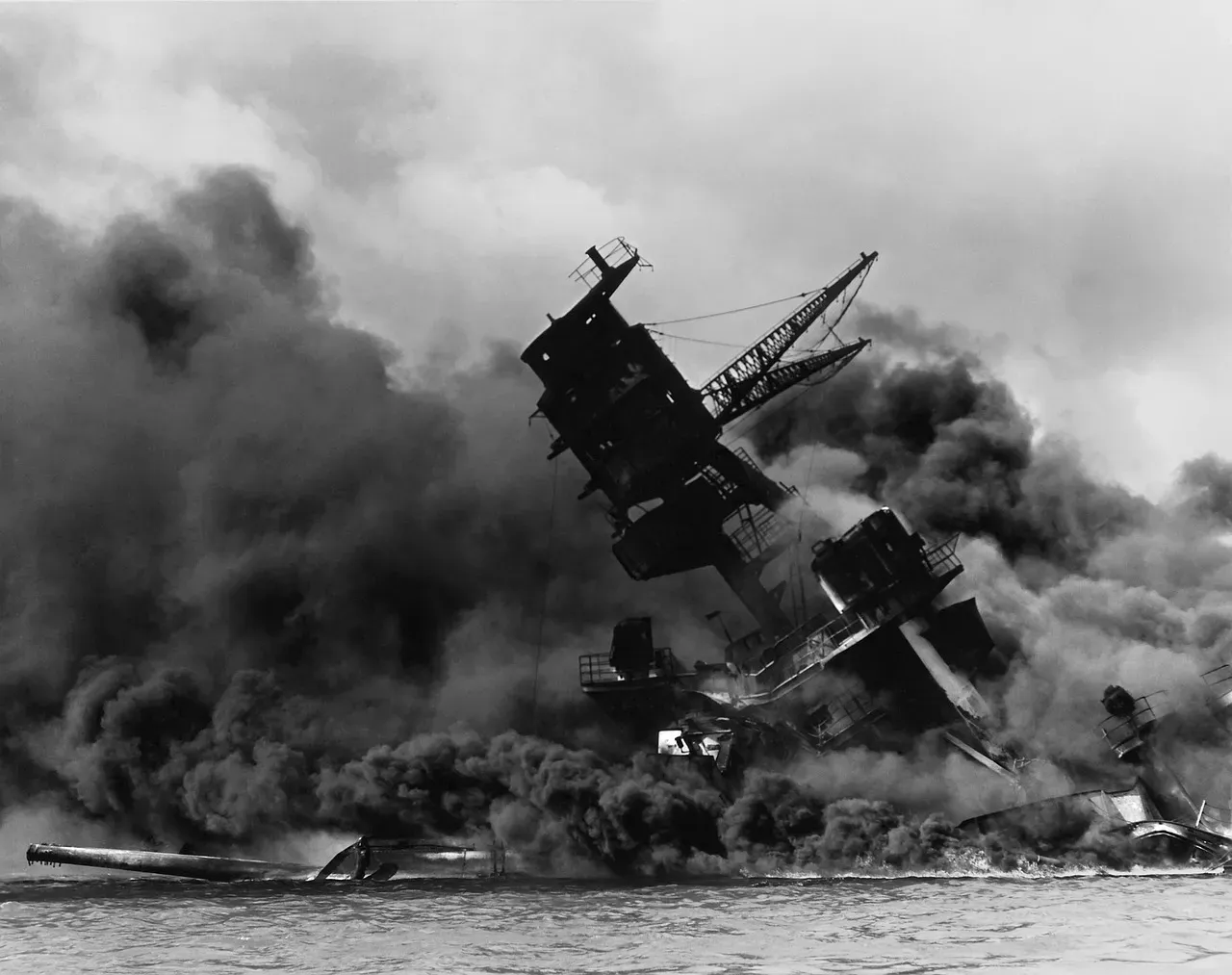
The Japanese attack on Pearl Harbor on December 7, 1941, was a devastating surprise, but US intelligence had intercepted hints of a possible attack, including decoded messages and sightings of Japanese submarines. These warnings, however, were not properly understood or acted upon.
If military leaders had taken the threat seriously and raised the alert level, the US fleet might have been able to defend itself, possibly changing the course of World War II in the Pacific. Instead, nearly 2,500 Americans died in a few horrifying hours. America was pulled into a global conflict. The failure wasn’t intelligence gathering but interpretation and action. Had someone connected the dots just a bit faster, the entire trajectory of the war might have shifted.
D-Day: The Invasion That Almost Failed
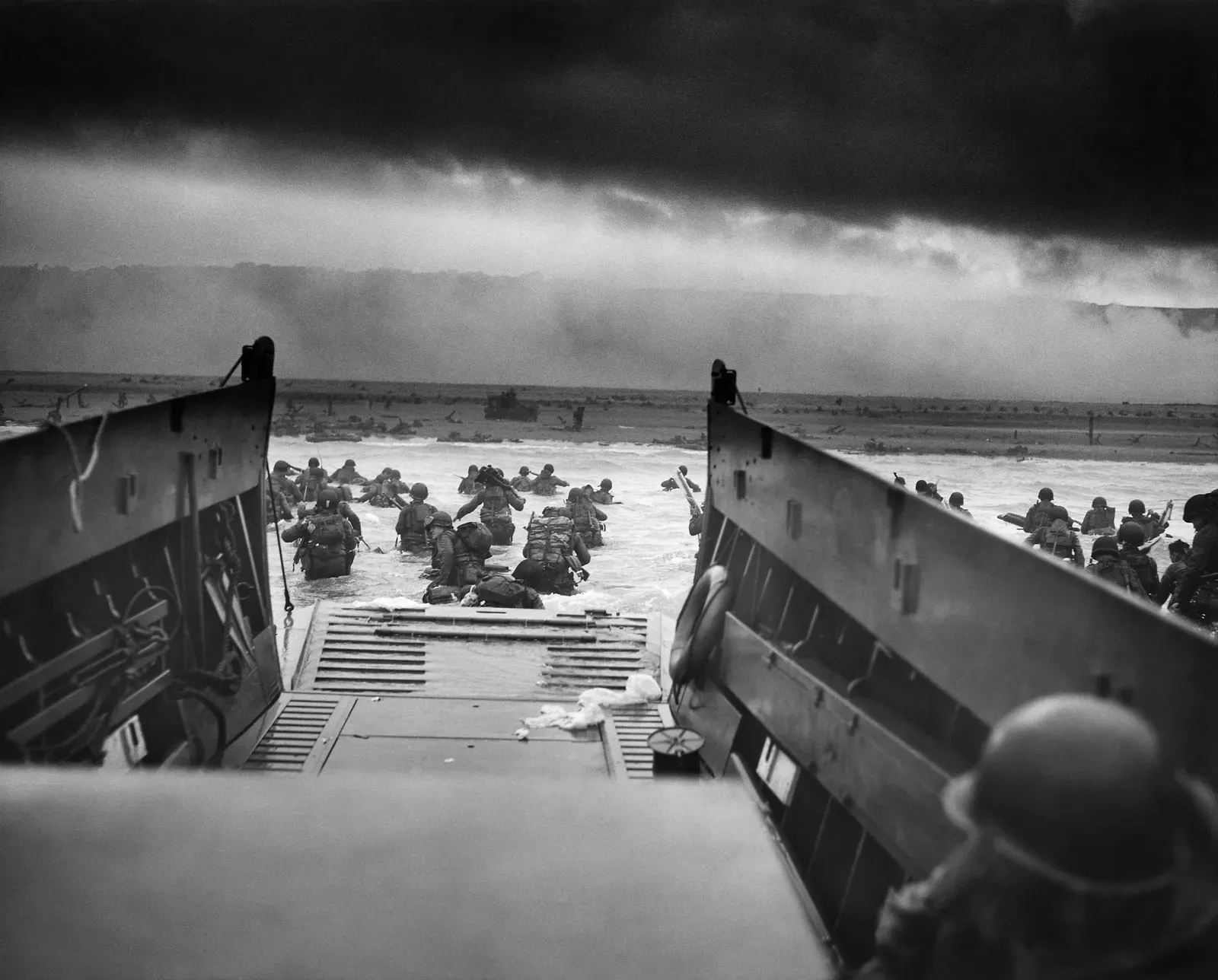
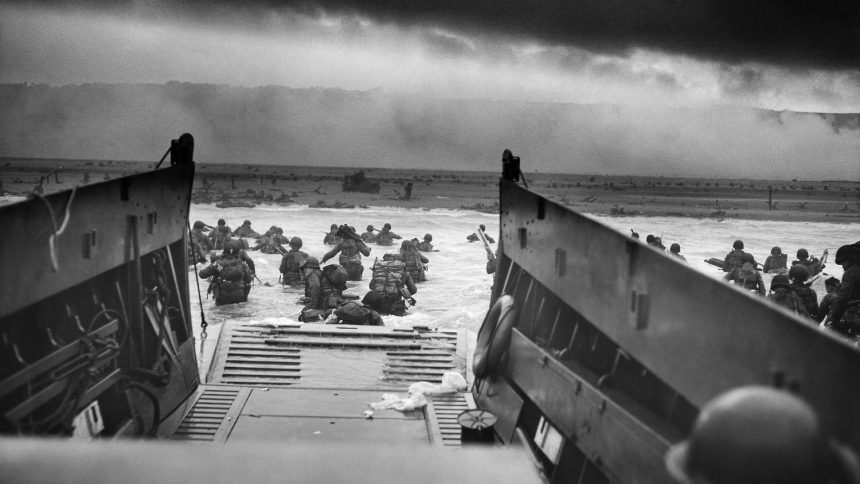
The Allied invasion of Normandy on June 6, 1944, known as D-Day, is remembered as a heroic triumph, but it nearly ended in catastrophe. Weather conditions were terrible, leading General Eisenhower to delay the operation. The window for invasion was closing fast. If the weather hadn’t improved slightly on June 6, the whole operation might have been postponed for weeks or even canceled.
Poor weather could have meant disaster for the landing forces. German defenses were formidable, and any delay would have given them more time to prepare. Allied casualties were already staggering. A failed invasion could have prolonged the war significantly, allowing Nazi Germany more time to develop advanced weapons. The fate of Europe hung on a brief break in the clouds.
The Discovery of Penicillin Almost Thrown Away

Alexander Fleming’s 1928 discovery of penicillin, the world’s first antibiotic, almost never happened. Fleming noticed a mold killing bacteria in a petri dish, but he nearly discarded it as a failed experiment. He was about to toss the contaminated dish into the trash when curiosity got the better of him.
That moment of hesitation changed medicine forever. Penicillin has saved hundreds of millions of lives since its widespread use began in the 1940s. Without antibiotics, modern surgery would be far more dangerous, infections that we now treat easily would still be deadly, and our average lifespan would be dramatically shorter. Fleming’s near mistake reminds us how easily monumental discoveries can slip through our fingers.
The Gunpowder Plot: Parliament Nearly Blown Up
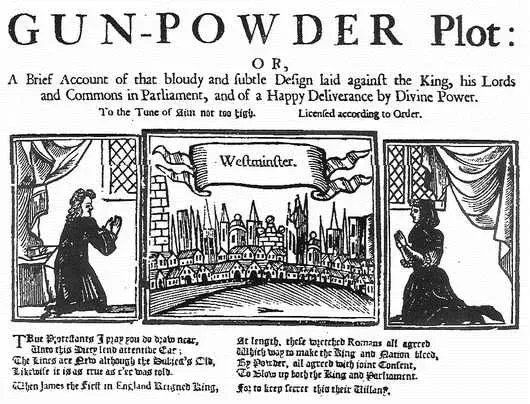
In 1605, a group of English Catholics, led by Guy Fawkes, plotted to blow up the House of Lords and kill King James I. The plan was only uncovered because of a mysterious letter warning a member of Parliament to stay away. To this day, no one knows for certain who sent that letter.
Had the plot succeeded, the entire British government would have been obliterated in one fiery instant. The power vacuum would have plunged England into chaos. The course of British history, the development of parliamentary democracy, and even the colonization of North America might have unfolded completely differently. Instead, Fawkes was captured, tortured, and executed. Every November 5, the British celebrate Guy Fawkes Night, commemorating the failure of a plot that came disturbingly close to success.
What do you think about it? Tell us in the comments.