
There’s a strange moment that happens when you’re deep inside a great historical novel. You forget the story is fiction. You start wondering whether the character really existed, whether those exact streets still stand, whether the battle actually felt that way to the people who survived it. It’s disorienting. A little magical, honestly.
The historical fiction market has seen a major surge in recent years, with narratives exploring colonialism, identity, women’s resilience, and diverse historical contexts – from Bosnian sieges to Victorian England and colonial India. Themes of survival, political upheaval, and personal transformation dominate the genre, reflecting a broader cultural appetite for revisiting the past through a fictional lens. Adult fiction sales rose by roughly twelve and a half percent to over three billion dollars, proving the appetite for gripping, character-driven storytelling is very much alive.
Some books don’t just teach history. They make you feel it. Let’s dive in.
1. The Women by Kristin Hannah (2024)

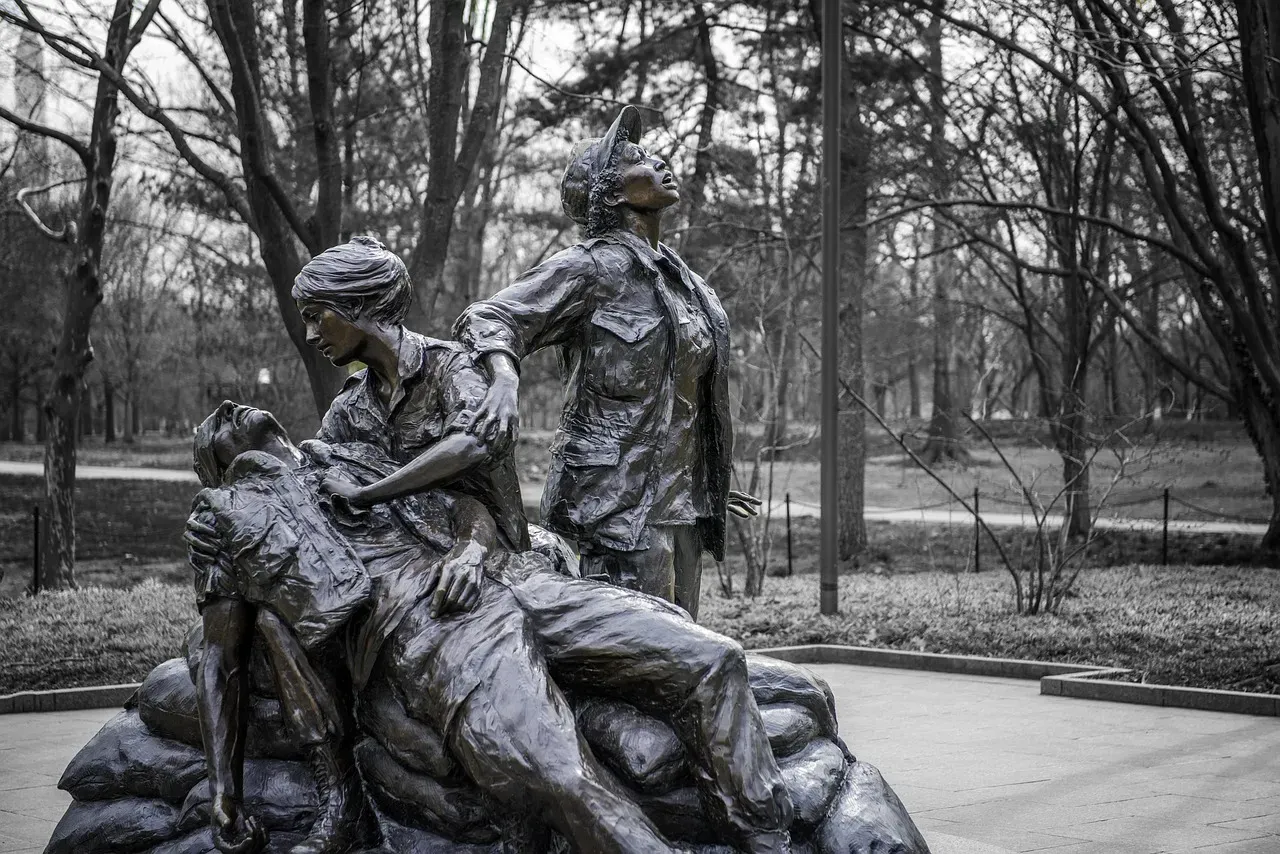
The Women is a historical fiction novel by Kristin Hannah published by St. Martin’s Press in 2024, telling the story of Frances “Frankie” McGrath, a young nurse who serves in the United States Army Nurse Corps during the Vietnam War. It was the top-voted choice for the best historical fiction of 2024 on Goodreads, receiving over 253,000 votes – a clear signal of the readership’s intense interest in war-themed narratives and strong female characters.
Hannah integrated meticulous research and interviews with Vietnam War nurses, ensuring historical accuracy and authenticity, and the book vividly portrays the realities of PTSD faced by non-combat veterans, focusing specifically on women’s experiences. The novel spent a total of ten weeks at number one on the New York Times bestseller list, making it the most frequent weekly bestseller of the year, and was one of the most borrowed titles in American public libraries in 2024. What makes this book feel almost unbearably real is the detail – the kind you only get from actually listening to people who were there.
2. Wolf Hall by Hilary Mantel (2009)

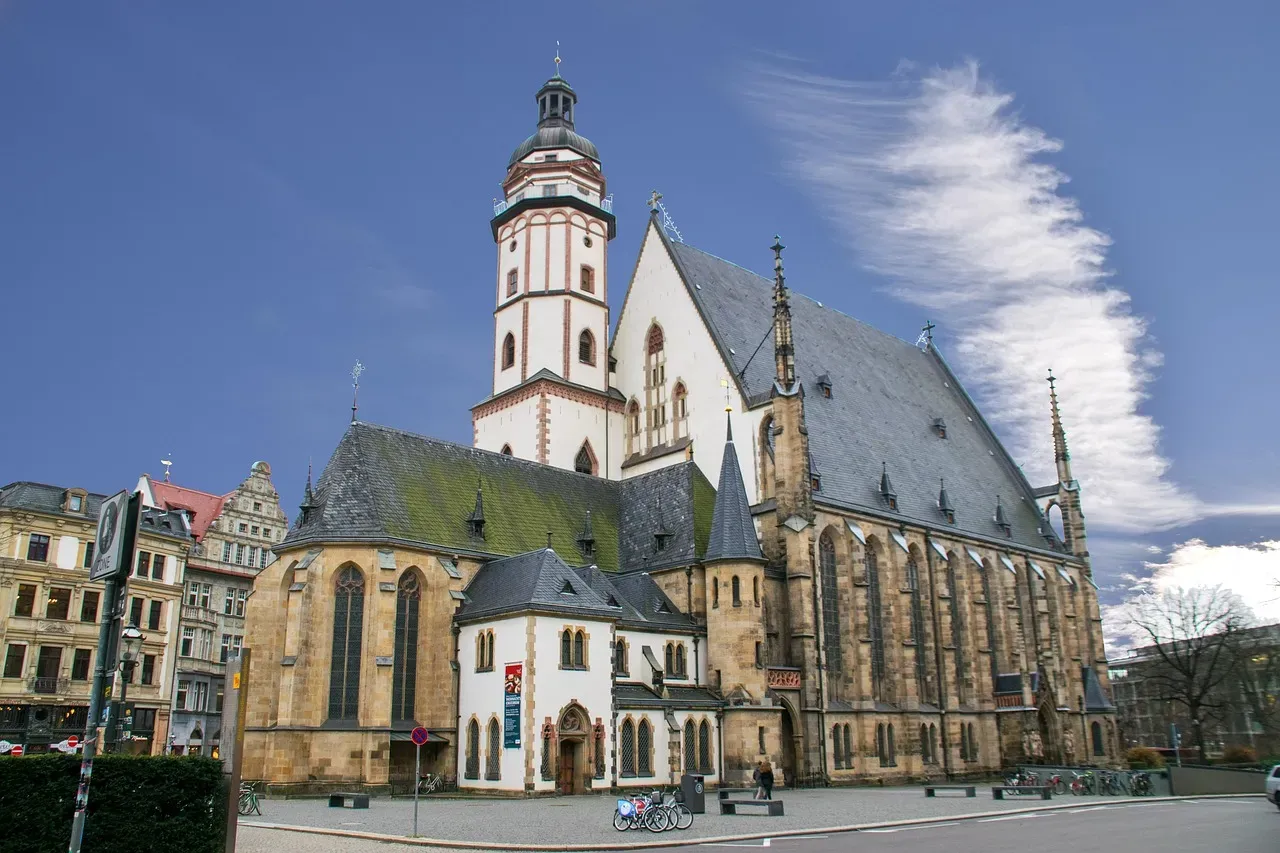
Set in 16th-century England, Wolf Hall is told through the eyes of Thomas Cromwell, a charismatic figure in King Henry’s court, who finds himself caught in a battle between the church, the crown, and the rest of Europe as Henry VIII attempts to annul his marriage to Catherine of Aragon. Mantel said she spent five years researching and writing the book, trying to match her fiction to the historical record – and to avoid contradicting history she created a card catalogue, organised alphabetically by character, with each card containing notes indicating where a particular historical figure was on relevant dates.
After Mantel’s death in 2022, the Booker Prize organization noted that Wolf Hall had sold an estimated 1.09 million copies, making it the second-highest selling Booker winner of all time, while the overall trilogy sold an estimated five million copies worldwide and was translated into over forty languages. A Cambridge historian and biographer noted at the Hay literary festival that he had seen an increasing number of prospective students citing Mantel’s Booker Prize-winning novels as supporting evidence for their knowledge of Tudor history. That’s both impressive and slightly terrifying, in the best way.
3. Hamnet by Maggie O’Farrell (2020)


In her National Book Critics Circle Award-winning novel Hamnet, Maggie O’Farrell crafts a fictional account of the short life of Hamnet, William Shakespeare’s real-life son, who died at the age of eleven. O’Farrell’s luminous novel imagines the devastating impact of that death on Shakespeare’s family, particularly his wife Agnes, moving between the plague’s arrival in Stratford-upon-Avon and the family’s daily life before tragedy strikes.
When eleven-year-old Hamnet succumbs to plague, the novel traces the family’s grief and suggests how this personal catastrophe might have inspired Shakespeare’s greatest tragedy, Hamlet. O’Farrell thoughtfully imagines documented but historically sparse facts – we know Hamnet died in 1596, that Shakespeare wrote Hamlet afterward, but family details remain largely mysterious, leaving vast room for creative exploration. The novel won the Women’s Prize for Fiction and the National Book Critics Circle Award, earning widespread critical acclaim for its emotional authenticity and literary craftsmanship. Honestly, reading it feels like grief itself – quiet, devastating, and utterly real.
4. The Pillars of the Earth by Ken Follett (1989)

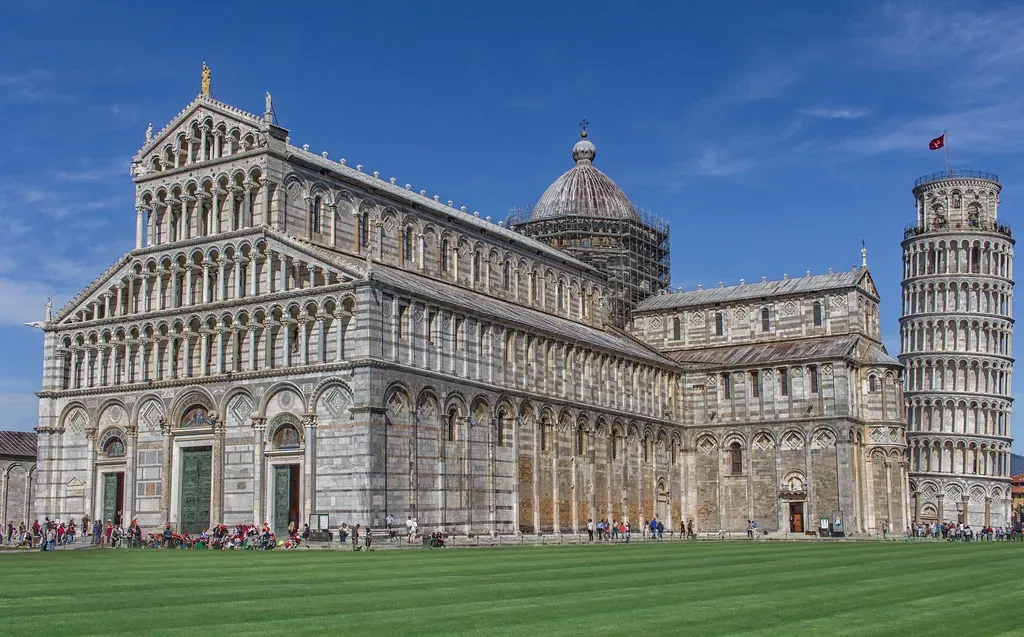
The first in a monumental series, Ken Follett’s The Pillars of the Earth transports readers to 12th-century England, centering on the construction of a grand Gothic cathedral. The project unites Philip, a devout monk, and Tom, a skilled architect and mason, as they strive to build the magnificent structure against impossible odds, navigating deepening tensions between the church and state. Follett’s meticulous research into medieval architecture, daily life, and social structures creates immersive world-building that educates while it entertains, with the cathedral construction becoming a metaphor for human ambition, faith, and artistic achievement persisting through political chaos.
The real genius here is how Follett makes stone masonry feel like the most urgent thing in the world. The epic chronicles the building of a fictional cathedral in Kingsbridge against the backdrop of England’s civil war between Stephen and Matilda, following multiple families across generations – from Tom Builder to Prior Philip to Aliena, whose family’s fall from nobility forces her to rebuild their fortune through the wool trade. Few books make medieval England feel so achingly tangible. It’s a doorstop of a novel, and you won’t want it to end.
5. Pachinko by Min Jin Lee (2017)

Pachinko is one of those rare books that functions almost like a social history textbook – except you care desperately about every person in it. The novel follows a Korean family across multiple generations, from early 20th-century Japanese-occupied Korea through to 1980s Japan and America. The historical fiction market has increasingly embraced narratives exploring colonialism and identity crises, with award-winning titles emphasizing richly researched stories set in diverse historical contexts. Pachinko sits at the very heart of that movement.
The book spent years on bestseller lists and was praised across the board for its unflinching portrayal of discrimination against Korean-Japanese people, a historical reality that remained largely invisible in Western literature. Publishers Weekly data suggests a growing reader appetite for stories featuring diverse protagonists and cultural settings, with titles spotlighting underrepresented voices garnering significant critical attention and sales boosts. Pachinko is proof of that appetite, and then some. It doesn’t just tell you what happened – it puts you inside a prejudice so ordinary it feels like weather.
6. Lincoln in the Bardo by George Saunders (2017)

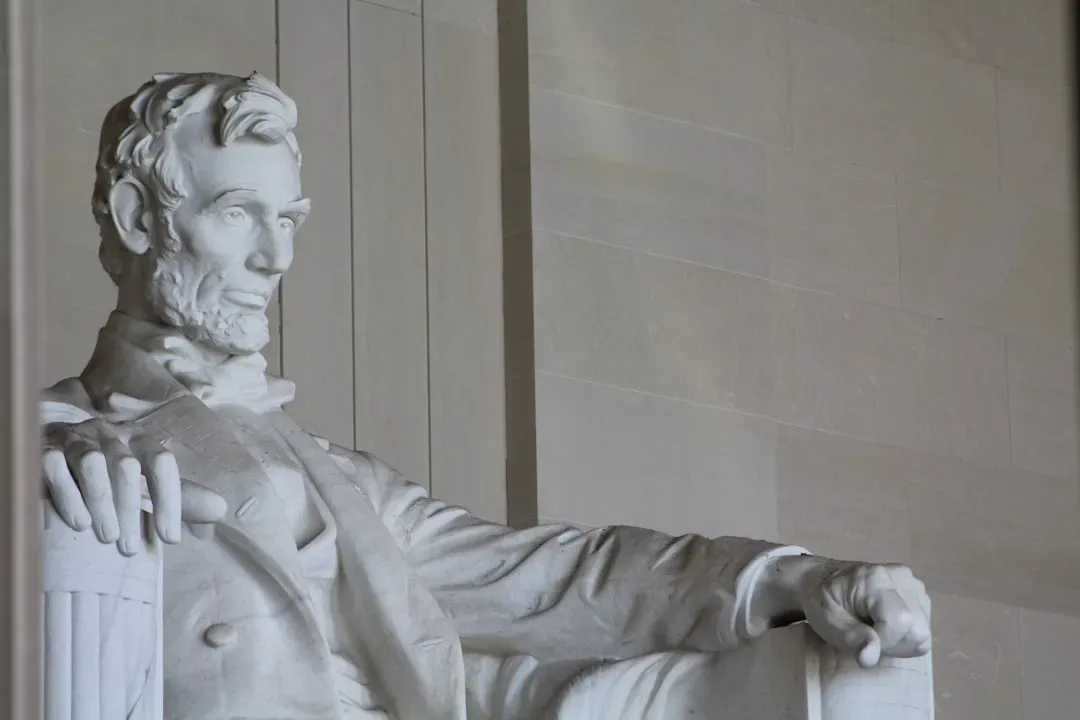
Here’s the thing about this book – it shouldn’t work as historical fiction at all. It’s told partly through the voices of ghosts and partly through a collage of real historical documents. Yet somehow it pulls off something extraordinary: making Abraham Lincoln’s grief over the death of his son Willie feel like the most present, human thing you’ve ever read. The book is set almost entirely in a graveyard during a single night in February 1862.
Saunders researched Lincoln’s actual documented visits to his son’s crypt at Oak Hill Cemetery in Washington, D.C., weaving verified historical accounts into a surreal narrative format that won the Booker Prize in 2017. The popularity of deeply researched historical fiction titles is attributed to their exploration of complex themes such as resilience, identity, and the consequences of war – and Lincoln in the Bardo taps precisely into that vein through a deeply personal national tragedy. It’s funny, heartbreaking, and unlike anything you’ve read before. Which, I’d argue, is exactly how great historical fiction should feel.
Partner offer

7. The Song of Achilles by Madeline Miller (2011)
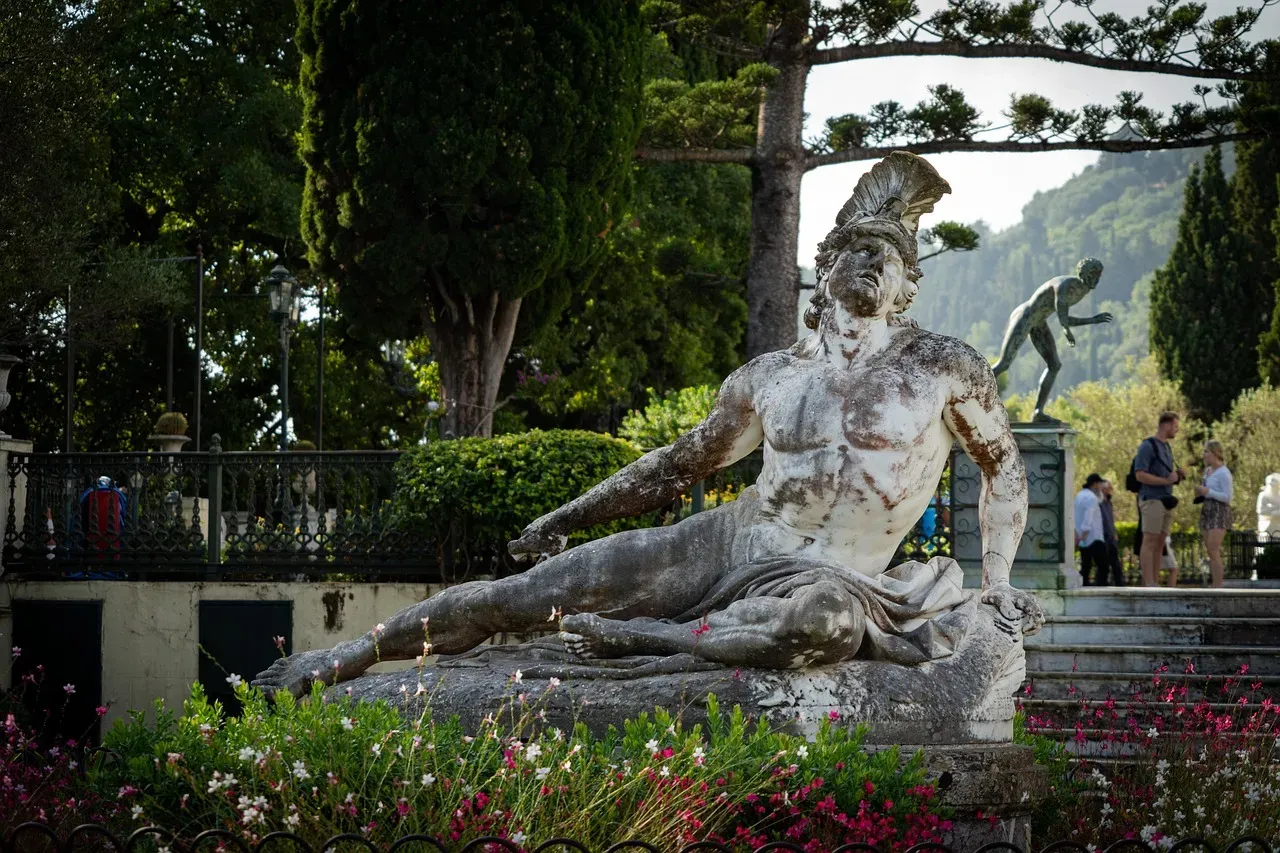
Many bestsellers in historical fiction delve into universal themes such as resilience and identity. Few do it as devastatingly as Madeline Miller’s debut novel, which retells the story of Achilles and Patroclus from the Iliad, transforming a myth most people only vaguely recall from school into something raw and completely alive. Miller spent a decade writing the book, and it shows in every page of its deeply researched, emotionally precise prose.
Miller drew on years of classical studies and Greek scholarship, grounding every detail of Bronze Age life – military culture, religious practice, social hierarchy – in careful historical and mythological research. The novel won the Orange Prize for Fiction and has since become something of a cultural touchstone, particularly for younger readers who discovered it through BookTok. Books with imaginative premises that rewrite historical events have gone viral on social media platforms, sometimes netting enormous publishing attention. The Song of Achilles is a perfect example – a myth retold with such human tenderness that even readers who’ve never touched the Iliad feel the weight of what is lost.
8. A Gentleman in Moscow by Amor Towles (2016)


Imagine being confined to a luxury hotel for over thirty years. Now imagine that hotel is the Metropol in Moscow, and the year is 1922. That’s the premise of Amor Towles’s richly imagined novel, in which Count Alexander Rostov is sentenced by a Bolshevik tribunal to house arrest for the rest of his life. The novel covers decades of Soviet history entirely from within those walls – and it works, remarkably well.
Towles spent years researching Soviet Russia, embedding real historical figures and actual political events into the Count’s increasingly restricted world. The novel’s genius is its constraint. You see the Revolution, the Stalin years, and the Cold War filtered through dining rooms and attic staircases. Some books entertain, some inform – but the best historical fiction does both, immersing you so completely in another time and place that you forget the world around you. A Gentleman in Moscow does exactly that, and with considerable wit. It has become one of the most beloved historical novels of the past decade, selling millions of copies worldwide.
9. The Nightingale by Kristin Hannah (2015)

Set in Nazi-occupied France during World War II, The Nightingale follows two sisters – Vianne and Isabelle – whose lives are shattered by the German occupation in very different ways. Vianne is forced to shelter a German officer in her home; Isabelle joins the French Resistance and helps smuggle Allied airmen across the Pyrenees into Spain. The novel is inspired in part by the real-life courage of Andrée de Jongh, who founded the Comet Line escape network.
Hannah has become known for writing epics focused on women characters caught up in the swell of history, from The Nightingale to The Four Winds. Kristin Hannah is the award-winning and bestselling author of more than twenty novels. The Nightingale has sold over fifteen million copies worldwide and has been translated into more than forty languages, becoming one of the best-selling historical fiction novels of the 21st century. It makes the horror of collaboration, resistance, and survival feel personal in a way that pure history rarely achieves.
10. All the Light We Cannot See by Anthony Doerr (2014)
This Pulitzer Prize-winning novel follows two characters whose stories spiral toward each other across World War II Europe: Marie-Laure, a blind French girl, and Werner, a German orphan recruited into the Nazi war machine. Doerr spent a decade writing it, and the novel’s intricate architecture – alternating timelines, parallel lives – mirrors the chaotic, fragmented experience of wartime itself.
The historical detail is staggering. Doerr researched the German radio programs used by the Nazi regime, the actual geography of Saint-Malo in Brittany, the workings of Wehrmacht recruitment, and the real scientific principles underlying Werner’s radio work. Historical fiction that combines thorough research with compelling character development resonates most powerfully with readers who aren’t afraid to confront the darker aspects of human experience. The book became a Netflix series in 2023 and introduced a new generation to a story that already felt less like fiction and more like recovered memory. It is, in every sense, a masterwork.
11. Homegoing by Yaa Gyasi (2016)

Yaa Gyasi’s debut novel is jaw-dropping in its ambition: it traces the descendants of two half-sisters in 18th-century Ghana across eight generations, from the slave trade to contemporary America. Each chapter follows a new descendant, a new century, a new geography. The result is something that feels less like a novel and more like an entire history compressed into one family’s blood.
Gyasi visited Ghana on a fellowship and conducted deep research into the transatlantic slave trade, the Gold Coast’s role in it, and the long arc of Black American history. Titles tapping into global interest in postcolonial narratives and stories highlighting female resilience in turbulent historical periods have surged in popularity. Homegoing sits firmly in that conversation – except it also transcends it. The report on the historical fiction market highlights the success of books exploring complex human experiences, social issues, and personal journeys against significant historical events. Homegoing is the clearest possible proof of that principle.
12. James by Percival Everett (2024)


This instant New York Times bestseller reimagines Twain’s classic Adventures of Huckleberry Finn through the eyes of his enslaved sidekick Jim as he embarks down the Mississippi in search of freedom. Percival Everett’s James is audacious, radical, and deeply funny – but underneath the wit is a rigorous engagement with the reality of American slavery, the violence of the antebellum South, and the survival mechanisms that enslaved people developed to navigate a world built entirely against them.
The novel was awarded the Pulitzer Prize for Fiction in 2025 and became one of the most celebrated literary events of recent years. Authors like Percival Everett, whose works consistently attract readers, have built loyal followings rooted in their ability to blend historical depth with gripping storytelling. What Everett does that most historical novels don’t dare to attempt is make the enslaved character the intellectual center of the story – not a victim, not a symbol, but the sharpest mind in every room. It is history refracted through a perspective that textbooks systematically ignored, and it will leave you reconsidering everything you thought you knew about a story you thought you’d already heard.
What Makes Historical Fiction Itself?

Here’s the honest answer: it’s interiority. History gives you events. Great historical fiction gives you the feeling of living through them. The best historical fiction immerses you so completely in another time and place that you forget the world around you. Textbooks can tell you that 11,000 women served in Vietnam, but the rebuke “there were no women in the Vietnam War” – given repeatedly to a veteran who tries to share her story – makes that erasure hit differently, because now you’ve watched it happen to someone you know.
Key trends in the genre show that retellings, reclaiming the lives of women dismissed or castigated by history, and genre-blending continue to be front and center. The best books on this list don’t just report history. They inhabit it. Exploration of complex themes such as resilience, identity, and the consequences of war continues to drive the genre forward. Each of the twelve novels above does something that purely academic history struggles to achieve: it makes the past feel urgent, alive, and personally yours.
Which of these twelve have you already read? And which one surprised you most? Tell us in the comments.
Partner offer
Planning a trip to Vegas?
Compare hotel rates and show tickets on VEGAS.com.