American schools have always been more than places where children learn to read and do arithmetic. They’ve been arenas for social change, government policy, cultural conflict, and quietly remarkable human moments. The full story of education in the United States contains chapters that most standard textbooks simply never get to.
From the oldest surviving classroom in the country to a federal government program born out of wartime need, there are stories woven into the history of American schools that deserve far more attention than they typically receive. Here are twelve of them.
1. The Oldest Public School in America Has Been Running Since 1635

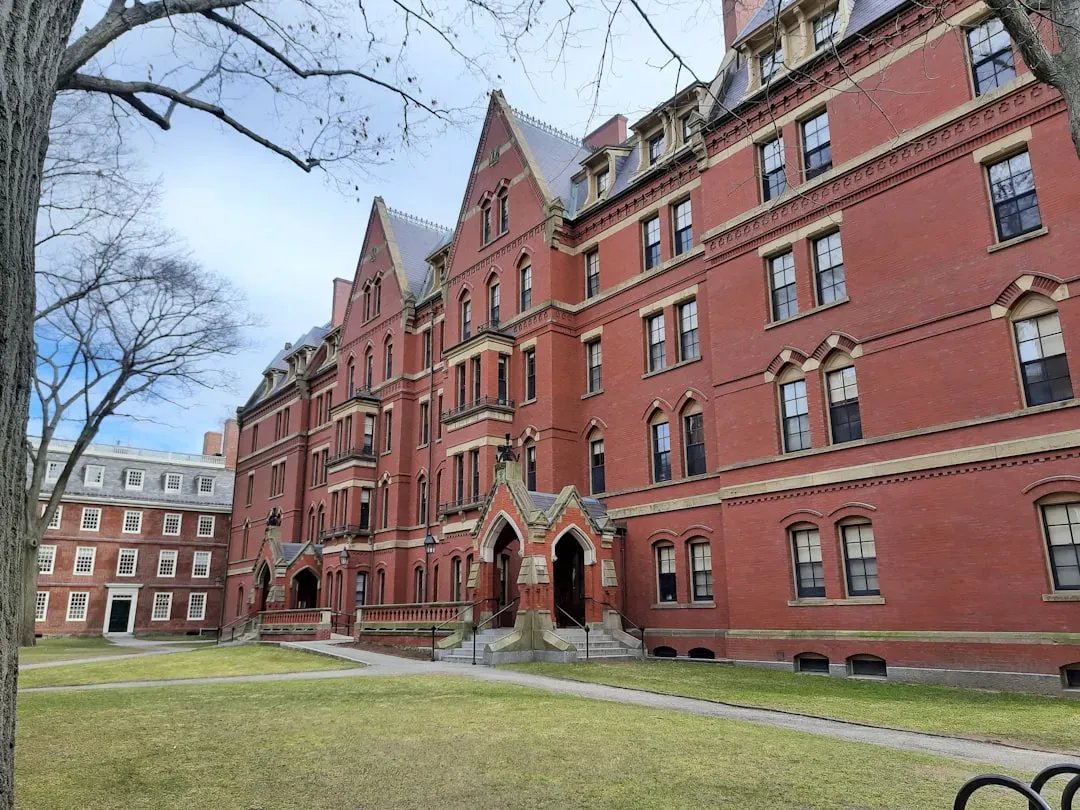
The oldest public school in America is Boston Latin School, founded in 1635. As a classical grammar school, it focused on preparing boys for university and civic leadership, and the school still operates today, making it a remarkable link to the earliest days of American education. Nearly four centuries on, Boston Latin continues to function as a selective exam school, educating students not far from where the original building stood.
In the 1600s and 1700s, schools were designed primarily to teach children to read scripture. Academic subjects like science, writing, or higher mathematics came much later. The survival of Boston Latin through wars, economic crises, social upheaval, and shifting educational philosophies is, by any measure, an extraordinary story of institutional persistence.
2. A Five-Year-Old Girl’s Walk to School Helped Set the Stage for Brown v. Board of Education

In 1847, a five-year-old African American girl named Sarah Roberts was forced to walk past five white schools to attend the poor and densely crowded all-black Abiel Smith School on Boston’s Beacon Hill. Incensed that his daughter had been turned away at each white school, her father, Benjamin, sued the city of Boston on her behalf. The historic case that followed set the stage for over a century of struggle, culminating in 1954 with the unanimous decision in Brown v. Board of Education.
The Roberts case was unsuccessful because authorities reasoned that special provisions had been made for “colored” students to have a school. Still, the case planted seeds that would take over a hundred years to fully bloom. It stands as one of the earliest legal challenges to school segregation in American history, mounted not by politicians but by a father walking his daughter to school.
3. Brown v. Board of Education Changed the Law But Not Always the Classroom

For decades, Black and white students in much of the country attended separate schools. In 1954, the Supreme Court’s Brown v. Board of Education decision declared school segregation unconstitutional, though the ruling required integration “with all deliberate speed” and the process took decades, remaining an ongoing conversation in many communities. The gap between legal ruling and lived reality proved enormous.
In 1956, 82 representatives and 19 senators endorsed a so-called “Southern Manifesto” in Congress, urging Southerners to use all “lawful means” at their disposal to resist the “chaos and confusion” that school desegregation would cause. In 1964, a full decade after the decision, more than 98 percent of Black children in the South still attended segregated schools. The ruling was monumental. The enforcement, for years, was not.
4. Boston’s School Busing Crisis Showed That Segregation Was a Northern Problem Too

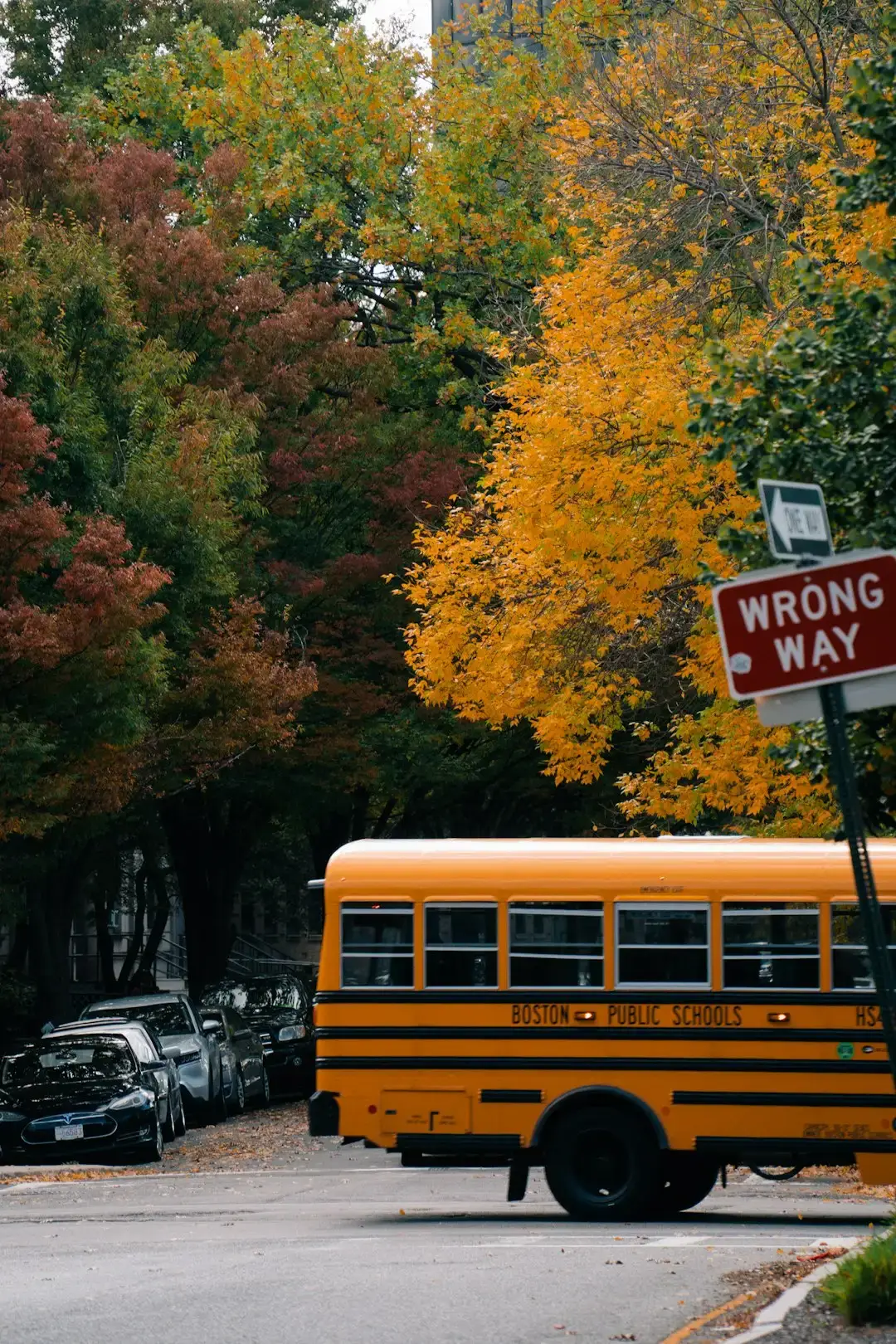
The Boston desegregation busing crisis emerged in the mid-1970s as a contentious response to efforts aimed at racially integrating the city’s public schools. After a lengthy battle against discriminatory practices, the Massachusetts Supreme Court mandated a plan for swift desegregation in 1973, leading to significant protests. The busing plan required both Black and white students to attend previously segregated schools, which instigated widespread demonstrations, violence, and considerable backlash, particularly in neighborhoods like South Boston.
It influenced Boston politics and contributed to demographic shifts of Boston’s school-age population, leading to an unprecedented level of violence and turmoil in the city’s streets and classrooms, national headlines, a decline of public-school enrollment, and white flight to the suburbs. The crisis was a jarring reminder that school segregation wasn’t exclusively a Southern institution. In 2013, the busing system was replaced by one which dramatically reduced busing.
5. The Federal Government Ran More Than 400 Boarding Schools to Strip Native Children of Their Culture
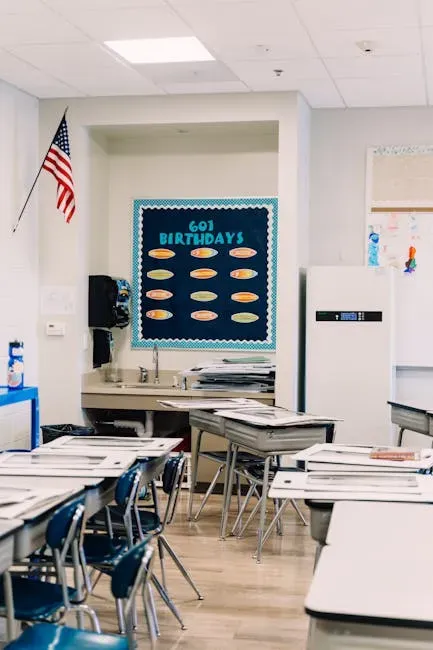
Over the course of 150 years, from 1819 to 1969, the government funded or operated more than 400 Indigenous boarding schools. The schools were spread across 37 states or territories, and Oklahoma, once Indian Territory, had the greatest number at 76. The scale of this system is staggering, and it remained largely invisible in mainstream American textbooks for most of the 20th century.
Native American boarding schools of the period transported children far from their families, forced them to cut their hair, and punished them for using non-English names and languages. Most were run with military-like schedules and discipline, and emphasized farming and other manual skills. In October 2024, President Joe Biden issued an official apology on behalf of the federal government for the abuse suffered in these boarding schools, discussing the history and acknowledging the government had not apologized sooner.
6. The Carlisle Indian Industrial School Became the Model for an Entire System

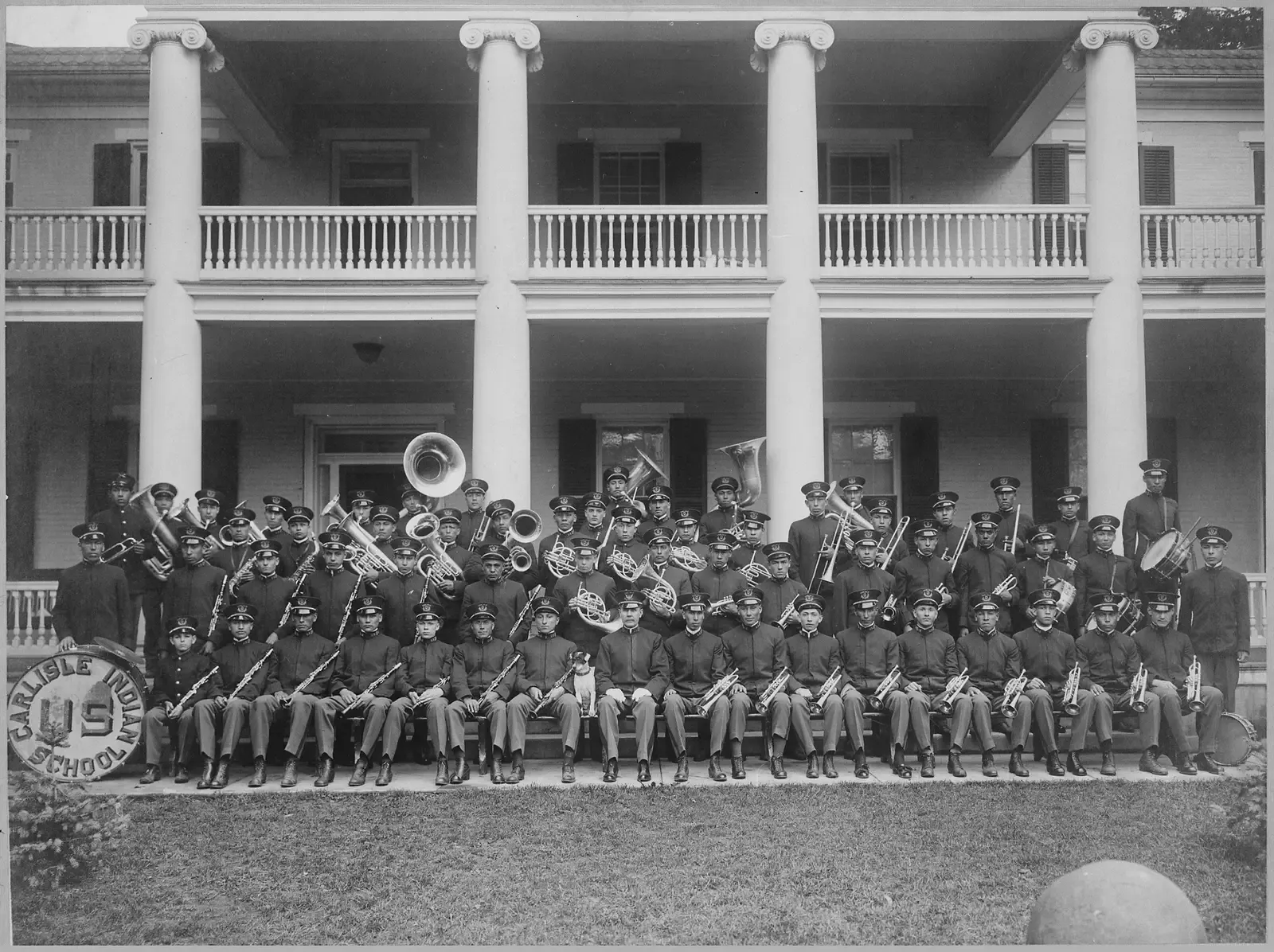
The first off-reservation boarding school was established in 1879. The Carlisle Indian School in Carlisle, Pennsylvania was founded by Richard Henry Pratt, who modeled it off an education program he designed while overseeing Fort Marion Prison in St. Augustine, Florida, where he had experimented with Native American assimilation education on imprisoned and captive Indigenous peoples. The idea that a prison program would become the template for a national school system is a deeply troubling detail.
Carlisle and its curriculum became the model for the Bureau of Indian Affairs. By 1902 it authorized 25 federally funded off-reservation schools in 15 states and territories, with a total enrollment of over 6,000 students. Over its nearly 30 years in operation, more than 12,000 Native American children attended the Carlisle Indian Industrial School. Some went on to become notable public figures. Many others lost their languages, their names, and years with their families.
7. Native Code Talkers Were Punished in Schools for Speaking the Very Languages That Later Won Wars

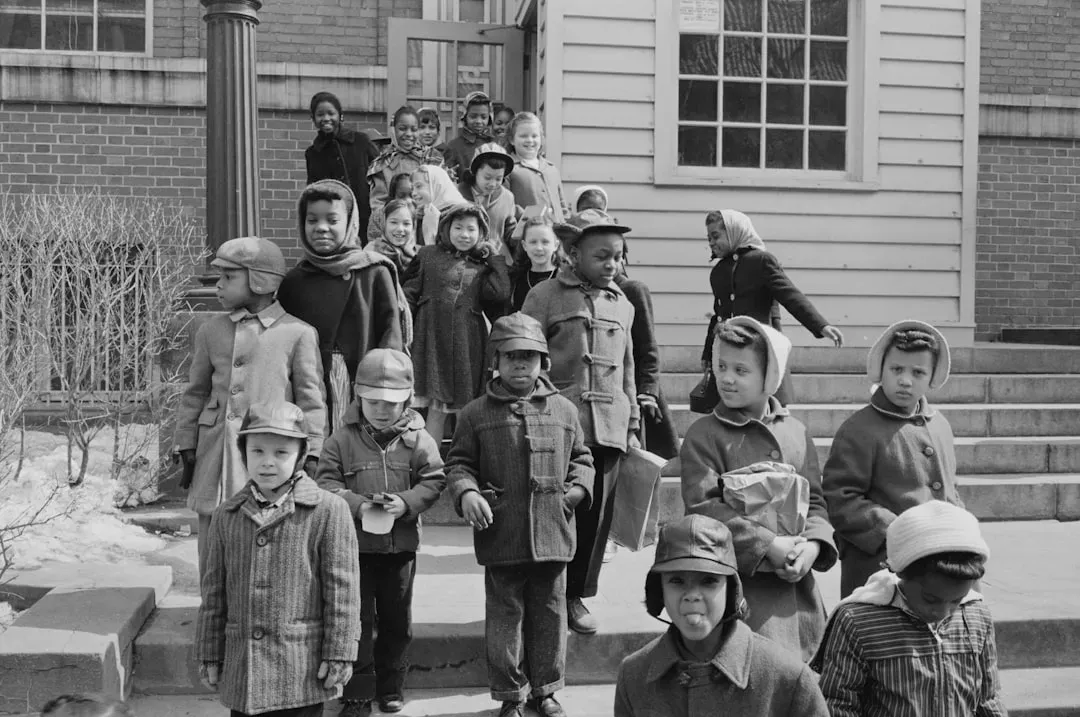
Beginning in the late nineteenth century, many American Indian children attended government- or church-operated boarding schools, where families were often forced to send their children and where they were forbidden to speak their Native languages. Many Code Talkers attended boarding schools, and as adults, they found it puzzling that the same government that had tried to take away their languages in schools later gave them a critical role speaking those languages in military service.
The contradiction is almost hard to process. On October 26, 1918, Choctaw soldiers were stationed as code talkers at field company headquarters. The Choctaw language was largely unknown to German troops, and the Allies were finally at an advantage. Once the tactic proved successful, the Allies began employing other Native soldiers. The languages punished out of children in government schools became the same languages that helped turn the tide of war.
8. America’s School Lunch Program Was Born From Military Planning, Not Concern for Children

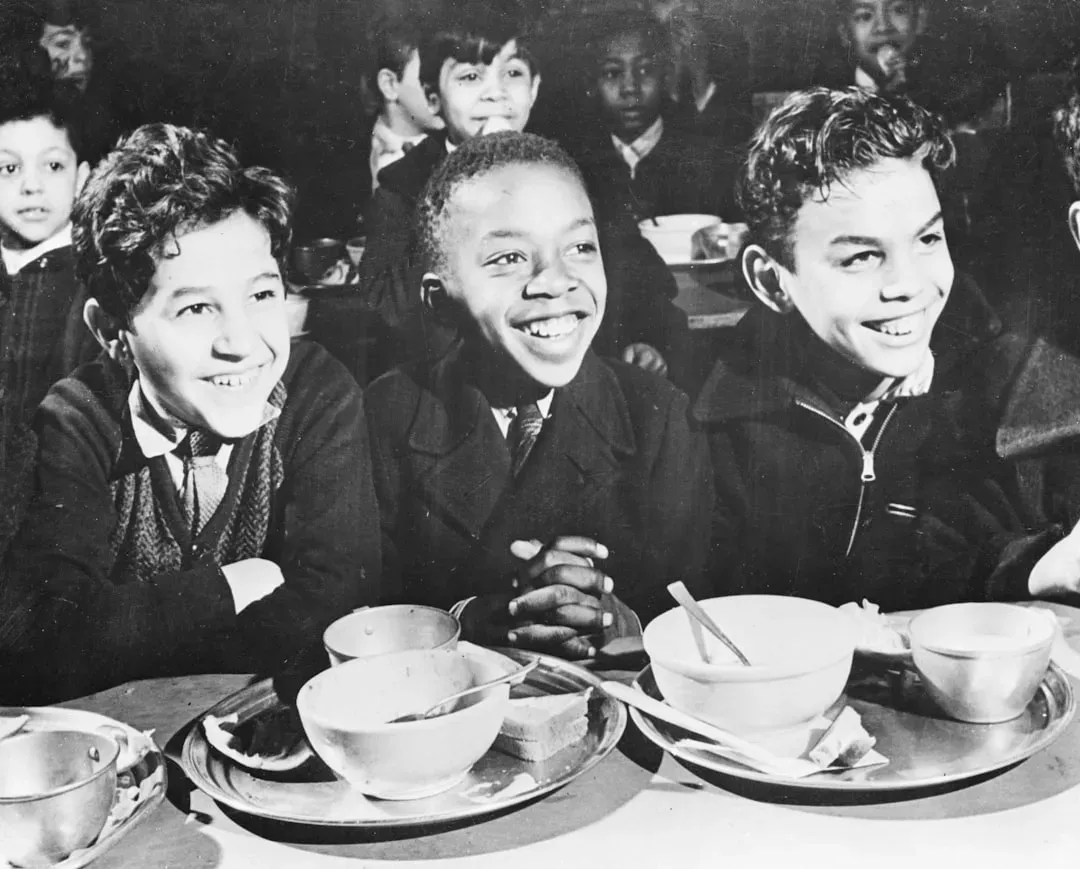
America’s National School Lunch Program of 1946 was due to World War II. The government realized that by giving children free meals, they would have a healthier draft pool if they ever needed it again. The altruistic framing of the program, which feeds millions of children every year, tends to obscure its rather calculating origins. Military readiness, not childhood nutrition, was the stated rationale.
The program has since grown into one of the largest federal nutrition initiatives in the country, serving tens of millions of meals on school days each year. Its staying power is undeniable. The motivations that launched it, though, tell a very different story than the one usually shared in school cafeterias.
9. Mississippi Was the Last State to Make School Attendance Mandatory, in 1918

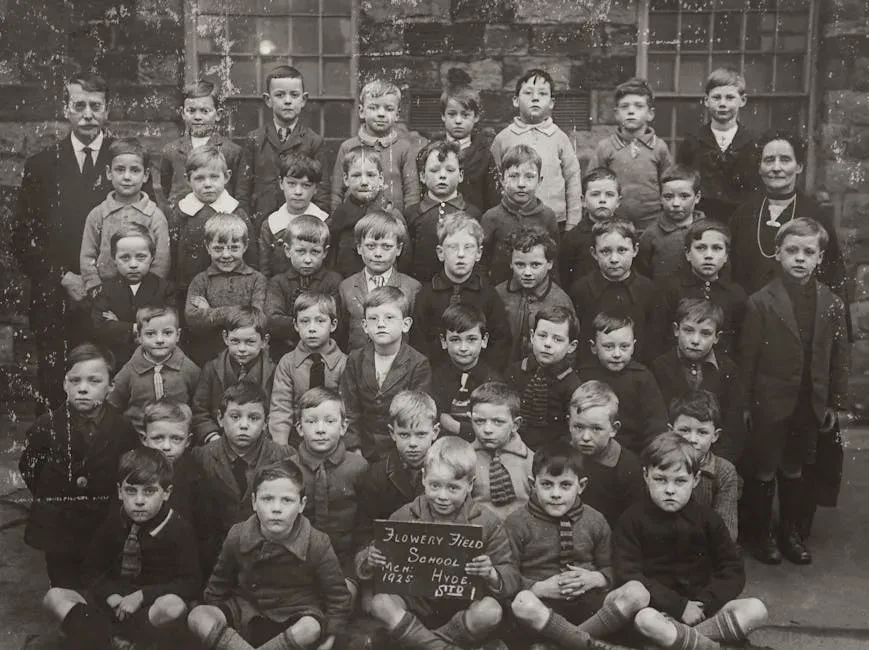
By the early 20th century, nearly every state passed laws requiring children to attend school. Massachusetts was the first in 1852, and Mississippi was the last in 1918. Enrollment surged, helping establish high school graduation as a national milestone. That gap of 66 years between the first and last compulsory education laws reflects the enormous regional variation in how seriously different states took the idea of universal schooling.
The push for compulsory attendance was itself a contested issue, tangled up with child labor interests, racial inequality, and rural economic realities. In much of the rural South, children’s labor mattered more to local economies than their presence in a classroom. Getting every child through a schoolhouse door took far longer than is often acknowledged.
10. World War I Led to German Language Being Erased From American School Curricula


Even though Japanese American internment gets attention, not many realize what happened to Germans during World War I. The U.S. placed thousands of German citizens, including those born in America, under arrest. Laws such as the Espionage Act of 1917 and an old 1798 rule on alien enemies supported this crackdown. Over six thousand people were taken into custody, with around two thousand officially imprisoned in places including Georgia’s Fort Oglethorpe and Utah’s Fort Douglas.
Newspapers printed in German began disappearing. Schools at the time dropped lessons in that language. Outrage among locals sparked fires that burned books. Even dishes and village names changed. German had been one of the most widely taught second languages in American schools before the war. It effectively vanished from many curricula almost overnight, and it never fully recovered its former prominence.
11. “Mary Had a Little Lamb” Was Based on a Real Girl Who Actually Brought Her Lamb to School

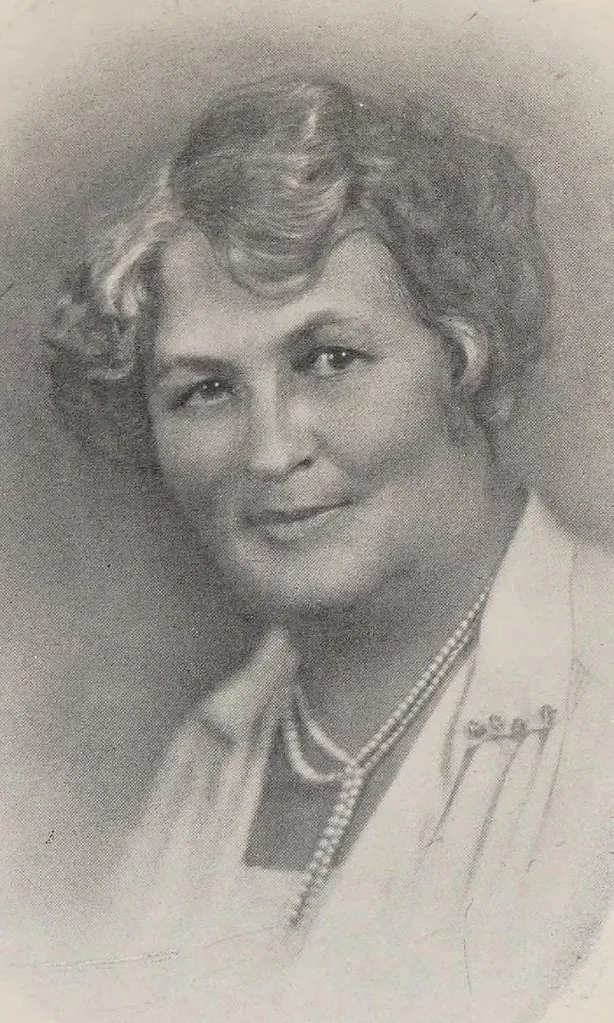
Mary indeed had a little lamb. Her name was Mary Sawyer. She was an 11-year-old girl who lived in Boston and one day was followed to school by her pet lamb. In the late 1860s, she helped raise money for an old church by selling wool from the lamb. The nursery rhyme, one of the most recognizable in the English language, turns out to have an unusually specific origin story tied to a real classroom.
The poem was reportedly written after the incident by a young man named John Roulstone, who witnessed the commotion when the lamb appeared at school. What began as a mildly chaotic school morning became an enduring piece of American cultural memory. It’s the kind of detail that makes history feel oddly personal.
12. The High School Movement Between 1910 and 1940 Fundamentally Transformed American Life

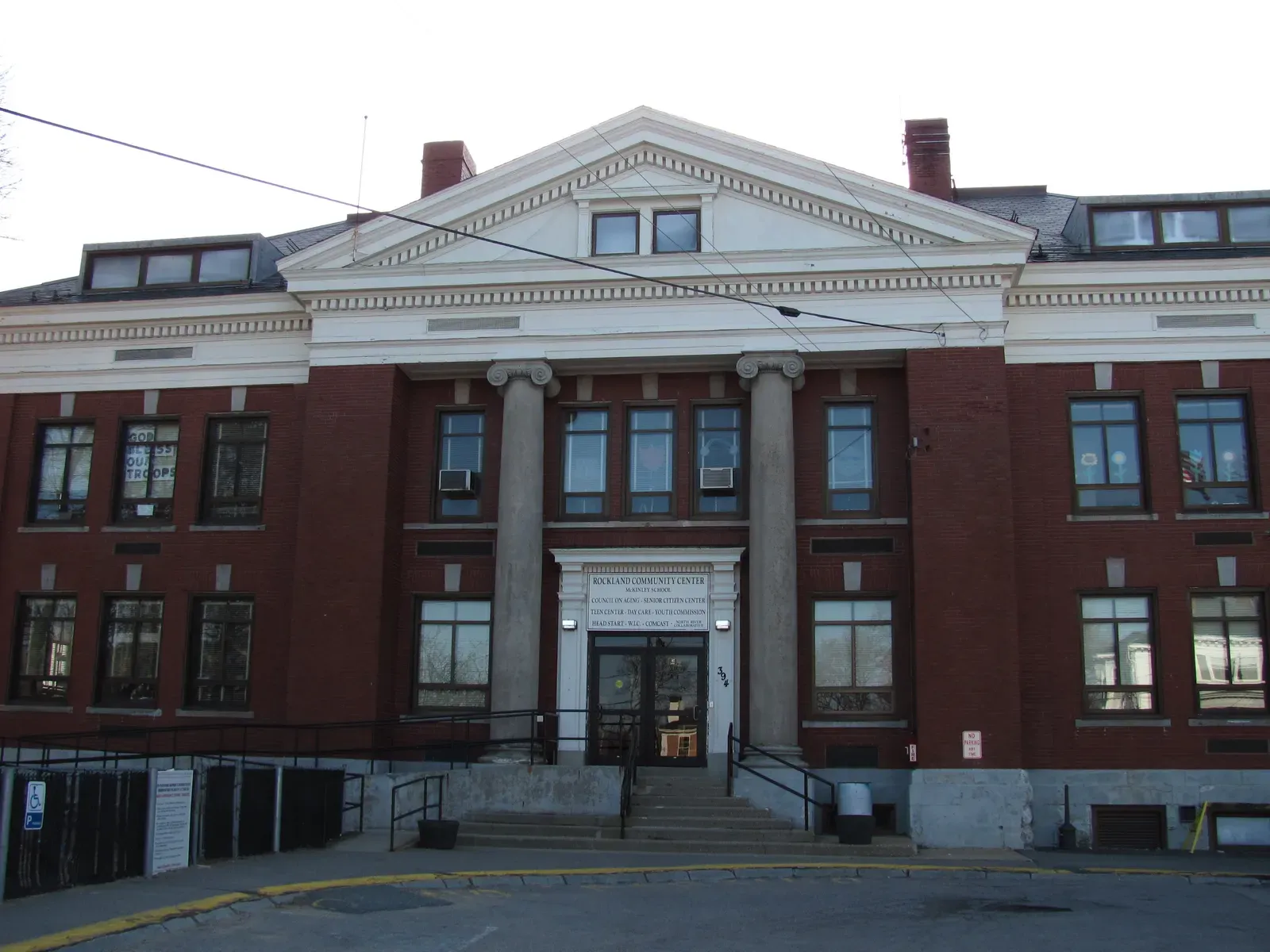
Between 1910 and 1940, the “high school movement” transformed U.S. education. Communities built more high schools, offered broader academic and vocational programs, and encouraged teens to continue their education. Enrollment surged, helping establish high school graduation as a national milestone. Before this period, finishing high school was something only a small minority of Americans ever did. The idea of a diploma as a basic expectation came from this era.
Led by philosopher and educator John Dewey, the progressive education movement in the late 1800s and early 1900s emphasized child-centered learning, problem-solving, and real-world experiences. This shift shaped many modern teaching practices and influenced curriculum design throughout the 20th century. The combination of expanded access and evolving teaching philosophy remade what an American education could look like, and the effects are still felt in every public school classroom today.
The history of American schools is, in many ways, the history of America itself. These twelve stories are proof that what happens inside a school building has always reflected something larger happening outside of it, whether that’s a war, a court battle, a government policy, or simply a child walking to class with a lamb in tow.