Have you ever knocked over a jar in your kitchen and discovered a flavor combination that blew your mind? Or maybe spilled something that ended up looking better than what you originally planned? These happy accidents happen more often than we think, especially in the world of innovation. Some of the most transformative inventions in human history weren’t the result of careful planning or years of deliberate research. They were mistakes, mishaps, and unexpected surprises that changed everything.
From the medicine cabinet to your kitchen counter, many items you use every day exist because someone noticed something strange and decided to investigate further. It’s honestly pretty wild when you stop to think about it. Let’s dive into these fascinating stories of serendipity and see how accidents shaped the modern world.
Penicillin Discovered Through a Messy Lab

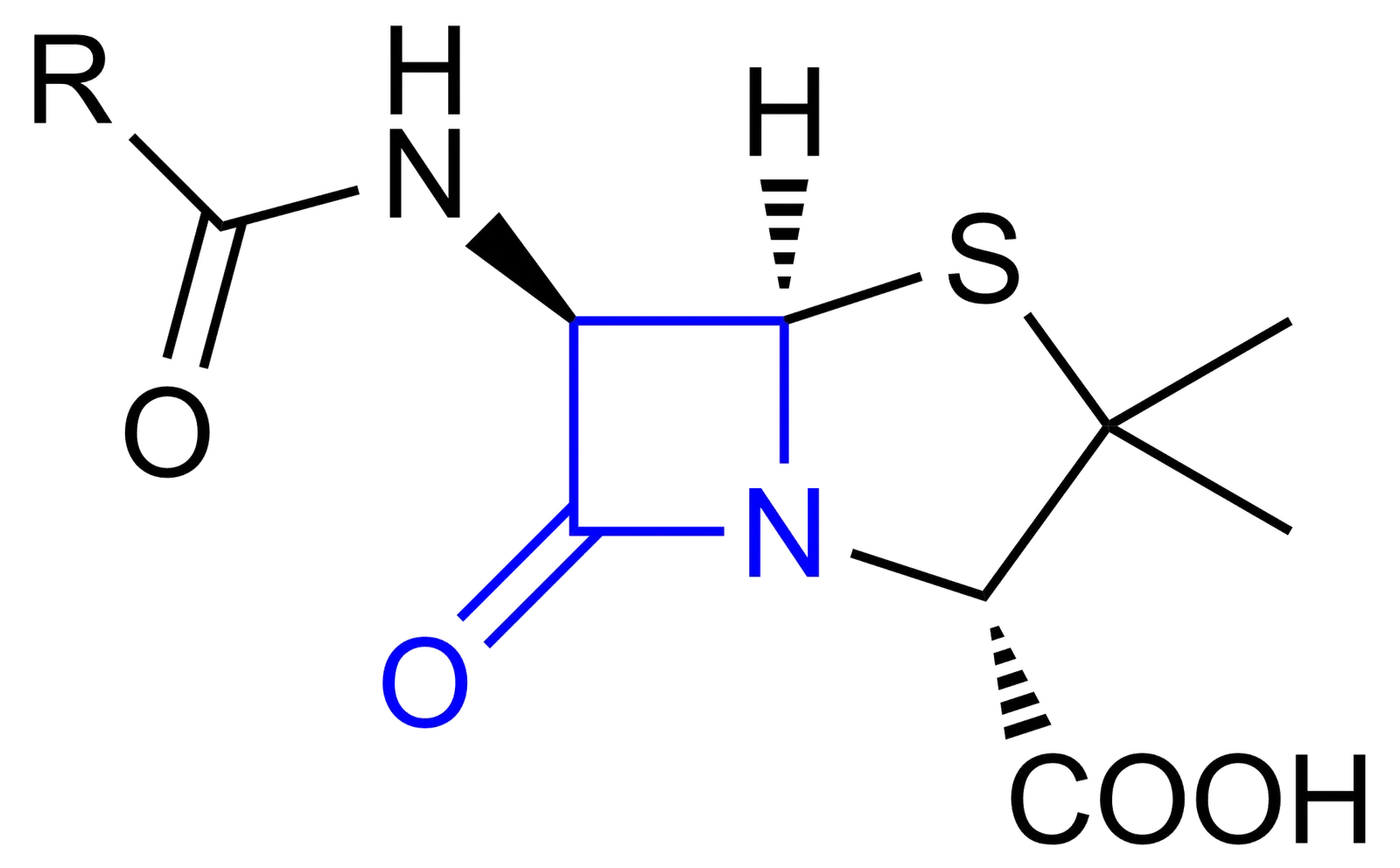
In 1928, Scottish scientist Alexander Fleming returned from vacation to find that mold had contaminated one of his bacterial culture dishes at St. Mary’s Hospital in London. He observed that bacteria near the mold colonies were dying, with the surrounding area dissolving and clearing. Most researchers would have tossed the contaminated dish and started over, frustrated by the setback.
Fleming didn’t do that. He isolated the mold and identified it as belonging to the Penicillium genus, finding it effective against all Gram-positive pathogens responsible for diseases such as scarlet fever, pneumonia, gonorrhoea, meningitis and diphtheria. The introduction of penicillin in the 1940s, which began the era of antibiotics, has been recognized as one of the greatest advances in therapeutic medicine, greatly reducing the number of deaths from infection. Fleming, along with Howard Florey and Ernst Chain, jointly received the Nobel Prize in Medicine in 1945 for this accidental breakthrough that revolutionized healthcare.
The Microwave Oven Born from a Melted Candy Bar

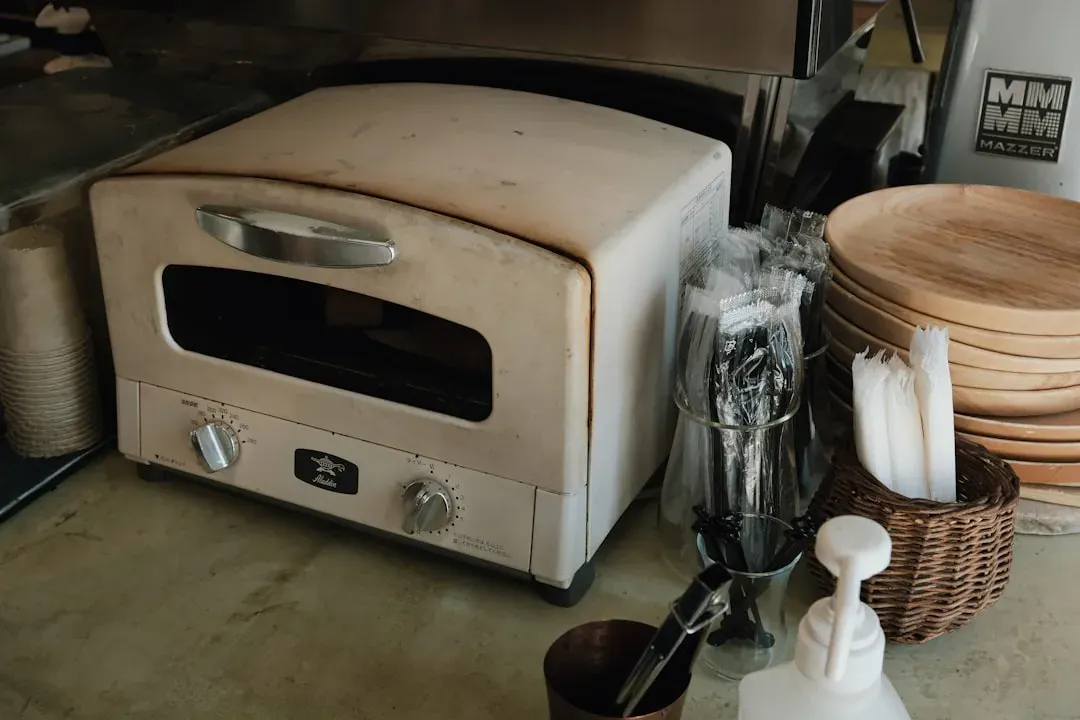
Percy Spencer, a self-taught engineer working at Raytheon in 1945, noticed one day that a candy bar in his pocket had melted while he stood near an active magnetron device used for radar technology. He decided to experiment using food, including popcorn kernels, which became the world’s first microwaved popcorn. Think about how different our lives would be without this discovery. No quick reheating of leftovers, no microwave popcorn during movie nights.
The first commercial microwave, the RadaRange, was sold by Raytheon in 1946 to restaurants and large facilities, standing nearly six feet tall, weighing more than 750 pounds, and costing roughly five thousand dollars. The first microwave for residential use came to market in 1967 as a countertop model sold by Amana, using 115 watts of power and costing just under five hundred dollars. By the late nineties, these appliances became household staples around the globe. For his invention, Spencer received no royalties, which seems remarkably unfair given how this accident transformed cooking forever.
Post-It Notes Started as a Failed Glue

In 1968, Spencer Silver, a scientist at 3M in the United States, attempted to develop a super-strong adhesive but instead accidentally created a low-tack, reusable, pressure-sensitive adhesive. For five years, Silver promoted his solution without a problem within 3M both informally and through seminars, but failed to gain adherents. I think we’ve all experienced the frustration of creating something nobody else sees value in. He must have felt pretty discouraged.
In 1974, colleague Arthur Fry, who had attended one of Silver’s seminars, came up with the idea of using the adhesive to anchor his bookmark in his hymn book, then utilized 3M’s sanctioned permitted bootlegging policy to develop the idea. The original notes’ canary yellow color was chosen by chance, from the color of the scrap paper available at the lab next door to the Post-it team. Post-It Notes launched across the United States on April 6, 1980, with immediate success thanks to the product’s ease of use and ability to promote itself.
Coca-Cola Created by a Pharmacist Seeking Pain Relief

John Stith Pemberton suffered from a sabre wound sustained in April 1865 during the Battle of Columbus, with his efforts to control chronic pain leading to morphine addiction, prompting him to experiment with various painkillers and toxins. In 1886, when Atlanta and Fulton County enacted temperance legislation, Pemberton had to produce a non-alcoholic alternative to his French Wine Coca. Here’s where things get interesting.
Pemberton blended the base syrup with carbonated water by accident when trying to make another glassful of the beverage. He carried a jug of the new product down the street to Jacobs’ Pharmacy, where it was sampled, pronounced excellent and placed on sale for five cents a glass, with carbonated water teamed with the new syrup to produce a drink that was at once delicious and refreshing. In 1888, Pemberton and his son sold the remaining portion of the patent to fellow Atlanta pharmacist Asa Griggs Candler for three hundred dollars; Pemberton died from stomach cancer at age 57, poor and increasingly addicted to morphine.
Superglue Emerged from Weapon Development Research

In 1942, inventor Dr. Harry Coover was attempting to make clear plastic gun sights for weapons used by allied forces in World War II when he accidentally created superglue, then abandoned it for nine years before testing again and realizing its commercial property as a uniquely powerful bonding agent. What must that realization have felt like, to rediscover your own failed experiment nearly a decade later and suddenly understand its potential?
It was originally put on the market as Eastman910 after Coover’s employer, Eastman Kodak. The substance became one of the most useful household adhesives ever created. Today, superglue is found in nearly every toolbox and junk drawer, fixing everything from broken pottery to loose shoe soles. The bonding agent works by reacting with moisture in the air, creating incredibly strong molecular chains in seconds.
The Pacemaker Invented with Wrong Resistor

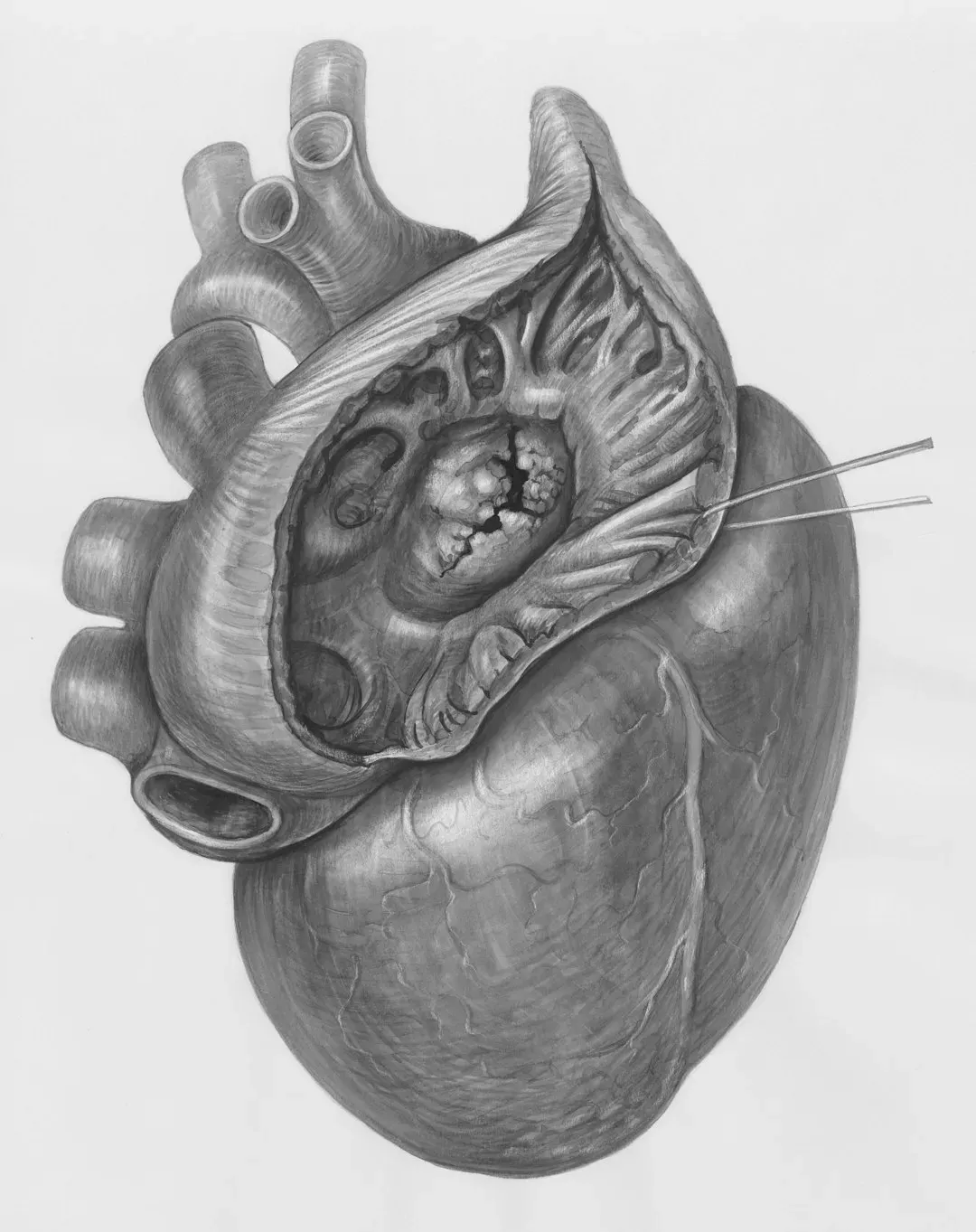
In 1956, Wilson Greatbatch invented the pacemaker by mistake while trying to build a device to record the rhythm of the heart when he reached into a box for a resistor to complete the circuitry and pulled out the wrong size. This simple error created a device that has saved countless lives. When Greatbatch installed the incorrectly sized component, the circuit began producing electrical pulses, mimicking the heart’s natural rhythm.
He immediately recognized the medical significance of this accidental discovery. Honestly, it’s hard to say for sure, but his background knowledge probably helped him connect the dots faster than someone without medical device experience might have. The first implantable pacemaker was successfully tested in a patient just a few years later. Today, millions of people worldwide depend on pacemakers to regulate their heartbeats and maintain quality of life.
X-Rays Noticed Through Unexpected Glowing

In 1895, German physicist Wilhelm Roentgen was conducting experiments with cathode rays when he noticed a fluorescent glow coming from a nearby fluorescent screen, even though it wasn’t in direct line of sight. He had covered the cathode ray tube with black cardboard, yet the screen across the room still glowed mysteriously. Something invisible was passing through solid objects.
Partner offer

Roentgen spent weeks experimenting in secret, discovering that this mysterious radiation could pass through flesh but not bone. He called them X-rays because of their unknown nature. The medical applications became apparent almost immediately. Within months, doctors worldwide were using X-ray technology to see inside the human body without surgery. This accidental discovery revolutionized medical diagnostics and earned Roentgen the first Nobel Prize in Physics in 1901.
Saccharin Sweetener Discovered Through Poor Lab Hygiene

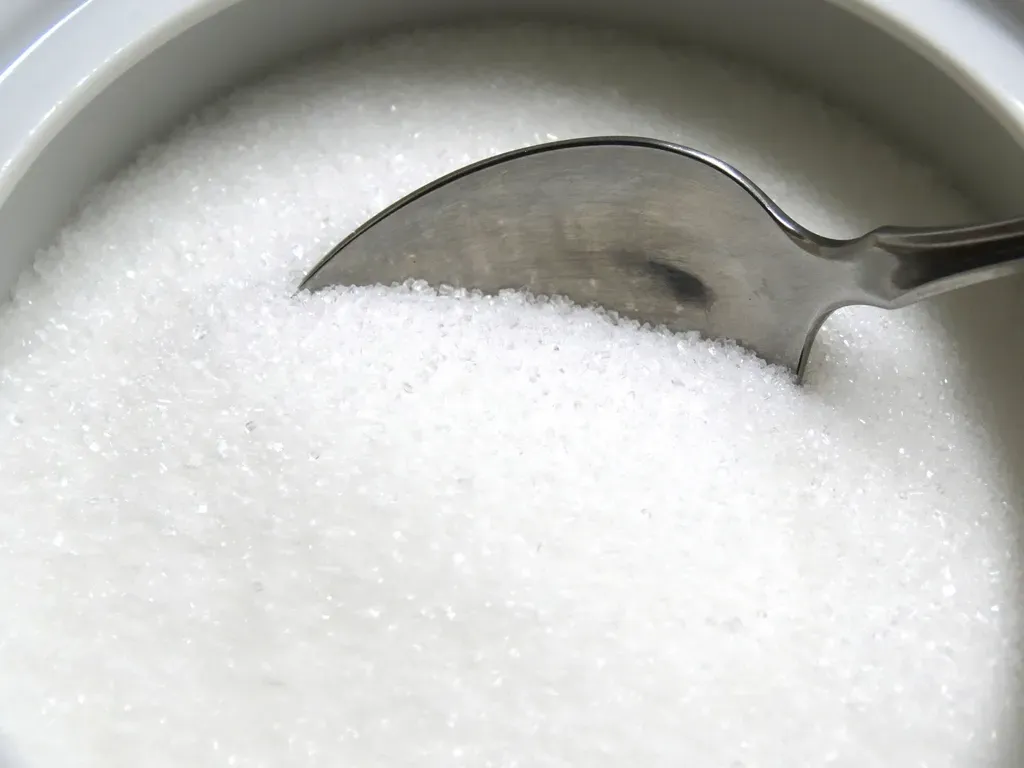
In 1879, chemist Constantin Fahlberg was working with coal tar derivatives at Johns Hopkins University when he forgot to wash his hands before eating dinner. He noticed everything tasted unusually sweet. The next day, he returned to his lab and systematically tasted compounds on his workbench until he identified the source. Let’s be real, tasting random laboratory chemicals sounds absolutely terrifying by modern safety standards.
Fahlberg had accidentally created saccharin, the first artificial sweetener, which turned out to be several hundred times sweeter than sugar. He patented the discovery without crediting his supervisor, causing considerable controversy. Saccharin became especially important during sugar shortages in both World Wars. Despite periodic health scares over the decades, it remains widely used in diet products and as a tabletop sweetener worldwide.
Vulcanized Rubber Created by Dropping Mixture on Stove

Charles Goodyear spent years trying to make rubber practical for everyday use. Raw rubber became sticky in heat and brittle in cold, making it nearly useless for commercial applications. In 1839, after countless failed experiments and financial ruin, Goodyear accidentally dropped a mixture of rubber and sulfur onto a hot stove. Instead of melting as expected, the rubber charred like leather, remaining flexible.
This accidental discovery led to vulcanization, the process of heating rubber with sulfur to improve its strength and elasticity. The technique made rubber waterproof and weather-resistant. It transformed entire industries, making possible everything from automobile tires to waterproof clothing. Goodyear died in debt despite his revolutionary discovery, though the Goodyear Tire Company later adopted his name to honor his contribution.
Safety Glass Invented After Dropping Flask

French scientist Edouard Benedictus accidentally knocked a glass flask off his laboratory shelf in 1903. When it hit the floor, he expected to find shattered fragments everywhere. Instead, the flask had cracked but held its shape, with all the glass pieces staying in place. The flask had previously contained cellulose nitrate, which had evaporated but left an invisible coating inside.
Benedictus recognized the safety implications immediately. He spent years developing the concept into practical laminated safety glass. The invention initially found limited commercial interest until World War I, when it was used for gas mask lenses. Eventually, automobile manufacturers adopted it for windshields, dramatically reducing injuries from flying glass during accidents. Today, virtually all vehicle windows use variations of Benedictus’s accidental discovery.
Teflon Discovered in Gas Storage Experiment

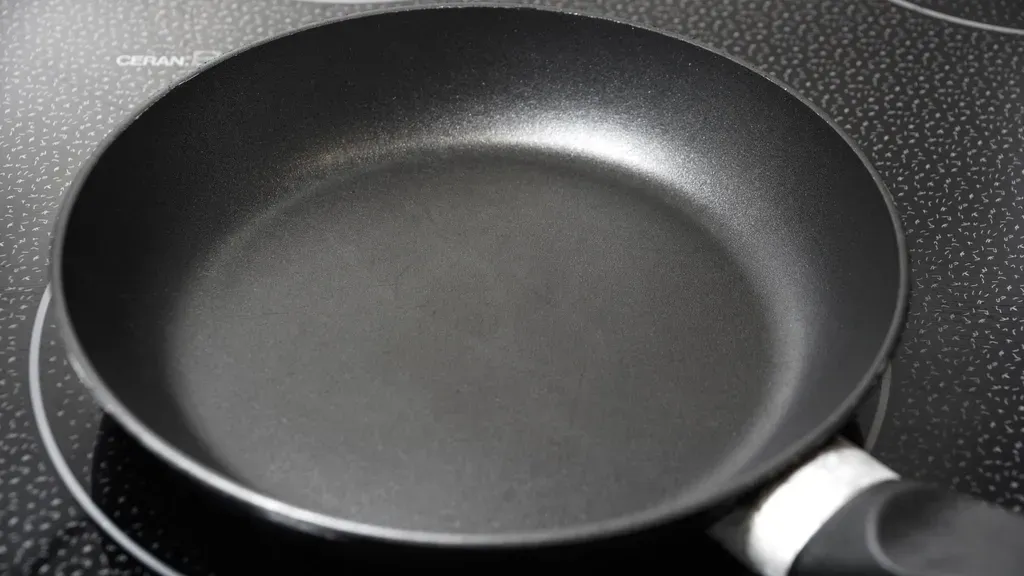
In 1938, chemist Roy Plunkett was working for DuPont, attempting to create a new refrigerant gas. He stored tetrafluoroethylene gas in pressurized cylinders and left them overnight. The next morning, when he opened a cylinder expecting gas to rush out, nothing happened. The cylinder’s weight hadn’t changed, meaning the gas hadn’t escaped, yet none came out.
Plunkett cut open the cylinder and found a slippery white powder coating the inside. The gas had polymerized into polytetrafluoroethylene, now known as Teflon. This substance proved incredibly resistant to heat, chemicals, and virtually nothing would stick to it. During World War II, it was used in the Manhattan Project. Later, Teflon revolutionized cooking with non-stick pans, though its most critical applications remain in aerospace and industrial settings.
Velcro Inspired by Burrs Stuck to Dog
Swiss engineer George de Mestral returned from a hunting trip in 1941 with his dog covered in burrs. Rather than simply pulling them off in frustration, he examined them under a microscope. He discovered that burr hooks caught on anything with a loop, from clothing fabric to dog fur. This natural fastening mechanism fascinated him.
De Mestral spent nearly a decade developing a synthetic version, eventually creating two strips: one covered in tiny hooks, the other in loops. He called it Velcro, combining the French words velours and crochet. Initially, the fashion industry dismissed it as ugly and cheap-looking. NASA’s adoption of Velcro for space suits in the 1960s changed everything, proving its reliability and making it respectable. Today, it’s everywhere from shoes to blood pressure cuffs.
What These Accidents Teach Us


These twelve discoveries share something profound beyond mere chance. Each inventor possessed the curiosity to investigate anomalies rather than dismiss them. Fleming could have thrown away that contaminated dish. Spencer might have ignored his melted chocolate. Silver could have accepted his weak adhesive as a failure.
The pattern reveals that preparation meets opportunity in unexpected ways. These inventors had deep knowledge in their fields, allowing them to recognize significance in accidents others would overlook. They also had the persistence to develop rough discoveries into practical inventions. Let’s be honest, most breakthroughs require years of refinement after the initial accident.
These stories remind us that failure and mistakes often contain hidden potential. The next time something doesn’t go according to plan, it might be worth taking a closer look instead of immediately starting over. Some of humanity’s greatest advances came from people who paid attention when things went wrong. What accidental discovery might be waiting in your next mistake? Did any of these surprise you as much as they surprised me?
Partner offer
Planning a trip to Vegas?
Compare hotel rates and show tickets on VEGAS.com.