


There’s a persistent myth in the music industry that every great record comes from countless hours in the studio, endless retakes, and producers picking apart every syllable. Yet some of the most enduring songs in pop and rock history happened almost by accident, captured the moment someone hit record and never touched again. These are the performances where nerves, exhaustion, or sheer spontaneity turned into magic that no amount of studio polish could improve on.
The Beatles – “Twist and Shout” (1963)

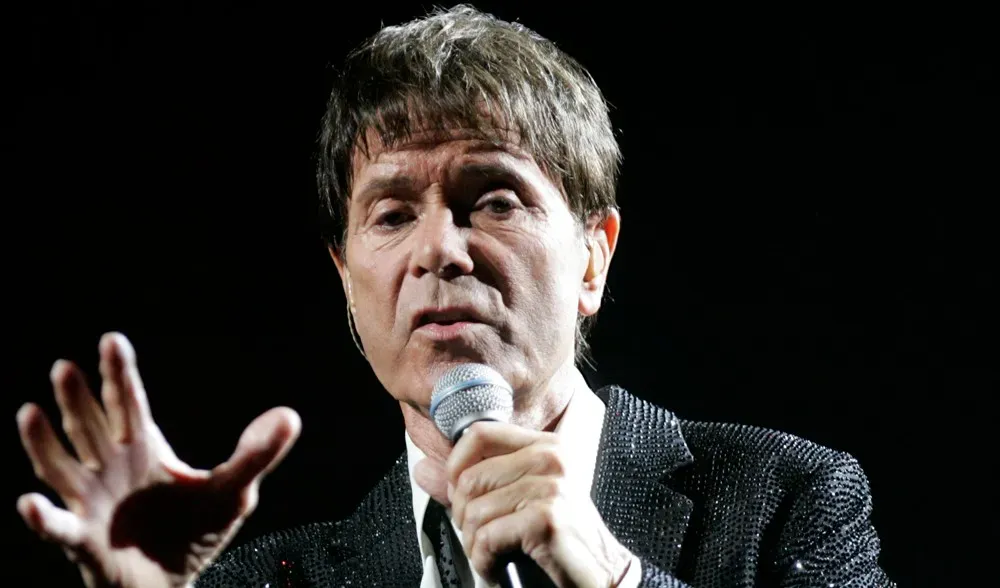
By the time The Beatles got to this song, they had already been in the studio for thirteen hours straight, and George Martin had saved it for last precisely because of what it would do to John Lennon’s voice. The first Beatles album Please Please Me was done in 13 hours, and after nine songs, they had 15 minutes left on the clock. Lennon was fighting a cold and trying to save what was left of his voice with cough drops and warm milk.
An exhausted John Lennon’s voice was shot, so he chucked down cough drops and gargled with milk, then stormed through the song, a live favourite, until the voice finally went and the Fab Four decided to go with what they had. A second attempt was tried but Lennon simply couldn’t finish it, so the single ragged take became the released version. It’s often called one of the most famous single takes in rock history, and listening to it, you can practically hear the tank running on empty.
Elvis Presley – “That’s All Right” (1954)

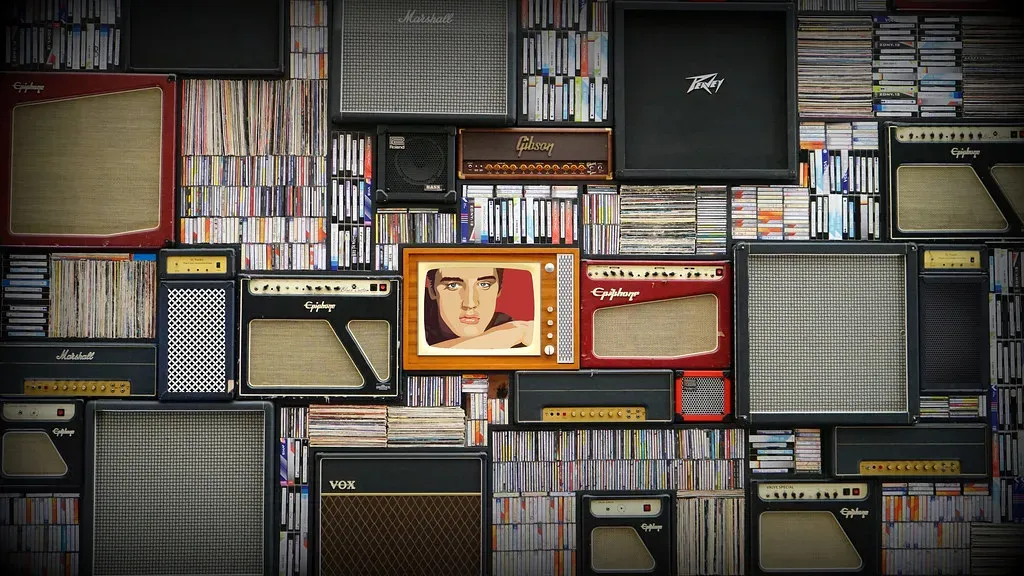
Elvis wasn’t even trying to record a hit the night this happened. He was midway through his very first recording session with Sun Records when, in between takes, he pulled out Arthur Crudup’s 1946 bluesy number, and the producer, stoked by the upbeat rendition, told Presley to play it again so he could record it. What started as goofing off between planned takes turned into the record that many historians point to as the true birth of rock and roll.
There was no elaborate arrangement, no overdubs, just Elvis, guitarist Scotty Moore, and bassist Bill Black finding a groove that felt right and committing it to tape immediately. The rawness of that first pass is part of why the recording still sounds alive more than seventy years later. It’s a reminder that some of the biggest musical shifts in history happened almost by chance, in a room with the tape already rolling.
The Animals – “House of the Rising Sun” (1964)


This one came together fast, almost too fast for the band to fully register what they had made. Recording took place on May 18, 1964, in the small De Lane Lea Studios on Kingsway in London, and it took only 15 minutes, since The Animals had played it so many times on tour that they laid it down in one take. Producer Mickie Most later described it almost like cosmic luck rather than craft.
Mickie Most recalled that everything was in the right place, the planets and stars aligned, and the wind was blowing in the right direction, adding that it only took 15 minutes to make so he couldn’t take much credit for the production, calling it simply a case of capturing the atmosphere in the studio. The song went on to become one of the defining folk rock records of the decade, built almost entirely on the strength of a single, unrepeated performance.
Tupac Shakur – “Hail Mary” (1997)

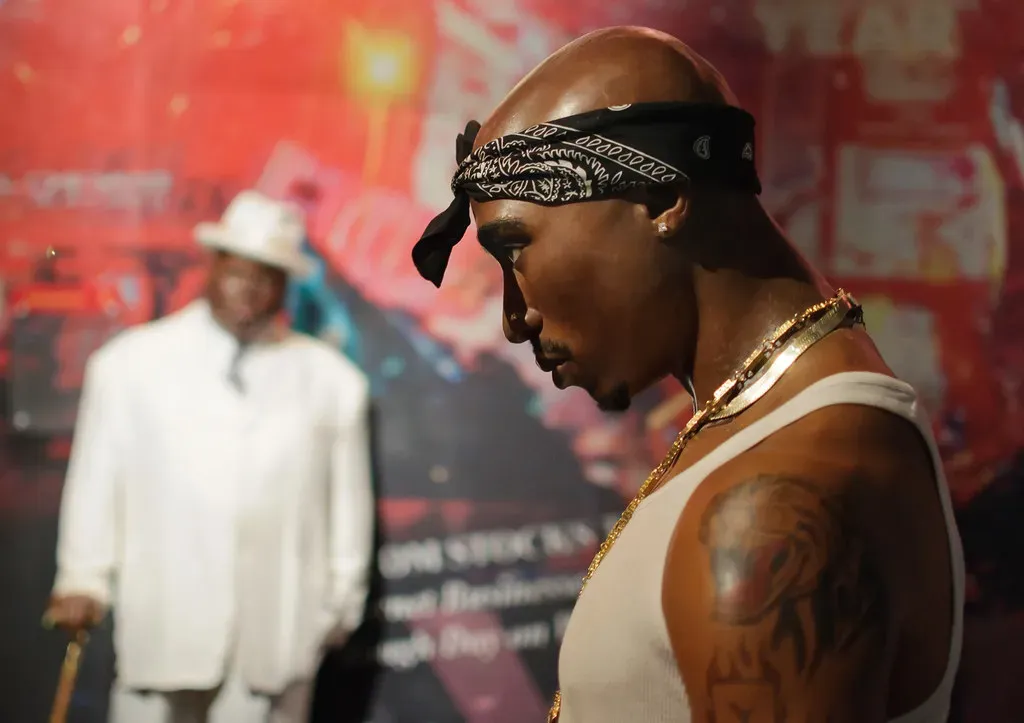
Working under the Makaveli alias, Tupac approached this track with an intensity that left little room for second guessing. With its references to Catholicism, gang warfare, and prison, this 1997 gangsta rap tune took a mere fifteen minutes to write and just five minutes for Tupac and company to record the vocals, and the one take song became one of his most famous, a rap and R&B crossover hit. Given the speed of the writing and recording, the raw urgency in his delivery makes a lot more sense.
The track later gained an odd second life among fans who scoured it for hidden meaning after his death. Whatever the theories, the recording itself stands as one of the more haunting single take vocal performances in hip hop, delivered without the luxury of revision. There’s something fitting about a song built on themes of mortality being captured in a single, unrepeatable burst.
Kim Carnes – “Bette Davis Eyes” (1981)

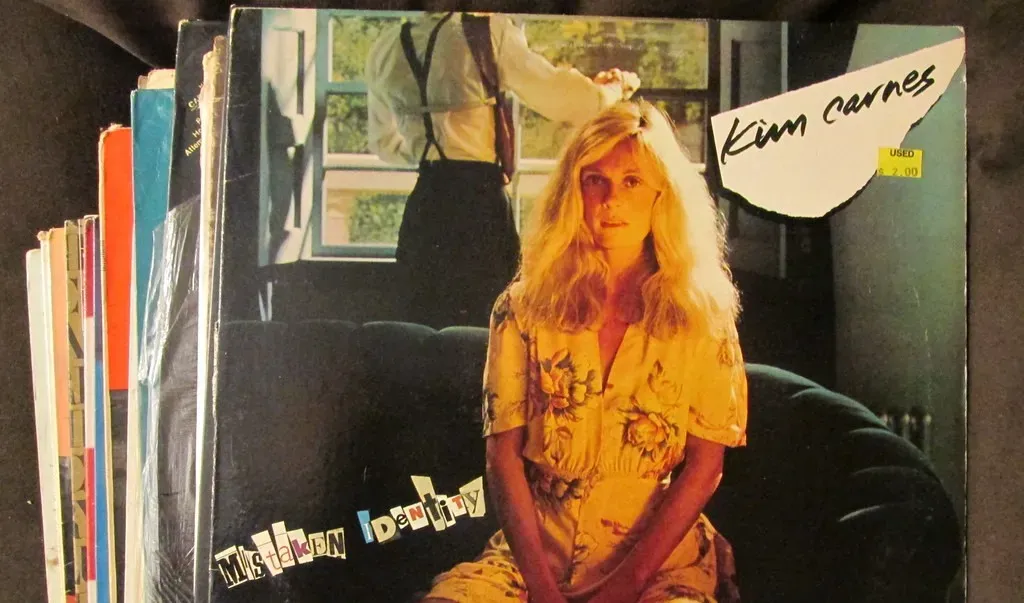
Few one take performances have gone on to earn the kind of recognition this song received. Produced by Val Garay at Record One studio, the song was recorded in just one take, capturing Carnes’ captivating vocals and the band’s tight performance, and it went on to become a chart topping sensation, earning Carnes a Grammy Award for Record of the Year and Song of the Year in 1982. That’s a remarkable outcome for a track that wasn’t fussed over after the fact.
Carnes’ distinctive rasp fit the song’s moody synth backdrop so well that any attempt at a cleaner second pass might have actually hurt it. The performance feels lived in rather than rehearsed, which is likely part of why it dominated radio for weeks. Sometimes imperfection is the whole point, and this record proves it.
Bachman–Turner Overdrive – “You Ain’t Seen Nothing Yet” (1974)

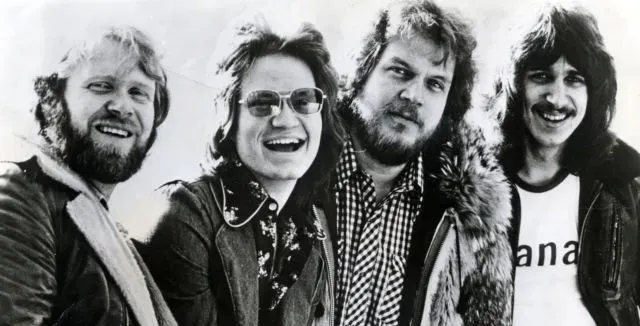
This one started as a private joke and ended up as a chart topper almost against Randy Bachman’s will. Bachman told his bandmates, “We have this one song, but it’s a joke, I’m laughing at the end, I sang it on the first take, it’s sharp, it’s flat, I’m stuttering to do this thing for my brother.” He never expected anyone outside his family to hear it.
When executives from Mercury Records heard the goofy stuttering vocal, they insisted it stay exactly as recorded. It reached the number one position on the Billboard Hot 100 singles chart and the Canadian RPM chart the week of November 9, 1974. A song meant only for one listener ended up as one of the biggest rock hits of the decade.
The Rolling Stones – “Beast of Burden” (1978)

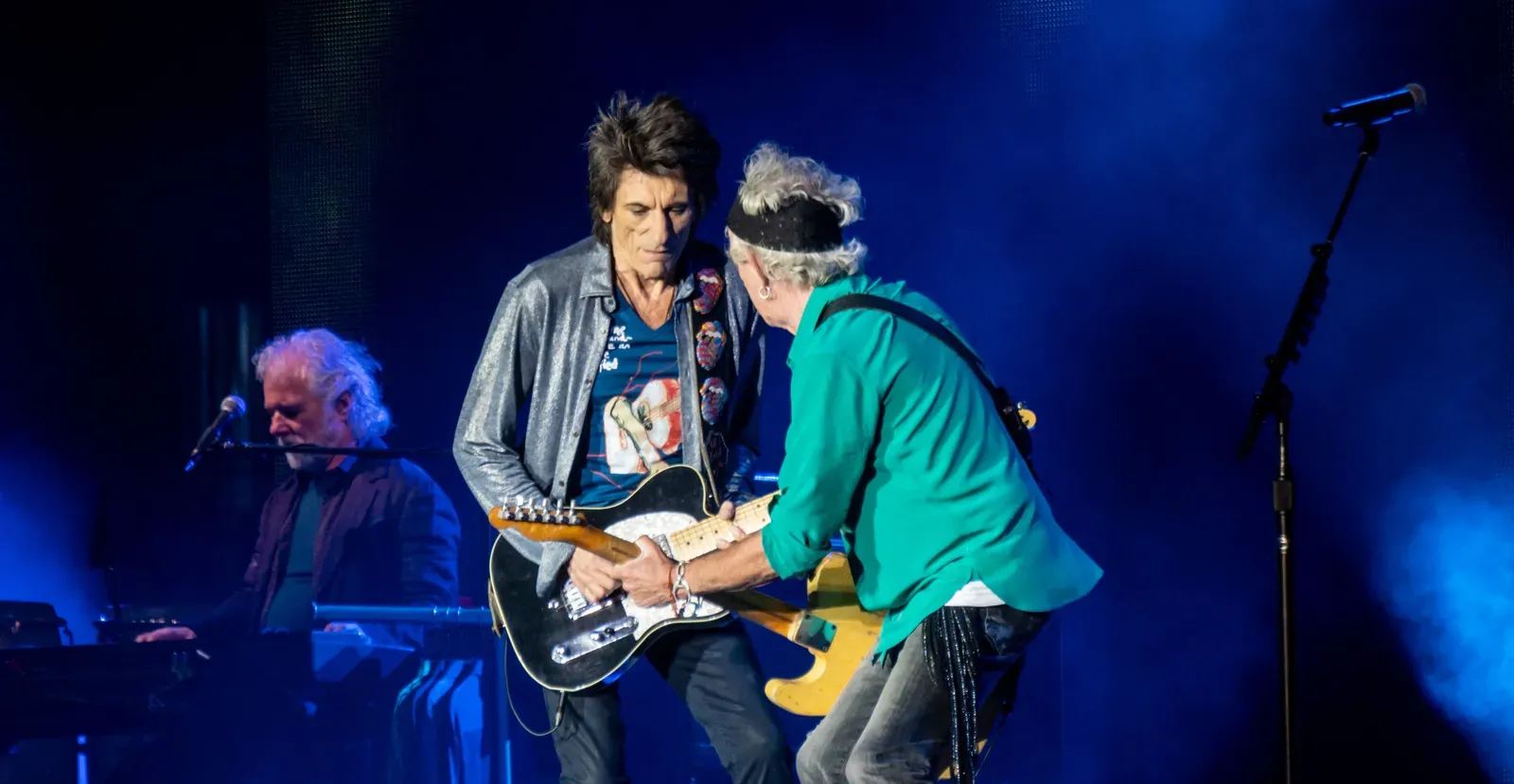
This ballad grew out of a moment of quiet support between two longtime collaborators rather than a planned studio session. During one of the Some Girls sessions, Richards came in with an uptempo soul number that only had a chord progression and a title, and sensing Richards’ fragile state, Jagger opted to turn the song into a supportive ballad for his co writer and friend. The arrangement basically formed itself as the band played.
Partner offer

Richards recalled that it started kind of faster and funkier and more shouted, and when everybody else started playing, they decided to cut it more relaxed, and it came down to what it is in just one take, and that was it. Given the personal weight behind the song, the unforced, single pass recording feels appropriate rather than rushed.
Bonnie Raitt – “I Can’t Make You Love Me” (1991)

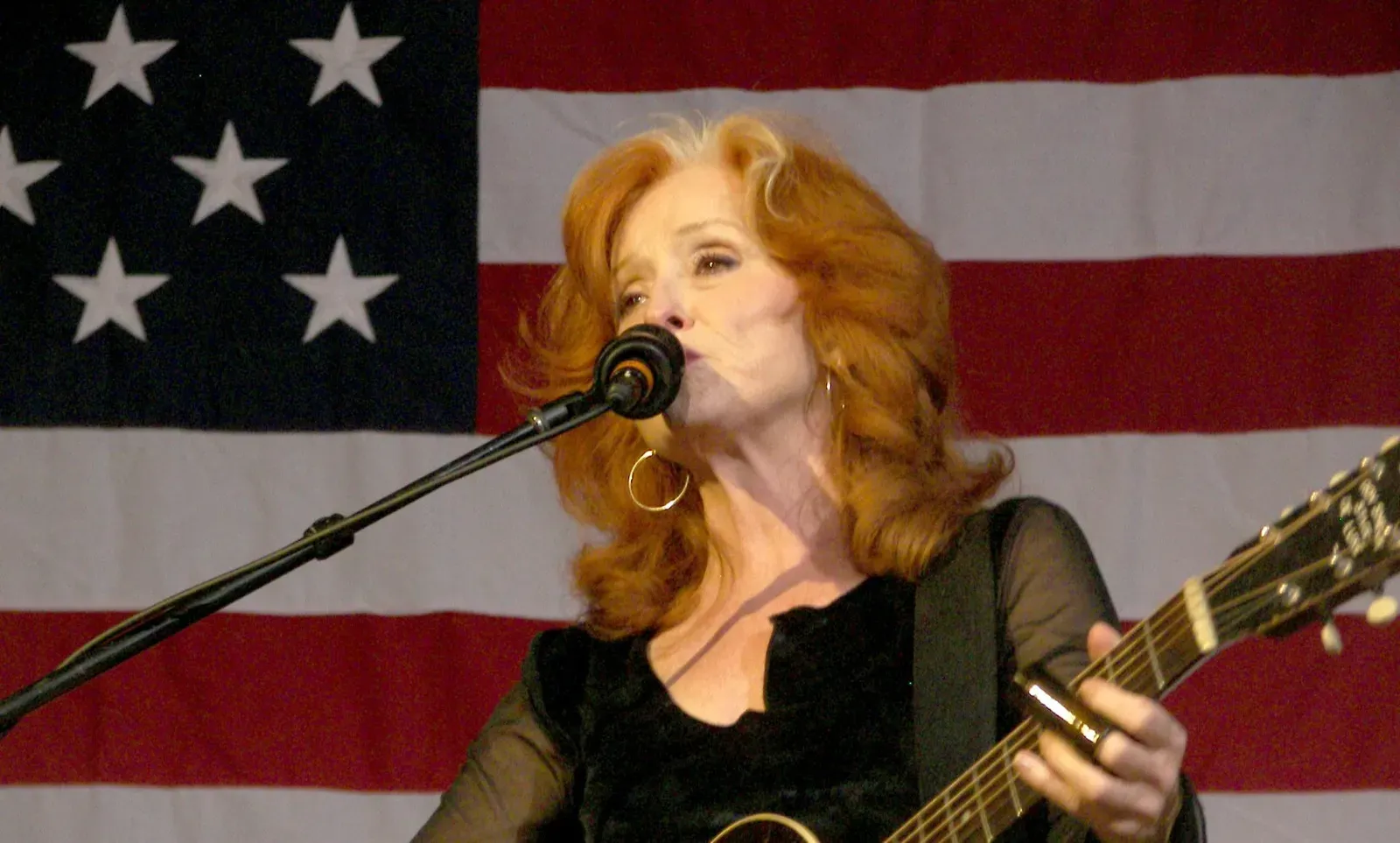
Some songs are simply too emotionally heavy to sing twice with the same conviction, and this ballad falls squarely into that category. Raitt described it as absolutely the saddest song she’d ever sung, explaining that she recorded her vocal in one take, and when they tried to do it again she said, “You know, this ain’t going to happen.” There simply wasn’t a second version worth chasing.
The song’s origin traces back to a news story about a man forced into divorce court after being reunited with his wife. That real world sadness clearly bled into the performance, giving it a rawness that studio perfectionism might have smoothed away. It remains one of the most quietly devastating vocal performances of her career.
The Isley Brothers – “Shout” (1958)

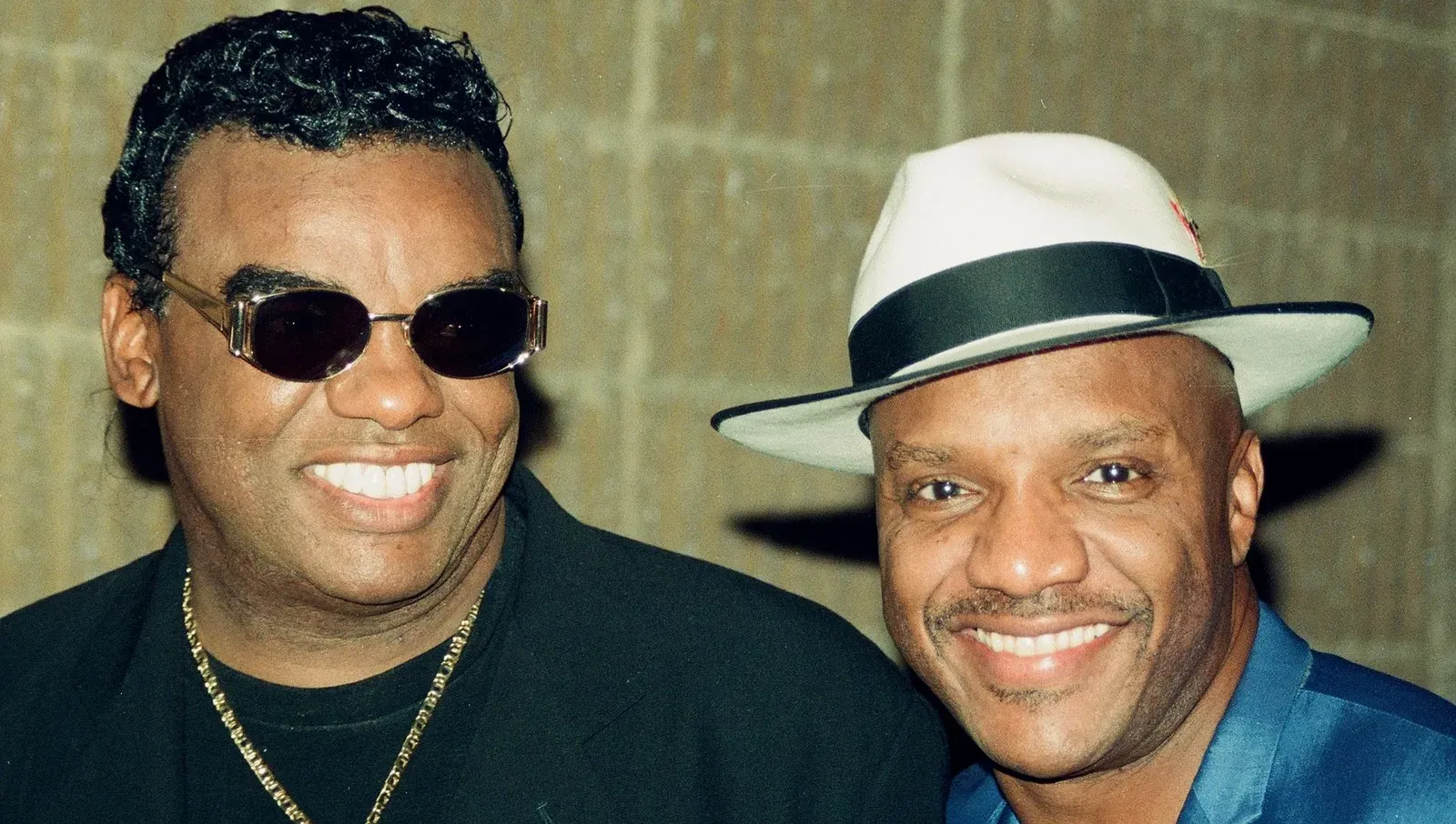
This one was less about vocal fragility and more about capturing pure, unfiltered energy. The Isley Brothers had already been developing “Shout” during their concerts and wanted to capture the exuberant energy it seemed to spark in audiences, so they invited friends to the studio to act as an audience while they put the song to tape. That live feel is baked directly into the finished record.
Ronnie Isley later told Jennifer Hudson in 2023, “We went back to the studio, and we did it one time, just one time,” adding, “It felt like the world opened up.” Commercially, the song did not chart as high as its cultural impact might suggest, reaching only number forty seven on Billboard, but its influence on soul, gospel, and rock performances since has been enormous.
Quiet Riot – “Cum on Feel the Noize” (1983)


Ironically, this cover almost didn’t get recorded properly because the band resented doing it in the first place. Kevin DuBrow was strongly opposed to recording someone else’s material for their own album, to the point where the band purposely tried to sabotage the recording sessions by not taking it seriously. That resistance nearly worked against them entirely.
Drummer Frankie Banali described how the take that made the final cut came together almost by accident. He recalled, “We went in, there was no intro, no nothing at all. There was a little bit of arguing as to how it was going to start. Finally, when I knew the engineer was rolling tape, I just started playing what became the intro,” with the rest of the band joining in spontaneously. That accidental single take ended up becoming one of the defining hard rock singles of the early eighties.
Kylie Minogue – “Better the Devil You Know” (1990)

Written and recorded under serious time pressure, this song’s origin story is almost as fast as the finished track itself. Producer Pete Waterman explained the circumstances behind songs like this one. He recalled being told Kylie was on her way in with a two hour wait, thinking they didn’t even have a song yet, until someone suggested the title “Better the devil you know,” and in one hour the song was written, and in three hours it was recorded. Bang, as he put it.
That kind of compressed timeline left little room for multiple takes or endless second guessing. The urgency of the writing process carried directly into the recording booth, and the finished track became one of the songs credited with reshaping Minogue’s public image away from her earlier, more wholesome persona. It stands as a clear case of pressure producing rather than hindering a strong pop record.
Sinead O’Connor – “Nothing Compares 2 U” (1990)

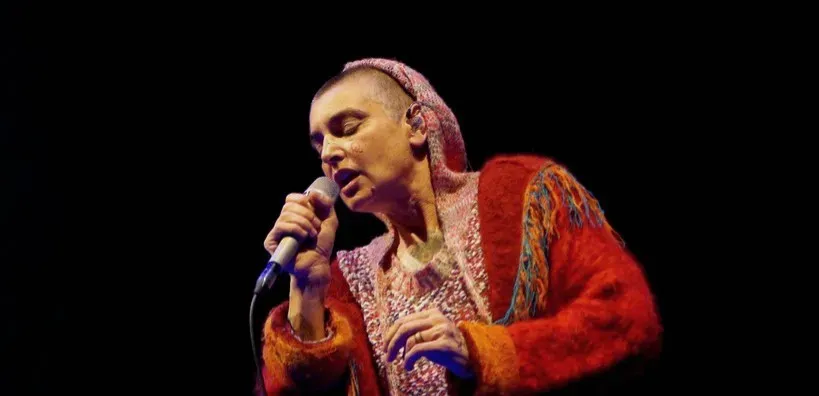
This one comes with a small technical asterisk worth mentioning honestly. Technically, Sinead O’Connor sang two takes of her famous Prince cover, but that was only so that the two takes could be layered on top of one another as a double track. In practical terms, there was no second attempt made to fix or improve the vocal itself, just a doubling technique layered over a single emotional performance.
Anyone who has heard the song knows why a second, corrective take was never seriously considered. The vulnerability in her voice, especially during the bridge, feels almost too raw to have been repeated without losing something essential. It became one of the most acclaimed vocal performances of its era, proof that a single unguarded take can outlast almost any amount of studio refinement.
Looking across these twelve records, a pattern emerges that has little to do with luck alone. Exhaustion, private jokes, tight deadlines, personal grief, and spontaneous studio energy all played a role in creating performances too honest to improve upon. Decades later, these songs still sound immediate, precisely because nobody went back to smooth out the edges.
Partner offer
Planning a trip to Vegas?
Compare hotel rates and show tickets on VEGAS.com.


