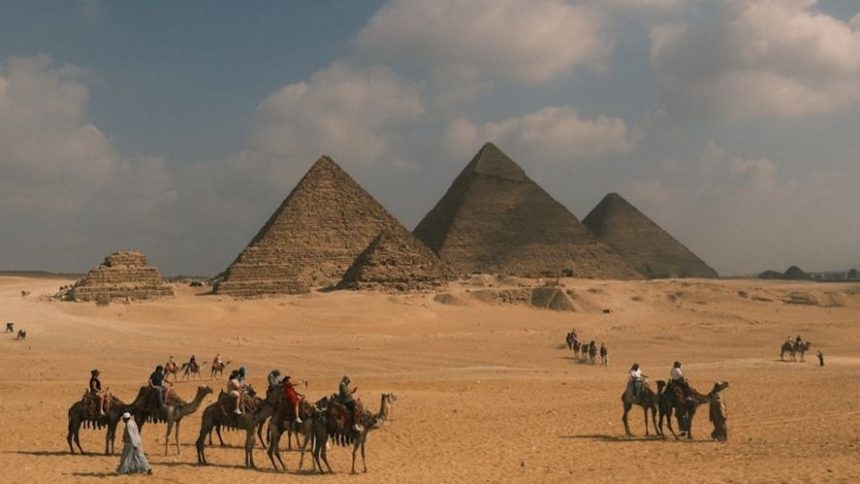
History is one of the most captivating subjects on Earth, and yet it is also one of the most misunderstood. We grow up with stories that feel so cinematic, so perfectly dramatic, that we never stop to question them. A short emperor. A queen with no empathy. Slaves building the most famous monuments ever constructed. Turns out, a lot of what we think we know is far more complicated, messier, and honestly more interesting than the polished myths we were handed. So let’s get started.
1. Napoleon Was Unusually Short
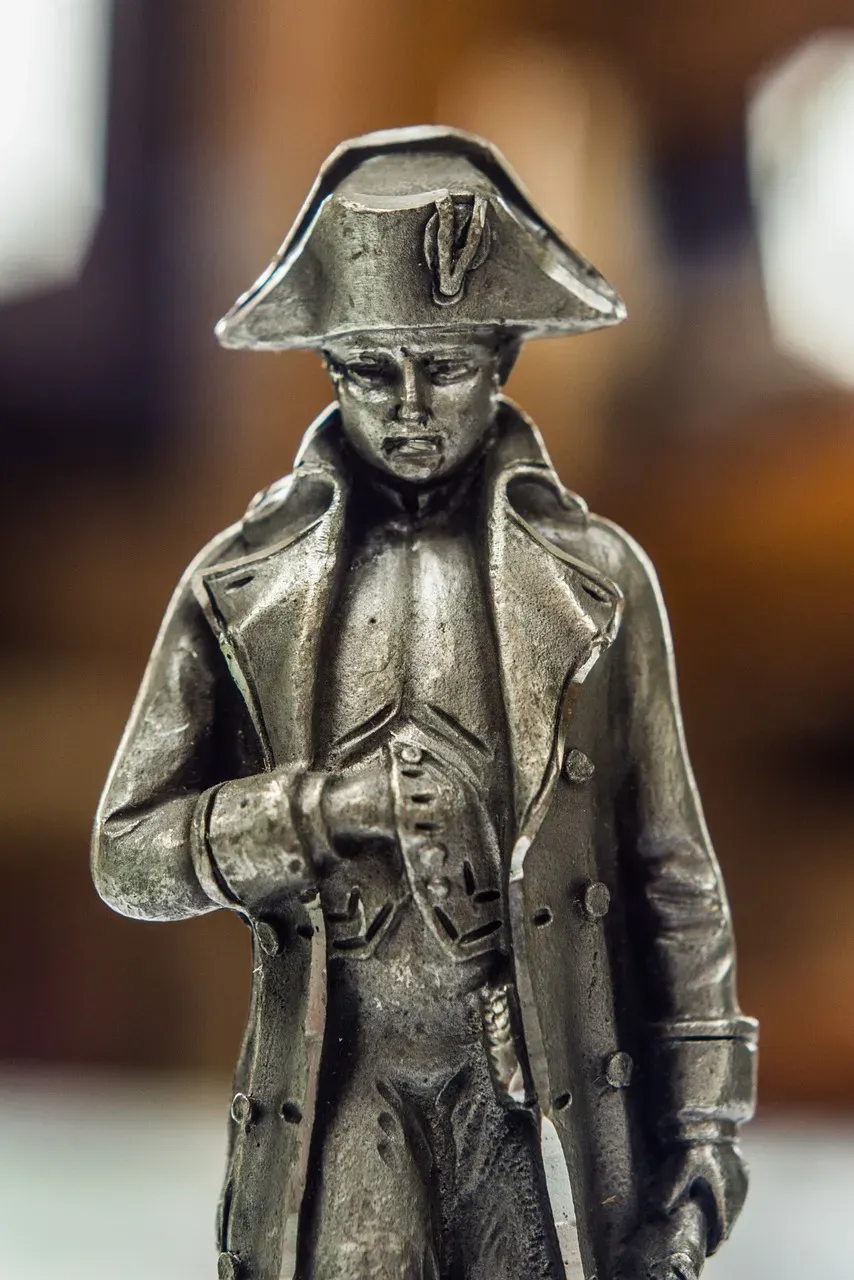
Let’s be real – this one might be the most famous myth in all of history. British propaganda caricatured Napoleon as unusually short, and the image of him as a tiny, temperamental general was heavily influenced by that wartime strategy. Around 1803, celebrated cartoonist James Gillray introduced the character of “Little Boney,” who resembled a childish Napoleon.
Interpretations of Napoleon’s death certificate estimate his height at somewhere between 5’2″ and 5’7″. The discrepancy is often explained by the disparity between the 19th-century French inch, which was 2.71 cm, and the current inch, which is 2.54 cm. Sources consequently estimate that Napoleon was probably closer to 5’6″ or 5’7″ than to 5’2″. He was also frequently seen with his Imperial Guard, an elite group of soldiers intentionally selected for their height, some of whom were over 6 feet tall, making the emperor appear smaller by comparison.
2. The Egyptian Pyramids Were Built by Slaves
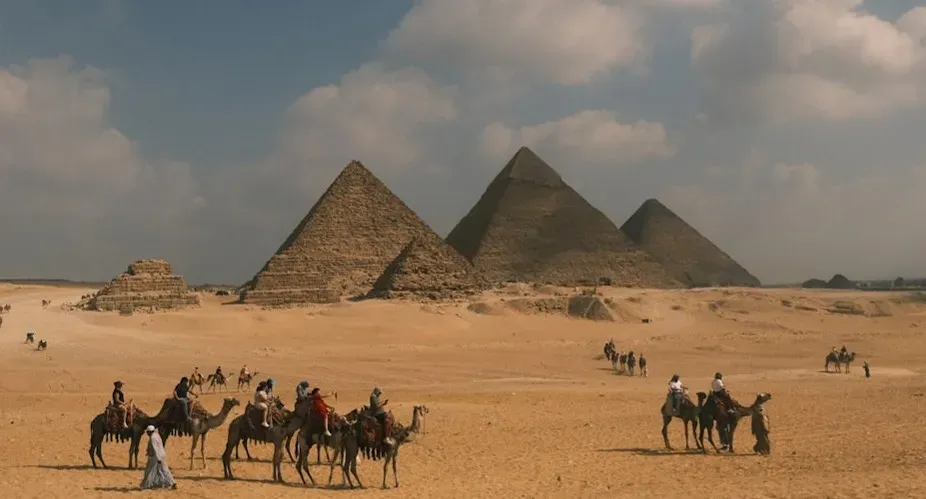
This is perhaps one of the most widespread myths in ancient history, and honestly Hollywood deserves a significant share of the blame. The Greek historian Herodotus seems to have been the first to suggest that slaves built the pyramids. He claimed to have toured Egypt and wrote that the pyramids were built by slaves – though he has sometimes been dubbed the “father of lies” as much as the “father of history.”
Contrary to popular belief, it wasn’t slaves who built the pyramids. Archaeologists have located the remains of a purpose-built village for the thousands of workers who built the famous Giza pyramids, nearly 4,500 years ago. The men who built the last remaining wonder of the ancient world ate meat regularly and worked in three-month shifts. It took 10,000 workers more than 30 years to build a single pyramid. Evidence from the site indicates that the approximately 10,000 laborers working on the pyramids ate 21 cattle and 23 sheep sent to them daily from farms.
3. Vikings Wore Horned Helmets
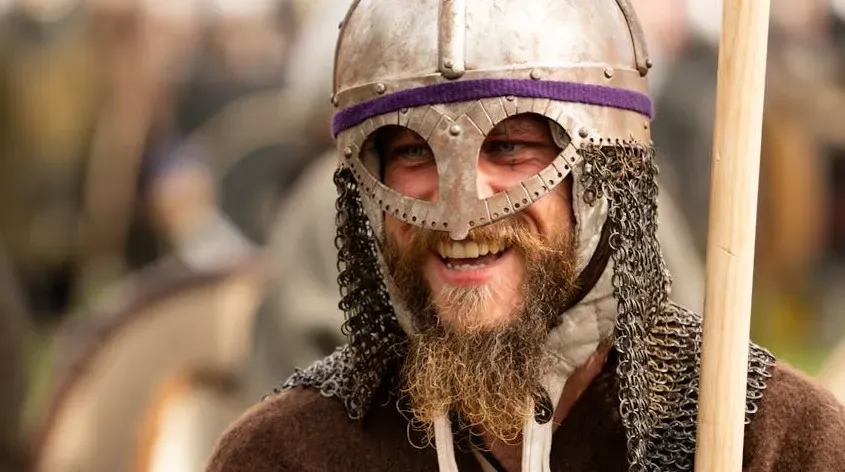
Picture a Viking. You probably just imagined a helmeted warrior with two dramatic horns curling out from the sides. It’s a powerful image. It is also completely fictional. The popular image of Vikings wearing horned helmets is a myth. There is no evidence that Viking warriors wore such headgear in battle. This misconception originated in the 19th century, popularized by costume designers in Wagnerian operas. Actual Viking helmets were conical and made of metal or leather, designed for practicality.
In fact, horned helmets would have been impractical in battle, as they could easily be grabbed by opponents or get caught on things. This false image was popularized by 19th-century romantic art and Richard Wagner’s 1876 opera “Der Ring des Nibelungen,” where costume designers added horns for dramatic effect. Real Viking helmets were simple, conical designs made for protection, not fashion statements. The reality is that Vikings were remarkably sophisticated. They were skilled navigators who crossed the Atlantic Ocean centuries before Columbus. They established complex trade networks spanning from North America to the Middle East.
4. Marie Antoinette Said “Let Them Eat Cake”
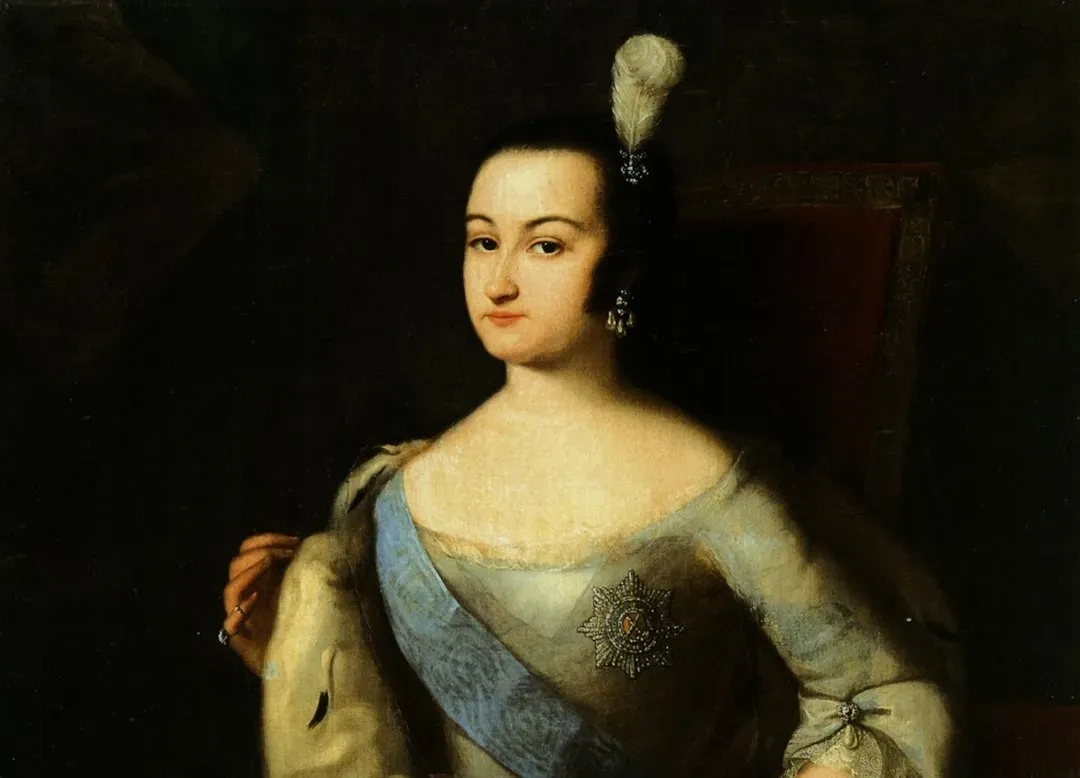
Few historical quotes feel more perfectly scandalous. A queen, oblivious to the suffering of her starving people, breezily suggesting they switch to pastry. The problem? That exact phrase had been misattributed to other out-of-touch royals before, including one of her predecessors, Maria Theresa of Spain. There’s not actually evidence Marie Antoinette ever said it.
The quote actually appeared in Jean-Jacques Rousseau’s “Confessions,” written around 1765 – when Marie Antoinette was only nine years old and not yet queen of France. The phrase was likely attributed to her years later as anti-monarchy propaganda during the French Revolution. Historians note that she was actually known for her charitable work and concern for the poor, making the quote even more historically inaccurate. It’s a fascinating case of how a good story becomes more powerful than the truth itself.
5. Columbus Proved the Earth Was Round

The story goes that Christopher Columbus bravely set sail in 1492, challenging a world that stubbornly believed the Earth was flat. It’s a stirring narrative. It’s also largely invented. The belief that medieval people thought the Earth was flat is a myth. Scholars of the Middle Ages widely accepted the Earth’s spherical shape, influenced by ancient Greek astronomy. This misconception may have originated from 19th-century writers seeking to portray earlier times as ignorant.
Ancient Greek philosophers like Pythagoras and Aristotle had established this fact centuries earlier, and Eratosthenes even calculated the Earth’s circumference in the 3rd century BCE with remarkable accuracy. The real debate wasn’t about the Earth’s shape, but about its size – Columbus actually underestimated how large the Earth was, which is why he thought he could reach Asia by sailing west. He was in fact wrong about geography, but not in the way the myth suggests.
6. The Great Wall of China Is Visible from Space

This one practically lives in school textbooks. Many of us were taught this as a remarkable fact, a testament to human ambition on such a massive scale that it could be seen from orbit. The truth is far more humbling. The claim that the Great Wall of China is visible from space is a modern myth, popularized in the 20th century to highlight Chinese heritage. Despite its length, the wall blends with the landscape and is not visible to the naked eye from space, according to astronauts. This myth persists in textbooks and popular culture, but scientific observation has repeatedly debunked it.
NASA astronauts have repeatedly clarified that while some cities or highways may be visible from space under certain conditions, the Great Wall’s materials and narrow width make it almost impossible to spot without magnification. Urban legends and textbooks perpetuated this idea long after it was debunked by those who have actually been in orbit. Think of it this way: you can’t see a single highway from an airplane at cruising altitude with the naked eye, and the Wall is no wider.
7. George Washington Had Wooden Teeth
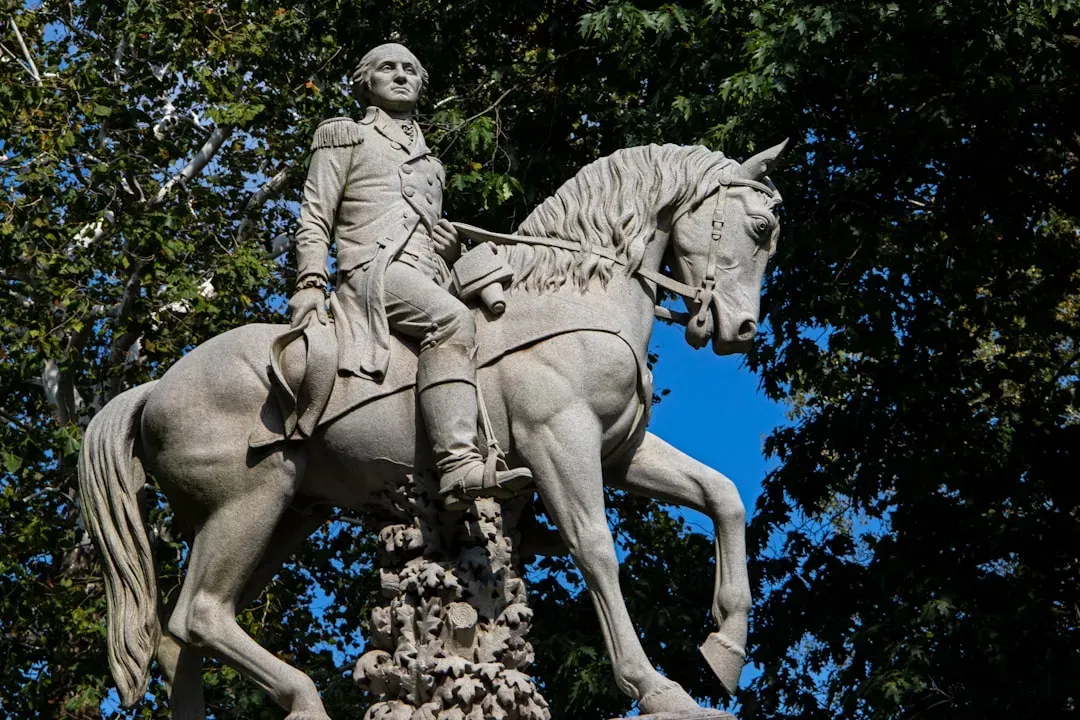
Here’s a myth that feels very American in its stubborn survival. The story of Washington’s wooden dentures is deeply embedded in folklore, and yet it is completely false. Washington suffered from dental problems all throughout his life; however, his dentures were not wooden at all. Instead, they were made from a combination of human teeth, cow teeth, hippopotamus ivory, and metal – as was standard for wealthier people at the time. While no one can say for sure where the myth of wooden teeth came from, there’s a good chance people mistook the discolouration of his ivory dentures for wood.
When he took the oath of office, George Washington had just one original tooth in his mouth. That detail alone is extraordinary. The man who led a revolution and founded a nation was dealing with near-total tooth loss, relying on sophisticated, if uncomfortable, ivory and metal prosthetics. The real story is stranger and more vivid than any wooden teeth myth ever was.
8. Nero Fiddled While Rome Burned
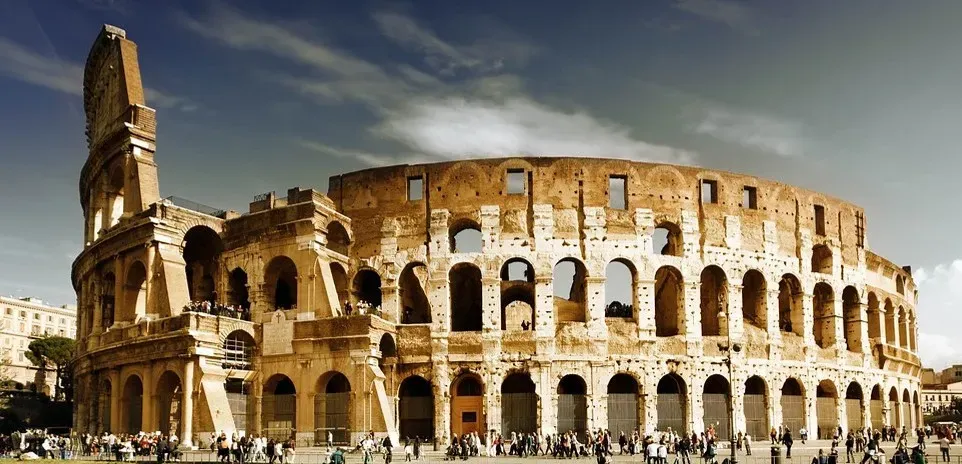
The image is iconic: a decadent emperor, strumming away on his fiddle while his city goes up in flames around him, completely indifferent to the catastrophe unfolding below. It makes for sensational drama. It is also historically impossible. The fiddle wasn’t invented until around the eleventh century. So even if Nero did indeed accompany himself to “the Fall of Troy,” it would have had to be with a cithara.
The image of Emperor Nero playing the fiddle as Rome burned is iconic but entirely fabricated. Contemporary sources reveal that the fiddle did not exist in first-century Rome, and Nero was actually coordinating relief efforts as the city was engulfed in flames. I think this myth has survived so long because it perfectly encapsulates the public’s dark fascination with power and indifference. The dramatic wrongdoing is more satisfying to imagine than a bureaucrat organizing disaster response.
9. Columbus Discovered America

The phrase “Columbus discovered America” is one of the most deeply embedded narratives in Western education. Yet it contains so many layers of inaccuracy that it’s hard to know where to start. Despite what most people were taught in school, Christopher Columbus did not actually discover America in 1492. Native Americans had been living on the continent for thousands of years before Columbus arrived. In fact, there is evidence that Viking explorer Leif Erikson reached North America around 1000 AD, nearly 500 years before Columbus.
Columbus’s voyages did initiate widespread European awareness of the Americas, but calling him the “discoverer” erases the rich histories of those who lived there first. This myth is challenged today as we strive to recognize the contributions and presence of Indigenous cultures and their deep-rooted connections to the land prior to European exploration. The word “discovery” says more about the perspective of the narrator than about the historical event itself.
10. Medieval People Thought the Earth Was Flat
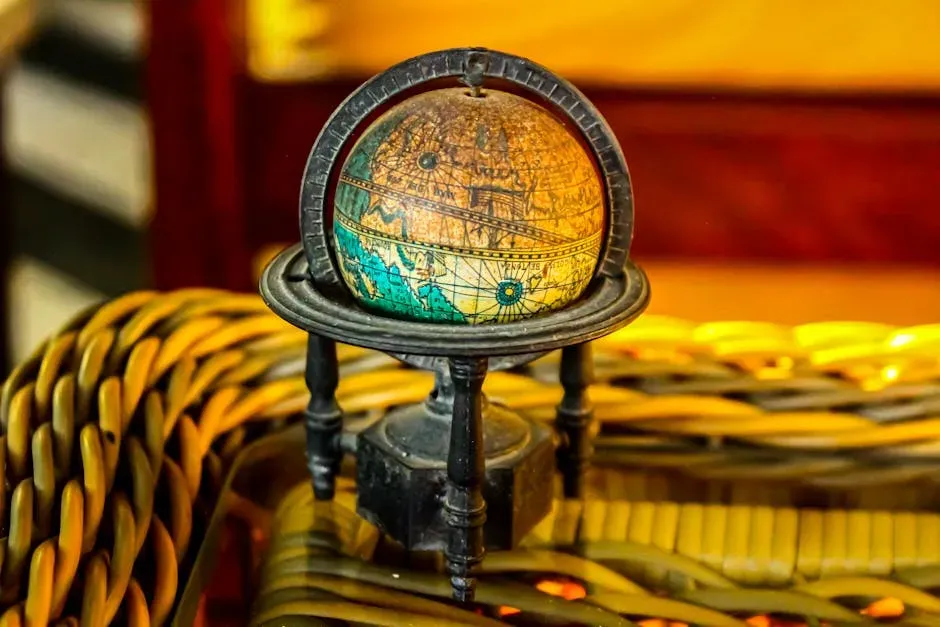
There’s a persistent and rather condescending assumption baked into this myth: that people of the Middle Ages were simply too ignorant to grasp basic cosmology. It paints an entire era as intellectually stunted, and it isn’t remotely accurate. Contrary to popular belief, the notion that people in the Middle Ages thought the Earth was flat is a myth. Most educated individuals of the time, including scholars and sailors, were aware that the Earth was round. This understanding dates back to ancient Greek philosophers like Pythagoras and Aristotle, who provided evidence for a spherical Earth.
According to historians, it was widely known, starting in the third century BCE, that the Earth was not flat. This myth paints the Middle Ages as intellectually stagnant, reinforcing a false contrast between “dark” history and “enlightened” modernity. It overlooks centuries of scholarly continuity from ancient Greece through medieval Europe. By reducing a complex era to ignorance, the myth distorts how knowledge was preserved and transmitted.
11. Ancient Greek and Roman Statues Were Always White
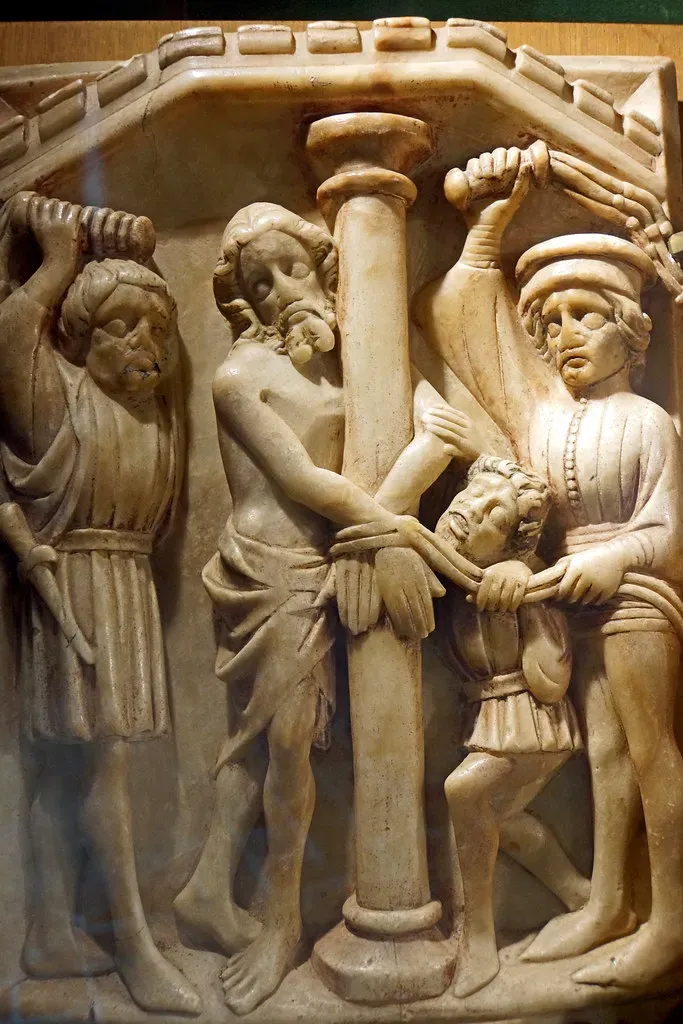
Walk through any major museum and you’ll see row after row of gleaming white marble figures, cool and pristine. It feels like the definitive image of classical antiquity. Honestly, it’s also a fairly modern illusion. Less a consistent myth and more a general untrue consensus, many people naturally believe that ancient statues of stone and marble were always plain and white. After all, most surviving exhibits in museums are completely pale and bare, leading many to imagine ancient Greek and Roman statues as pristine white marble figures.
Our ancestors loved colour and vibrancy more than we give them credit for. Most ancient statues were actually painted in vibrant colours, and the plain white appearance we see today is the result of pigment deterioration over time, largely due to exposure to the elements and sunlight. Luckily, archaeological techniques such as ultraviolet light analysis have revealed traces of these original colours, allowing us to reconstruct the true appearance of many ancient sculptures. Imagine walking into the Parthenon and seeing brilliant reds, blues, and golds on every surface. That was the reality.
12. The Emancipation Proclamation Freed All American Slaves
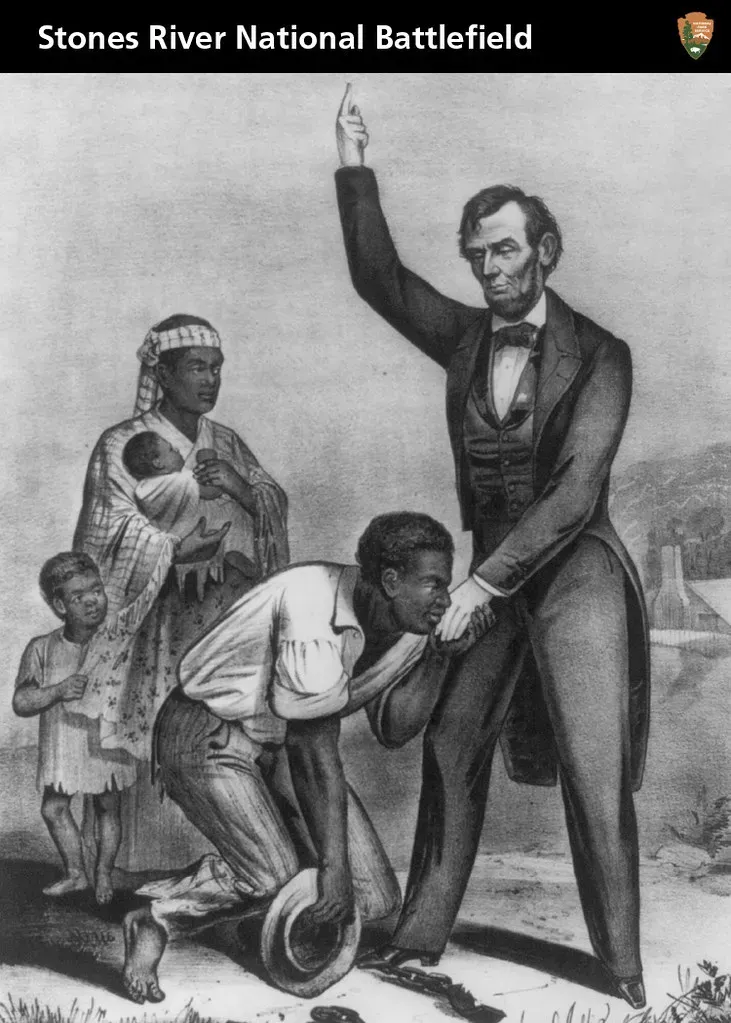
This is a myth that carries real weight. The Emancipation Proclamation is rightly remembered as a landmark moment in American history, but its actual scope is far more limited than most people realize. The Emancipation Proclamation was indeed limited in its actual liberation of slaves. It only applied to the “rebel” states that had seceded from the United States, effectively exempting the border states and parts of the Confederacy that were already under Northern control.
The Emancipation Proclamation didn’t free all slaves. It was only for “those states in rebellion,” which meant that slavery still existed in the Union and the North. It was not as widespread as in the South, but it still existed. Slavery was not abolished nationwide until the end of the Civil War with the 13th Amendment to the Constitution. Understanding this distinction is not a matter of diminishing Lincoln’s legacy. It is a matter of genuinely honoring the full, complicated history of emancipation.
Conclusion
History, it turns out, is as much about storytelling as it is about facts. Myths spread because they are emotionally satisfying, easy to remember, and often serve someone’s agenda. A short emperor makes a better villain. A callous queen makes a tidier symbol of revolution. Slaves building pyramids feels more epic than paid workers on a rotating schedule.
The real stories, though, are always richer. Once you start pulling at the threads of these myths, you find something far more interesting waiting underneath. The question isn’t really whether you believed any of these before reading this. Most people did. The better question is: which one surprised you the most?