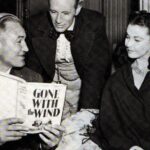
There’s something oddly satisfying about watching critics eat their words. Some of the most celebrated books on your shelf were once torn apart by reviewers who thought they knew better. These novels faced harsh criticism, public outrage, and even legal battles when they first appeared. Yet today, they’re studied in universities, adapted into films, and ranked among the greatest literary achievements of all time. The journey from despised to revered says as much about society as it does about the books themselves. Let’s dive into twelve novels that proved their doubters spectacularly wrong.
Moby-Dick by Herman Melville (1851)

When Melville published this sprawling tale about Captain Ahab’s obsessive hunt for a white whale, critics absolutely savaged it. The book sold fewer than 3,500 copies during Melville’s lifetime, and reviewers called it “ridiculous” and “absurd.” Many readers couldn’t stand the lengthy digressions about whale anatomy and maritime history that interrupted the narrative. The novel was considered such a commercial disaster that Melville pretty much gave up writing fiction altogether. It wasn’t until the 1920s that scholars rediscovered the book and recognized its profound exploration of obsession, fate, and humanity’s relationship with nature. Now it’s taught in nearly every American literature course and considered one of the greatest American novels ever written.
Madame Bovary by Gustave Flaubert (1856)
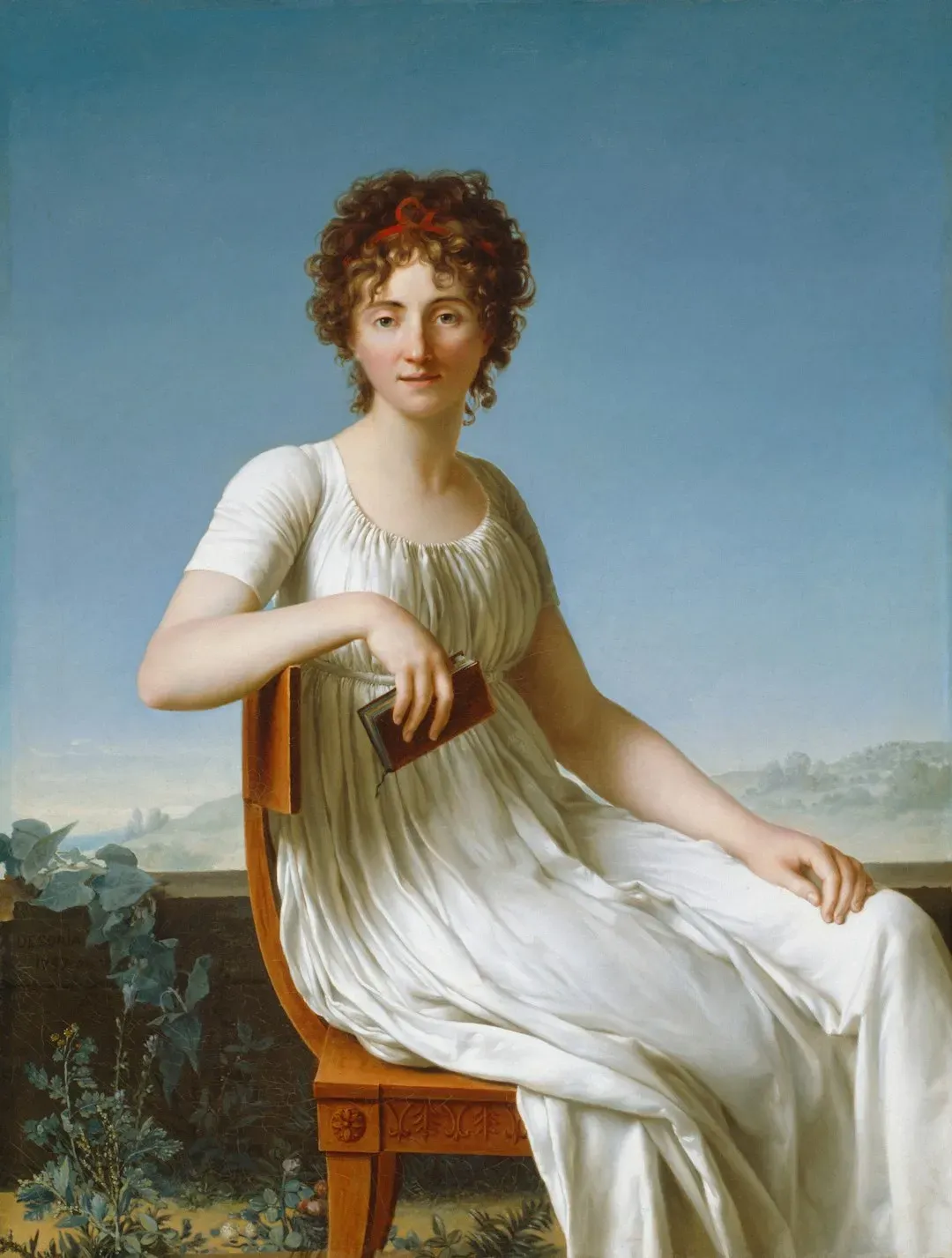
Flaubert’s novel about an unsatisfied provincial wife who seeks excitement through adultery caused such a scandal that the author was literally put on trial for obscenity in 1857. French prosecutors argued the book glorified adultery and offended public morality. Conservative critics were horrified by Emma Bovary’s sexual desires and her tragic end by suicide. The trial ended in Flaubert’s acquittal, but the damage to the book’s initial reputation was done. Today, literary scholars praise Flaubert’s revolutionary realistic style and psychological depth. The novel pioneered techniques in narrative perspective that influenced countless writers, and Emma Bovary became an archetype for examining the constraints society places on women.
The Great Gatsby by F. Scott Fitzgerald (1925)
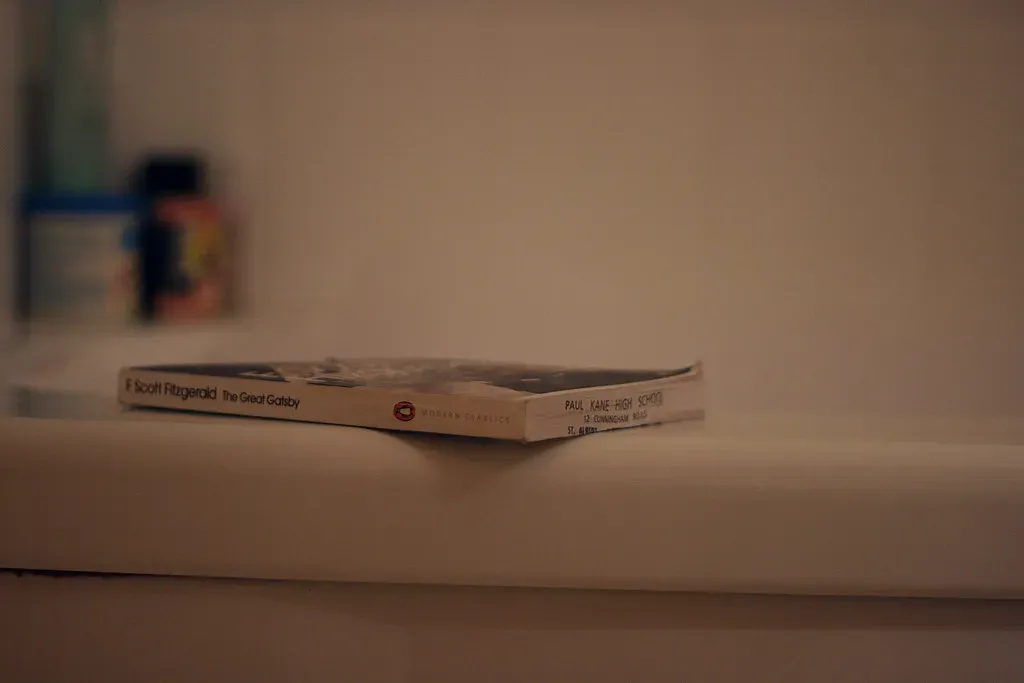
This one stings because Fitzgerald died thinking he was a failure. His Jazz Age masterpiece sold only about 20,000 copies during his lifetime, far below expectations. Critics found it thin and unsubstantial, with one reviewer dismissing it as “a little slack, a little soft, more than a little artificial.” Fitzgerald himself expressed disappointment with the sales, writing to his editor that the book was “a failure” commercially. The novel went out of print and Fitzgerald passed away in 1940 believing his work would be forgotten. Then came World War II, when the Armed Services Editions program distributed free copies to soldiers, who loved it. By the 1950s, it had become required reading in schools, and now it sells roughly half a million copies annually in the United States alone.
Wuthering Heights by Emily Brontë (1847)

Victorian readers were genuinely shocked by this dark, violent tale of obsessive love on the Yorkshire moors. Contemporary reviewers called it “strange,” “disagreeable,” and filled with characters who were “savages ruder than those who lived before the days of Homer.” The brutality and moral ambiguity disturbed readers accustomed to more conventional romance plots with clear heroes and villains. Many critics couldn’t accept that a woman had written something so raw and intense. Emily Brontë died just one year after publication, never knowing her only novel would eventually be celebrated as a Gothic masterpiece. Modern critics now admire exactly what horrified Victorian readers, the unflinching portrayal of destructive passion and the refusal to moralize.
Catch-22 by Joseph Heller (1961)

Heller’s satirical World War II novel initially confused readers and critics alike with its circular logic and non-linear structure. The New York Times review was lukewarm, and many readers found the repetitive, fragmented narrative frustrating. Sales were disappointing in the first year, with the book struggling to find an audience. Then something shifted in the mid-1960s as the Vietnam War escalated and readers suddenly understood the absurdist critique of military bureaucracy. The phrase “catch-22” entered the English language to describe impossible paradoxes. By 1970, the novel had sold over 10 million copies, and it’s now considered one of the most important anti-war novels ever written, with sales continuing strong into 2024 according to Publisher’s Weekly reports.
Lolita by Vladimir Nabokov (1955)

Multiple American publishers rejected this controversial novel about a middle-aged man’s obsession with a twelve-year-old girl before a Parisian press finally published it in 1955. British customs officials seized copies, calling the book obscene. When it finally appeared in the United States in 1958, morality groups demanded it be banned. Critics were divided between those who recognized Nabokov’s literary genius and those who found the subject matter unforgivable. The novel sparked heated debates about art versus morality that continue even now. Yet today, scholars widely acknowledge Nabokov’s masterful prose and unreliable narrator technique, with the book appearing on numerous “greatest novels” lists including Time magazine’s 2005 ranking of the 100 best English-language novels since 1923.
Ulysses by James Joyce (1922)

Joyce’s modernist epic was banned in the United States and England for obscenity, with customs officials literally burning copies. The novel’s stream-of-consciousness style and frank depictions of bodily functions scandalized readers accustomed to more traditional narratives. Virginia Woolf herself called it “the work of a queasy undergraduate scratching his pimples.” Many readers found the book impenetrable, complaining they couldn’t understand what was happening. It took a 1933 court case, United States v. One Book Called Ulysses, to overturn the ban in America. Now it’s studied as perhaps the most influential novel of the 20th century, with Joyce’s innovative techniques reshaping modern literature, though let’s be real, plenty of people still find it tough to get through.
Beloved by Toni Morrison (1987)
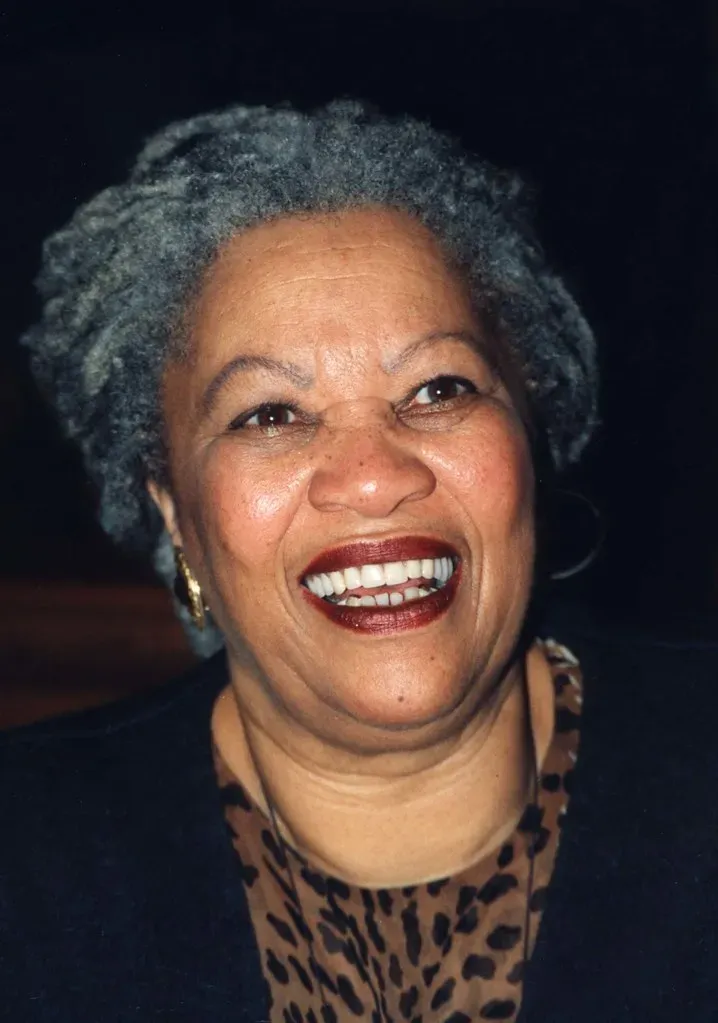
While this novel won the Pulitzer Prize in 1988, its initial reception was mixed, with some critics finding Morrison’s magical realism approach to slavery’s trauma too disturbing or confusing. The book faced challenges and attempted bans in school districts throughout the 1990s and 2000s, with parents objecting to its violence and sexual content. As recently as 2023, Beloved appeared on lists of frequently challenged books in American schools according to the American Library Association. Yet the novel’s reputation has only grown stronger over time. In 2006, a New York Times survey of writers and critics named it the best American novel of the previous 25 years. Morrison’s unflinching examination of slavery’s psychological wounds and innovative narrative structure are now seen as groundbreaking achievements.
On the Road by Jack Kerouac (1957)
Critics initially dismissed Kerouac’s spontaneous prose style as sloppy and undisciplined when this Beat Generation bible first appeared. Truman Capote famously quipped, “That’s not writing, that’s typing.” Many reviewers found the rambling, episodic structure frustrating and the characters’ lifestyle irresponsible. The experimental single-paragraph format and stream-of-consciousness approach bewildered readers expecting conventional storytelling. Conservative America was scandalized by the book’s celebration of drugs, sex, and aimless wandering. Yet the novel captured something essential about postwar American restlessness and freedom-seeking. By the 1960s, it had become a counterculture touchstone, and today it’s recognized as a defining work of American literature that influenced everyone from Bob Dylan to Hunter S. Thompson.
The Awakening by Kate Chopin (1899)
Chopin’s novel about a married woman’s sexual and personal awakening was considered so scandalous that it effectively ended her literary career. Critics called it “morbid,” “unhealthy,” and “essentially vulgar.” Libraries banned it, and Chopin’s hometown newspaper published vicious reviews attacking her morality. The book vanished from public consciousness for nearly 70 years after its disastrous reception. Chopin, devastated by the criticism, wrote very little afterward and died just five years later. Then came the feminist literary revival of the 1960s and 1970s, when scholars rediscovered this forgotten masterpiece. Today it’s considered a pioneering feminist novel and a staple of American literature courses, with scholars praising Chopin’s psychological realism and challenge to restrictive gender roles.
Frankenstein by Mary Shelley (1818)
This groundbreaking novel received decidedly mixed reviews when the then-anonymous author first published it. Many critics found it disgusting and morally questionable, with one reviewer calling it “a tissue of horrible and disgusting absurdity.” Some dismissed it as sensationalist trash unworthy of serious attention. The fact that a young woman had written it shocked many readers when Shelley’s identity was eventually revealed. Critics couldn’t wrap their heads around the philosophical depth beneath the Gothic horror. Two centuries later, Frankenstein is recognized as the first science fiction novel and a profound meditation on creation, responsibility, and what it means to be human. The novel’s influence extends far beyond literature into film, ethics debates about artificial intelligence, and discussions of scientific responsibility that feel remarkably relevant in 2025.
Invisible Man by Ralph Ellison (1952)
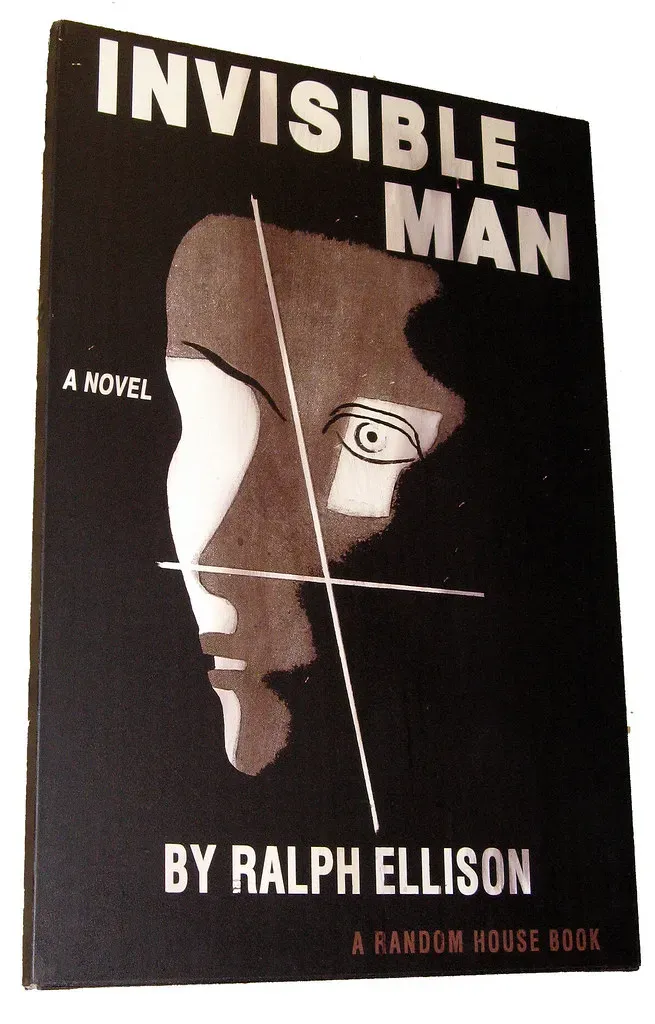
While Ellison’s novel won the National Book Award in 1953, it faced significant criticism from various quarters. Some white critics found its portrayal of racism too harsh, while certain Black intellectuals criticized Ellison for not providing clear political solutions. Conservative readers objected to its frank treatment of race and sexuality, leading to challenges in schools. The surrealistic style and ambiguous ending frustrated readers looking for straightforward social realism. Yet the novel’s exploration of Black identity in America and its innovative blending of realism and symbolism have secured its place as an American classic. A 1965 Book Week poll of 200 authors, critics, and editors named it the most distinguished American novel since World War II. The book remains startlingly relevant, with discussions of invisibility and marginalization resonating powerfully in contemporary conversations about racial justice.
Conclusion
These twelve novels remind us that genius isn’t always recognized immediately. Sometimes it takes decades or even centuries for society to catch up with visionary writers who challenged conventions and pushed boundaries. The books that make us uncomfortable or confused today might be tomorrow’s classics. Critics and readers got it spectacularly wrong about works now considered untouchable masterpieces. It makes you wonder what contemporary novels we’re dismissing right now that future generations will revere. The lesson here is pretty clear: initial rejection doesn’t define a book’s worth, and sometimes being ahead of your time means being misunderstood by it. What do you think? Are there recent novels you suspect will eventually be recognized as masterpieces despite current criticism? Tell us in the comments.