Fame has a funny way of trapping people inside moments they’ve long moved past. A song gets recorded, the world falls in love with it, and suddenly an artist is expected to perform that same three minutes for the rest of their career, whether it still feels like them or not.
Over the years, plenty of big-name artists have opened up about their past hits, and not always in a good way. Whether it’s the lyrics, the sound, or just how overplayed the track became, these musicians have admitted they feel embarrassed, awkward, or even downright regretful about certain songs in their discography. Here are twelve artists who have been openly honest about it.
1. Kurt Cobain – “Smells Like Teen Spirit”
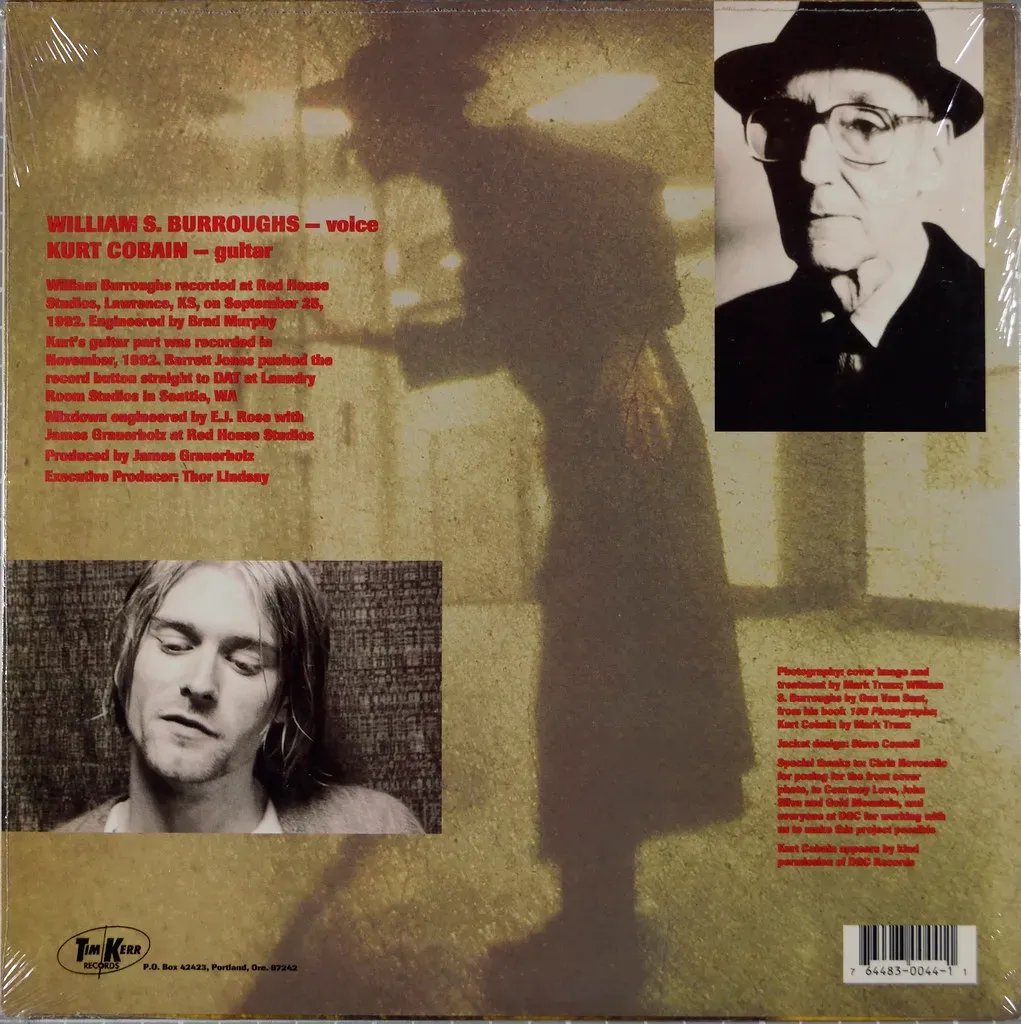
Although “Smells Like Teen Spirit” became Nirvana’s greatest and most influential song, Kurt Cobain had a complicated relationship with it. As Nirvana’s fame skyrocketed, Cobain reportedly grew tired of performing it, feeling that the track’s massive popularity overshadowed the rest of their catalog and created expectations he never intended to fulfill.
In his own words, it was “almost an embarrassment to play.” He felt that everyone had focused on that one song so much, and that the reason it got such a big reaction was simply because “people have seen it on MTV a million times” and “it’s been pounded into their brains.” He eventually refused to play it live, saying, “I literally want to throw my guitar down and walk away.”
2. Thom Yorke – “Creep” (Radiohead)
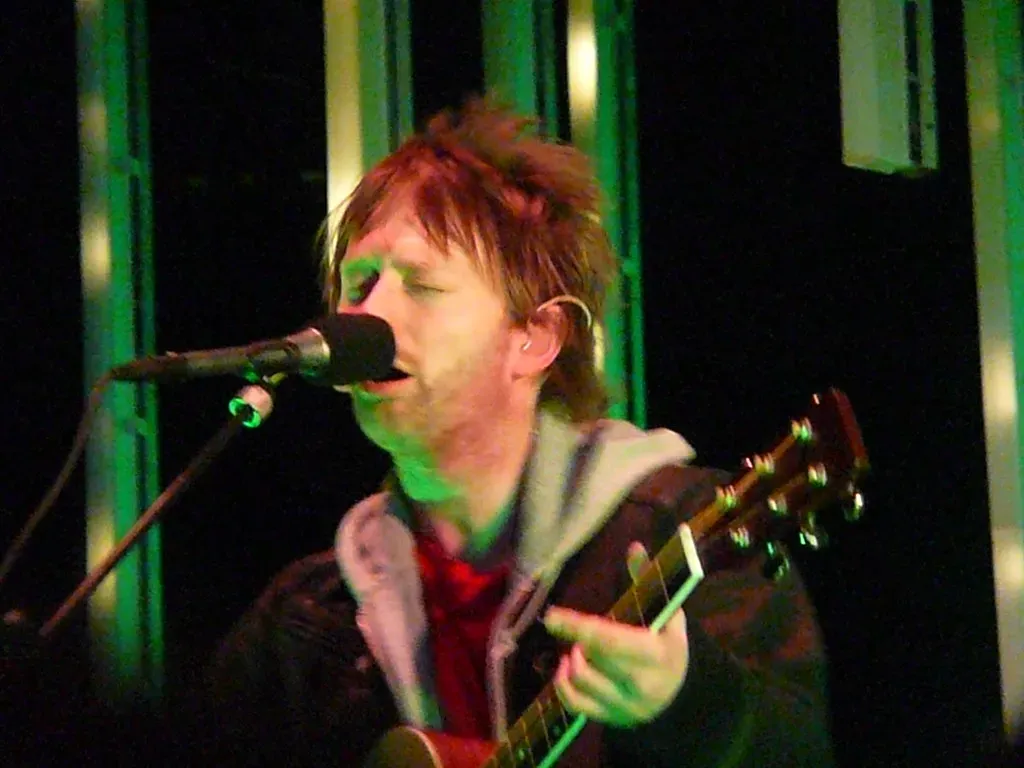
Radiohead’s angst-filled alternative rock hit “Creep” shot the band into the Top 40, but while it seemed like everyone on the planet loved it, there was one person who didn’t: Thom Yorke. The band’s lead singer made his disdain for the song well-known, often refusing to play it live.
Listeners often associated Yorke with the song’s narrator to an unsettling degree. He received letters from people in extreme circumstances who deeply identified with the lyrics, which he said “really fucking scared the hell out of me.” Yorke lamented that his once personal song no longer felt like his own. It seems the attitude grew over time from tiredness and overexposure, rather than from any genuine hatred for the music itself.
3. Ariana Grande – “Put Your Hearts Up”
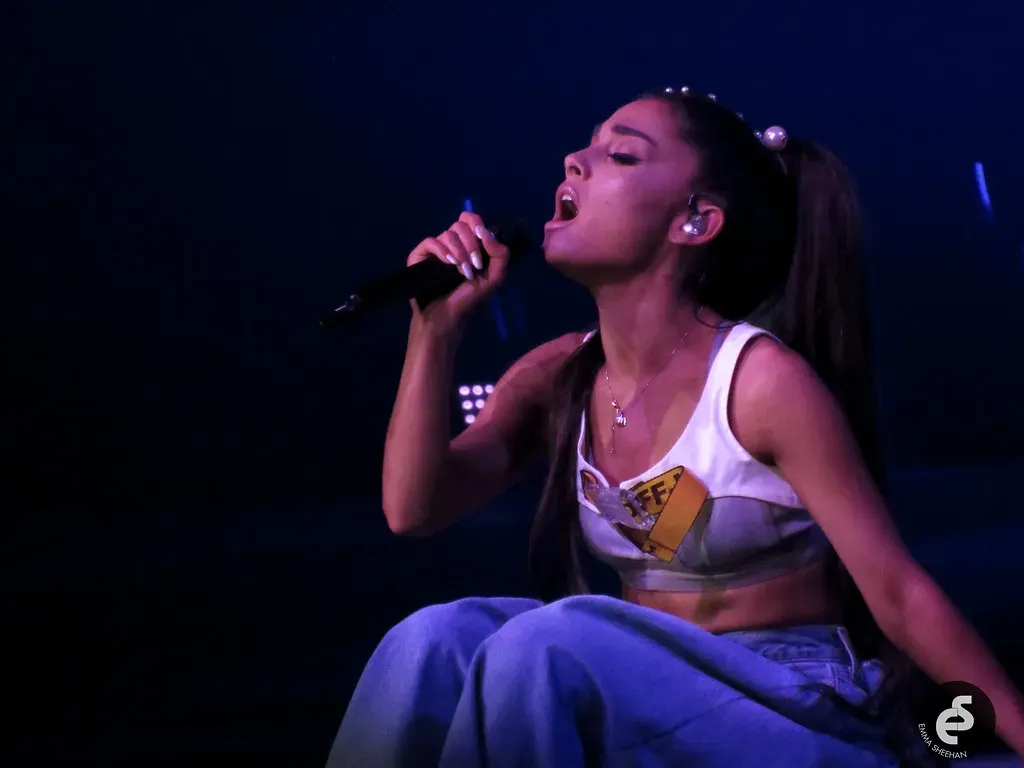
Ariana Grande absolutely loathes one of her earliest hits, “Put Your Hearts Up,” a bubblegum-pop song that she has called “the worst moment of my life.” She described it as feeling “geared toward kids” and “so inauthentic and fake.”
The music video added to her discomfort. She was given a bad spray tan, put in a princess dress, and filmed frolicking around a street. She called the whole experience “straight out of hell” and reportedly made the label hide the video on her Vevo page. It stands as a particularly stark example of an artist being pushed into music that bore no resemblance to who they actually were.
4. Liam Gallagher – “Wonderwall” (Oasis)
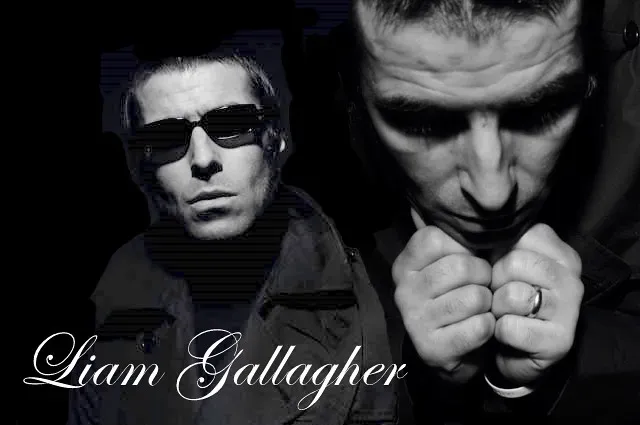
Liam Gallagher has been notably blunt about his feelings toward “Wonderwall.” He has said he “can’t f***ing stand that f***ing song,” adding that every time he has to sing it, he wants to gag. He acknowledged it was “a big, big tune” for Oasis, but described being stopped in America by people asking “Are you Mr. Wonderwall?” as something that made him want to “chin someone.”
The song, written by his brother Noel, became so synonymous with the band that it overshadowed their broader catalog entirely. For Liam, who values a rawer, more visceral kind of rock music, being reduced to that one track became genuinely grating. The tension between a song’s commercial life and an artist’s identity rarely gets expressed this plainly.
5. Lady Gaga – “Telephone”
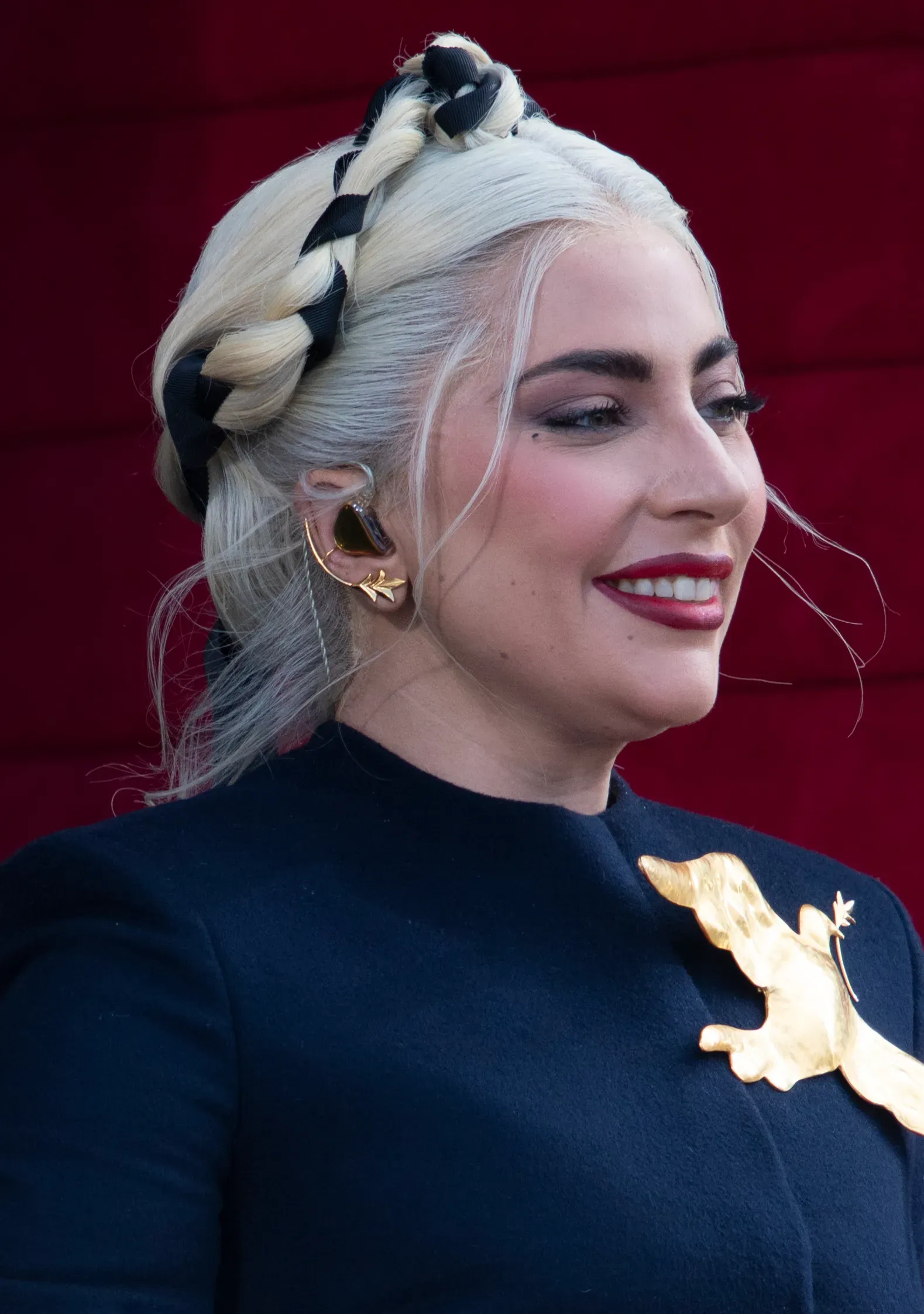
“Telephone” is a massive smash, but Lady Gaga didn’t have very loving feelings toward the song when she spoke to PopJustice in an interview not long after its release. She stated flatly, “I hate ‘Telephone.’ Is that terrible to say? It’s the song I have the most difficult time listening to.”
She was careful to clarify her position, explaining that the difficult mix and stressful production process were the real issues. “When I say it’s my worst song it has nothing to do with the song, just my emotional connection to it,” she said. It’s a reminder that a song’s final form carries all the baggage of the process behind it, and sometimes that weight doesn’t lift.
6. Hayley Williams – “Misery Business” (Paramore)
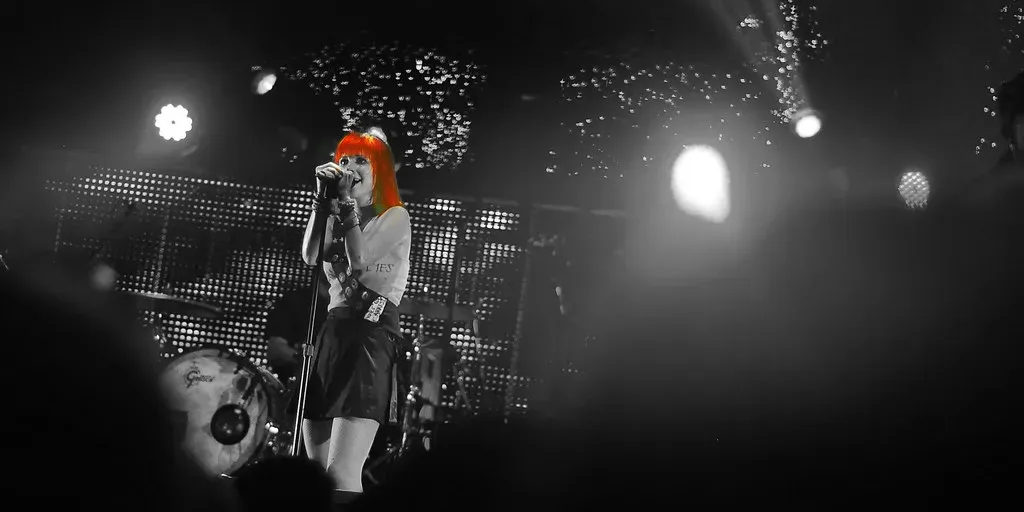
Hayley Williams, the frontwoman for Paramore, has addressed her disdain for “Misery Business,” the hit that put Paramore on the pop-punk map. The song peaked on the Billboard Hot 100 at number 26 when it aired on the radio in 2007, making it the band’s highest-rated single until “Ain’t It Fun” in 2014. The song contained a line that was derogatory toward women, and Williams expressed regret over those words.
Williams admitted that a 2017 version of herself might not have written that controversial lyric. She described the line as “feeding into a lie” she had bought into about the so-called “cool girl religion,” and she later stopped singing it during live performances. The song remains a fan favorite, which only makes the situation more complicated for her.
7. Taylor Swift – “Picture to Burn”
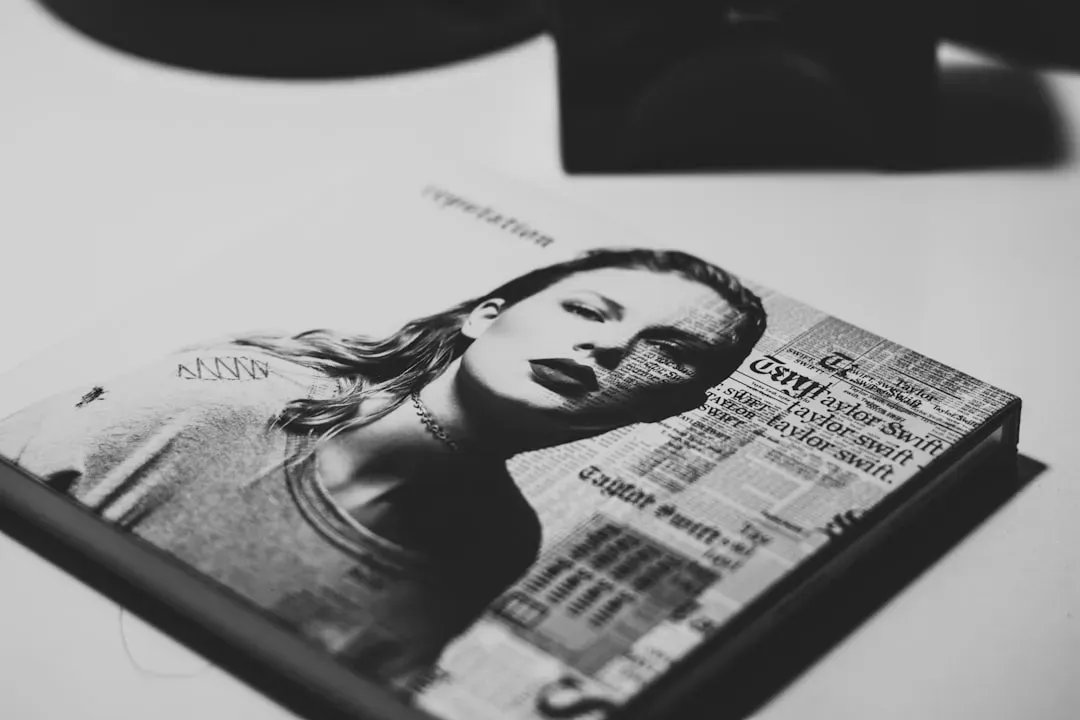
Taylor Swift’s 2008 song “Picture to Burn” contains lyrics that have since been flagged as potentially homophobic. In a 2011 MTV interview, Swift acknowledged the passage, chalking it up to her teenage state of mind and noting that “the way that I would say that and the way that I would feel that kind of pain is a lot different” now.
The controversial lyrics were eventually scrubbed from the official music video and from the version of the song available to stream. It’s one of the cleaner examples of an artist actively working to correct something in their past catalog, rather than just commenting on it in interviews. Swift has been open about how much her perspective on emotional expression has matured since her early teenage songwriting years.
8. Lana Del Rey – “Ultraviolence”
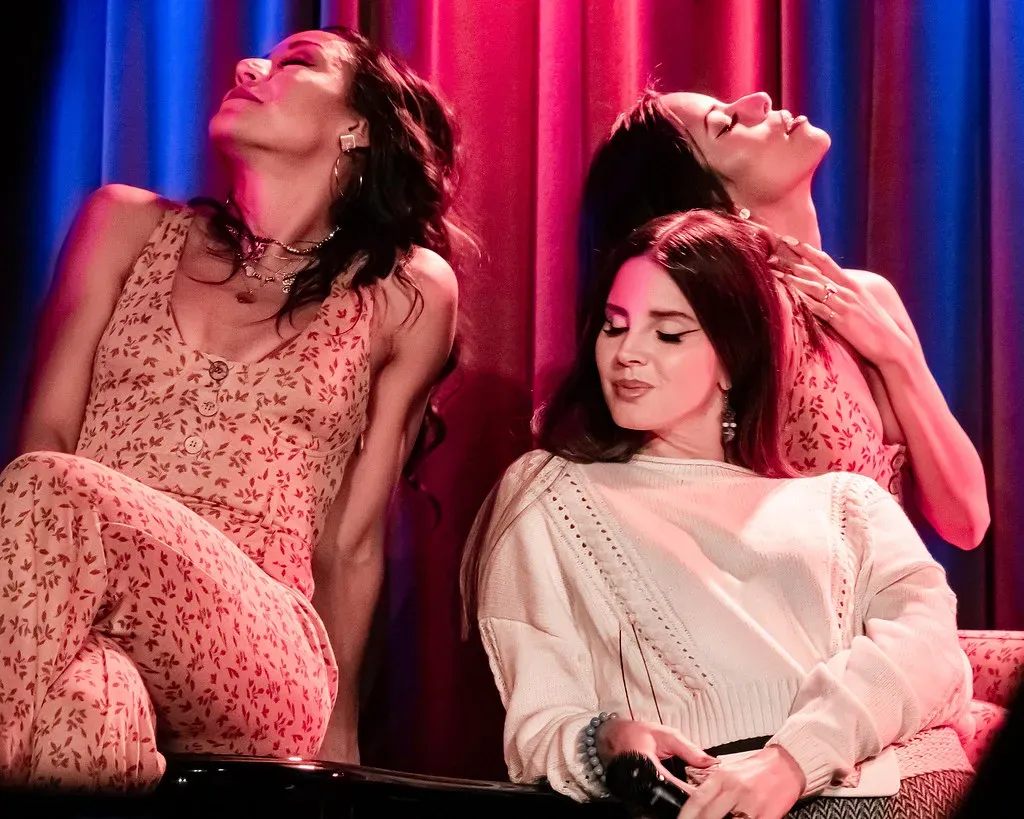
Lana Del Rey interpolated a lyric from a 1963 Crystals song for the track “Ultraviolence,” and she has since come to regret it deeply. The lyric “he hit me and it felt like a kiss” is one she no longer performs. As she told Pitchfork directly, “I don’t like it. I don’t. I don’t sing it. I sing ‘Ultraviolence’ but I don’t sing that line anymore.”
Her explanation was personal rather than just politically motivated. She described a difficult and tumultuous relationship as being the context that shaped that lyric, adding that it wasn’t something that came from her end. The candor with which she discussed it made the regret feel genuine rather than performative.
9. Kanye West – “Gold Digger”
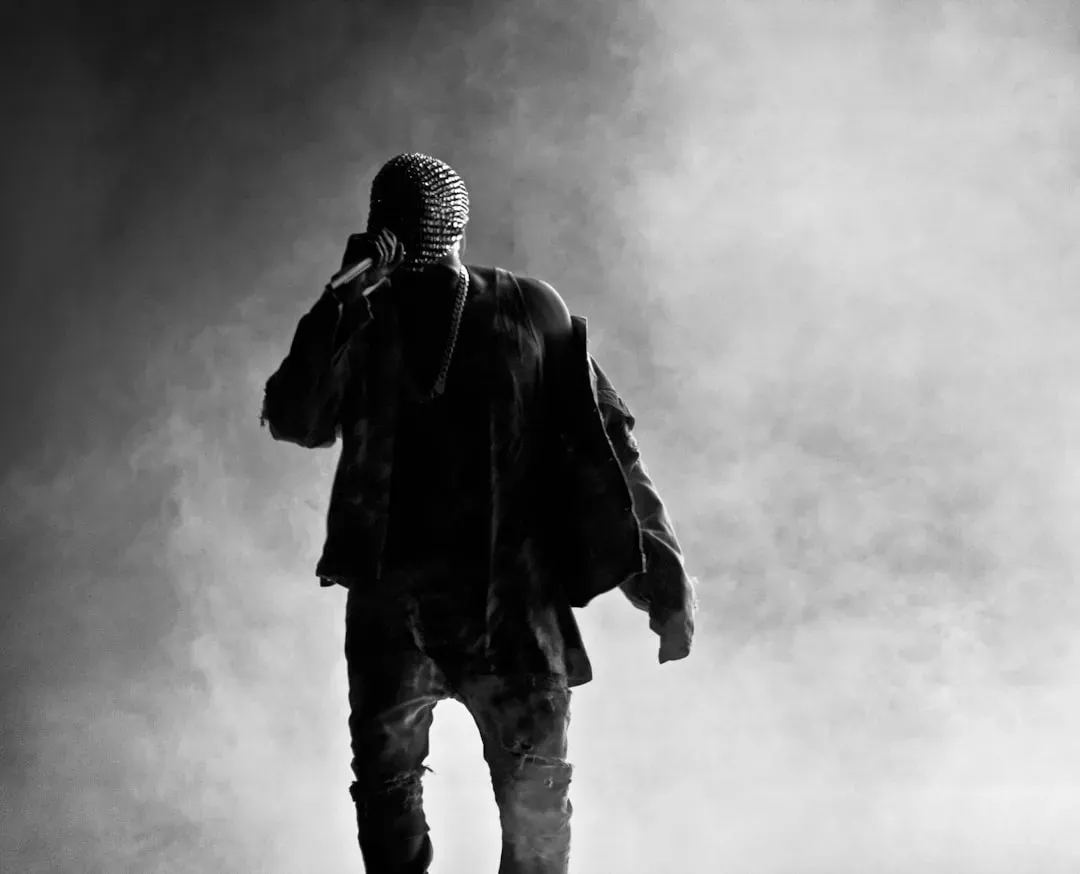
Kanye West had a massive hit with “Gold Digger,” but later revealed in an interview with Zane Lowe in 2013 that he never really liked the song. He acknowledged it openly but explained that “I knew I would get paid for doing ‘Gold Digger,'” and that he used the money from its success to fund projects he was genuinely passionate about.
The admission is strangely pragmatic. Rather than being tortured by the song, Kanye essentially treated it as a commercial transaction that bought him creative freedom elsewhere. Still, the fact that one of the defining songs of his early career is one he was never personally invested in says something about the gap between what the public claims as an artist’s identity and what that artist actually values.
10. James Blunt – “You’re Beautiful”
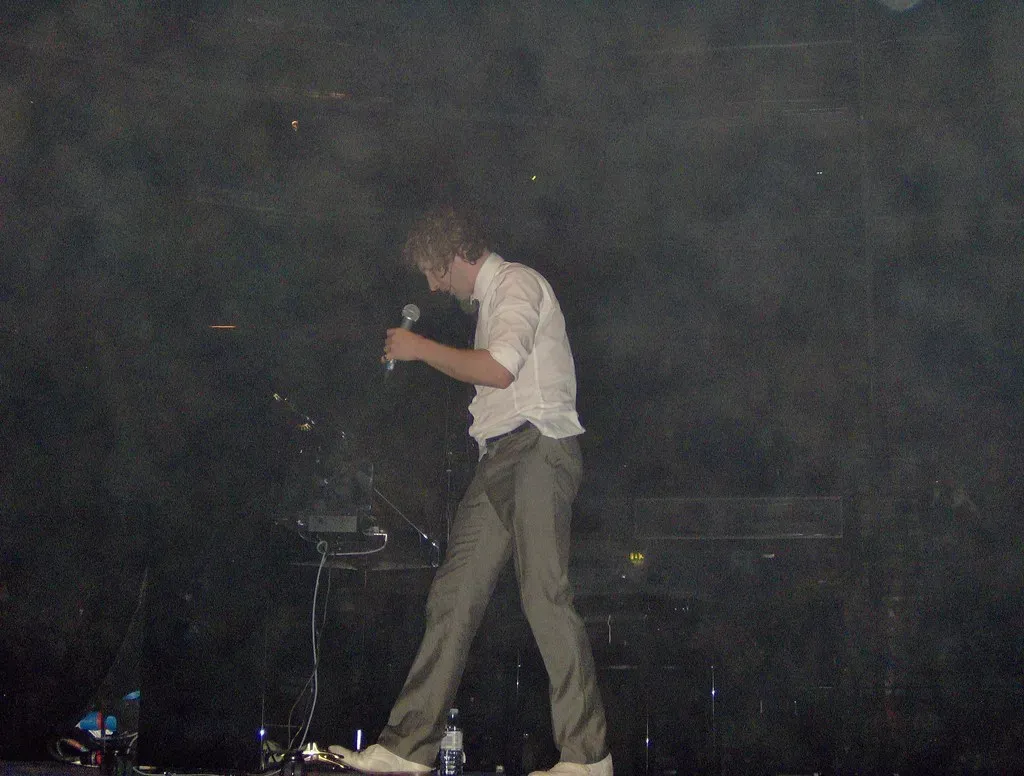
“You’re Beautiful” was everywhere after its release from James Blunt’s debut album, and Blunt has admitted in interviews that he finds it annoying. He claimed the song was “force-fed down people’s throats,” and that once overexposure set in, people began to associate the artist with the same word. He also suggested that his record label’s marketing approach, which targeted women during Desperate Housewives commercials, cost him roughly half his potential audience.
Blunt doesn’t hate the song itself, but does admit that it being “force fed” to the public was the core problem. Getting sick of it was inevitable. In interviews over the years, he has leaned into the self-awareness with a degree of dry humor, which has arguably made people like him more, even as the song continues to follow him everywhere.
11. Bob Dylan – “Ballad in Plain D”
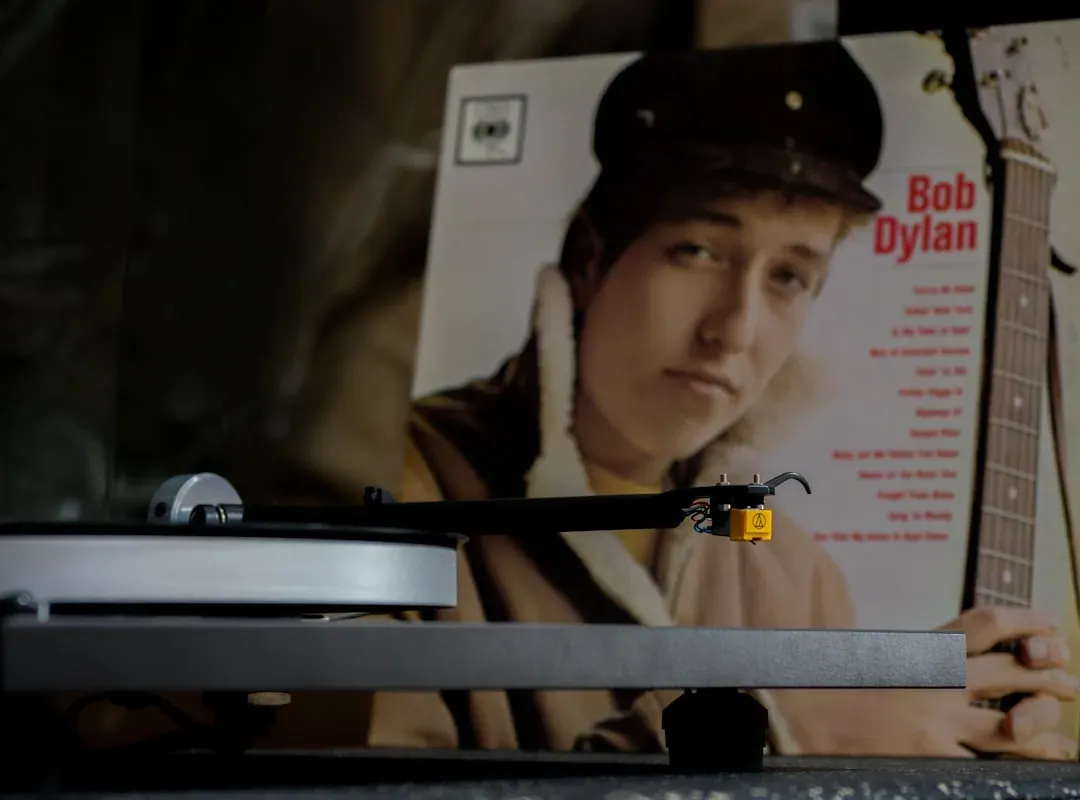
Bob Dylan has openly regretted his 1964 track “Ballad in Plain D,” an eight-minute song about the breakdown of his relationship with Suze Rotolo. In 1985, he told Bill Flanagan, “I must have been a real schmuck to write that,” adding that of all the songs he had written, that was one he felt he could have left alone.
He reflected that he would not normally exploit a relationship with someone through a song, but acknowledged that with “Ballad in Plain D,” he did exactly that, seemingly without fully realizing it at the time. Coming from an artist whose body of work is defined by unflinching personal honesty, it remains one of the more striking cases of a songwriter turning that same honesty on himself.
12. Charli XCX – “Break the Rules”
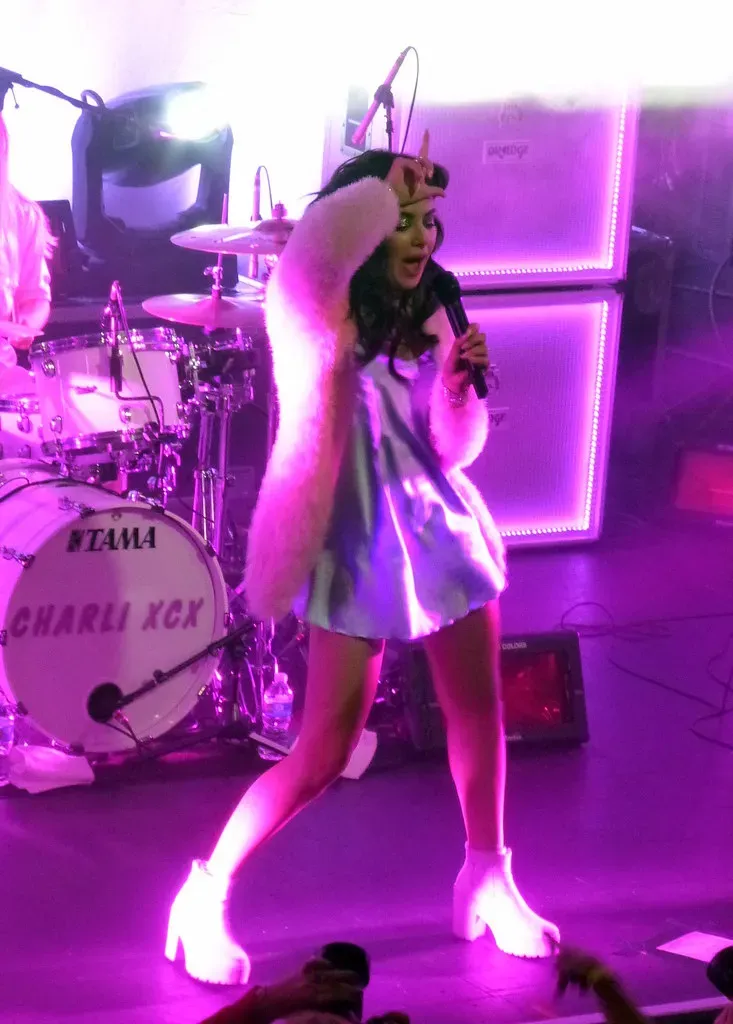
In 2022, Charli XCX told Vulture that “Break the Rules” was the song she most regrets, calling it “so easy to answer.” She said she knew she shouldn’t talk badly about her own work, especially when others love it, but acknowledged she never loved the song. People got in her head about it, telling her it was going to be a hit, and she listened to them.
Back in 2017, she had told Q Magazine even more directly that the song was a result of “rash decisions.” She had written it at a writing camp for other artists alongside Benny Blanco and Stargate, thinking at the time that whoever would sing it was making a mistake, only for it to end up as her own single four months later. It’s a scenario that speaks to how much pressure young artists face to chase commercial formulas that may not represent them at all.
What ties these twelve cases together is not bitterness but growth. Artists change, contexts shift, and the songs that once launched careers can start to feel like costumes that no longer fit. The honesty with which so many of these singers have spoken about their regrets is, in its own way, more interesting than the songs themselves.