You know the feeling when you’re standing in your cramped apartment, watching the city buzz outside your window, and you start wondering if there’s a better way to live? Maybe you’re craving a little more breathing room, a yard where you can actually see the sky. Yet at the same time, you don’t want to give up the museums, the farmers markets, the sense of something always happening just around the corner. That’s the dilemma so many of us face these days.
The good news is that suburbs aren’t what they used to be. They’ve evolved beyond strip malls and identical cul-de-sacs. Some of the most vibrant communities in America today are found just outside major cities, where walkable downtowns, thriving arts scenes, and genuine character meet family-friendly comfort. Let’s dive into twelve suburbs that have mastered this balance.
Chesterbrook, Pennsylvania: Small Town Charm Meets Big Culture

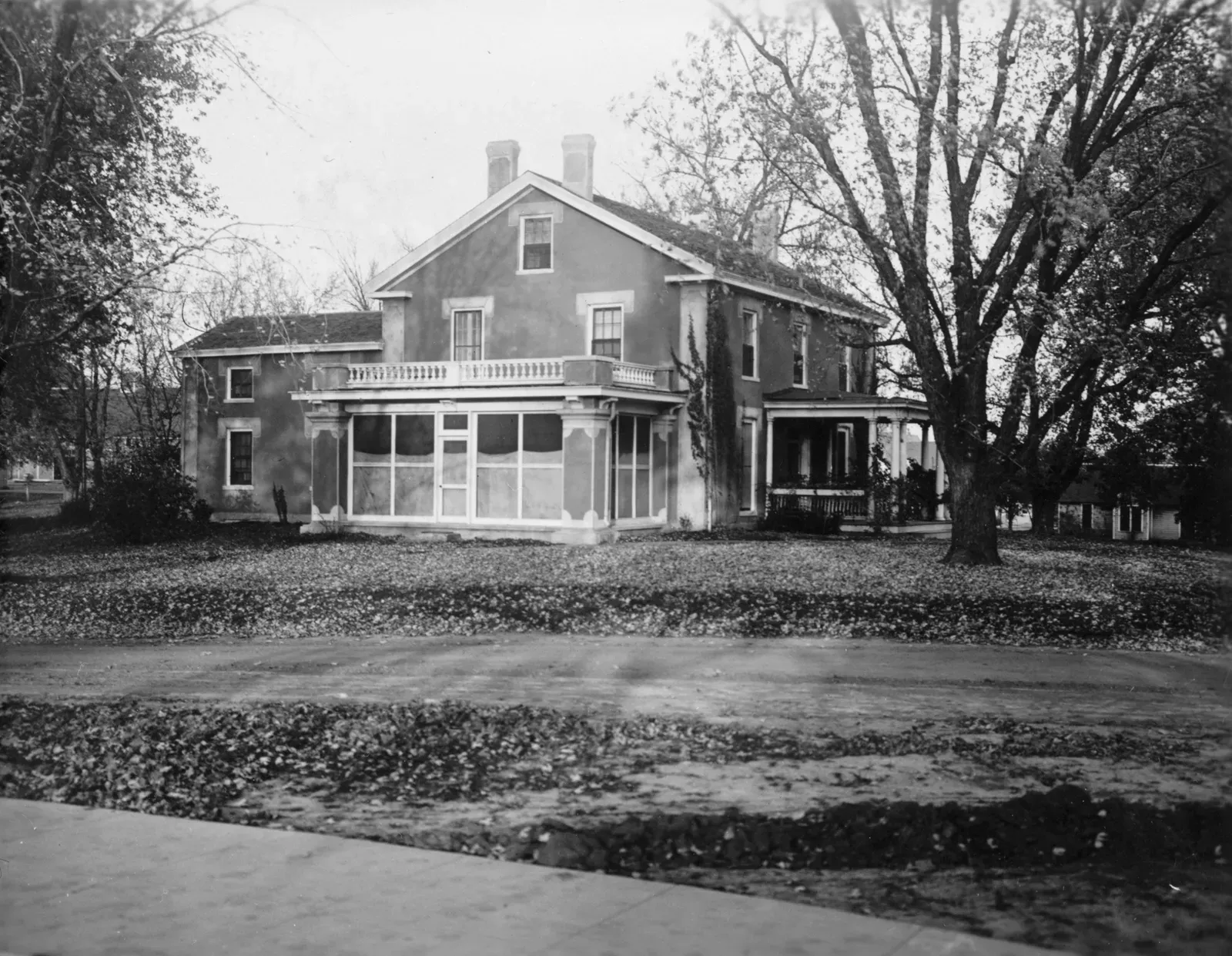
This Philadelphia suburb provides close access to Valley Forge National Historical Park, and is served by the Tredyffrin-Easttown School District, which is perennially highly rated. Nearby Wilson Farm Park boasts a wide array of opportunities for play and leisure within the community, including multiple sports and multi-use fields, an amphitheater, a pavilion, a putting green, and sand volleyball courts. Chesterbrook is also the number one best place to raise a family in the U.S., according to Niche’s 2025 rankings.
The beauty of Chesterbrook lies in how it quietly achieves excellence without shouting about it. Residents here walk to coffee shops, browse local boutiques, and take evening strolls through historic streets that feel like they belong in a storybook.
Brookline, Massachusetts: Where Urban Energy Never Quite Fades

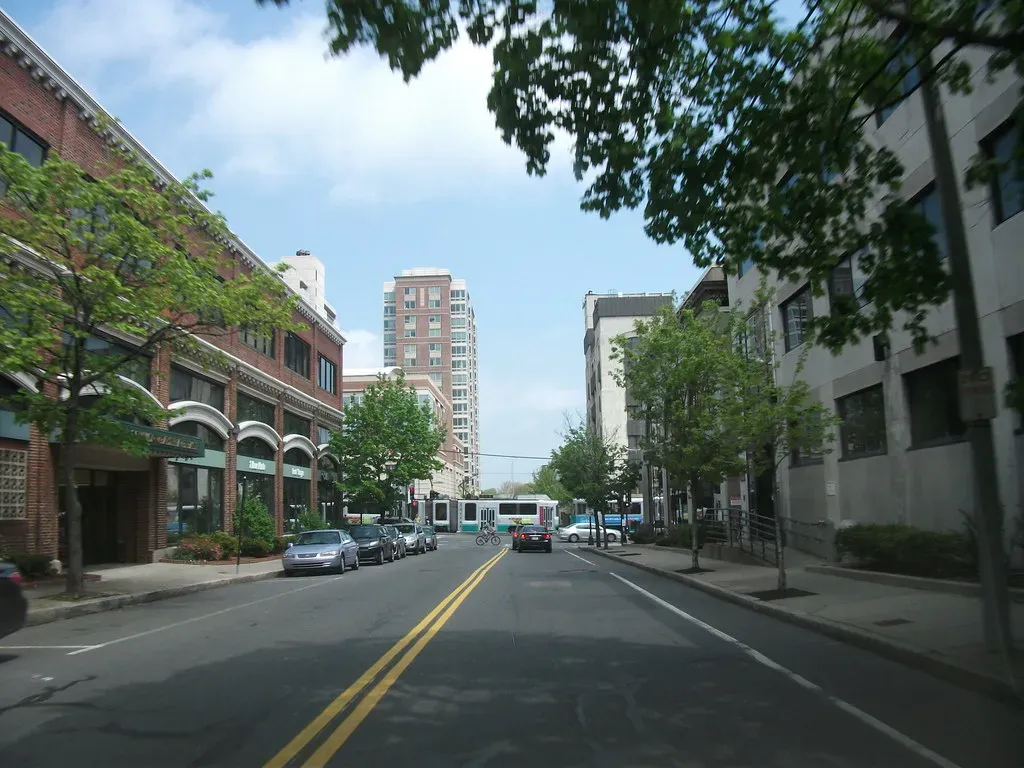
Seven miles from downtown Boston and surrounded by the city on three sides, Brookline was a streetcar suburb up through the mid-19th century. Though one of the largest towns in Massachusetts, it has little industrial development, and less than six percent of its land is zoned for commercial use. The historic town is also home to the birthplace of John F. Kennedy, a National Historic Site where visitors can tour the place where the 35th president spent his formative years.
With its leafy streets, cultural amenities, and walkable neighborhoods like Coolidge Corner and Brookline Village, it’s ideal for those who want to enjoy suburbia without sacrificing convenience. It’s hard to say for sure, but this might be the closest you’ll get to having your cake and eating it too.
Montclair, New Jersey: A Haven for Creative Souls
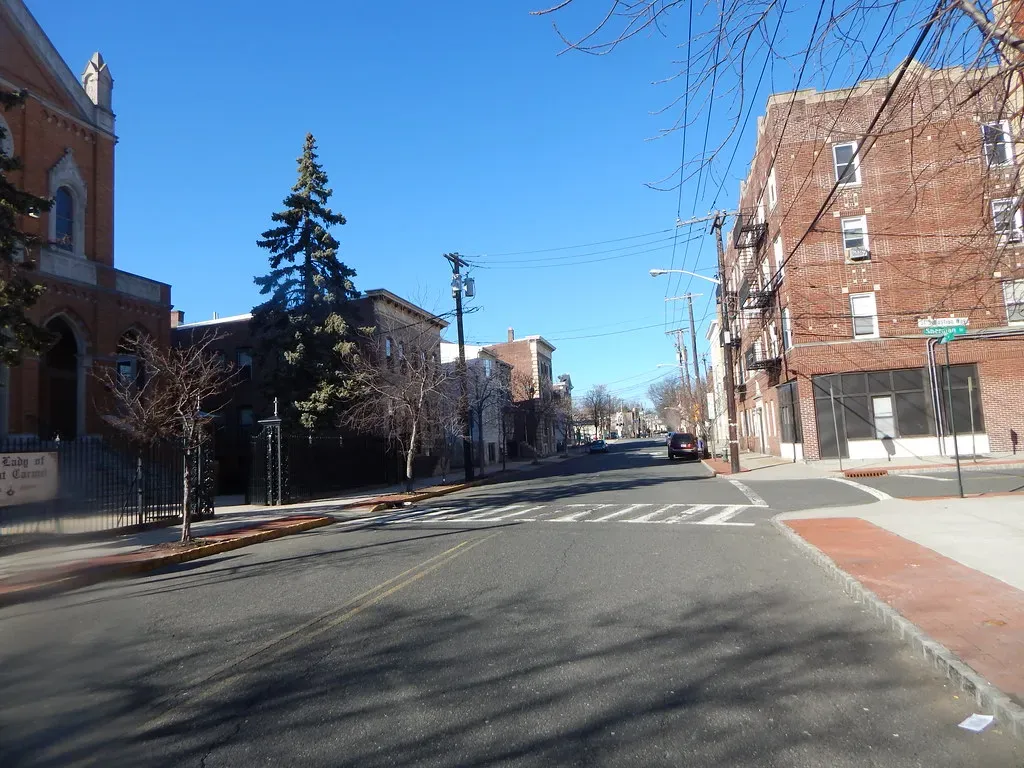
Montclair blends suburban greenery with city energy. Known for its arts scene, boutique shops, and farm-to-table dining, it’s a magnet for creative professionals and those who want culture without chaos. There’s something electric about walking down Bloomfield Avenue on a Saturday morning, past art galleries and independent bookstores, hearing live jazz drifting from a café.
The commute to Manhattan takes roughly forty-five minutes, making this spot particularly appealing for those who work in the city but crave a quieter home base. Median home price is around nine hundred thousand dollars, but with a mix of apartments and single-family homes. Cost of living is higher than New Jersey average, but quality of life is unmatched. Multiple train stations and express options to Penn Station.
Naperville, Illinois: Suburban Excellence with a Riverwalk

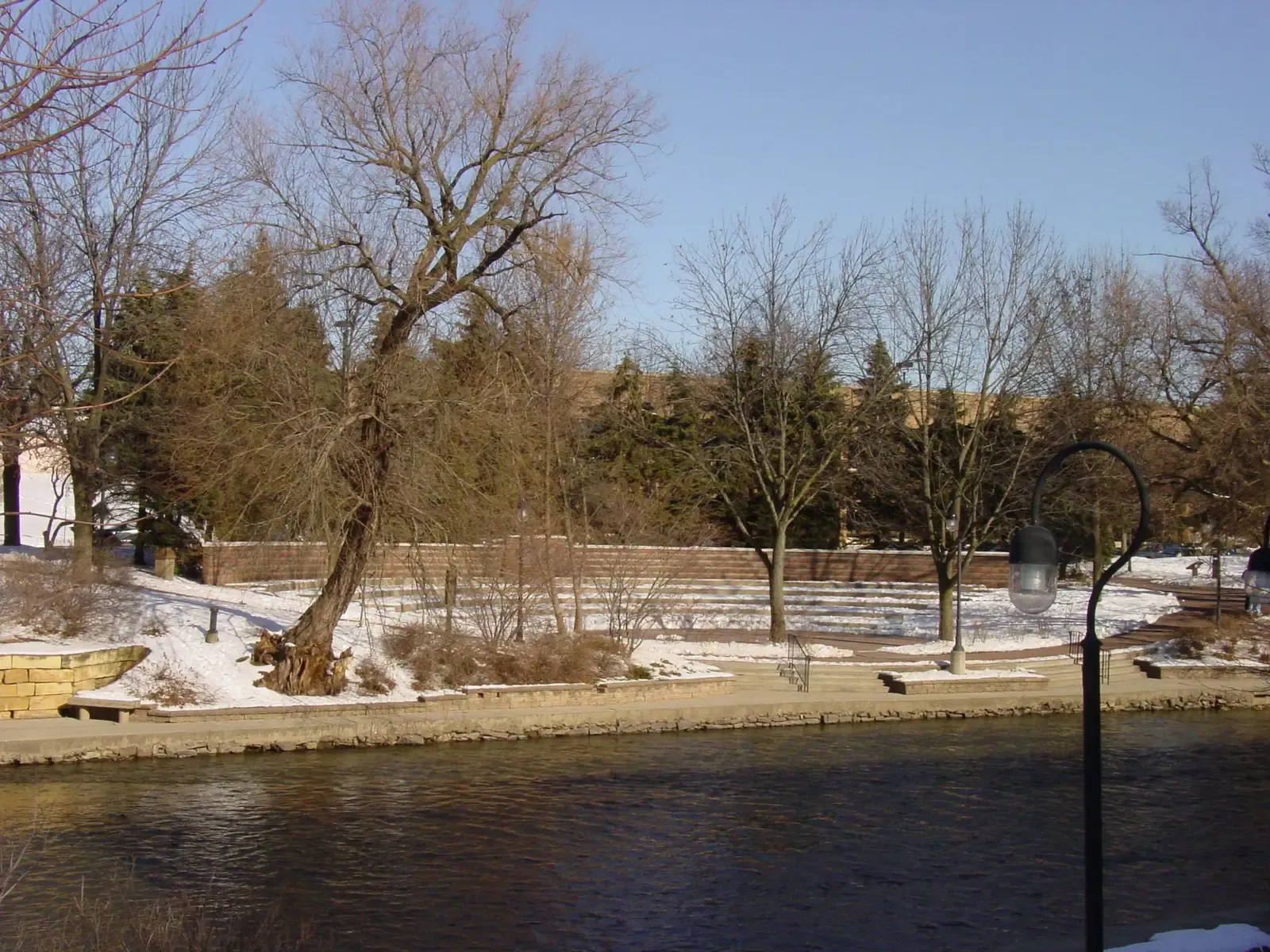
Living in Naperville has been a rewarding experience that shaped much of who I am today. The city’s strong school system, safe environment, and active community make it an ideal place for growth and learning. I’ve enjoyed being part of a community that values education, volunteerism, and personal achievement. The Riverwalk, local parks, and downtown area create a balance between nature, culture, and connection that makes everyday life fulfilling.
This Chicago suburb consistently ranks among the nation’s best places to live. The downtown district bustles with restaurants, theaters, and independent shops, while the scenic Riverwalk provides miles of paths perfect for biking or leisurely strolls. Honestly, few suburbs manage to feel this alive without losing that essential calm.
Mill Valley, California: Culture in the Shadow of Redwoods

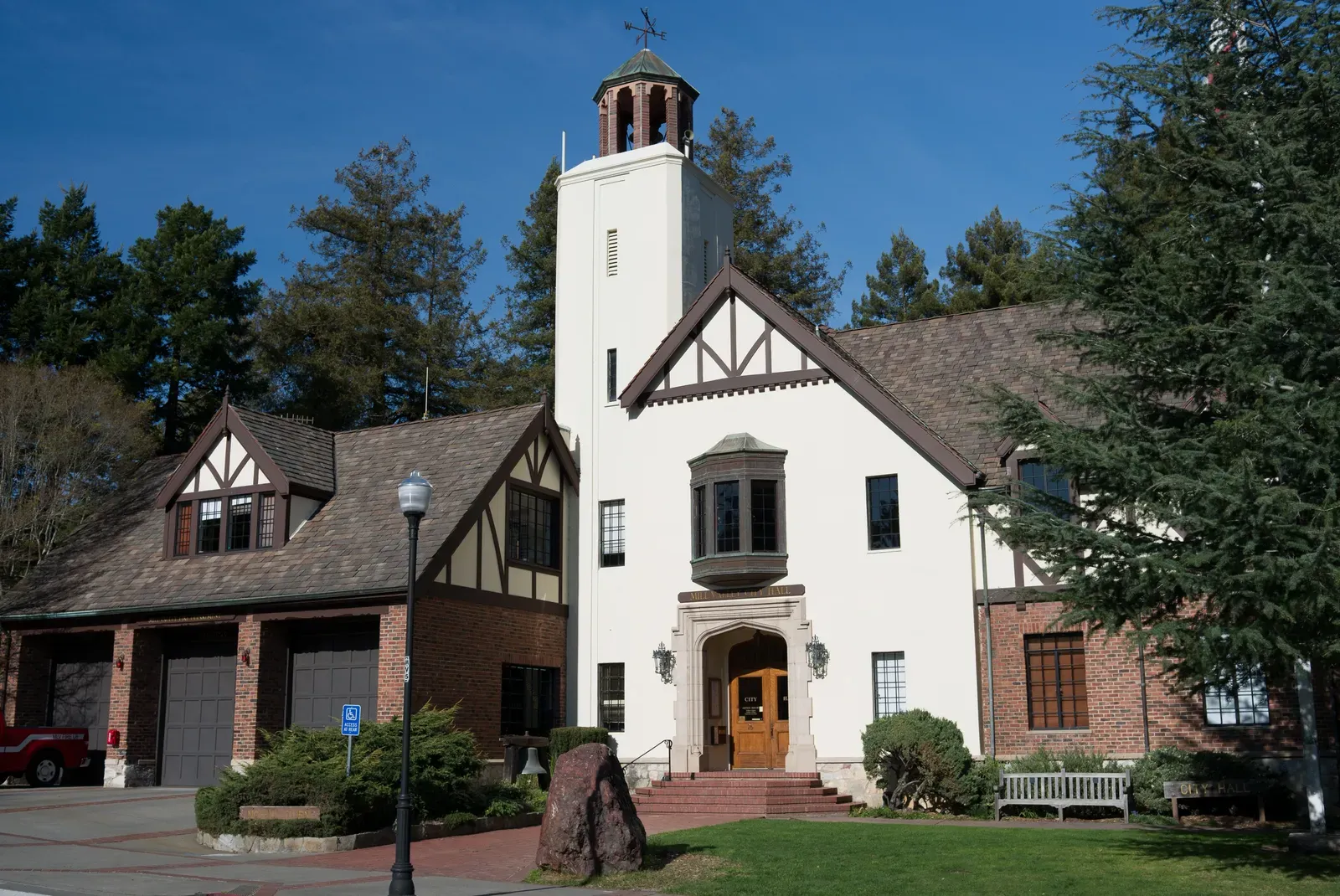
If the arts are your thing, add Mill Valley to your list. This community is big on culture. The renowned Mill Valley Film Festival is held in a historic downtown theater each year. Also, be sure and check out Sweetwater Music Hall which hosts well-known folk and rock groups and plenty of family-friendly shows throughout the year.
Set just north of San Francisco, Mill Valley offers something truly special. The downtown area feels intimate and walkable, with local art galleries tucked between charming cafes and boutiques. You can grab a craft cocktail at an outdoor table before catching a show, or simply wander streets lined with Victorian architecture and towering trees.
Webster Groves, Missouri: Historic Beauty with a Thriving Arts Scene
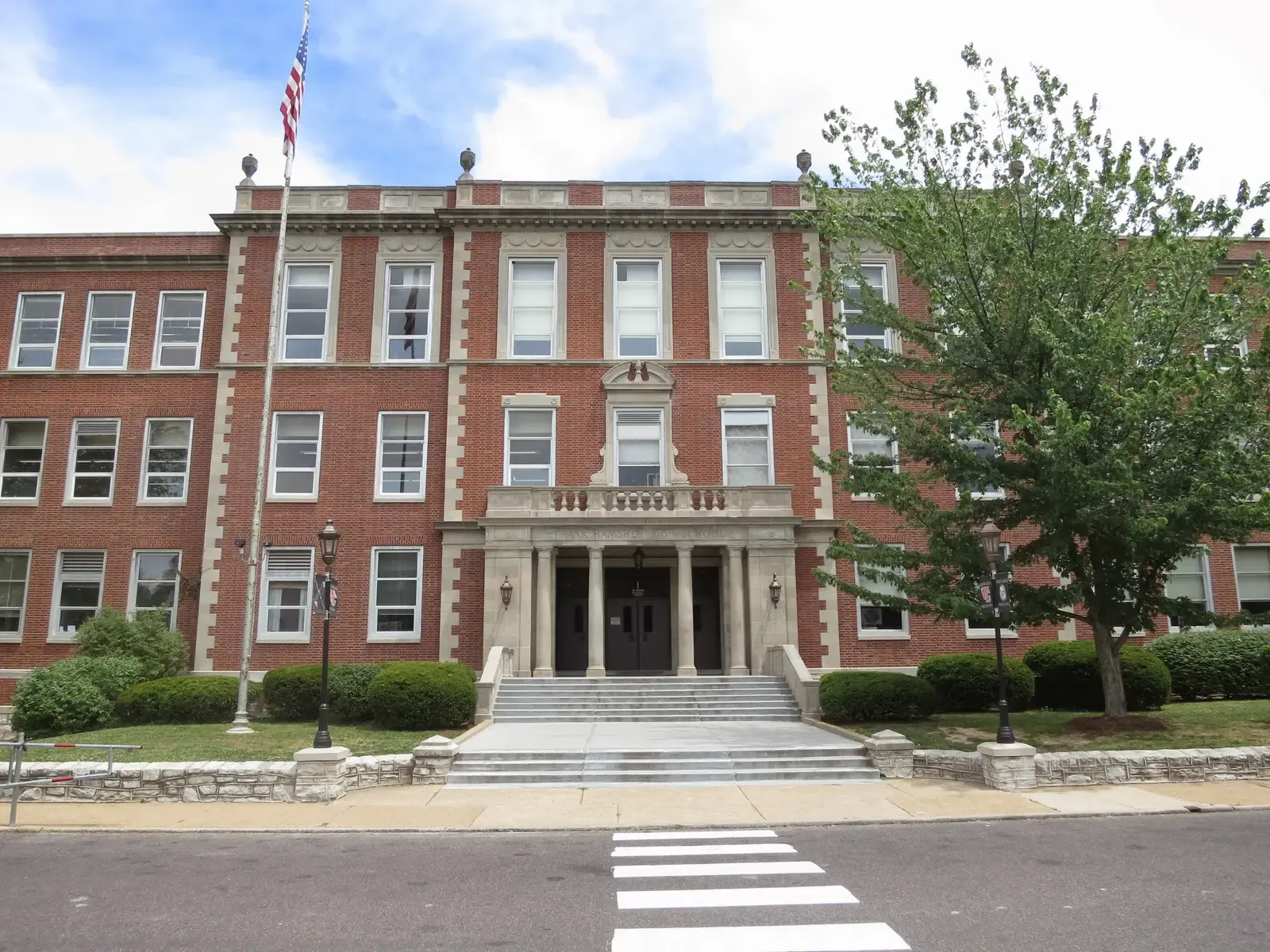
Webster Groves is a leafy, historic suburb known for its cultural appeal and old-world charm. The downtown area is filled with galleries, theaters, and restaurants, making it a cultural hub for St. Louis residents. Webster University adds a youthful and creative energy to the community, and the historic homes give the area a distinct character.
This St. Louis suburb proves that culture doesn’t require skyscrapers. The tree-lined streets feel timeless, the kind of place where neighbors actually know each other’s names. Meanwhile, downtown Webster buzzes with art openings, theater productions, and diverse dining options that rival many urban centers.
Partner offer

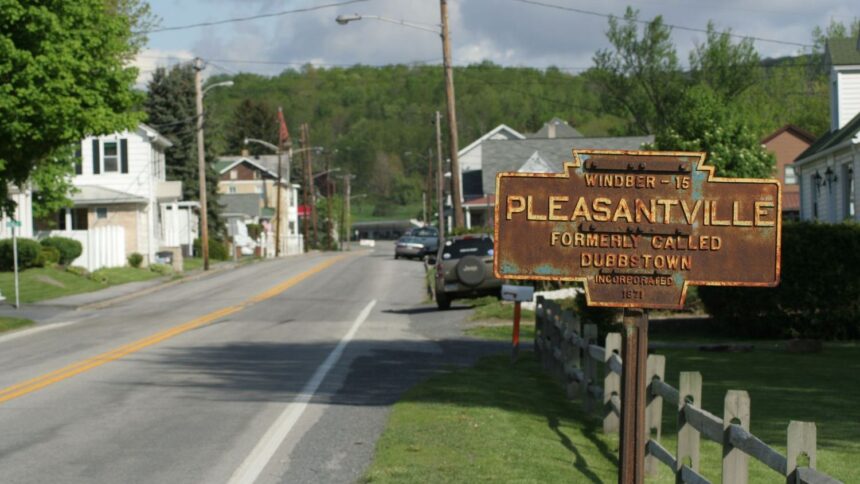
Pleasantville, New York: Small Town, Big Personality

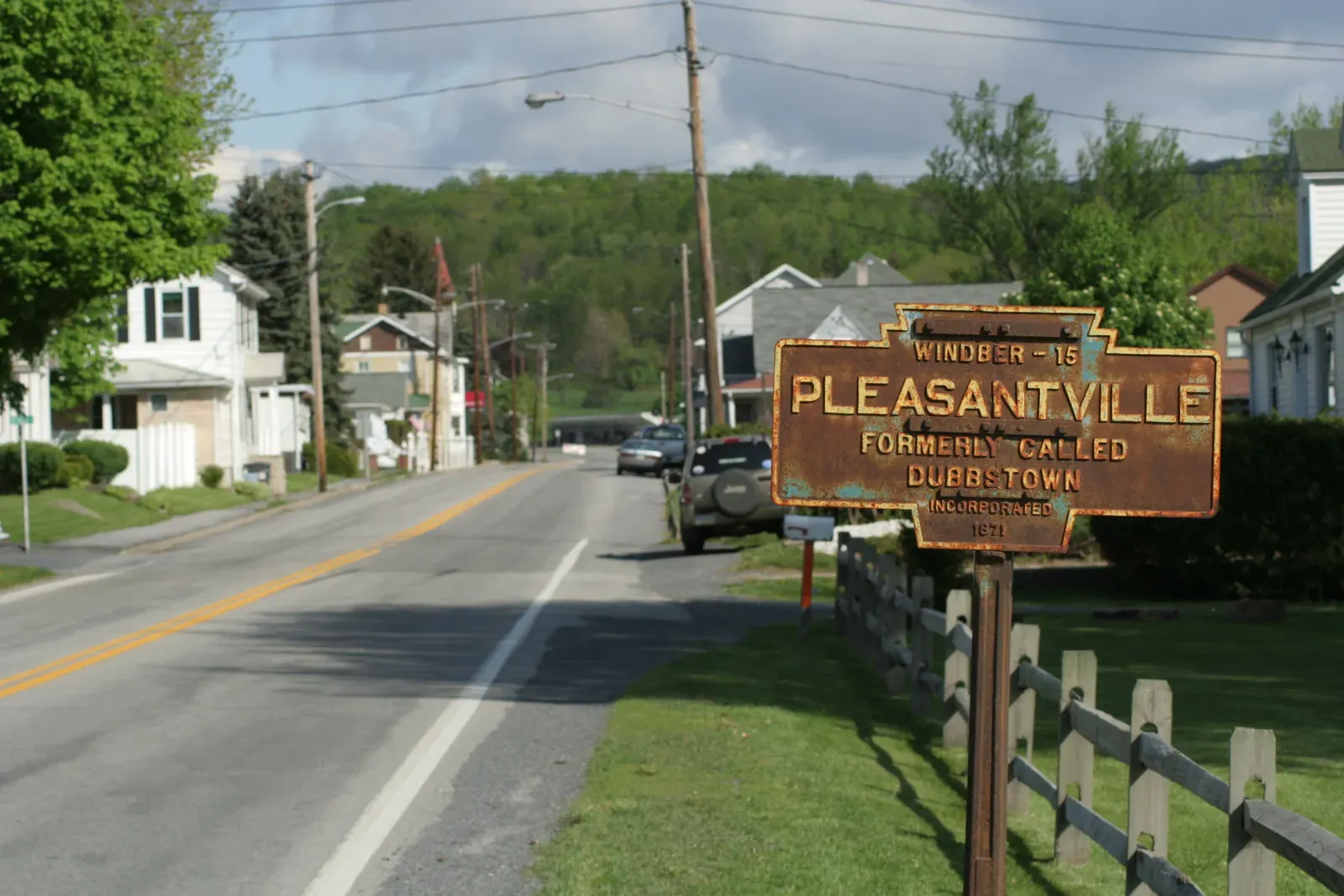
A small town with a large personality, Pleasantville is perfect for anyone – from singles and young families to empty nesters. The quaint shops, cultural events, and entertainment make this hip and walkable village one of the most desirable towns in Westchester, New York. With many of the town’s amenities spread across the stretch of downtown, you’ll discover new and exciting spots depending on the direction you explore.
Touted as a “walk to all” town, the tree-lined streets are full of homes on compact lot sizes. Plus, Pleasantville is a desirable location within the county, convenient to major highways, surrounding cities, and town centers. Let’s be real, finding true walkability in the suburbs is rare, which makes this Westchester gem stand out.
Carmel, Indiana: The Midwest’s Best-Kept Secret
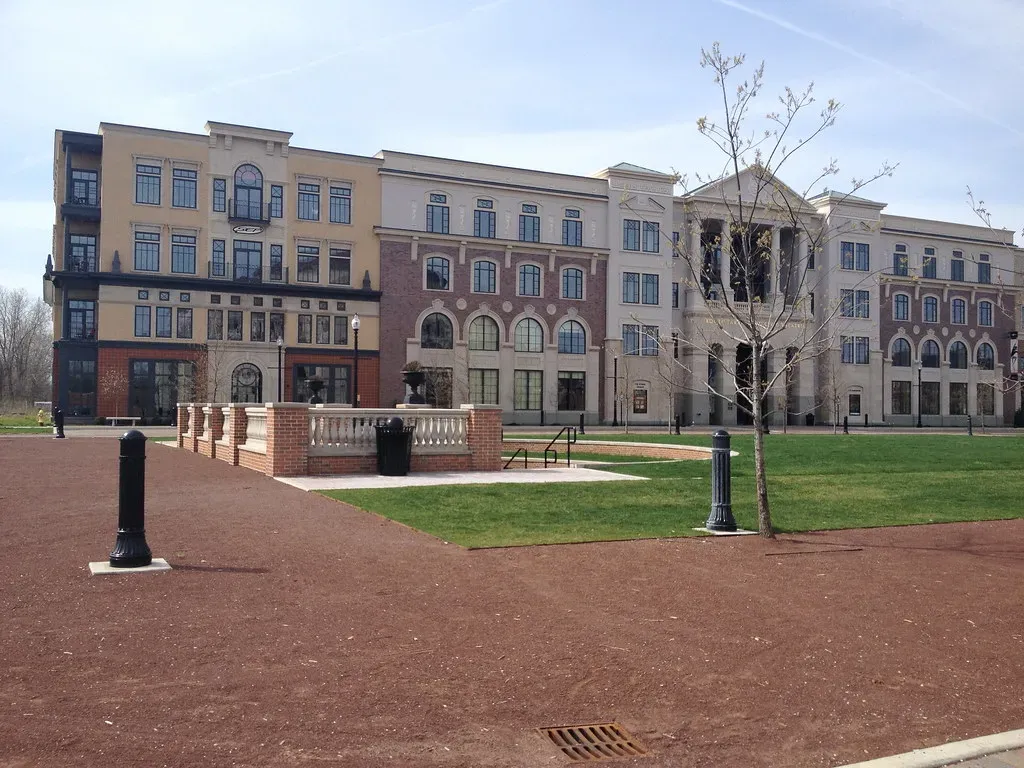
Coming in at number one is the Indiana town of Carmel. A mere half hour outside of Indianapolis, Carmel is one of the best places to live in Indiana. These top suburbs aren’t just about statistics – Niche.com rates cost of living, school performance, walkability, crime and safety, entertainment options and more – they’re about lifestyle. Think community events, weekend farmers’ markets, parks and coffee shops where the barista knows your name.
Carmel has invested heavily in creating a European-style downtown with roundabouts, pedestrian plazas, and public art. The Palladium concert hall brings world-class performances to residents’ doorsteps. You’ll find that balance of sophisticated amenities and genuine Midwestern friendliness.
Cinco Ranch, Texas: From Cattle Ranch to Cultural Hub

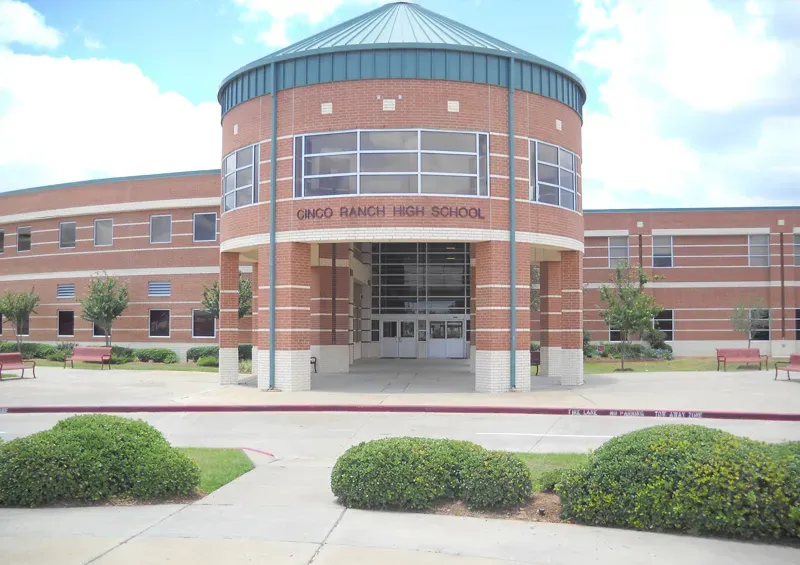
Before Cinco Ranch was developed in the 1980s, it was a working cattle ranch and rice farm for over fifty years. Now, the community, which is located thirty miles from Houston, has several highly rated public schools, a golf course, athletic centers, and plenty of green spaces. In 2025, Niche ranked the cozy suburb the number one place to live in Texas.
This Houston suburb has grown into a masterplanned community that doesn’t feel sterile or manufactured. Parks connect neighborhoods, bike trails wind through green spaces, and the town center offers dining and entertainment options that draw visitors from across the region.
Clayton, Missouri: Upscale Living with Walkable Streets

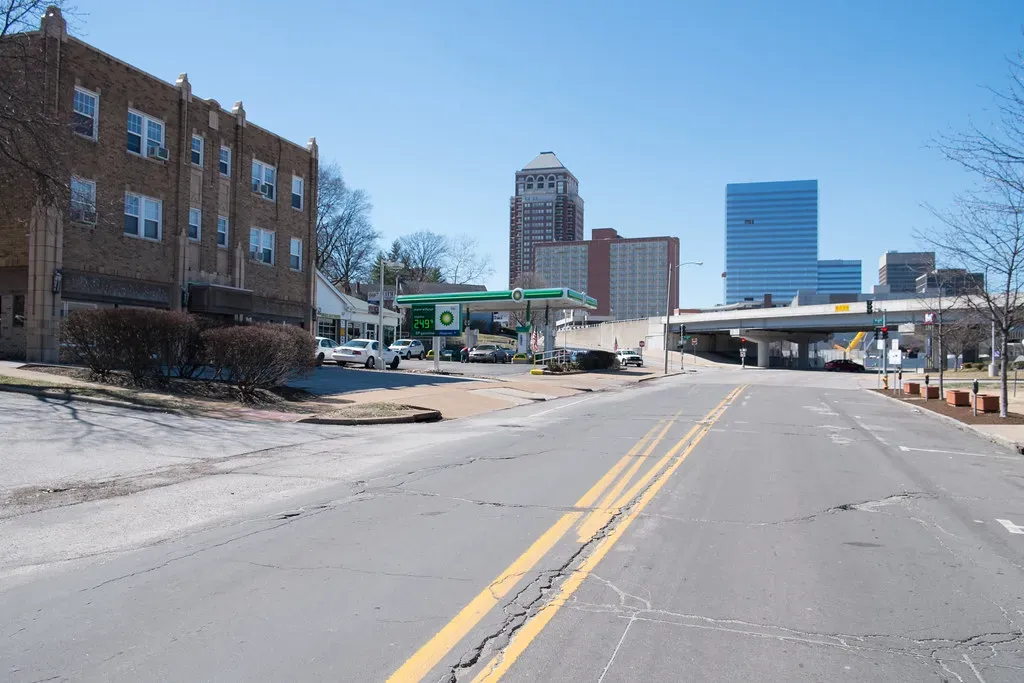
Clayton is the financial and business center of the St. Louis suburbs. Known for its upscale shops, galleries, and restaurants, Clayton combines a vibrant business district with luxury living. The suburb’s walkable streets, beautiful parks, and proximity to cultural institutions like the St. Louis Art Museum make it a desirable place to live.
Here’s the thing: Clayton manages to be both a business district and a livable neighborhood, which isn’t easy to pull off. You can walk to dinner at a fine dining establishment, catch an art exhibition, and still feel like you’re part of a real community rather than just another office park.
Malvern, Pennsylvania: Theater, History, and Train Access

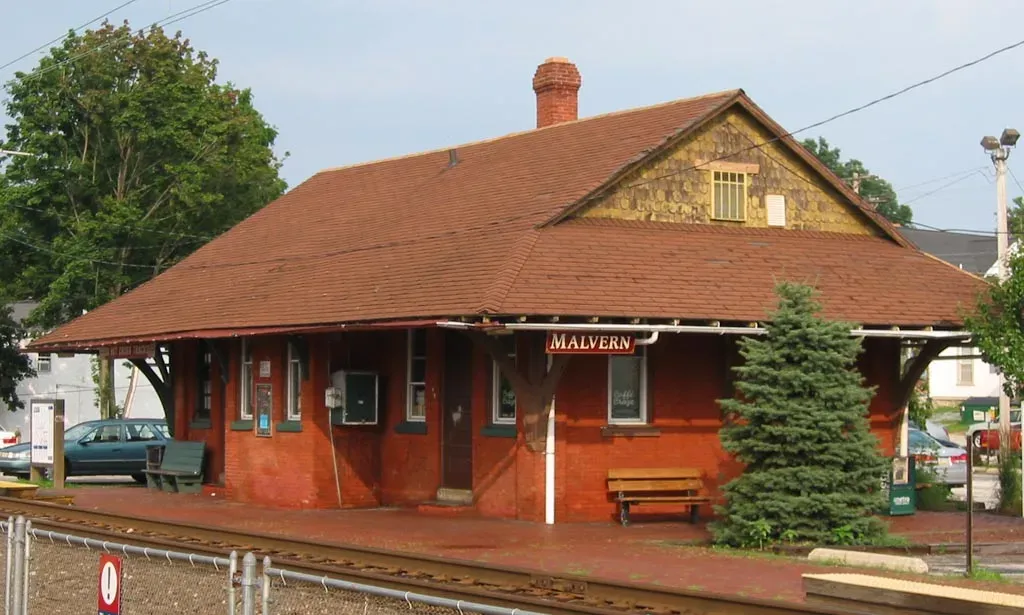
Malvern is also the home of People’s Light. Founded as People’s Light and Theater Company in 1974, it’s one of the largest nonprofit professional theater companies in Pennsylvania. Its home on Conestoga Road stays busy with a restaurant, banquet hall and arts education programs even when there’s nothing on stage. Malvern’s Regional Rail station is right in the center of town. Its Walk Score is a not-too-shabby seventy-one.
This Chester County borough represents the western edge of the Main Line, where history and culture converge. The downtown feels authentically small-town yet sophisticated, with theater performances drawing audiences from across the region. You won’t find cookie-cutter development here, just genuine character.
Clarendon Hills, Illinois: The Complete Suburban Package
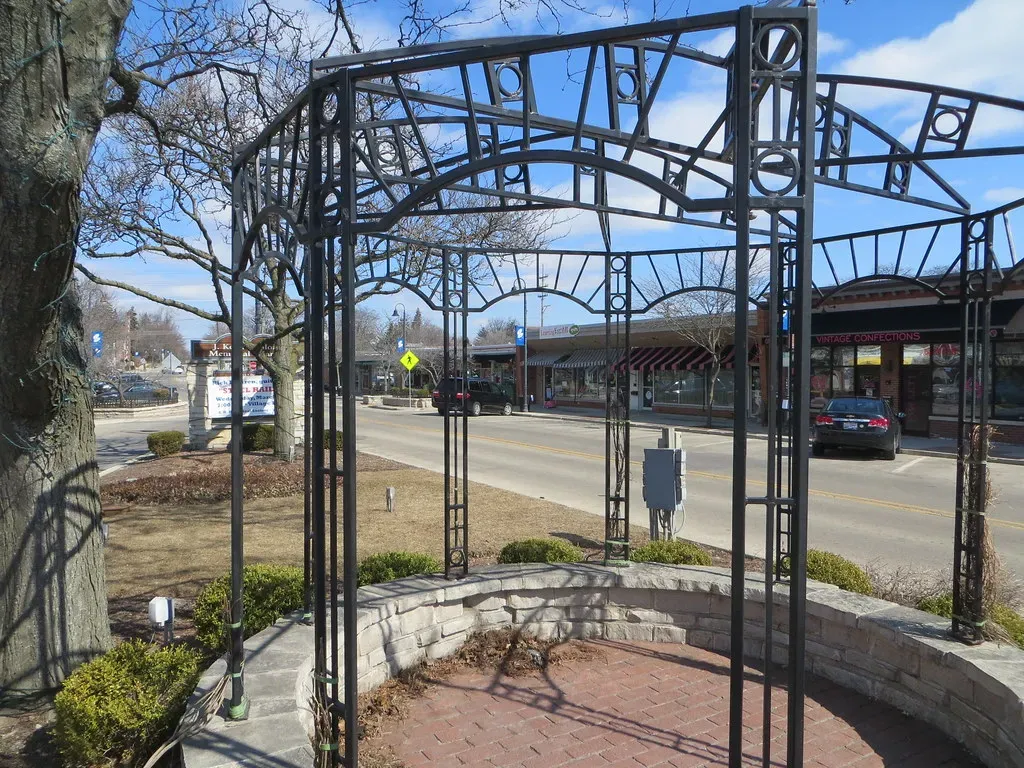
Clarendon Hills is a wonderful place to start and grow a family and build lifelong relationships – a safe and welcoming community; tremendous schools; accessible outdoor activities; centrally located for commuting into the city or visiting proximal suburbs; blossoming commercial district; and well-functioning, accessible, transparent government.
This Chicago suburb, though small in size, punches well above its weight. The downtown strip offers locally-owned restaurants and shops, while the community atmosphere feels tight-knit without being exclusionary. Parks provide green space, and the train station connects residents to downtown Chicago in less than an hour.
The suburbs we’ve explored here prove something important: you don’t have to choose between anymore. These communities offer yards and quiet streets alongside farmers markets and theater productions. They provide excellent schools and safe neighborhoods without sacrificing walkability or artistic vibrancy. The key is finding that rare balance where suburban space meets urban energy.
What strikes me most about these twelve suburbs is their authenticity. They haven’t manufactured culture or forced walkability into unwilling landscapes. Instead, they’ve grown organically, cultivating genuine communities where people actually want to gather, create, and connect. So tell us, which of these suburbs speaks to you? Where would you choose to put down roots?
Partner offer
Planning a trip to Vegas?
Compare hotel rates and show tickets on VEGAS.com.