There’s this unshakeable belief among book lovers that adaptations are never as good as the original text. I’ve heard it countless times at dinner parties and seen it argued endlessly on social media. Reading is somehow more pure, more authentic than watching a film unfold on screen.
Yet here’s the thing. Sometimes a director takes a novel and refines it into something sharper, more emotionally resonant, more visually stunning than what existed on the page. The medium of film offers tools that novels simply can’t replicate: a haunting musical score, an actor’s subtle facial expression, the perfect framing of a shot that makes your heart skip. What follows are thirteen instances where Hollywood actually got it right.
Jaws Stripped Away the Unnecessary Drama

Peter Benchley’s 1974 novel was popular, yet the film version became one of the greatest movies of all time, making the book seem lacking by comparison. Steven Spielberg famously admitted that he did not like any of the characters in Benchley’s novel, and he set out to make them more interesting and amiable in the film. The book was bogged down with subplots about affairs and mob connections that diluted the core terror.
The novel is much darker and grittier, with deeply complex characters sometimes harder to root for, and a strong undercurrent of greed and corruption. It took a creative screenplay adaptation, the genius of Steven Spielberg’s direction, the inspired score of John Williams, and a trio of remarkable actors to cut and polish that rough work into the cultural gem that Jaws has since become. The film was Spielberg’s third movie, and production challenges led to the reduced role of the mechanical shark, which ironically created one of the film’s strengths through ominous felt presence rather than visual appearance.
The Shawshank Redemption Deepened Its Emotional Core

Stephen King’s novella is tight and beautifully written, but Frank Darabont deepened it into an emotionally sweeping tale of hope, friendship, and redemption, expanding characters like Red and creating cinematic moments that simply don’t exist on the page. The film made a bold choice that elevated the entire narrative.
The film makes Red, not Andy, the moral center and narrator, staying truer to its title by using a character who is actually guilty yet undergoes a transformation through his connection with Andy. The film also adds what is possibly the story’s most iconic scene, in which Andy defies authority and plays opera for the inmates. This single addition captures the film’s themes of beauty surviving even in the darkest places.
The Godfather Became a Familial Opera
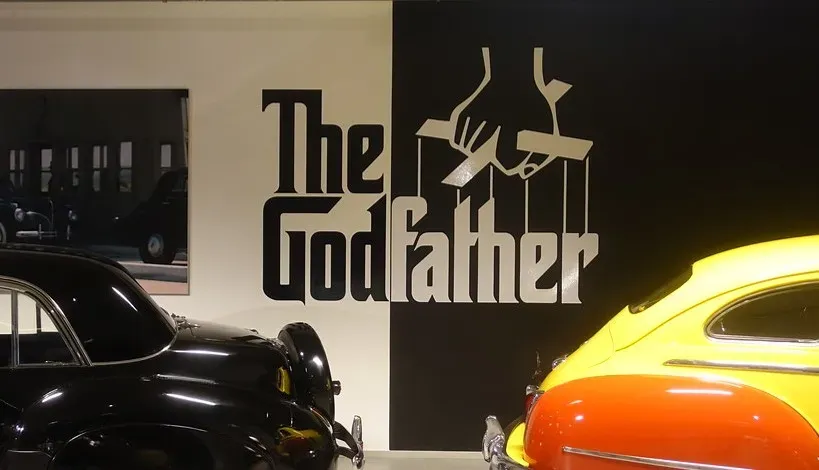
Mario Puzo wrote a sprawling crime novel that introduced mafia terminology into mainstream culture. While not necessarily better than Puzo’s version, the film goes to great lengths to find the raw emotional core of the story, becoming less a crime story about the mafia and more a tragic familial opera about power, duty, and the impossibility of escaping one’s legacy.
Whereas Puzo is more interested in the intricacies of the institution, Coppola is more concerned with the Corleone family dynamics, making full use of the visual medium to heighten powerful moments like the horse’s head or Carlo’s betrayal. The differences between the Oscar-winning film and the bestselling crime novel are so minor they hardly bear mentioning, with a few bodyguards either surviving or dying differently. Still, Coppola’s vision transformed good material into cinematic perfection.
Die Hard Reinvented the Action Hero
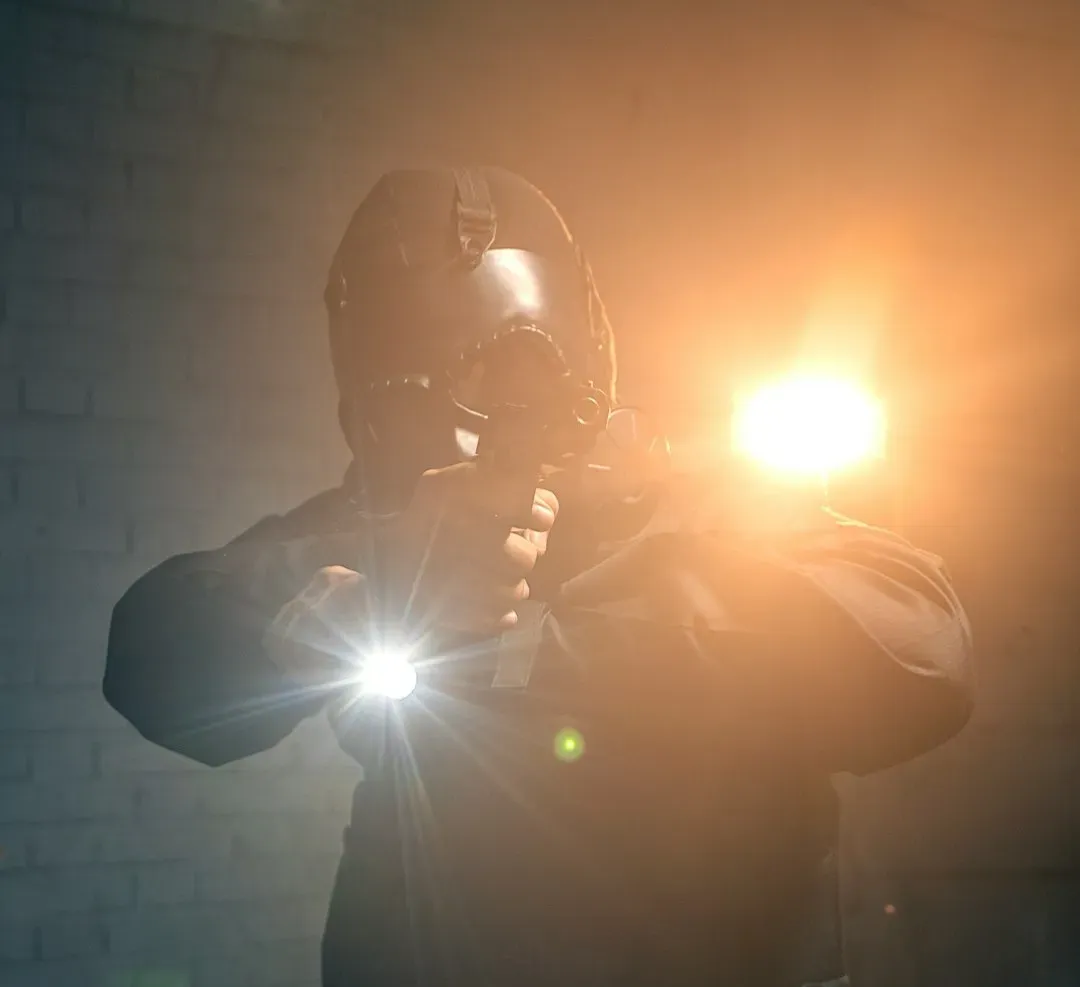
Roderick Thorp’s Nothing Lasts Forever is darker and bleaker with an older protagonist, but the film reinvents the hero as John McClane – charismatic, flawed, funny, and instantly iconic, with tighter action sequences and sharper dialogue that transforms an average thriller into the gold standard of action cinema.
The book features a character motivated by revenge, trudging through a grim narrative. The movie gave us wisecracking vulnerability paired with genuine heroism. McClane bleeds, makes mistakes, and cracks jokes to hide his fear. That humanity makes all the difference when you’re watching a man fight terrorists in a skyscraper.
The Devil Wears Prada Created a Cultural Icon
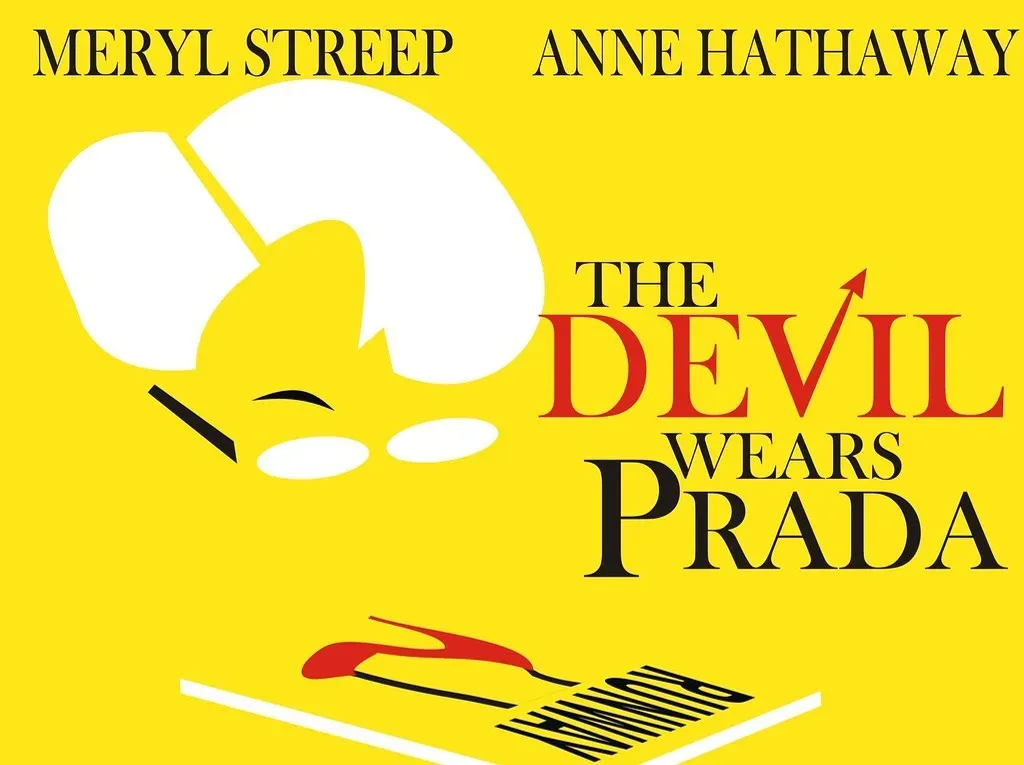
David Frankel’s The Devil Wears Prada is an outright modern classic that defined the millennial generation, with Meryl Streep playing Miranda Priestly in the role that cemented her place as a cultural titan. The novel was a decent beach read about fashion industry cruelty, but it lacked the sharp wit and devastating glamour of the adaptation.
Meryl Streep’s performance elevated Miranda from a one-dimensional villain into a complex woman navigating an industry that chews people up. Her icy stare, the quiet “That’s all” dismissal, the cerulean sweater monologue – these moments don’t just exist in the book. The film understood that fashion is visual, and it made every frame count.
Breakfast at Tiffany’s Gained Timeless Elegance
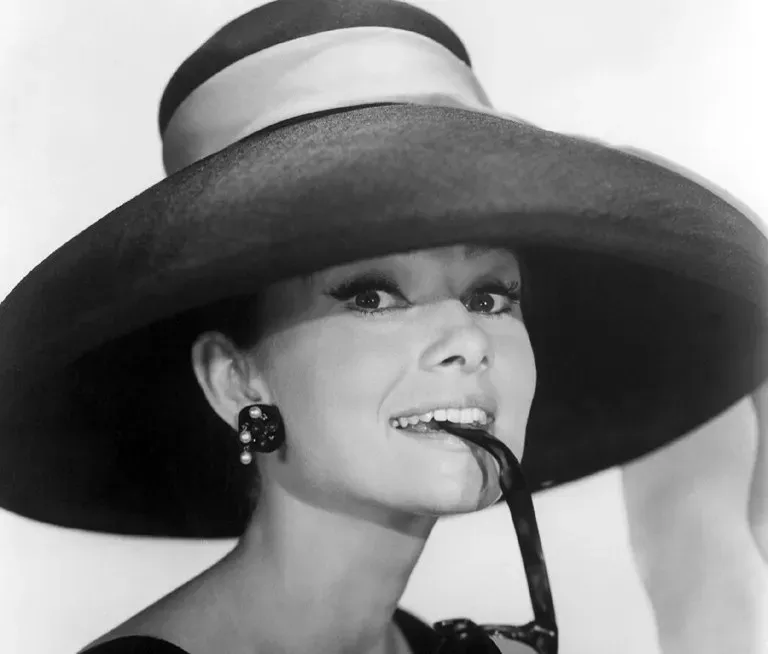
The Breakfast at Tiffany’s novella by Truman Capote is adored, yet Audrey Hepburn’s performance in the film adaptation is so iconic and tragic that many prefer the film, as Hepburn breathes new life into the source material. Truman Capote’s Holly Golightly was darker, more troubled, less refined than what appeared on screen.
Golightly’s bizarre personality and lofty ambitions form the crux of the novella, but Blake Edwards’ adaptation incorporates the ineffable charm of Audrey Hepburn, whose portrayal took Hollywood by storm, though Capote believed Hepburn was an inadequate choice. History proved Capote wrong. Hepburn’s Holly became the definitive version, elegant and heartbreaking in equal measure.
Fight Club Tightened the Narrative Chaos
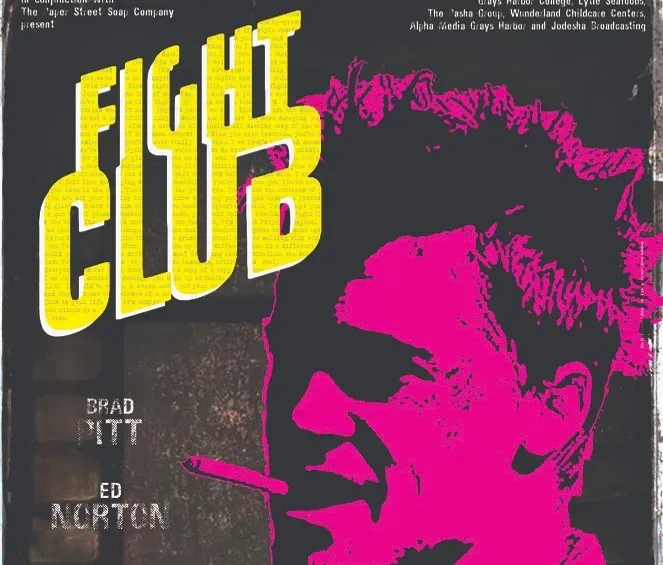
Chuck Palahniuk’s novel is deliberately chaotic, fragmented, and challenging to follow at times. David Fincher’s adaptation streamlined the story without losing its anarchic spirit. The twist hits harder on screen because visual storytelling allows for misdirection that prose can’t quite replicate.
Like The Godfather and The Silence of the Lambs, reading the Fight Club book just makes you want to re-watch the superior movie. The film’s style matches its substance perfectly – grimy, kinetic, unsettling. Brad Pitt and Edward Norton’s performances add layers of meaning to characters that feel somewhat flat on the page.
All the President’s Men Made Journalism Thrilling
The Woodward–Bernstein book is essential but sprawling with granular political detail, while the film focuses that energy into a crisp suspenseful thriller, with Robert Redford and Dustin Hoffman bringing charisma and urgency that highlights the tension and paranoia of investigative journalism in a far more visceral way.
The book is genuinely important, a history-shifting narrative weaving together wildly complex modern politics into a compelling story, but the movie is even better, bringing all that research and typing to the screen in a way that feels magical and larger-than-life. Watching two reporters slowly unravel a conspiracy through phone calls and document reviews shouldn’t be edge-of-your-seat entertainment. Yet somehow it is.
The Silence of the Lambs Perfected Psychological Horror
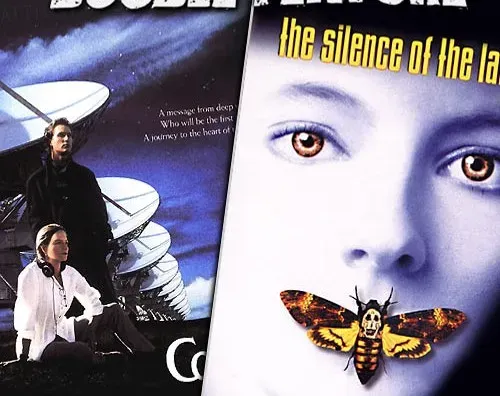
The Silence of the Lambs won the Big Five at the Oscars, and it’s also a wonderfully sympathetic reworking of Harris’s original text, handling the horrific themes in a subtle and taut fashion. Thomas Harris created memorable characters, especially Hannibal Lecter, but the film refined them into something unforgettable.
Jonathan Demme’s direction, combined with Anthony Hopkins’ chilling performance and Jodie Foster’s vulnerable strength, created cinema history. Hopkins is on screen for barely fifteen minutes total, yet his presence dominates the entire film. That’s the power of adaptation done right – knowing exactly what to emphasize.
Starship Troopers Became Brilliant Satire
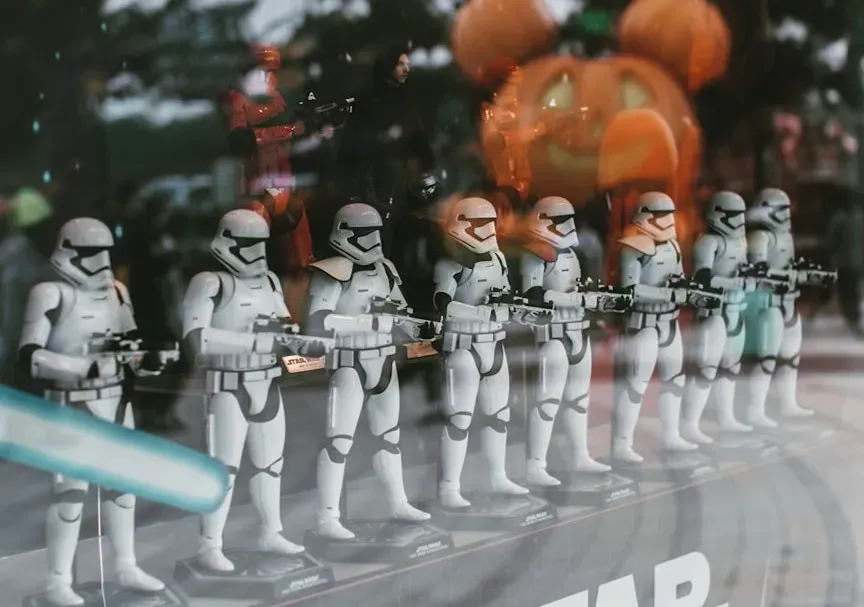
Paul Verhoeven’s adaptation of Robert Heinlein’s sci-fi novel is tricky, as both stories deal with young soldiers fighting in a vast interstellar war, but while Heinlein’s exploration was played straight, Verhoeven saw potential to say something satirical and powerful about fascism and militarism, with results that are controversial but always interesting.
In 1997, director Paul Verhoeven took a satirical approach with Starship Troopers, based on Robert Heinlein’s novel, critiquing the militaristic ideas presented in the book while delivering entertainment through action sequences, cleverly juxtaposing serious commentary with engaging storytelling. It took years for audiences to fully grasp what Verhoeven was doing, but now it’s recognized as subversive genius.
Blade Runner Captured Existential Dread Visually

Philip K. Dick’s Do Androids Dream of Electric Sheep became the iconic 1982 film Blade Runner, and while simplified, it captures the core essence around androids and human identity, with critics noting the film excels in creating a gripping visual and emotional experience despite omitting extensive lore.
Dick’s novel is philosophically dense and sometimes difficult to penetrate. Ridley Scott’s film distilled those themes into pure visual poetry. The rain-soaked neon streets, Vangelis’ haunting score, Rutger Hauer’s tears in rain speech – these elements create an atmosphere the book describes but never quite achieves. The film makes you feel the existential loneliness rather than just think about it.
Little Women Shifted the Focus to Female Ambition
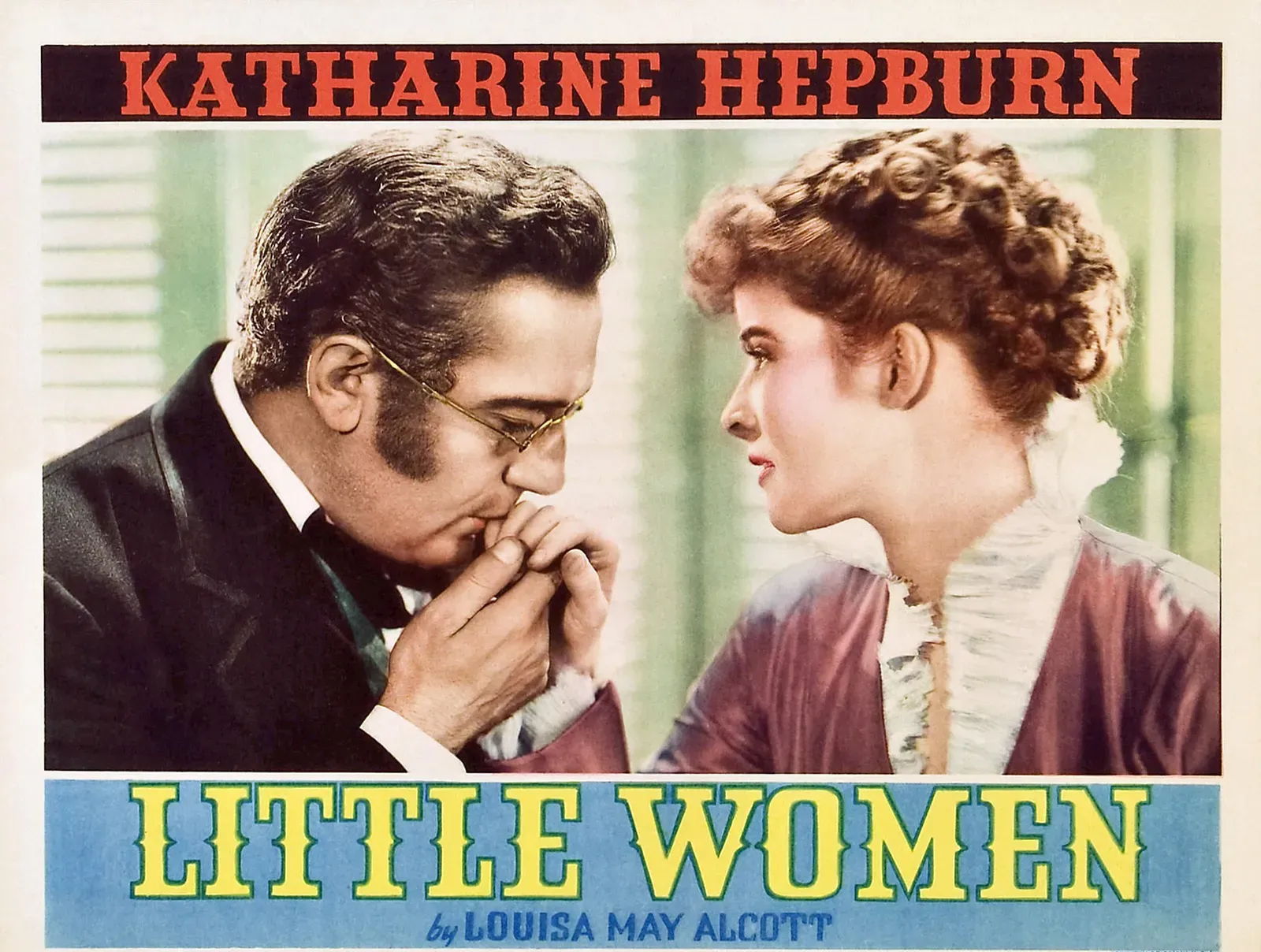
Greta Gerwig’s 2019 film adaptation of Louisa May Alcott’s classic is a remarkable feat that revitalizes the narrative while remaining true to its heart, shifting the love story focus and emphasizing Jo March’s ambition as a writer, showcasing her journey to publishing success as her ultimate triumph.
Alcott’s novel has been adapted numerous times, but Gerwig understood something crucial. She restructured the timeline, showing past and present simultaneously, which highlighted how Jo’s choices shaped her future. The film became about artistic compromise and female autonomy in ways previous adaptations missed entirely. It honored the source while making it relevant for contemporary audiences.
American Psycho Found Dark Comedy in Horror
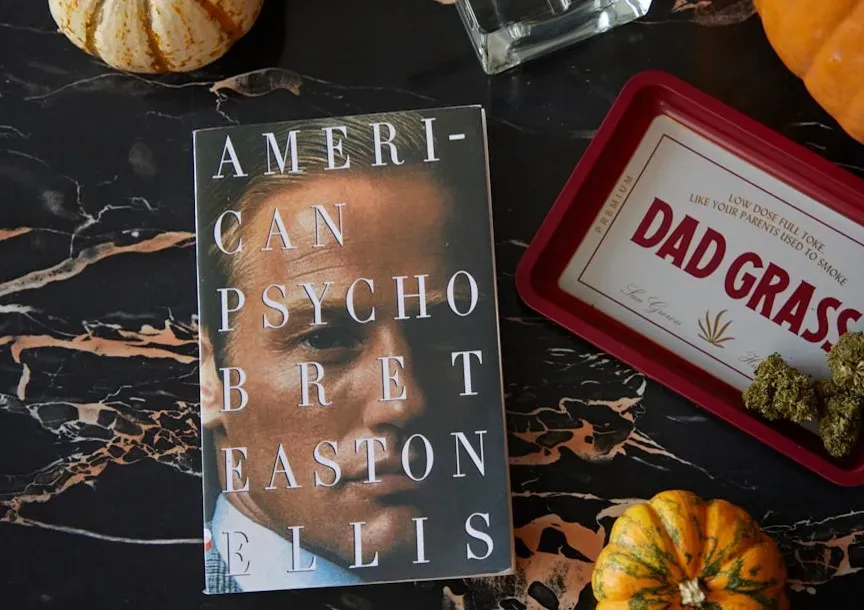
Bret Easton Ellis’s novel skewers the vapidity at the heart of contemporary American culture with alarming accuracy, while Mary Harron’s film is slightly more comedic and a hugely enjoyable romp with a magnificent central performance from Christian Bale. The book is intentionally exhausting, filled with pages of brand name descriptions and graphic violence that numbs readers.
Harron’s adaptation found the pitch-black humor lurking beneath Ellis’s relentless prose. Christian Bale’s performance walks the razor’s edge between terrifying and absurd. The film makes Patrick Bateman both more human and more monstrous, which shouldn’t be possible but somehow is. It’s easier to digest the satire when you’re not wading through endless descriptions of business cards.
Looking Beyond the Page
These thirteen films prove that adaptation isn’t about slavish fidelity to source material. It’s about understanding what made the original work compelling and translating that essence into a new medium. Sometimes that means cutting subplots, adding scenes, or completely reimagining characters. The best adaptations honor their sources while recognizing that books and films speak different languages.
Next time someone insists the book is always better, maybe think of Andy Dufresne playing opera in Shawshank, or Hannibal Lecter’s first meeting with Clarice Starling, or that perfect moment when the shark finally explodes in Jaws. These are moments that could only exist on screen, improvements that make us grateful someone decided to adapt these stories at all. What’s your take – did we miss any that belong on this list?