The fashion industry stands at a crossroads. With environmental concerns taking center stage, designers and brands are rethinking every decision they make. From sourcing to manufacturing, the materials we choose matter more than ever.
It’s no secret that what we wear can carry a hidden cost. The fashion industry is responsible for 20% of global water waste and contributes to 10% of global carbon emissions. Even more alarming, 85% of textiles end up in landfills. These numbers paint a stark picture of an industry desperate for change. Thankfully, designers are answering the call with innovative textiles that honor both style and sustainability.
Organic Cotton

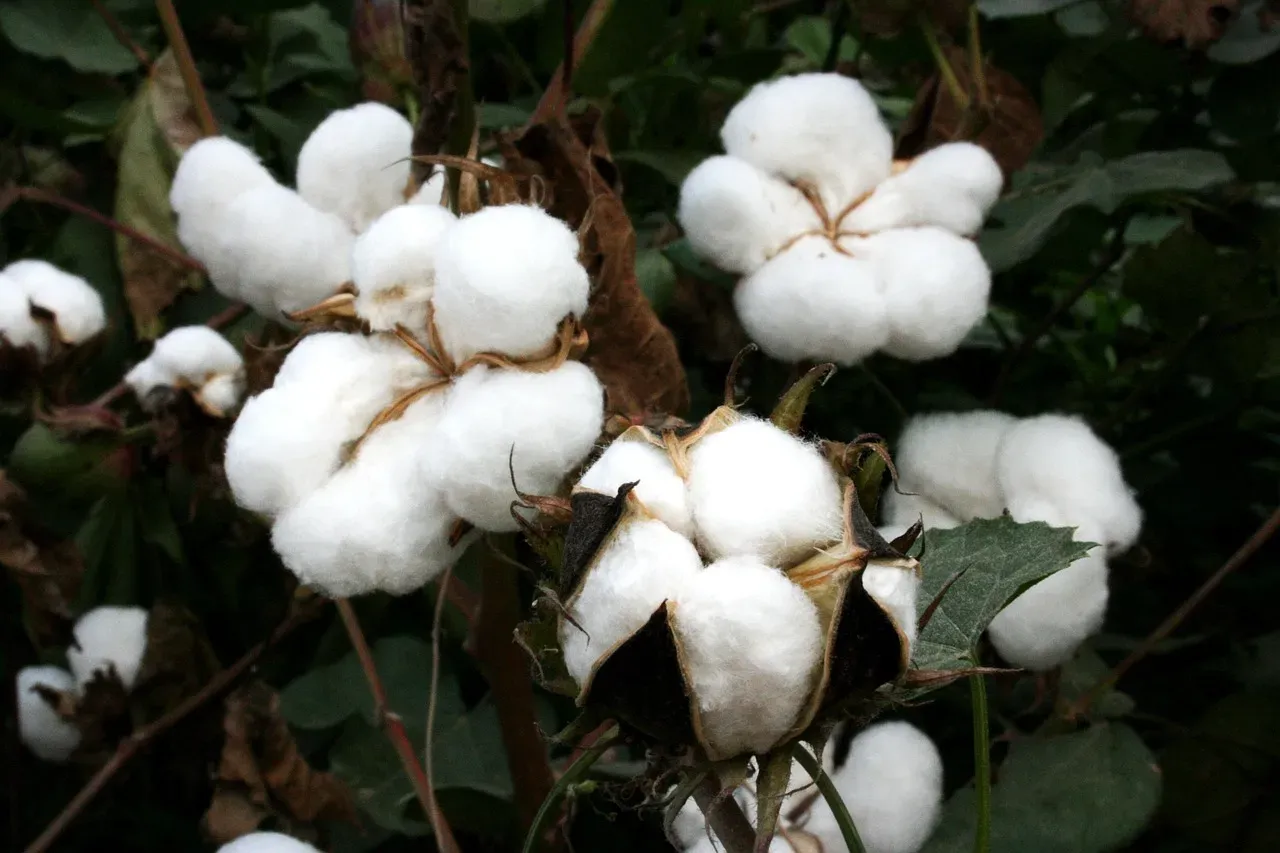
Organic cotton, the darling of sustainable fashion, is one of the most significant eco-friendly fabric trends. Grown without the use of harmful pesticides and chemicals, it’s a more sustainable option than conventional cotton, and it’s also softer and more durable. Think of it as cotton with a conscience. Sales of products made with organic cotton have increased by more than 20 percent since 2009. This growth reflects a shift in consumer values, as more people seek clothing that doesn’t harm the planet or the farmers who grow it. While conventional cotton guzzles water and drowns fields in toxic pesticides, organic cotton takes a gentler approach. Honestly, once you understand the impact, it’s hard to go back.
Hemp Fabric

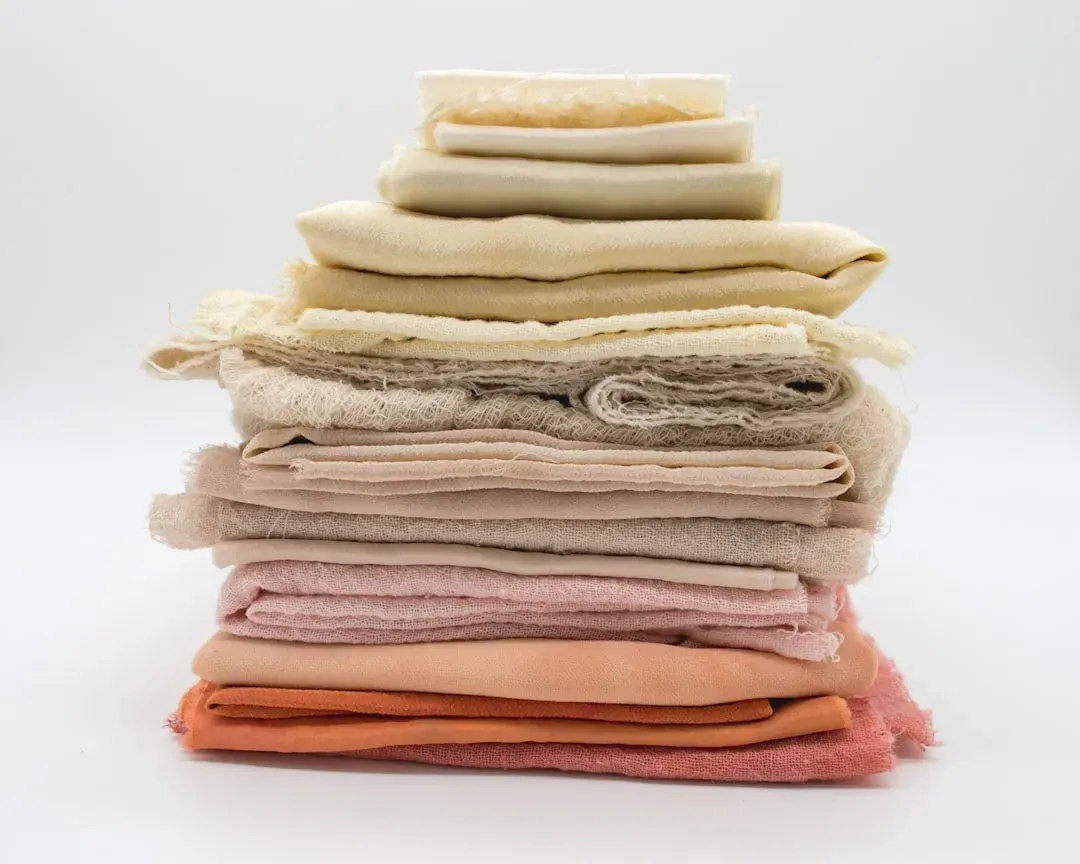
The hemp fabric market was worth about USD 16.94 billion in 2024 and is expected to reach USD 159.70 billion by 2032, showing that more people around the world want eco-friendly fabrics like hemp. Let’s be real, hemp deserves more attention than it gets. Hemp is a fibre that grows in large parts of the world, has low requirements and is capable of regenerating contaminated soils. It makes great textiles that are both strong and beautiful. The plant thrives without heavy irrigation or pesticides, making it a low-maintenance crop that actually improves soil health. Due to its strength and structure, hemp is widely used in jackets, denim, bags, casual wear and heavy-duty garments like workwear and uniforms. Its natural texture also fits into modern “earth-tone” aesthetics. Designers love it for its durability and rugged appeal.
Linen from Flax

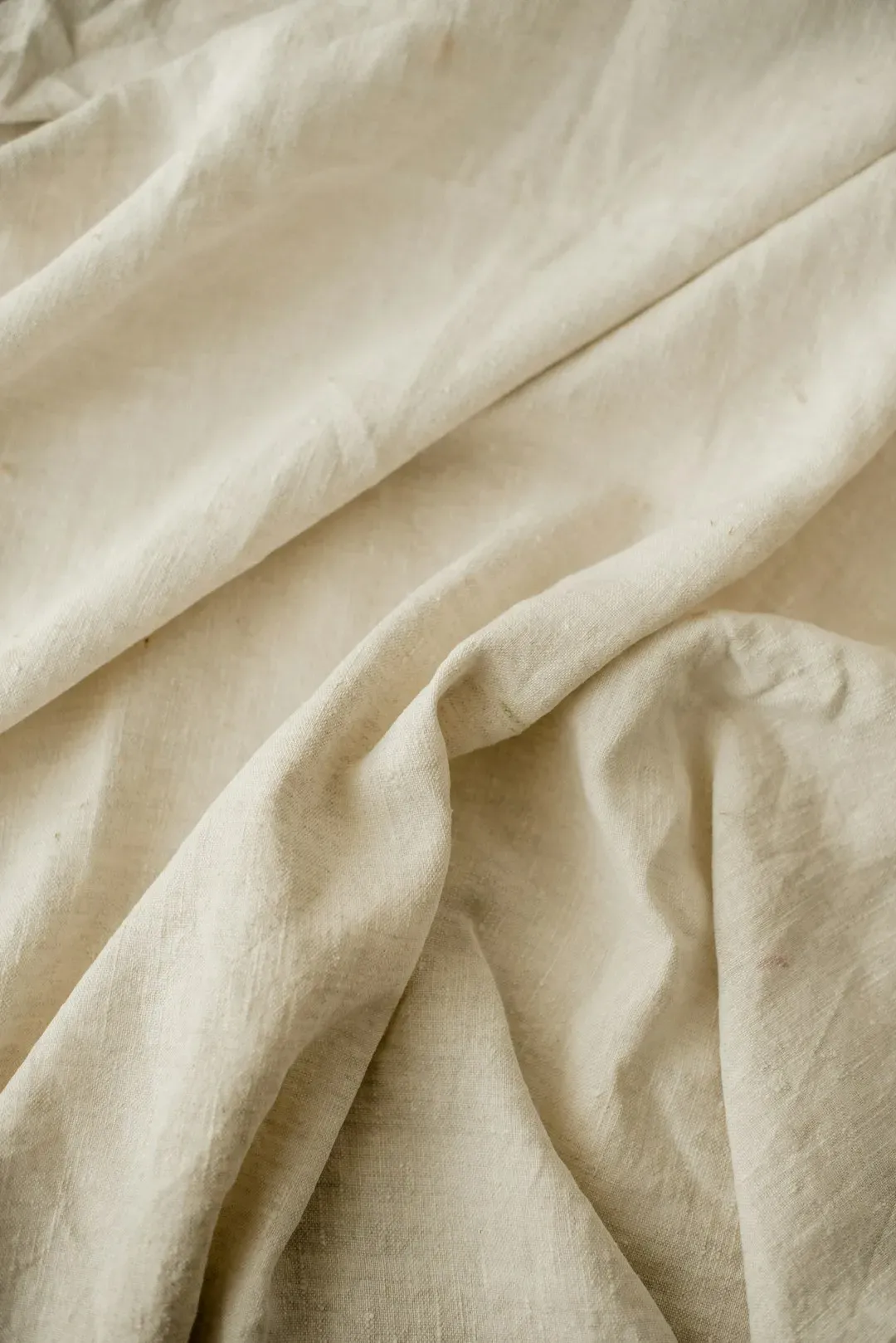
Linen has been around for centuries, but it’s experiencing a renaissance in sustainable fashion. Linen is made from flax, a plant that thrives without heavy irrigation or chemicals. Flax requires minimal water and pesticides and every part of the plant is used. There’s something refreshingly efficient about a crop that wastes nothing. The linen market, valued at USD 984 million in 2024, is projected to hit USD 2.57 billion by 2033, growing at 11.26% CAGR. Beyond its environmental credentials, linen offers that breezy, effortlessly elegant aesthetic designers crave. It’s breathable, naturally cooling, and perfect for warmer climates. If you’ve ever worn linen on a hot day, you know exactly why it’s making a comeback.
TENCEL Lyocell

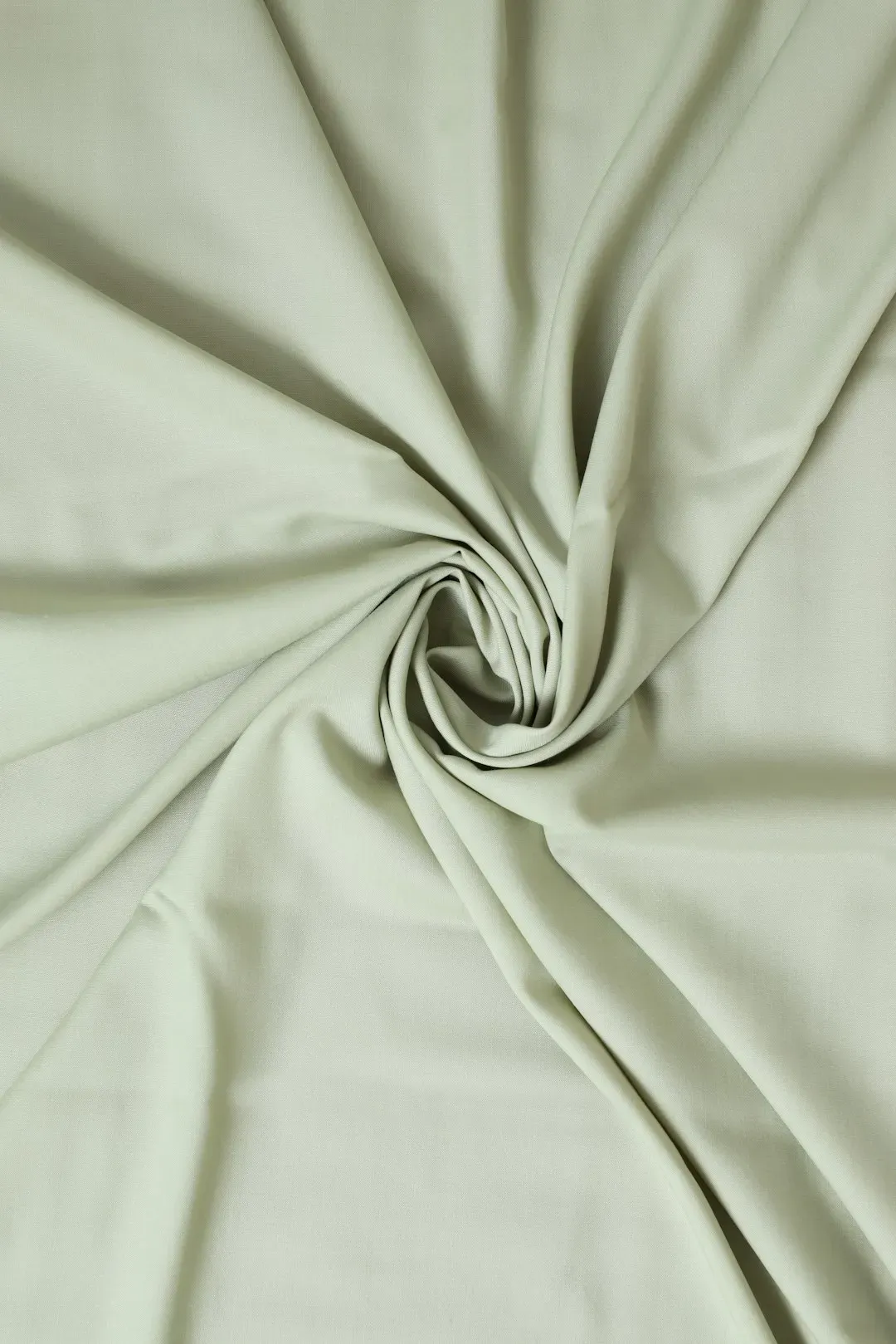
TENCEL Lyocell is a man-made cellulosic fibre created by dissolving wood pulp, produced by Austrian company Lenzing AG, and it was the third-most used kind of MMCF in 2024. Here’s the thing: TENCEL manages to be both high-tech and eco-friendly. TENCEL Lyocell is said to be more absorbent than cotton, and requires less energy and water to produce. Plus, the chemicals used to produce the fibre are managed in a closed-loop system, which means the solvent is recycled which reduces dangerous waste. It uses 50% less water and emits less carbon than conventional rayon or cotton. Produced by Lenzing, TENCEL is biodegradable and certified safe for skin. The silky texture and moisture-wicking properties make it ideal for everything from activewear to elegant draping garments. TENCEL fibers fully biodegraded in just 30 days in oceanic conditions, while polyester fibers remained largely unchanged even after 200 days. 100% TENCEL Lyocell fibers are certified by TÜV AUSTRIA for home composting.
Recycled Polyester
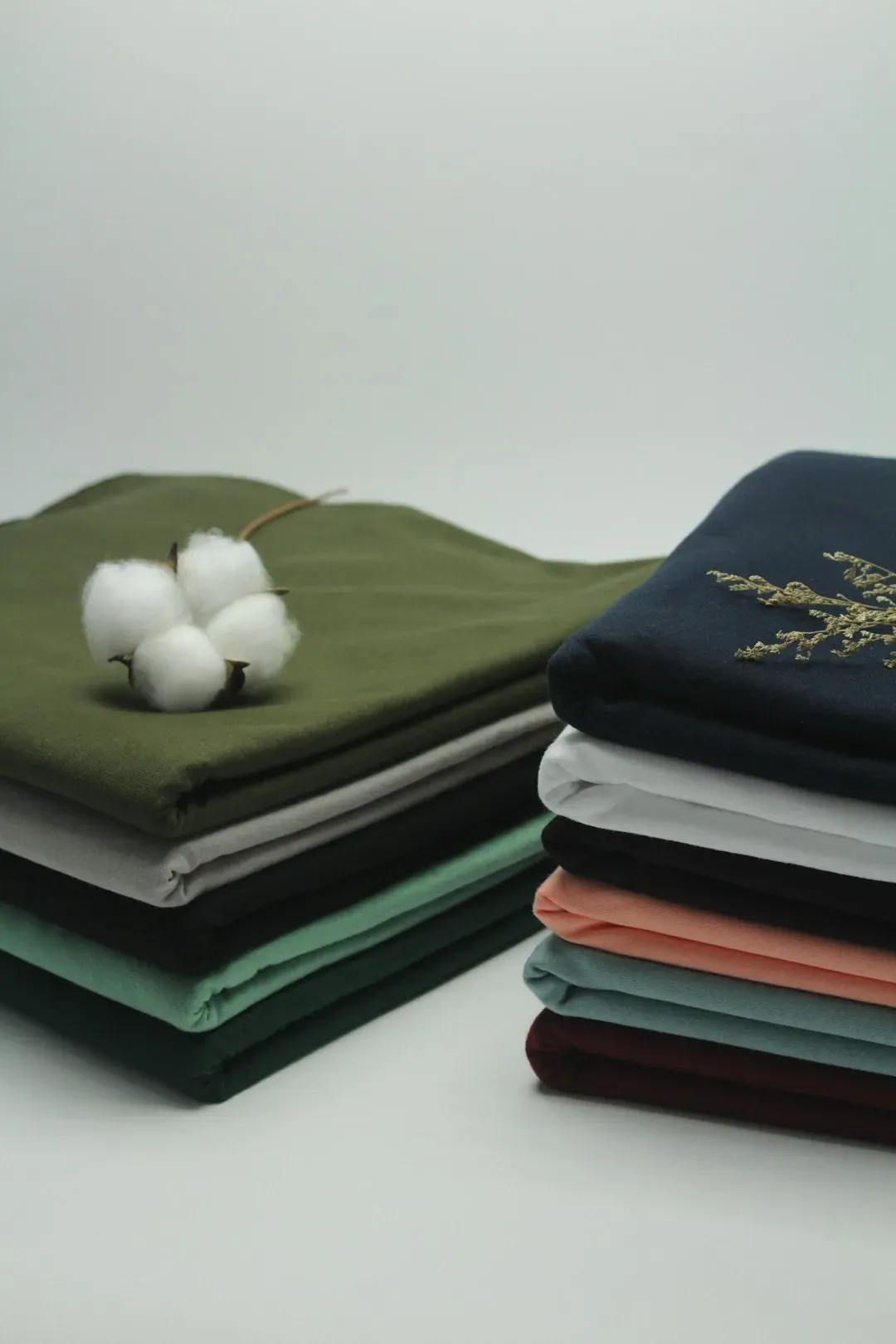
Fashion industry relies heavily on materials that are water and energy-intensive to grow or produce, and 57% of fibres produced in 2022 were derived from fossil fuels. Recycled polyester offers a way to address this dependency. On Earth Day in 2023, Adidas announced that 96% of the polyester in its clothing is recycled. It’s made from post-consumer plastic bottles and textile waste, giving new life to materials that would otherwise pollute the environment. I know it sounds crazy, but your workout leggings might have once been a water bottle. The downside? As much as 99% of recycled polyester is sourced from water bottles, and not from the fibers of recycled clothing. And while water bottles can be recycled back into new bottles several times over, they can no longer be recycled again once they are repurposed into polyester clothing. Still, it’s a step in the right direction.
ECONYL Regenerated Nylon

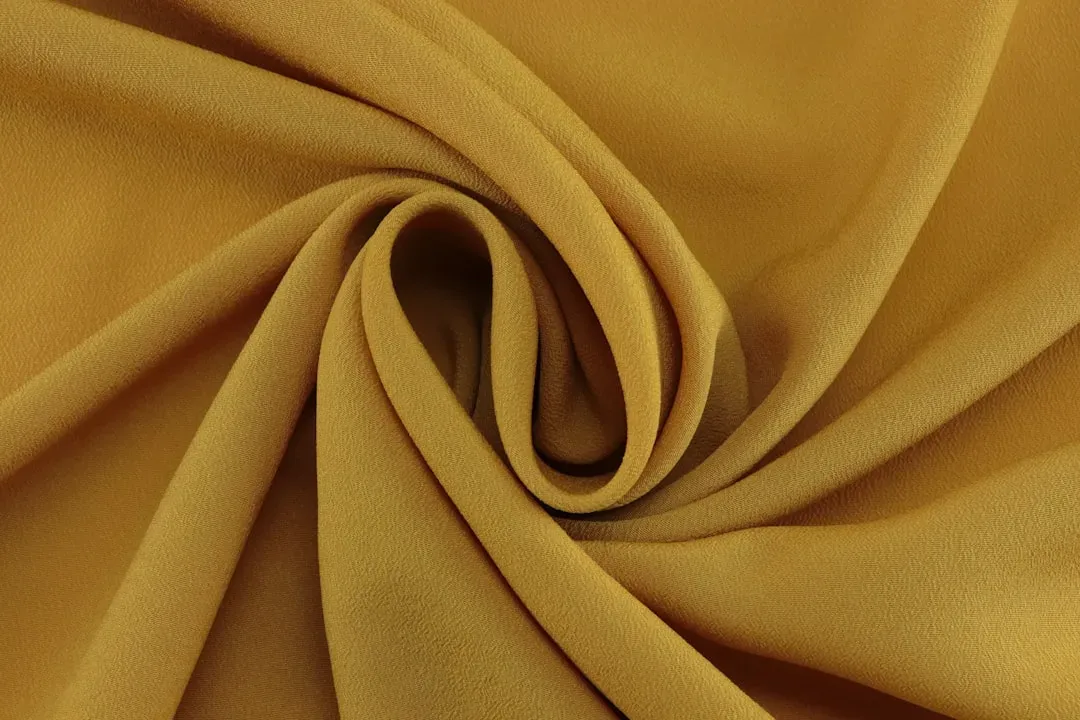
ECONYL is a revolutionary form of recycled nylon introduced in 2011 by an Italian company, Aquafil. This innovative material is crafted from discarded items like old fishing nets, worn-out carpets, and fabric scraps. Think about the ghost nets drifting through oceans, trapping marine life. ECONYL gives those nets a second chance. The ECONYL regeneration system is a pioneering example of circularity in action, using chemical recycling to depolymerize nylon 6 waste back to its original monomer – enabling creation of regenerated nylon with the same quality as fossil-based. For every 10,000 tons of raw material used to produce ECONYL nylon, 70,000 barrels of crude oil are saved. Brands are incorporating it into swimwear, activewear, and even luxury handbags. It performs just like virgin nylon but with a dramatically lower environmental footprint.
Piñatex


Pineapple leather sounds like something out of a fever dream, yet it’s very real and very promising. Piñatex is a leather alternative fabric made from pineapple leaf fibers combined with polylactic acid and a bio-based coating. The origin starts with Carmen Hijosa, a leather goods expert who in the 1990s became concerned about the environmental damage caused by leather production. Pineapple leather uses agricultural waste, making it a sustainable alternative to synthetic and animal leathers. It is strong, flexible, and can be used for a range of products, from clothing to accessories and footwear. Unlike synthetic leathers, Piñatex is biodegradable. 264 tons of Co2 emissions were saved in making Piñatex by using 825 tons of waste leaves from the pineapple harvest, which are otherwise discarded. The texture is unique, with a grainy quality that some designers adore for its natural, organic look.
Bamboo Fabric
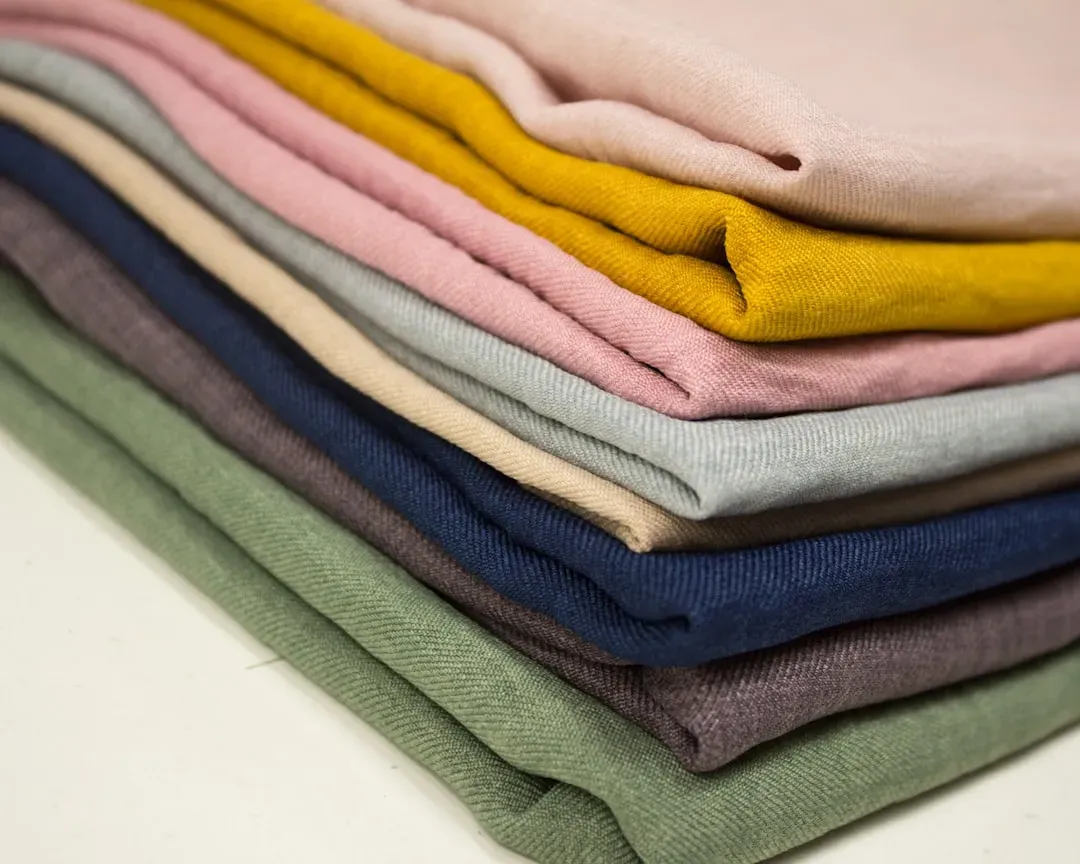
Bamboo grows really fast and doesn’t need replanting or pesticides. When it’s processed naturally (not with harsh chemicals), it turns into a soft, breathable and eco-friendly fabric. It’s one of nature’s fastest-growing plants, shooting up without requiring much intervention from farmers. The bamboo clothing market is valued at USD 2 billion in 2024 and is expected to reach USD 3.84 billion by 2032, growing at 8.5% CAGR. The catch? Processing matters immensely. When done with harsh chemical processes, bamboo loses its eco-friendly edge. Known for its rapid growth and minimal environmental impact, organic bamboo fibers are biodegradable and require fewer pesticides. Bamboo cultivation also contributes to reforestation and carbon sequestration. Look for mechanically processed bamboo to get the genuine article.
Banana Fiber

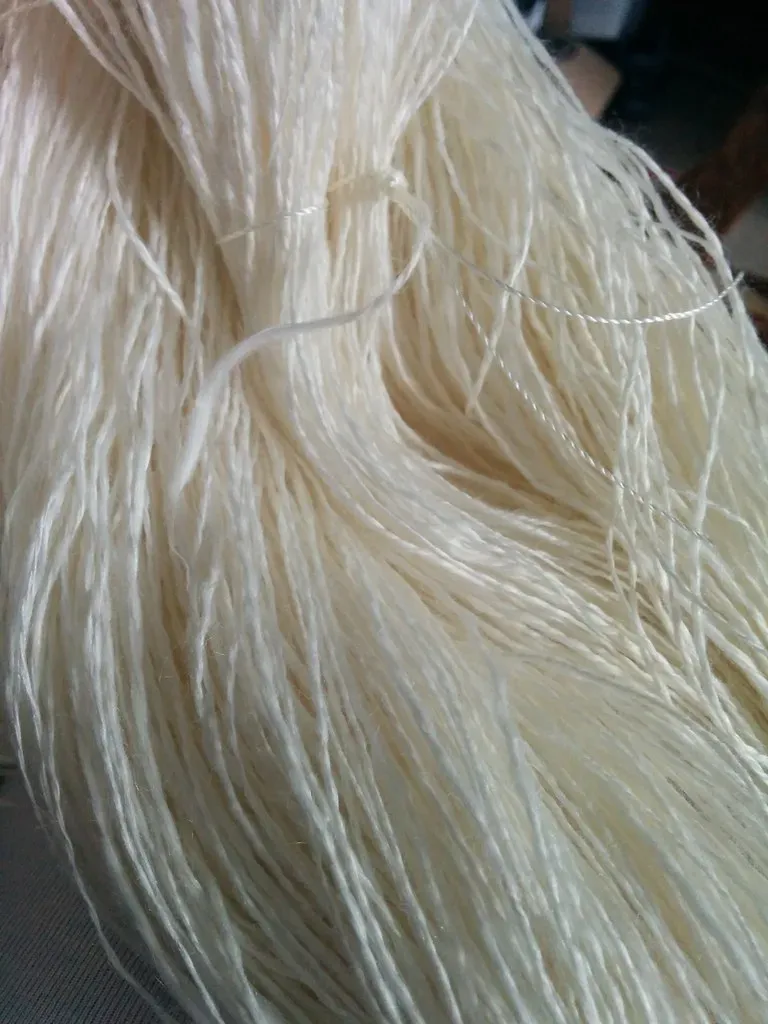
Yes, banana plants can become fabric. Banana fiber is derived from the pseudostems of banana trees, a byproduct of banana farming. After the fruit is harvested, the banana trees are cut down, and the fibers are extracted from the stem, then spun into yarn and woven into fabric. It’s a brilliant use of agricultural waste that would otherwise rot or be burned. It is fully biodegradable and requires no chemical treatments. The banana fiber market is expected to grow from USD 33.4 billion in 2023 to USD 50.2 billion by 2031, growing at 5.8% CAGR. The fibers are surprisingly strong and versatile, finding their way into ethnic fashion, scarves, and eco-accessories. It’s one of those materials that makes you rethink what’s possible when we get creative with waste.
Mushroom Leather

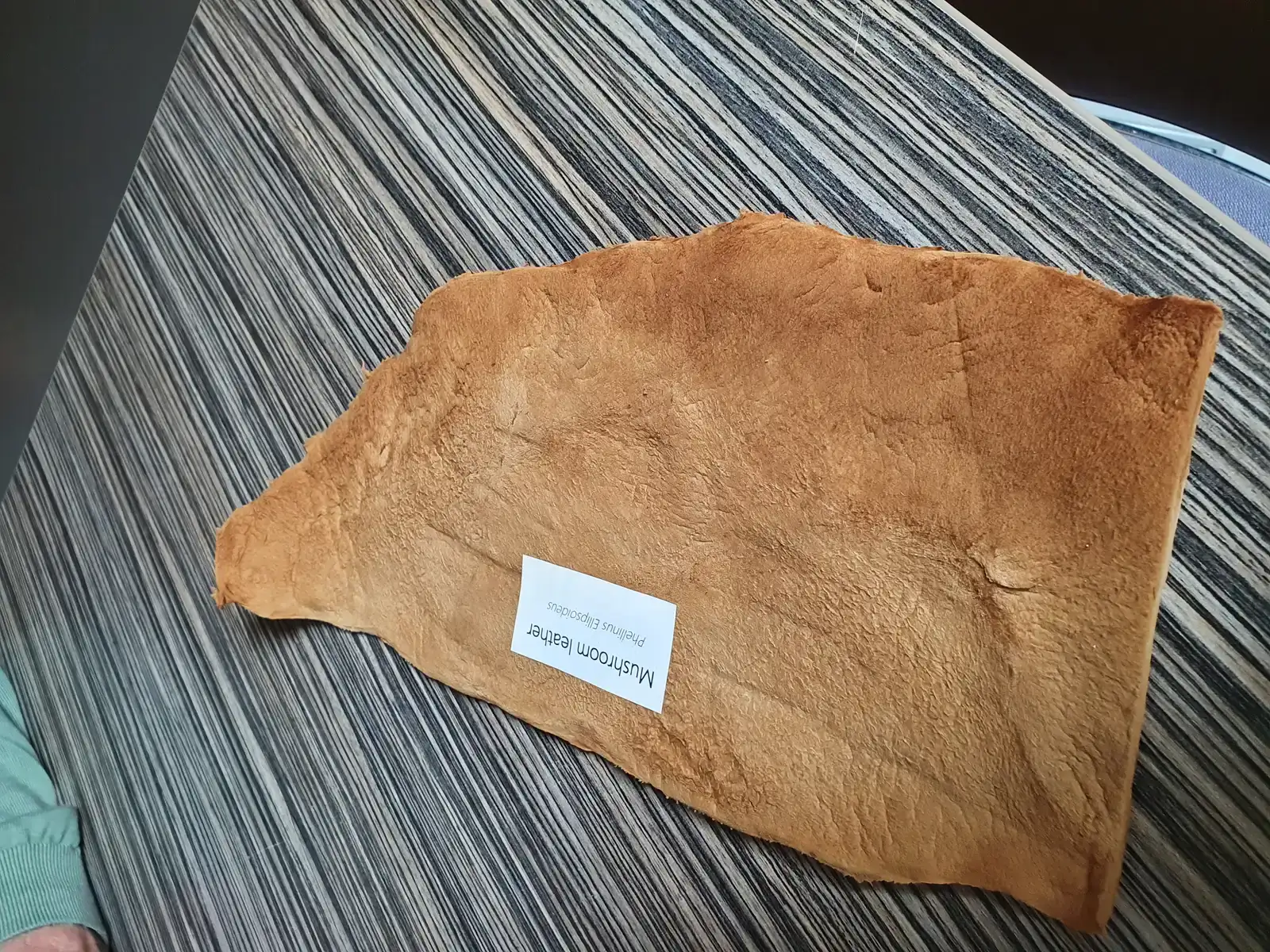
MycoWorks, a California-based biotech company, has created a new eco-friendly, vegan leather derived from fungi. The leather turns mycelium – threads from the root structure of mushrooms – into a material that imitates the look and feel of animal-based leather. Mushroom leather represents a fascinating intersection of science and design. MycoWorks creates its rigid, patented material using engineered mycelium cells. As the cells grow into 3-D structures, they become densely intertwined, eventually forming a tough material dubbed Fine Mycelium, which has the strength, durability, and performance of traditional leather. In March 2021, luxury fashion brand Hermés debuted their Victoria bag, which featured MycoWork’s Fine Mycelium material. It’s early days, but the potential is enormous for brands seeking cruelty-free alternatives without sacrificing luxury or performance.
Seaweed and Algae Textiles

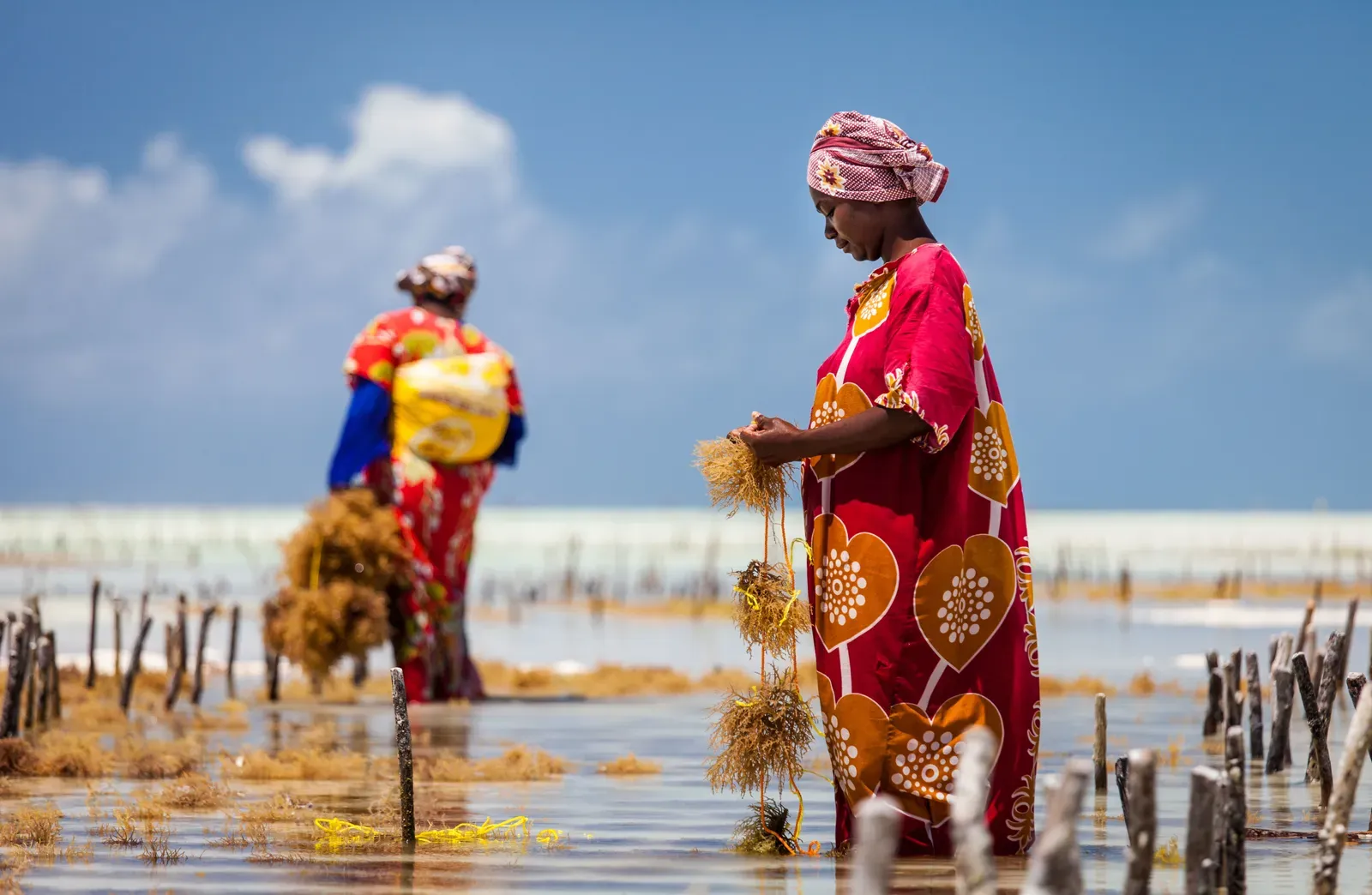
Seaweed and algae textiles are created from natural extracts and have shown significant promise in creating environmentally friendly textiles that meet the expectations of consumers who want to invest in high-performing products. Imagine fabric sourced from the ocean itself. These materials are still emerging but offer tantalizing possibilities for designers seeking novel, low-impact options. Algae grows abundantly, requires no fresh water or arable land, and absorbs carbon dioxide as it grows. The fashion industry is just beginning to scratch the surface of what marine-based textiles can offer. It’s one of those innovations that sounds futuristic yet feels inevitable.
Recycled Wool

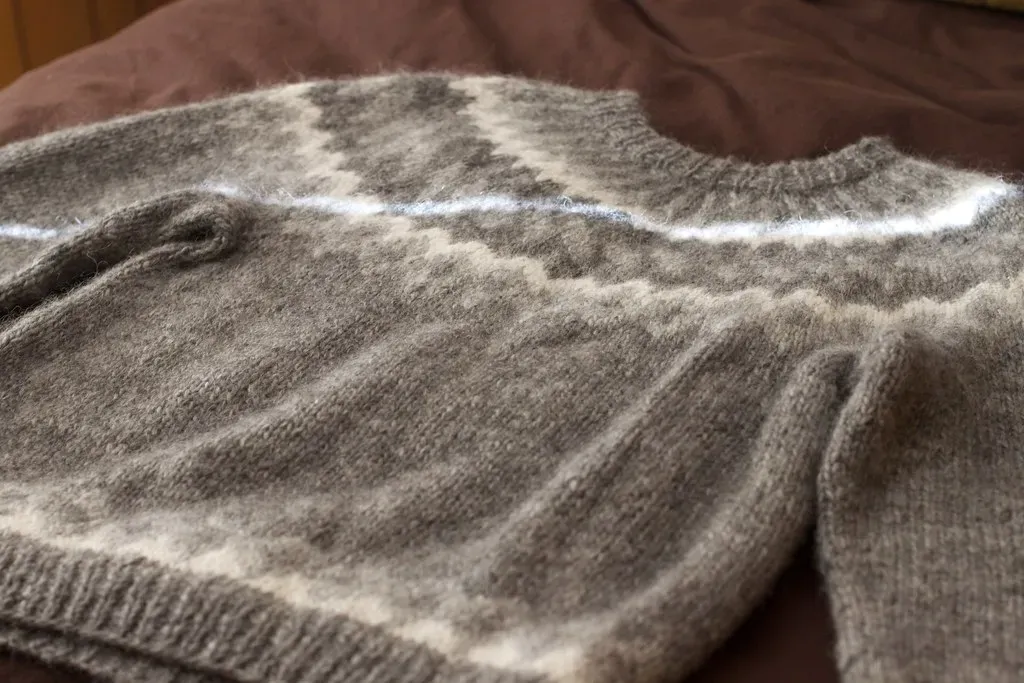
Wool is a durable animal-derived fibre known for its longevity, warmth, and comfort. In its original form, wool is a resource-intensive material to produce and has associated ethical concerns. Recycled wool reduces the environmental and ethical impacts significantly. Wool has been a fashion staple for centuries, but virgin wool production carries a heavy environmental and ethical burden. Recycled wool salvages post-consumer textiles and textile scraps, transforming them into new yarns. The result? Warmth and durability without the same level of resource extraction. It’s a practical solution for brands wanting to maintain wool’s beloved qualities while minimizing harm. Plus, it keeps textile waste out of landfills, which is always a win.
Regenerative Cotton and Wool

Regenerative cotton and wool are natural materials produced in a more environmentally friendly and sustainable way. Regenerative fashion materials rely on the intentional management of an agroecosystem, allowing producers to create these materials in a way that actually improves the local environment. This isn’t just about doing less harm. Regenerative practices actively restore ecosystems, improve soil health, and increase biodiversity. Outerknown is a Regenerative Organic Certified company that relies solely on regenerative farming techniques to create high-quality, long-lasting cotton products. Its farming practices improve conditions for farmers, improve the health of the soil and promote animal welfare. It’s farming that gives back more than it takes, which honestly feels revolutionary in an industry that has extracted so much for so long.
Choosing sustainable fabrics is more than a trend. It’s a necessary evolution. These materials prove that fashion doesn’t have to compromise the planet to be beautiful, functional, or desirable. Designers are leading the charge, but the rest is up to us as consumers. Every purchase is a vote for the kind of world we want to live in. So, next time you’re shopping, ask yourself: what story does this fabric tell? Does it align with the future you want to see?