Most readers pick up a novel for the characters inside it. The brooding detective, the lovesick hero, the monster stitched together in a Swiss laboratory. What they rarely consider is that the person who invented those characters often lived something far stranger, darker, or more genuinely thrilling than anything they put on the page.
This is a list of writers whose real lives didn’t just rival their fiction. In several cases, the biography is flat-out more compelling than the books. Frankenstein seems tame once you know what Mary Shelley actually went through. Sherlock Holmes starts to look positively rational next to his creator. The authors below earned that comparison in ways worth knowing about.
1. Ernest Hemingway
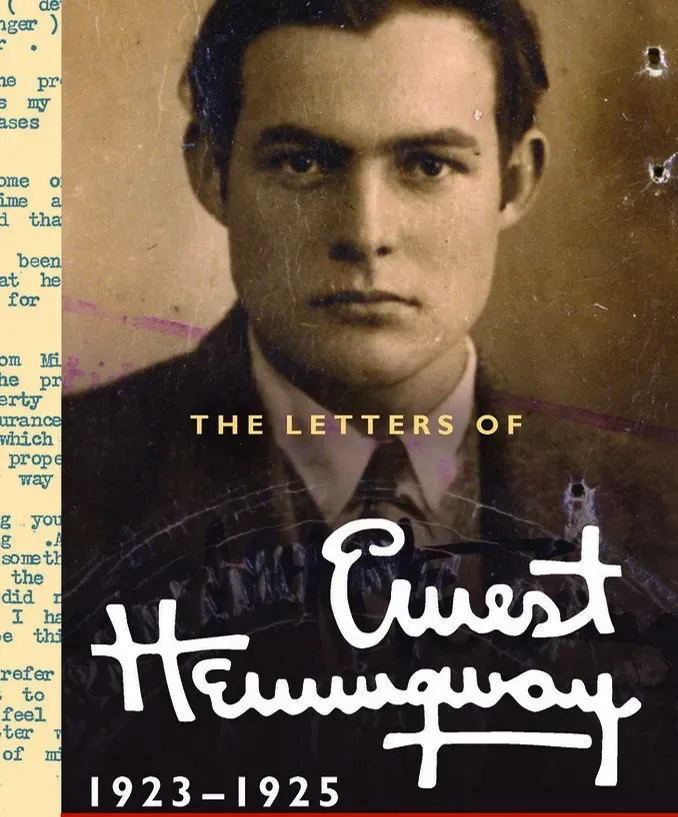
Known for an economical, understated style that influenced later 20th-century writers, Hemingway has been romanticized for his adventurous lifestyle and outspoken, blunt public image. The reputation wasn’t invented. From hunting German submarines on his wooden fishing boat, to offering up cash prizes to any man who could knock him out in a boxing match in under three rounds, to emptying entire machine gun clips into sharks’ heads while fishing for giant tuna, everything Hemingway did went the extra macho mile.
He served as an ambulance driver on the Italian Front in World War I and was seriously wounded by shrapnel in 1918. On a 1954 trip to Africa, Hemingway was seriously injured in two successive plane crashes, leaving him in pain and ill health for much of the rest of his life. His Jake Barnes and Santiago are compelling characters. They just never hunted submarines off the coast of Cuba.
2. Arthur Conan Doyle
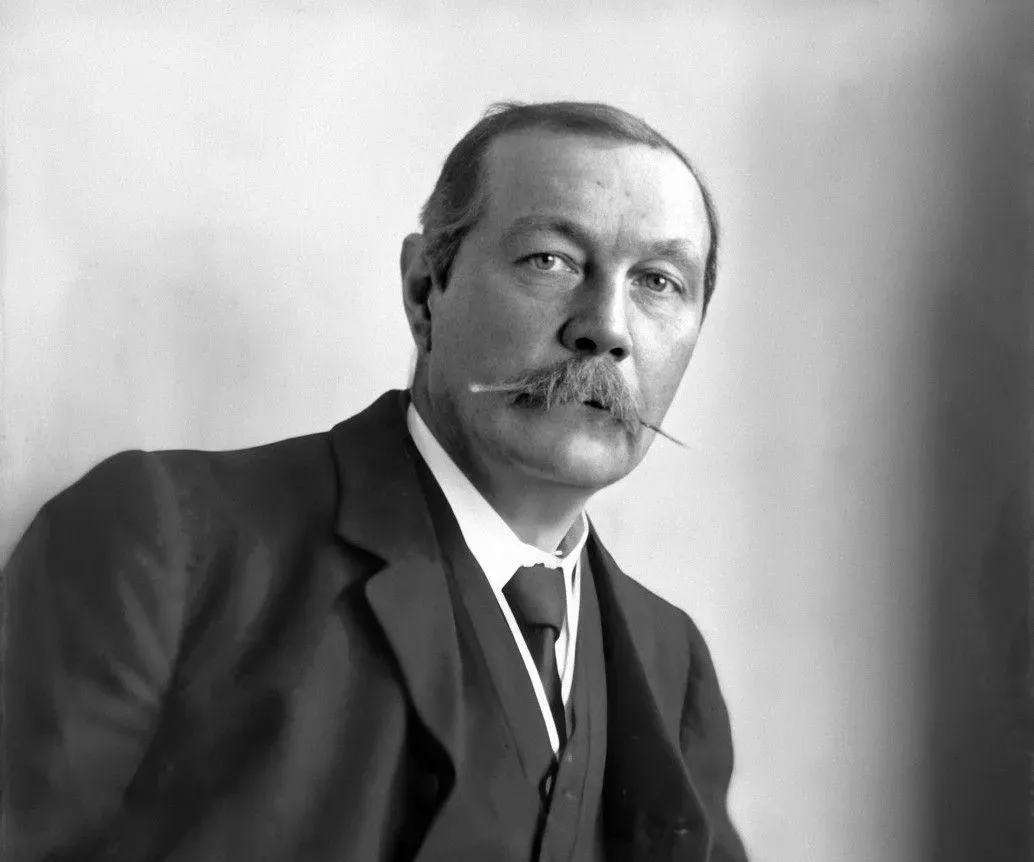
Sir Arthur Ignatius Conan Doyle was a British writer and physician, best known for his four novels and fifty-six short stories about the fictional consulting detective Sherlock Holmes and his assistant Dr. Watson, which are milestones in crime fiction. The delicious irony is that while Holmes stands as literature’s great rational mind, for decades, Doyle was a staunch believer in occult forces, repeatedly stating he was willing to give up his literary reputation for the goal of promoting spiritualism to the masses.
Among the most puzzling events in Doyle’s spiritualist life was his role in the infamous Cottingley Fairies Hoax. In 1917, two girls from Yorkshire, England, presented a collection of photographs that supposedly illustrated their communication with fairies. Arthur Doyle was immediately drawn to the case, publishing a series of reports and even an entire volume on Yorkshire fairies. Even though Houdini explained that his feats were based on illusion and trickery, Doyle was convinced that Houdini had supernatural powers. The man who created the world’s greatest skeptic could not apply that skepticism to his own beliefs.
3. Roald Dahl
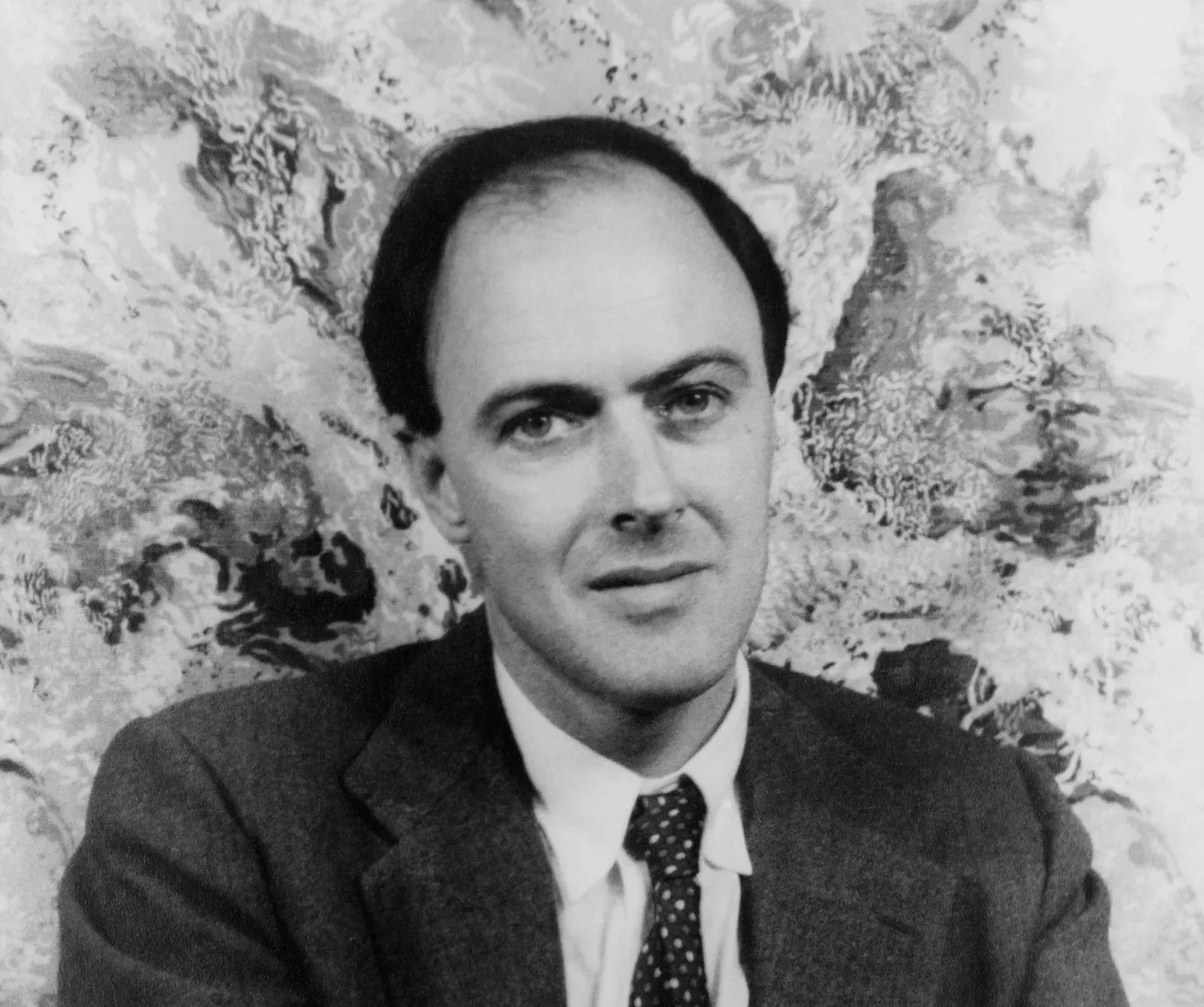
Roald Dahl, the beloved author of children’s classics, was once a World War II spy for Great Britain, seducing heiresses and socialites and palling around with the Roosevelts to win the Americans to the Allied cause. Before any of that, during one non-combat mission in September 1940, the novice flier was forced to crash-land his Gloster Gladiator biplane in an Egyptian desert when he found himself lost and short on fuel. The violent landing fractured his skull and knocked him briefly unconscious.
In 1943, Dahl spent a weekend with President Franklin D. Roosevelt at his home in Hyde Park, New York, and submitted a ten-page report with his insights on the American leader. Of particular concern to the British were the anti-imperialist views of Vice President Henry Wallace, with whom Dahl socialized and played tennis. He also invented a life-saving brain valve that saved his son’s life after a road accident, and brought laughter to millions with his darkly creative short stories. Charlie Bucket never had a chance at being this interesting.
4. Agatha Christie
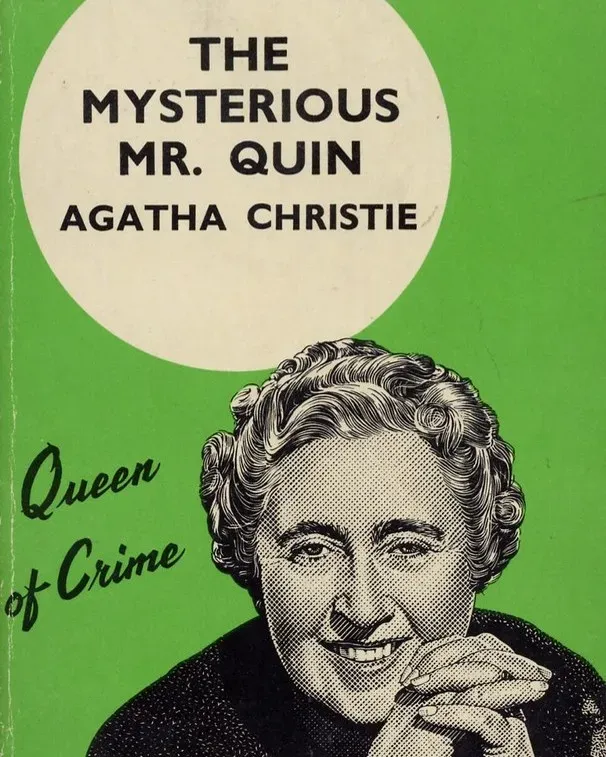
Agatha Christie was an English detective novelist and playwright whose books have sold more than 100 million copies and have been translated into some 100 languages. She created Hercule Poirot, a fastidiously logical detective who always explained exactly what he did and why. Christie herself never did. On December 3, 1926, the famous mystery writer disappeared into the night and wouldn’t be seen again for 11 days. Early in her career, the novelist was at the center of her own mystery when she vanished without a trace, setting off a media frenzy as police and the public alike tried to investigate what had happened to her.
More than 1,000 police officers, 15,000 volunteers, and several aeroplanes searched the rural landscape. In a move she never fully explained, Christie was discovered registered in a hotel under the name of the woman her husband wished to marry. Always a deeply private person, Agatha never spoke publicly about her disappearance. Her autobiography even omits the incident entirely. No fictional disappearance she ever wrote left less explanation behind.
5. Mary Shelley
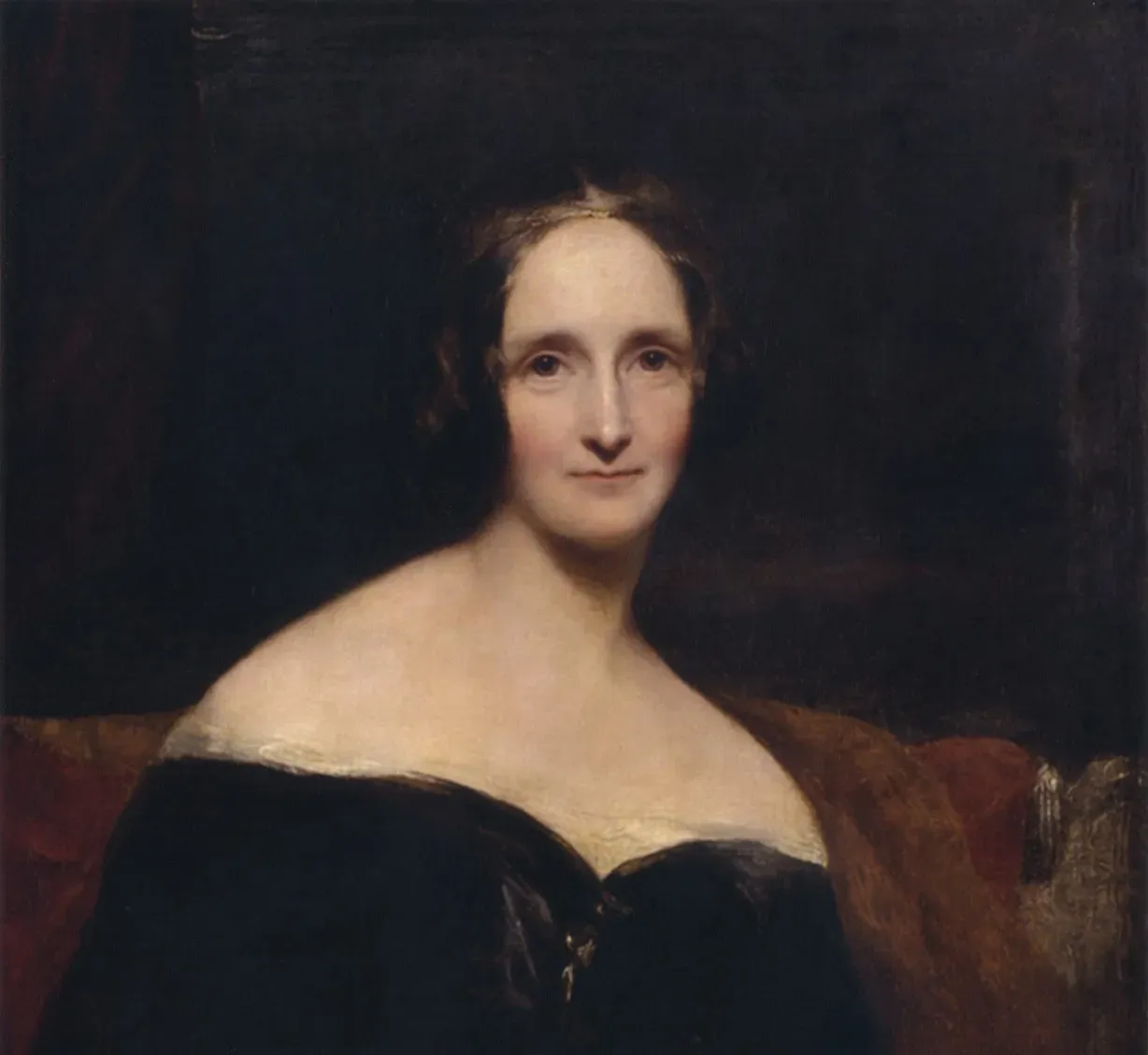
Mary Shelley was born in London on August 30, 1797. Her father William Godwin wrote the famous An Enquiry Concerning Political Justice and her mother, Mary Wollstonecraft, was famous for writing A Vindication of the Rights of Women. Born to two of the most radical thinkers of the era, Mary lived up to the inheritance almost immediately. The two became involved in a controversial romance since Percy was already married and his wife was expecting their first child. Mary ran away with Percy at the age of 16 and the two travelled to France and Switzerland. However, they did not marry until 1816 when Percy’s wife committed suicide by drowning herself.
Both her children died and Mary suffered a nervous breakdown. Again in 1822, Mary had a miscarriage. In the same year, Percy Shelley drowned. She wrote Frankenstein at nineteen, imagining a creature built from the dead who couldn’t find his place in the world. Given everything her own life threw at her, that theme reads less like fantasy and more like autobiography.
6. Jack London
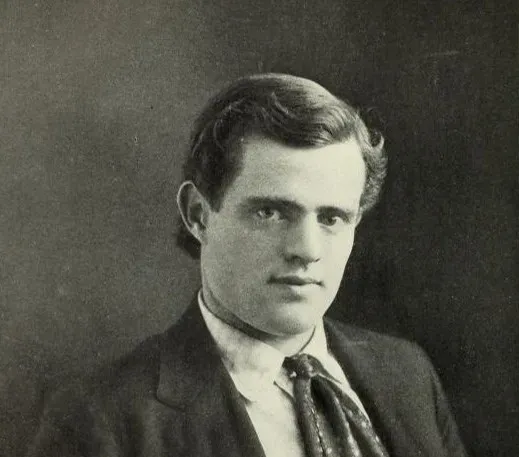
Jack London wrote adventure novels about the Yukon wilderness and the rugged sea, but his own backstory was just as raw. He grew up in poverty in Oakland, California, worked as an oyster pirate on San Francisco Bay as a teenager, and later joined a cross-country march of unemployed workers. By his mid-twenties he had sailed to Japan, panned for gold in the Klondike, and reported on the Russo-Japanese War from the front.
London was largely self-educated, borrowing books from libraries compulsively and teaching himself to write with fierce discipline. He became one of the first American writers to earn a million dollars from his craft, then lost most of it building his ill-fated dream ranch in Sonoma County. His characters faced hardship with stoic grit. London lived it without the narrative neatness fiction allows.
7. Hunter S. Thompson
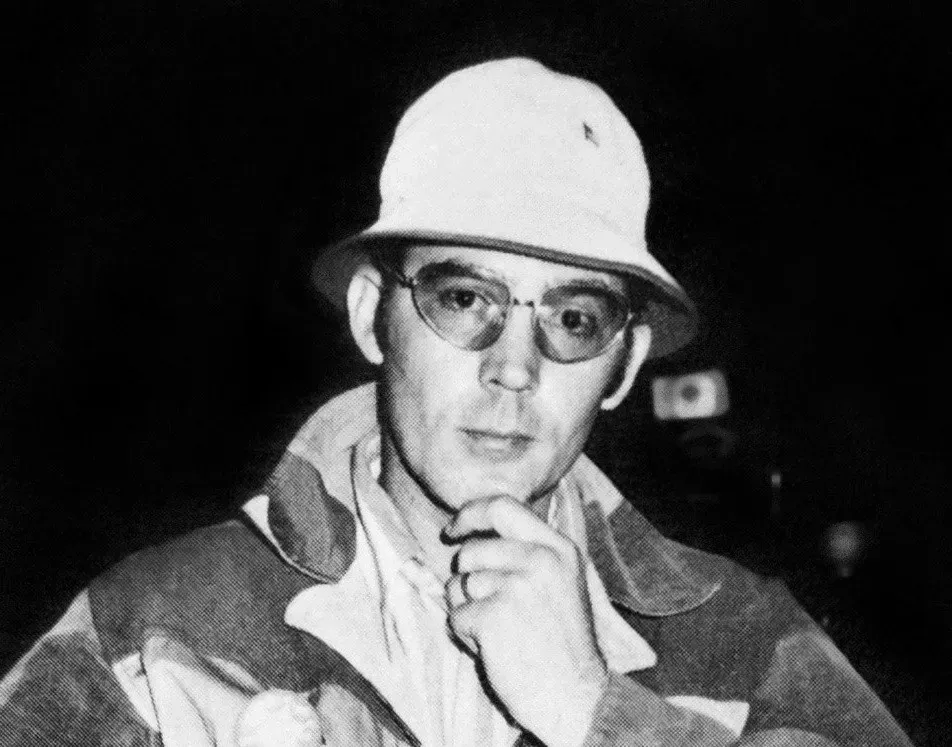
Hunter S. Thompson invented Gonzo journalism, a form of reporting in which the writer becomes an active, chemically altered participant in the story rather than a neutral observer. His most famous books, including Fear and Loathing in Las Vegas, feature a protagonist who is essentially himself. The real Thompson, though, managed to outrun even that version. He ran for sheriff of Pitkin County, Colorado in 1970 on a platform of decriminalizing drugs, nearly won, and spent decades conducting what amounted to a public experiment in how far a human body could be pushed.
Partner offer
Thompson kept a schedule that began around midnight and ended at dawn, wrote on deadline in a haze of substances that would have hospitalized most people, and maintained an enormous weapons collection at his compound in Woody Creek, Colorado. He corresponded with presidents, rock stars, and attorneys general with equal irreverence. His fictional stand-in Raoul Duke was a cartoon by comparison.
8. Ian Fleming
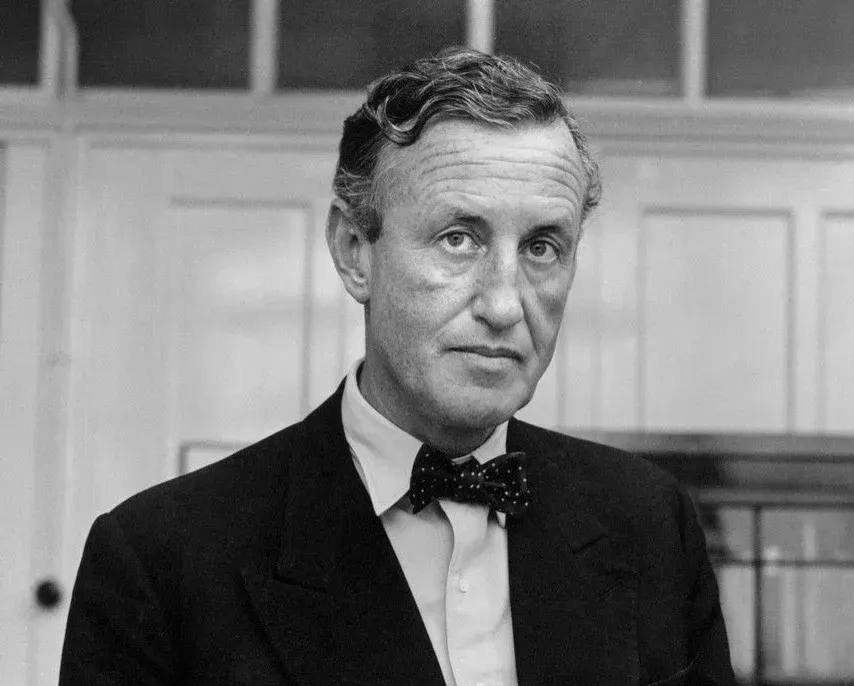
Ian Fleming created James Bond, the suave British spy whose adventures in exotic locales made for some of the most popular fiction of the twentieth century. Fleming himself was not a desk novelist. During World War II he served as personal assistant to the Director of Naval Intelligence in Britain and was centrally involved in planning operations including Operation Goldeneye, a plan to coordinate British intelligence activities if the Nazis invaded Spain. He also helped establish the American Office of Strategic Services, which became the CIA.
Fleming spent the war in rooms where real espionage was orchestrated, and after it ended, he built a home in Jamaica called Goldeneye where he wrote the Bond novels every winter. Bond gets the car chases and the villains. Fleming helped build the actual institutions Bond works for. The fiction always carried the faint scent of something that had actually happened.
9. George Orwell
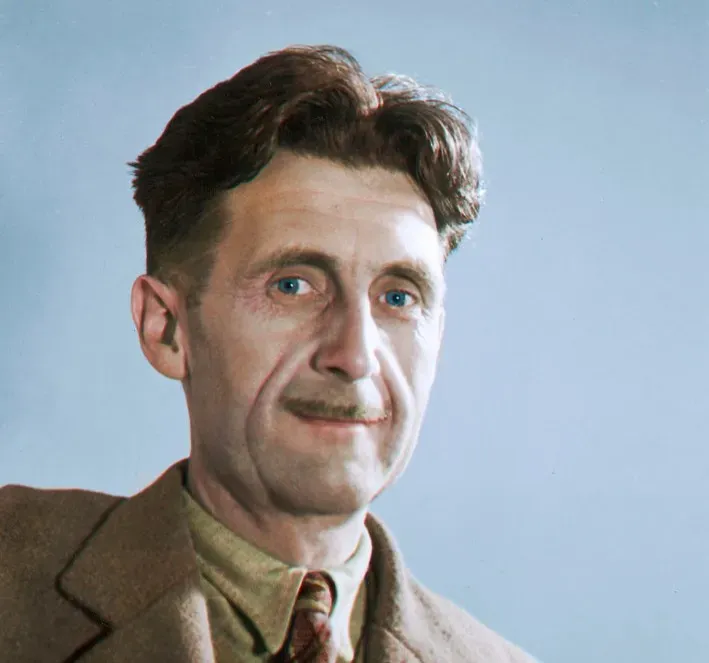
George Orwell is best known for Animal Farm and Nineteen Eighty-Four, two cold, clear allegories about totalitarianism. The ideas in those books were not theoretical. Orwell fought in the Spanish Civil War with the POUM militia, was shot through the throat by a fascist sniper’s bullet, and barely survived. He then watched as Soviet-backed communists systematically hunted and imprisoned the very anarchist and socialist groups he had fought alongside, an experience that shaped everything he wrote afterward.
Before Spain, Orwell spent time living deliberately among the destitute in Paris and London, documented in Down and Out in Paris and London, and later worked as a colonial police officer in Burma, a position that filled him with a guilt he never fully shed. Winston Smith’s bleak resignation in Nineteen Eighty-Four was written by a man who had already seen the machinery it described at work in real life. That changes how you read the book.
10. Sylvia Plath

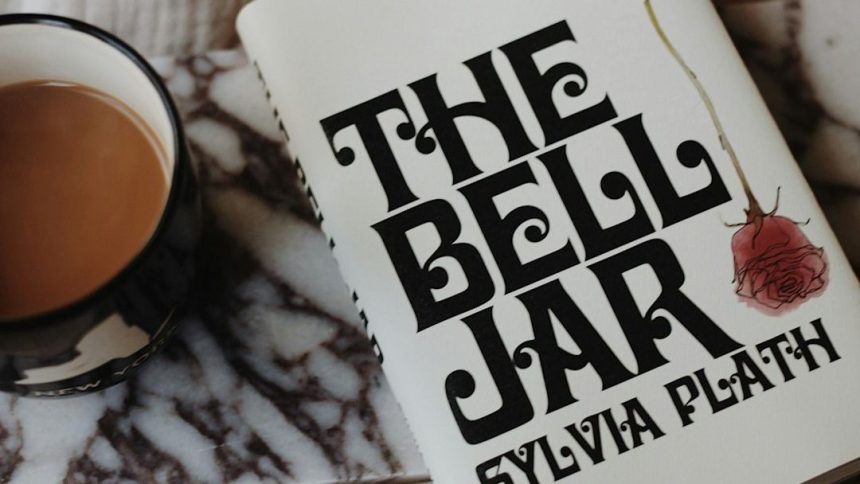
Sylvia Plath’s novel The Bell Jar follows a young woman’s descent into mental illness, written with chilling clinical precision. Plath drew directly from her own breakdown and electroconvulsive therapy treatments in the early 1950s, but the novel only captures one chapter of a life that was far more turbulent. She won a Fulbright scholarship to Cambridge, married the English poet Ted Hughes in 1956 after meeting him at a literary party, and spent the following years writing ferociously while raising two children.
The marriage to Hughes, who would later become Poet Laureate of England, collapsed publicly when he left her for another woman. Plath wrote some of her most electrifying poetry in the final weeks of her life, producing the Ariel poems at a pace that stunned later readers and critics. Esther Greenwood, her fictional double, struggles and survives. Plath herself did not. The distance between the character’s ending and the author’s is one of modern literature’s most painful ironies.
11. Daphne du Maurier
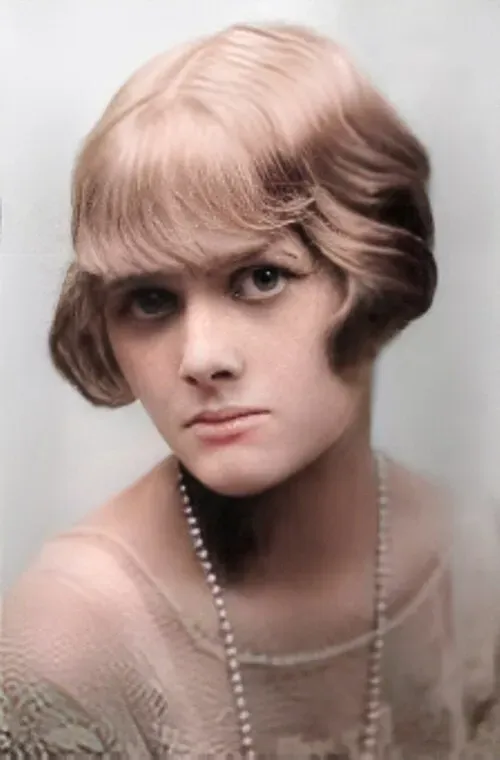
She created lasting characters in Rebecca and My Cousin Rachel and others. Rebecca’s unnamed narrator is timid, overshadowed, deeply unsure of herself. Du Maurier was essentially the opposite. She lived in a windswept manor house on the Cornish coast and conducted several passionate relationships, including one with the actress Gertrude Lawrence, at a time when such relationships carried serious social risk. Du Maurier’s life included a vaguely incestuous relationship with her father, her depression, her unhappy marriage, and her obsession with the Brontes.
Du Maurier was also deeply preoccupied with the idea of doubles and hidden identities, a theme that runs through her work but which had roots in genuine psychological complexity about her own nature and desires. She described her inner masculine self as her “boy in the box,” a creative force she felt she needed to suppress to function in society. Her most famous narrator trembles at Manderley. The author who invented her was considerably harder to frighten.
12. Edgar Allan Poe
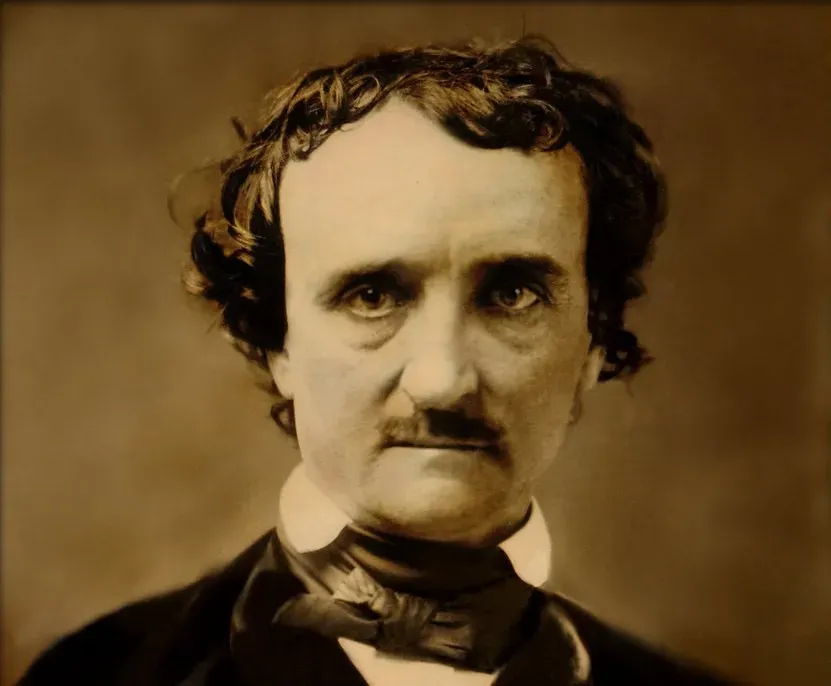
Edgar Allan Poe invented the detective story, pioneered Gothic horror, and wrote some of the most technically precise poetry in the English language, all while living a life of genuine chaos. Orphaned as a small child, he was raised by a foster family in Virginia that never formally adopted him, leaving him financially precarious for most of his adult life. He married his first cousin Virginia Clemm when she was thirteen years old and he was twenty-seven, and watched her die slowly of tuberculosis over several years.
Poe drank heavily, accumulated debts, feuded with nearly every editor and literary figure he encountered, and died in Baltimore in 1849 under circumstances that remain genuinely mysterious. He was found delirious and wearing clothes that didn’t belong to him, and died four days later without ever clearly explaining what had happened. His detectives solve everything with cold logic. Poe himself left no clean answers about almost anything.
13. John Steinbeck
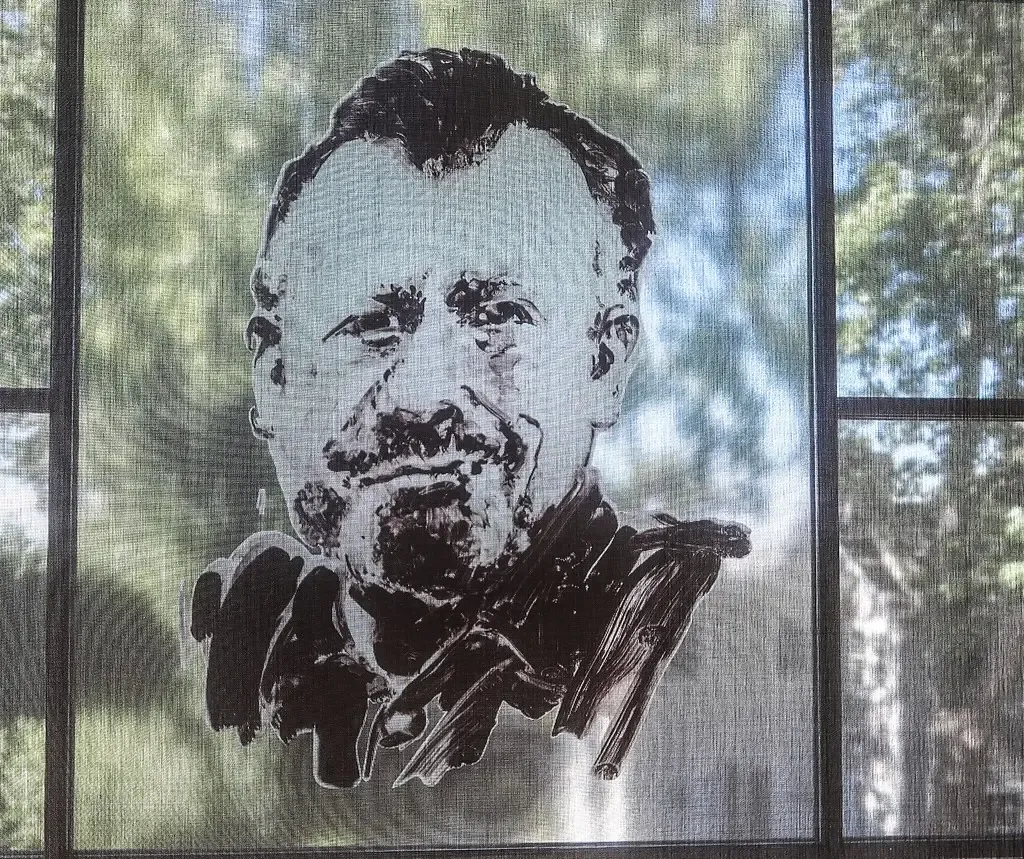
John Steinbeck wrote about dispossessed migrant workers, crumbling dreams, and the grinding dignity of poverty in books like The Grapes of Wrath and Of Mice and Men. He researched The Grapes of Wrath by traveling with actual migrant workers in California and staying in their camps, an unusual level of physical commitment for a novelist of his era. The book won the Pulitzer Prize and contributed directly to government action on behalf of farmworkers, a rare case of literary fiction generating measurable political consequences.
During World War II, Steinbeck worked as a war correspondent in Europe and North Africa, often under fire. Later in life he traveled extensively through the United States with his poodle Charley, recording his observations in Travels with Charley. He won the Nobel Prize in Literature in 1962. His characters, George and Lennie or Tom Joad, carry the weight of the era. Steinbeck himself was always moving, looking, and refusing to stay comfortable.
14. Zora Neale Hurston
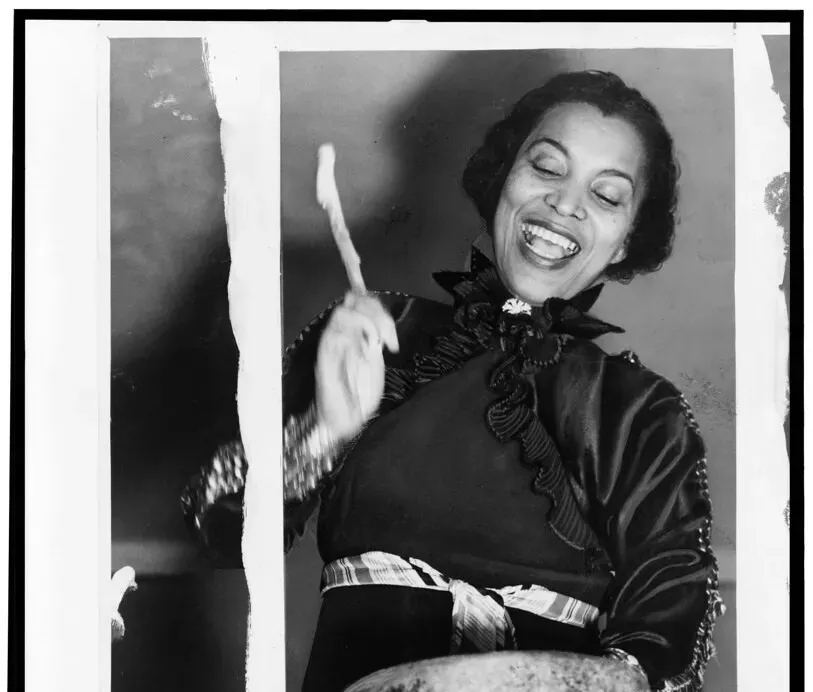
Zora Neale Hurston wrote Their Eyes Were Watching God, one of the most praised novels of the Harlem Renaissance, and is widely celebrated today as a foundational voice in Black American literature. During her own lifetime, though, she was largely overlooked by the literary establishment. What’s less commonly known is how extraordinarily she lived. Hurston was a trained anthropologist who studied under Franz Boas at Columbia University and conducted field research in the American South, Haiti, and Jamaica, documenting African diasporic folklore and Vodou ceremonies at considerable personal risk.
She traveled alone into remote communities in the 1930s with a pistol and a camera, collecting stories that would otherwise have been lost. She was flamboyant, unconventional, and refused to perform the kind of subdued respectability that the era sometimes demanded of Black women writers. Hurston died in poverty and was buried in an unmarked grave in 1960. Alice Walker later placed a headstone there. Janie Crawford, the protagonist of Their Eyes Were Watching God, searches bravely for her own voice. Hurston had hers from the start, and used it without apology.
Partner offer
Planning a trip to Vegas?
Compare hotel rates and show tickets on VEGAS.com.