The world of celebrity is filled with glamour, bright lights, and stories that captivate millions. Yet hidden among the red carpets and fame are mysteries so bewildering that they haunt us decades later. These aren’t cautionary tales of excess or scandal. These are stories where people simply disappeared, leaving behind lives filled with promise, loved ones with questions, and investigators with no answers.
Some vanished in broad daylight. Others stepped out for an ordinary errand and never came home. A few left cryptic clues that only deepened the mystery. What all these cases share is a chilling reality: being famous doesn’t protect you from becoming a question mark in history.
Amelia Earhart
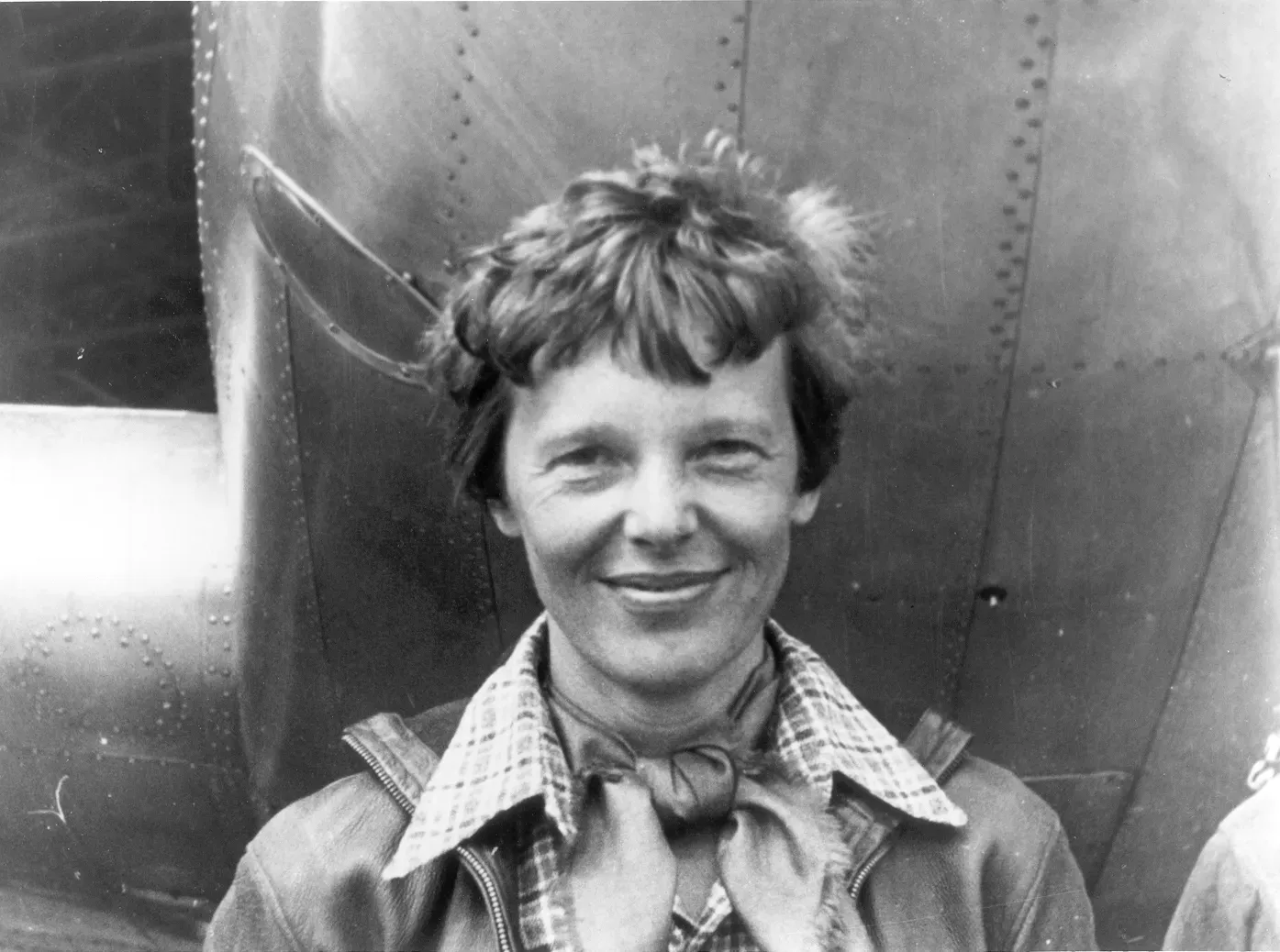
Amelia Earhart made history by becoming the first female aviator to fly solo nonstop across the Atlantic Ocean, and on July 2, 1937, she embarked on what would be her last flight, attempting to become the first female pilot to circumnavigate the world. She and navigator Fred Noonan attempted to fly around the world in a Lockheed Model 10 Electra, making it to New Guinea and departing on the morning of July 2, but while their destination was the uninhabited Howland Island, they never arrived.
The disappearance made headlines across the globe and has since spawned endless theories. The most popular explanation is that Earhart and Noonan crashed into the Pacific after running out of gas, though no irrefutable evidence has been found either way. Her pioneering spirit lives on, even as her final moments remain one of aviation’s greatest enigmas.
Glenn Miller
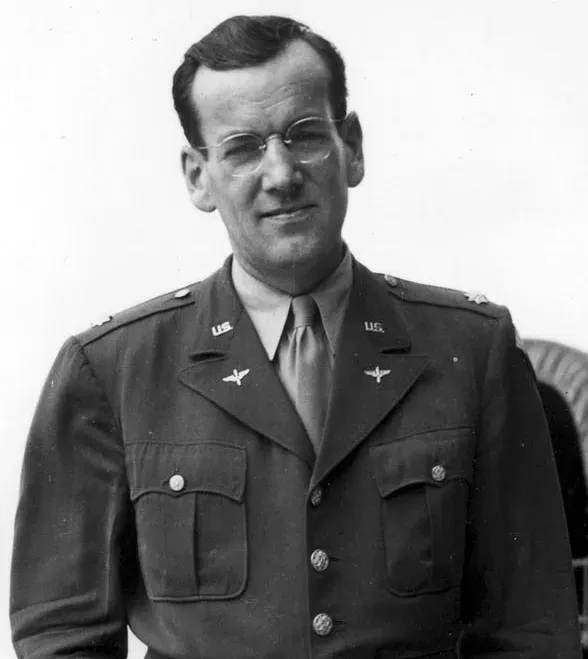
Glenn Miller, one of the most successful artists of his time, found enormous popularity with his eponymous swing band, which enjoyed sixteen chart-topping singles between 1938 and 1942, but Miller entered the Air Forces during World War II and subsequently went missing in action. Despite not having permission, he attempted to fly over the English Channel with some acquaintances on December 15, 1944, and all disappeared with the plane, with Miller being officially declared dead one year and one day later, in accordance with American military practice.
Bad weather most likely brought down the plane, but no wreckage was ever found, and wartime secrecy muddied the records. Rumors flew in the aftermath, with some saying the plane was hit by friendly fire, while others spread a very far-fetched conspiracy theory that he died in a Paris brothel and the plane story was a cover-up. One of the most famous people in the world did indeed vanish.
Jimmy Hoffa
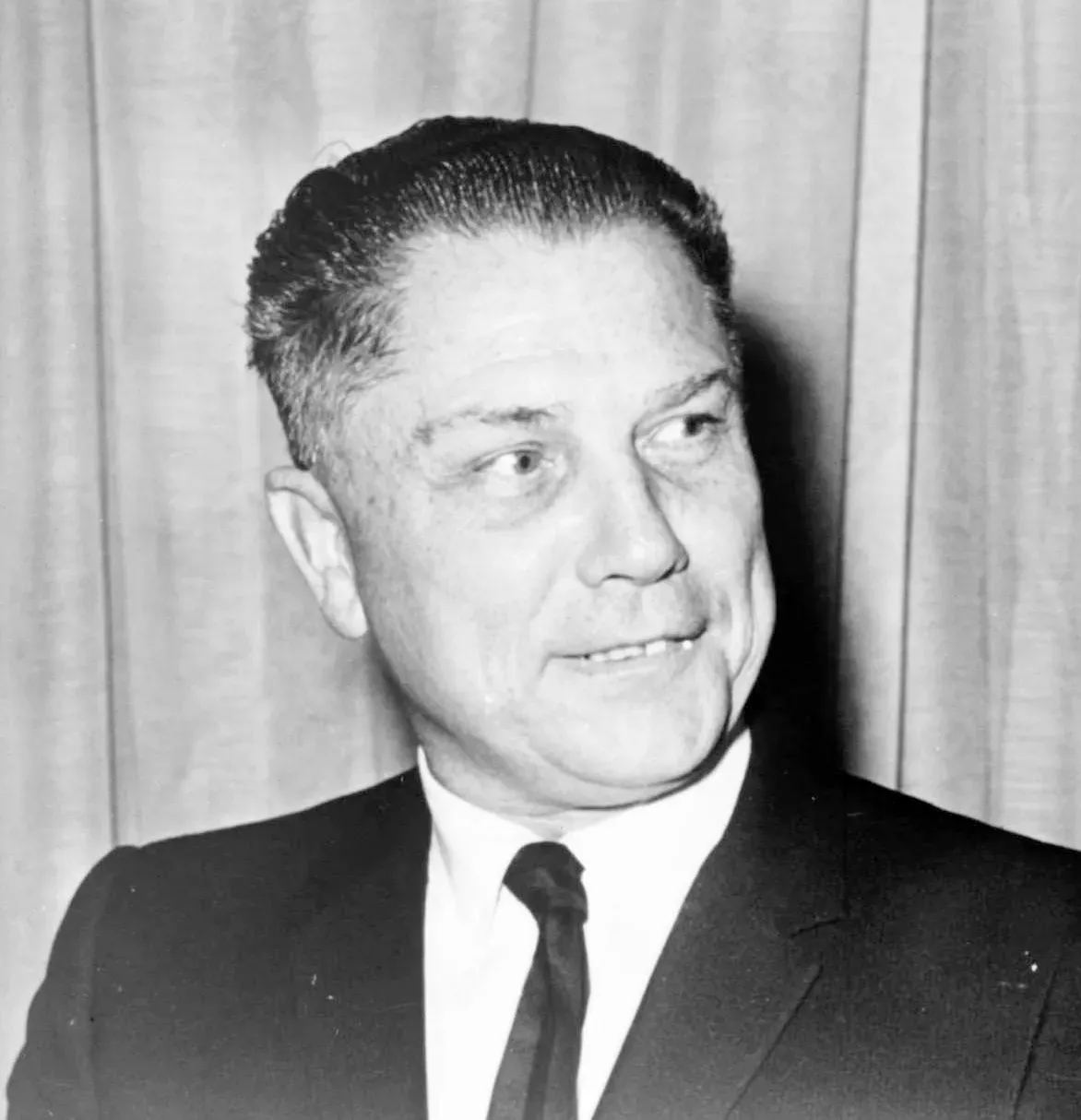
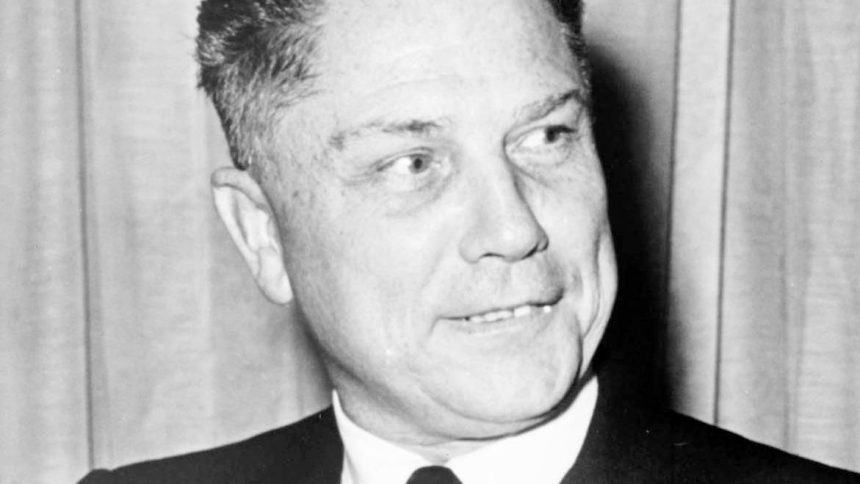
Jimmy Hoffa was a powerful Union leader who served as President of the International Brotherhood of Teamsters from 1958-1971 and had powerful ties to organized crime, last known to have been attending a meeting with two mob leaders at a Detroit restaurant when he disappeared in 1975.
The case has been investigated for decades, with countless theories about what happened and where his body might be buried. Despite tips, excavations, and confessions from various mobsters over the years, Hoffa’s remains have never been found. His disappearance remains one of the most famous unsolved mysteries in American history, representing the dark intersection of labor, politics, and organized crime.
Richey Edwards

The guitarist for the Welsh alternative rock band Manic Street Preachers disappeared on February 1, 1995. Edwards became the band’s main lyricist and openly discussed his battles with depression in interviews, and the day of his disappearance, the songwriter was set to travel to the U.S. with the band, but his abandoned car was instead found near the Severn Bridge, a site that had become infamous for people who’d lost their lives.
Before he vanished, he reportedly gave the book Novel with Cocaine to a friend and asked them to read the introduction, where the author wrote about vanishing from society, and a 2019 book on Edwards entitled Withdrawn Traces echoed this, saying that he’d shown interest in the idea of faking one’s death in the years before he was last seen. Edward’s body was never found, although some of his fans have claimed to have seen him in India and the Canary Islands.
Jim Thompson

James Harrison Wilson Thompson, an American businessman who helped revitalise the Thai silk industry in the 1950s and 1960s, vanished in Malaysia’s Cameron Highlands on March 26, 1967, with the mysterious circumstances surrounding the case creating a significant amount of media coverage. Thompson disappeared from Malaysia’s Cameron Highlands while going for a walk on Sunday, March 26, 1967, when he informed his hosts he would take a walk down Kamunting Road.
Despite a massive search, no trace of Thompson was ever found, and one of the most prominent Westerners in Asia simply vanished. Theories abound: he was killed by a tiger, he got lost and perished in deep forest, or he disappeared himself as part of a political intrigue. His legendary silk empire continues today, even as the mystery of his fate endures.
Oscar Zeta Acosta
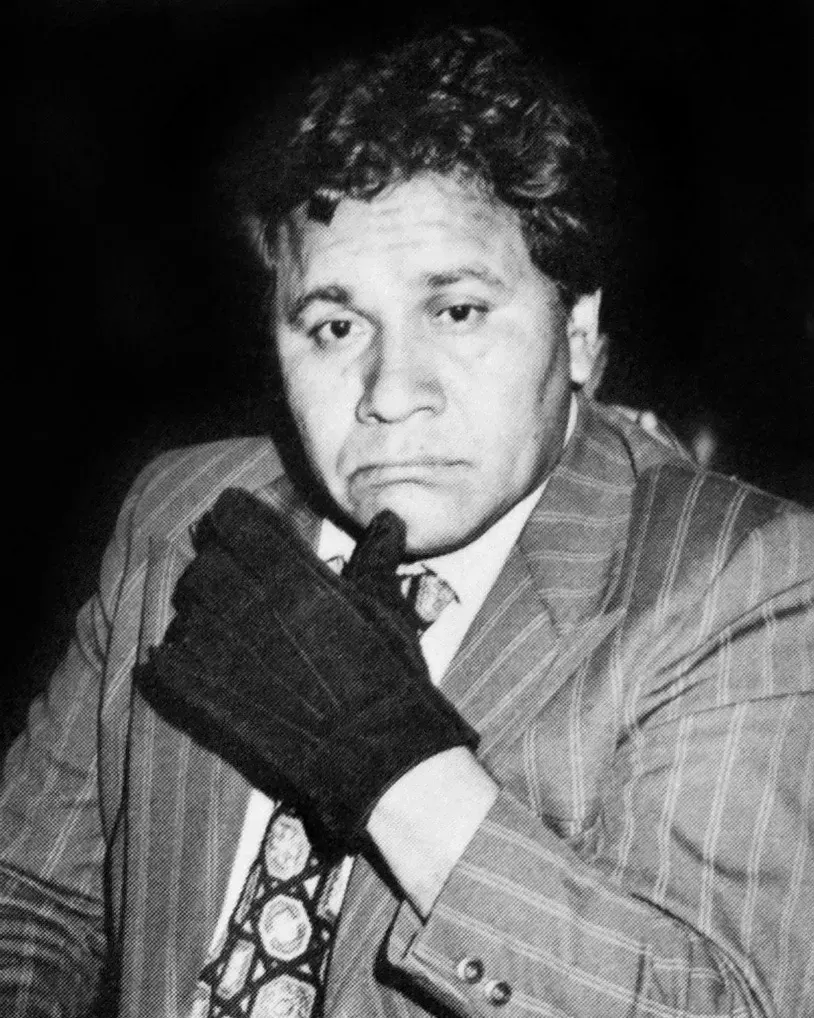
The Mexican-American attorney made a name for himself by being an activist in the Chicano Movement, as well as for his novels: 1972’s Autobiography of a Brown Buffalo and 1973’s The Revolt of the Cockroach People, and he disappeared on May 27, 1974, aged 39, while traveling in Mazatlán, Sinaloa, Mexico. His son, Marco Acosta, would later state that while the body was never found, his father got into a fight and got killed.
Zeta was a close friend of author Hunter S. Thompson, who immortalized him by recounting their adventures while traveling to Las Vegas in the autobiographical novel Fear and Loathing in Las Vegas. The book of Latino Writers and Journalists references a theory that he may have had a nervous breakdown and decided to stay in Mexico.
Dorothy Arnold
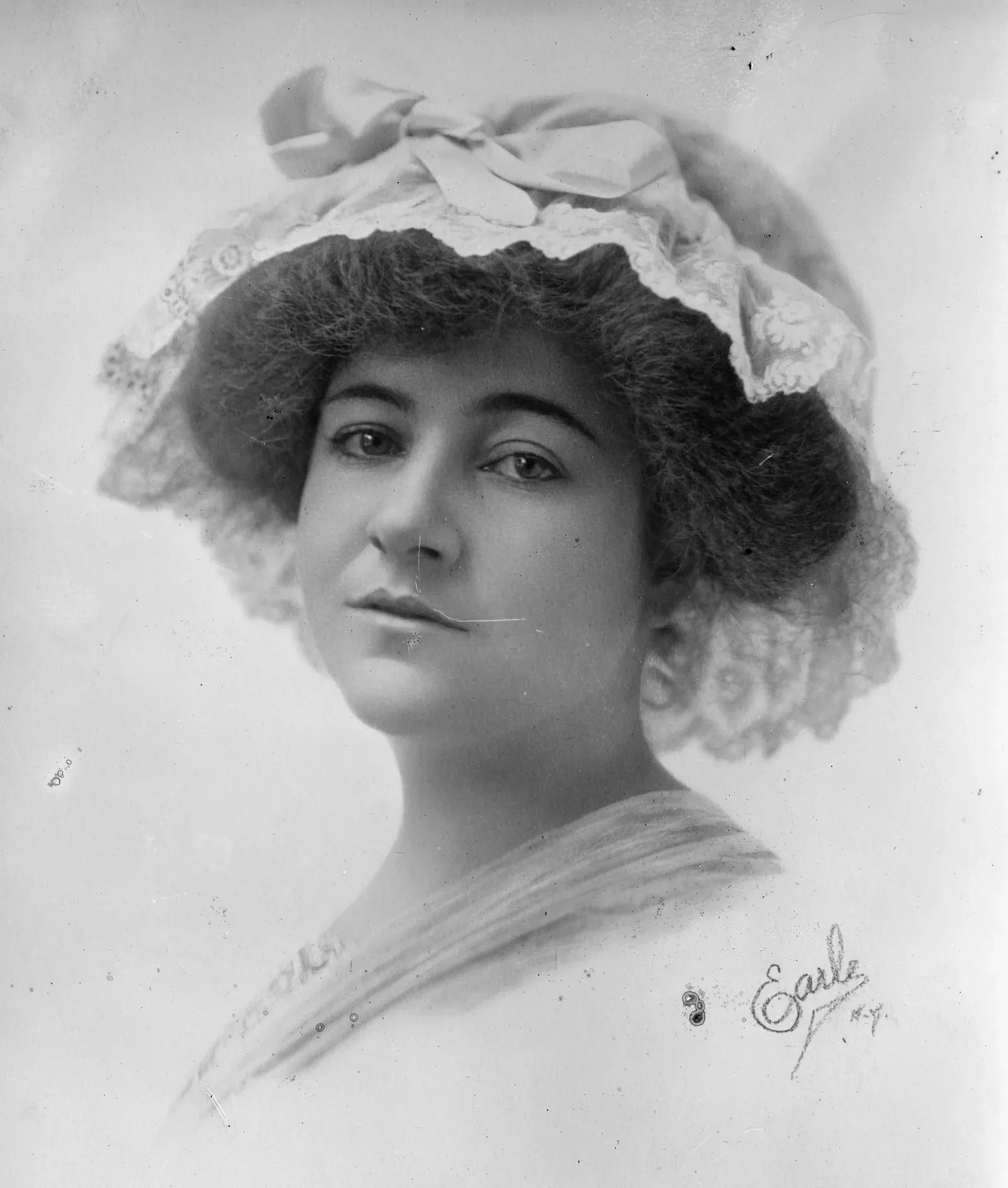
On December 12, 1910, New York socialite and writer Dorothy Arnold vanished in broad daylight while shopping in Manhattan, and after leaving her family’s upscale residence, she purchased a book and briefly spoke with an acquaintance on Fifth Avenue, which was the last confirmed sighting of the 25-year-old heiress.
Her wealthy family initially tried to handle the situation privately, delaying a police report for weeks and hampering the official investigation, and despite extensive searches and numerous theories, no trace of Dorothy Arnold was ever found. Her heartbroken mother died in 1928, still hoping for answers, while her father passed away a few years later, declaring that after all these years, he was convinced that Dorothy was dead.
Ambrose Bierce
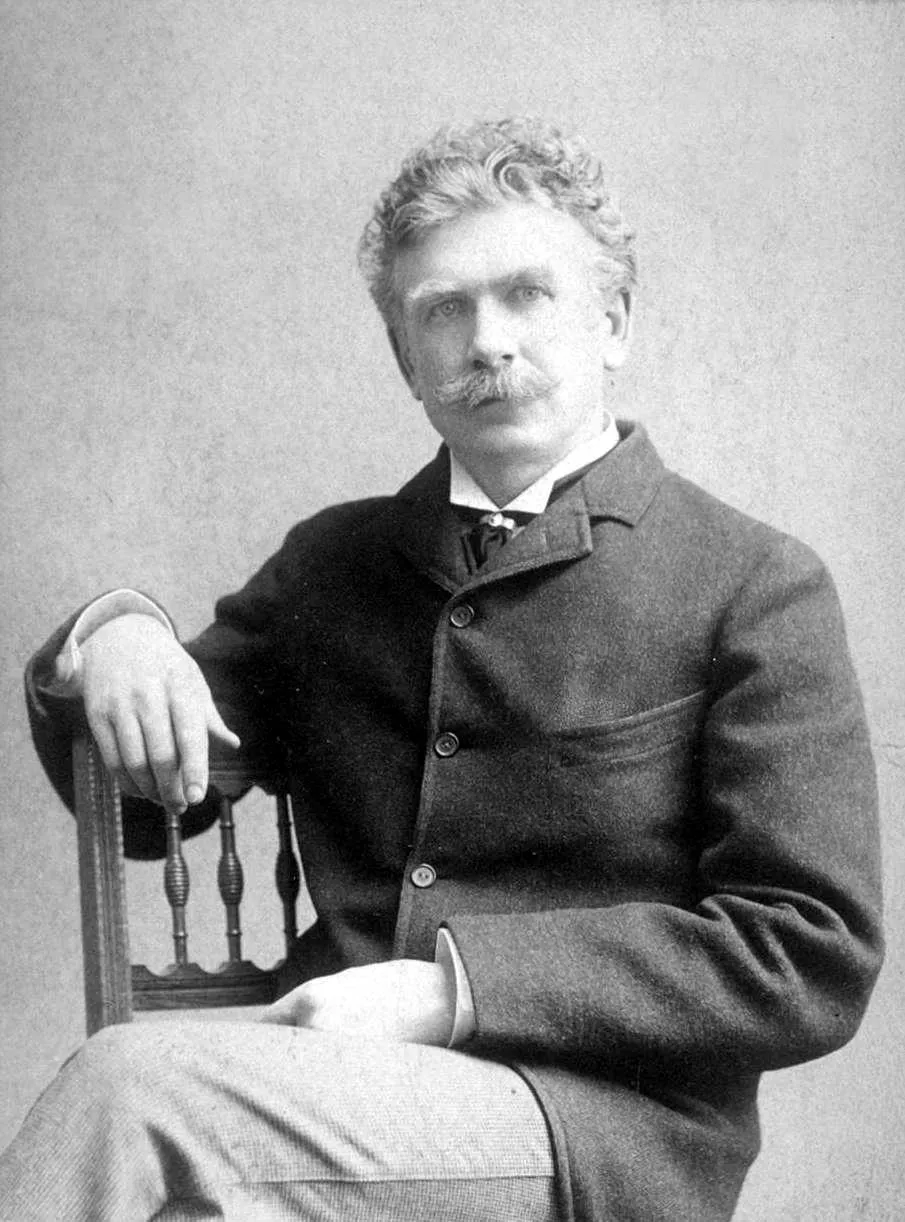
Bierce was a celebrated writer and editor who mysteriously vanished after traveling to Mexico in October 1913, with the 71-year-old departing from Washington presumably in an effort to immerse himself in the revolutionary conflict of the Latin American country. Bierce is said to have joined revolutionary leader Pancho Villa’s army as an observer, witnessing key historical moments like the Battle of Tierra Blanca, and his last known communication was a letter he wrote to Blanche Partington, a close friend, on December 26, 1913.
Bierce disappeared without a trace, with numerous theories emerging soon after about his whereabouts. The brilliant satirist and short story writer simply vanished into the chaos of revolution, leaving behind a literary legacy and an enduring question mark.
Michael Rockefeller

The great grandson of John D. Rockefeller and son of Vice President Nelson Rockefeller, Michael was educated in history and wished to examine the Asmat tribe of Netherlands New Guinea, but he went missing in the region on November 19, 1961, when his canoe had capsized three miles from shore, and he reportedly decided to swim for it.
Despite a two-week search for Rockefeller involving ships, airplanes, helicopters, and thousands of locals scouring the coasts and swamps, no trace of the heir was found. It’s believed that he died in the attempt, likely exhausting himself from the swim and drowning, while others say that he did indeed reach land, only to be killed.
Harold Holt
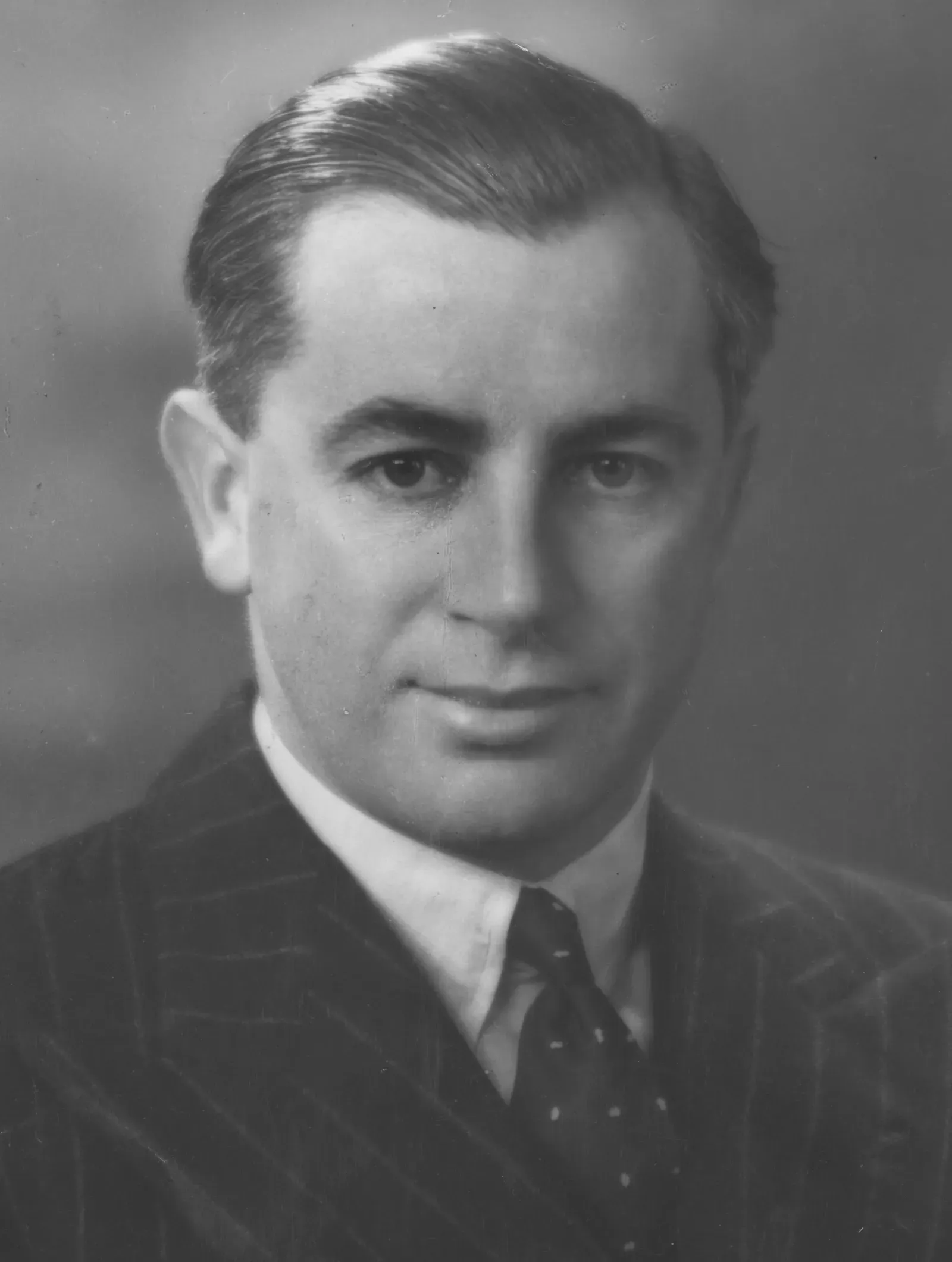
Known for being the 17th Prime Minister of Australia, Holt on December 17, 1967, while swimming at Cheviot Beach, Victoria, which sparked one of the largest search efforts in the country’s history. Holt said he knew the swimming spot like the back of his hand, so conspiracy theories quickly piled up.
Some believe he faked his death to run off with a lover, while others claimed he was a Chinese spy who was picked up by a submarine. More grounded theories point to the rough conditions and strong currents and the fact that Holt had a history of heart issues, but still, how does the leader of a country vanish during a casual swim with zero trace?
Jim Sullivan

The singer-songwriter and guitarist mysteriously disappeared in New Mexico on March 6, 1975, having married his high school sweetheart Barbara, and the two moved to Los Angeles in 1968, where his wife landed a job for Capitol Records and Sullivan was able to release two albums. Despite having some Hollywood connections, his records failed to make the impact he was expecting, and his career issues translated into marriage troubles, causing his separation from Barbara in 1975, and unable to see a future for himself in Los Angeles, Sullivan planned to move to Nashville to restart his career, but disappeared on his drive there, with his abandoned car later found with his belongings inside, including his guitar and unsold records.
The surreal part is how closely Sullivan’s real-life disappearance mirrors the themes of his music, with his album U.F.O. opening with a track about a man who drives into the desert and disappears, and the eerie coincidence made fans wonder if Jim was trying to vanish.
Barbara Newhall Follett

A celebrated child prodigy in the 1920s, Barbara Newhall Follett found literary fame with her novel The House Without Windows, and as an adult, she grew unhappy with her marriage, and on December 7, 1939, she walked out of her apartment after an argument with her husband, leaving with only thirty dollars and was never seen again.
Her husband did not report her missing for two weeks, and her case remained largely forgotten until a modern rediscovery of her work brought the mystery to public attention. Some believe Barbara died by suicide, while others think she was murdered, possibly by her husband, who acted strangely and avoided questioning.
Sean Flynn

The son of Hollywood legend Errol Flynn, Sean was also a photojournalist, adventurer, and actor, and his fearless pursuit of dangerous assignments during the Vietnam War eventually led to his disappearance on April 6, 1970, while he was covering the conflict in Cambodia.
Sean inherited his father’s charm and restlessness, trading Hollywood for war zones and seeking adventure in the most dangerous places on earth. He vanished in Cambodia along with fellow journalist Dana Stone while on assignment. Despite extensive searches and investigations over the years, no conclusive evidence of their fate has ever been found, though it’s widely believed they were captured and killed.
Tammy Lynn Leppert

Lynn was a successful actress, model, and beauty queen before her disappearance on July 6, 1983, when she was 18 years old, having risen to fame in the beauty pageant world, winning over 280 crowns from nearly 300 contests. Months before her vanishing, Tammy reportedly started showing signs of mental distress, including a fear of being murdered, and she was evaluated at a medical center and cleared of drug or alcohol use, but her behavior persisted, with the model last seen in Cocoa Beach, Florida.
The FBI has theorized that Leppert was killed by serial killer Christopher Wilder, an amateur photographer who habitually targeted models and beauty contestants to rape and kill, and Wilder lived in Florida from 1969 to 1984, going on a cross-country crime spree a few months following Leppert’s disappearance.
Percy Fawcett

British explorer Percy Fawcett became obsessed with finding a mythical lost city he called Z deep within the Amazon jungle, and in 1925, he launched an expedition into Brazil’s Mato Grosso region with his son Jack and Jack’s friend, Raleigh Rimmel, with the party’s final communication on May 29 reporting they were venturing into unexplored territory, and after that message, the three men , with dozens of subsequent rescue missions failing to uncover their fate.
Over 100 would-be rescuers and adventurers followed in Fawcett’s footsteps in the years that followed, with some vanishing themselves, others being killed by tribes in the region, and a few coming back convinced Fawcett had died, or with wild stories of seeing him alive and living among Indigenous people, but none of these accounts could be verified.
Conclusion
These fifteen cases remind us that mystery doesn’t discriminate. Fame, fortune, and notoriety provide no shield against the unknown. Some of these people may have chosen to disappear, seeking escape from the pressures of their lives. Others likely met with foul play or tragic accidents that left no evidence behind. A few might have simply been in the wrong place at the wrong time.
What haunts us most isn’t just the absence of answers. It’s the permanence of the questions. The families left wondering, the investigators who never closed the case, and the rest of us who can’t help but speculate. These stories linger because they touch something primal: our fear of vanishing, of being forgotten, of becoming a mystery ourselves.
So what do you make of these disappearances? Do you think any of them could still be solved?