Some authors don’t just write stories. They write blueprints. It sounds almost impossible, yet again and again, fiction has turned into fact with a precision that leaves you genuinely unsettled. These weren’t lucky guesses from dreamers scribbling by candlelight. Many of these writers were deeply observant people, reading the currents of their time and following those currents to their logical, sometimes terrifying, conclusions.
The books on this list predicted everything from wireless earbuds to mass surveillance, from pandemics to AI-driven corporations. Some of these predictions came true within decades. Others seem to be playing out right now, in 2026, in ways that feel uncomfortably close to home. Let’s dive in.
1. 1984 by George Orwell (1949) – The Surveillance Bible
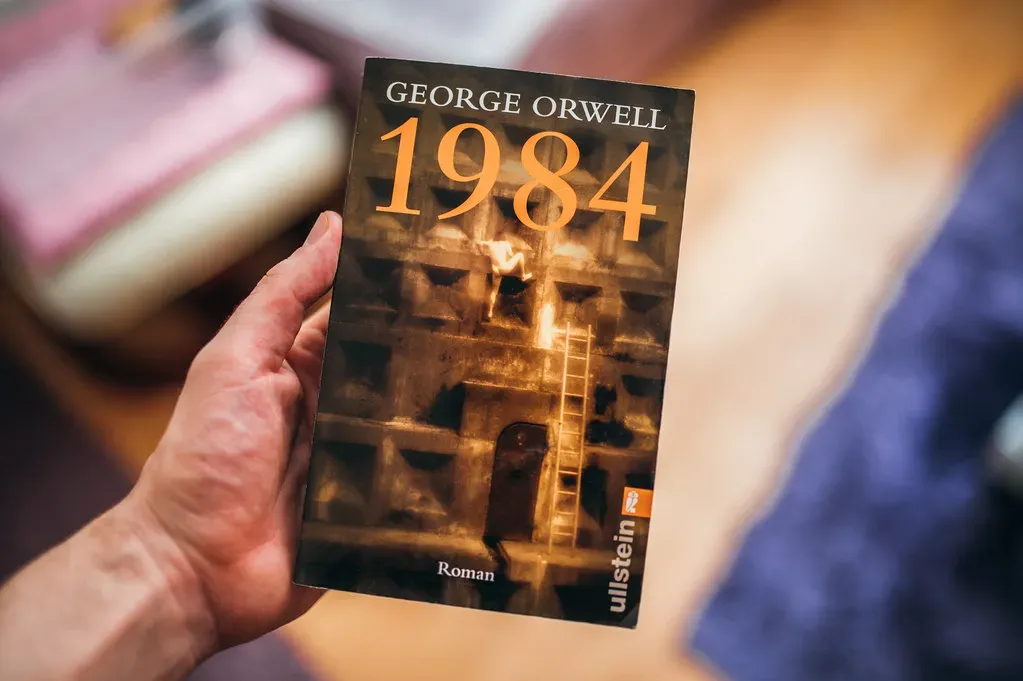
Let’s be real: no single book has proven more prescient about the modern world than George Orwell’s masterpiece. George Orwell’s dystopian novel 1984 predicted so many aspects of that referring to it has become shorthand for any situations in which technology threatens to control aspects of society. The novel described “telescreens” that monitor citizens in their own homes, language engineered to limit thought, and a government that rewrites history in real time.
In 2024, surveillance is embedded in daily life through tools like facial recognition, smart devices, and AI-driven analytics, and many people trade privacy for convenience. Honestly, what Orwell imagined as forced oppression, we’ve mostly volunteered for. Unlike Orwell’s overt methods, today’s surveillance operates more subtly, often under the guise of convenience, giving rise to “surveillance capitalism,” where personal data is bought, sold, and monetized.
2. Brave New World by Aldous Huxley (1932) – The Pleasure Trap
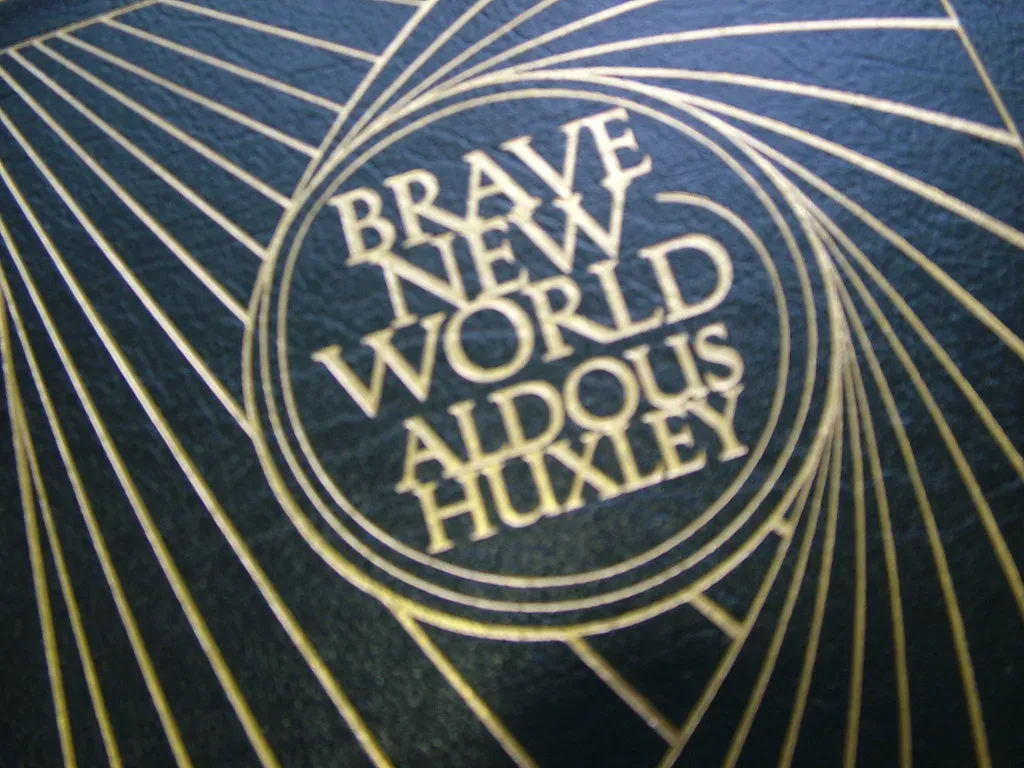
Aldous Huxley’s Brave New World, published in 1932, presents a dystopian vision of , set in a world that prioritizes stability and conformity over individuality and emotional depth, achieved through biological engineering and psychological conditioning, resulting in a population conditioned for consumerism and immediate gratification. It’s a softer dystopia than Orwell’s, and that softness is exactly what makes it so dangerous.
Anti-depressants are so popular today that one in eight Americans are on them, and this doesn’t include the large number of Americans on tranquilizers, anti-anxiety medications, or those who self-medicate with alcohol or increasingly legal marijuana. These drugs aren’t quite Soma, but they bear a striking resemblance in function and use. Huxley’s insight that people could be controlled not through fear but through comfort remains one of the most disturbing ideas in all of literature.
3. Frankenstein by Mary Shelley (1818) – The Ethics of Creation
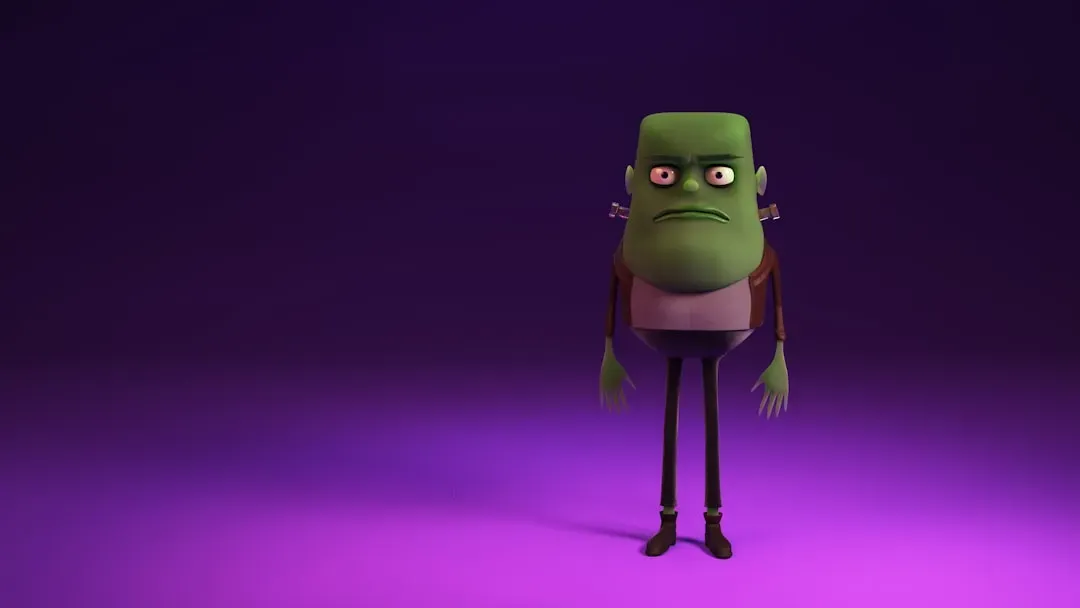
Considered by many scholars to be the first true science fiction novel, Shelley’s book was written when the author was just 18 years old and published anonymously two years later. Shelley’s tale of reanimation, rooted in the galvanic science of the day, anticipates later real-world ideas concerning tissue engineering and regenerative medicine. Think about that for a moment. A teenager wrote a book that foreshadowed organ transplants and biomedical science by over a century.
Mary Shelley’s Frankenstein predicted modern transplants. When Shelley wrote the novel in 1818, science was just beginning to explore the new realm of dead tissue reanimation through electricity, and while the early methods were crude, they paved the way for future medical breakthroughs like organ transplants envisioned in Shelley’s novel. The deeper warning, that scientific ambition without ethical guardrails creates monsters, feels more relevant today in the age of CRISPR gene editing than it did in 1818.
4. Twenty Thousand Leagues Under the Sea by Jules Verne (1870) – The Electric Ocean
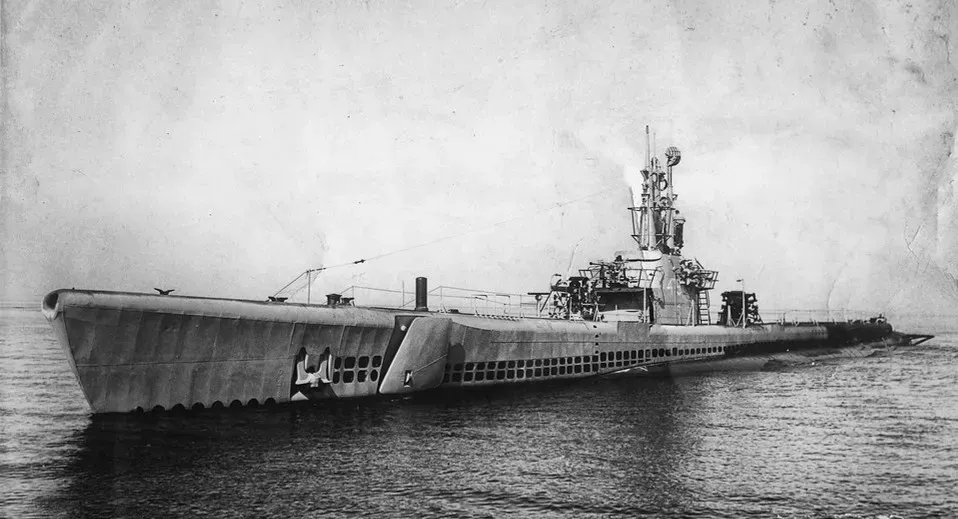
Jules Verne is known as one of the most forward-thinking authors of the 19th century, predicting everything from lunar modules to solar sails over 100 years before they were invented. His most famous book, however, is Twenty Thousand Leagues Under the Sea, published in 1870, which predicted electric submarines 90 years before they were officially invented. That is a breathtaking gap between fiction and reality.
While the concept of submarines was not a Verne invention, his vision was the most accurate. The Nautilus featured a design similar to that of advanced submarines, making it the most realistic and achievable depiction of the technology. Verne also described underwater navigation systems, self-sustaining life support, and deep-sea exploration that engineers would spend generations trying to catch up with.
5. Fahrenheit 451 by Ray Bradbury (1953) – Screens, Earbuds, and the Death of Reading
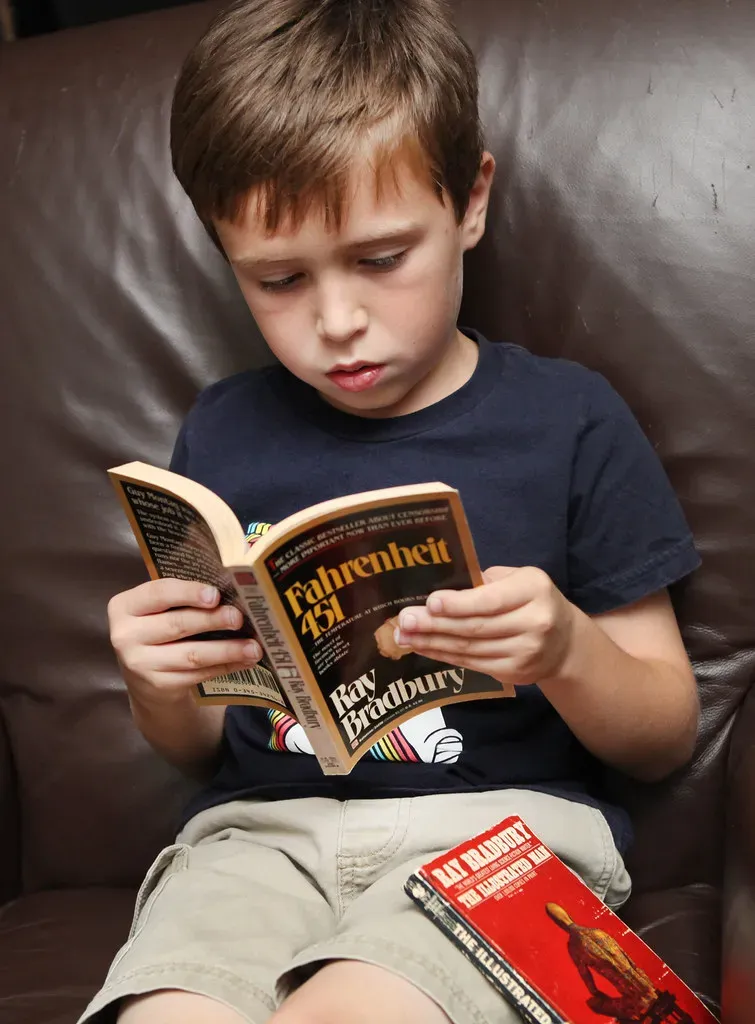
I think this one hits the hardest right now. Bradbury wrote Fahrenheit 451 in 1953 about a technophile society where books are outlawed and any books that still exist are burned. His dystopian world predicted flat-screen TVs as well as “seashells” and “thimble radios,” which were portable audio devices not unlike earbuds and Bluetooth headsets. This was written decades before a single wireless earbud existed.
These devices isolated users from the world around them, creating personal bubbles of sound, a phenomenon eerily similar to modern earbud usage. Bradbury’s prescient vision captured not only the technology itself but also its social impact, predicting how personal audio devices could lead to disconnection from immediate surroundings and facilitate constant media consumption. His description of these miniature in-ear devices was remarkably accurate, anticipating the design and cultural significance of earbuds decades before their widespread adoption.
6. Neuromancer by William Gibson (1984) – The Internet Before the Internet
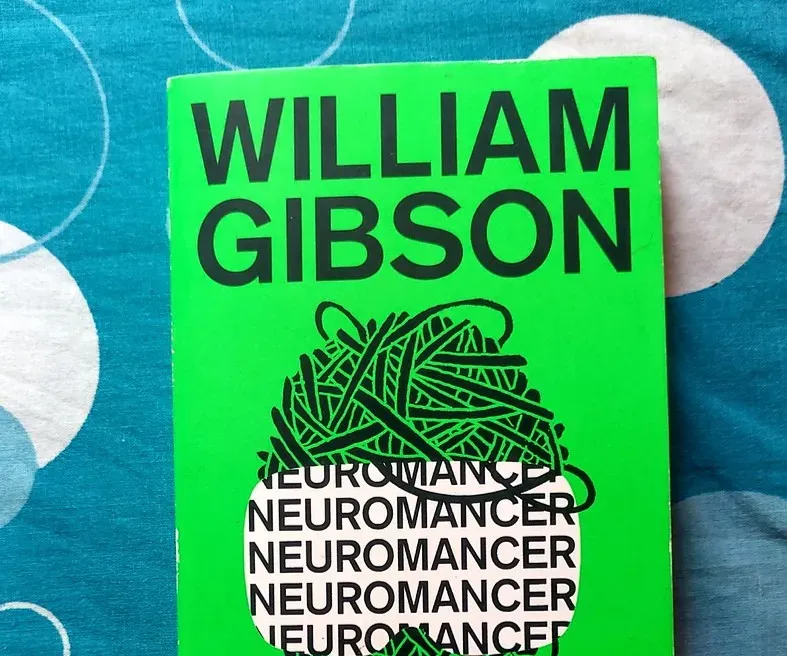
Cyberpunk godfather William Gibson may be the single most prophetic author in the history of the science fiction genre. His breakthrough debut novel introduced the term “cyberspace” and predicted a startling number of specific future developments concerning artificial intelligence, hacker culture, cybernetics, virtual reality, and other delights of late-stage capitalism. He wrote this in 1984, when most homes had never seen a personal computer.
Gibson described a world where people jacked into digital realms, navigating data and systems like a futuristic cityscape. While today’s internet isn’t quite that visual, the broader concept of an immersive digital world mirrors what we now experience with online life, virtual reality, and the metaverse. The novel also predicted things like AI-driven corporations, digital espionage, and even the idea of black market data trading, concepts that echo in today’s cybersecurity world.
7. 2001: A Space Odyssey by Arthur C. Clarke (1968) – The iPad in Space
Arthur C. Clarke is well known for his accurate observations about . While there is no manned space travel to Jupiter yet, 2001: A Space Odyssey accurately depicted technologies similar to our own, including artificial intelligence, video calls, digital screens, electronic tablets identical to iPads, space robotics, space tourism, and more. When Apple unveiled the iPad in 2010, some tech journalists pointed directly back to Clarke’s novel.
Arthur C. Clarke wrote 2001: A Space Odyssey and predicted the use of communication satellites. Fourteen years later, in 1965, the first communication satellite was launched. The eeriest prediction? HAL 9000, the ship’s artificial intelligence that turns on its human crew, is looking less like science fiction and more like a legitimate philosophical concern with every new AI advancement in 2026.
8. The Machine Stops by E.M. Forster (1909) – Remote Life Before Zoom
Imagine an information-oriented world where people work from home, communicate via instant messages and videos, and form and maintain friendships electronically. It sounds an awful lot like life in the 2020s, right? Believe it or not, it’s actually the premise of E.M. Forster’s The Machine Stops, a sci-fi short story published in 1909. Written more than a century before the COVID-19 pandemic forced the world indoors.
The Machine Stops foresaw social media and global communication through screens, as well as the many dangers that come with them. Social isolation and the reliance on technology at the expense of genuine human connection are contemporary issues the story addresses. What’s particularly haunting is Forster’s central warning: that humanity’s dependence on a vast technological machine leaves civilization catastrophically vulnerable when that machine fails.
9. Stand on Zanzibar by John Brunner (1968) – The World in 2010
When we talk about novels and authors accurately predicting , we can never exclude John Brunner’s Stand on Zanzibar. Through this novel, Brunner predicts not one, not two, but over 10 events and societal trends that have popped up since the novel was first published in 1968. It is, by many accounts, the single most statistically accurate predictive novel ever written.
Written in the late 1960s and set in 2010, John Brunner’s Stand on Zanzibar predicted a popular politician by the name of President Obomi, random mass shootings, a European Union, and people connecting to an encyclopedia over the phone. In his 1969 book Stand on Zanzibar, John Brunner mentions the European Union. Twenty-four years later, in 1993, the EU came into existence. That level of specificity is almost beyond explanation.
10. Parable of the Sower by Octavia E. Butler (1993) – America Burning
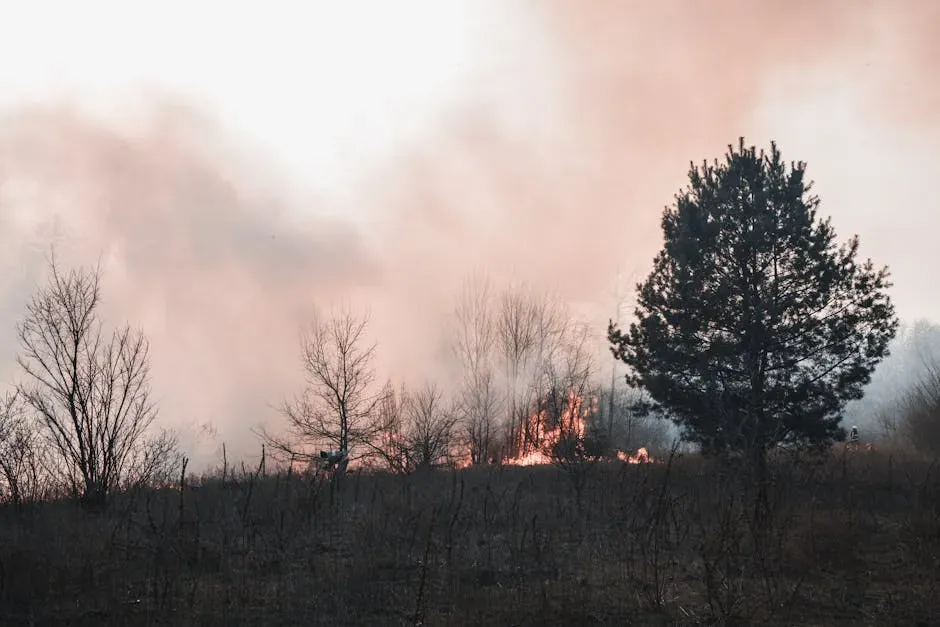
Science fiction writer Octavia E. Butler created a dystopian world in Parable of the Sower (1993) and Parable of the Talents (1998) that featured the rise of a populist demagogue. While the books were well-received when they were published, they have struck a chord with readers more recently, given some stark similarities between the society Butler created and our reality today, including global warming and social inequality.
The book predicted the devastating effects of climate change, ravaging California wildfires, increased inequality, and the rise of populism. The second novel of the series, Parable of the Talents, even predicts a presidential candidate running with the “Make America Great Again” slogan. Butler wrote those words in 1998. The precision is staggering, and it’s not hard to see why this series became a bestseller again in recent years.
11. The War of the Worlds by H.G. Wells (1898) – Weaponizing
H.G. Wells was practically in a league of his own when it came to accurate prediction. In one of the more grim predictions, H.G. Wells predicted the use of atomic bombs in his 1914 novel A World Set Free. Thirty-one years later, in 1945, the first atomic bomb was dropped over Japan. But his earlier work, The War of the Worlds, introduced something equally chilling: the concept of chemical and heat-based weapons of mass destruction, and the psychological collapse of civilian society under existential threat.
In 1899, H.G. Wells included automatic motion-sensing doors in his novel When The Sleeper Wakes. About 60 years later, in 1960, these types of doors were first invented. Wells had an almost uncanny knack for seeing technology that was just around the corner, or sometimes several generations away. His works now read less like novels and more like engineering forecasts from a man who somehow walked between eras.
12. Foundation by Isaac Asimov (1951) – Predicting Prediction Itself
First published in the early 1950s, Isaac Asimov’s Foundation series predicted a science called “psychohistory,” in which could be predicted by accurately measuring current developments and trends in human behavior and life. Today, data on past events is used in all manner of calculations, risk assessments, and AI and machine learning. In other words, Asimov predicted predictive analytics before computers were powerful enough to do them.
It’s hard to overstate how radical this idea was in the early 1950s. Asimov imagined a future where massive datasets of human behavior could be used to foresee civilizational collapse and deliberately engineer a shorter dark age. Today, governments and corporations spend billions attempting exactly this kind of large-scale behavioral forecasting. The irony is that Asimov’s fictional “psychohistory” essentially predicted the rise of the data science industry itself.
13. The Narrative of Arthur Gordon Pym by Edgar Allan Poe (1838) – Stranger Than Fiction

This one falls squarely into the category of predictions so specific they feel almost supernatural. Poe’s only novel, published in 1838, tells the story of a shipwrecked crew adrift at sea who resort to drawing lots to decide who will be sacrificed for food. The unlucky victim in Poe’s story is a young cabin boy named Richard Parker. In The Narrative of Arthur Gordon Pym of Nantucket, sailors are adrift and starving in the ocean after their whaling vessel is hit by a storm.
Here’s the part that genuinely chills the spine. In 1884, a real shipwrecked crew adrift at sea faced the same terrible choice, and the man they killed and consumed was an actual cabin boy. His real name was Richard Parker, the identical name Poe had invented 46 years earlier. No one has ever explained this coincidence satisfactorily. It remains one of the most documented and unsettling cases of fiction predating reality in literary history.
14. Looking Backward by Edward Bellamy (1888) – The Credit Card Prophet

When Edward Bellamy wrote Looking Backward in 1888, he predicted the use of credit cards. Sixty-two years later, in 1950, they were invented. This alone would earn the book a place on this list. Bellamy imagined a utopian society where citizens used a single universal card to access a shared national bank account, spending credits rather than physical cash.
The broader vision of the book, a cooperative society where goods and services flow freely without the friction of physical currency, tracks surprisingly well with today’s digital payment ecosystems and even some early concepts around universal basic income. Bellamy was writing before electricity was widespread, before automobiles, before telephones were common. Yet he envisioned the structural mechanics of modern consumer finance with remarkable clarity. It’s one of those books that makes you wonder whether great thinkers don’t just observe but somehow help construct it.
15. The Stand by Stephen King (1978) – The Pandemic Warning

Stephen King’s The Stand is a terrifying vision of a world devastated by a super-flu pandemic, wiping out most of humanity and leading to a battle between good and evil. While it wasn’t the first novel to imagine a global outbreak, its eerie resemblance to COVID-19 has made it more relevant than ever. King wrote about a weaponized, rapidly mutating respiratory virus spreading through communities before anyone had any idea how vulnerable the modern world truly was.
The social dynamics King depicted, the denial, the panic, the rapid fracturing of institutions and supply chains, mirrored what the world actually experienced in 2020 in ways that were deeply uncomfortable to read in real time. The Stand surged back onto bestseller lists during the pandemic as readers sought to make sense of what was happening. King has consistently said he was not writing prophecy, just extrapolating from known science. That, perhaps, is the most important lesson this entire list offers.
Conclusion: When Fiction Becomes a Mirror
What ties all 15 of these books together is not magic or coincidence. These writers were paying extraordinarily close attention to science, society, politics, and human nature, and they had the imagination to follow those threads further than anyone around them dared to go. Think of it like a weather forecaster: the tools change, but the underlying skill is always the same. Read the data. Trust your instincts. Follow the logic.
The most unsettling insight from this list is how often the warnings within these books were heard, debated, and then largely ignored. Orwell warned us. Huxley warned us. Butler warned us. The books aren’t just predictions. They are standing invitations to change course while we still can.
Which of these predictions surprises you the most? And does it change how you think about the fiction being written right now? The next prophecy is probably already sitting on a shelf somewhere, waiting to be recognized. What do you think about it? Tell us in the comments.