Public speaking is terrifying enough when you have hours to prepare, edit, and rehearse. Imagine the pressure of standing before thousands or even millions without a script, relying solely on instinct and raw talent. Yet some of history’s most powerful moments came from speakers who threw their notes aside and spoke from the heart. These spontaneous addresses changed the course of nations, inspired generations, and became more memorable than any carefully crafted script ever could. Let’s explore the remarkable stories behind speeches that were never meant to happen the way they did.
1. Martin Luther King Jr.’s “I Have a Dream” (1963)
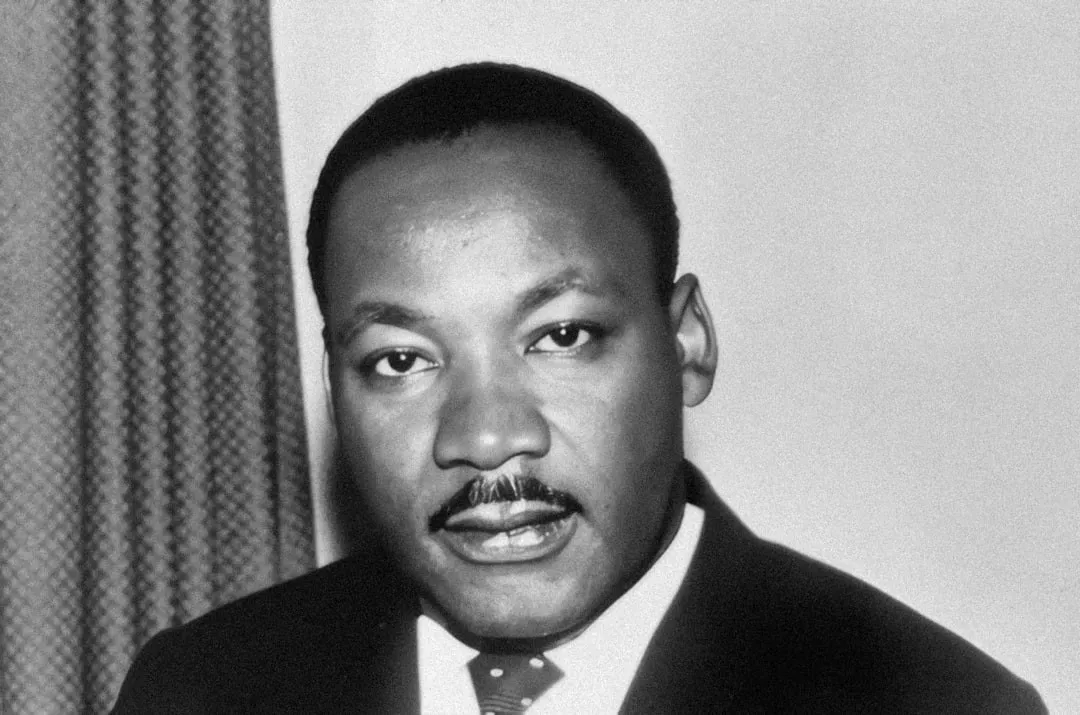
The most iconic portion of Dr. King’s 1963 March on Washington speech was famously improvised on the spot, with singer Mahalia Jackson urging King to tell the audience “about the dream.” King’s advisers had actually discouraged him from using the “dream” theme again, feeling the phrase was trite and cliché.
The first two-thirds of the speech wasn’t a flop by any means, receiving raucous cheers during the “bad check” analogy, but otherwise finishing with only tepid, polite applause. King improvised much of the second half of the speech, including the “I have a dream” refrain. King had delivered the refrain, or at least a version of it, two months earlier at Cobo Hall in Detroit. Still, the words he spoke in Washington were delivered extemporaneously, making this an extraordinary example of rhetorical brilliance under pressure.
2. Winston Churchill’s “Never in the Field of Human Conflict” (1940)
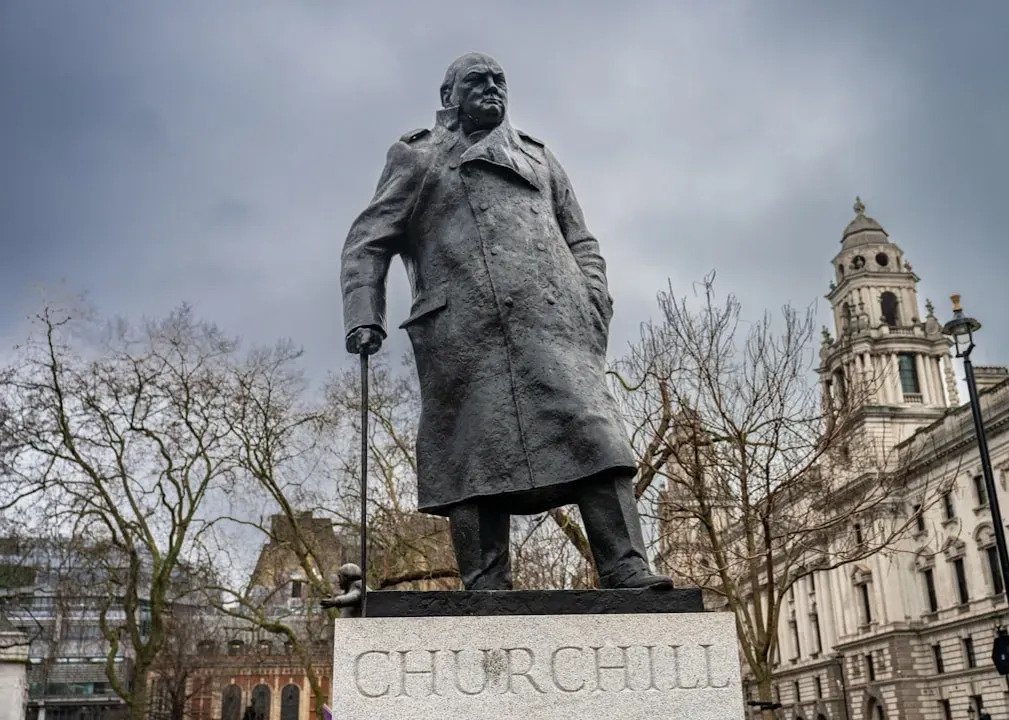
Churchill was moved by the pilots who survived the bombing of an RAF airfield just days before and told the assembled men that ‘never in the history of mankind has so much been owed by so many to so few.’ This statement wasn’t part of any prepared remarks. Churchill spoke from the heart after witnessing the devastating toll of the Battle of Britain.
The summer of 1940 was Britain’s darkest hour. By August 1940, Britain stood alone in Europe against the Nazi war machine, with Poland and France already fallen, and only the English Channel and the Royal Air Force protecting England from relentless Nazi Luftwaffe attacks. Churchill’s spontaneous tribute to the RAF pilots became one of the most quoted lines of World War II, cementing his reputation as a wartime leader who understood the power of words.
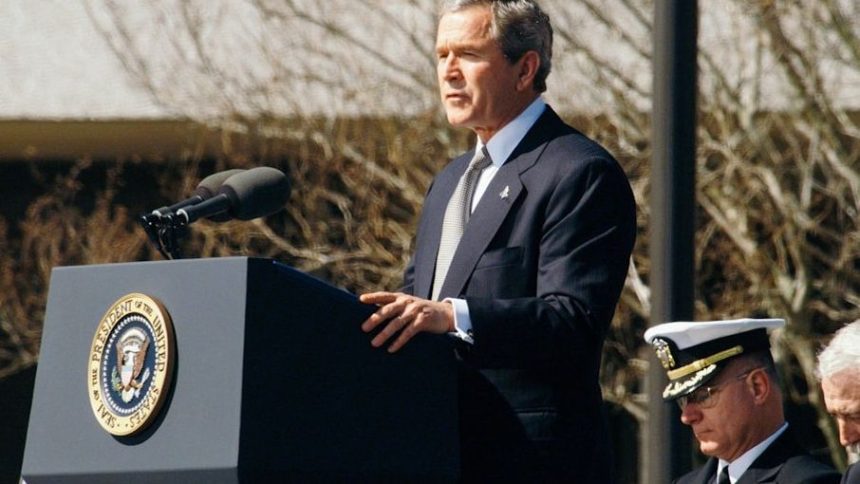
3. George W. Bush’s Ground Zero Bullhorn Speech (2001)
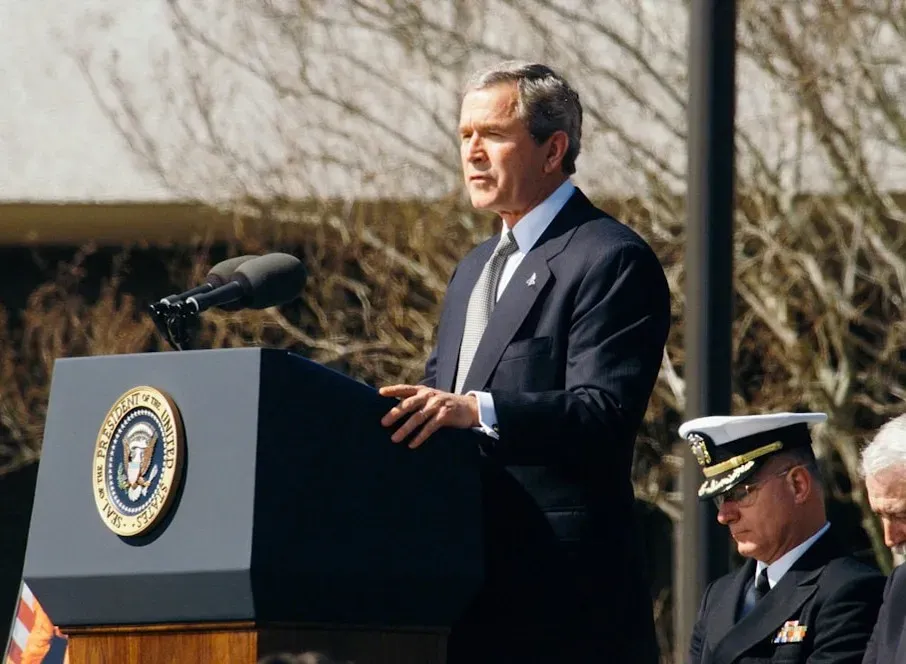
What started out as an impromptu, unprepared remark about empathy turned into one of the most memorable speeches of modern presidential history when a worker in the back shouted, “we can’t hear you,” and President Bush responded with the legendary line “I can hear you. The whole world hears you. And whoever knocked down these buildings will hear all of us real soon.”
Three days after the September 11 attacks, Bush visited the smoking ruins of the World Trade Center. He hadn’t planned to make a speech. The moment demanded something genuine, something unscripted. His quick response to the crowd’s frustration became a defining moment of his presidency, capturing the nation’s grief and determination in just a few sentences. Sometimes the most powerful words are the ones we never planned to say.
4. George Washington’s Newburgh Address (1783)
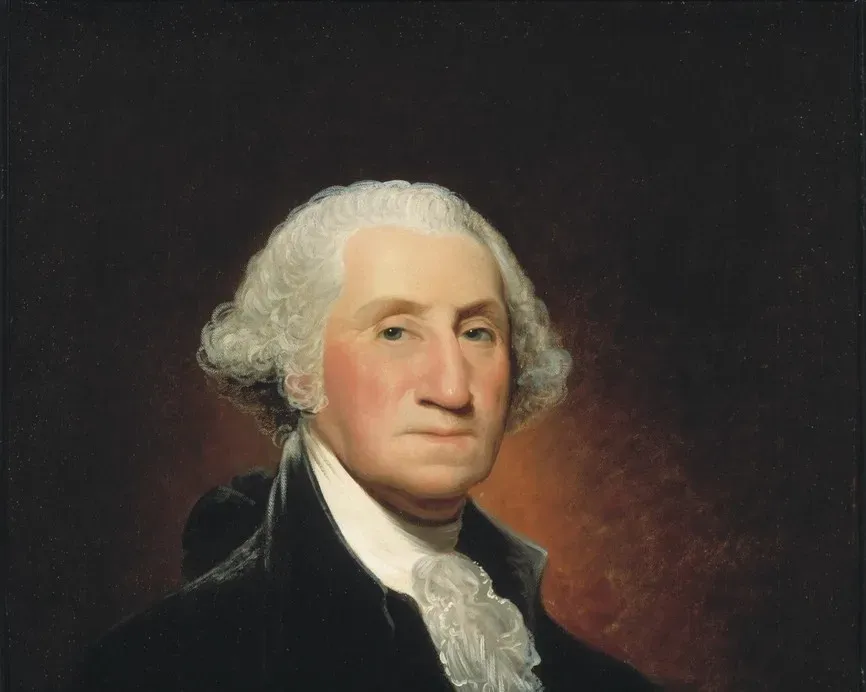
Washington entered through a side door instead of the main door and proceeded to give a nine-page speech warning them against mutiny, also expressing support for their sentiments, when he pulled out his glasses and said the immortal words: “Gentlemen, you must pardon me. I have grown gray in your service and now find myself growing blind.” It was that improvised line that prevented the mutiny, reaffirmed their loyalty to their graying commander, and won the war.
The officers gathered at Newburgh were on the brink of rebellion against Congress for unpaid wages. Washington’s prepared speech alone might not have swayed them. That single unplanned moment of vulnerability, where the stoic general revealed his human frailty, touched their hearts in a way no rhetoric could. History hung in the balance, and an improvised sentence saved the American experiment from collapsing before it truly began.
5. Ronald Reagan’s Challenger Disaster Address (1986)
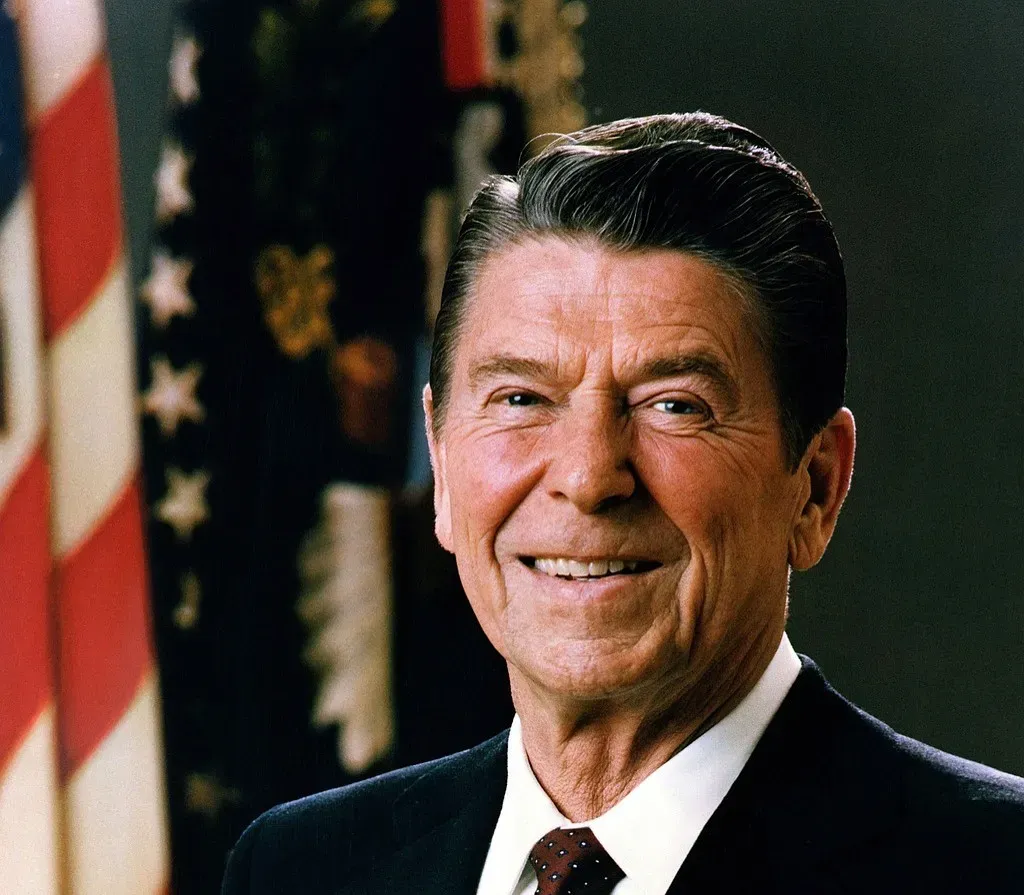
On January 28, 1986, the Space Shuttle Challenger broke apart during launch, killing the seven people on board, as the world watched on television, and Reagan delivered a message five hours later, written by Peggy Noonan, who at the time was a little known White House speechwriter. Noonan said one advantage of writing so quickly was that the speech didn’t go through the usual rounds of staff revisions, and the closing lines came to her in the rush of writing; it was a poem she recalled from seventh grade.
Reagan had planned to speak that night to report on the state of the Union, but the events of earlier that day led him to change those plans, making it a day for mourning and remembering. Reagan was not so sure about the closing lines, being familiar with the poem “High Flight” and skeptical that verse from a 19-year-old World War II airman would strike the right tone. His instincts were wrong. The improvised nature of the speech, crafted under enormous time pressure, gave it an authenticity that resonated deeply with a grieving nation.
6. Abraham Lincoln’s Gettysburg Address (1863)
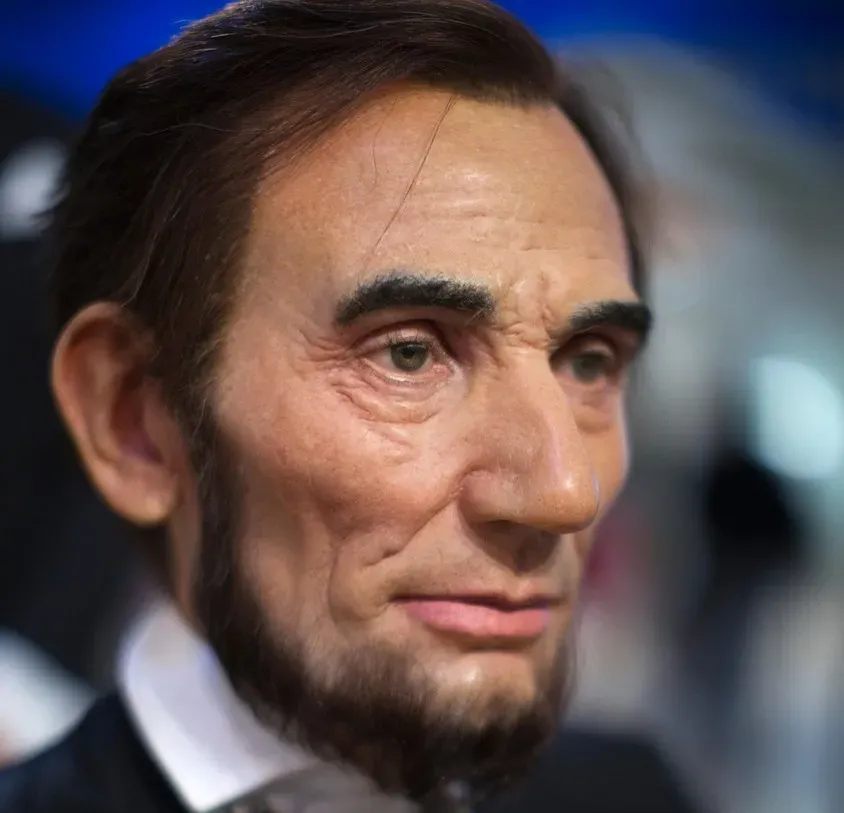
The best known of Lincoln’s speeches was one of his shortest, as Lincoln was asked to make a few remarks in November 1863 after featured speaker Edward Everett spoke for about two hours, and he spoke for two minutes. While historians debate how much of the speech was truly improvised versus simply brief, evidence suggests Lincoln continued refining his remarks even on the train to Gettysburg.
The conventional myth claims Lincoln scribbled the entire address on the back of an envelope during the train ride. That’s not quite accurate, though he certainly made adjustments up until the moment he spoke. Everett’s two-hour oration is forgotten. Lincoln’s two-minute remarks became the most quoted presidential speech in American history. Sometimes brevity isn’t just the soul of wit; it’s the essence of enduring eloquence.
7. Ronald Reagan’s “Tear Down This Wall” (1987)
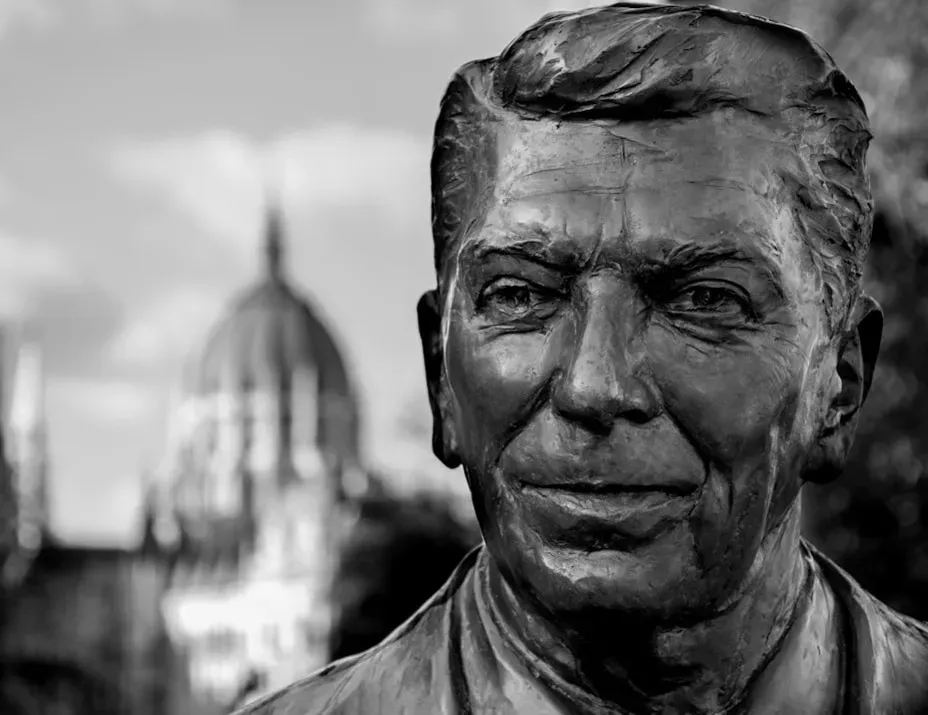
President Reagan appeared at the 750th birthday celebration for Berlin in 1987, speaking about 100 yards away from the Berlin Wall, where he asked, “General Secretary Gorbachev, if you seek peace, if you seek prosperity for the Soviet Union and Eastern Europe, if you seek liberalization: Come here to this gate! Mr. Gorbachev, open this gate!” and a Reagan speech writer later said the State Department didn’t want Reagan to use the famous line, but Reagan decided to do it anyway.
Reagan’s speechwriters had included the provocative phrase, but State Department officials repeatedly tried to remove it, fearing it was too confrontational. Reagan kept putting it back in. His stubbornness paid off spectacularly. Two years later, the Berlin Wall fell. Whether Reagan’s words directly caused the collapse is debatable, though the moment captured the shift in Cold War dynamics perfectly. Sometimes the best improvisation is simply having the courage to defy the experts.
8. Queen Elizabeth I’s Tilbury Speech (1588)
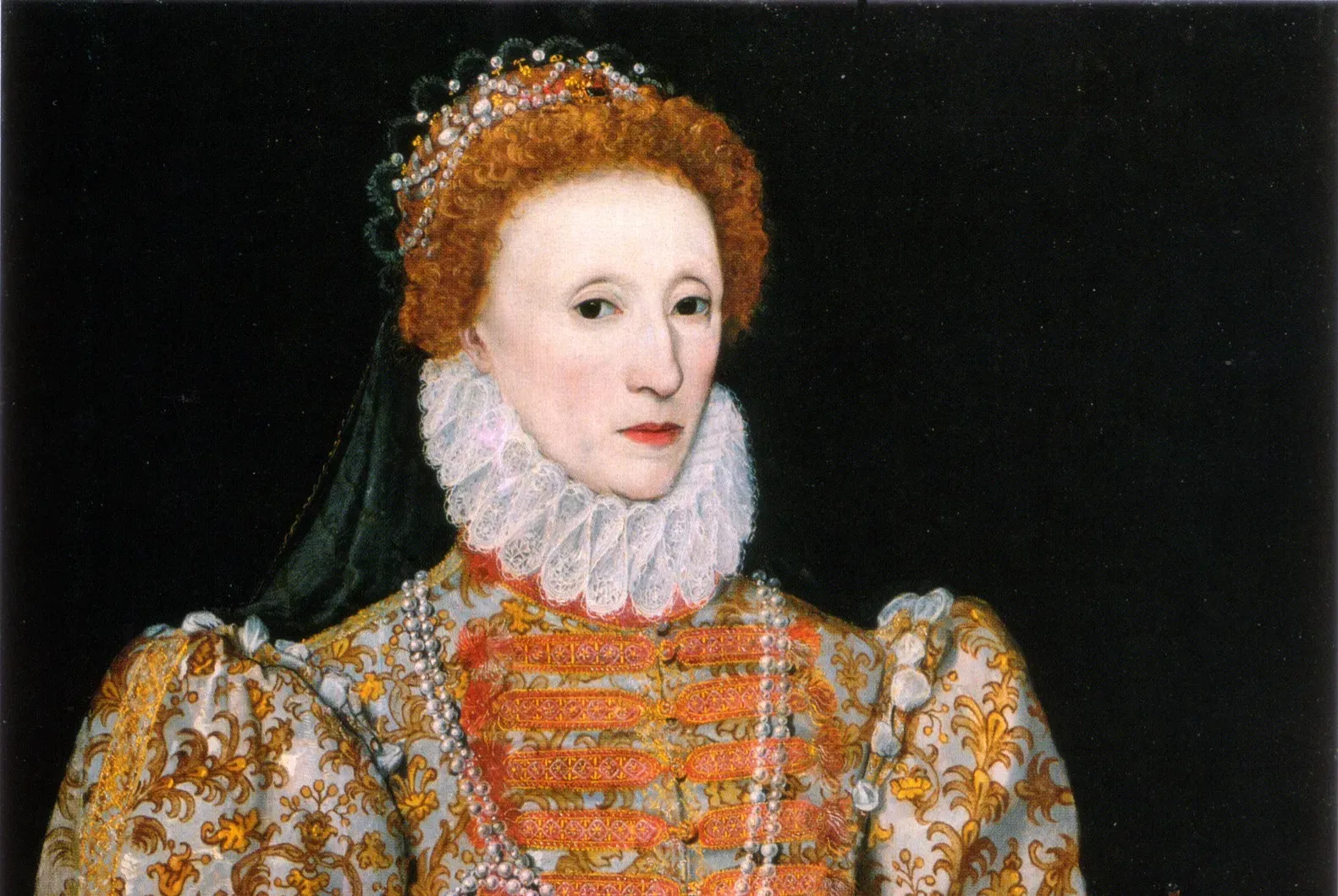
As the Spanish Armada was sailing up the English Channel in 1588, the English land troops gathered at Tilbury, Essex, where the queen made a public appearance to boost morale and delivered her iconic Tilbury speech, famously wearing a white velvet dress and a breastplate, presenting herself not as a queen but as a war leader of mythological proportions, and to put it lightly, her speech landed.
After a nine-day battle, the Spaniards suffered a humiliating defeat and Britain was secured as a world power, with historians still unclear whether the victory happened thanks to superior war tactics or just a series of very lucky breaks, but there’s no doubt that the English troops’ faith in their queen allowed them to secure victory against incredible odds. Elizabeth’s declaration that she had “the heart and stomach of a king” was largely spontaneous, delivered to soldiers who desperately needed reassurance that their unmarried female monarch could lead them to victory.
9. Patrick Henry’s “Give Me Liberty or Give Me Death” (1775)
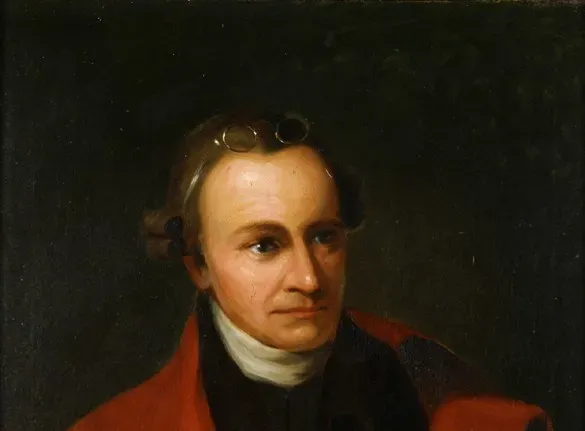
The famous words “Give me liberty or give me death!” were spoken by Patrick Henry at the Second Virginia Convention in 1775, as Virginia was one of the most important colonies in the New World, and without its help, the Revolution had little chance of succeeding. The convention became the backdrop for Henry’s famous speech, in which he radically proposed that Virginia organize a militia and prepare for war, and thanks to Henry’s speech, his resolutions narrowly passed the assembly, and Virginia joined the Revolutionary War.
Henry spoke without notes, his words flowing with the passion of conviction rather than the precision of preparation. No transcript exists from that day because nobody was prepared to record what became one of America’s founding moments. We know the speech primarily through reconstructions by those who heard it. Henry’s improvisational oratory literally helped birth a nation. What might have happened if he’d stuck to a prepared text?
10. Mahatma Gandhi’s “Quit India” Speech (1942)
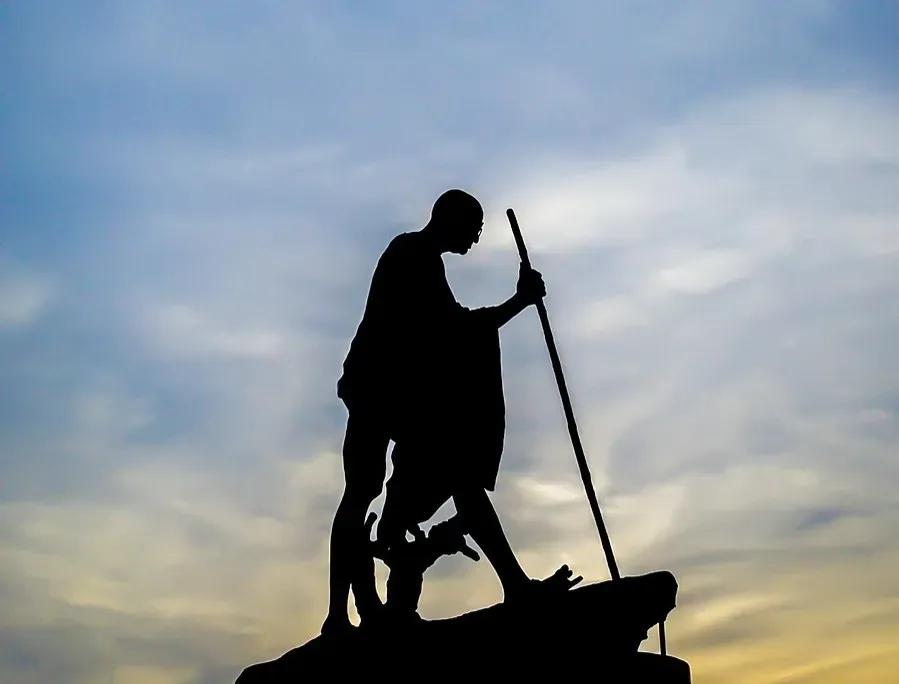
Mahatma Gandhi in 1942 called for non-violent resistance to British occupation and inspired the Quit India Movement, calling himself a friend of Britain and declaring that he was attempting to save the British from their mistakes, and while the Quit India Movement was ultimately a failure, the British government did eventually grant India independence.
In 1942 virtually the entire world was embroiled in conflicts, and India was no exception, with Gandhi widely recognized as a non-violent revolutionary and a seeker of truth, and one of Gandhi’s greatest victories is also linked to one of his greatest addresses ever given. Gandhi’s speech contained prepared elements, though much of his delivery was spontaneous, responding to the energy in the room and the urgency of the moment. His call for the British to leave India came from a lifetime of thought compressed into a single electrifying moment.
11. John F. Kennedy’s Inaugural Address Closing (1961)
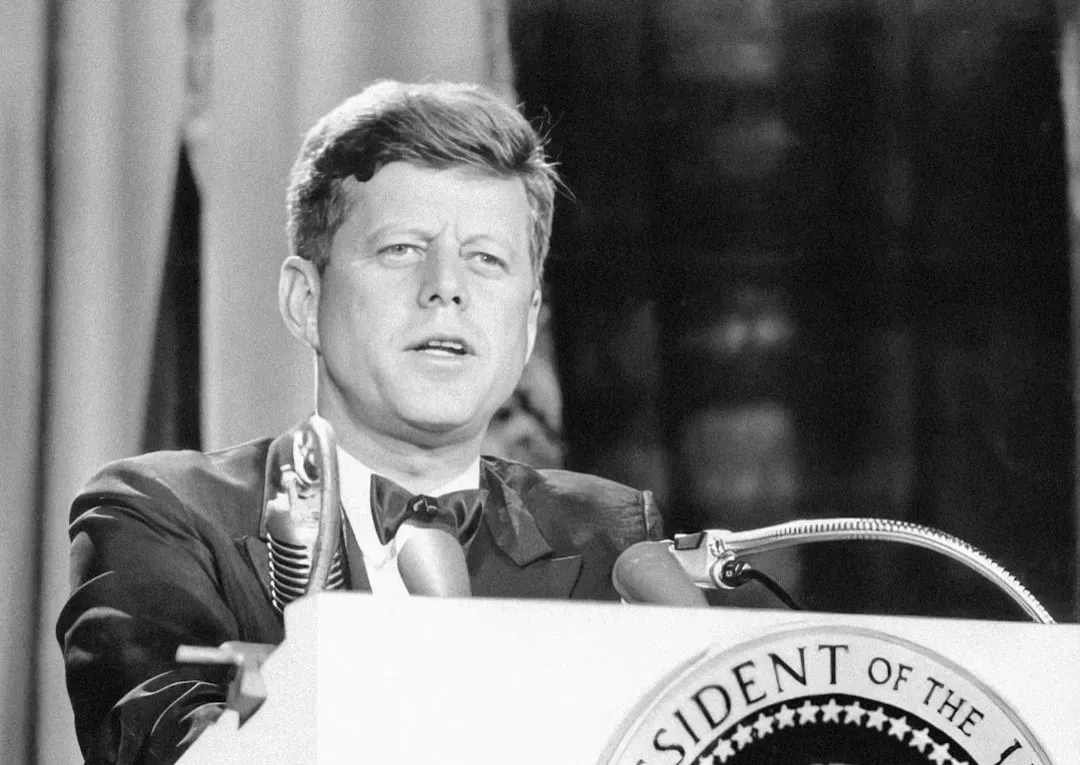
At only 43, JFK was the youngest President to ever be elected, and he gave one of the most memorable inauguration addresses of all time. While Kennedy’s speechwriting team, particularly Ted Sorensen, crafted most of the address, Kennedy made spontaneous adjustments during delivery, particularly emphasizing certain phrases with an intensity not present in rehearsals.
The famous line “ask not what your country can do for you – ask what you can do for your country” was in the prepared text, though Kennedy’s delivery gave it unexpected power. He departed from the script in smaller ways throughout, adding emphasis and pauses that transformed written words into a living call to action. Sometimes improvisation isn’t about changing words but about how we breathe life into them.
12. Pericles’ Funeral Oration (431 BC)
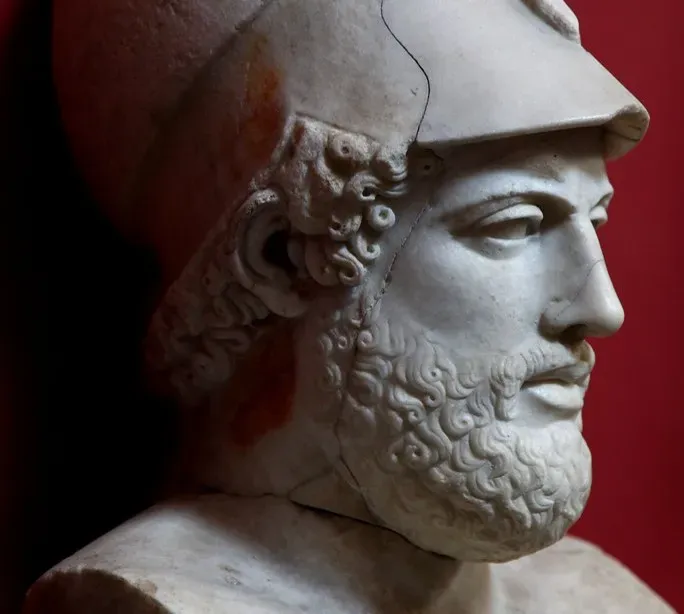
Pericles faced the task of addressing a city that had seen fathers, husbands, and sons die in a war that had no end in sight when he gave a speech at a public funeral for all Athenian men who had been killed in the Peloponnesian War against Sparta, and rather than mourn the dead, Pericles enthusiastically praised Athens and its citizens, using his rhetoric ability to motivate all Athenians to continue to fight to ensure these men did not die in vain.
Ancient Greek funeral orations followed certain conventions, though speakers were expected to personalize their remarks. Pericles took this expectation and created something transcendent. We know his words primarily through the historian Thucydides, who may have embellished or refined them. Still, the core message of praising Athenian democracy while mourning the fallen was delivered with spontaneous passion that inspired a grieving city to continue fighting for years.
13. Franklin D. Roosevelt’s First Inaugural Address (1933)
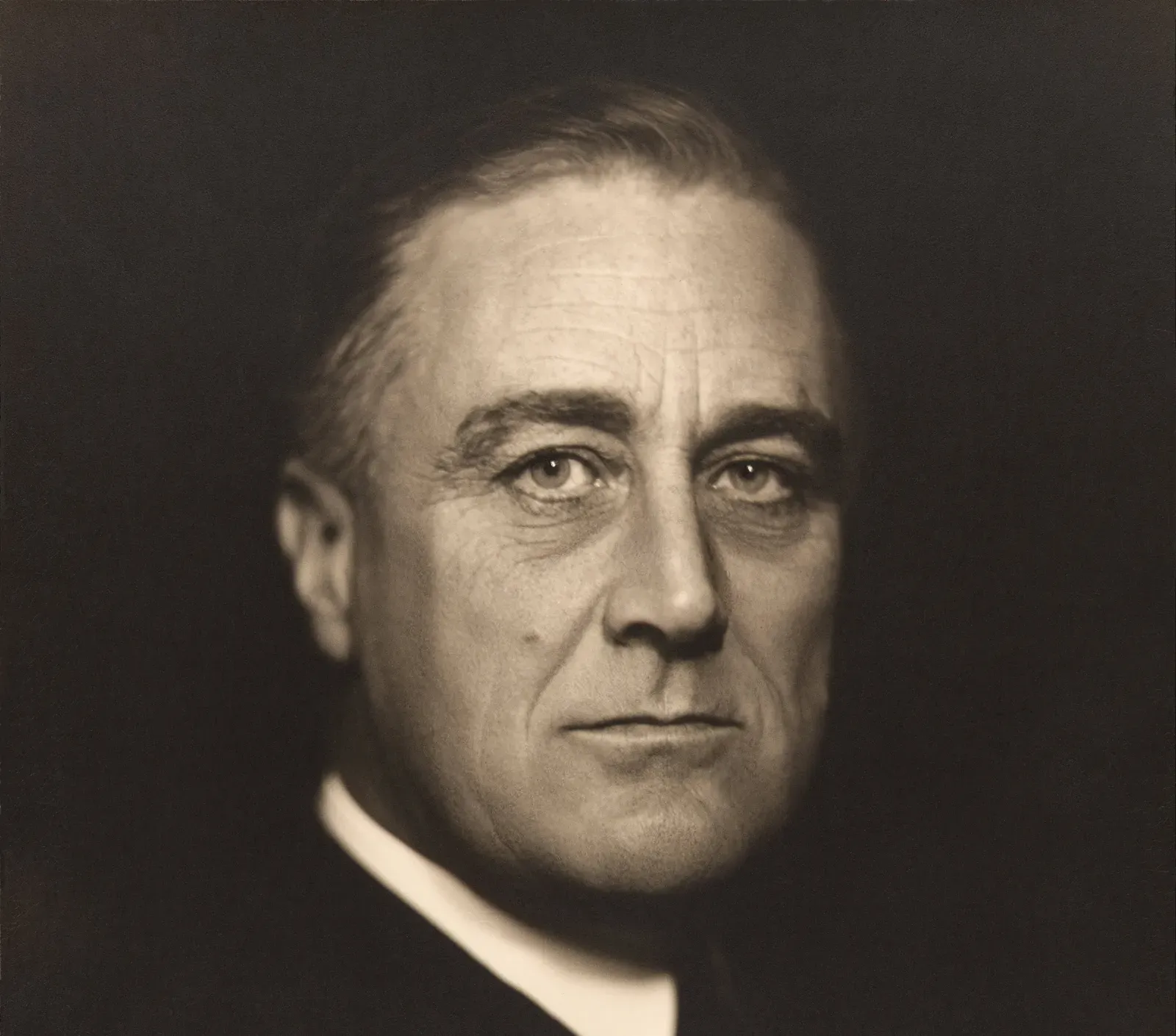
JFK surely delivered one of the greatest inaugural addresses in history, but decades earlier Franklin D. Roosevelt faced the Great Depression with his own memorable address. While Roosevelt worked with speechwriters, he made several spontaneous additions during delivery, most notably adjusting his tone and pacing to match the desperate mood of the nation.
The famous phrase “the only thing we have to fear is fear itself” was in the prepared text, though Roosevelt’s delivery transformed it from ink on paper to a national rallying cry. Like Kennedy decades later, FDR understood that great speeches require both preparation and the courage to depart from the script when the moment demands it. His improvisational adjustments, subtle as they were, gave the speech its emotional resonance.
14. Churchill’s “We Shall Fight on the Beaches” (1940)
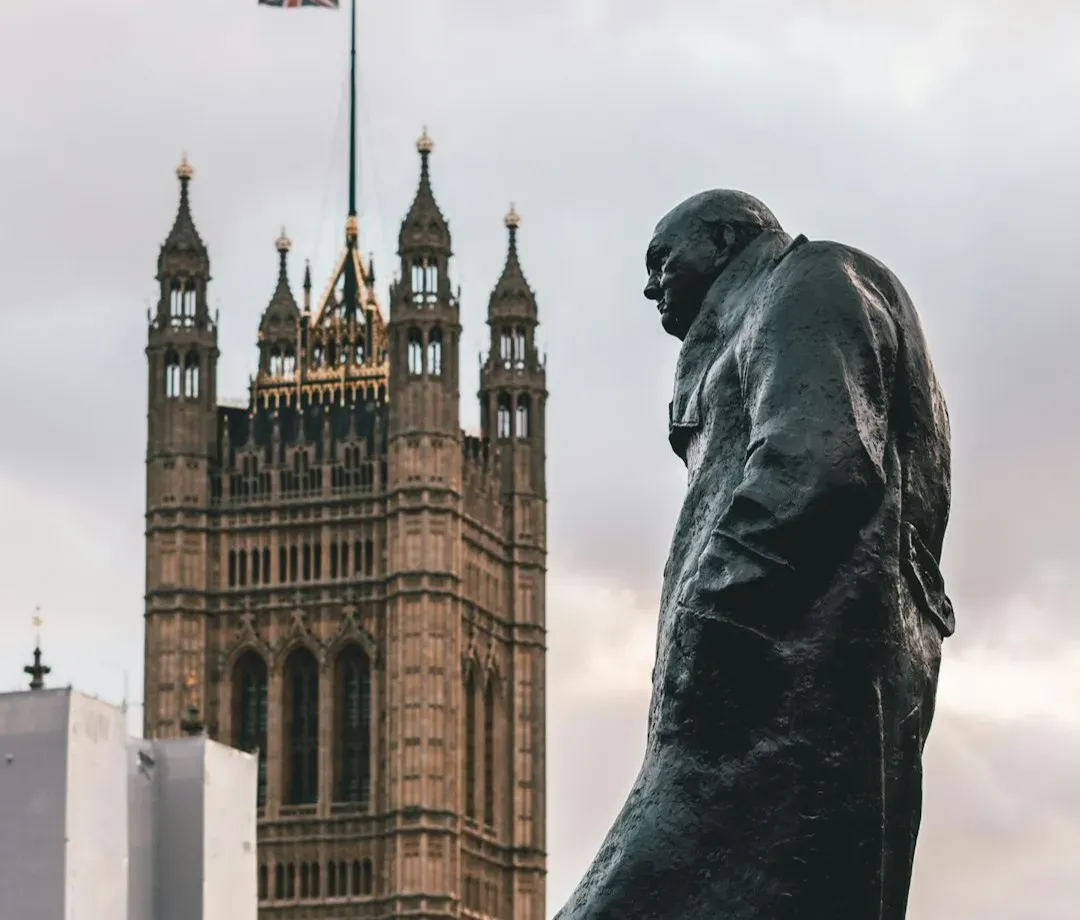
Churchill delivered “We shall fight on the beaches” to the House of Commons on 4 June 1940, the second of three major speeches given around the period of the Battle of France, where he had to describe a great military disaster, and warn of a possible invasion attempt by Nazi Germany, without casting doubt on eventual victory. It is said that immediately after giving the speech, Churchill muttered to a colleague, “And we’ll fight them with the butt ends of broken beer bottles because that’s bloody well all we’ve got!” Nonetheless, Churchill impressed his listeners and the speech was immediately recognised to be historic.
Churchill’s speech was not broadcast live over the radio to the British public, and aside from the audience gathered in the House of Commons, most Britons and Americans did not hear him say those iconic words until several decades later. Much of the speech was prepared, though Churchill’s famous repetition of “we shall fight” came from his instinctive understanding of what the moment required. His improvisational emphasis, rather than the words themselves, made the speech immortal.
15. Sojourner Truth’s “Ain’t I a Woman?” (1851)
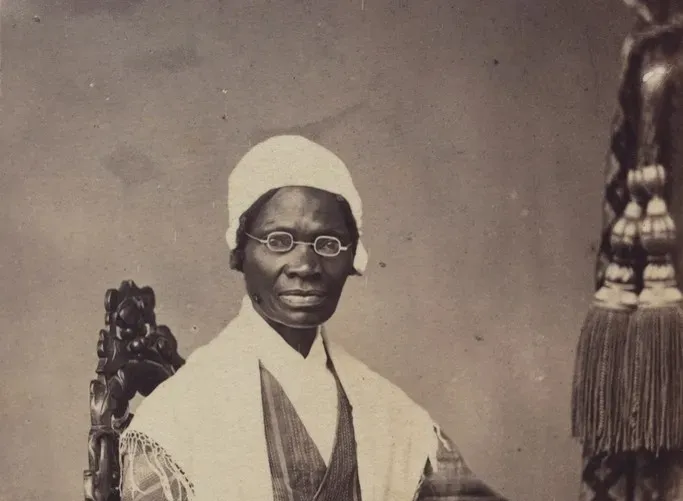
Sojourner Truth, born into slavery and later becoming an abolitionist and women’s rights activist, delivered her most famous speech at the Ohio Women’s Rights Convention in 1851. She spoke entirely without preparation, responding spontaneously to previous speakers who had argued that women were too delicate for equal rights. Truth’s powerful rebuttals, pointing to her own experiences of hard labor and suffering, demolished these arguments with devastating simplicity.
No recording or transcript from that day survives, and the exact words remain disputed by historians. The famous refrain “Ain’t I a woman?” may have been added or emphasized by later accounts. What we know for certain is that Truth spoke extemporaneously, without notes, using the power of her own lived experience as evidence. Her improvised speech became a cornerstone of both the abolitionist and feminist movements, proving that sometimes the most marginalized voices speak the most profound truths.
Conclusion
History’s most memorable speeches often emerged not from careful planning but from speakers who trusted their instincts and dared to go off-script. From King’s dream to Churchill’s defiance, these moments remind us that authenticity sometimes matters more than polish. The speakers who changed the world weren’t always the most prepared; they were simply the most present, responding to the energy of the moment with courage and conviction.
These improvised speeches succeeded because their speakers had something more important than a script. They had deep knowledge of their subject, genuine passion for their cause, and the courage to be vulnerable before their audience. Next time you face a speaking opportunity, remember that your most powerful words might be the ones you never planned to say. What’s your take on improvised versus prepared speeches? Which approach would you trust in a crucial moment?