
I’ll now write the article based on the research gathered about future superfoods people will be eating by 2030.
Let’s be real, the food on your plate in five years might look nothing like it does today. The global food landscape is undergoing a radical transformation driven by climate change, sustainability concerns, and a growing population that needs to be fed. We’re not talking about flying cars or meal pills here. Instead, the future of nutrition is coming from unexpected places.
Picture this. Your grocery cart filled with algae-based protein powders, water plants that taste like matcha, and seaweed snacks that pack more nutrients than your entire vitamin cabinet. Sounds crazy, right? These aren’t science fiction fantasies but actual foods gaining serious traction in research labs and commercial markets right now. So let’s dive in.
Spirulina: The Blue-Green Powerhouse Making Waves
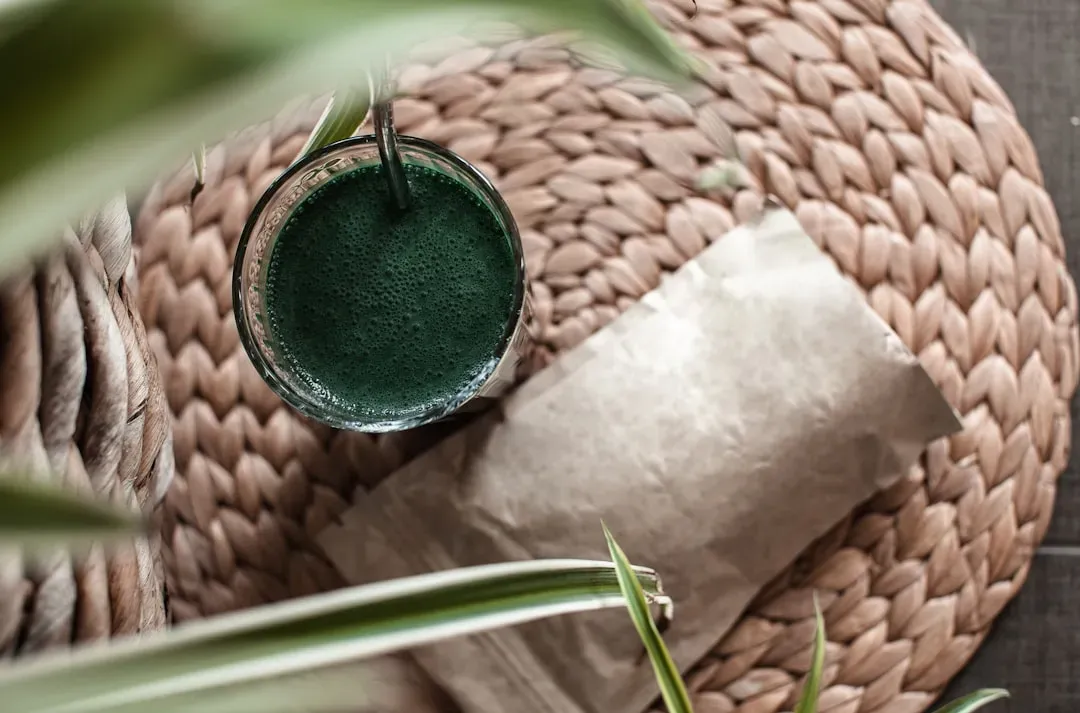
Algae-based superfoods are emerging as the fastest-growing segment, with projections showing growth at over 10 percent annually through 2030, driven by technological breakthroughs in cultivation methods. Spirulina boosts the production of white blood cells and antibodies that fight viruses and bacteria in your body, according to research from recent medical studies. This microscopic blue-green algae has been around for centuries, but modern science is finally catching up to its potential.
Regular supplementation with Spirulina has been shown to lower blood pressure, reduce blood lipid and glucose levels, and support weight loss. The global superfood market, valued at over 180 billion dollars in 2024, is expected to stretch significantly over the next decade. Yet spirulina faces challenges. Several potentially pathogenic bacteria were detected in commercial spirulina products, and algae toxins were found in all tested products, though the level of toxins is significantly lower than in other blue-green algae supplements.
Chlorella: The Green Detoxifier Taking Center Stage
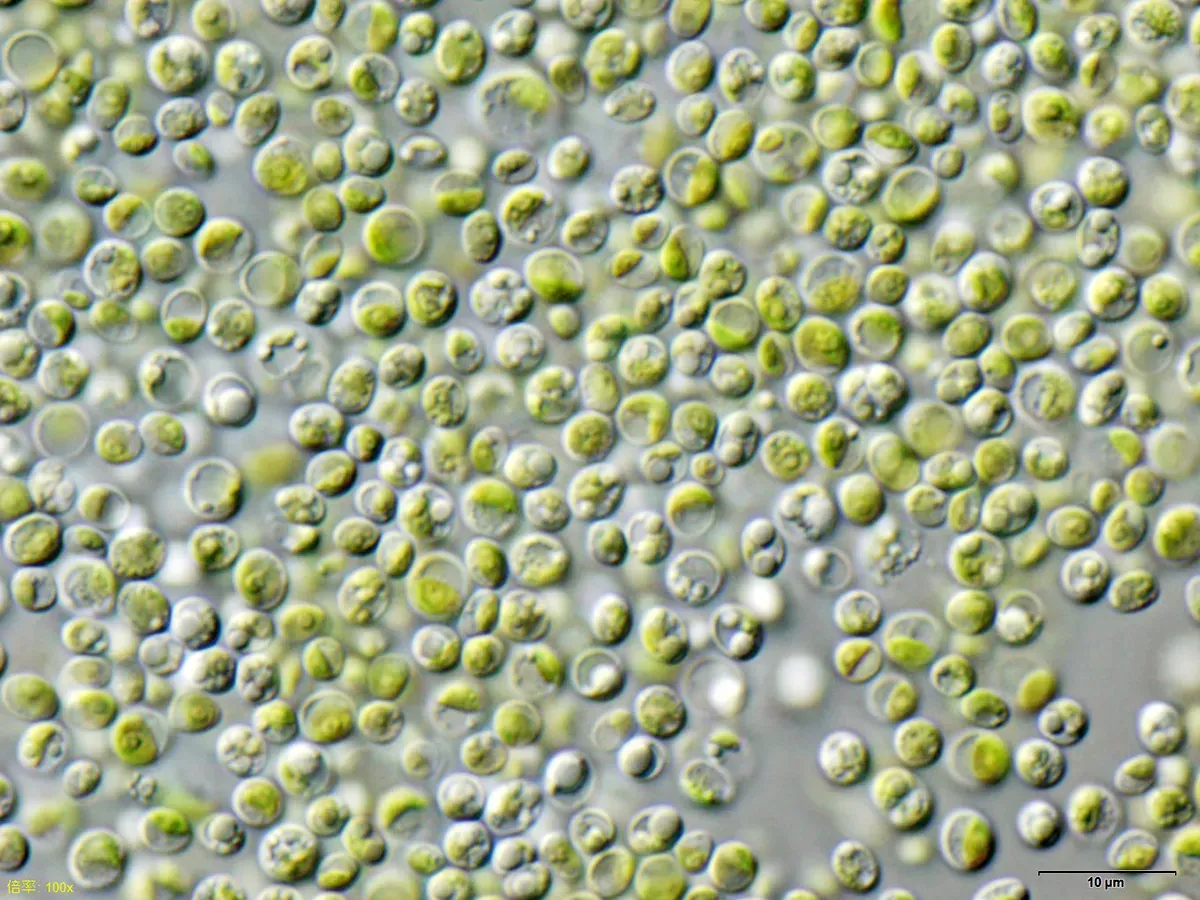
Here’s the thing about chlorella. Chlorella is a green unicellular alga that contains numerous nutrients and vitamins, including D and B12, that are absent in plant-derived food sources, and contains larger amounts of folate and iron than other plant-derived foods. Think of it as nature’s multivitamin packed into a tiny green sphere.
Research has found that chlorella can bind to heavy metals, flushing them from your system before being absorbed by your body. This detoxification property alone makes it fascinating for people living in polluted urban environments. Chlorella supplementation has been reported to exhibit immunomodulatory, antioxidant, antidiabetic, antihypertensive, and antihyperlipidemic activities, improving total cholesterol levels, blood pressure, and fasting blood glucose levels. Recent studies from 2024 and 2025 continue to validate these benefits.
Duckweed: The Pond Plant Protein Revolution

I know it sounds bizarre, but duckweed might be the protein of 2025. Duckweed is one of nature’s fastest-growing plants, capable of doubling its biomass in just two days, and it’s packed with Rubisco, a protein that is one of the most nutritionally complete on the planet. This tiny floating plant has been consumed in Southeast Asia for hundreds of years, but Western markets are only now waking up to its potential.
Duckweed can potentially contain 43 percent protein in its dry form and can yield 10 times more crude protein per hectare than soy, and is rich in all essential and many non-essential amino acids, as well as iron, zinc and vitamin B12. The European Food Safety Authority approved several duckweed species for human consumption in 2025, including Lemna minor and Lemna gibba which are widespread in Ireland. Companies like Plantible Foods and GreenOnyx are already bringing duckweed-derived proteins to market in the United States and Israel.
Rubisco from duckweed is highly soluble, neutral in taste, and allergen-free, and producing a kilogram of duckweed protein requires ten times less water than soy protein. That sustainability profile is exactly what the future demands.
Moringa: The Miracle Tree Goes Mainstream
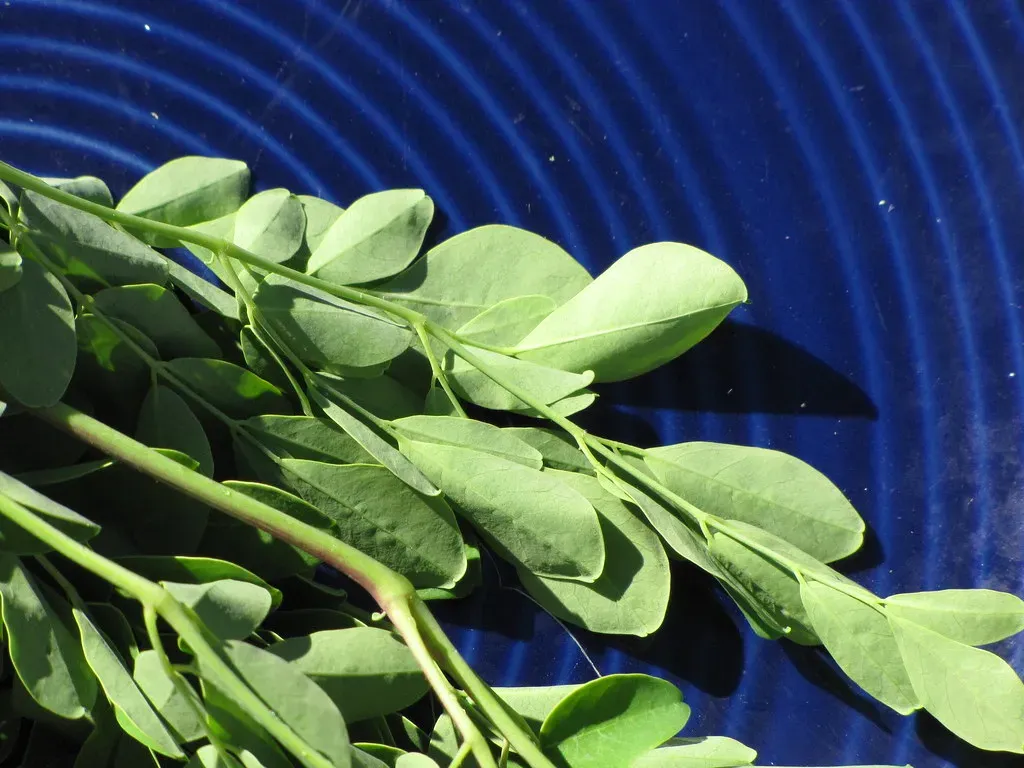
Moringa Oleifera is a perennial deciduous tropical tree known as the Miracle Tree for its medicinal and nutritional benefits, according to research published in 2024. Medical News Today mentions moringa as a source of numerous vitamins and minerals, including vitamin A, vitamin B3, calcium and iron. This drought-tolerant tree has every part edible, from leaves to seeds.
Moringa plant parts contain higher amounts of beta-carotenes than carrots, higher amounts of vitamin C than oranges, higher levels of calcium than milk, higher potassium levels than bananas, nine times more iron than spinach, and four times more fiber than oats. A 2020 review of human and animal studies found that Moringa oleifera helped lower blood sugar levels, with these effects potentially due to plant compounds such as quercetin, kaempferol, glucomoringin, chlorogenic acid, and isothiocyanate. Honestly, when a single plant outperforms that many staple foods, you start to see why researchers are excited.
Kelp and Seaweed: Ocean Vegetables Making a Splash
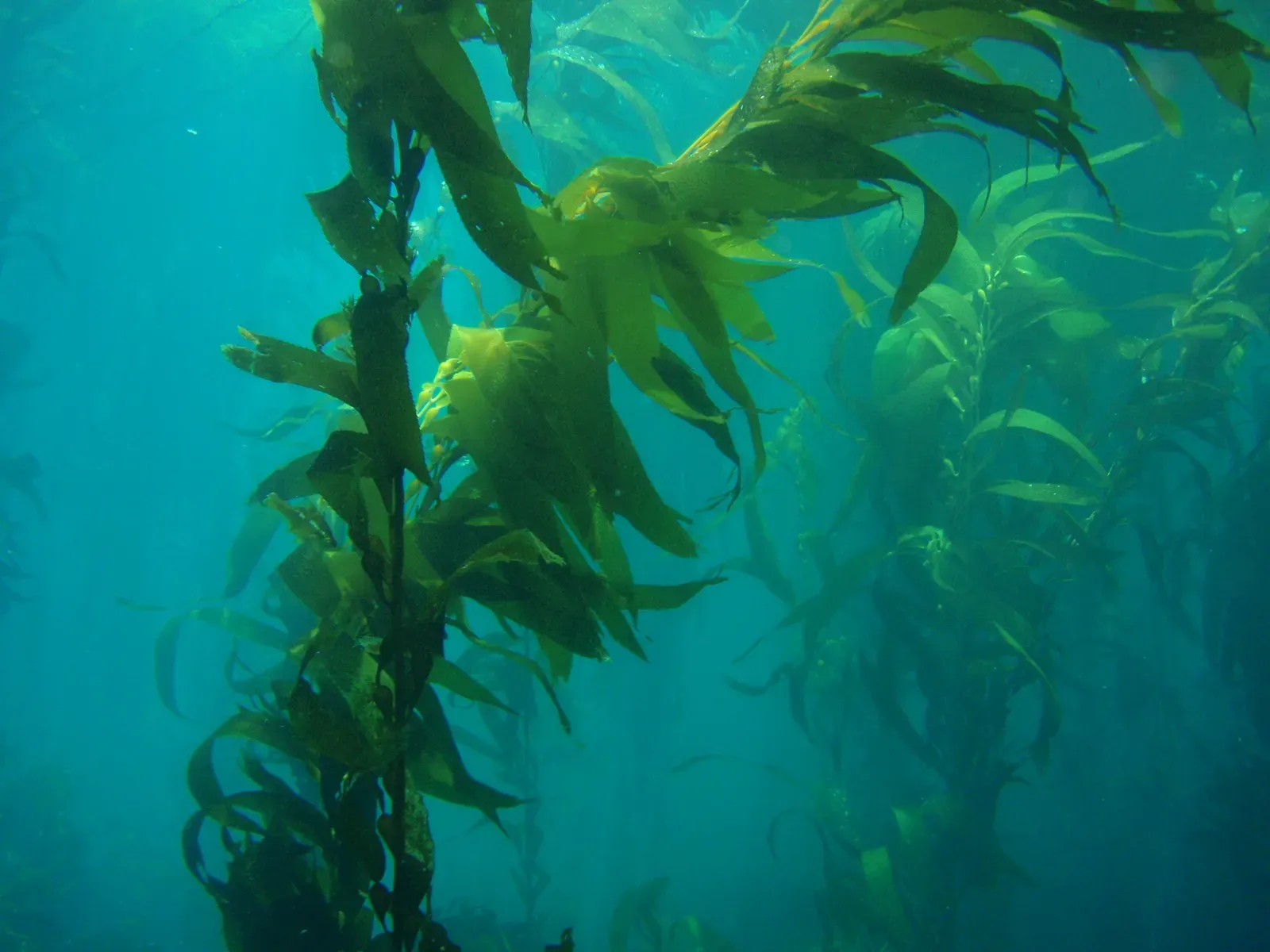
The ocean covers roughly 70 percent of Earth’s surface, yet we’ve barely tapped its food potential. Kelp takes in five times more carbon than most land-based plants, making it both a climate solution and a nutritional powerhouse. Seaweed can capture carbon far more efficiently than terrestrial forests and be used to produce food and fabrics.
Seaweed offers key nutrients such as iodine, calcium, iron, and vitamin K, and adds natural umami flavor. In July 2024, the world’s first harvest of sugar kelp grown between offshore wind farm turbines was completed off the coast of the Netherlands, developed with support from Amazon’s Right Now Climate Fund. A new seaweed cracker snack crafted with EU-farmed dried kelp and Solein protein is reported to have more than 35 percent protein content with a complete amino acid profile. Europe is rapidly expanding seaweed cultivation with projects in Sweden, Scotland, and beyond.
Cricket Protein: The Bug That’s Not So Bugged Out Anymore

Look, I get it. Eating insects feels weird if you grew up in Western culture. Yet crickets are already consumed by over two billion people globally. Cricket flour contains all nine essential amino acids and requires drastically less water, land, and feed than traditional livestock. The protein quality rivals beef, but with a fraction of the environmental footprint.
Companies are incorporating cricket protein into protein bars, pasta, and baking flour, making it virtually undetectable in final products. The industry is projected to expand significantly as consumers become more comfortable with alternative proteins and as regulations in North America and Europe continue to evolve. By 2030, don’t be surprised if cricket protein powder sits next to whey on supermarket shelves.
Alginate Protein from Microalgae: Beyond Spirulina and Chlorella
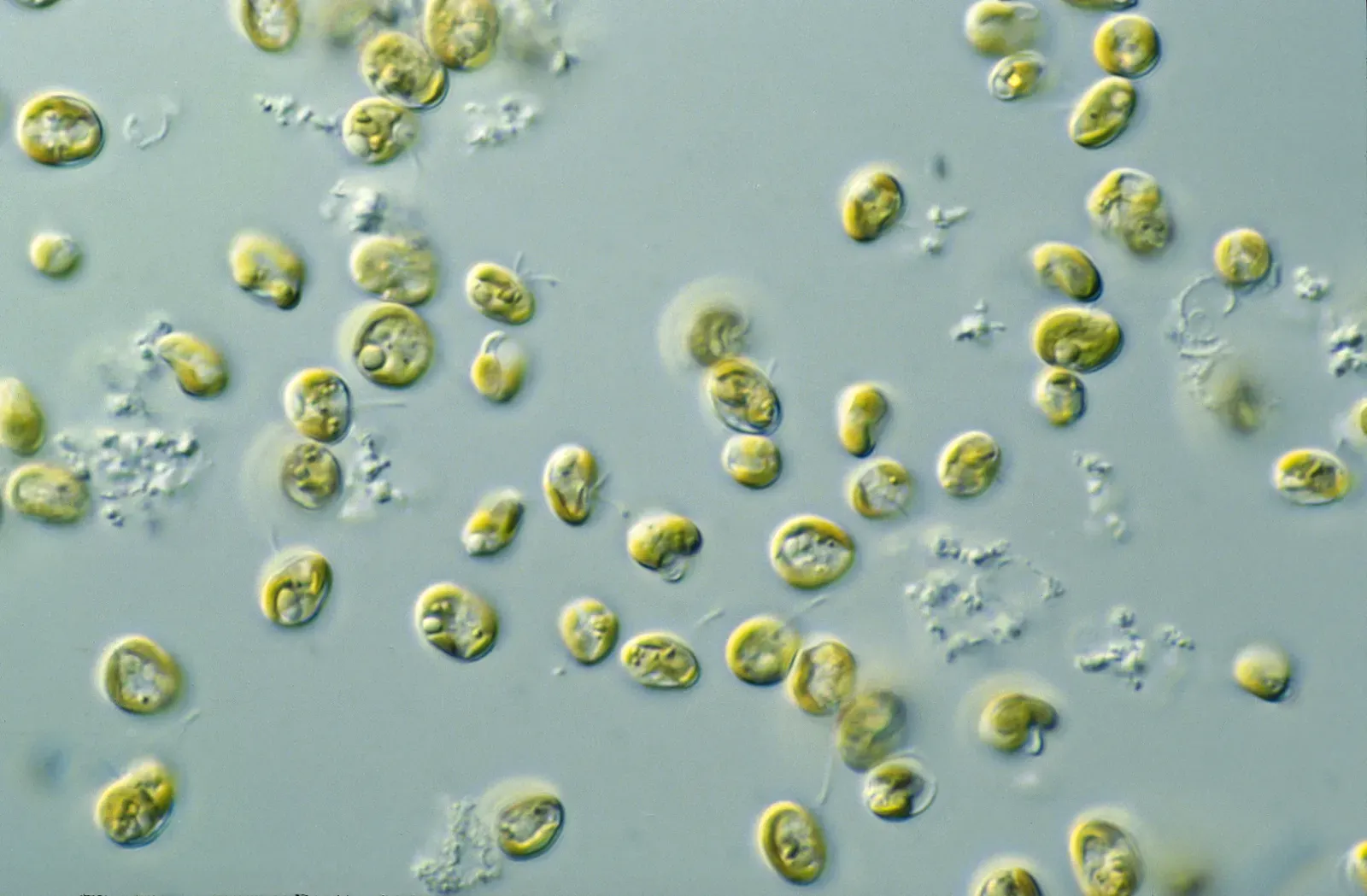
While spirulina and chlorella grab headlines, other microalgae species are entering the superfood arena. Alginate, extracted from brown algae, is becoming a crucial ingredient in food technology. It functions as a natural thickener, emulsifier, and stabilizer, replacing synthetic additives in processed foods.
Research from 2024 indicates that alginate-based products are being developed for everything from plant-based meats to dairy alternatives. The rise of clean label movements, where consumers demand recognizable ingredients, is pushing food manufacturers toward these natural algae derivatives. Functional food innovation is driving products targeting immunity, digestion, and cognitive health, with algae-based ingredients at the forefront.
Ancient Grains Making a Comeback: Teff, Fonio, and Amaranth
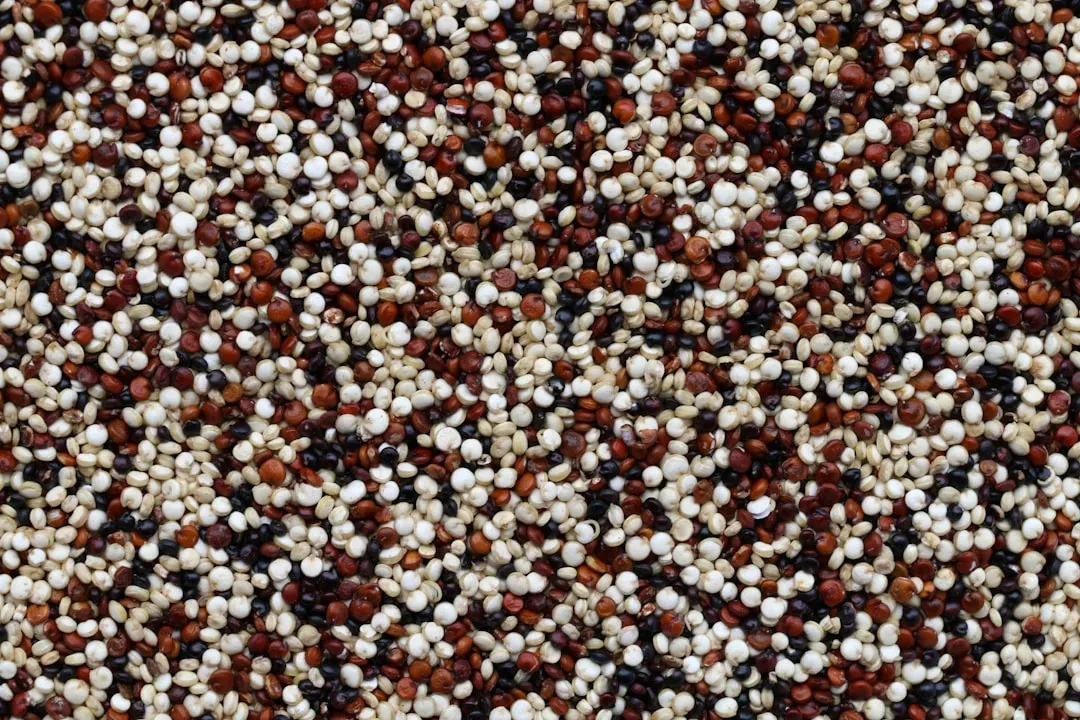
Sometimes the future of food is actually its past. Ancient grains like teff, fonio, and amaranth are resurging as modern superfoods. Teff, a tiny grain from Ethiopia, contains high levels of iron, calcium, and resistant starch. Fonio, from West Africa, is gluten-free and cooks in just five minutes.
Amaranth was sacred to the Aztecs and contains complete protein. These grains thrive in harsh climates where wheat and rice struggle, making them climate-resilient crops for an uncertain future. They’re already appearing in trendy grain bowls and gluten-free products across North America and Europe. By 2030, expect these once-obscure grains to be household names.
Fermented Foods with Next-Level Probiotics

Starting in 2024 and continuing into 2025, gut health has been one of the major dietary topics, with people taking measures from supplements to diet changes to improve their gut microbiome. Traditional fermented foods like kimchi, kombucha, and kefir are evolving with precision fermentation technology.
Scientists are now engineering specific probiotic strains to target particular health conditions, from anxiety to autoimmune disorders. The next generation of fermented superfoods won’t just promote general gut health but will be personalized to individual microbiome profiles. Fermented plant-based proteins are also gaining traction, offering improved digestibility and enhanced nutrient bioavailability compared to their non-fermented counterparts.
Tiger Nuts: The Not-Actually-Nuts Superfood
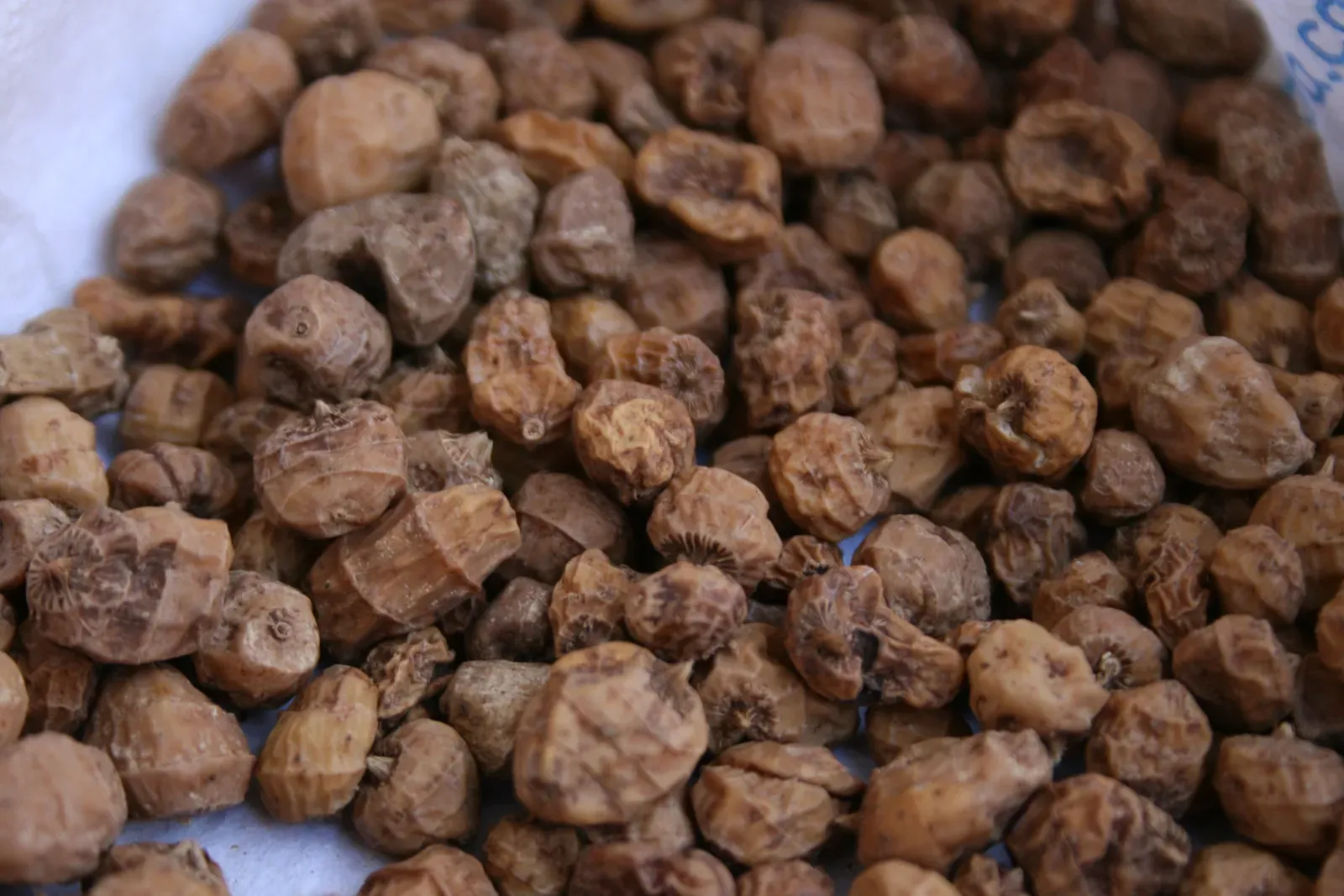
Despite the name, tiger nuts are small root vegetables that have been eaten in Africa and the Mediterranean for thousands of years. They’re naturally sweet, rich in fiber, and contain resistant starch that feeds beneficial gut bacteria. Tiger nuts are also a good source of vitamin E and minerals like magnesium and potassium.
The allergy-friendly profile of tiger nuts makes them appealing in a world increasingly aware of food sensitivities. They’re gluten-free, nut-free, and dairy-free. You can find them as whole snacks, flour, or milk alternatives. As plant-based eating continues its upward trajectory, tiger nuts offer both nutritional benefits and culinary versatility that position them for mainstream adoption.
Jackfruit: The Meat Substitute That Grows on Trees
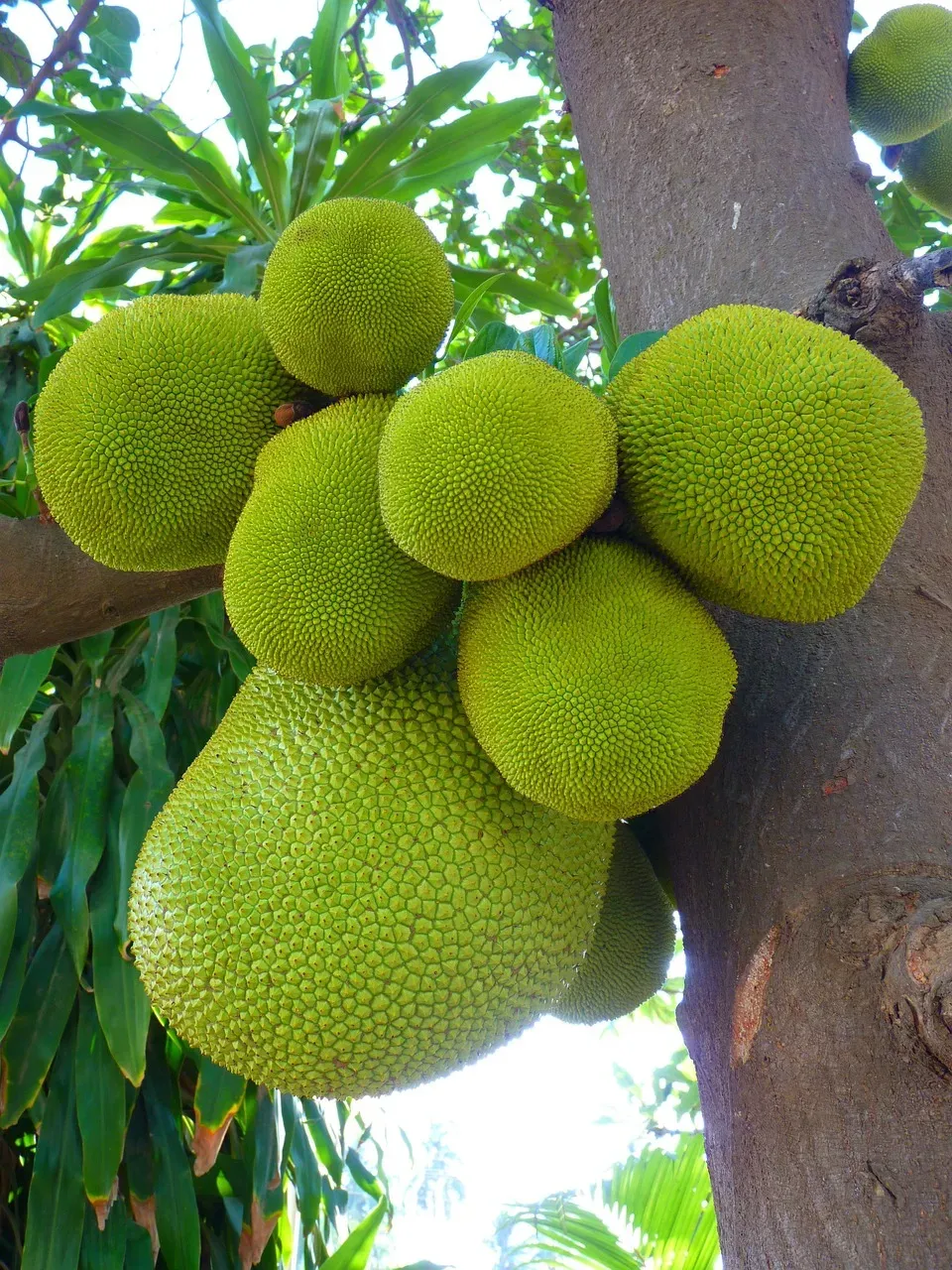
Jackfruit has already made waves in vegan circles as a pulled pork substitute, but its potential extends far beyond trendy tacos. This massive tropical fruit is the largest tree fruit in the world and can weigh up to 80 pounds. Young, unripe jackfruit has a neutral flavor and meaty texture, while ripe jackfruit is sweet and fragrant.
What makes jackfruit compelling for the future is its sustainability. The trees require minimal inputs, resist pests naturally, and produce abundant yields. It’s packed with vitamin C, potassium, and dietary fiber. As the plant-based meat market continues expanding, jackfruit is positioned as an accessible, whole-food option rather than a heavily processed alternative. Expect innovation in jackfruit-based products from burgers to sausages.
Baobab: The African Superfruit Finally Getting Recognition
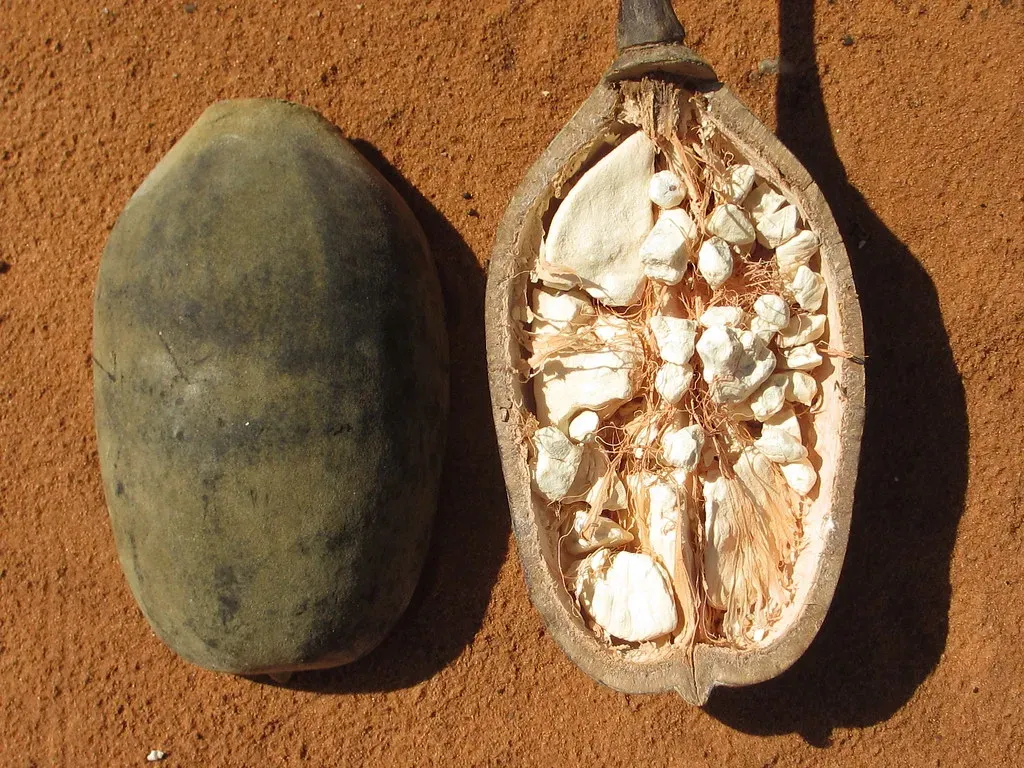
The baobab tree is called the Tree of Life in Africa for good reason. Its fruit contains six times more vitamin C than oranges, more antioxidants than blueberries, and high levels of fiber, potassium, and magnesium. Baobab powder has a tangy, citrus-like flavor that works well in smoothies, baked goods, and beverages.
Research shows baobab may help with blood sugar management and digestive health. It’s also incredibly sustainable, with trees living for thousands of years and requiring no irrigation. European and American markets approved baobab as a novel food in recent years, paving the way for wider commercial availability. By 2030, baobab could be as common in wellness products as acai and goji berries are today.
Sacha Inchi: The Amazon’s Omega-Rich Seed
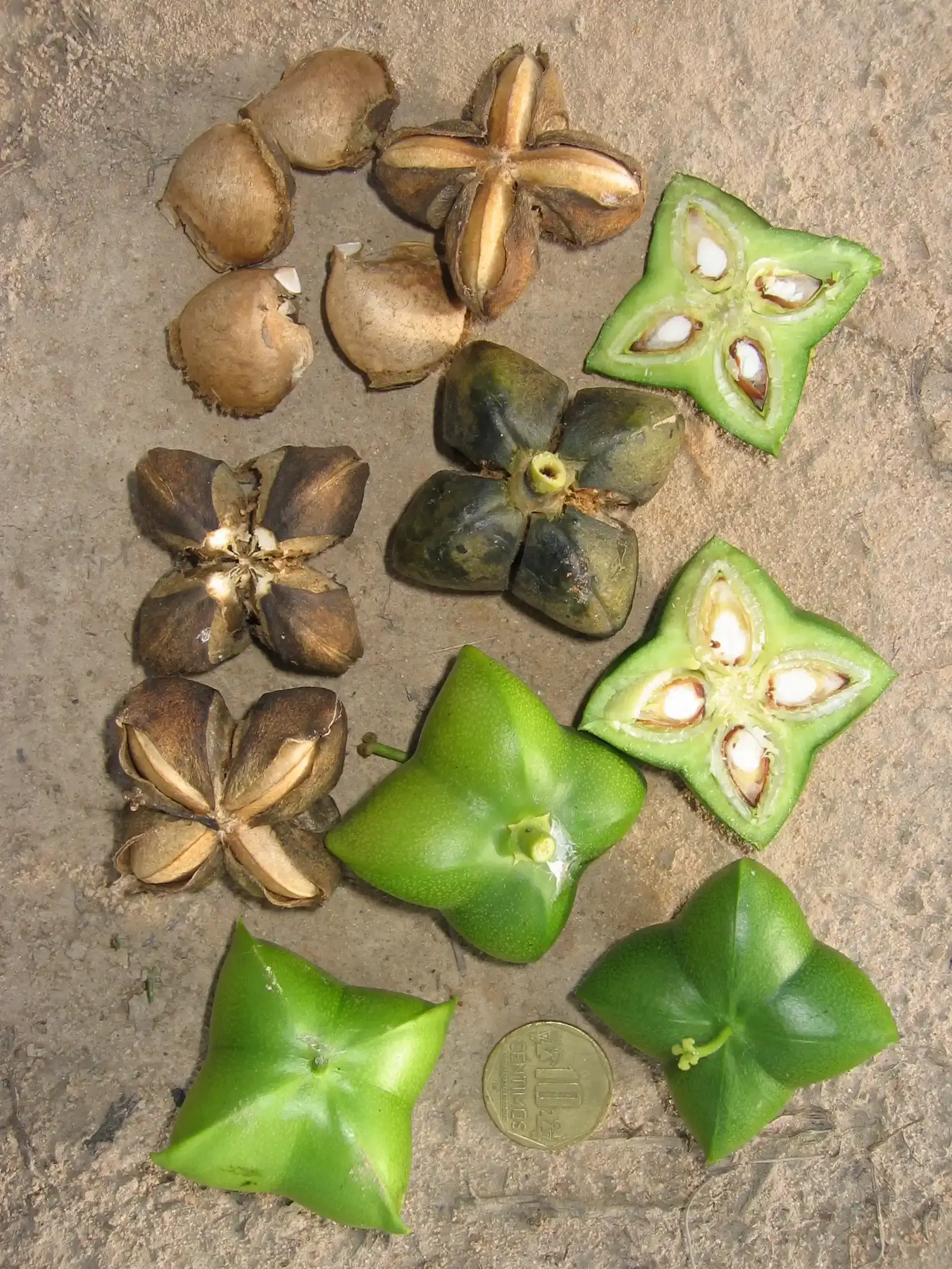
Sacha inchi seeds, native to the Peruvian Amazon, contain one of the highest plant-based concentrations of omega-3 fatty acids. They’re also rich in complete protein and vitamin E. The nutty-flavored seeds can be eaten roasted or pressed into oil, which has a light taste ideal for salad dressings and cooking.
Omega-3 fatty acids are notoriously difficult to obtain from plant sources, making sacha inchi particularly valuable for vegans and vegetarians. The plants are nitrogen-fixing, meaning they improve soil health while growing. As consumer awareness of omega-3 importance grows and more people seek plant-based sources, sacha inchi is poised for significant market expansion in coming years.
Maqui Berry: The Antioxidant Champion from Patagonia
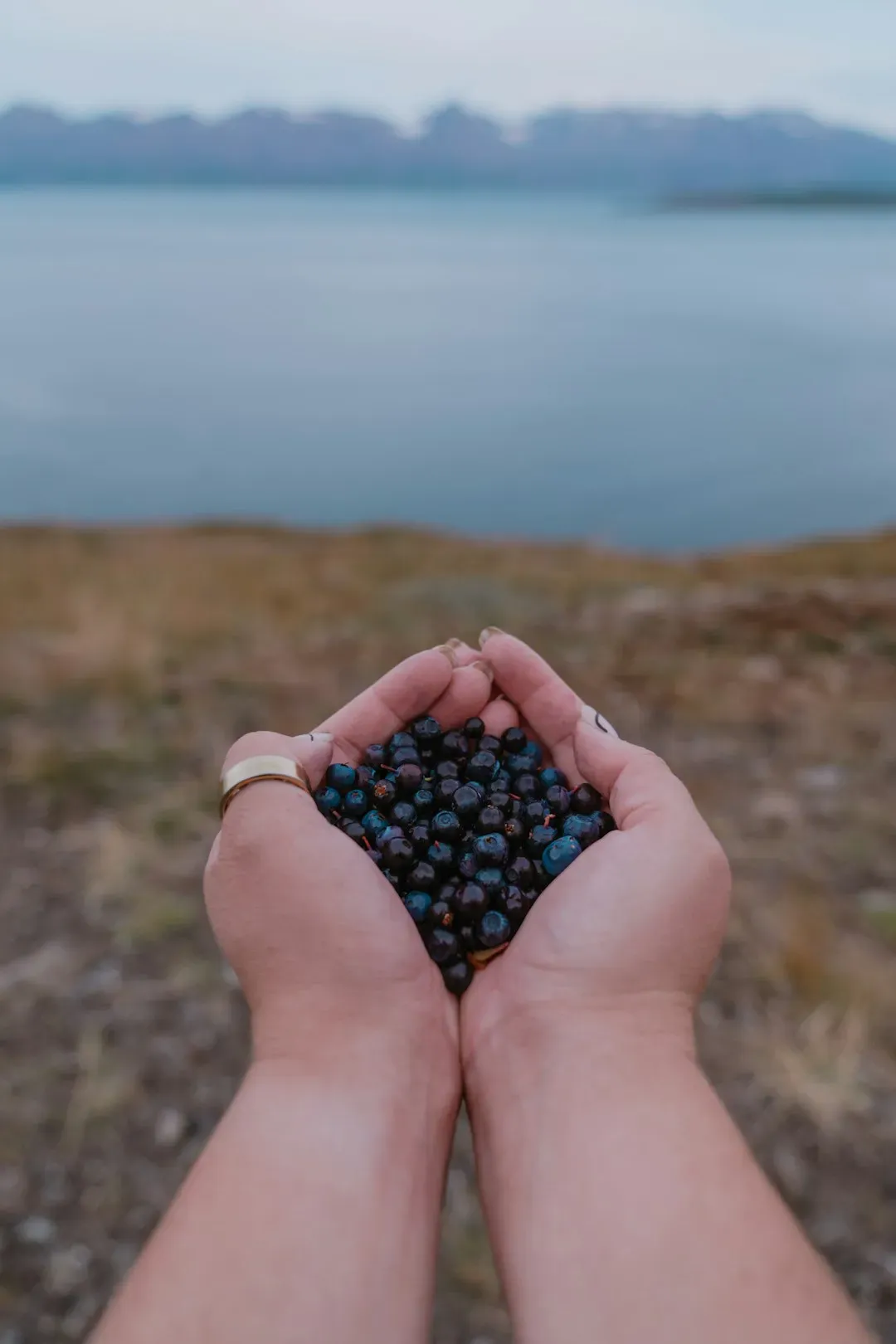
Maqui berries from Chile boast the highest antioxidant content of any known fruit, measured by ORAC value. They contain potent anthocyanins that give them their deep purple color and impressive health properties. Research suggests maqui berries may support cardiovascular health, blood sugar regulation, and anti-inflammatory processes.
The berries are wild-harvested by indigenous Mapuche people, providing economic opportunities for rural communities while preserving traditional knowledge. Maqui powder is already available in health food stores, typically used in smoothies and supplements. As the superfruit market continues diversifying beyond acai and goji, maqui berries are positioned to become a mainstream ingredient in functional foods and beverages.
Purple Sweet Potatoes: The Colorful Carb Revolution
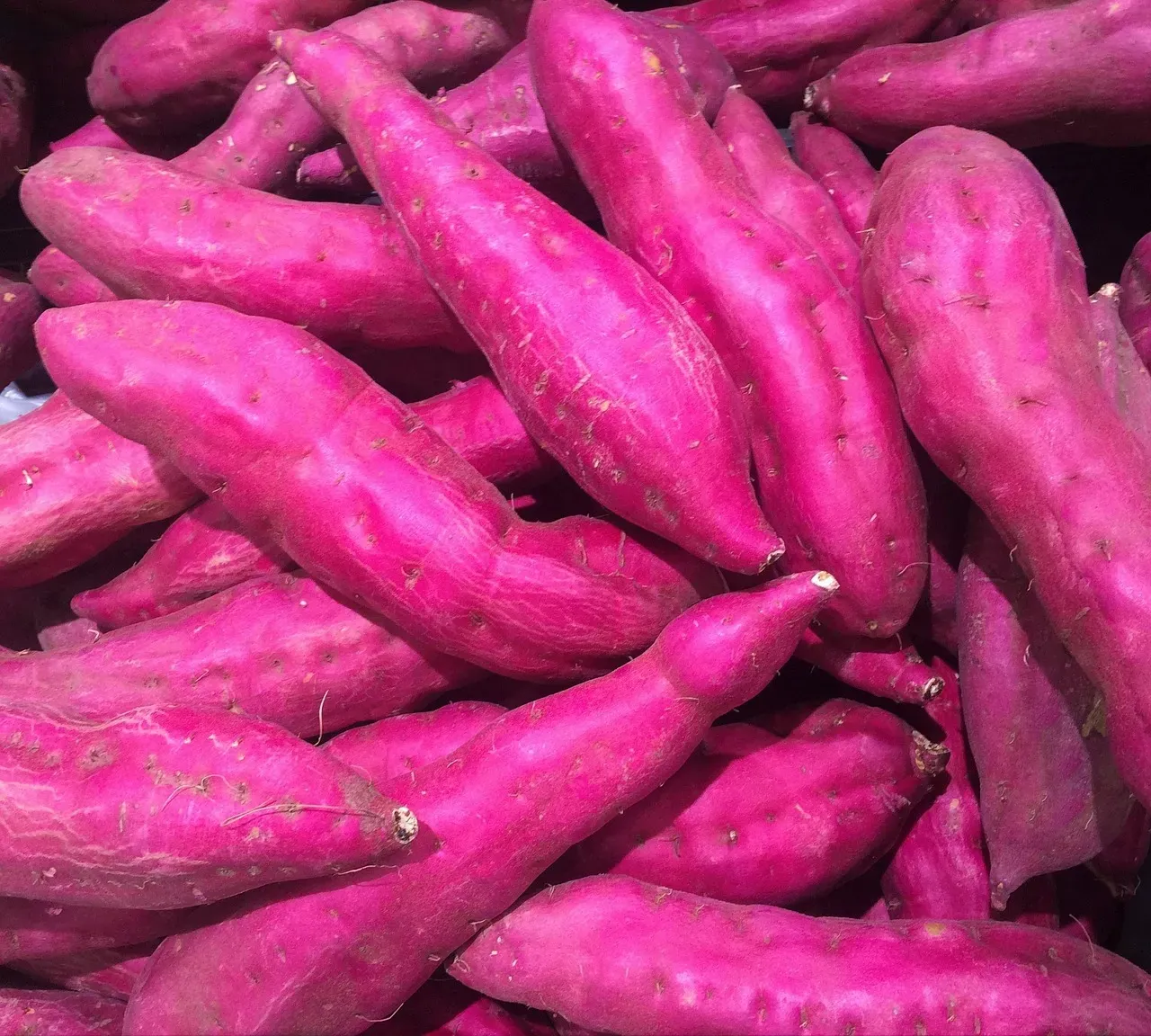
Purple sweet potatoes contain anthocyanins, the same antioxidant compounds found in blueberries and red wine, but in even higher concentrations. These vibrant tubers have been staples in Okinawa, Japan, where residents enjoy some of the longest lifespans on Earth. Beyond their stunning color, purple sweet potatoes offer more antioxidants than their orange cousins while maintaining all the fiber, vitamins, and minerals.
They’re naturally resistant to pests and diseases, require minimal inputs, and can grow in challenging conditions. Food manufacturers are starting to use purple sweet potato powder as a natural colorant, replacing synthetic dyes. As consumers demand cleaner labels and more nutrient-dense carbohydrates, purple sweet potatoes are emerging from novelty status into everyday superfood territory.