We all know about penicillin and the light bulb. Those stories get told over and over until they become almost boring. What’s fascinating, though, are the discoveries that flew under the radar, the ones that quietly reshaped our world while most people weren’t paying attention.
These breakthroughs didn’t always come with fanfare or Nobel Prizes. Some happened by accident. Others were ignored for decades before anyone realized their significance. Yet each one fundamentally altered the trajectory of human progress in ways that continue to ripple through our lives today.
From casino floors in Las Vegas to operating rooms worldwide, these discoveries touch more aspects of your daily life than you’d ever guess. Let’s dive in.
The Discovery of Restriction Enzymes
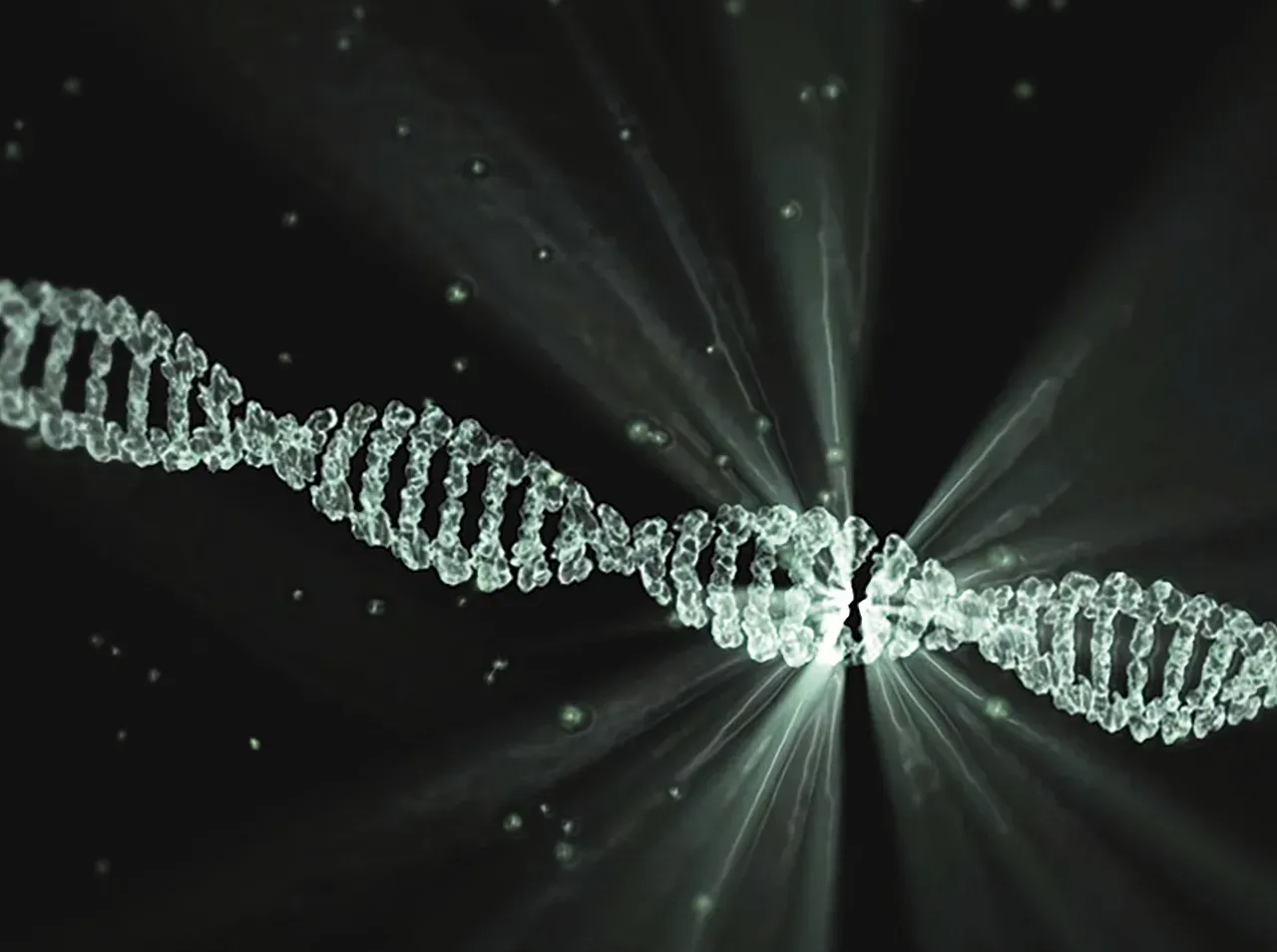
In the late 1960s, scientists stumbled upon molecular scissors that could cut DNA at specific points. Werner Arber, Hamilton Smith, and Daniel Nathans were working with bacteria when they found these restriction enzymes, though hardly anyone outside research labs cared at the time.
These enzymes became the foundation of genetic engineering. Without them, we wouldn’t have insulin manufactured in labs, crime-solving DNA analysis, or CRISPR gene editing. They transformed biology from an observational science into something we could actively manipulate and reshape.
The implications were staggering. Suddenly, scientists could cut and paste genetic code like editing a document. It opened doors we didn’t even know existed.
Today, restriction enzymes are used millions of times daily in labs across the planet. Yet most people have never heard of them.
The Accidental Creation of Superglue

Harry Coover was trying to make clear plastic gun sights for soldiers during World War II when he created cyanoacrylate. He considered it a complete failure because it stuck to everything. Talk about missing the point.
Nearly a decade later, Coover gave it another look and realized what he had. This wasn’t a failed experiment – it was a miracle adhesive that bonded instantly to almost any surface.
Superglue revolutionized manufacturing, medical procedures, and everyday repairs. Surgeons use medical-grade versions to seal wounds instead of stitches. The automotive industry relies on it for countless applications.
What started as a wartime disappointment became one of the most versatile substances in modern chemistry. Sometimes the best discoveries are the ones we throw away at first.
The Hidden Power of Graphene
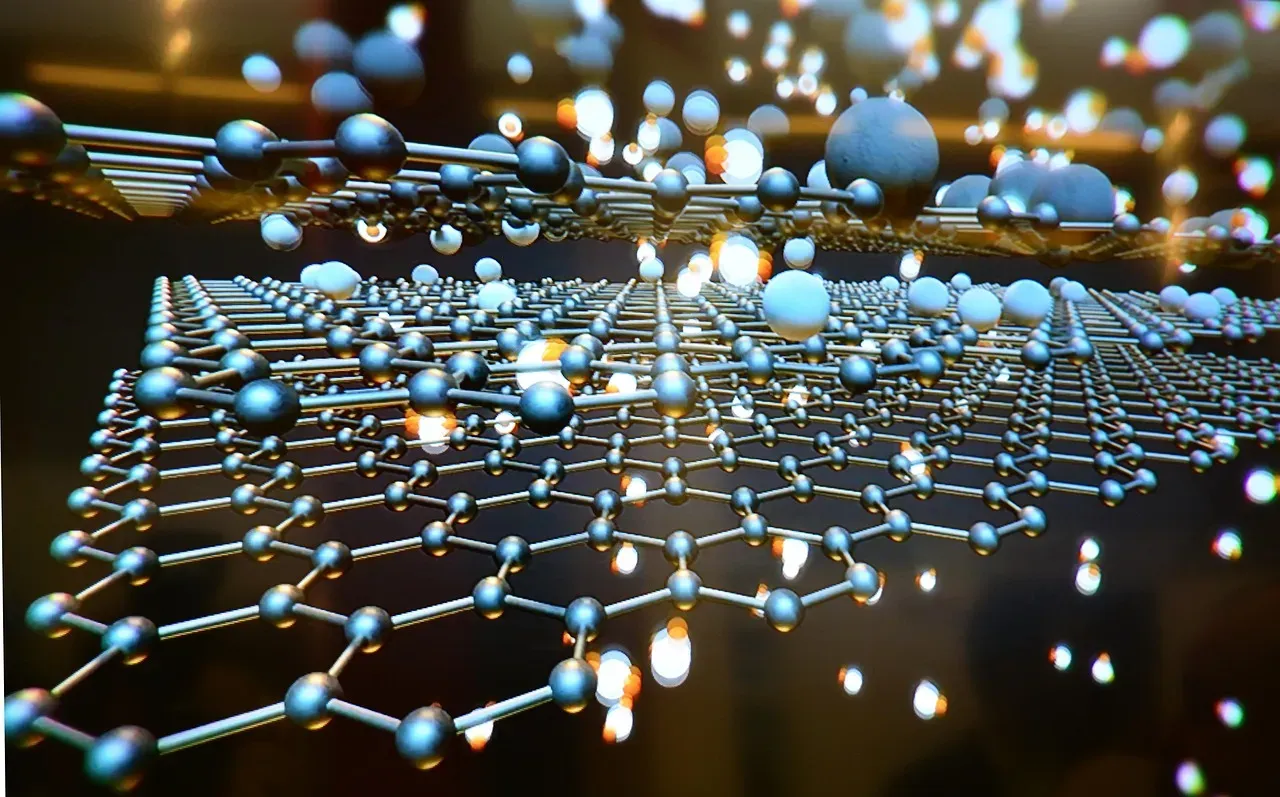
Andre Geim and Konstantin Novoselov won the Nobel Prize in 2010 for isolating graphene using nothing more sophisticated than sticky tape. They literally peeled layers off graphite until they got down to a single atom thick.
Graphene is stronger than steel, more conductive than copper, and almost completely transparent. It’s basically a wonder material that sounds too good to be true.
The potential applications are mind-boggling. Ultra-fast computer chips, bendable electronics, water filtration systems that could solve global shortages. We’re still in the early stages of figuring out what to do with it.
The crazy thing? It was always right there in our pencils. We just needed someone to think about separating those layers.
Helicobacter Pylori and Stomach Ulcers
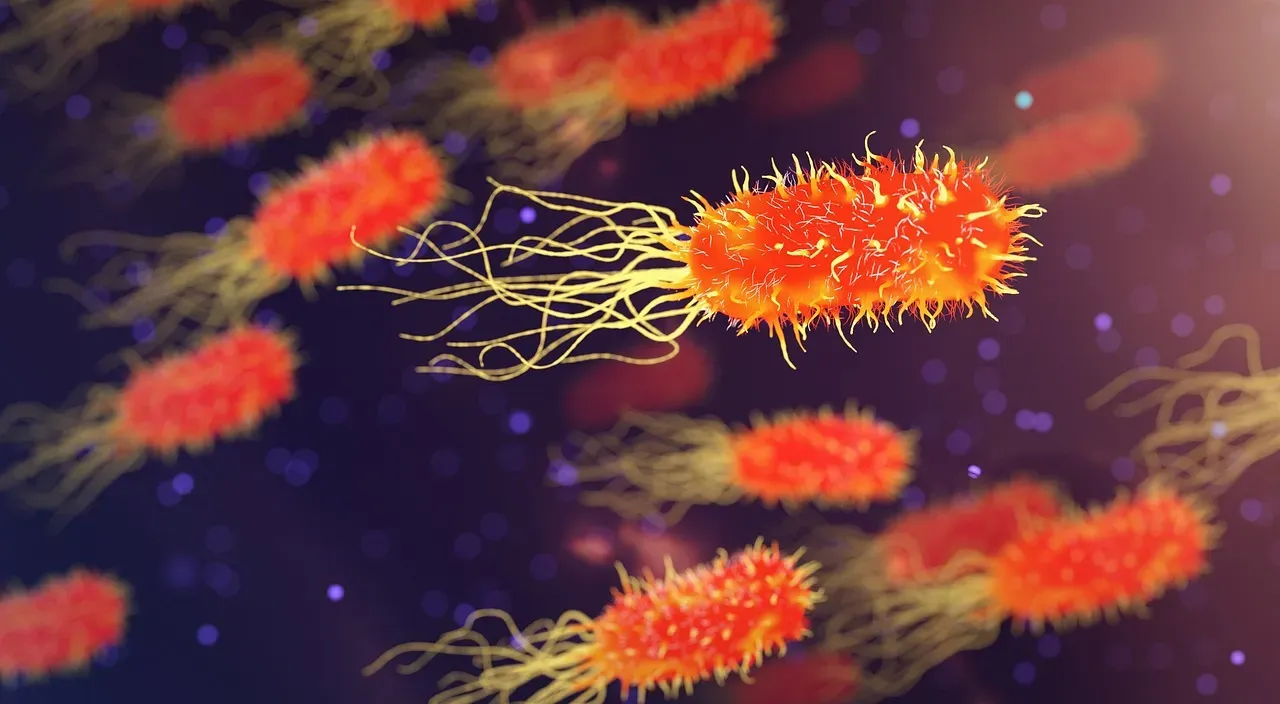
For decades, doctors insisted stress and spicy food caused stomach ulcers. Barry Marshall and Robin Warren discovered in 1982 that a spiral-shaped bacterium was actually to blame, but nobody believed them.
Marshall got so frustrated that he drank a petri dish full of the bacteria to prove his point. He developed gastritis within days and cured it with antibiotics. That’s commitment to science, I’ll give him that.
This discovery overturned centuries of medical dogma. Suddenly, a condition that plagued millions became curable with a simple course of antibiotics instead of a lifetime of antacids and dietary restrictions.
It also revealed that bacteria could survive in the acidic environment of the stomach, which everyone thought was impossible. Sometimes you have to challenge what everyone knows to be true.
The Discovery of Neural Plasticity
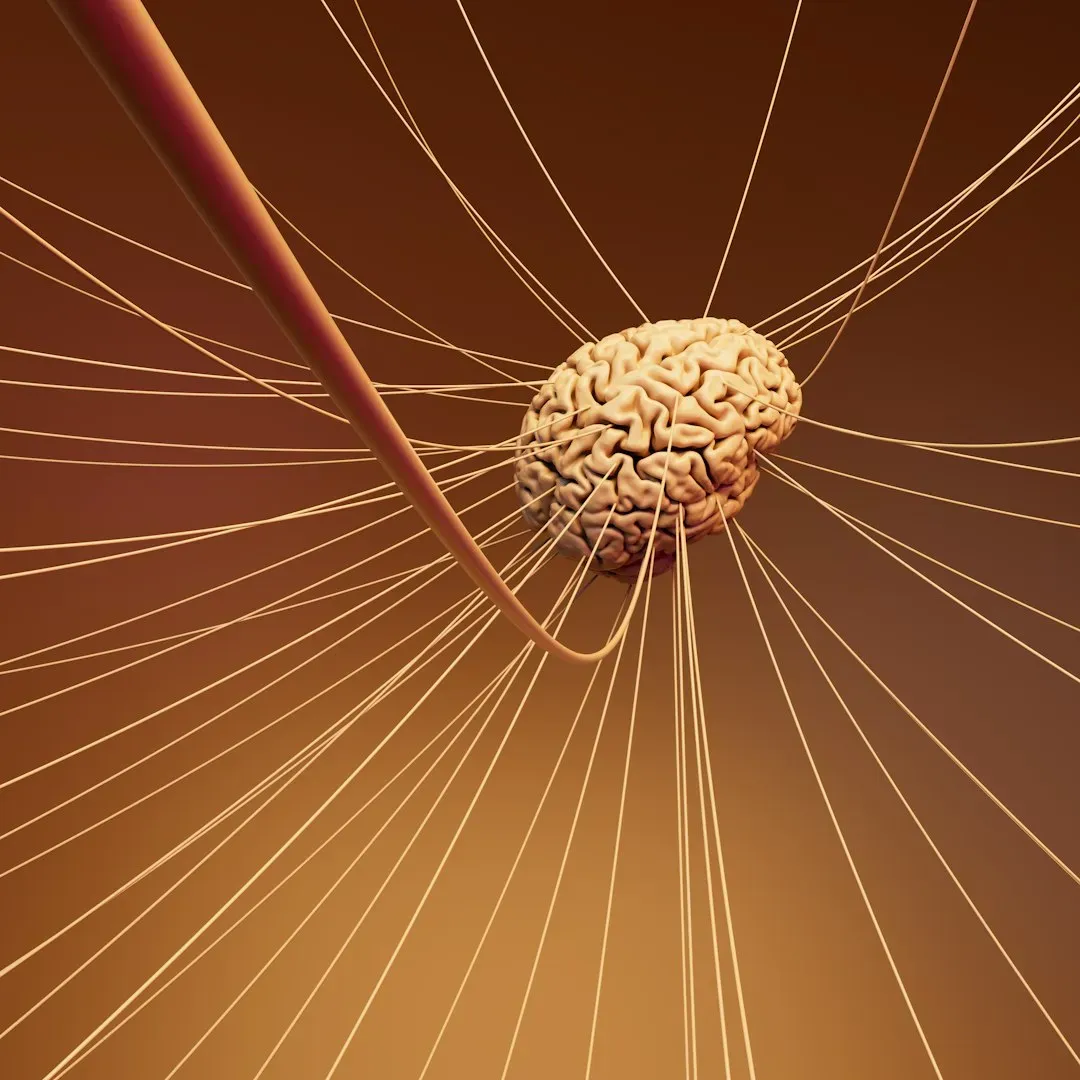
For most of the twentieth century, neuroscientists believed the adult brain was fixed and unchangeable. You were born with a certain number of neurons, and when they died, that was it.
Research starting in the 1960s slowly revealed this was completely wrong. The brain constantly rewires itself based on experiences, learning, and even injury. Michael Merzenich’s work in the 1980s really drove this home.
This about how we approach brain injuries, learning disabilities, and mental health. Stroke victims can recover functions by training other parts of their brains to take over.
It means we’re not stuck with the brain we’re born with. We can actively reshape our neural pathways throughout our entire lives. The implications for education and therapy are still unfolding.
The Polymerase Chain Reaction
Kary Mullis came up with PCR in 1983 while driving on a California highway. He figured out how to make millions of copies of a single DNA strand, which sounds simple but was revolutionary.
Before PCR, analyzing DNA required massive samples and weeks of work. After PCR, scientists could take a microscopic amount and amplify it in hours.
This technology made possible everything from paternity tests to archaeological studies of ancient DNA. It’s how we identified victims of disasters and convicted criminals with trace evidence. The COVID tests that became ubiquitous? Those relied on PCR.
Mullis was known for being eccentric, but there’s no denying he created one of the most important tools in modern science during that drive.
The Unexpected Discovery of Cosmic Microwave Background Radiation
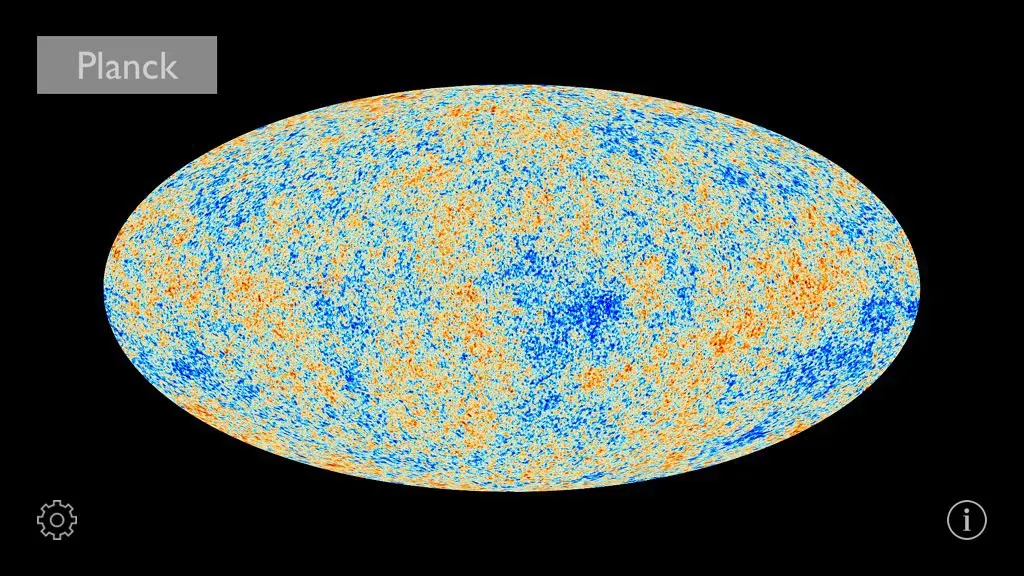
Arno Penzias and Robert Wilson were trying to reduce noise in their radio telescope in 1964 when they kept detecting this persistent hiss. They cleaned out pigeon droppings, checked every connection, but the signal remained.
Turns out they’d accidentally discovered the afterglow of the Big Bang. The entire universe is bathed in this faint microwave radiation left over from the birth of everything.
This discovery provided the strongest evidence for the Big Bang theory and helped us understand the universe’s age, composition, and structure. It transformed cosmology from philosophical speculation into hard science.
The funny thing is, they almost ignored it as an instrumentation error. The most important discoveries sometimes look like mistakes at first.
RNA Interference
Andrew Fire and Craig Mello discovered in 1998 that double-stranded RNA could silence specific genes. They were studying worms when they noticed this bizarre phenomenon that nobody had predicted.
RNA interference revealed a whole layer of genetic regulation that nobody knew existed. Cells use this mechanism naturally to control which genes get expressed and when.
It opened up new possibilities for treating diseases by selectively turning off harmful genes. Cancer research, viral infections, genetic disorders – all became potentially treatable in entirely new ways.
The discovery was so unexpected that it took years for the scientific community to fully accept it. Nature had been using this elegant control system all along, and we’d completely missed it.
The Identification of Telomeres
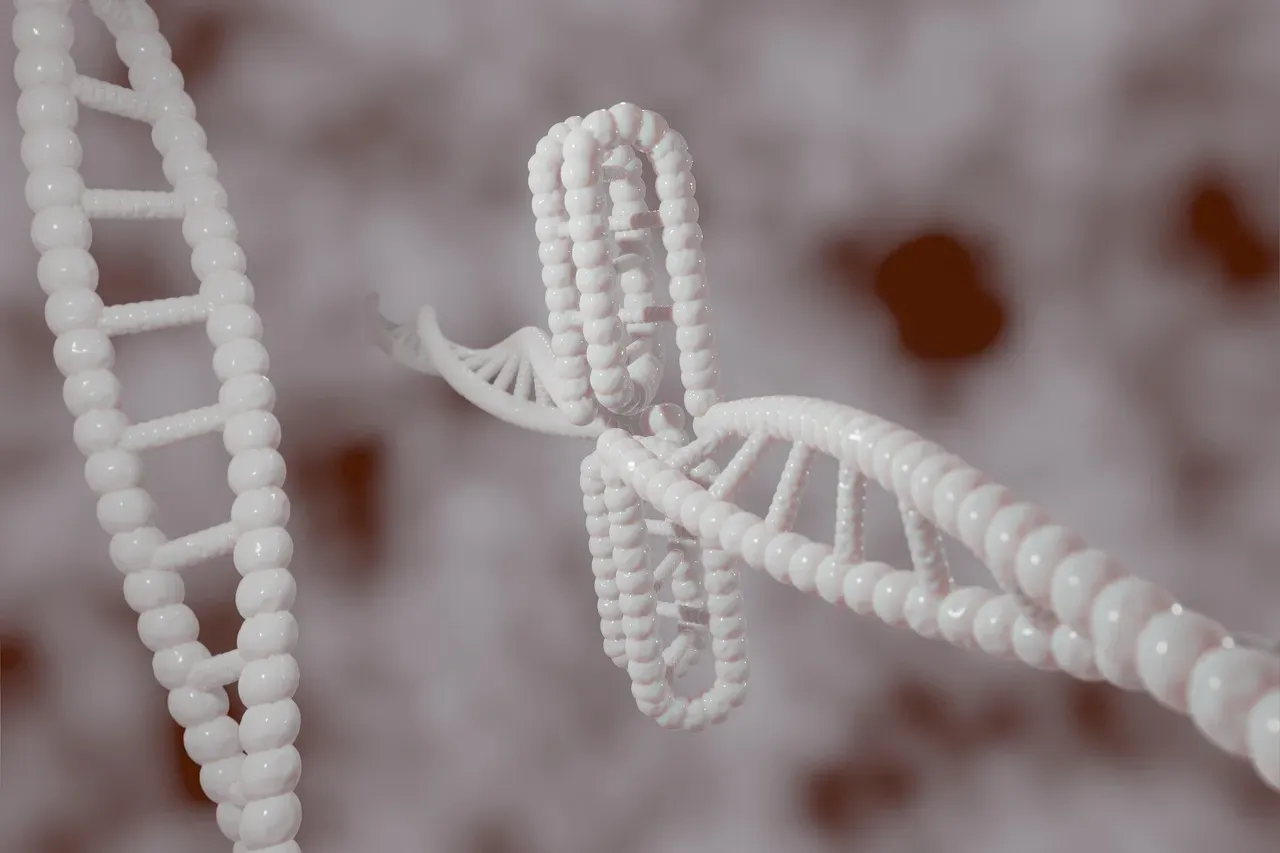
Elizabeth Blackburn, Carol Greider, and Jack Szostak discovered in the 1980s that chromosomes are protected by caps called telomeres. These caps shorten each time a cell divides, essentially acting as a cellular clock.
This explained why cells can only divide a limited number of times before dying. It revealed fundamental mechanisms of aging at the cellular level.
The discovery connected to cancer research too. Cancer cells reactivate an enzyme called telomerase that rebuilds these caps, allowing them to divide indefinitely. Understanding this opened new treatment approaches.
We’re still figuring out all the implications. Roughly about half of all human aging research now involves telomeres in some way.
The Discovery of Quantum Entanglement
Einstein called it “spooky action at a distance” and hated the idea. When particles become entangled, measuring one instantly affects the other, regardless of the distance between them.
For decades, this was just a weird theoretical concept that physicists argued about. Then experiments in the 1980s and 1990s proved it was real.
Quantum entanglement is now the foundation of quantum computing and quantum cryptography. It’s potentially the basis for unhackable communication systems and computers that can solve problems classical computers never could.
It challenges our basic understanding of reality and locality. The universe is stranger than we thought, and we’re only beginning to harness these strange properties.
The Accidental Discovery of Saccharin
Constantin Fahlberg forgot to wash his hands after working with coal tar derivatives in 1879. When he ate dinner that night, everything tasted incredibly sweet. Most people would’ve been worried about poisoning, but Fahlberg was curious.
He went back to the lab and tasted various compounds until he found the one responsible. Yes, he deliberately tasted chemicals. This was a different era of laboratory safety.
Saccharin became the first artificial sweetener, launching an entire industry. It’s helped millions of diabetics manage their condition and contributed to public health by reducing sugar consumption.
The discovery was pure accident, but the implications were enormous. Sometimes scientific progress comes from lucky breaks and a willingness to investigate the unexpected.
The Discovery of Prions
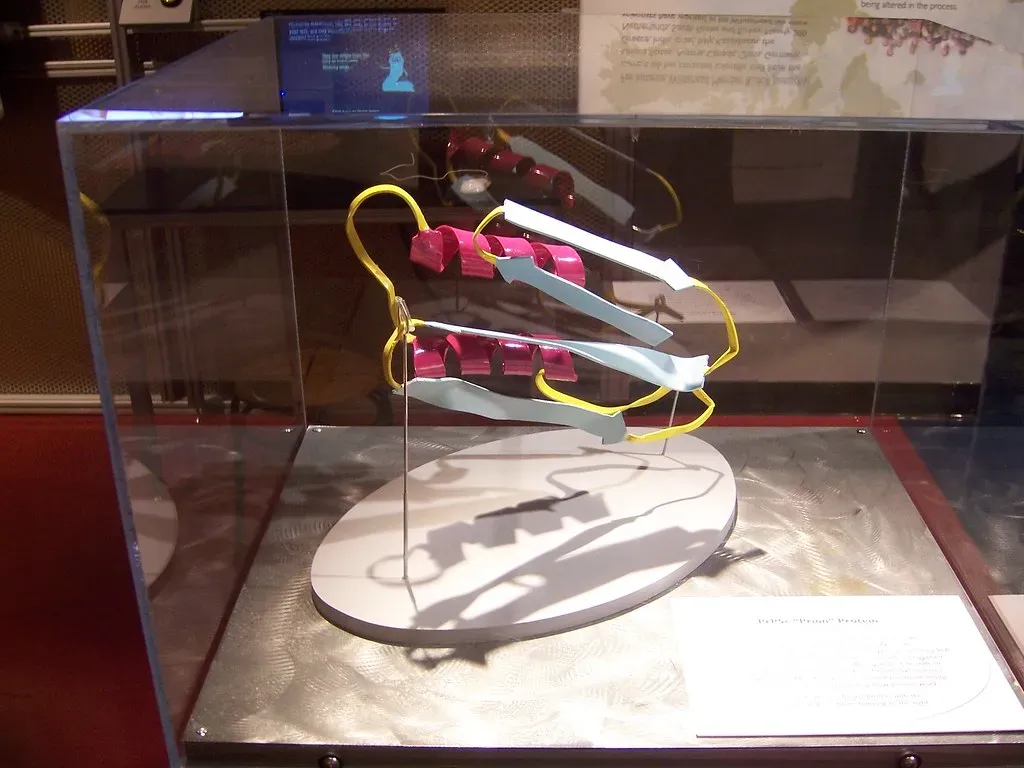
Stanley Prusiner proposed in 1982 that proteins alone, without any genetic material, could cause infectious diseases. The scientific community thought he was crazy. Diseases needed DNA or RNA to replicate, everyone knew that.
He proved that misfolded proteins could force other proteins to misfold too, creating a cascade of destruction. These prions caused mad cow disease, Creutzfeldt-Jakob disease, and similar nightmares.
This overturned fundamental assumptions about how diseases spread. It revealed an entirely new category of infectious agents that nobody had imagined existed.
Prusiner endured years of ridicule before winning the Nobel Prize. His persistence in the face of overwhelming skepticism paid off, but it took nearly two decades.
The Identification of CRISPR
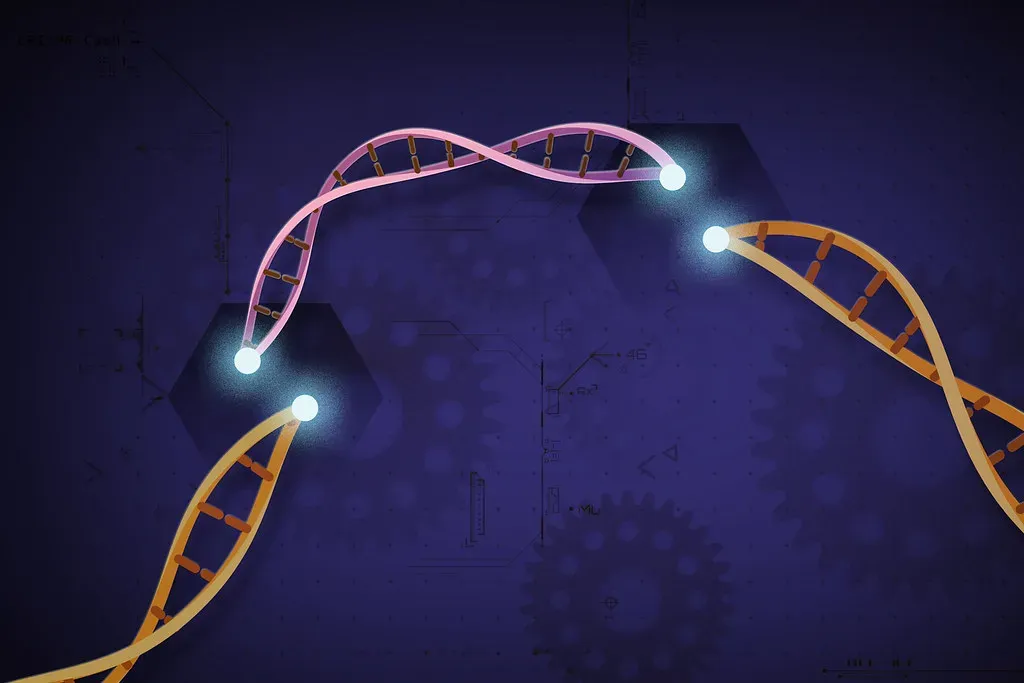
Scientists noticed weird repeating sequences in bacterial DNA in 1987 but had no idea what they meant. It took until 2012 for Jennifer Doudna and Emmanuelle Charpentier to figure out it was a bacterial immune system that could be repurposed for gene editing.
CRISPR allows precise editing of DNA sequences with unprecedented accuracy and simplicity. What used to take months now takes days. What used to cost thousands now costs hundreds.
The potential applications are staggering. Curing genetic diseases, creating drought-resistant crops, eliminating malaria-carrying mosquitoes. We’re talking about rewriting the code of life.
The ethical implications are profound too. With great power comes great responsibility, and CRISPR gives us more power over biology than we’ve ever had before.
The Discovery of Nitric Oxide as a Signaling Molecule
Robert Furchgott, Louis Ignarro, and Ferid Murad discovered in the 1980s that nitric oxide, a simple gas molecule, acts as a crucial signaling molecule in the cardiovascular system. This was revolutionary because gases weren’t supposed to work this way.
This discovery explained how blood vessels relax and expanded our understanding of heart disease, blood pressure regulation, and immune system function.
It also led directly to the development of Viagra, which works by enhancing nitric oxide pathways. Sometimes medical research takes you to unexpected places.
The discovery opened up an entirely new field of research into gaseous signaling molecules. The human body is full of surprises, even after centuries of study.
The Unexpected Properties of Buckyballs
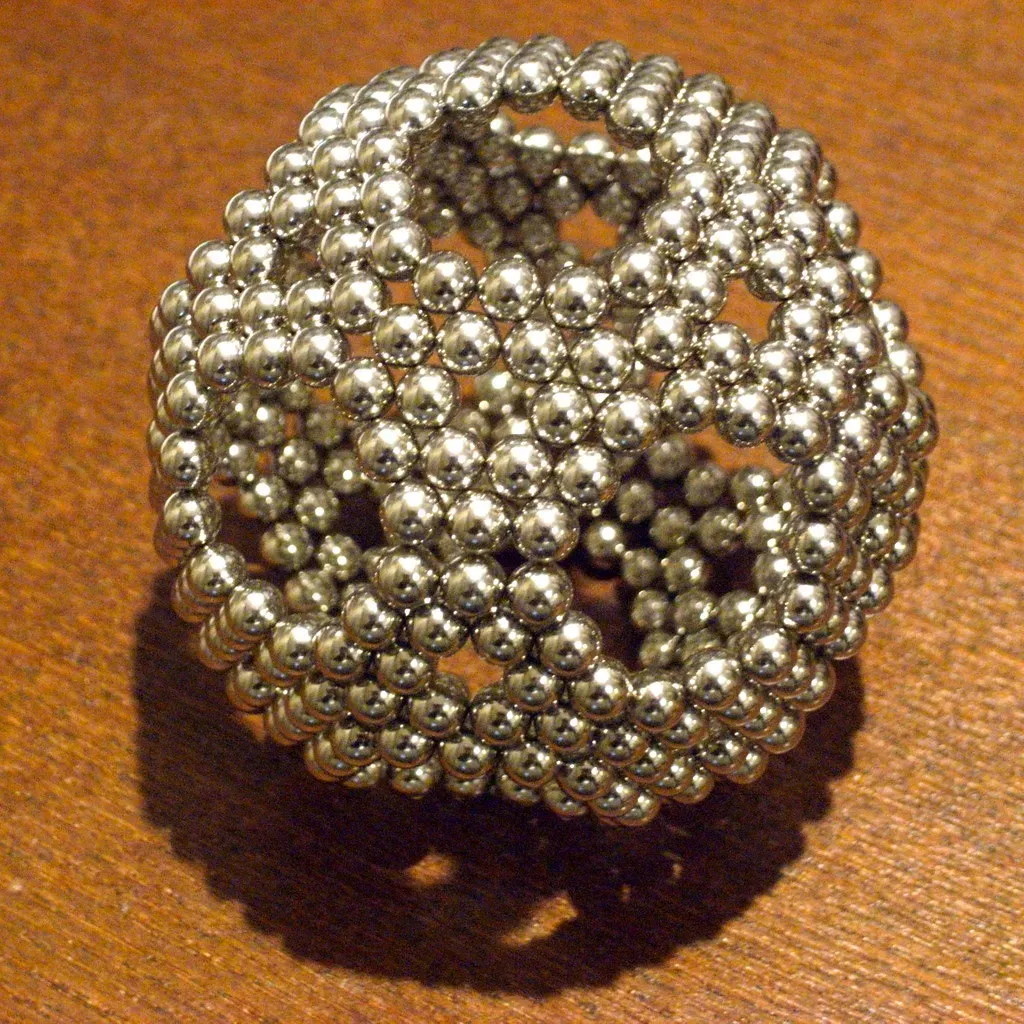
Harry Kroto, Richard Smalley, and Robert Curl discovered buckminsterfullerene in 1985 while studying carbon molecules in space. They found a perfectly symmetrical sphere of sixty carbon atoms that resembled a soccer ball or a geodesic dome.
These buckyballs opened up the entire field of fullerene chemistry. They have unusual properties that make them useful in everything from drug delivery to solar panels to superconductors.
The discovery showed that carbon could form structures nobody had predicted. It expanded our understanding of what was chemically possible.
We’re still finding new applications decades later. The full potential of fullerenes remains largely untapped.
Conclusion
These fifteen discoveries share something important – they all challenged what we thought we knew. Some were accidents, others the result of persistence in the face of doubt. None of them made immediate headlines, yet each one fundamentally altered the course of human knowledge and capability.
What’s fascinating is that we’re surrounded by the results of these obscure breakthroughs every day. From the medications we take to the technology we use to the food we eat, these discoveries shaped the modern world in ways most people never realize. The next time you stick something with superglue or take a genetic test, remember the unknown scientists who made those everyday miracles possible.
What other discoveries do you think flew under the radar but ? Tell us in the comments.