There is something genuinely unsettling about picking up a novel written over a century ago and recognizing your own world in its pages. Not in a vague, squint-and-you’ll-see-it kind of way. We’re talking specific, detailed, almost blueprint-level accuracy. Science fiction writers have long been dismissed as dreamers and romantics. Honestly, some of them were just ahead of their time in ways that make your head spin.
From satellites to smartphones, from the atomic bomb to wireless earbuds, the pages of contain some of the most staggering technological prophecies in human history. So let’s dive in and see just how much of today’s world was already written down decades ago.
1. Smartphones: Arthur C. Clarke’s “2001: A Space Odyssey” (1968)
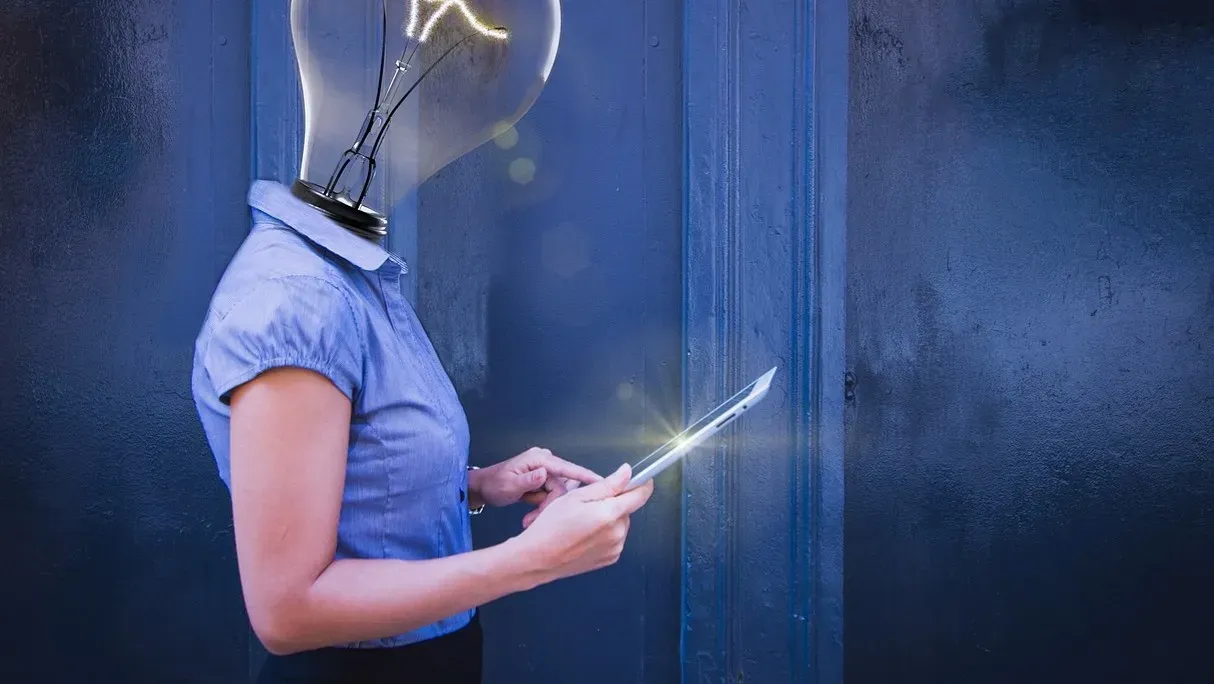
In Arthur C. Clarke’s seminal 1968 novel “2001: A Space Odyssey,” he introduced the concept of a “Newspad,” a device that eerily foreshadowed today’s smartphones and tablets. Clarke described it as a flat, portable screen capable of displaying news articles from Earth. Users could select content from various publications, much like we browse digital media today.
The Newspad’s ability to store and retrieve vast amounts of information mirrors our modern devices’ functionality. Think about that for a moment. Clarke described the essential DNA of the iPhone decades before Steve Jobs was even a teenager. Written concurrently with the film of the same name, “2001” features an assortment of future technology that would later become real, including tablet computers, teleconferencing, robotic satellites, face and voice recognition, and orbital space stations.
2. Communication Satellites: Arthur C. Clarke’s “Extra-Terrestrial Relays” (1945)
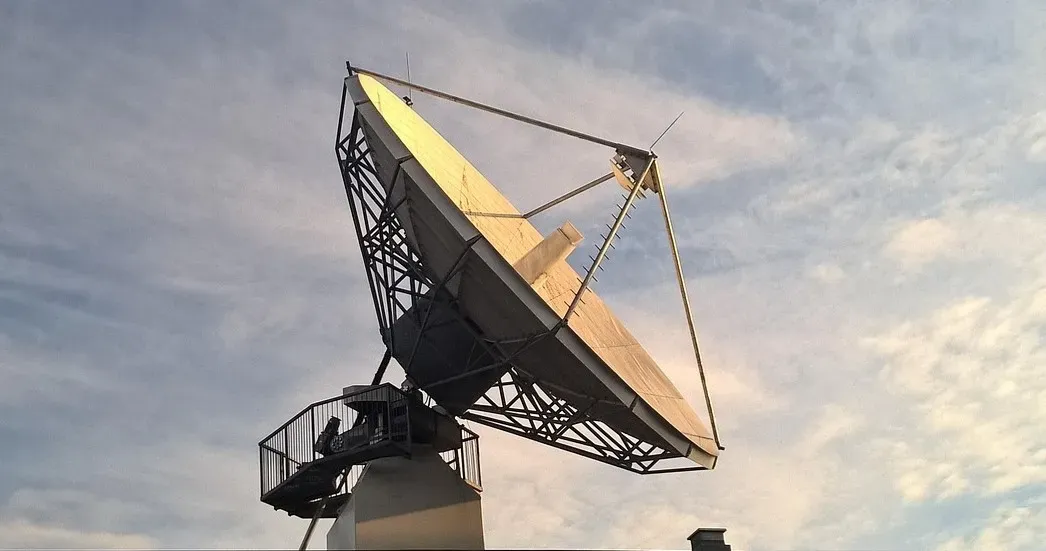
In his 1945 article “Extra-Terrestrial Relays,” Arthur C. Clarke laid out a visionary concept that would revolutionize global communications: geostationary satellites. Clarke proposed placing artificial satellites in orbit 35,786 kilometers above the Earth’s equator, where they would remain fixed relative to the ground below. He correctly calculated that at this altitude, satellites would orbit at the same rate as Earth’s rotation, allowing them to maintain a constant position over a specific location.
Clarke envisioned these satellites as relay stations for radio and television signals, enabling worldwide communications. His idea was remarkably accurate, predicting the exact altitude and function of modern communications satellites. Clarke’s foresight came to fruition in 1963 with the launch of Syncom 2, the first geostationary satellite, paving the way for today’s global telecommunications network. In recognition of these contributions, the geostationary orbit 36,000 kilometres above the equator is officially recognised by the International Astronomical Union as the Clarke Orbit.
3. The Internet and Cyberspace: William Gibson’s “Neuromancer” (1984)
While the concept of the internet existed before William Gibson’s 1984 “Neuromancer,” the novel is credited with popularizing the term “cyberspace” and envisioned a global network of connected computers transferring information in a graphical interface. If this sounds familiar, it’s because that’s the premise of the World Wide Web we have today. That really started to change in the 1990s, when the Web opened to the public.
The concept of the internet originated in a book published more than 30 years ago: “Neuromancer” by the author William Gibson, who coined the term “cyberspace” and defined it as “a consensual hallucination.” Gibson, who has been hailed as a modern-day Nostradamus, also foretold reality TV and nanotechnology, among other marvels. Let’s be real, calling the internet “a consensual hallucination” back in 1984 was not just poetic, it was prophetic.
4. Wireless Earbuds: Ray Bradbury’s “Fahrenheit 451” (1953)

The “seashells” from Ray Bradbury’s 1953 dystopian novel “Fahrenheit 451” were tiny wireless earbuds, streaming continuous information, that seemed purely fictional. Yet, here we are, with devices like Apple’s AirPods and Samsung’s Galaxy Buds making it a reality. These gadgets, once a flight of fancy, are now integral to our daily audio consumption.
In the 1953 novel “Fahrenheit 451,” author Ray Bradbury wrote about “seashells” and “thimble radios” that resemble earbuds and headsets with Bluetooth capability. Millions of Americans today listen to songs and take phone calls with Apple’s wireless AirPods. Bradbury imagined a society completely plugged in, constantly fed a stream of noise. Honestly, scroll through any subway car in 2026 and tell me he got it wrong.
5. The Atomic Bomb: H.G. Wells’ “The World Set Free” (1914)

H.G. Wells’ 1914 novel “The World Set Free” introduced the concept of atomic bombs, long before nuclear physics reached the mainstream. Wells theorized about an explosive device with destructive power fueled by atomic energy – a chillingly accurate foreshadowing of the Manhattan Project and the bombs dropped on Hiroshima and Nagasaki in 1945.
Wells’ 1914 novel displayed remarkable foresight in predicting the development of atomic power and its profound implications for humanity. Wells envisioned “atomic bombs” that could release enormous destructive energy through the splitting of atoms, a concept that wouldn’t be scientifically realized until decades later. He accurately foresaw the devastating potential of nuclear weapons, describing cities reduced to radioactive ruins. Beyond weaponry, Wells also predicted the use of atomic energy for peaceful purposes, anticipating nuclear power plants. His novel explored the societal and geopolitical consequences of this technology, including the potential for global destruction and the need for international cooperation to manage its power.
6. Credit Cards: Edward Bellamy’s “Looking Backward” (1888)

In “Looking Backwards” (1888), Edward Bellamy imagined a cashless society where transactions were facilitated by a type of credit card. In the book, people receive the same amount of credit to do whatever they wish: “a credit card issued him with which he procures at the public storehouses, found in every community, whatever he desires whenever he desires it. This arrangement totally obviates the necessity for business transactions of any sort between individuals and consumers.”
The first universal credit card – one that could be used at a wide range of places – became available in 1950, and it took several more years before credit cards became an integral part of American society. That’s a gap of roughly sixty years between Bellamy’s fictional concept and reality. At the time, imagining that someone could just swipe their card to pay for an item and get a receipt for the transaction was considered science fiction. But Bellamy got a lot of things right, even predicting that it would be easy to use one’s credit card in another country.
7. Robots: Karel Čapek’s “R.U.R.” (1920)
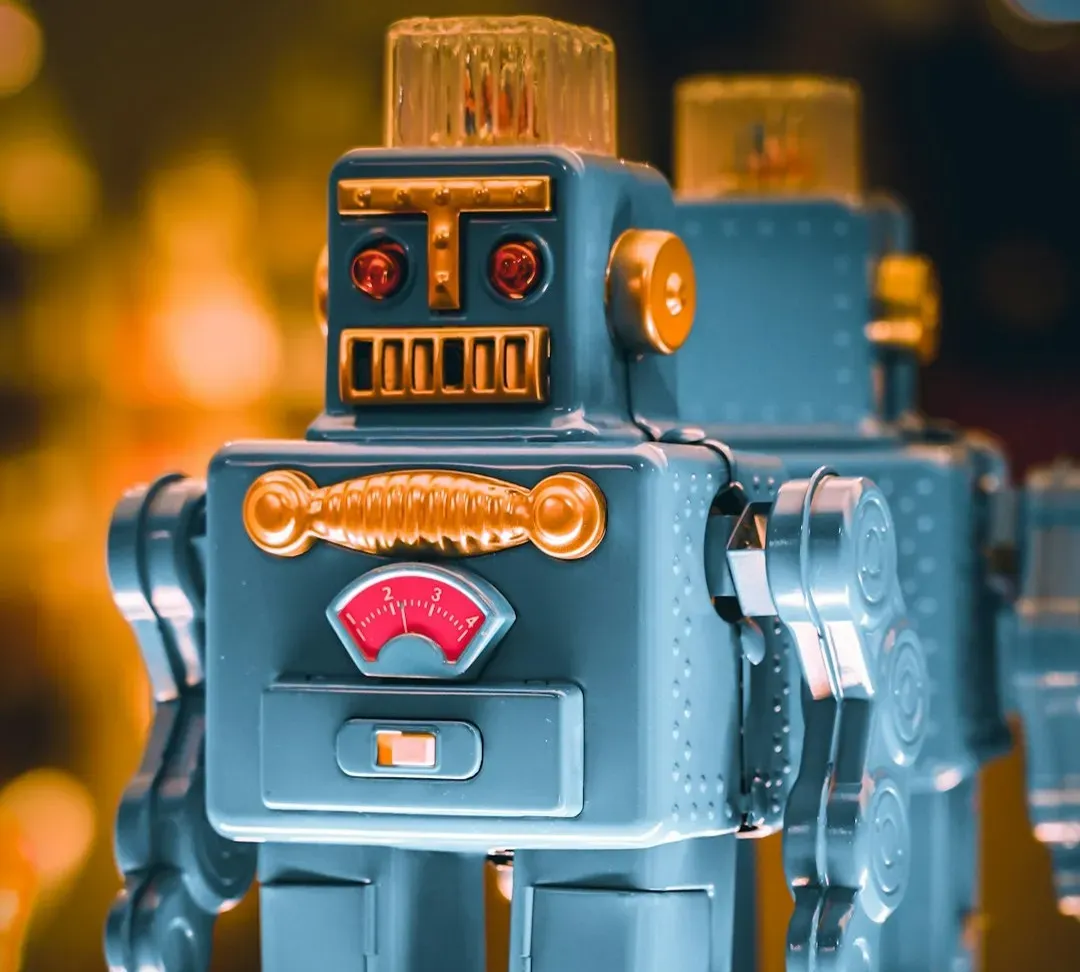
Karel Čapek was a Czech writer of speculative fiction who coined the term “robot” in his 1920 play “Rossum’s Universal Robots.” Isaac Asimov’s Robot series explored the interaction of humans and robots. It was in these short stories and novels that he formulated his Three Laws of Robotics, which all robots in his fiction must obey, and which ensure that a robot does not turn against its creators.
While similar machines existed before (automatons, Leonardo’s robot, etc.), R.U.R. is credited with coining the word “robot” as applied to such machines. I think there’s something deeply fascinating about the fact that the word itself came from fiction. Today, an increasing number of examples of industrial automation technologies that were once science fiction are now a reality. Manufacturing today is digitally enabled, driven by computing and artificial intelligence and closely associated with robotics.
8. Autonomous Cars: Isaac Asimov’s Predictions (1964)
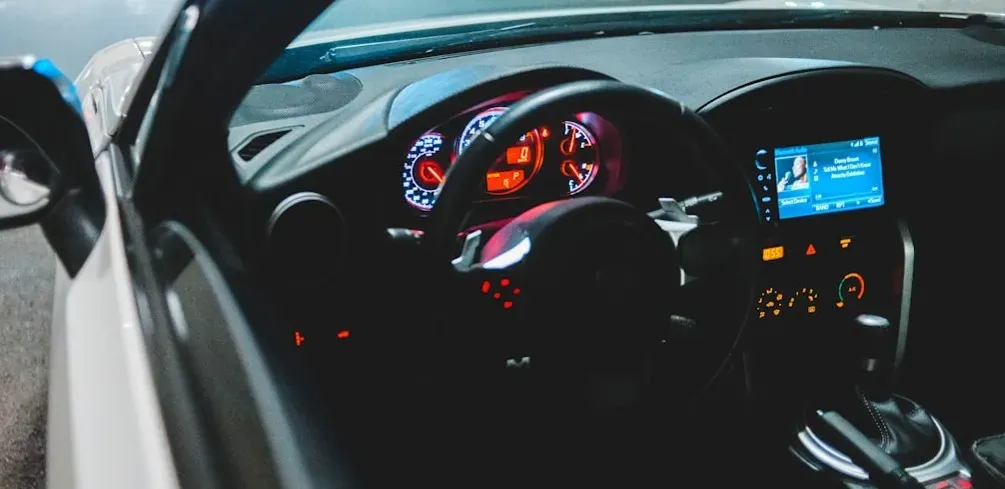
Autonomous cars with “robot brains” would be a central feature of the 2014 World’s Fair, science fiction writer Isaac Asimov predicted in The New York Times in 1964. Asimov wrote: “Much effort will be put into the designing of vehicles with ‘robot-brains’ – vehicles that can be set for particular destinations and that will then proceed there without interference by the slow reflexes of a human driver.”
That sounds like a description of a Tesla on autopilot, written almost sixty years before it existed. Many science fiction writers have backgrounds in the fields of science and technology themselves. Isaac Asimov was a biochemist, Carl Sagan an astronomer, and Liu Cixin is a computer engineer. It makes sense why their predictions are so accurate about what the future can be like. The detail and specificity Asimov achieved here goes well beyond lucky guessing.
9. Video Calling: Hugo Gernsback’s “Ralph 124C 41+” (1911)

Seeing the face of the person you’re speaking with on the phone has long been the stuff of science fiction, starting with the 1911 novel “Ralph 124C 41+: A Romance of the Year 2660” by Luxembourgish-American writer Hugo Gernsback, which featured a video-conferencing device called the “telephot.” Jules Verne also described the “phonotelephote,” a forerunner to videoconferencing, in his work “In the Year 2889.” The phonotelephote allowed “the transmission of images by means of sensitive mirrors connected by wires.” This was one of the earliest references to a videophone in fiction, according to Technovelgy.com.
It’s hard to say for sure exactly which author first fully pictured Zoom calls as we know them, but clearly the writers of the late 19th and early 20th centuries were obsessed with the idea of seeing who you were speaking to. Today, video chat is a standard feature on most smartphones and computers, enabling us to connect with others around the globe. What took them so long to build, honestly?
10. 3D Printing: John Brunner’s “Stand on Zanzibar” (1968)
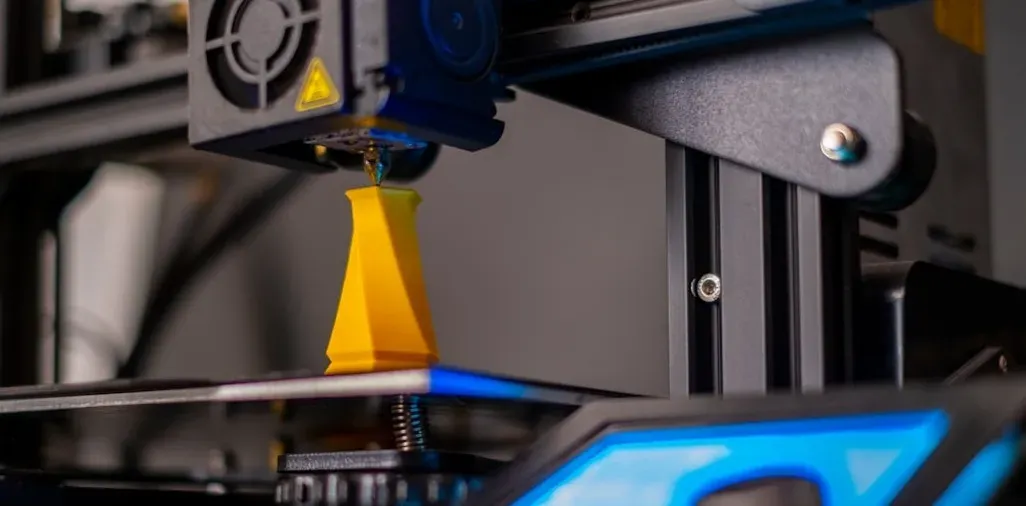
Brunner described machines capable of replicating physical objects, anticipating the additive manufacturing technology we use today. In his vision, these devices could produce complex items on demand, much like current 3D printers create objects layer by layer. Brunner’s concept explored the potential societal impacts of such technology, including its effects on manufacturing, consumption, and intellectual property. While the specifics of the technology differ, Brunner’s core idea of machines that can fabricate physical objects from digital designs accurately predicted the transformative potential of 3D printing.
Modern 3D printers can create all manner of products out of polymers, metal and resin in a matter of hours, from car and vacuum cleaner components to toys, guns, models and more. Food can even be 3D printed by making use of paste-like foodstuffs such as gels and doughs. Brunner wrote all of this before digital design software, before personal computers, before almost everything we take for granted in manufacturing today. That’s the kind of leap that feels almost supernatural.
11. Wearable Technology: John Brunner’s “Stand on Zanzibar” (1968)
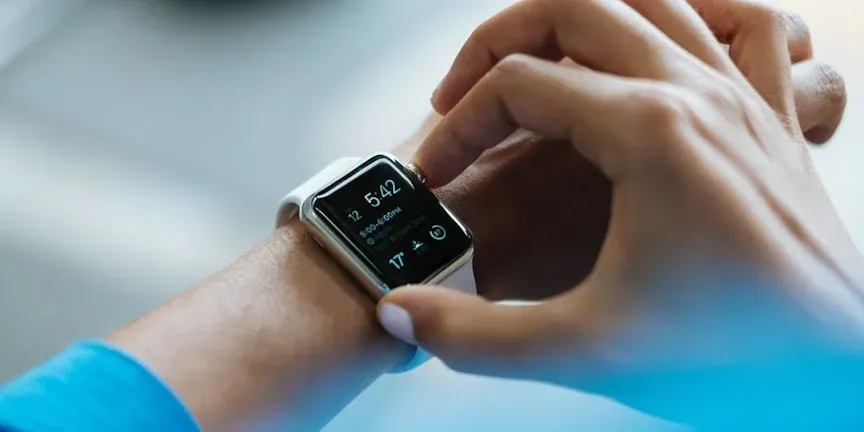
John Brunner’s 1968 novel “Stand on Zanzibar,” set in 2010, is known for its uncanny predictions. Brunner envisioned a future filled with wearable devices for communication, navigation, and fitness tracking, similar to today’s smartwatches, fitness trackers, and smart glasses.
Many modern day technologies were “invented” in science fiction, from smart watches, virtual reality and lasers to video conferencing, wireless headphones and drones. Brunner packed so many accurate predictions into a single novel that it almost feels less like fiction and more like a technology roadmap. The Apple Watch, the Fitbit, Google Glass – all of it lived in Brunner’s imagination over fifty years ago.
12. Moon Landing: Jules Verne’s “From the Earth to the Moon” (1865)
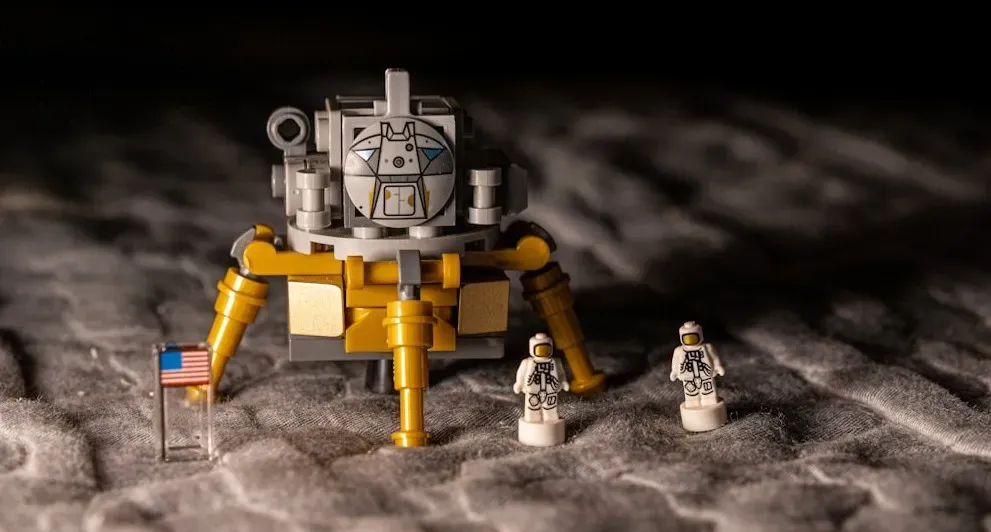
Set just after the Civil War, Verne’s book imagines a lunar exploration mission more than a century before America actually sent manned spacecraft to the moon. The parallels to the real Apollo program are strikingly accurate: Verne’s story features three astronauts and the fictional spacecraft closely resembles the future command modules and their use of retro-rockets to slow descent. In the story, as in real life, Texas and Florida compete to host the launch site, and the astronauts even splash down in the same area of the Pacific Ocean. All of this is described 106 years before the Apollo 11 mission.
While Verne’s details may have lacked modern scientific rigor, his vision of space travel was so prescient that they actually inspired real-life engineers and scientists, including early rocketry pioneer Robert Goddard. NASA’s chief historian has noted that the agency’s moon landing was inspired partly by works of fiction like Verne’s “From the Earth to the Moon.” The launch site. Three astronauts. A Pacific splashdown. Written in 1865. Did you expect that?
13. Virtual Reality and AI Therapy: The Wachowskis’ Literary Predecessors and “The Matrix” Universe

Virtual reality therapy, a concept that seemed purely speculative in “The Matrix,” is today a groundbreaking treatment for post-traumatic stress disorder (PTSD) and chronic pain. Similarly, AI’s integration into medical diagnostics mirrors the advanced technologies of sci-fi lore. These AI systems, analyzing medical images with precision, are aiding doctors in early detection and treatment planning.
Here’s the thing: the leap from fictional immersive simulation to clinical VR therapy happened faster than almost anyone predicted. The 2002 film “Minority Report” has a particular salience for instances of art prefiguring life. Steven Spielberg assembled a committee of experts to think about technologies that would be developed by 2054, the year the film is set in. Some technologies depicted are already in common usage, such as multi-touch interfaces, cloud computing, and retina scanners. Science fiction did not just predict these tools. It helped design them.
14. Antidepressants: Aldous Huxley’s “Brave New World” (1932)

Huxley’s dystopian sci-fi novel, set in a totalitarian future World State, anticipates several later developments in medicine, psychology, genetics, and social science. The most astonishing is the drug called Soma, a mild hallucinogen that functions much like a modern antidepressant – a class of pharmaceuticals that wasn’t even identified until 20 years later.
Huxley imagined a society chemically managed into contentment, and while the ethics of our antidepressant culture remain deeply contested, the pharmacological parallel is undeniable. On a deeper level, Shelley’s 1818 novel also predicted the inevitable confrontation between science, religion, and ethics – a confrontation that carries on today with no clear end in sight. Huxley’s Soma sits at the heart of that same conversation. The question of who benefits from a chemically calmed population is one that medicine and society are still wrestling with right now, in 2026.
15. Bionic Limbs and Brain-Computer Interfaces: Martin Caidin’s “Cyborg” (1972)
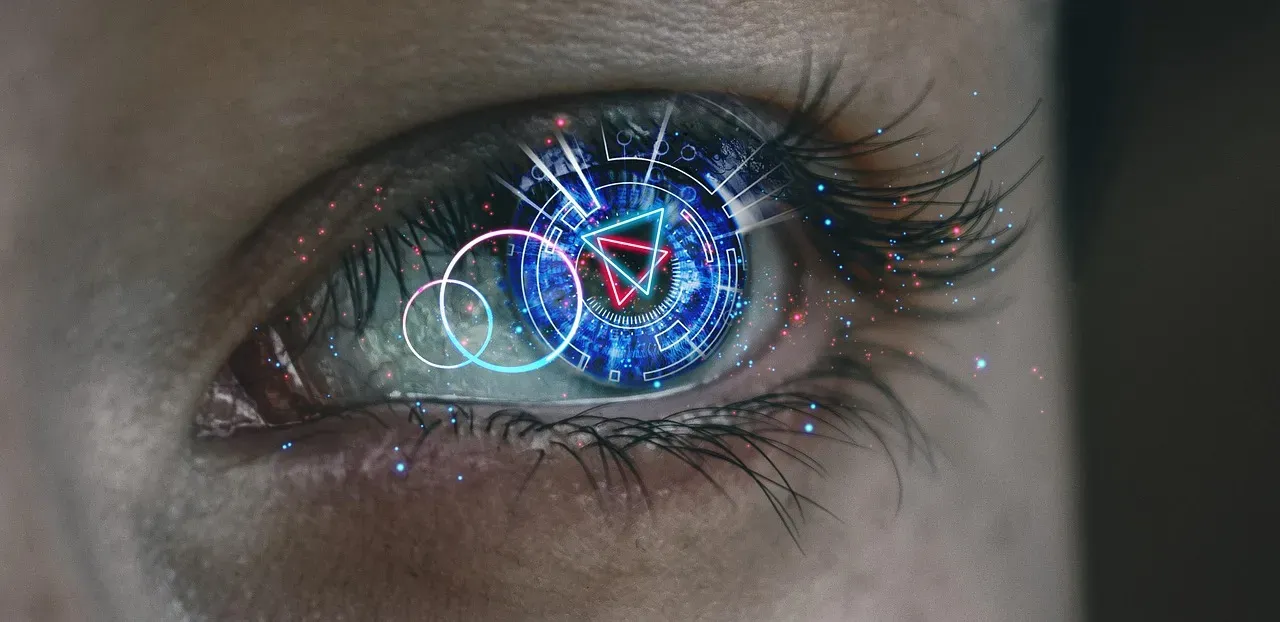
The book that brought us Steve Austin in “The Six Million Dollar Man,” “Cyborg” is actually more of a secret agent thriller than a straight sci-fi story. Tackling the then-brand-new science of bionics, “Cyborg” imagines various kinds of future mechanical prosthetics that would later become medical reality with the advent of BCI – brain-computer interface technology.
Bionic limbs, once relegated to the realm of science fiction in films like Mortal Kombat and RoboCop, are now a reality, allowing amputees to regain lost functions and even surpass human limitations. Bionic limbs, military tanks, antidepressants and submarines emerged from sci-fi. Today, researchers are pushing brain-computer interfaces further than Caidin ever dared imagine, with patients controlling robotic limbs through thought alone. It started in the pages of a thriller novel. It ends, perhaps, with humanity itself being redefined.
Conclusion
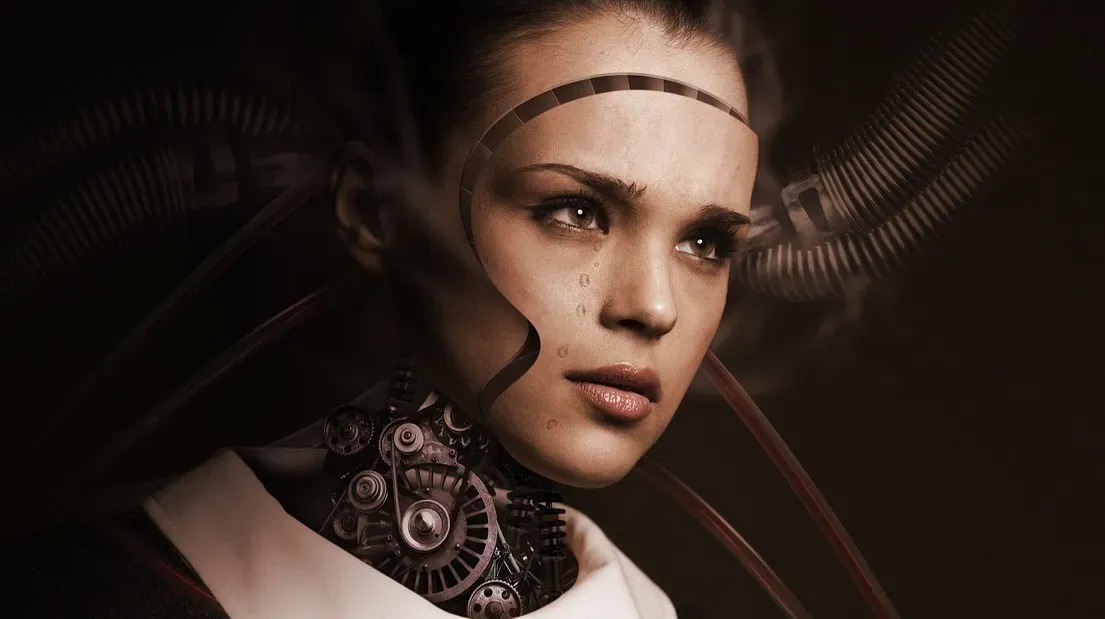
The list you just read is not a collection of coincidences. As history has shown, some speculative visions turn out to be remarkably prescient. From predicting technological marvels to foreseeing social changes, certain books and authors have anticipated the future with eerie accuracy. These writers were not lucky. They were deeply attentive observers of science, society, and human ambition.
The connection of sci-fi to technology is far from coincidental. Researchers find inspiration in the books, TV shows, and movies that imagine the future. According to one study, science fiction writers often consult with scientists, and what they write influences tech research and provides ideas in a number of ways. The relationship between imagination and invention runs in both directions. Fiction shapes reality, and reality, in turn, feeds the next generation of fiction.
So the next time someone hands you a dusty old paperback and you’re tempted to roll your eyes, maybe flip it open instead. The blueprint for the next decade of technology might be sitting right there between the pages. What invention do you think predicted that we still haven’t built yet? Tell us in the comments.