
Less than half of Americans hold a passport, but that doesn’t mean your travel dreams need to be put on hold. There’s a whole world of exotic destinations right at your fingertips, requiring nothing more than your driver’s license. Think tropical beaches with turquoise water, volcanic landscapes, vibrant rainforests, and historic colonial architecture. Ready to pack your bags?
Puerto Rico: Caribbean Paradise With American Convenience

Puerto Rico is considered domestic travel for U.S. citizens, which means visiting from any part of the mainland doesn’t require a passport. This Caribbean gem offers something most international destinations simply can’t match: all the exotic appeal without any of the customs hassle. The island stretches over a hundred miles of coastline, dotted with everything from bustling San Juan to remote bioluminescent bays that glow at night.
United States citizens and permanent residents don’t need a passport to travel to Puerto Rico, though as of May 2025, the Real ID Act will be in effect. You’ll want to verify your state-issued ID is compliant with these new laws. The island’s blend of Spanish colonial history, American infrastructure, and distinctly Caribbean culture creates an experience that feels genuinely foreign while remaining comfortably familiar.
U.S. Virgin Islands: Three Islands, Endless Adventures

Travel to the U.S. Virgin Islands does not require a passport for U.S. citizens arriving from Puerto Rico or the U.S. mainland. St. Thomas, St. John, and St. Croix each offer their own distinct personality. St. Thomas buzzes with cruise ship activity and world-class shopping in Charlotte Amalie, while St. John remains largely undeveloped with pristine national park beaches.
Starting May 7, 2025, all U.S. airline passengers 18 years and older must present a state-issued REAL ID-compliant identification or another acceptable ID at airport TSA security checkpoints. The crystal-clear waters surrounding these islands make them a snorkeling and diving paradise. Honestly, swimming alongside sea turtles in turquoise Caribbean waters feels surreal when you realize you got there with just your driver’s license.
Guam: The Pacific Island That Feels Like Another World

A U.S. passport is not required to enter Guam. Located over two thousand miles from the nearest U.S. airport in Honolulu, this Pacific territory offers an experience that genuinely feels international. The island combines Chamorro indigenous culture, Spanish colonial history, World War II historical sites, and modern American amenities into something entirely unique.
U.S. citizens do not need a passport to go to Guam and can present a government-issued ID that is compliant with the regulations of the Transportation Security Administration when flying to the island. The beaches here rival anything in the Caribbean, with coral reefs teeming with tropical fish just offshore. Chamorro Village showcases indigenous culture through food, crafts, and traditional performances that transport you far from mainland America.
Northern Mariana Islands: Remote Beauty Without the Paperwork

U.S. citizens do not need a passport to travel to the Commonwealth of the Northern Mariana Islands. Saipan, the largest island, offers dramatic coastal cliffs, hidden caves, and some of the most pristine diving spots in the Pacific. The Northern Mariana Islands remain far less crowded than other tropical destinations, giving you that deserted island feeling without actually being stranded.
The landscape here mixes relaxing white-sand beaches with rugged mountainous terrain perfect for hikers who crave adventure. World War II history runs deep across these islands, with old bunkers, tanks, and memorials scattered throughout. The relatively small number of tourists means you’ll often have entire beaches to yourself, something nearly impossible to find in more accessible Caribbean destinations.
Hawaii: America’s Tropical Treasure

Hawaii represents the ultimate passport-free tropical escape, with each island offering distinct experiences. Hawaii’s islands offer something for everyone, from the beaches of Waikiki to the volcanic landscapes of the Big Island, with lush rainforests and crystal-clear waters. Oahu balances urban energy with natural beauty, Maui serves up dramatic coastal drives, and the Big Island showcases active volcanoes and black sand beaches.
Hawaii is a year-round destination, but April through May and September through October offer the best weather and price combinations. Kauai’s dramatic cliffs and hidden waterfalls create movie-perfect scenery, literally, since countless films have been shot there. The Aloha spirit isn’t just a marketing slogan; there’s genuinely something welcoming about Hawaiian culture that makes visitors feel embraced rather than merely tolerated.
Alaska: Wilderness Adventure on American Soil

Alaska’s stunning wilderness and unique wildlife make it a must-visit destination, where you can cruise through the Inside Passage, hike in Denali National Park, or watch the Northern Lights in Fairbanks. This state offers experiences that feel completely removed from the lower 48, with glaciers calving into the ocean, grizzly bears fishing for salmon, and mountains that seem to touch the sky.
The midnight sun in summer creates surreal days that never end, while winter brings the magical aurora borealis dancing across arctic skies. Denali National Park sprawls across six million acres, home to North America’s tallest peak. The sheer scale of Alaska’s wilderness makes you feel genuinely small, humbled by nature in ways that feel increasingly rare in our modern world.
American Samoa: The Exception That Requires Planning

While American Samoa is a U.S. territory, you do need a passport or a certified U.S. birth certificate to enter the island. This makes American Samoa unique among U.S. territories, requiring extra documentation even for American citizens. To enter the territory, a U.S. citizen or national must have in possession a valid U.S. passport or certified birth certificate demonstrating U.S. nationality and a ticket for onward passage out of American Samoa or proof of employment.
The extra requirements stem from American Samoa’s unique status and separate immigration laws. If you already have a passport, American Samoa rewards your effort with unspoiled Polynesian culture and stunning South Pacific scenery. The islands remain far less developed than other territories, offering an authentic glimpse into traditional island life that’s becoming increasingly rare.
Closed-Loop Cruises: Caribbean Islands Via Ship

Closed-loop cruises, which begin and end at the same US port, allow you to visit certain Caribbean countries , with popular destinations including the Bahamas, Jamaica, and the Cayman Islands. You’ll need to bring a birth certificate and a government-issued photo ID for boarding. This option opens up numerous Caribbean islands that would otherwise require a passport for entry.
The catch is that you’re limited to cruise ship itineraries and port schedules, which might not align with your ideal vacation pace. Still, for travelers without passports who want to experience multiple Caribbean destinations, closed-loop cruises offer genuine value. Just verify the specific requirements with your cruise line beforehand, as policies can vary slightly between companies.
Canada by Land or Sea: Northern Neighbor Access

Traveling to Canada by land or sea doesn’t require a passport if you have an Enhanced Driver’s License or a Trusted Traveler Program card like NEXUS. This opens up vibrant cities like Toronto and Vancouver, along with natural wonders such as Banff and Jasper National Parks. However, flying to Canada still requires a passport, limiting your options to road trips or cruises.
Enhanced Driver’s Licenses are only available in certain states, so check whether yours participates in the program. The NEXUS program offers another alternative, providing expedited border crossing for pre-approved travelers. Canada’s proximity makes it an easy getaway, whether you’re craving urban culture or pristine wilderness.
Mexico by Land: Beaches and Culture Accessible by Car
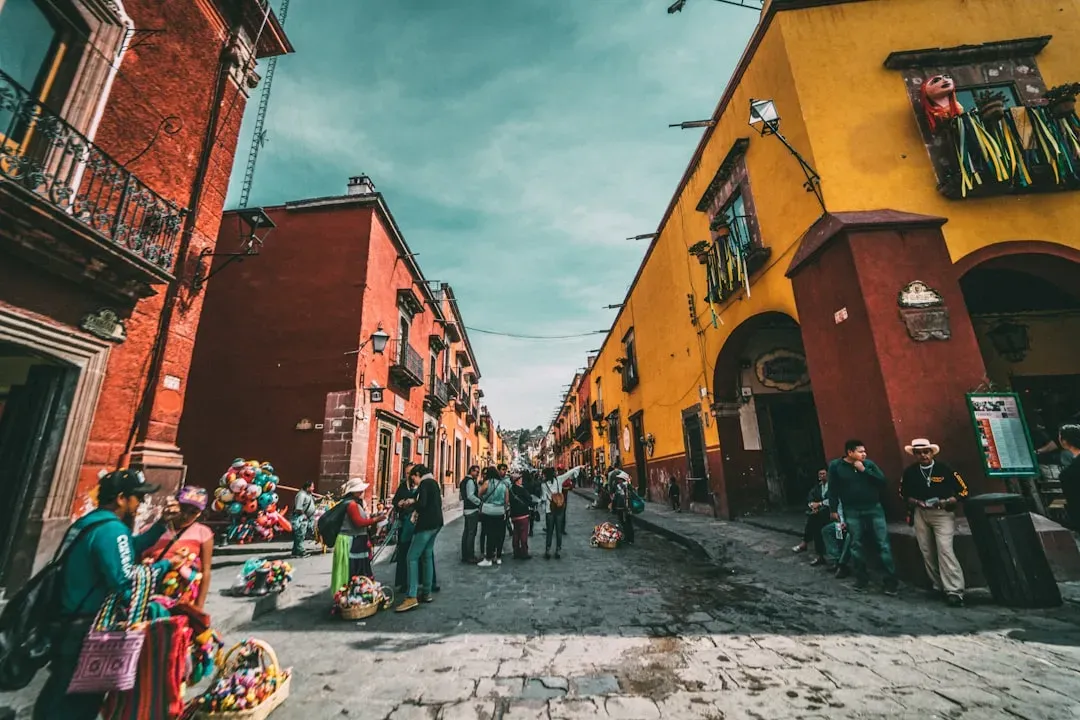
You can travel to Mexico by land or sea with an Enhanced Driver’s License or a Trusted Traveler Program card, enjoying the rich culture of Mexico City, the beaches of Cancun, or the historic ruins of Chichen Itza . Border towns offer easy access for day trips or weekend getaways, while longer road trips can take you deep into the country’s diverse regions.
Flying to Mexico requires a passport, but driving opens up countless possibilities along both coasts and in the interior. The ancient Mayan ruins, colonial cities, and coastal resorts provide variety that few countries can match. Mexican cuisine alone justifies the trip, with regional specialties that go far beyond what most American restaurants serve.
Florida Keys: Caribbean Vibes Without Leaving the States

The Florida Keys stretch over a hundred miles of islands connected by the scenic Overseas Highway, offering turquoise waters and laid-back island culture without any international travel complications. Key West, the southernmost point in the continental United States, has long attracted artists, writers, and free spirits seeking an escape from conventional life.
Snorkeling the coral reefs, watching spectacular sunsets at Mallory Square, and exploring Ernest Hemingway’s former home create a vacation that feels genuinely tropical. The Keys maintain a distinct culture separate from mainland Florida, with conch fritters, key lime pie, and a relaxed attitude toward life that locals call the “Keys disease.” You can literally drive there from anywhere in the eastern United States, no passport required.
New York City: The World in One City

New York City brings the world to you, with neighborhoods representing virtually every culture on Earth. Manhattan’s ethnic enclaves allow you to experience authentic Chinese, Italian, Dominican, Korean, and countless other cultures without ever leaving the five boroughs. The food scene alone offers a culinary journey that rivals actual international travel.
World-class museums showcase art and artifacts from every civilization, Broadway theaters stage productions from around the globe, and the city’s architectural diversity spans centuries and continents. Walking through different neighborhoods genuinely feels like crossing international borders, with language, food, and atmosphere shifting dramatically within a few blocks. The energy and diversity of New York create an experience that, honestly, sometimes feels more cosmopolitan than many actual foreign capitals.
New Orleans: European Charm Meets Southern Soul
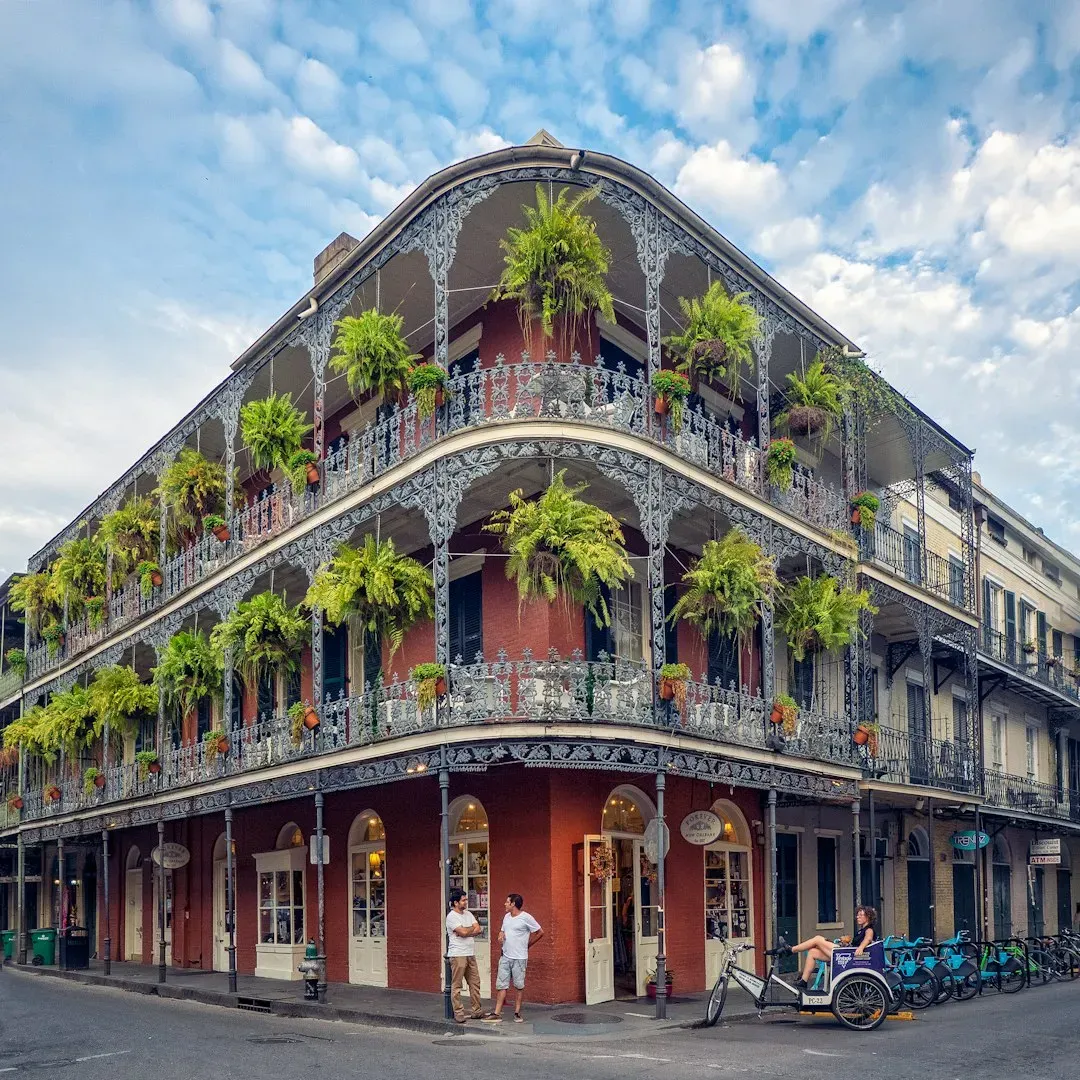
New Orleans feels more like a foreign country than an American city, with its French Quarter architecture, Creole cuisine, and unique cultural blend that exists nowhere else. The city’s European colonial heritage mixed with Caribbean, African, and Southern American influences creates something entirely distinct. Jazz clubs, voodoo shops, and above-ground cemeteries contribute to an atmosphere that feels genuinely exotic.
Mardi Gras represents just one slice of New Orleans culture; the city’s music scene, culinary traditions, and architectural beauty shine year-round. Beignets at Café Du Monde, po’boys from corner shops, and gumbo simmering in neighborhood restaurants showcase a food culture with deep roots and serious complexity. The French Quarter’s wrought-iron balconies and narrow streets transport you to another era entirely.
San Francisco: Gateway to Asian Culture

San Francisco’s Chinatown represents the oldest and one of the most vibrant Chinese communities outside Asia, offering an immersive cultural experience within American borders. Japanese, Vietnamese, and Filipino neighborhoods add additional layers to the city’s Asian cultural presence. Dim sum restaurants, traditional tea shops, and Asian markets create an authenticity that rivals many international destinations.
Beyond its Asian heritage, San Francisco offers dramatic coastal scenery, innovative cuisine, and a progressive culture that feels distinct from the rest of America. The Golden Gate Bridge, Alcatraz Island, and cable cars provide iconic experiences, while neighborhoods like the Mission District showcase Latin American culture and cutting-edge art. Tech innovation meets historic architecture in ways that make the city feel simultaneously futuristic and rooted in the past.
Yellowstone National Park: Geothermal Wonderland
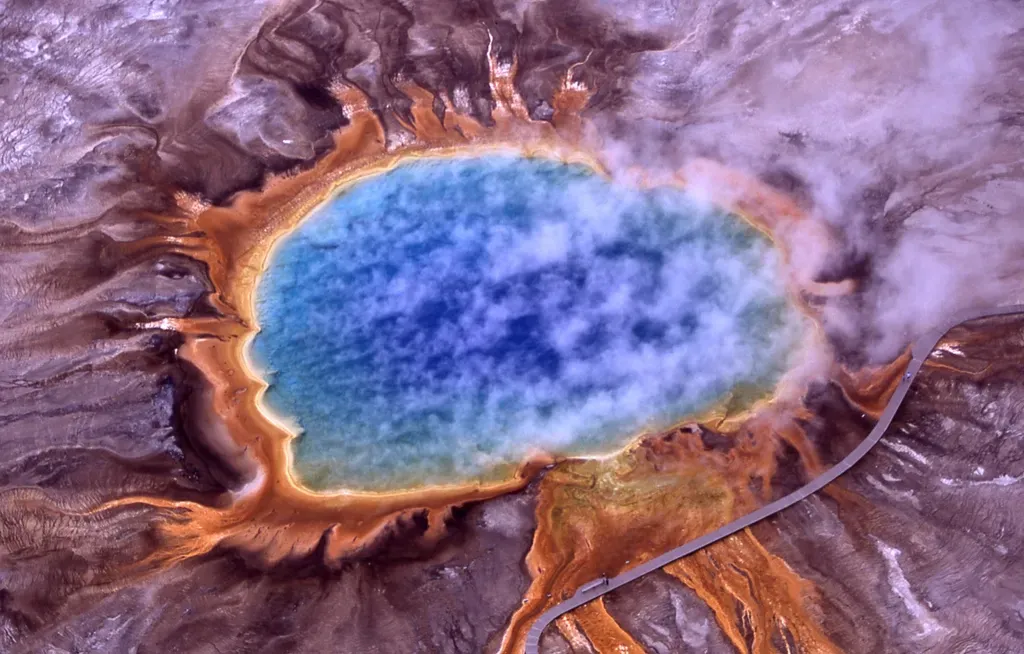
Yellowstone’s geothermal features create landscapes so otherworldly they seem imported from another planet. Geysers shooting water hundreds of feet in the air, hot springs in impossible rainbow colors, and bubbling mud pots demonstrate Earth’s raw power in ways that genuinely humble visitors. Old Faithful remains iconic, but the park contains thousands of thermal features scattered across its vast expanse.
Wildlife viewing rivals African safaris, with bison herds, grizzly bears, wolves, and elk roaming freely across mountain valleys and forests. The Grand Canyon of the Yellowstone cuts a dramatic gorge through the landscape, while vast meadows burst with wildflowers in summer. Honestly, Yellowstone delivers the kind of natural wonder that usually requires international flights and hefty travel budgets, all accessible with just a driver’s license and some road trip determination.
Traveling opens up more possibilities than most Americans realize. From tropical islands to dramatic wilderness, vibrant cities to unique cultures, these destinations prove that adventure doesn’t always require international documentation. Starting May 7, 2025, domestic flights require REAL ID compliant identification or alternative acceptable documents like passports, so verify your ID meets current standards before booking your next trip. Whether you’re seeking beaches, mountains, culture, or wildlife, these passport-free destinations deliver experiences that rival anything you’d find overseas. Which one will you visit first?