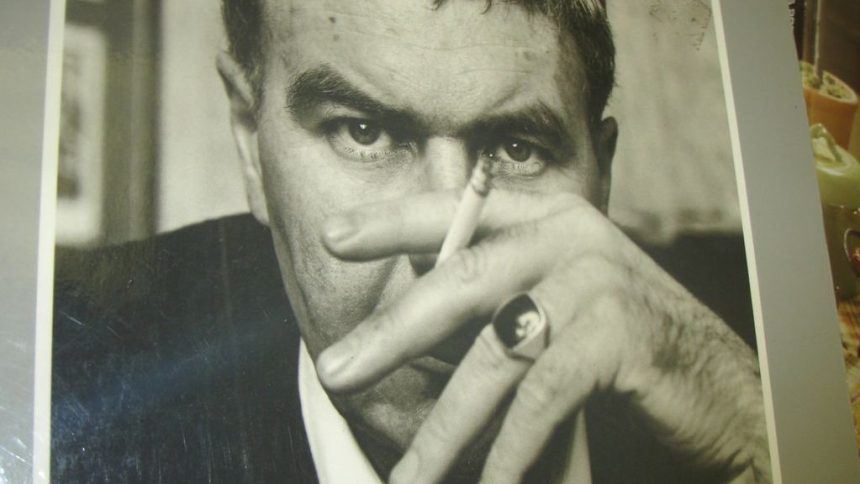
You’ve probably heard someone say they don’t have time to read anymore. I get it. Life’s fast, attention spans shrink, and those epic thousand-page novels feel like climbing a mountain without proper gear. Here’s the thing though: sometimes the smallest packages deliver the biggest punches. Short stories don’t mess around with filler or meandering subplots. They go straight for the throat.
Think about it. Research shows that stories which are personal and emotionally compelling actually engage more of the brain and thus are better remembered than just listing facts. When you listen to a story, your brain waves actually start to synchronize with those of the storyteller, and reading a narrative activates brain regions involved in deciphering or imagining a person’s motives and perspective. These aren’t just words on a page. They’re experiences compressed into crystallized moments that stick with you for years.
So let’s dive in. I promise you’ll find tales here that prove brevity doesn’t mean weakness. Sometimes, the shorter the story, the harder it hits.
1. “The Lottery” by Shirley Jackson

This short story launched a torrent of letters to The New Yorker, the most mail the magazine had ever received in response to a work of fiction. Published in 1948, Jackson’s tale about a seemingly ordinary village ritual shocked readers so thoroughly that many couldn’t believe what they’d just read. The story builds with deceptive calm, describing a sunny June day where townspeople gather for their annual lottery.
What makes this story devastatingly powerful is how Jackson uses the mundane to mask the monstrous. Every detail feels familiar until the final paragraphs rip away the veneer of normalcy. It’s still taught widely in schools today because it forces us to examine the dangers of blindly following tradition. You can read this in fifteen minutes, yet the unease lingers for a lifetime. It remains chilling decades after its first publication.
2. “Hills Like White Elephants” by Ernest Hemingway
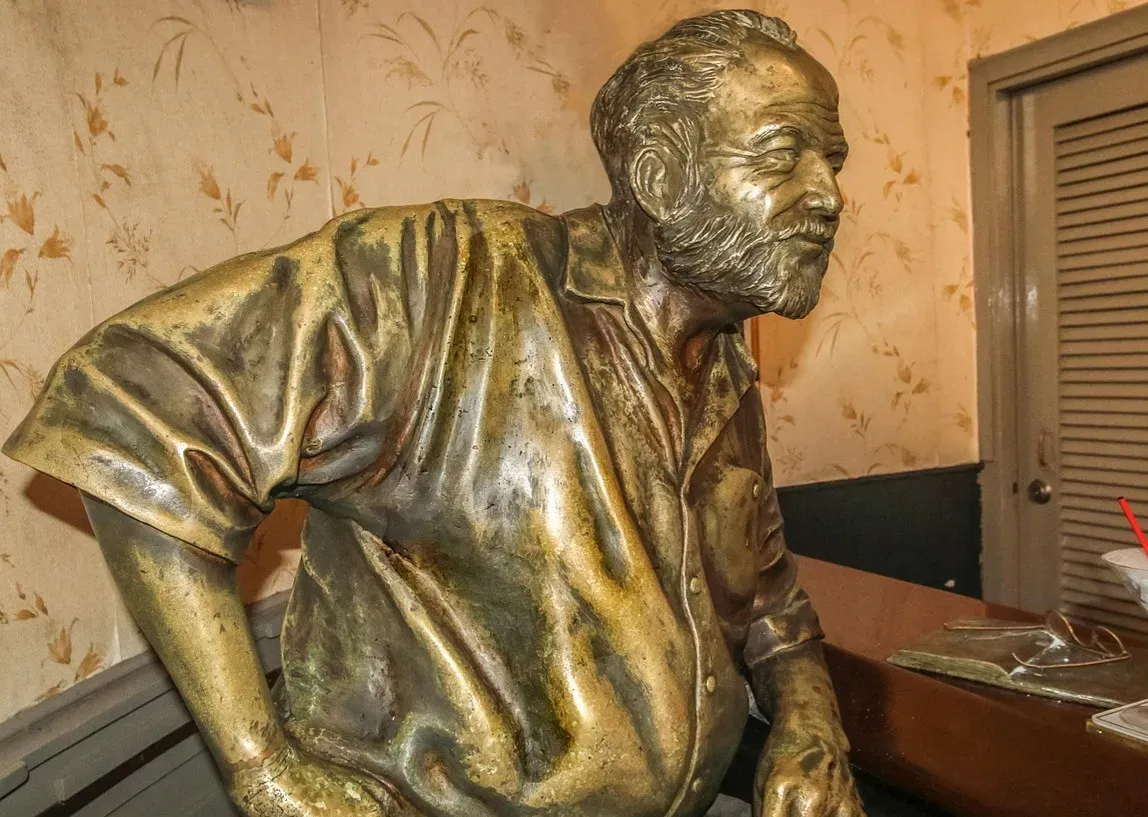
Hemingway was the master of saying everything by saying almost nothing. This story takes place at a train station in Spain, where a man and woman wait for their connection to Madrid while drinking beer. They’re discussing something that’s never explicitly named but becomes painfully clear: an abortion.
The entire narrative unfolds through dialogue and spare descriptions. Not a single word is wasted. Hemingway’s iceberg theory is on full display here, with most of the meaning lurking beneath the surface. What makes this more powerful than many novels is its restraint. The story refuses to tell you what to think or feel. Instead, it presents two people talking past each other, and you’re left to fill in the emotional devastation. Honestly, I’ve read 400-page books that said less about relationships than this seven-page conversation.
3. “A Good Man Is Hard to Find” by Flannery O’Connor
O’Connor had a gift for writing about violence and grace in the same breath. This Southern Gothic masterpiece follows a family road trip that takes a horrifying turn when they encounter an escaped convict called The Misfit. What starts as a somewhat comic tale of a meddling grandmother transforms into something much darker and more profound.
Personal and emotionally compelling stories engage more of the brain, and O’Connor knew exactly how to craft moments that burn into your memory. The grandmother’s final moment of clarity, when she reaches out to The Misfit as one of her own children, contains more spiritual complexity than entire theological treatises. The story forces you to grapple with questions about morality, redemption, and whether grace can exist in the midst of senseless brutality. It’s uncomfortable, thought-provoking, and impossible to forget.
4. “The Yellow Wallpaper” by Charlotte Perkins Gilman
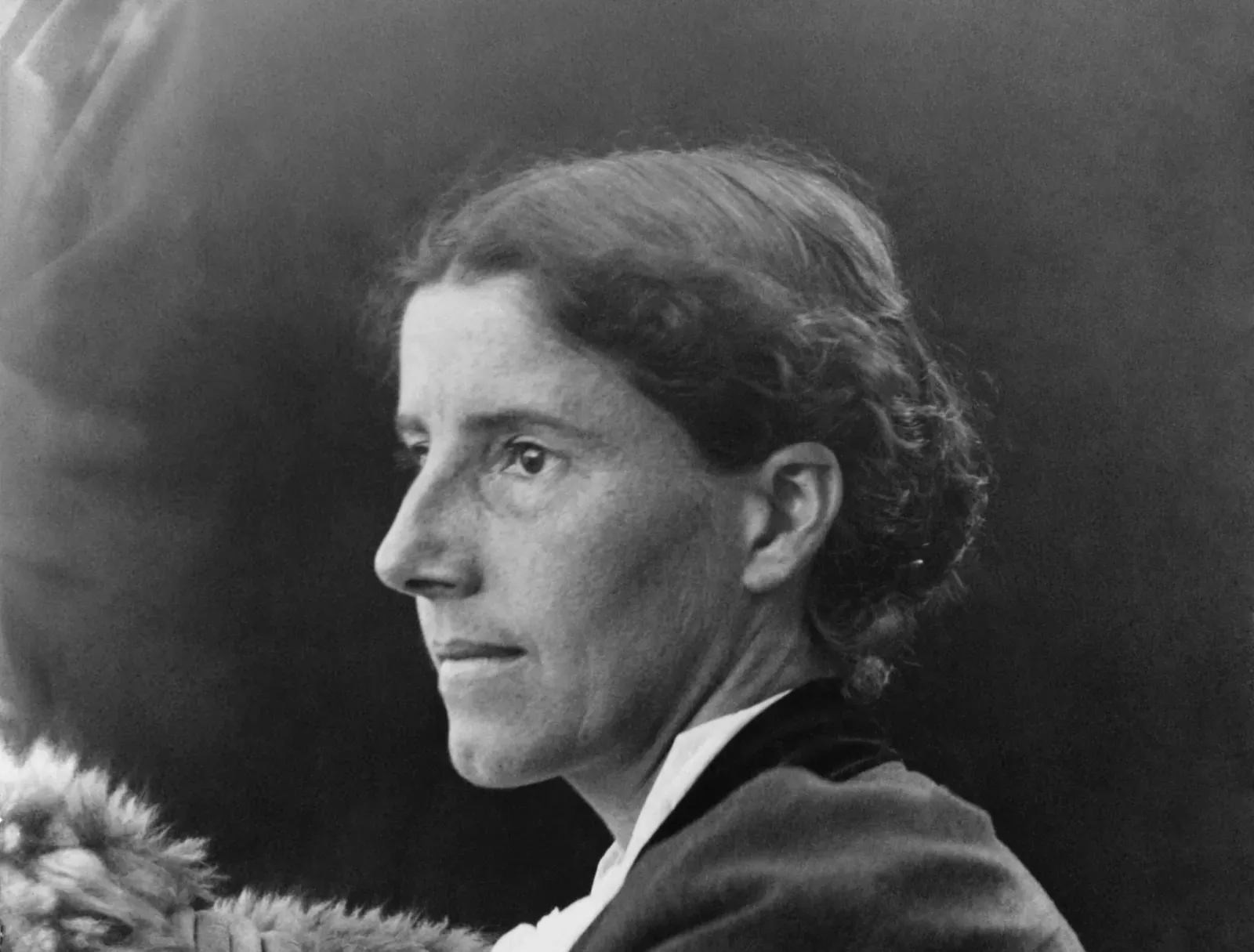
Written in 1892, this first-person narrative chronicles a woman’s descent into madness while confined to a room by her physician husband as treatment for what he calls a temporary nervous depression. The wallpaper in her room becomes an obsession, and as she studies its chaotic patterns, her mental state deteriorates.
What makes this story so powerful is how Gilman captures the suffocation of being dismissed and controlled. The narrator’s voice grows increasingly frantic as she’s denied agency over her own life and mind. Let’s be real, this story hits differently when you realize it’s autobiographical. Gilman herself underwent similar treatment and wrote this as a protest against the medical establishment’s approach to women’s mental health. The horror isn’t supernatural, it’s the horror of being trapped by people who claim to know what’s best for you. That’s the kind of terror that doesn’t fade when you close the book.
5. “The Tell-Tale Heart” by Edgar Allan Poe
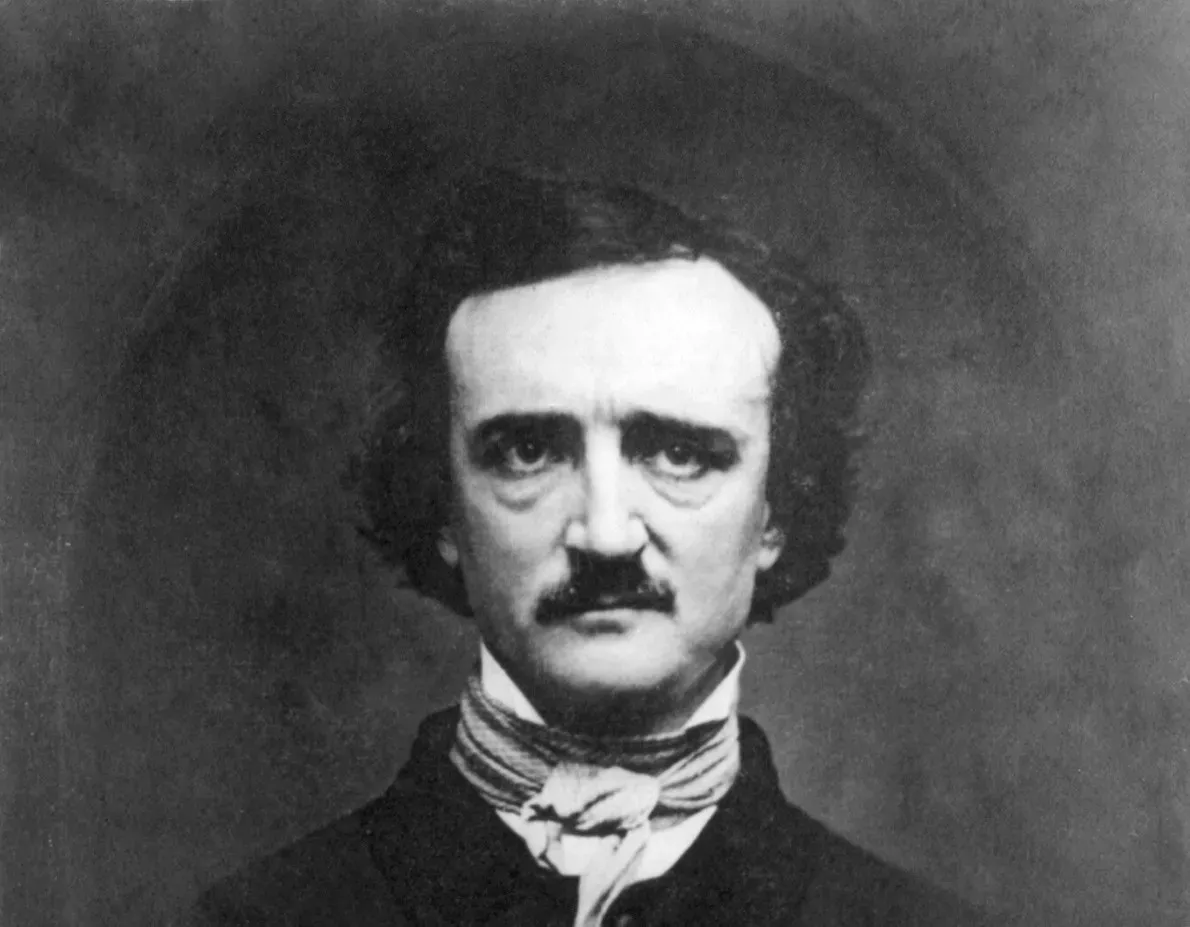
Poe practically invented the psychological thriller, and this tale of murder and guilt remains one of his most gripping. The unnamed narrator insists on his sanity while describing how he murdered an old man because he couldn’t stand the man’s pale blue eye. After hiding the body beneath the floorboards, the narrator is undone by the sound of what he believes is the dead man’s heart still beating.
The entire story unfolds with manic energy. The narrator’s voice is so vivid, so desperately defensive, that you can almost hear him breathing down your neck. Poe understood something crucial about horror: the scariest place is inside a disturbed mind. There’s no elaborate world-building here, no complex plot machinery. Just one man’s guilt manifesting as sound, growing louder and louder until he confesses. That simplicity makes it all the more effective.
6. “The Dead” by James Joyce
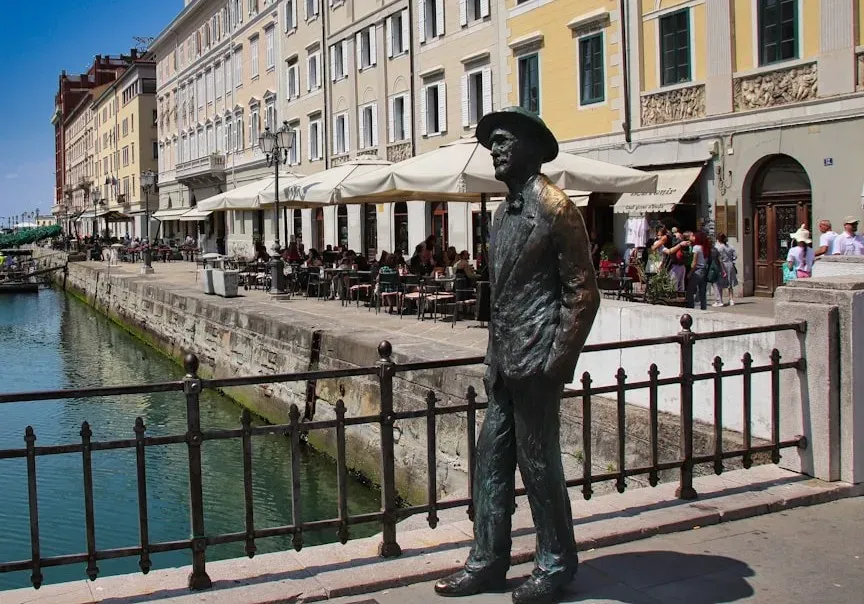
The final story in Joyce’s collection Dubliners is often considered one of the greatest short stories ever written in English. It follows Gabriel Conroy through a dinner party hosted by his aunts, culminating in a moment of profound epiphany when his wife reveals a long-held memory of a boy who once loved her.
Joyce’s “The Dead” is more iconic than many of his other frequently anthologized works. The story builds slowly, immersing you in the social dynamics and Gabriel’s self-consciousness, before delivering an ending that shifts everything. Gabriel’s realization about the distance between him and his wife, and his meditation on snow falling across Ireland, contains more emotional depth than most full-length novels manage. Joyce captures the universal experience of suddenly understanding how little we truly know the people closest to us.
7. “The Things They Carried” by Tim O’Brien

O’Brien’s story about soldiers in the Vietnam War catalogs the physical and emotional burdens carried by members of an infantry unit. The narrative lists items with almost obsessive detail: can openers, pocket knives, heat tabs, letters from home, fear, grief, love. Each object carries literal weight and metaphorical significance.
What makes this story extraordinary is how O’Brien blurs the line between fiction and memoir, between what happened and what felt like it happened. He understood that sometimes the emotional truth of war requires bending the factual truth. The accumulation of details creates an overwhelming sense of what it meant to be young and terrified and far from home. You don’t need a sprawling war epic when you have this perfectly distilled examination of what soldiers carry, both in their packs and in their hearts.
8. “Cathedral” by Raymond Carver
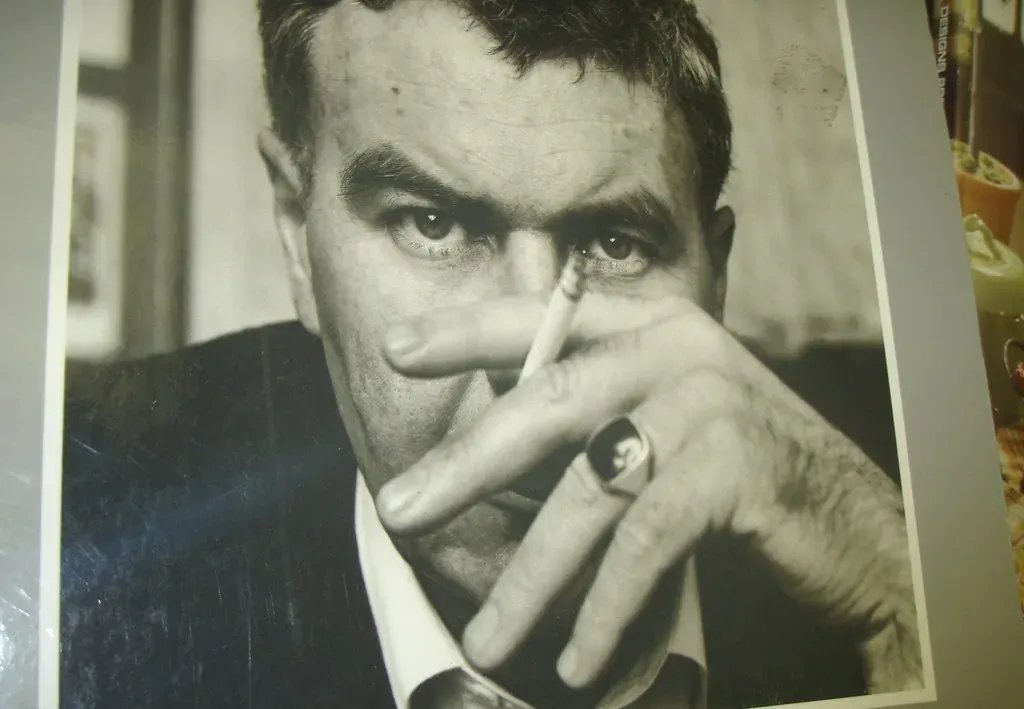
Carver’s minimalist prose style defined an entire generation of writers. This story is about a man whose wife invites her blind friend to stay with them, and the narrator’s initial discomfort gradually shifts into something approaching transcendence. When the blind man asks the narrator to describe a cathedral, and they end up drawing one together, something profound happens.
The beauty here is in what Carver doesn’t say. The narrator is stuck, emotionally closed off, going through life without really seeing anything. The blind man teaches him to see differently. The final scene, where they draw together with their eyes closed, is quietly devastating. It’s about connection, about breaking through isolation, about discovering that we’re all fumbling in the dark trying to make sense of things. No huge revelations, no dramatic speeches, just two people drawing a cathedral and something shifting forever.
9. “The Ones Who Walk Away from Omelas” by Ursula K. Le Guin
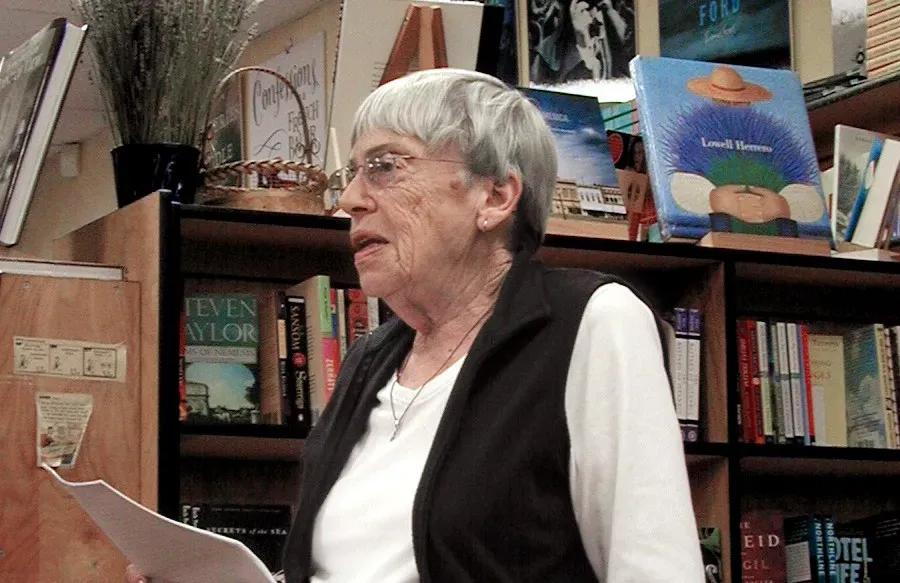
Le Guin presents a thought experiment disguised as a story. She describes a utopian city called Omelas, a place of perfect happiness and prosperity. Then she reveals the terrible secret: all this joy depends on the suffering of a single child, locked in a basement, neglected and miserable. Everyone in Omelas knows about the child, and they’ve all accepted this arrangement, except for the ones who walk away.
This story is only a few pages long, yet it raises questions that philosophers have wrestled with for centuries. What are we willing to sacrifice for the greater good? Can collective happiness justify individual suffering? Le Guin forces you to examine your own moral framework. Some people walk away from Omelas, but where do they go? Is anywhere free from such compromises? I think about this story more than I’d like to admit, especially when I’m making choices about consumption and comfort in a world built on inequality.
10. “Sonny’s Blues” by James Baldwin

Baldwin’s best known short story pops up in plenty of anthologies and can be thanked for being the gateway drug for many budding Baldwin acolytes. It tells the story of two brothers in Harlem: the narrator, a teacher living a stable life, and Sonny, a jazz pianist struggling with heroin addiction. The story moves between past and present as the narrator tries to understand his brother’s choices and pain.
Baldwin writes about music in a way that makes you hear it. The climactic scene where the narrator watches Sonny play piano in a nightclub is transcendent. Sonny takes his suffering and transforms it into art, creating something beautiful from something broken. The story is about family, about trying to save someone who doesn’t want to be saved, about finding redemption through expression. It’s tender and raw and absolutely essential. You could read a dozen novels about addiction and not come close to what Baldwin achieves here.
11. “The Swimmer” by John Cheever
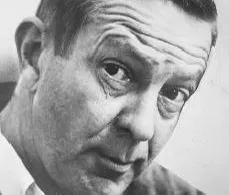
Cheever’s most famous story nails something essential about the mid-century American sensibility, and particularly the mid-century American suburbs, which is probably why everyone knows it. The premise is simple and surreal: a man decides to swim home through his neighbors’ pools. As he progresses from pool to pool, something strange happens. Time seems to slip, seasons change, and the cheerful suburban landscape grows darker.
What begins as a whimsical adventure becomes a haunting allegory for self-delusion and decline. The swimmer, Neddy Merrill, is convinced he’s embarking on a grand expedition, but reality keeps intruding in uncomfortable ways. People treat him with pity or coldness. His body aches. By the time he reaches his own house, the truth becomes unavoidable. Cheever captures the American dream gone sour, the way people can coast on past success while everything crumbles around them. It’s devastating precisely because it feels so familiar.
12. “A Perfect Day for Bananafish” by J.D. Salinger
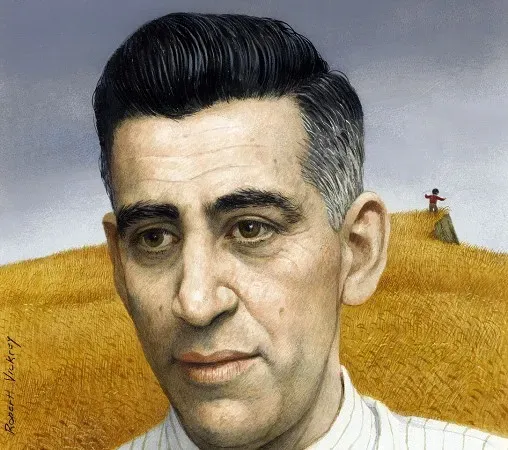
The very first story to destroy many a young mind, in a good way, obviously. This story introduces readers to Seymour Glass, who’s on vacation with his wife after returning from World War II. While his wife gossips on the phone, Seymour befriends a little girl on the beach and tells her about bananafish, creatures that eat so many bananas they get stuck in holes and die.
The ending hits you like a freight train you somehow didn’t see coming. Salinger reveals Seymour’s profound disconnection from the superficial world around him. The bananafish story is a metaphor for overconsumption and self-destruction, and Seymour himself is too sensitive for a world that no longer makes sense to him. This is Salinger at his most economical and devastating. Every seemingly casual detail carries weight. It’s the kind of story that makes you sit in silence for a while after finishing.
13. “Where Are You Going, Where Have You Been?” by Joyce Carol Oates

Oates took inspiration from a real serial killer to create this nightmarish story about a teenage girl named Connie who encounters a predatory stranger named Arnold Friend. What starts as a typical summer day spirals into psychological horror as Arnold arrives at Connie’s house and begins a twisted seduction that’s really coercion.
The terror builds slowly. Arnold knows things about Connie he shouldn’t know. He’s both ridiculous and terrifying, with his disguised age and strange manner of speaking. The story captures something essential about vulnerability and predation, about the moment when childhood innocence shatters. Oates never explicitly shows violence, but the implications are clear and chilling. The ambiguous ending leaves you with questions that novels twice the length often fail to raise.
14. “Girl” by Jamaica Kincaid

This entire story is one sentence. Just one long, breathless sentence that reads like instructions from a mother to her daughter, covering everything from how to properly set a table to how to behave like a respectable woman. The voice is demanding, repetitive, suffocating in its relentlessness.
What’s remarkable is how much Kincaid accomplishes in roughly 1,000 words. You understand an entire culture’s expectations for women, the weight of gender roles, the way knowledge and shame get transmitted across generations. The daughter’s voice breaks through only twice, meekly protesting, but she’s overwhelmed by the mother’s litany of rules. It’s a masterclass in compression and voice. Some writers need three hundred pages to explore mother-daughter relationships. Kincaid did it in less than two pages and created something unforgettable.
15. “They’re Made Out of Meat” by Terry Bisson
This science fiction story consists entirely of dialogue between two aliens discussing humans. The twist? They can’t comprehend that humans are sentient beings made entirely of meat. To them, it’s absurd and slightly disgusting that meat could think, create art, or communicate.
Bisson’s story is funny and unsettling in equal measure. By defamiliarizing the human body, he makes you see yourself as genuinely alien. We’re just meat that somehow became conscious, and from an outside perspective, that’s bizarre. The story is only a few pages, mostly dialogue, yet it accomplishes what the best science fiction does: it shifts your perspective completely. You’ll never think about your own existence quite the same way after reading about yourself as “singing meat” trying to make contact with the universe.
These fifteen stories prove something important. There is a very persistent feeling that short stories suit the way we live now, with our limited time and fractured attention spans, and their inherent versatility means they can be read cover to cover in a few sittings or dipped into and consumed in bitesize chunks. Length isn’t what makes a story powerful. It’s the precision, the emotional honesty, the way a single image or line of dialogue can crack you open. Novels have their place, sure, but sometimes you need something that cuts straight to the bone without asking for a week of your life.
Have you read any of these? Which one hit you the hardest?