


1. Fully Generative AI Music Platforms Are Flooding Streaming Services

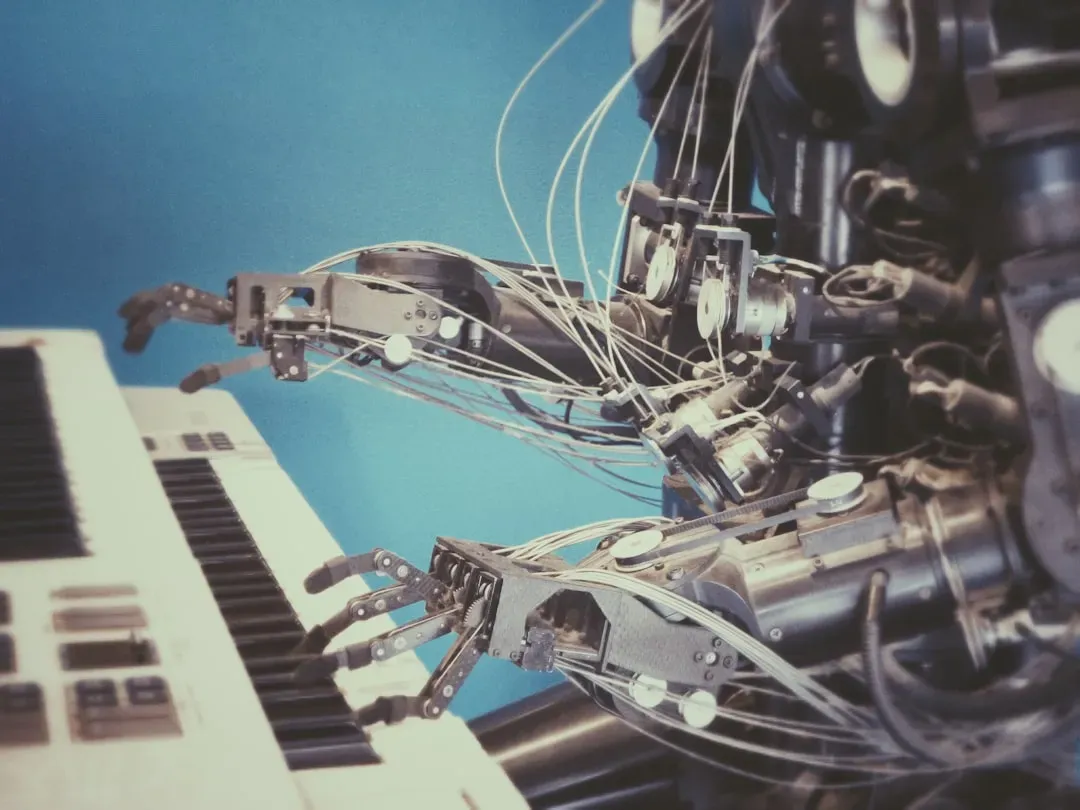
According to the IMS Business Report 2025, 60 million people used AI software to create music in 2024. That number matters because it represents people who are actively uploading tracks, competing for streams alongside human producers and songwriters. Let’s be real, this is a massive jump in just one year.
Even more telling is this: Deezer reported that 10,000 fully AI-generated tracks were submitted to the platform each day by early 2025, making up roughly one-tenth of all fresh uploads. Some of this is experimental, some is artistically motivated. A lot of it, though, is just noise.
The catch is that many of these tracks sound perfectly fine to casual listeners. 82% of listeners report being unable to distinguish between music composed by humans and music composed by AI, which means that distinction might matter less in playlists than anyone wants to admit.
2. AI-Assisted Lyric Generation Is Becoming a Real Studio Tool

Honestly, the days of staring at a blank notepad for hours, waiting for the perfect hook, are fading fast. AI lyric assistants can now analyze emotional tone, rhyme schemes, song structure, and even mimic specific artists’ writing styles. They’re like a co-writer that doesn’t sleep.
This doesn’t mean every song is fully AI-written. Instead, producers and songwriters use AI to break creative blocks, explore alternate versions of a verse, or find unexpected word pairings. The tool suggests, the human selects and edits. That’s the workflow right now.
Artists using these systems say it accelerates the writing process. You get ten lyric drafts in minutes, not days. Then you sculpt something original from the best parts.
3. Stem Separation AI Tools Have Transformed Remixing, Sampling, and Mastering
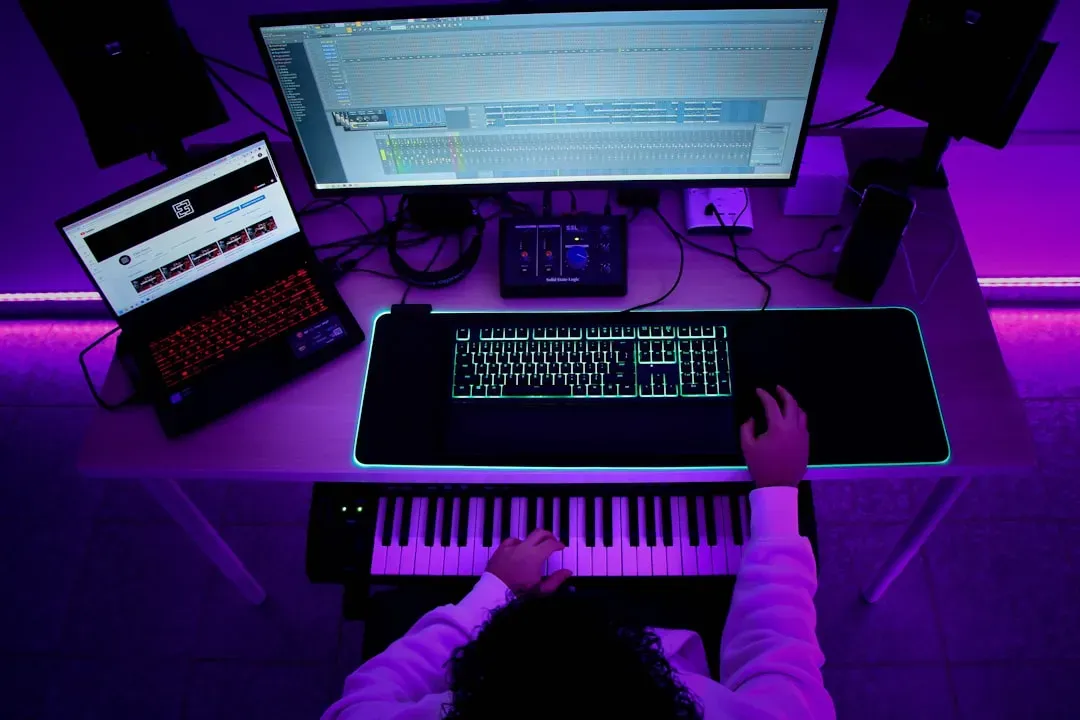
One of the most practical AI breakthroughs in music production is stem separation. In 2024, Apple rolled out a few AI-based features in Logic Pro 11, including a stem splitter. Tools like AudioShake, LANDR Stems, and iZotope RX now let you break any track into isolated vocals, drums, bass, and instruments with startling clarity.
For remixers and DJs, this is huge. You no longer need the original studio multitrack files to create a clean bootleg or mashup. Just upload the finished song and watch the AI carve it apart in seconds. Five years ago this required painstaking EQ surgery that rarely worked.
Honestly, this is where AI shines without controversy. It’s not replacing creativity, it’s giving producers tools they’ve always wanted. You can fix a vocal line, extract a drum break, or remix a classic without ever having access to the master tapes.
4. Voice Models and Deepfake Vocals Are Pushing Legal and Ethical Boundaries

Voice cloning has crossed what I would call the “indistinguishable threshold.” A few seconds of audio is now enough to generate a convincing clone, complete with emotion, breathing, and natural inflection. This technology is being used in both fascinating and frightening ways.
Musicians are licensing their voices for posthumous releases or collaborations without studio time. Yet the same technology has spawned countless unauthorized deepfakes. In 2025, streaming platforms are being bombarded with AI-generated spam and AI tricksters are trying to capitalize on the reputation of an inactive band, or even dead artists, to make a quick buck. Sophie, Blaze Foley, Uncle Tupelo, and others have had their Spotify pages vandalized by fraudulent AI tracks that mimicked their sound.
Cybersecurity firm DeepStrike estimates an increase from roughly 500,000 online deepfakes in 2023 to about 8 million in 2025, with annual growth nearing 900%. That explosive growth isn’t limited to music – it includes video and voice impersonation everywhere.
5. Copyright Lawsuits Are Reshaping the Rules for Training Data


In June 2024, the RIAA announced the filing of two copyright infringement cases based on the mass infringement of copyrighted sound recordings copied and exploited without permission by two multi-million-dollar music generation services, Suno and Udio. These were landmark cases. Universal, Sony, and Warner sued for damages up to $150,000 per work infringed.
Suno and Udio both admitted their models were trained on copyrighted works, but argued it fell under fair use. Suno admitted that it trained its AI model using copyrighted music but doing so was legal under the fair-use doctrine. Courts haven’t fully ruled yet, so this legal gray zone is still shifting. If the labels win, it could force every AI music startup to license training data upfront.
UMG announced that it has settled with Udio in late 2025, hinting at licensing deals rather than total shutdowns. What comes next will define how the entire generative music sector operates for the next decade.
6. Streaming Fraud via AI-Generated Uploads Has Become a Major Problem

Here’s the uncomfortable truth: AI music generation has made royalty fraud shockingly easy. In a September 4 filing, US Attorney Damian Williams charged Michael Smith, 52, for creating a scheme that allowed him to fraudulently obtain $10m in royalty payments from music streaming platforms. He faces charges of wire fraud, money laundering, and conspiracy. This is the first-ever indictment related to AI-generated music in the US.
Smith used AI tools to produce hundreds of thousands of tracks, assigned them fake artist names, then programmed bots to stream them nonstop. Some days, his songs racked up over 600,000 plays. The payouts were real. The music was garbage. The scheme worked until fraud detection systems caught up.
Deezer identified that approximately 20% of the songs uploaded to Deezer on a daily basis are AI-generated, totaling nearly 30,000 tracks a day. Worse still, they found that approximately 70% of the streams were fraudulent, meaning people created fake artists and used bots to generate fake streams in order to receive payouts. This isn’t a fringe issue anymore.
7. Spotify Has Removed Tens of Millions of AI Spam Tracks in Response


Platforms are fighting back. In the past 12 months alone, amid the generative AI boom, Spotify removed more than 75 million spam tracks. That figure is staggering. It shows just how overwhelming the flood of low-quality, bot-driven AI content has become.
This fall, Spotify will roll out a new music spam filter – a system that will identify uploaders and tracks engaging in these tactics, tag them, and stop recommending them. The system is rolling out conservatively to avoid penalizing legitimate artists, but it represents a major shift in how streaming services curate content.
Spotify also updated its impersonation policy. Vocal impersonation is only allowed in music on Spotify when the impersonated artist has authorized the usage. That’s a direct response to the wave of deepfake vocal tracks that plagued inactive and deceased artists throughout 2024 and 2025.
8. AI Mastering Tools Are Making Professional Polish Accessible to Everyone

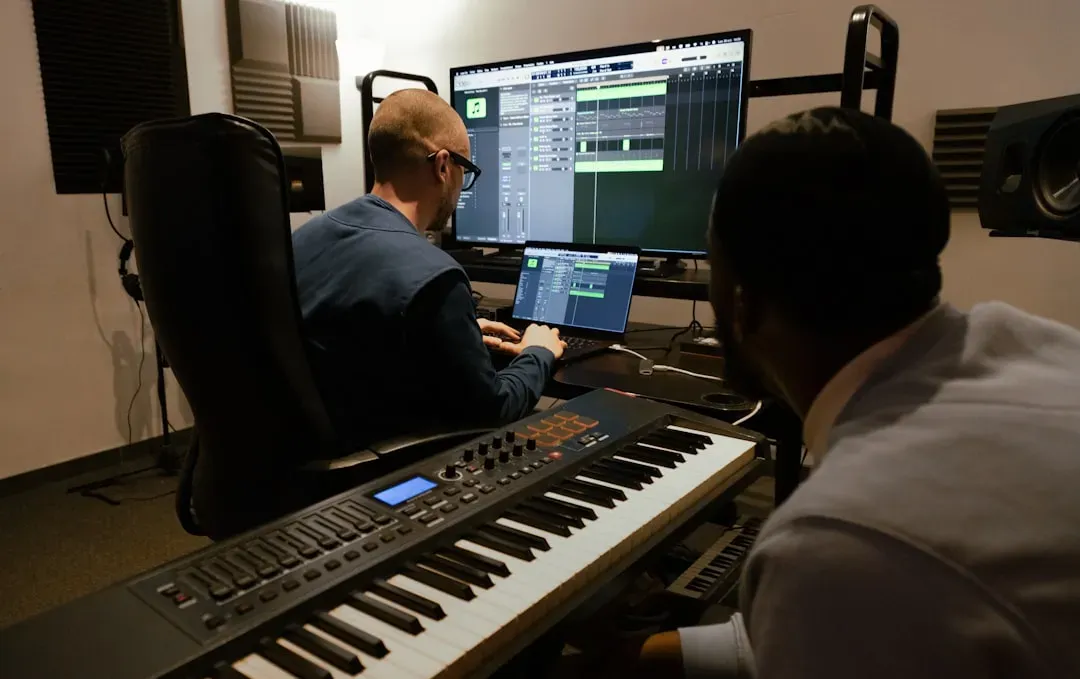
I know it sounds crazy, but mastering – once the most expensive and mysterious part of music production – is now something you can do in seconds with AI. Services like LANDR, eMastered, and CloudBounce analyze your mix and apply EQ, compression, limiting, and stereo widening automatically.
The quality isn’t always perfect, especially for nuanced genres like jazz or experimental electronic music. Still, for bedroom producers releasing tracks on a budget, AI mastering gets you about eighty percent of the way there. That used to cost hundreds per song at a professional studio.
Partner offer

It’s also helping labels and distributors process larger catalogs faster. Some companies now master entire back catalogs using AI engines, prepping old releases for reissue or streaming without hiring engineers for every single track.
9. DAWs Are Integrating AI Directly Into Production Workflows

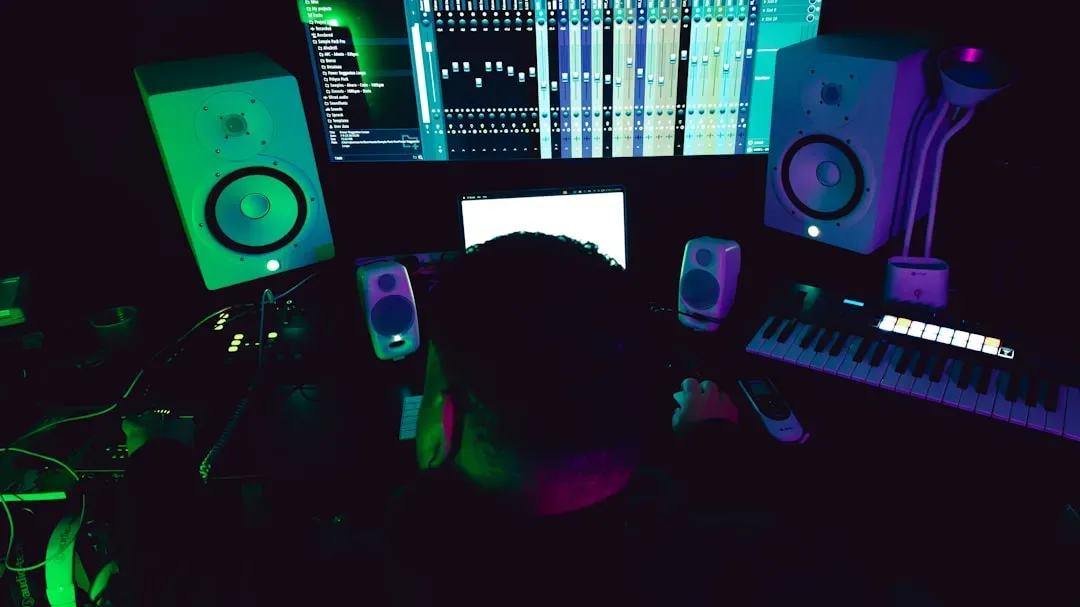
Digital Audio Workstations are embedding AI features right into the interface. Logic Pro, Ableton, Pro Tools, and FL Studio have all begun experimenting with AI-assisted mixing, chord suggestions, drum generation, and even arrangement ideas.
For example, you might feed an AI a four-bar loop and ask it to extend the arrangement into a full verse-chorus structure. Or you could ask it to generate three alternate drum patterns that fit your tempo and vibe. You’re still the director, but the AI is offering draft material faster than any human session player could.
This speeds up the grind. MIT’s 2023 study showed AI users completed tasks 40% faster, with higher quality output. That stat holds true in music too. Producers report finishing tracks in hours instead of days when they lean on AI for repetitive edits or creative suggestions.
10. Melody and Chord Generators Are Helping Songwriters Break Writer’s Block
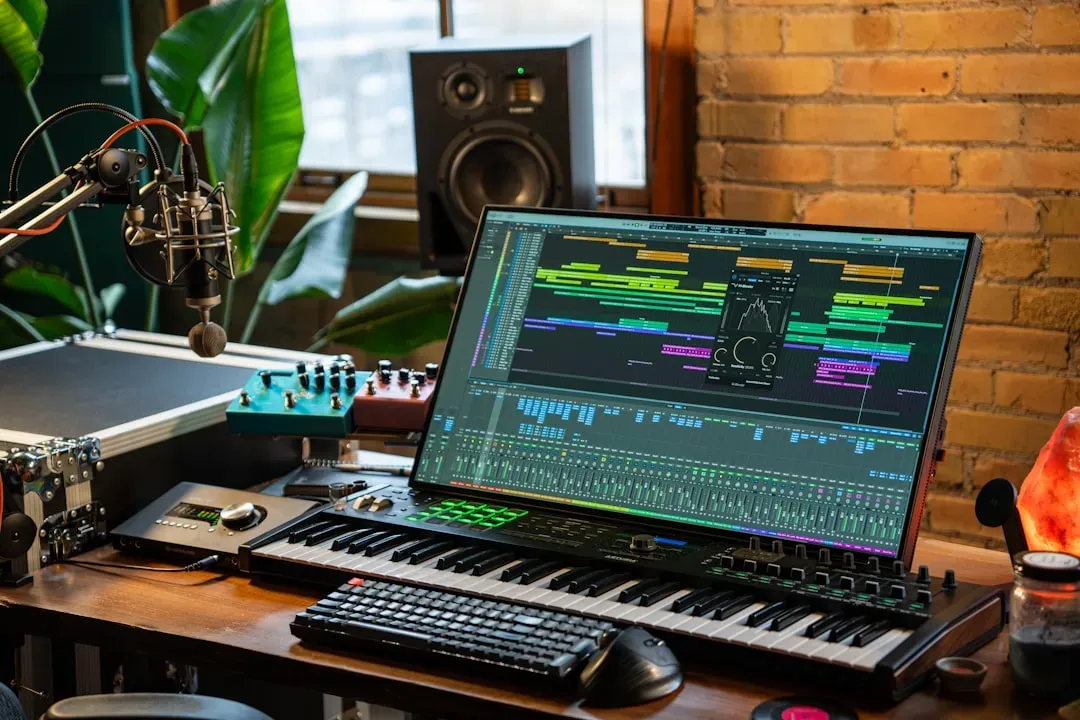
Sometimes you just need a spark. AI chord generators analyze your key, tempo, and mood, then suggest progressions that fit common songwriting patterns or push into less obvious territory. Same goes for melody lines – tools can now generate hummable hooks based on genre and emotion tags.
These aren’t finished songs. They’re sketches. The human songwriter listens, keeps what resonates, scraps the rest, and builds something unique on top. It’s less about replacing creativity and more about accelerating the ideation phase.
Honestly, I think this is where AI works best in music creation. It removes the paralysis of the blank canvas without dictating the final result. You still need taste and vision to turn a computer-generated riff into a real song.
11. Algorithmic Playlist Curation Is Shaping What Gets Heard More Than Ever
Over 50% of the top 20 global hits on music streaming platforms are influenced by AI recommendations. That means the algorithm isn’t just surfacing songs – it’s effectively deciding what becomes popular. Spotify’s Discover Weekly, Release Radar, and Daily Mix all rely on machine learning to match listeners with tracks.
For artists, this changes strategy. You’re not just making music for radio programmers or A&R reps anymore. You’re optimizing for an algorithm that prioritizes engagement metrics like skip rate, replay count, and playlist adds. That can incentivize shorter songs, catchier hooks, and faster intros.
Some argue this flattens creativity. Others say it democratizes discovery, giving indie artists a shot at viral reach without label backing. Either way, the AI curator is now the most powerful tastemaker in music.
12. AI Is Being Used to Detect Copyright Infringement and Sample Clearance Issues

It’s not all chaos. AI is also helping rights holders and platforms identify unauthorized samples, interpolations, and melodic plagiarism faster than human ears ever could. Services like Audible Magic and ACRCloud scan millions of uploads per day, matching audio fingerprints against massive databases.
This protects artists from having their work stolen or sampled without credit. It also speeds up licensing negotiations, since producers can now identify exactly what portion of a track matches an existing copyright and negotiate clearance before release.
Ironically, the same technology enabling music generation is also the best tool for policing that generation. It’s a weird feedback loop, where AI both creates the problem and offers the solution.
13. Fully AI-Generated Artists Are Testing the Definition of Authorship


We’re entering strange territory. Acts like The Velvet Sundown – a fake band with fake members and AI-generated vocals – garnered millions of streams on Spotify before listeners realized nothing was real. Later, the official Velvet Sundown page updated its Spotify biography to acknowledge that all the music was composed and voiced with AI.
This raises uncomfortable questions. Who owns the copyright to an AI song if no human wrote or performed it? Can you call it art if there’s no artist? Some people argue it’s a fascinating conceptual provocation. Others see it as hollow content spam designed to game streaming payouts.
Legally, copyright offices in most countries require human authorship for protection. So fully AI works might not even qualify for copyright – which could make them free to sample or redistribute. That ambiguity is still being tested in courts.
14. Licensing Disputes and Royalty Confusion Are Escalating


As AI tools proliferate, the question of who gets paid becomes messier. If an AI generates a melody that closely resembles a copyrighted song, who’s liable – the user, the AI company, or the dataset provider? If a producer uses an AI vocal model trained on an artist’s voice without permission, does that artist deserve royalties?
There’s no universal answer yet. Some platforms are building licensing frameworks where artists can opt in and receive payment when their voice or music is used to train models. LANDR’s Fair Trade AI program offers artists the opportunity to earn more royalties when opting their music into LANDR’s training data sets. That’s a step toward transparency.
The alternative is a chaotic free-for-all where everyone trains on everything and no one gets compensated. That’s not sustainable for musicians trying to earn a living. The industry knows it needs guardrails, it’s just figuring out what those look like.
15. Despite the Risks, Nearly Half of Independent Artists Are Experimenting With AI

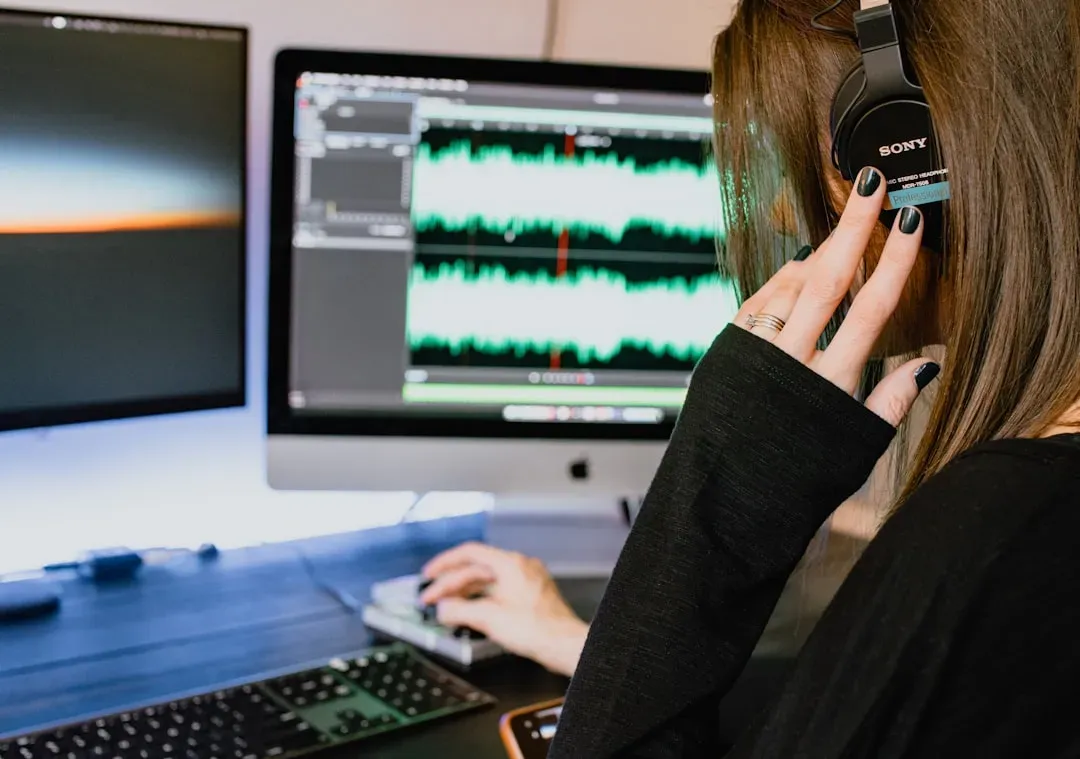
Among self-releasing artists, 48% have already tried AI tools – everything from mastering and vocal cleanup to lyric generators and album art design. That adoption rate is climbing fast. 87% of producers are already using AI-powered tools in some capacity, according to a 2025 LANDR survey of over 1,200 music makers.
What’s driving this shift? Speed, cost, and accessibility. Artists who couldn’t afford a mixing engineer or session vocalist can now finish professional-sounding tracks on a laptop. The barrier to entry has collapsed.
Yet there’s tension. 81.5% of respondents believed that music generated solely by AI should be clearly labelled. Over three-quarters said an artist’s music or vocals should not be ingested or used by AI without permission. So even as people adopt the technology, they want transparency, consent, and fair compensation. The question is whether the industry can deliver that before trust erodes completely.
Partner offer
Planning a trip to Vegas?
Compare hotel rates and show tickets on VEGAS.com.


