Social media feels different these days. The endless scrolling, the static posts, the same predictable routines. Yet beneath the surface, something much bigger is brewing. Technology has always redefined how we connect online, but the metaverse takes that transformation to another level entirely.
You might have noticed virtual concerts popping up in your feeds or friends experimenting with digital avatars. This isn’t science fiction anymore. It’s happening right now, and honestly, the pace at which it’s transforming our social interactions is kind of wild. The lines between our physical and digital lives are blurring faster than most of us realized.
Three-Dimensional Spaces Replace Flat Feeds


The metaverse is experiencing rapid growth as technology advances and virtual reality becomes more accessible, drawing people to the immersive and interactive experiences it offers. Social media once meant scrolling through endless two-dimensional content, but immersive virtual environments are redefining what connection means.
By 2025, VRChat staff reported that the platform regularly averaged around 120,000 concurrent users on weekends. Picture that for a moment. Over one hundred thousand people choosing to exist as avatars in shared digital spaces rather than texting or posting photos. This shift away from flat interfaces toward spatial interaction completely reimagines how friendships form and communities gather online.
Here’s the thing: when you step into these worlds, interaction stops being passive consumption. You move through spaces, your avatar reacts to others, and conversations feel closer to being in the same room. The future of social media isn’t about what you watch anymore, it’s about where you are.
Virtual Identities Become the New Self-Expression

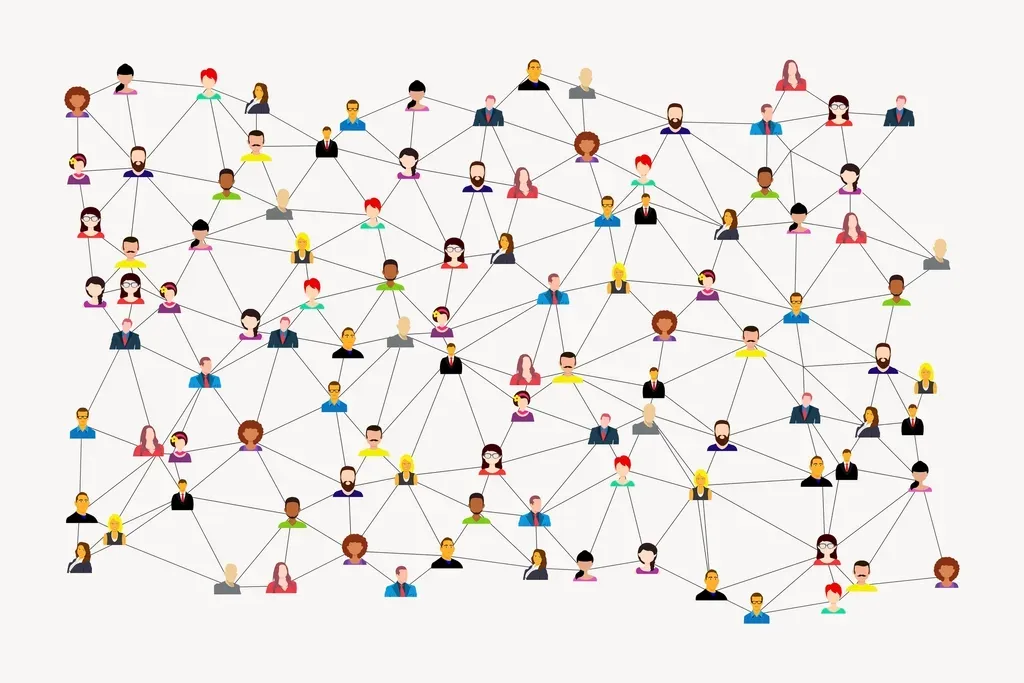
The way we present ourselves online has always mattered, but the metaverse amplifies identity in completely fresh directions. Traditional platforms gave us profile pictures and bios. The metaverse gives us entire digital personas that reflect pieces of ourselves we might not easily show otherwise.
Studies found that 88% of users believe forming meaningful relationships in virtual space is possible, with 54% admitting they would design an avatar that doesn’t look like them. Think about what that means. More than half of people actively choose to express themselves through avatars that differ from their real appearance. That’s not deception, it’s exploration.
These digital identities help people experiment with gender presentation, style, and personality aspects they might feel too vulnerable to explore in physical spaces. For many, especially younger users and marginalized communities, avatars become powerful tools for self-discovery and authentic connection beyond the constraints of the offline world.
Psychological Benefits Create Healthier Digital Connections


Let’s be real: social media hasn’t always been great for mental health. The comparison traps, the curated perfection, the isolation hiding behind connectivity. Yet analysis indicates that metaverse technology significantly impacts social development and psychological well-being, with positive effects on both areas.
Research shows metaverse technology positively impacts psychological well-being, and increased engagement with metaverse platforms improves social skills, facilitates relationship-building, and encourages more effective communication among young individuals. Geographic barriers dissolve in virtual spaces. Someone living in a remote area can join thriving communities focused on shared interests without the crushing weight of isolation.
That doesn’t mean the metaverse solves everything. Risks absolutely exist. However, early research suggests that when used thoughtfully, these immersive platforms create opportunities for genuine social development and connection that traditional social networks simply can’t replicate in quite the same way.
Augmented Reality Layers Digital Over Physical Reality

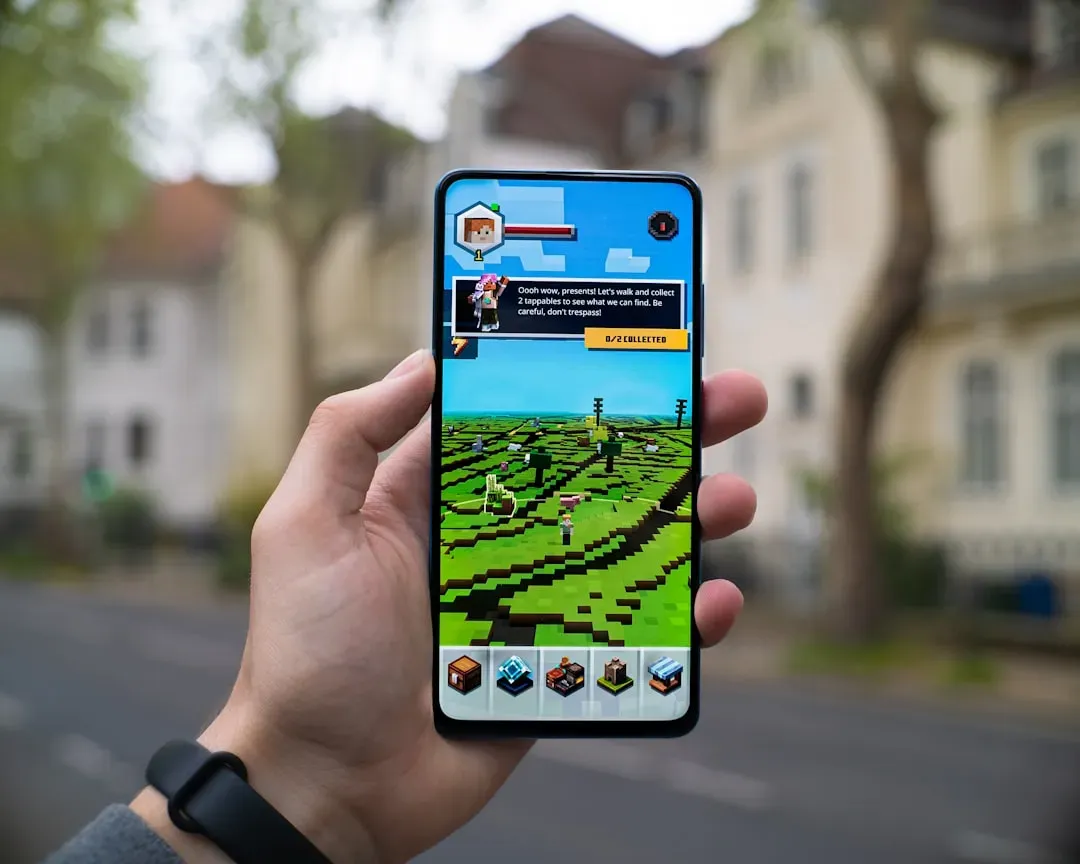
Augmented reality is reshaping how brands connect with their audiences, and as we move further into 2025, AR is steadily becoming a strategic asset in social media marketing. This isn’t about escaping to fully virtual worlds. AR brings digital elements into the spaces we already occupy.
Spending on mobile AR brand marketing is projected to rise from $5.51 billion in 2024 to an estimated $6.56 billion in 2025. That growth signals something important: people want experiences that blend their everyday environment with interactive digital content. You’re not just posting a photo anymore. You’re overlaying filters that react to your location, sharing messages tied to physical places, or seeing product demos appear on your kitchen counter.
The genius of AR in social media lies in how seamlessly it integrates. You don’t need specialized equipment beyond the smartphone already in your pocket. Your feed becomes a window into a mixed reality where communication, commerce, and creativity intersect in ways that would’ve seemed impossible just a few years ago.
Private Communication Lags Behind Public Interaction

Here’s something that might surprise you: despite all the sophistication in metaverse platforms, basic communication features sometimes fall short. Emerging research highlights the need for more nuanced private conversation systems within shared virtual environments, indicating that many current social VR platforms emphasize public interactions without easy private communication tools.
Think about attending a virtual concert with thousands of others. You can wave, dance, maybe shout into the void. Yet trying to have a quiet side conversation with a friend? Often awkward or impossible. As the year flipped from 2025 to 2026, VRChat’s servers supported nearly 150,000 staying online concurrently, a new record showing massive scale. Still, that scale brings challenges.
Platforms are racing to solve this. Balancing the energy of shared spaces with the intimacy of private moments remains one of the trickiest design problems in metaverse social media. Getting it right could make or break whether these platforms truly replace or merely complement traditional messaging apps.
Tight-Knit Communities Replace Broad Networks

Traditional social media encouraged collecting followers and connections like trading cards. The more, the better, right? Metaverse platforms flip that script entirely. Detailed analysis of metaverse platforms shows social behavior forming smaller, more tightly knit communities with strong internal cohesion, unlike the broad connection networks typical of today’s platforms.
Partner offer

You see this playing out in practice. VRChat worlds, Roblox groups, and similar spaces foster friendships that feel closer to real-world relationships. People spend hours together in shared activities rather than exchanging brief comments or likes. The quality of interaction deepens when you’re solving puzzles together, exploring virtual landscapes, or just hanging out in ways that require genuine presence.
There’s something refreshing about that shift. Instead of maintaining hundreds of superficial connections, users invest in communities where they genuinely belong. The metaverse rewards depth over breadth, and honestly, many people find that trade-off worth making as social fatigue from traditional platforms continues growing.
Hybrid Experiences Bridge Old and New Social Media

Not everyone wants to abandon Instagram or TikTok for entirely virtual worlds. Smart platforms recognize this. Metaverse technologies are increasingly integrated with conventional social media, allowing people to switch between immersive spaces and familiar network features like posts, reactions, and messaging.
This hybrid approach makes the transition less jarring. You might attend a virtual event in a metaverse space, then immediately share clips or photos from that experience on your regular social profiles. Platforms that nail this balance capture users who want innovation without completely leaving their existing digital social circles behind.
The trend points toward convergence rather than replacement. Social media’s future probably isn’t choosing between traditional feeds or metaverse immersion. It’s having both options available depending on mood, purpose, and the kind of connection you’re seeking at any given moment.
Virtual Events Transform Passive Viewing Into Participation

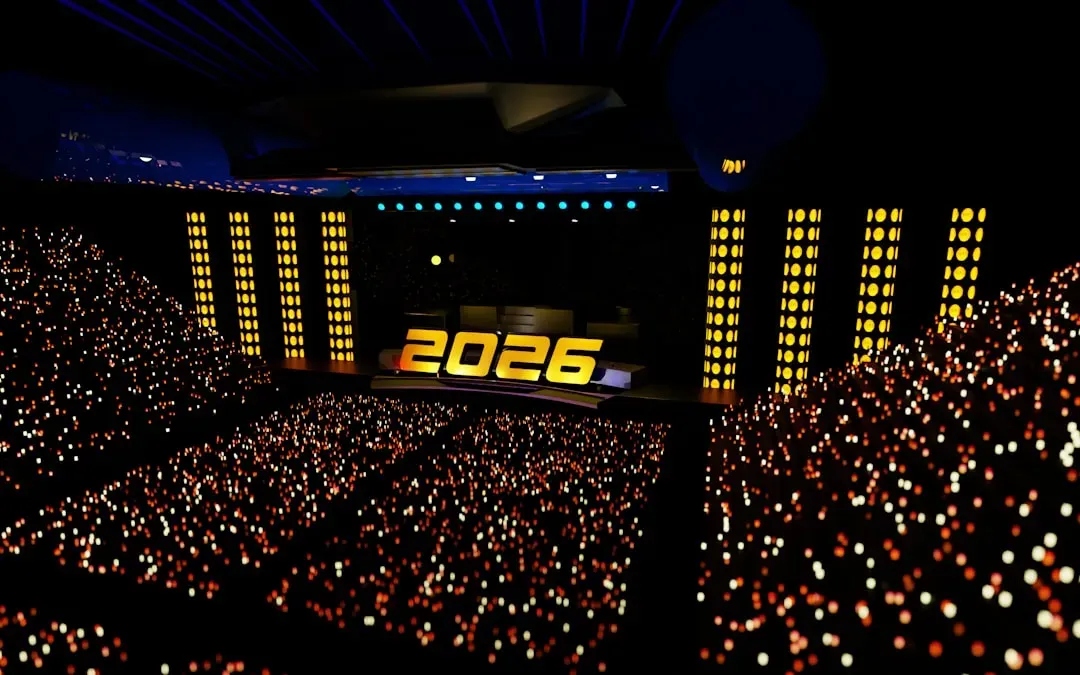
The music industry has witnessed a seismic shift as artists increasingly turn to the metaverse to connect with fans in tech-driven ways, with metaverse gaining new surge in 2024. Concerts, conventions, and social gatherings in virtual spaces offer something live streams simply cannot: true participation.
Before Travis Scott’s monumental event, Marshmello performed a live set in February 2019 that attracted over 10 million virtual attendees, showcasing the massive potential early on. Ariana Grande’s Fortnite Rift Tour saw more than 78 million players actively interacting with the artist, lifting and floating in the sky while she sang. Those aren’t viewers. Those are participants experiencing the performance as active agents within the event itself.
The difference matters enormously. Traditional social media made you an audience member watching from outside. Metaverse events place you inside the experience. You affect what happens, interact with other attendees, and create memories that feel remarkably similar to attending physical events, minus the expensive tickets and travel hassles.
Commerce and Social Interaction Blend Seamlessly

Shopping on social media traditionally meant clicking links that yanked you away to another website. The metaverse dissolves those barriers entirely. Virtual spaces now integrate commerce so naturally that browsing, trying on, and purchasing happen within the same social environment where you’re already hanging out with friends.
The global virtual fitting room market reached $6.86 billion in 2025, up from $5.71 billion in 2024, and is projected to expand at a compound annual growth rate of 19.8% from 2025 to 2032. Virtual try-on experiences let you see how products fit your avatar – or through AR, how they’d look on your actual body – before buying.
This seamless integration removes friction from online shopping while adding a social dimension. Friends can weigh in on purchasing decisions in real time, brands can create immersive showrooms, and the entire process feels less like a transaction and more like an activity you’d genuinely enjoy sharing with others.
Immersive Risks Magnify Addictive Patterns


Everything isn’t sunshine and virtual rainbows, though. Experts warn that immersive metaverse platforms could amplify addictive usage patterns and reshape how people engage with media, raising questions about balance, privacy, and mental impact as social interaction evolves.
It’s too early to indicate whether the metaverse will be a greater risk or benefit to mental health than previous digital media, but virtual worlds are unprecedented in the scope of experiences they afford, requiring timely research on opportunities and risks. The more immersive an experience becomes, the harder it can be to pull away. When your brain starts processing virtual environments as quasi-real spaces, the psychological hooks deepen significantly.
This doesn’t mean the metaverse is inherently dangerous. Like any powerful technology, the impact depends on how we design, regulate, and personally engage with these platforms. Recognizing the risks early allows for building healthier patterns before problematic usage becomes normalized. We’re at a critical moment where those choices still matter enormously.
Final Thoughts on the Metaverse Social Revolution


The metaverse market is projected to reach $103.6 billion in 2025, expected to grow at 37.43% annually, reaching $507.8 billion by 2030. Those numbers reflect massive investment and rapid adoption. Social media as we’ve known it is fundamentally transforming.
About one in four American adults contemplate the metaverse as a potential successor to traditional social media platforms, though another 42% say it would be used alongside rather than completely replace it. The reality likely sits somewhere between those perspectives. Traditional social media won’t disappear overnight, but the metaverse is carving out increasingly significant territory in how we connect digitally.
The platforms that thrive will be those that balance innovation with accessibility, immersion with safety, and novelty with genuine human connection. What do you think about these changes? Are you ready to step into more immersive social experiences, or do traditional platforms still feel like home?
Partner offer
Planning a trip to Vegas?
Compare hotel rates and show tickets on VEGAS.com.