Ever feel like you’re seeing the same travel bucket lists over and over? Everyone knows about Oktoberfest, Rio Carnival, and Mardi Gras. They’re spectacular, no doubt about it. Yet the most magical experiences often happen in places where tour buses rarely venture, where locals still outnumber visitors by ten to one.
What if I told you there are festivals around the world where tradition runs so deep that every gesture, every costume, every bite of food carries centuries of meaning? Places where you can witness something truly rare.
Kurentovanje Festival, Slovenia
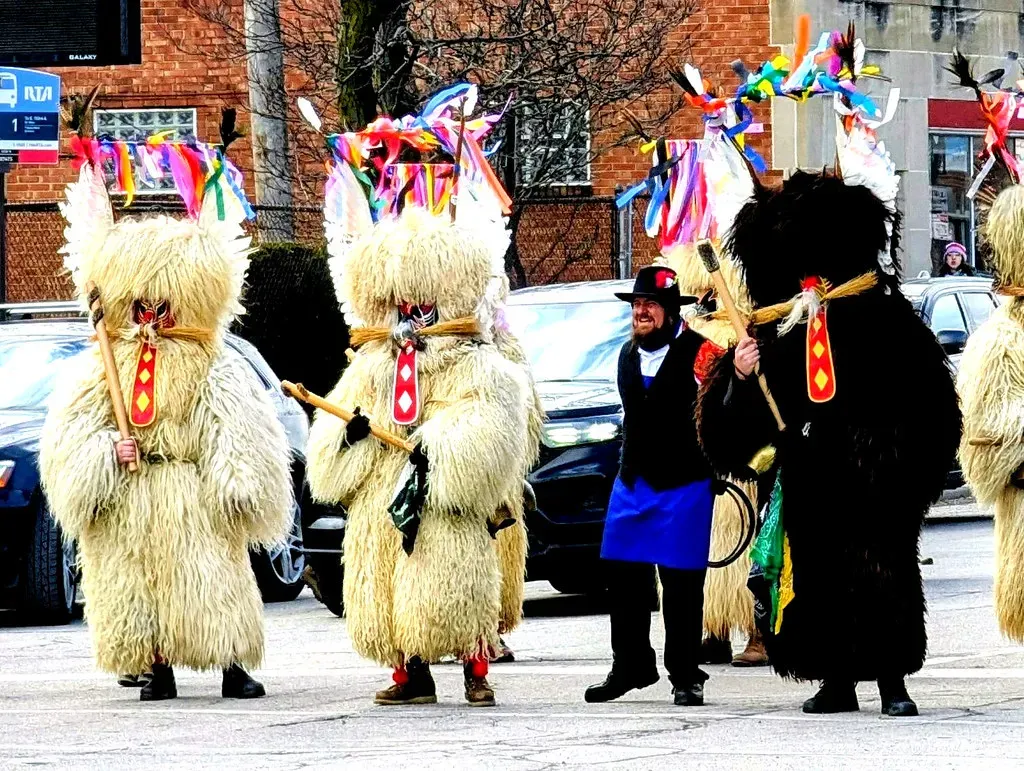
Kurentovanje takes place in Ptuj, Slovenia’s oldest town, and features Kurenti figures dressed in sheepskin costumes adorned with distinctive bells to celebrate the arrival of spring while showcasing Slovenia’s ethnographic heritage. The noise alone is something else. When hundreds of these costumed figures march through narrow medieval streets, the clanging bells create a sound that reverberates off stone walls and into your bones. The Kurenti perform door-to-door visits throughout town as processions, and honestly, it’s both welcoming and slightly unnerving in the best possible way. This isn’t some watered-down tourist version of folklore. This is the real deal.
Fiestas de los Diablitos, Costa Rica
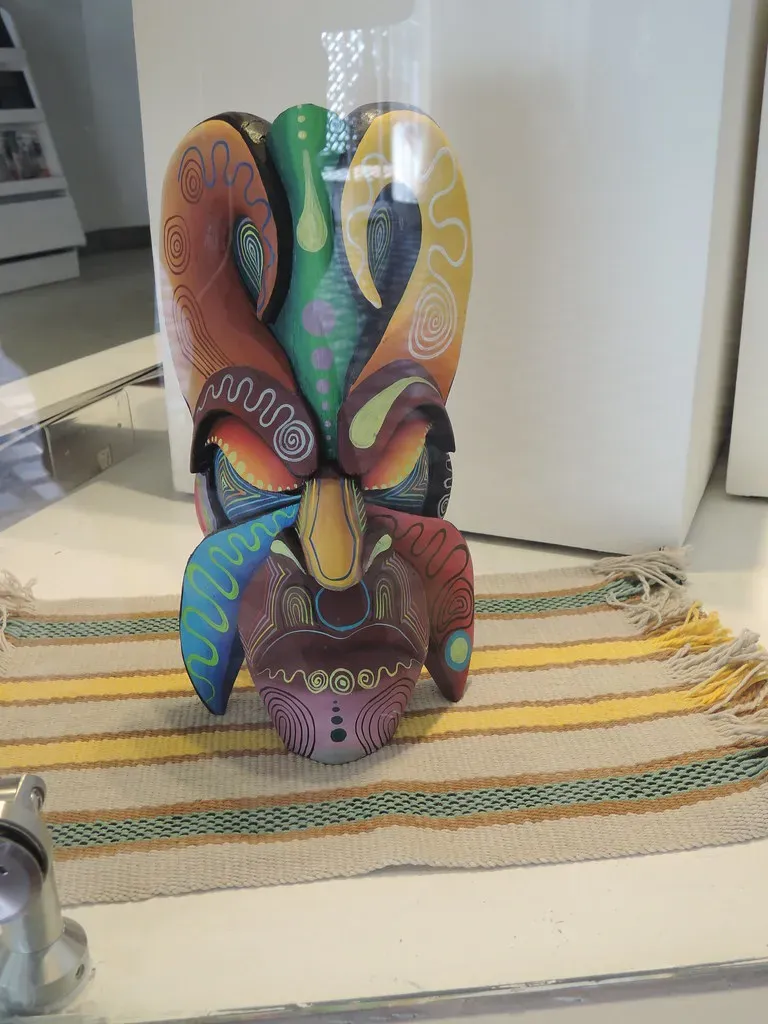
The Boruca indigenous community celebrates at the end of every year to tell an alternate history of Spanish conquest, preserving indigenous traditions through the Cabrú Rojc dance that symbolically represents struggles between indigenous people and Spanish invaders. The event involves dance and performances in traditional masks and clothing made with banana leaves. It’s been happening in Rey Curré since 1979, and what strikes you immediately is how this isn’t just entertainment. It’s resistance, memory, and celebration all rolled into one powerful performance. The little devils always win in this version of history, which feels deeply satisfying.
Marquesas Islands Arts Festival, French Polynesia
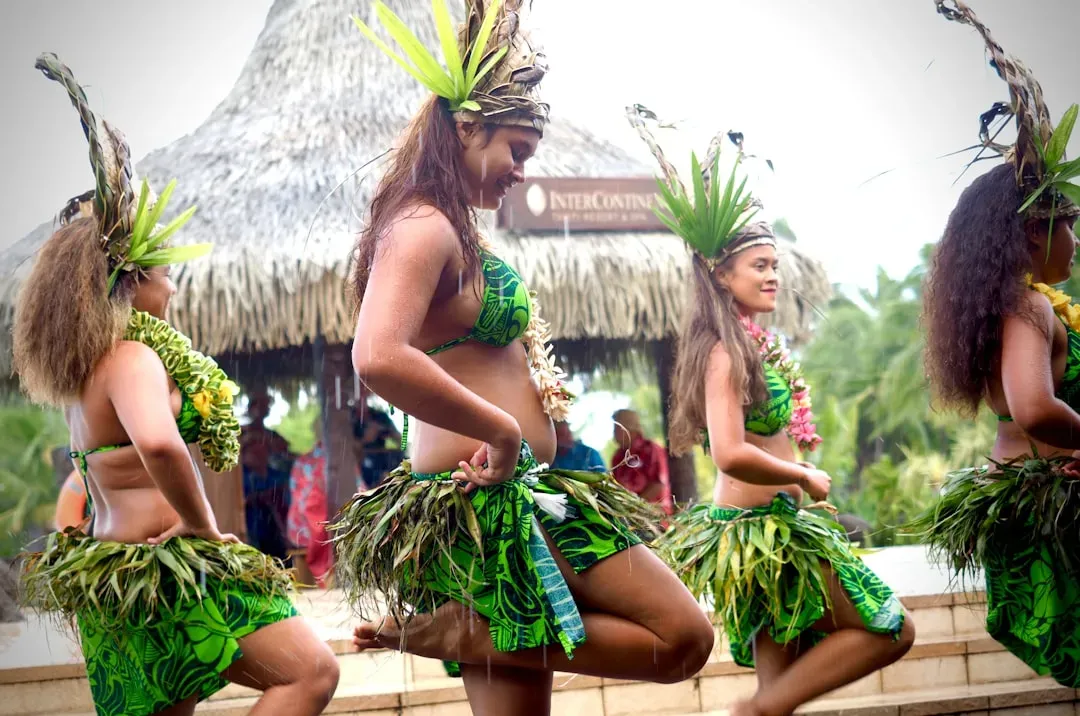
The festival called Matavaa o te Fenua Enata has been running since 1986 to promote Marquesan culture, originally held every four years but now as a biennial event taking place across Nuku Hiva, Hiva Oa, Ua Pou, Ua Huka, Tahuata and Fatu Hiva islands. The celebrations offer a rare opportunity to see vibrant Polynesian traditions through dance performances, intricate tattoo artistry, and traditional crafts. The next edition is scheduled for December 2025. Getting there requires serious commitment, which is precisely why it remains unspoiled. You’ll witness tattooing techniques that haven’t changed in generations and dancing that tells stories older than written language.
Boryeong Mud Festival, South Korea
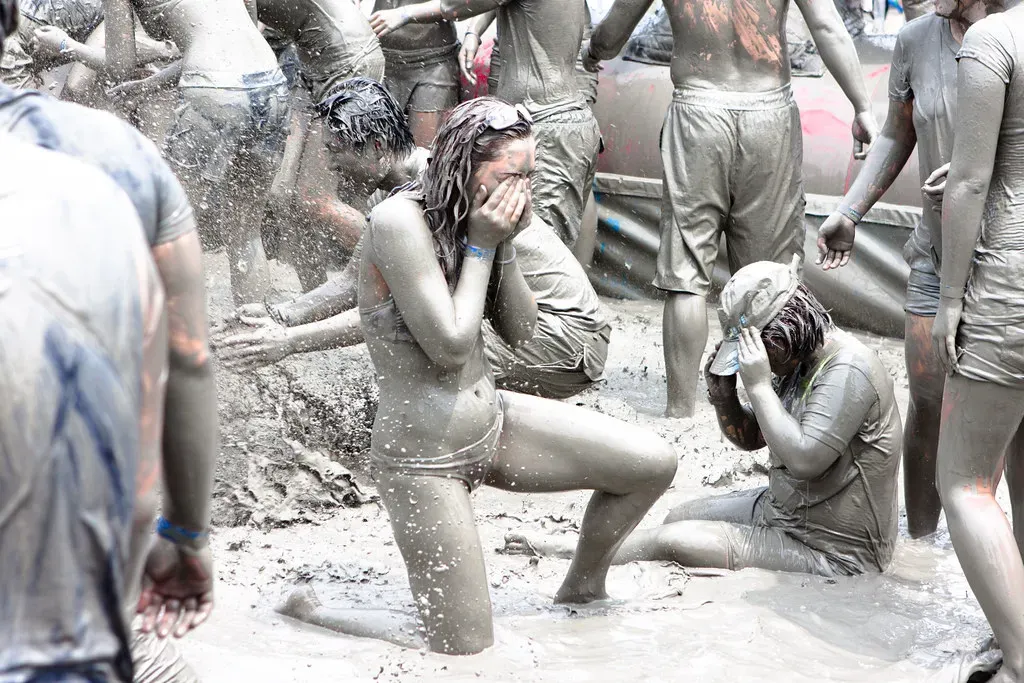
Held every July, the Boryeong Mud Festival features mud wrestling, mud sliding, and mud bathing, originally created to promote the cosmetic benefits of mineral-rich mud from the Boryeong region. Sure, it sounds ridiculous. That’s the point. What began as a cosmetics marketing campaign has evolved into a globally renowned event that promotes the purported skincare benefits of Boryeong mud while attracting throngs of global visitors. Picture thousands of people covered head to toe in grey mud, laughing like children, all inhibitions abandoned. Sometimes the best cultural experiences are the ones that remind us not to take ourselves too seriously.
Naadam Festival, Mongolia
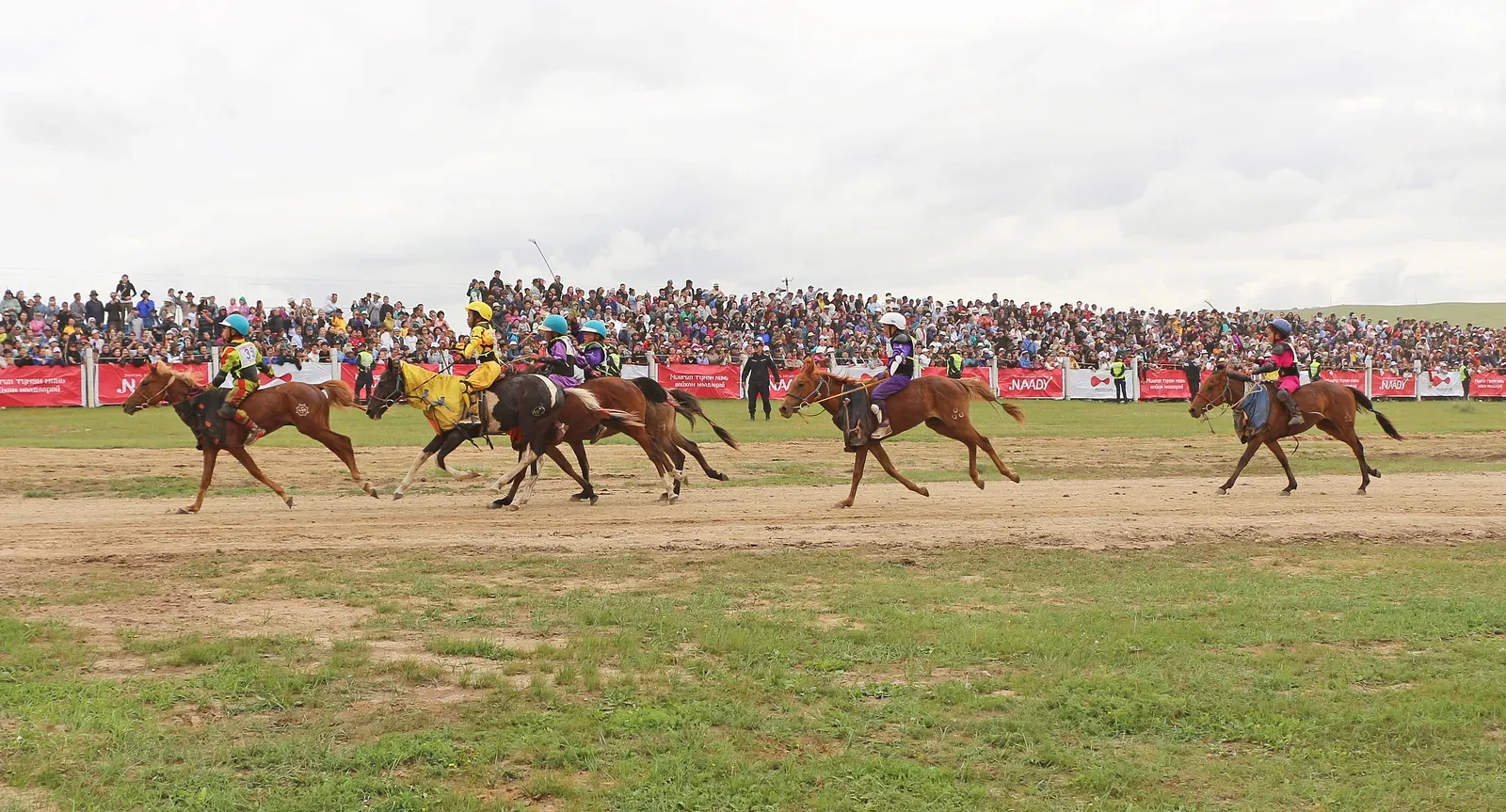
In Mongolia, the Naadam Festival celebrates the Three Manly Games of wrestling, horse racing, and archery, displaying Mongolian culture and history with each game carrying significance. Participants don traditional garments, and the air is filled with excitement and pride. The horse racing is unlike anything you’ve seen at the Kentucky Derby. We’re talking about child jockeys as young as five racing across vast grasslands for kilometers. The wrestling matches follow ancient rules, and the archery competitions demand precision that takes lifetimes to master. It’s raw, competitive, and utterly captivating.
Festa de São João, Brazil and Portugal
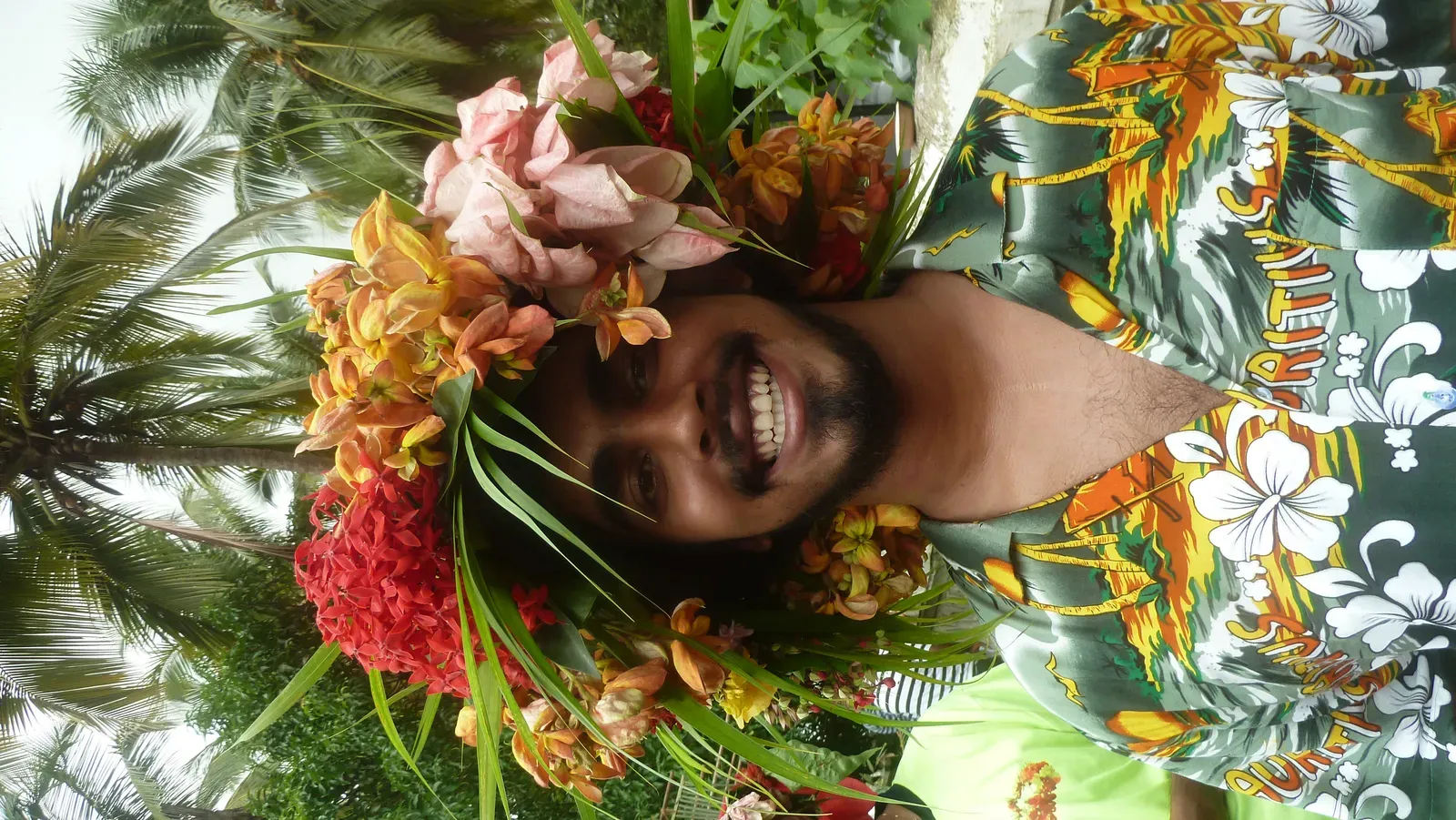
This midsummer celebration lights up streets in Brazil and Portugal with bonfires, folk dancing, and traditional foods, honoring Saint John the Baptist while communities come together with the aroma of grilled sardines and lively music. In Brazil, particularly in Salvador and Recife, the festival features colorful parades and fireworks, while in Portugal festivities include jumping over bonfires and releasing illuminated balloons into the night sky. There’s something primal about leaping over flames as your friends cheer you on. June in these cities means the party never really stops.
Jember Fashion Carnival, Indonesia
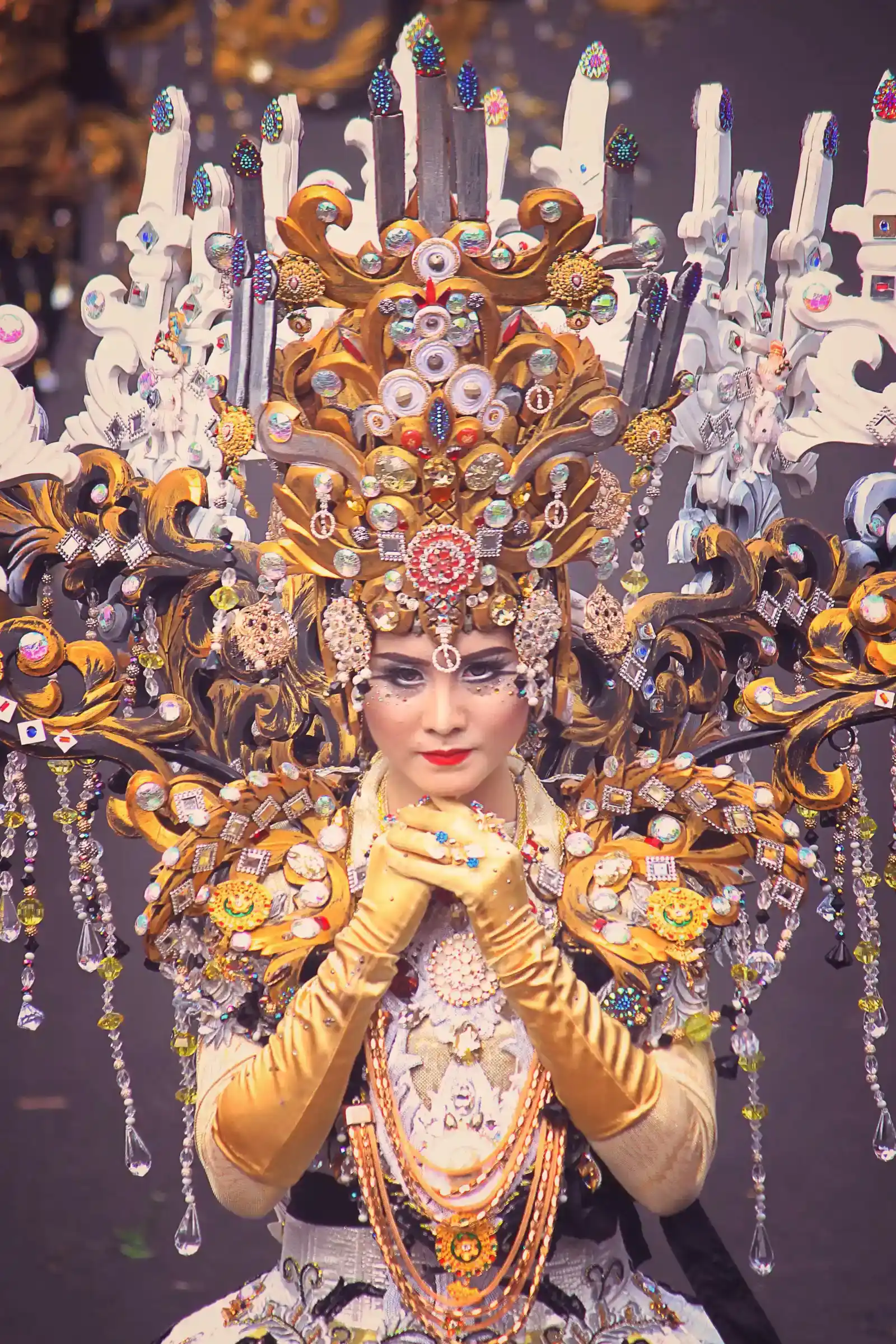
The streets of Jember, Indonesia, transform into a runway during the Jember Fashion Carnival, a spectacular parade of avant-garde costumes inspired by Indonesian culture. This is where traditional meets outrageous. We’re talking towering headdresses, costumes that weigh as much as a person, and designs so elaborate they require teams of people to construct. It’s fashion as performance art, and the sheer creativity on display rivals anything you’d see at Paris Fashion Week. The difference? This carnival celebrates local identity rather than chasing European standards.
Hornbill Festival, India
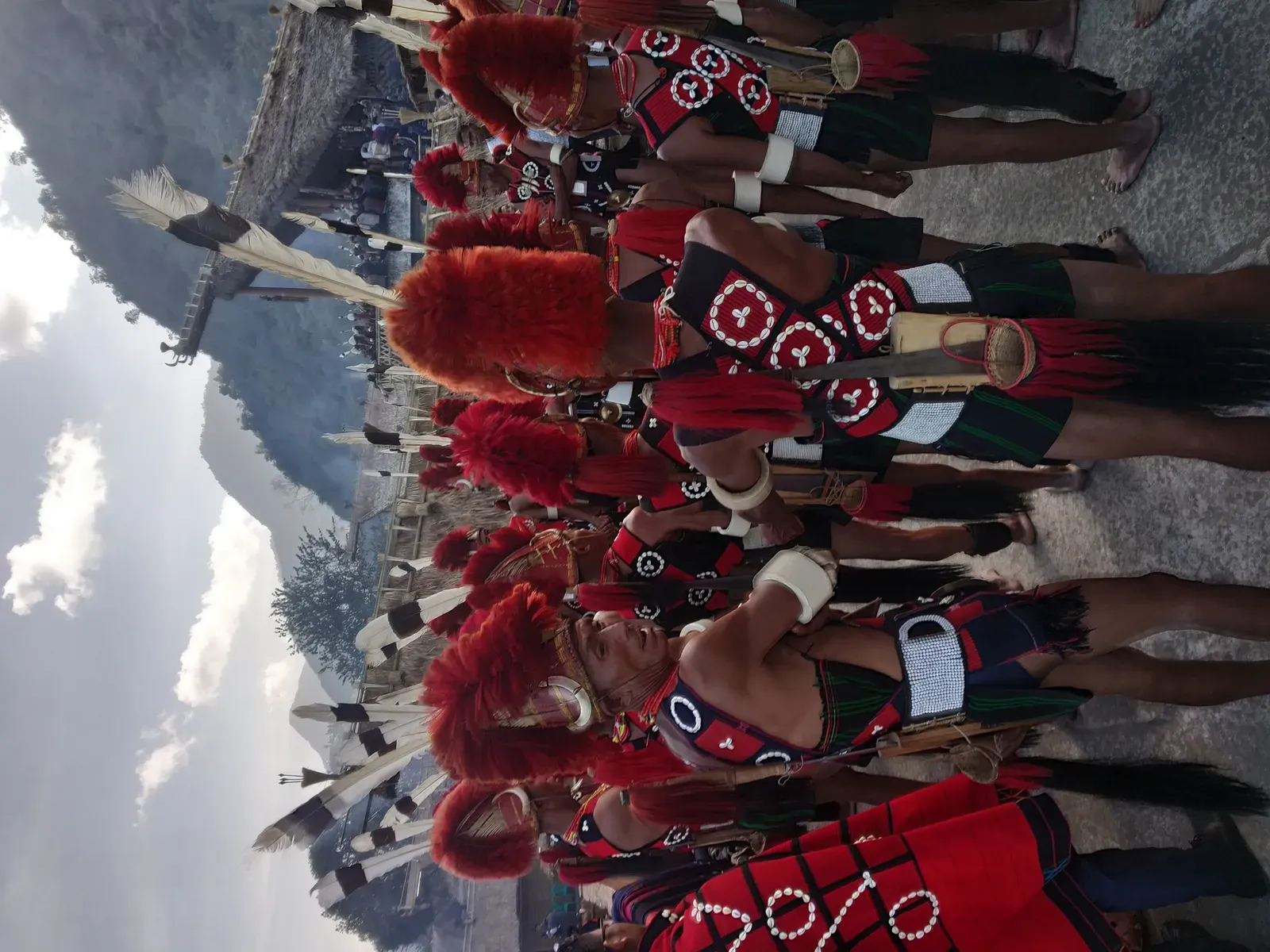
In northeastern Nagaland, India, the Hornbill Festival is known as the Festival of Festivals, showcasing diverse cultural heritage through music, dance, and crafts, named after the hornbill bird which symbolizes bravery and strength in Naga folklore. Tribal communities perform traditional dances, play indigenous instruments, and display unique crafts in this melting pot of cultures where visitors can immerse themselves in the rich tapestry of Naga traditions. December in Nagaland means experiencing roughly sixteen different tribes, each with distinct languages and customs, coming together in celebration. The traditional warrior dances will give you chills.
Inti Raymi, Peru
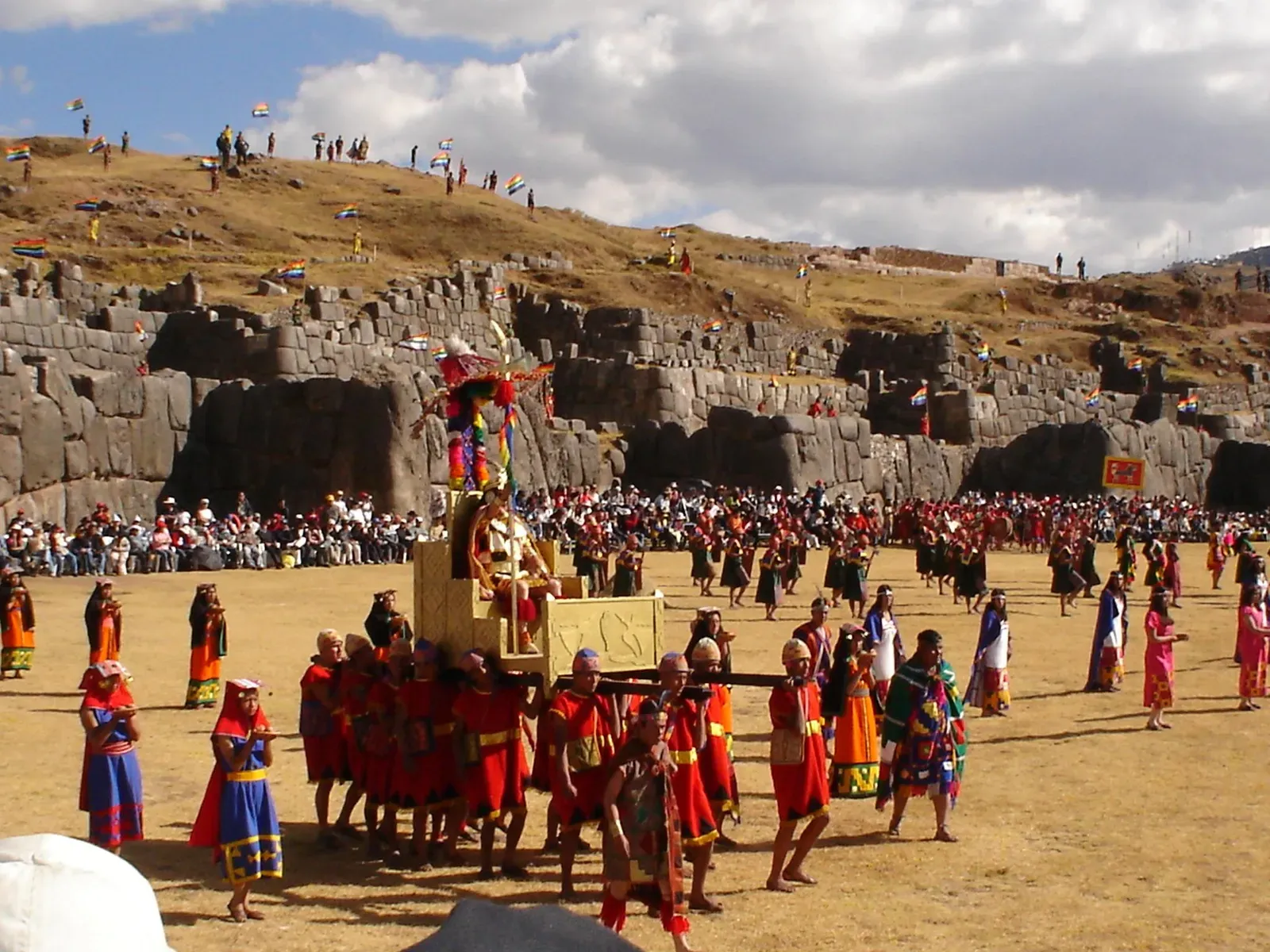
Cusco, Peru, comes alive with the reenactment of Inti Raymi, the ancient Incan Festival of the Sun, which marks the winter solstice and honors the sun god Inti. This festival was banned during colonisation and has returned as a remembrance and celebration of culture, featuring traditional Inca rituals, dance, music, and ceremonial offerings. Every June, thousands gather at the fortress of Sacsayhuamán to witness a ceremony so carefully choreographed and historically significant that you forget you’re watching a reenactment. The golden robes, the solemnity, the connection to something ancient… it hits differently when you’re standing on ground where this actually happened five hundred years ago.
Gerewol Festival, Chad
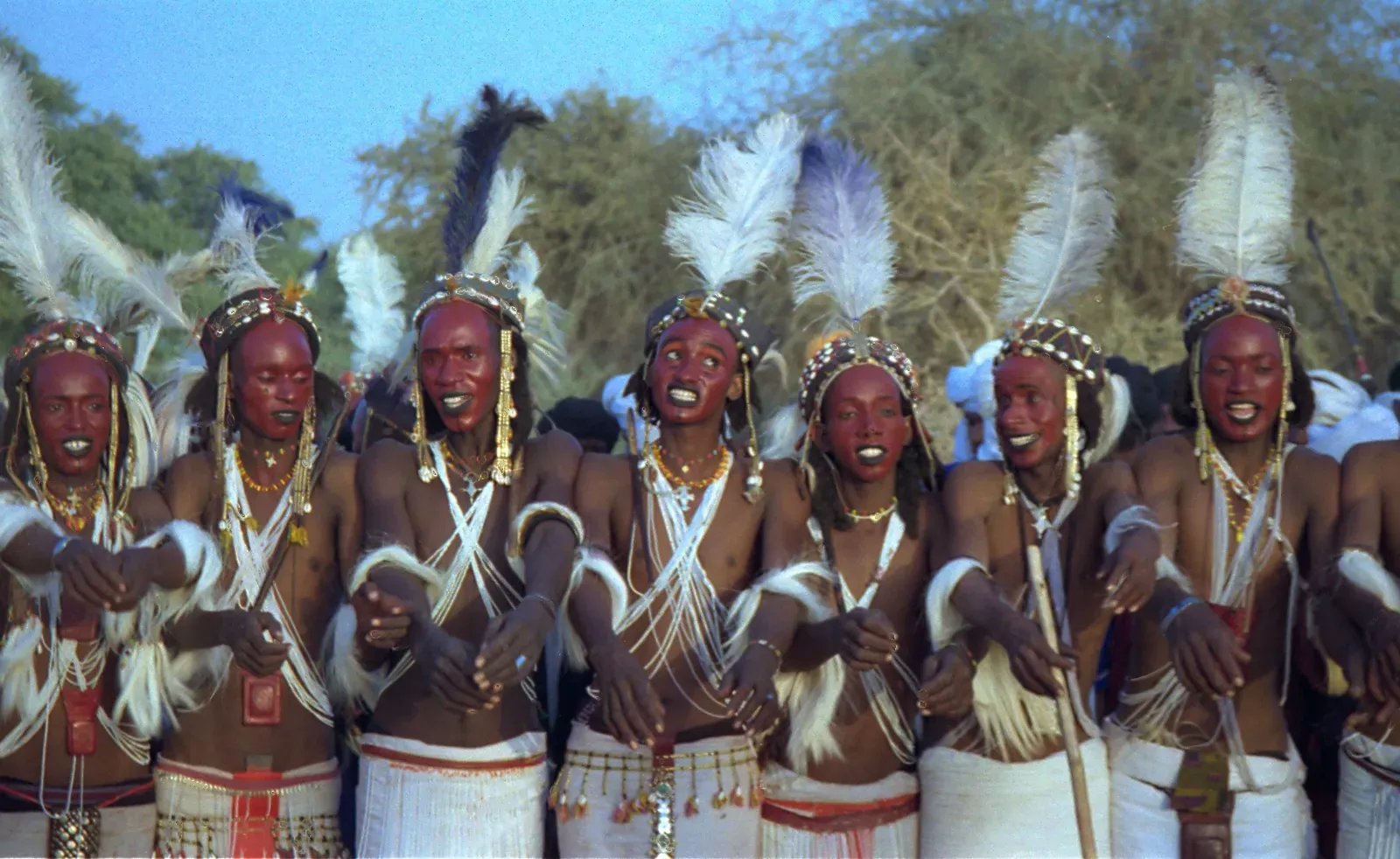
The Gerewol Festival in Chad is one of the largest and most recognised festivals on the African continent, where Wodaabe people complete a traditional ritual in which males dress in ornate clothing, makeup and jewellery to compete and court females. Young men compete to win the affections of suitors, dressed in colorful clothing and face paint, showcasing their dancing prowess and physical beauty in hopes of finding love. It completely flips Western beauty standards. The men spend hours applying makeup, adorning themselves, and performing elaborate dances while the women judge and choose. It’s fascinating, joyful, and challenges everything you thought you knew about courtship rituals.
Conclusion
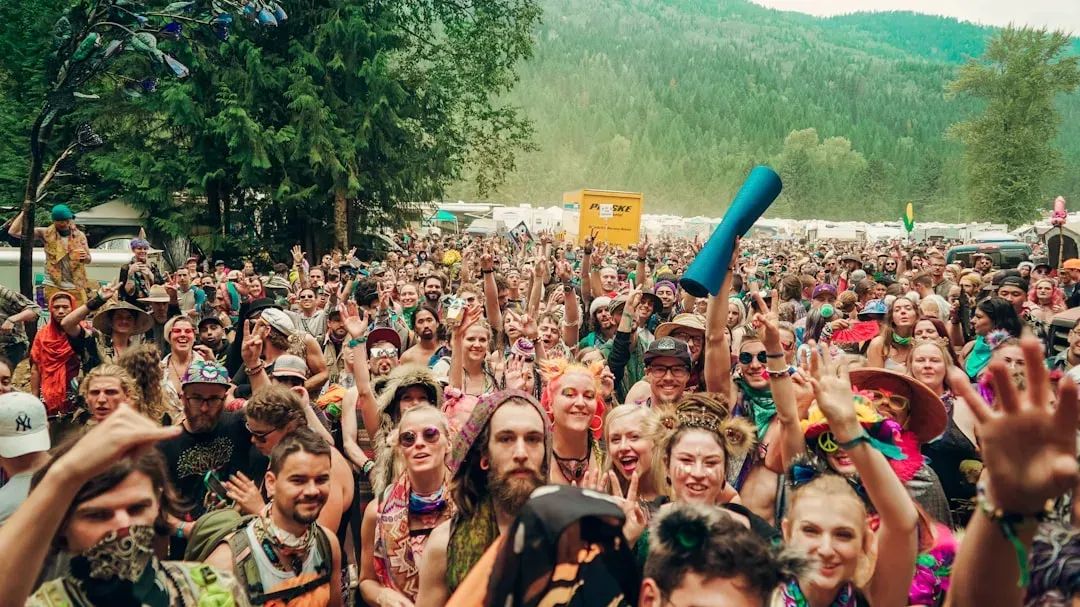
Here’s what nobody tells you about traveling to famous festivals: you’ll spend half your time stuck behind selfie sticks. The real magic happens in places where showing up means something, where your presence as a visitor is welcomed rather than expected, where traditions haven’t been smoothed down and packaged for mass consumption.
These ten festivals represent just the beginning. There are hundreds more waiting to be discovered, each one a window into how communities celebrate, mourn, remember, and hope. They’re reminders that cultural richness doesn’t always come with UNESCO plaques or Instagram hashtags.
So which one speaks to you? Would you brave the mudslides in South Korea or watch the sunrise over the Mongolian steppe during Naadam? The choice is yours, but I’d suggest you make it soon. Because once these festivals hit the mainstream travel circuit, they’ll never quite be the same again.