


There’s a particular kind of shock that comes from rewatching a childhood favorite as an adult. What once felt totally normal – a talking dog dissolving into panic attacks, a Grim Reaper sharing lunch with schoolchildren, humanoid creatures broadcasting live footage from their stomachs – suddenly looks like a fever dream someone green-lit on purpose. The strangeness was always there. We just didn’t have the reference points to notice it.
Some of these shows were genuinely creative and even beloved. Others were pure sensory overload dressed up in bright colors and cheerful theme songs. Either way, looking back, a surprising number of kids’ shows were far more chaotic than they were entertaining. Here are 19 of them.
1. The Ren & Stimpy Show (1991–1996)

In its early 1990s heyday, The Ren & Stimpy Show offered cartoon gore, bodily functions and fluids, crushed heads, oozing brains, and an ongoing fascination with controversial aspects of sexuality. The show was one of the earliest examples of a sociocultural phenomenon in American animated television, with characters’ rich facial expressions, Golden Age of Hollywood-inspired voice acting, and especially its vulgar humor making it a big player in early 1990s pop culture.
It was simultaneously loved by audiences of all demographics and loathed by authority figures. The former yearned for unique animated content. The latter felt challenged by a cartoon that clearly wasn’t a mere half-hour replacement for parenting. Parents say that while the show is often humorous and nostalgic, it contains a lot of content that is inappropriate for children, including violence, innuendos, and adult themes.
2. Teletubbies (1997–2001)

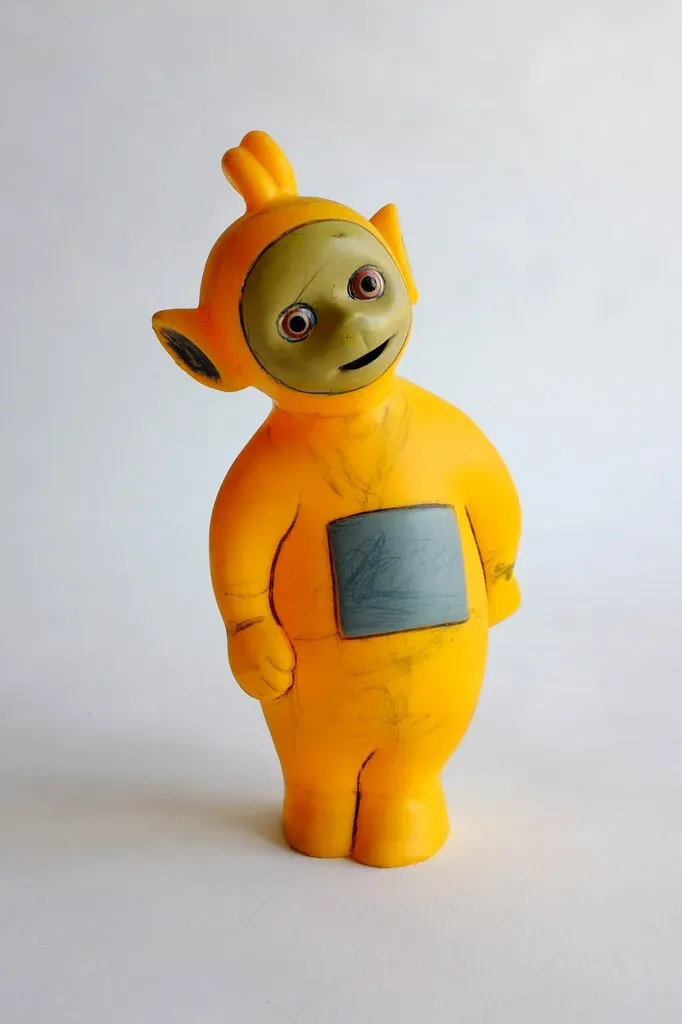
Teletubbies is a British preschool children’s television series created by Anne Wood and Andrew Davenport of Ragdoll Productions. Davenport wrote all 365 episodes of the original series, which first aired in 1997. The show has always had a bit of a reputation for being creepy. It features strange-looking creatures who speak in alien gibberish and broadcast human children on their stomachs, eat custard, room with an intelligent vacuum cleaner, and live under a sun composed of a human baby’s face.
The show is well-known for its surrealism, and like most surreal fiction, it has a tendency to really get under your skin and creep you out. Designed to comfort toddlers through repetition and soft colors, it managed to unsettle virtually every adult who sat through even five minutes of it. The show was rebooted in 2015, proving that this particular brand of strange has considerable staying power.
3. Boohbah (2003–2006)

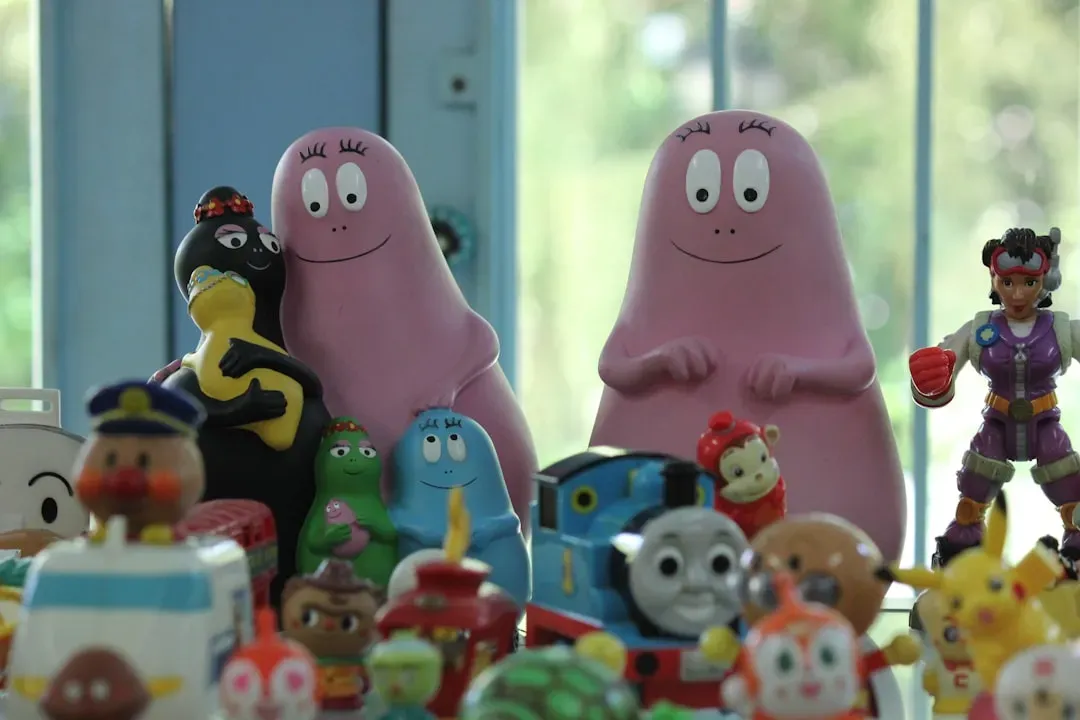
Boohbah is a British children’s television programme created by Anne Wood. It premiered on April 14, 2003, on ITV in the United Kingdom, followed by its Nick Jr. debut in the United States. The show features five colorful characters and focuses on movement, light, and sound to engage preschool children. The Boohbahs are terrifying and psychedelic alien creatures, complete with sparkling fur, enormous unblinking eyes, and retractable necks, who do little else but dance around and direct mysterious noises towards each other. While children may enjoy the colors and music, adults are left in horror watching the rituals of this weird alien race.
Boohbah looks like a tripped-out, psychedelic ancestor of Teletubbies, but it actually began airing six years later, in 2003. The two shows were pulled off the air simultaneously in 2005, leaving only two years worth of Boohbah’s three-to-five-year-old target audience. The fact that it came from the same creator as Teletubbies and somehow managed to be even stranger says a lot about just how far that particular creative vision was allowed to go.
4. Courage the Cowardly Dog (1999–2002)

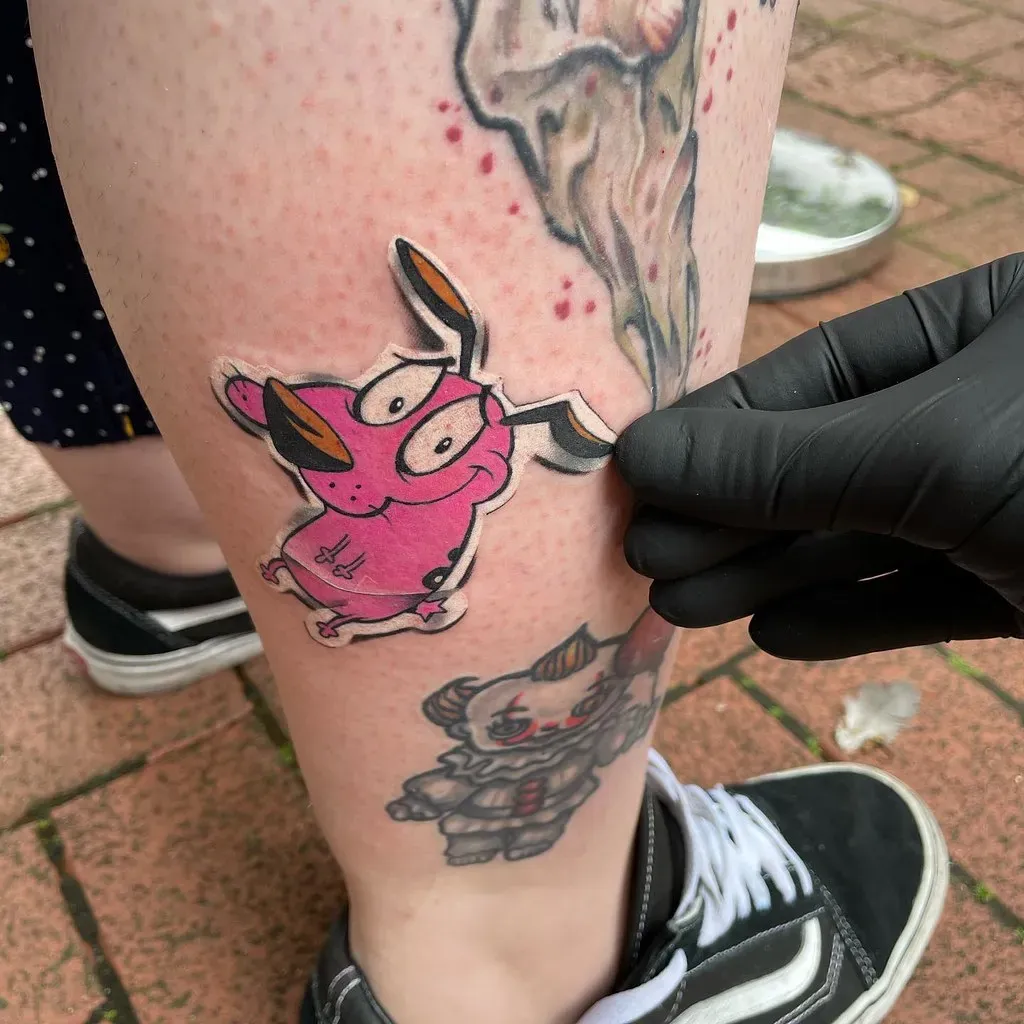
Courage the Cowardly Dog was basically a horror anthology disguised as a cartoon, and it absolutely scarred an entire generation. Every episode threw Courage the dog into scenarios that looked ripped straight from a fever dream: grotesque villains with stretched-out faces, shadowy figures with dead black eyes, and surreal imagery that could give kids nightmares for weeks. The show didn’t shy away from body horror, psychological terror, or even themes like death and animal cruelty, and it was all served up during after-school TV hours.
In principle, Courage the Cowardly Dog seemed to be classic and unproblematic kids’ TV fare. The show’s eponymous protagonist being an incredibly anxious dog seemed to combine with its vibrant color palette to make for a show appealing to a young audience, only for its subject matter to completely traumatize them. The show’s surreal humor underpinned supernatural and paranormal threats, with the perpetually terrified Courage constantly thrown into horrifying situations.
5. Rocko’s Modern Life (1993–1996)

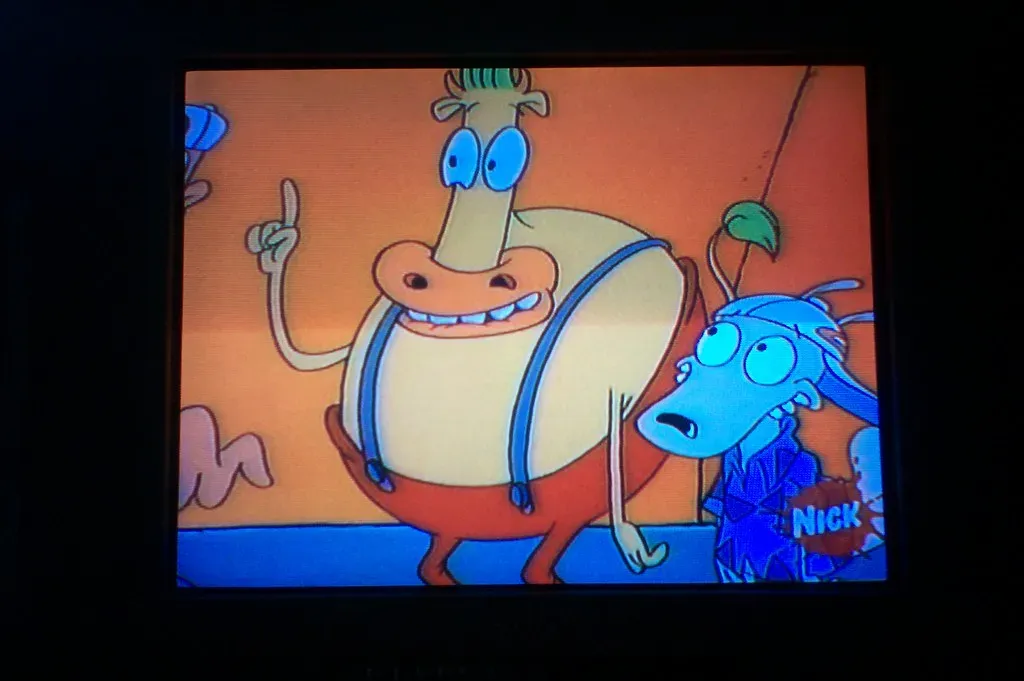
Rocko’s Modern Life looked like a harmless cartoon about a wallaby figuring out life with his friends, but beneath the bright colors, there was a steady stream of adult content that certainly shouldn’t have been presented to children. From Rocko accidentally working at a phone sex hotline to sly background gags and even moments of nudity, the innuendo was constant. Throw in instances of smoking and drinking, along with dark episodes like “To Heck and Back,” where a character descends into a nightmarish version of hell, and it’s clear Rocko’s Modern Life should have been labeled as a satire for adults rather than a show for impressionable kids.
One of the edgier children’s television shows of the 1990s, Rocko’s Modern Life offered kids social commentary they probably didn’t know they were getting, and parents innuendos that made watching TV with their kids bearable. The show got a Netflix revival movie in 2019, and the adult content woven through it became even more apparent to an older audience revisiting it with fresh eyes.
6. Cow and Chicken (1997–1999)

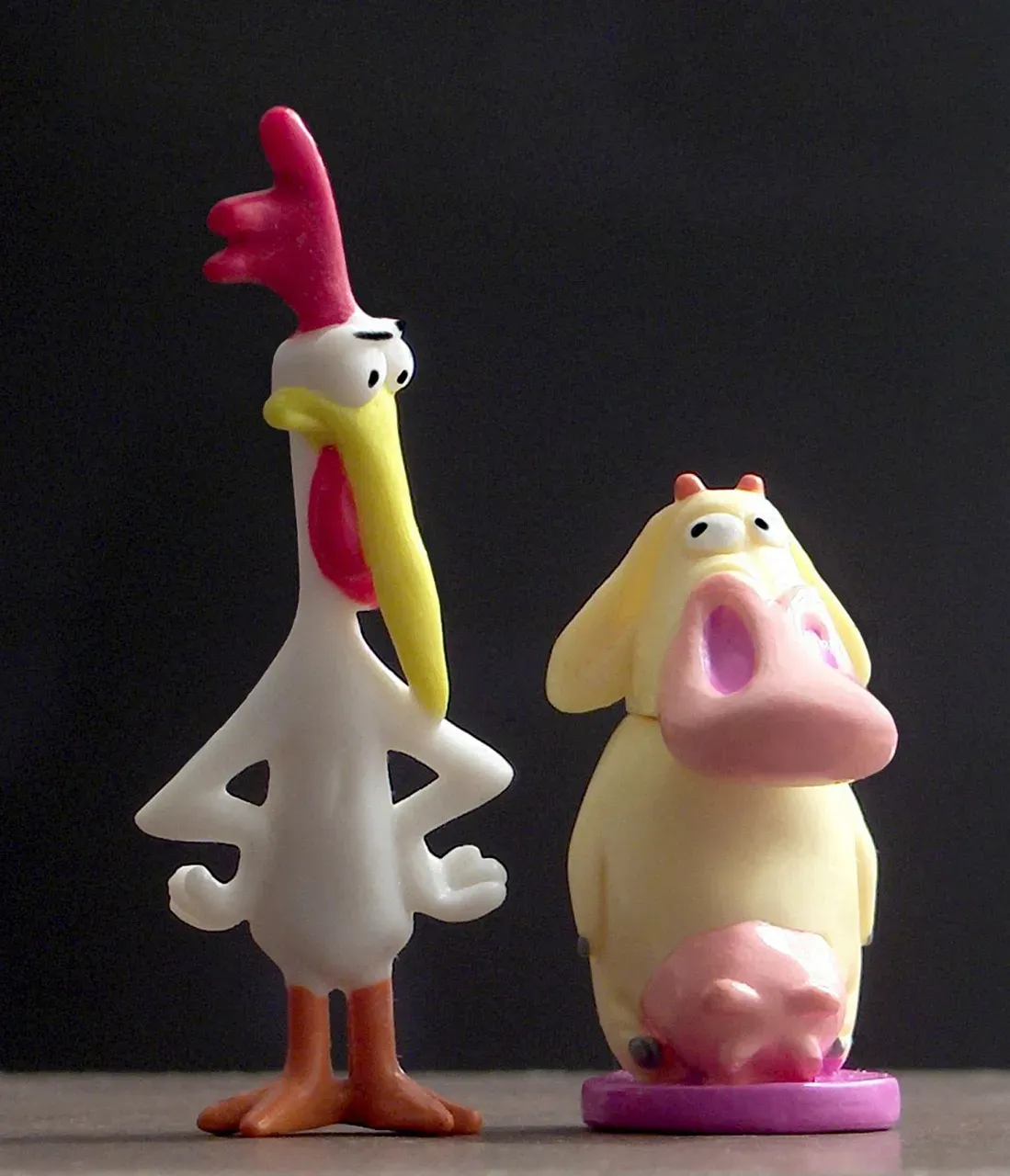
Of all the strange kids’ shows, Cow and Chicken might take the cake. In the infamous pilot “No Smoking,” the Red Guy, a character resembling the devil, drags an 11-year-old to hell with a pack of smokes – a storyline so wild that Cartoon Network ended up banning it. The Red Guy spent the rest of the series strutting around bare-butt, popping up in creepy disguises, and serving up innuendos no kid should have been catching.
While Cow and Chicken is often presented as a comedy, its basic premise is quite disturbing, and the episodes are full of dark humor and unnerving surrealism. For one thing, Chicken and Cow have delirious parents whose upper halves are mysteriously absent, so their home lives are none too happy and more than a little creepy. It’s one of those shows that makes adults genuinely question how standards and practices missed so much of what was being slipped through.
7. Tiny Toon Adventures (1990–1992)

On the surface, Tiny Toon Adventures was just a kid-friendly reboot of Looney Tunes with a new generation of wacky cartoon animals, but it had a habit of going way past the bounds of what most would consider age-appropriate. The most infamous example is the “One Beer” segment, where Buster, Plucky, and Hamton get drunk, steal a car, and drive off a cliff to their deaths. Yes, really. Parents were outraged, and the episode was pulled from reruns for nearly two decades.
Add in some surprisingly suggestive jokes and over-the-top cartoon violence, and it’s safe to say the show could often be more than a little too foul for young viewers. Buster, Babs, and the gang went to Acme Looniversity, where they learned how to be zany. It had slapstick, meta jokes, and enough chaos to rival the original Looney Tunes. The speed at which the content shifted from playful to genuinely inappropriate was breathtaking in retrospect.
8. The Grim Adventures of Billy and Mandy (2001–2007)

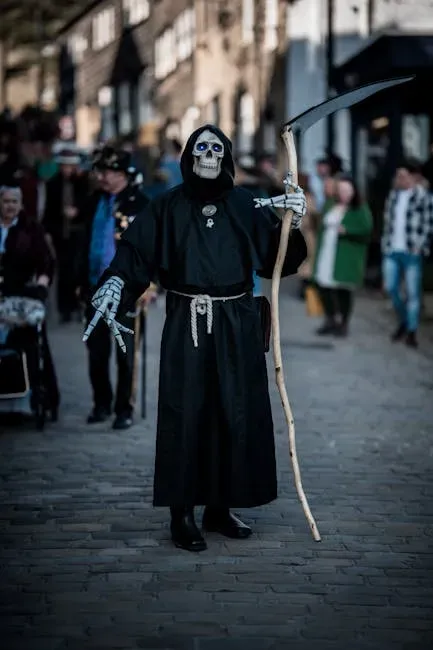
Only in the early 2000s could a kids’ cartoon get away with making the Grim Reaper one of the main characters. The show was equal parts bizarre and creepy, and while it was marketed for kids, some of the ghoulish visuals were honestly nightmare material. Grim was literally a skeleton whose body parts fell apart and reassembled on screen, all while swinging around a scythe and casually threatening to put people “to rest.”
The central premise, two children defeating Death and keeping him as a best friend forever, was as dark a setup as any cartoon has ever had. Billy’s oblivious stupidity and Mandy’s icy, sociopathic control made for a deeply strange dynamic that mostly flew over children’s heads. The show ran for six seasons, which says something about how thoroughly Cartoon Network leaned into the weirdness.
9. CoComelon (2006–present)
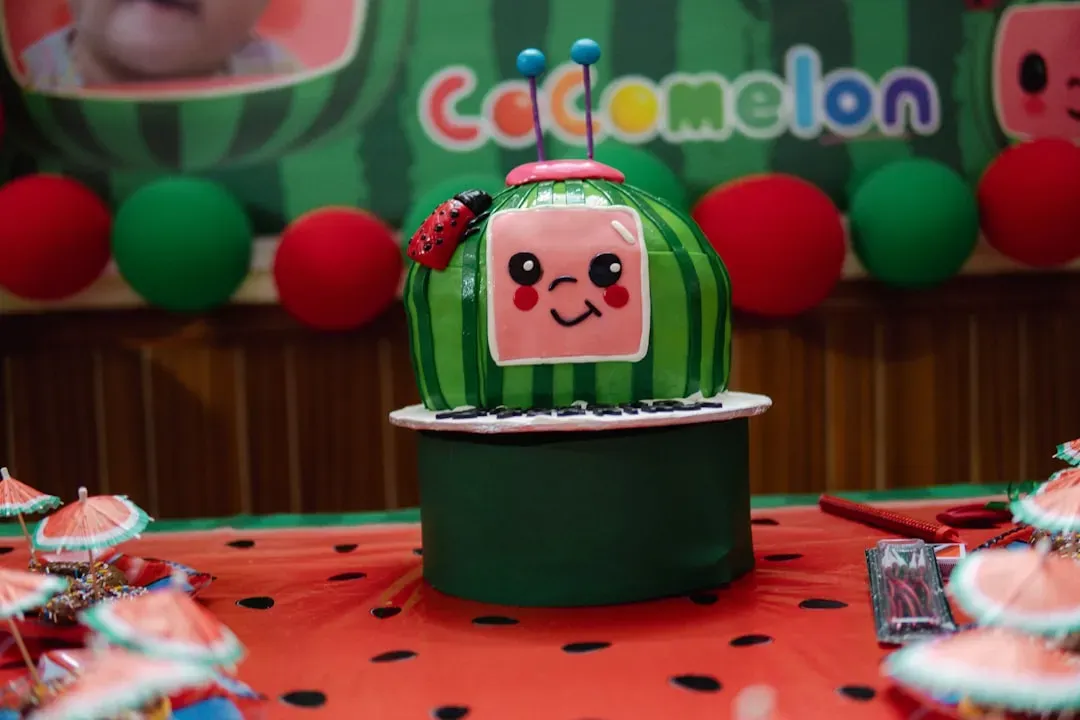
CoComelon has become a global phenomenon. As of late 2024, the CoComelon YouTube channel has over 183 million subscribers, and its videos have accumulated over 190 billion views, making it one of the most-watched channels worldwide. On average, the scenes in their videos change almost every two to three seconds, effectively making the viewer watch more intently so they don’t miss anything.
Parents have reported that after watching CoComelon, their kids would misbehave more often and would be more inclined to go to electronic devices for fun rather than participate in real-life activities. Research published in Pediatrics suggests that rapid scene changes and constant movement capture a child’s attention in a “bottom-up” fashion, via the sensory rather than the prefrontal cortices. The show isn’t disturbing in a horror sense, but its relentless pace and manufactured cheerfulness make it almost impossible for adults to sit through without feeling faintly drained.
10. Yo Gabba Gabba! (2007–2015)

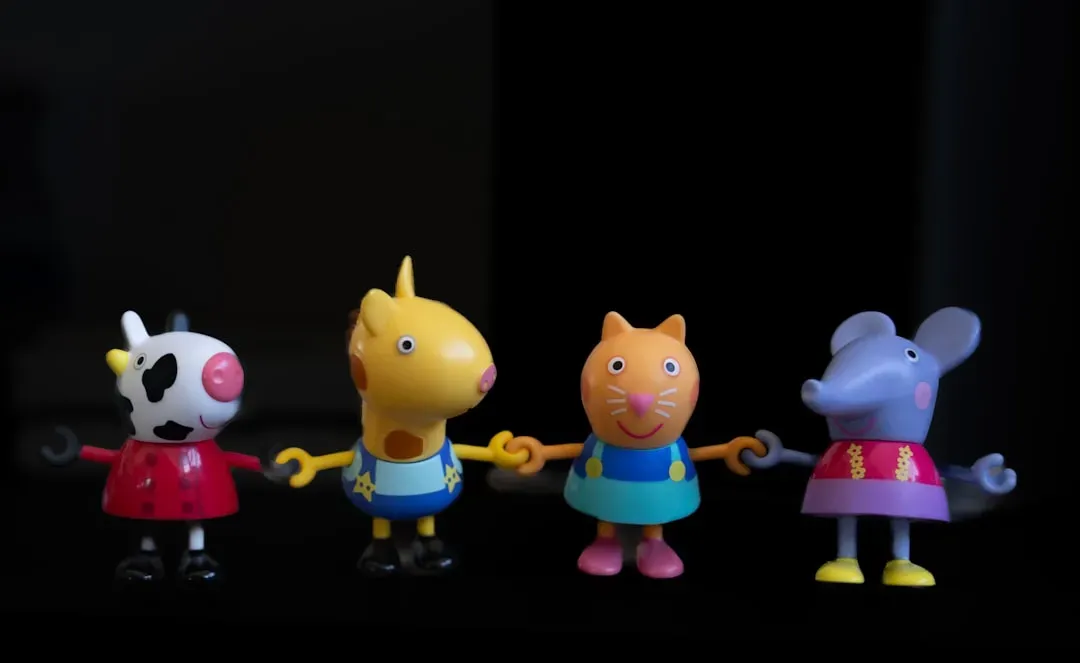
Yo Gabba Gabba! featured DJ Lance Rock, a man in an enormous orange jumpsuit, introducing toy monsters who came to life inside a boombox. The logic was nonexistent, the aesthetics were aggressively loud, and the guest performers ranged from indie rock musicians to professional dancers performing in ways that had nothing to do with anything children were supposed to learn. It was technically educational, though what it was teaching was sometimes genuinely unclear.
Children’s TV shows are literally made to be overstimulating and addicting to children. Many shows intentionally overstimulate kids so that they want to keep watching over and over. Yo Gabba Gabba! was perhaps the most transparent example of this philosophy in action. Adults who sat through an episode with their kids in the mid-2000s often reported a mild sense of dissociation that took a few minutes to shake off after the television was switched off.
11. Rugrats (1991–2004)

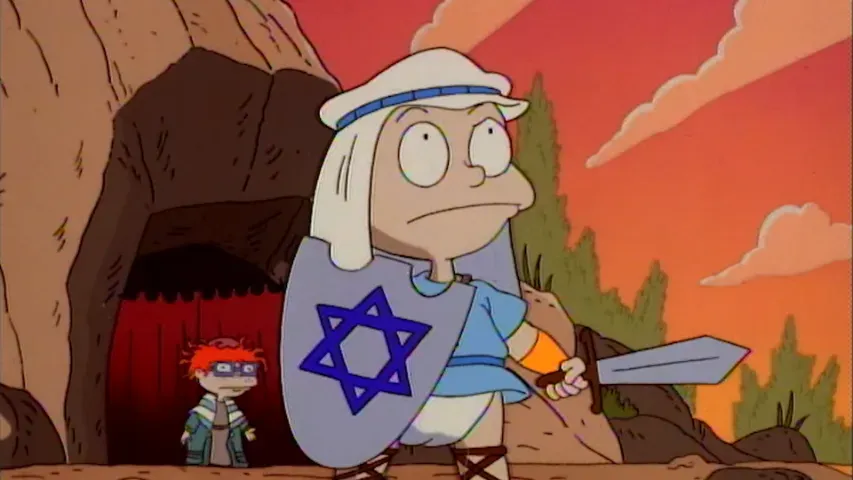
Widely hailed as one of the best Nickelodeon shows of the 1990s, Rugrats helped define the childhoods of many children of its era. The show’s premise involving the early years of childhood as seen through the eyes of babies and toddlers was a masterstroke that helped Rugrats connect with audiences of all ages. From an emotional standpoint, the episode “Mother’s Day” was devastating, exploring Chuckie’s confusion over his mother’s death and the emotional reasoning of young children when dealing with grief. In other instances, Rugrats explored the idea of childhood fears, with several unforgettably creepy and frightening characters involved in doing so.
The show also contained a surprising amount of genuinely adult neurosis. Angelica was a textbook narcissist in miniature. The parents were overwhelmed, self-absorbed, or outright oblivious. Much of the humor only landed if you understood the adult dynamics being satirized. Rewatching it as a parent makes it a very different experience from what it was at age six.
12. Adventure Time (2010–2018)
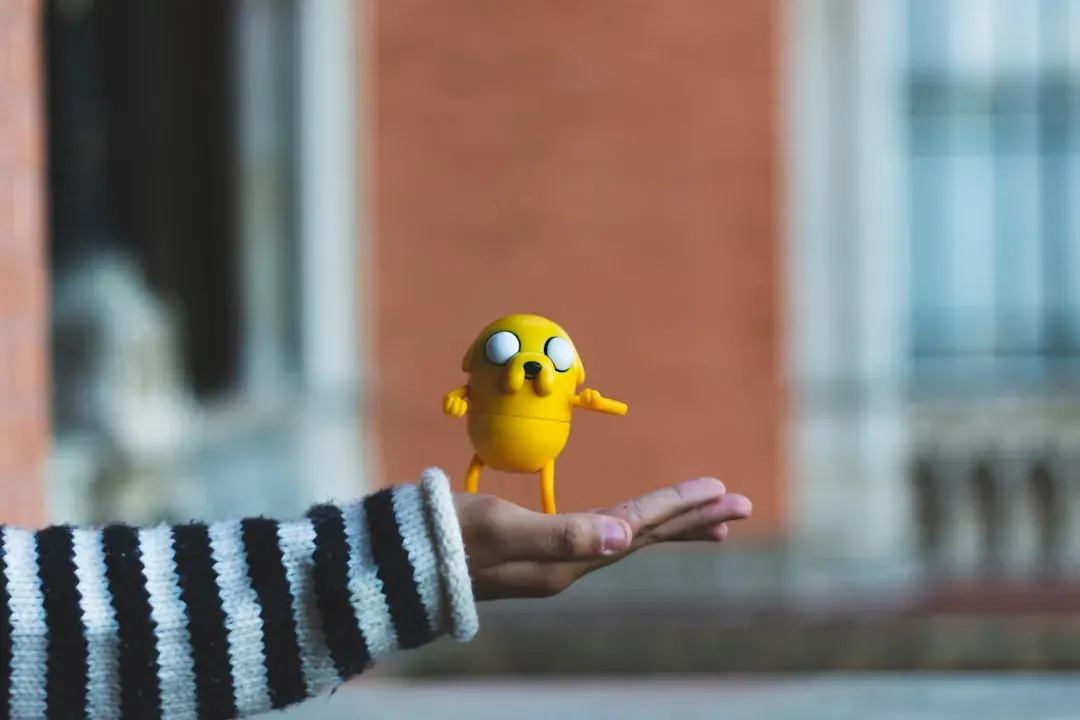
Adventure Time tricked everyone. One minute it’s a lighthearted show about a kid and his talking dog fighting candy monsters in magical kingdoms, and the next, you’re watching Lemongrab eat his twin alive while he screams in agony, a woman gagging on her own hair in a cursed “glitch” video, and characters descending into profound madness. Add in casual decapitations and way too many nightmare visuals for a supposed kids’ show, and you’re left asking: what was the actual target age here?
The underlying mythology of Adventure Time involved a post-nuclear apocalypse, ancient cosmic horrors, and an immortal vampire queen with trauma that stretched across centuries. Kids enjoyed the colorful characters and funny voices. Adults who watched the full series often found themselves sitting with something far heavier than they had expected. The finale was genuinely emotional in ways that felt completely disproportionate to a cartoon about candy kingdoms.
13. The Marvelous Misadventures of Flapjack (2008–2010)

The Marvelous Misadventures of Flapjack, which follows a young boy who lives inside a talking whale, was less a kids’ cartoon and more an animated fever dream. The show thrived on grotesque elements: unsettling closeups, uncanny character designs, hallucinations, and sinister atmospheres that included blood-curdling screams. The result was a series that was nothing short of unique, yet at times far too disturbing for young children to watch.
The show was set in a crumbling port town populated by gaunt, vaguely menacing characters, none of whom seemed particularly well. Captain K’nuckles was a delusional, candy-addicted wreck with wooden limbs. The visual style leaned heavily into discomfort. Flapjack only ran for two seasons, but it left an impression that adults who encountered it as children still struggle to fully articulate.
14. Animaniacs (1993–1998)

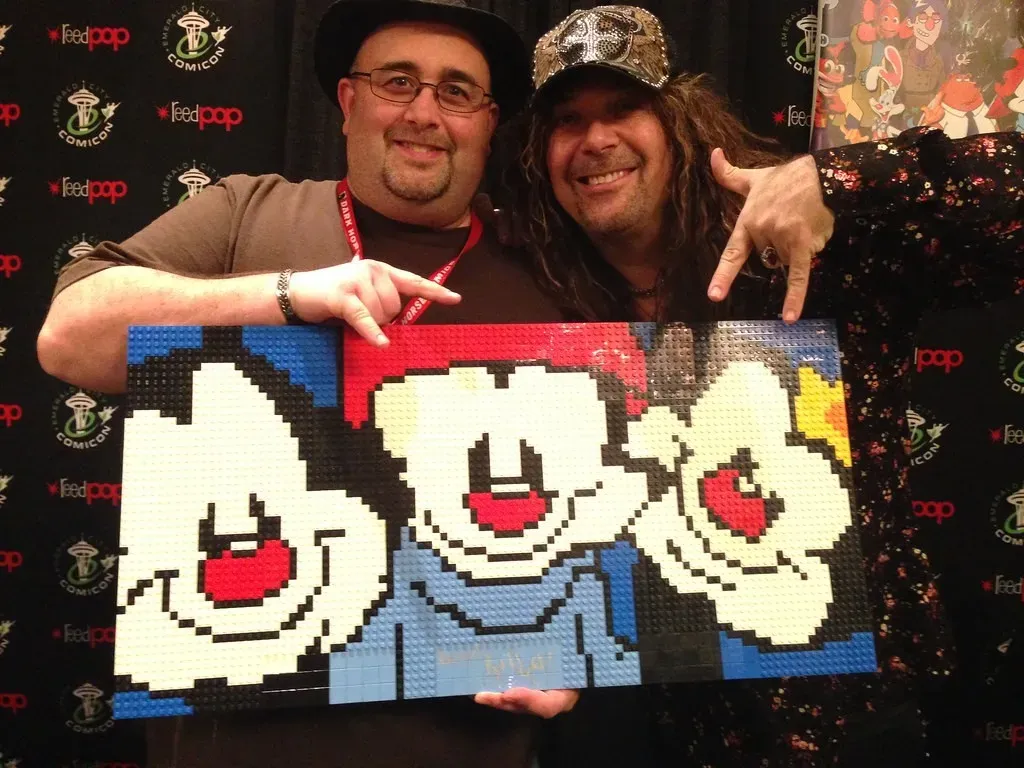
Animaniacs from Warner Bros. Animation was a huge hit, bringing back the zany humor of classic cartoons with characters like Yakko, Wakko, and Dot. It was famous for its witty songs and clever jokes. What children didn’t fully register was that a significant portion of those jokes were aimed squarely at adults in the room, packed with political satire, pop culture references, and innuendo that flew cleanly over younger heads. A chaotic blend of slapstick and satire, this show was for kids but packed with jokes aimed squarely at adults.
The sheer density of the humor was part of what made Animaniacs exhausting on rewatch. Every segment moved at breakneck speed, and the cultural references assumed a level of awareness no child actually possessed. It’s genuinely impressive that it worked as entertainment for two entirely different audiences at once, though adults only realize in retrospect how much of it was targeted at them all along.
15. Sanjay and Craig (2013–2016)

Sanjay and Craig is an American animated sitcom that aired on Nickelodeon from May 25, 2013, to July 29, 2016. The show followed a boy and his talking pet snake as they pursued increasingly unhinged goals, usually involving bodily functions, bodily transformations, or some combination of the two. The gross-out content was relentless and deliberately transgressive in a way that felt more calculated than creative.
Critics noted that the show seemed to confuse shock value with humor in a way that younger audiences tolerated but adults found wearing. Of all the inventive and challenging elements exhibited by The Ren & Stimpy Show, the only element that copycat shows seized on was the disgusting animation, and thus the gross-out show was born. Sanjay and Craig was a direct product of that lineage, and it showed. It was cancelled after three seasons without much ceremony.
16. Angela Anaconda (1999–2002)

Angela Anaconda is a Canadian-American children’s television series created by Joanna Ferrone and Sue Rose, the latter of whom also voices the title character. The show originally aired on Fox Family Channel in the United States and Teletoon in Canada. It is known for its unique cutout animation style, which made it uneasy for younger audiences. The animation used actual photographs of children’s faces cut out and moved around the screen, which was immediately and profoundly unsettling to anyone who encountered it without warning.
Angela spent most of each episode fantasizing elaborate revenge scenarios against her nemesis Nanette, and the cutout visual style gave these daydreams a quality closer to folk horror than children’s comedy. The show somehow aired immediately before Pokémon: The First Movie in theaters, giving an entire generation its first truly disorienting cinematic experience before even reaching their seats. The memory of those opening minutes has never fully left many adults who were there.
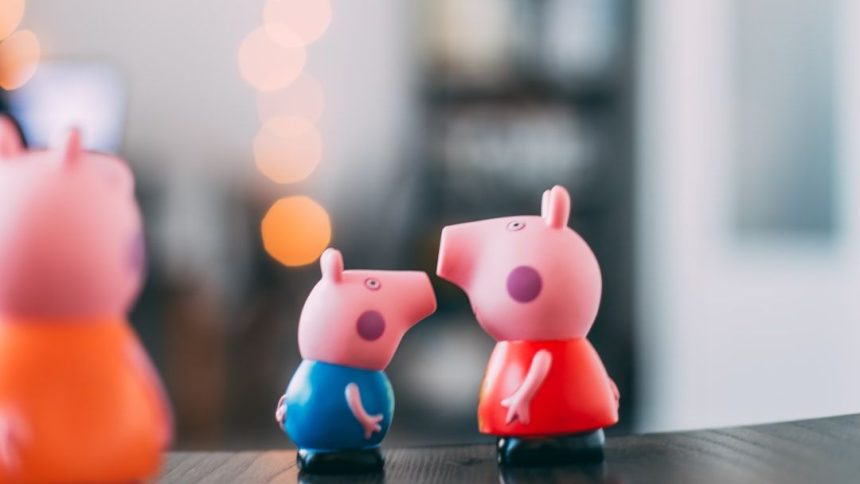
17. Peppa Pig (2004–present)
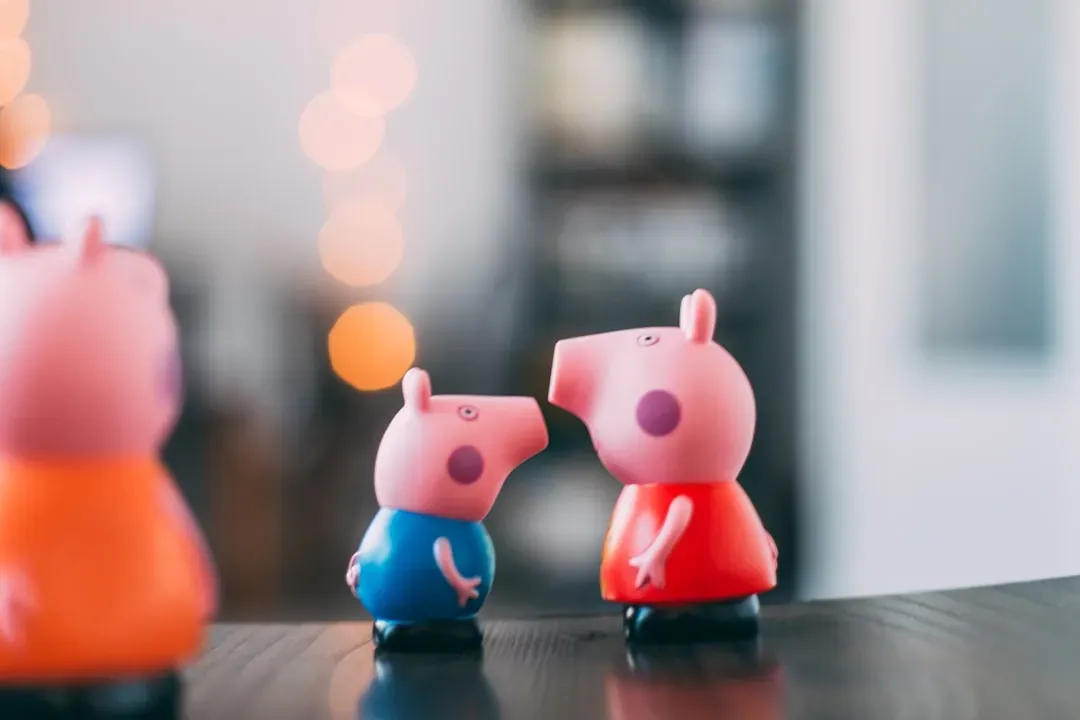
Peppa Pig has bright primary colors, and the character itself is known to be whiny and disrespectful to her parents, which influences toddlers to act the same way. Parents around the world have noted that prolonged exposure to Peppa’s particular brand of dismissive rudeness tends to produce noticeable behavioral changes in small children, none of them positive. The show has been wildly successful nonetheless, running for over two decades and spanning films, live shows, and theme parks.
The chaos Peppa produces isn’t the wild surreal kind. It’s the domestic, grinding kind. Daddy Pig is relentlessly mocked by his own family. Every family outing turns into a minor disaster. Every adult is portrayed as slightly incompetent. For parents watching alongside their children, it operates less as entertainment and more as a mildly uncomfortable mirror held up to family dysfunction, with a chipper soundtrack playing over the top of it.
18. The Real Ghostbusters (1986–1991)

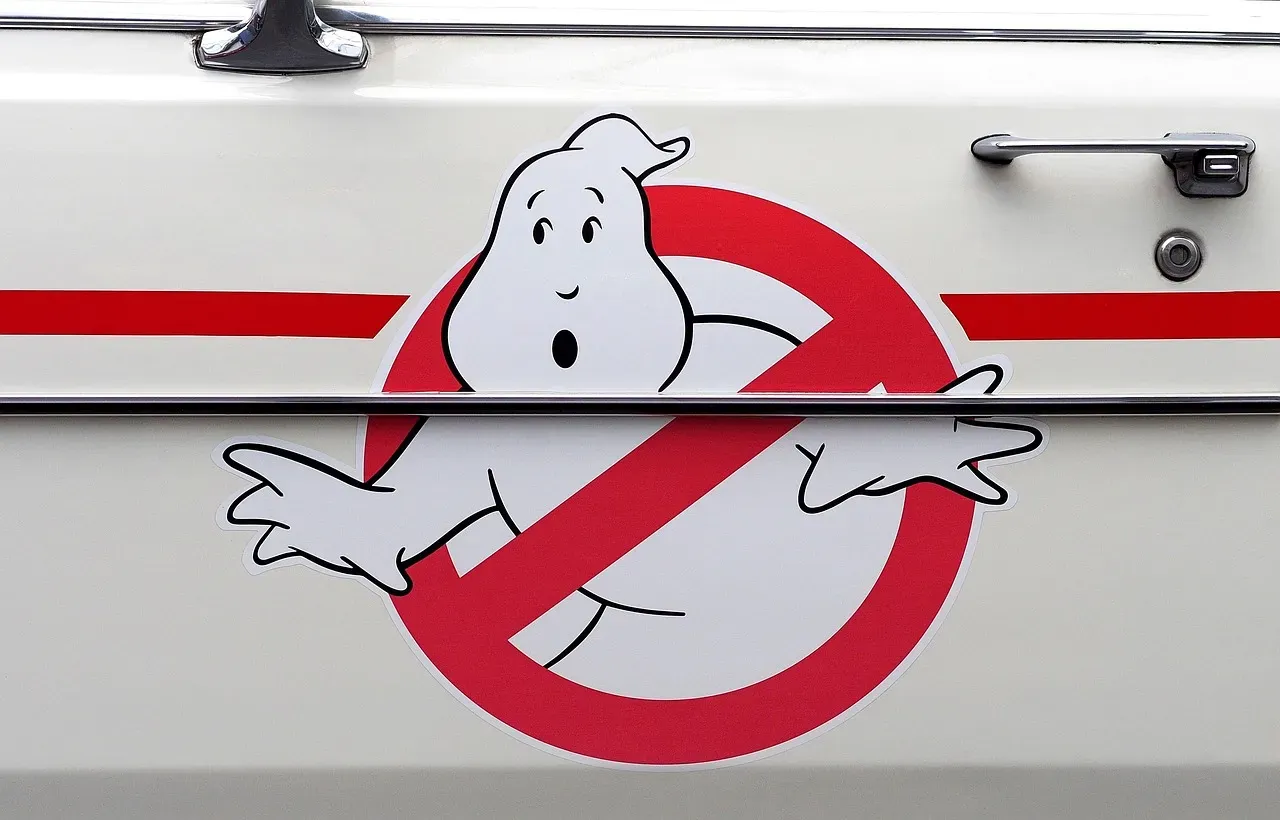
For a Saturday morning cartoon, The Real Ghostbusters could be seriously unsettling. The infamous “Boogieman Cometh” episode is the one everyone especially remembers, a towering, reality-bending monster that lived in children’s closets and looked like something out of a sleep paralysis nightmare. The show was technically based on a comedy film, but the animated series leaned into genuinely eerie monster design that went well beyond what most parents expected from a weekend morning lineup.
What made The Real Ghostbusters distinctly chaotic was the disconnect between its marketing and its content. The toys, the lunchboxes, and the cereal all suggested harmless fun. The actual episodes delivered interdimensional horror, ghost possessions, and creatures designed with a level of craft that clearly prioritized looking frightening. Children loved it for reasons they couldn’t explain, and adults now understand those reasons perfectly well.
19. Blippi (2014–present)

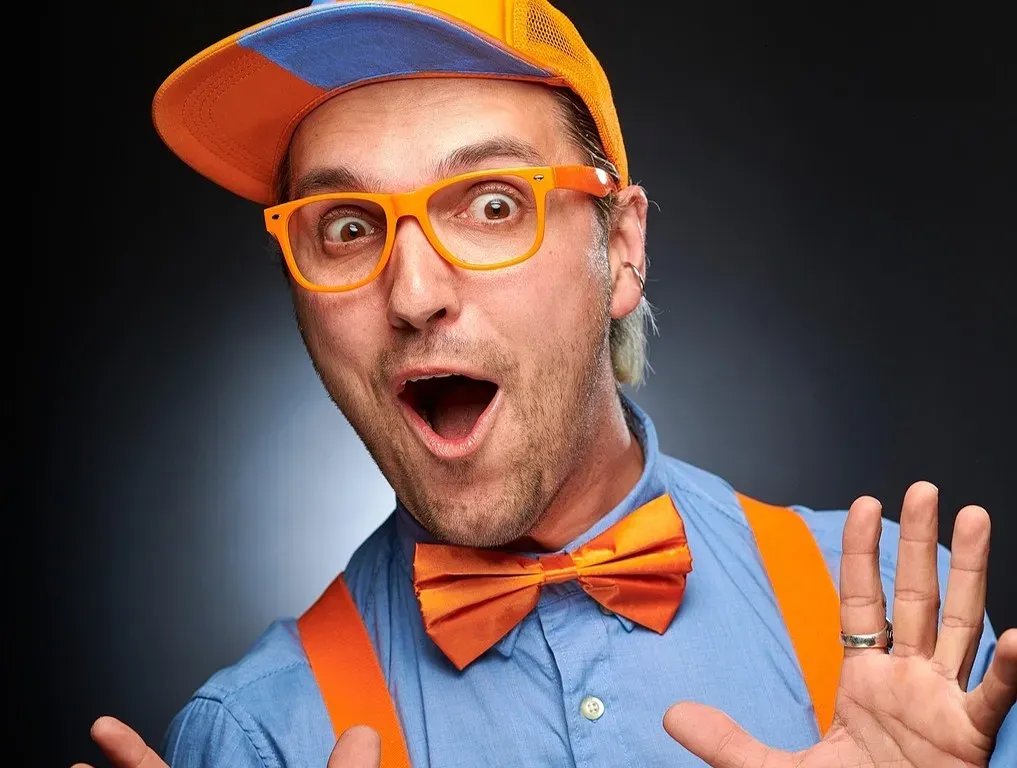
Blippi features a camera that constantly zooms in and out and overuses primary colors. Also, an adult acting like a child is weird in and of itself. Blippi is perhaps the most purely chaotic show on this list, not because of dark content or buried adult humor, but because of its relentless, unmodulated energy. Every sentence is delivered at maximum enthusiasm. Every location is treated as equally thrilling. There is no variation in pace, no quiet moments, and no evidence that anyone involved has ever experienced the concept of stillness.
Fast-paced children’s shows, with rapid scene changes and flashy visuals, may captivate kids, but they hinder their attention span and self-regulation skills. Research suggests that excessive screen time negatively impacts children’s cognitive and social development. Blippi has become one of the most streamed children’s programs in the world despite this, which perhaps says less about the show itself and more about the desperation of parents trying to get fifteen uninterrupted minutes to make a cup of coffee.
Looking at this list, what stands out isn’t that these shows were bad – several of them were genuinely creative and culturally important. What stands out is how rarely “made for children” actually meant “appropriate for children,” and how consistently adults managed not to notice what was playing in the living room. The chaos was always there. We were just too young, or too tired, to see it clearly.


