Move Your Body to Protect Your Mind

Maintaining a regimen of physical activity throughout life can prevent brain deterioration during middle and older adulthood, and the research is convincing. Let’s be real, exercise doesn’t just sculpt muscles. Structured programs appeared to delay normal cognitive aging by one to nearly two years over self-guided groups according to a landmark study that followed over two thousand adults. Exercise training is an important strategy to counteract cognitive and brain health decline during aging, with evidence supporting beneficial effects in both cognitively unimpaired and impaired older individuals.
Embrace Resistance Training for Your Brain

Resistance training can increase cortical thickness in brain regions vulnerable to aging, particularly the hippocampus and the prefrontal cortex. Think about it: lifting weights isn’t just for bodybuilders anymore. These benefits are mediated by improved neurometabolic profiles and increased secretion of neuroprotective growth factors, such as insulin-like growth factor 1. You might find it surprising that something as simple as using resistance bands or dumbbells a few times per week could genuinely fortify your mind against aging.
Try the Mediterranean Way of Eating

Combined research shows the Mediterranean diet is associated with a reduction in risk of cognitive impairment, dementia, and Alzheimer’s disease. Here’s the thing: this isn’t about following another fad diet. The Mediterranean diet, characterized by high consumption of fruits, vegetables, whole grains, fish, and olive oil, is widely recognized for its cardiovascular benefits and may also reduce the risk of cognitive decline and dementia. Honestly, who wouldn’t enjoy olive oil drizzled over fresh vegetables alongside grilled fish?
Nourish Your Brain with Omega-3 Rich Foods

Regular consumption of fatty fish, which is rich in polyunsaturated fatty acids and antioxidants, has been associated with decreased rates of cognitive decline. It’s hard to say for sure whether it’s the fish itself or the overall dietary pattern, but the evidence leans in favor of eating more seafood. Think salmon, mackerel, and sardines as brain food that actually tastes good. The MIND diet, specifically developed to prevent dementia, emphasizes consumption of fresh fruits and vegetables, whole grains, fish, and poultry while limiting red meat and processed foods.
Prioritize Quality Sleep Every Night

The gap between brain age and chronological age widened by about six months for every point decrease in healthy sleep score, with poor sleepers having brains that appeared on average one year older than their actual age. Let that sink in for a moment. Participants with multiple poor sleep characteristics had brains appearing significantly older than those with healthy sleep patterns in studies spanning thousands of people. Sleep isn’t a luxury; it’s essential medicine for your brain.
Stay Socially Connected with Others

Higher social activity was associated with a five-year older age at dementia onset, compared to the lowest social activity group. Think about that impact: five additional years of cognitive health simply from staying socially engaged. Feeling lonely increases the risk for dementia by roughly one-third according to analysis from multiple large population studies. Connection isn’t just nice to have; it’s a biological necessity for brain health.
Join Community Groups and Activities

Social interaction is key for helping to keep the brain in good working order, with social isolation linked to shrinkage in parts of the brain critical for cognition and tied to increased risk of dementia. Whether it’s a book club, gardening group, or volunteer organization, the mental stimulation from regular social activities provides powerful neuroprotection. People who are socially active tend to have better cognitive performance, as regular social interaction may help maintain brain function by providing ongoing mental stimulation.
Keep Learning New Skills

The brain loves novelty and challenge. Cognitive training can significantly improve the cognitive function of middle-aged and elderly patients with mild cognitive impairment, with neuropsychological training being most effective in interventions lasting more than eight weeks. Learning to play an instrument, speaking a new language, or mastering digital photography all create new neural pathways. Your brain remains plastic and adaptable well into your later years, so why not take advantage of that?
Engage in Mentally Stimulating Games

Therapeutic tablet-based and virtual reality games that improve attention ability have shown promise in improving cognitive function that often declines with age, with adaptive, closed-loop games adjusting challenges based on user data. Puzzles, crosswords, chess, and even certain video games specifically designed for cognitive training can help. The key is consistency and genuine engagement rather than passive entertainment.
Manage Stress Through Relaxation Techniques

Older adults who participated in slow breathing interventions showed increased volume in subregions of the hippocampus, and slow-paced breathing may be able to slow the early stages of Alzheimer’s disease in adults who are still cognitively healthy. Stress is toxic to brain cells over time. Simple practices like deep breathing exercises, meditation, or gentle yoga can measurably protect brain structures vulnerable to aging. It’s remarkable how something as accessible as breathing properly can influence brain health.
Control Blood Pressure and Vascular Risk
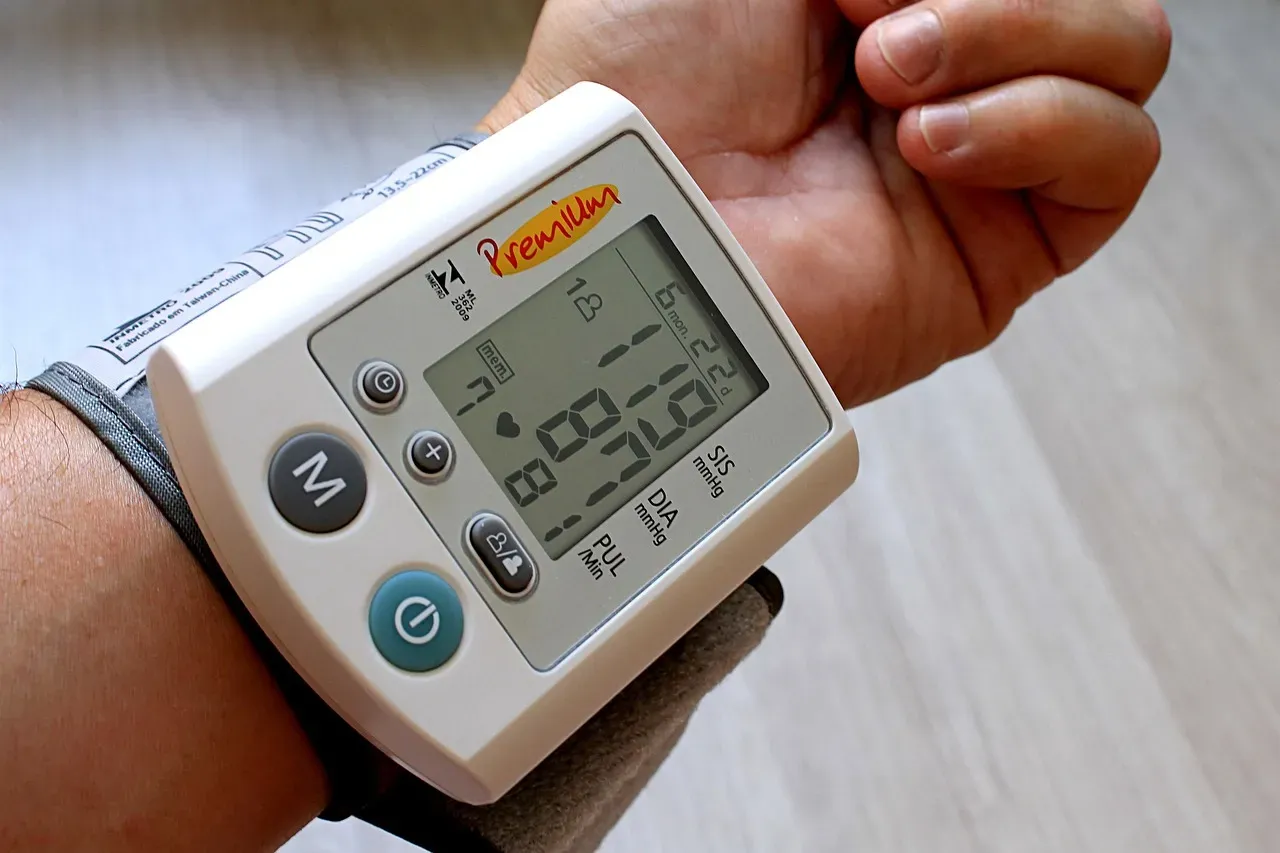
Study participants had to be sedentary and at risk for dementia due to health issues such as prediabetes and borderline high blood pressure, yet targeted lifestyle changes made profound differences in their cognitive trajectories. Strong links exist among vascular disease in the brain, cardiac disease, and cognitive decline leading to dementia, with research uncovering biological pathways associated with dementia that involve the brain’s blood vessels. What’s good for your heart is genuinely good for your brain.
Maintain Healthy Blood Sugar Levels

The intensive program included monitoring levels of blood pressure and blood sugar as part of a comprehensive approach to brain health. Diabetes and prediabetes accelerate cognitive decline by damaging small blood vessels in the brain. Keeping blood sugar stable through balanced meals, limited refined carbohydrates, and regular physical activity protects the delicate structures responsible for memory and thinking.
Quit Smoking and Limit Alcohol

The 2024 Lancet Commission Report on dementia prevention has identified modifiable risk factors that account for approximately half of global dementia cases, with smoking ranking among the most harmful. Every cigarette damages blood vessels feeding your brain. Similarly, while moderate wine consumption is sometimes touted as part of the Mediterranean diet, excessive alcohol clearly harms cognitive function. If you smoke, quitting at any age provides brain benefits.
Address Hearing Loss Promptly
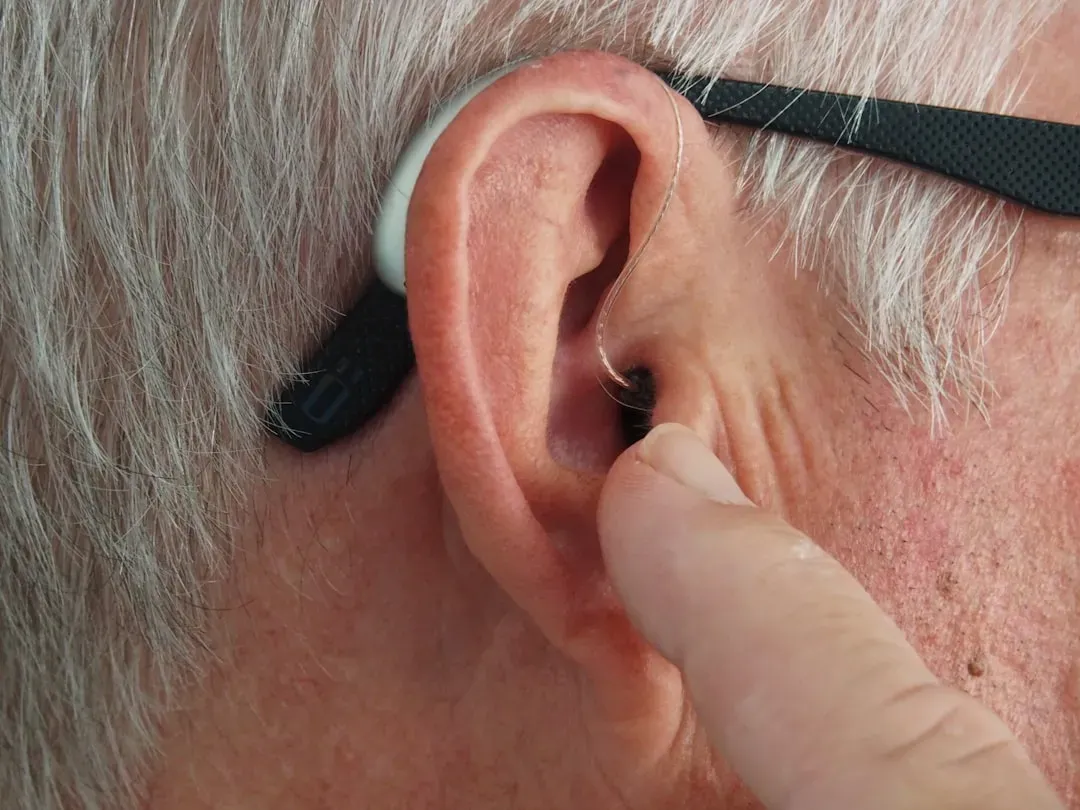
Managing stress and addressing sensory deficits like hearing loss can significantly delay or reduce the likelihood of developing dementia according to updated prevention frameworks. Untreated hearing loss forces your brain to work harder to process sound, depleting cognitive resources needed for other functions. Modern hearing aids are discreet and effective. Don’t let pride stand between you and better brain health.
Stay Physically Active Throughout the Day

Multicomponent exercise interventions that include cognitive tasks significantly enhance hallmarks of frailty and cognitive function, thus preventing falls and optimizing functional capacity during aging. Beyond structured exercise sessions, simply moving more throughout your day matters immensely. Gardening, dancing, walking to nearby destinations, taking stairs instead of elevators – it all accumulates. Physical activity displays dose-response characteristics and varies between individuals, necessitating personalized modalities tailored to specific medical conditions.
Challenge Your Brain with Complex Tasks

Cognitive training has been shown to delay or slow age-related cognitive decline in older adults, with research finding that cognitive training conferred a greater degree of protection from dementia for individuals with greater access to education and health care. Tackle projects that require planning, problem-solving, and sustained attention. Whether it’s managing finances, planning travel, or organizing community events, complex mental engagement builds what researchers call cognitive reserve. This reserve acts like a buffer against age-related brain changes.
Reduce Inflammation Through Lifestyle

Inflammation could explain just over ten percent of the link between poor sleep and older brain age, with findings providing evidence that poor sleep may contribute to accelerated brain aging and pointing to inflammation as one underlying mechanism. Chronic inflammation silently damages brain tissue over years. Anti-inflammatory dietary patterns, regular physical activity, stress management, quality sleep, and maintaining healthy body weight all reduce systemic inflammation. Think of it as turning down the volume on a process that accelerates aging.
Stay Hydrated Throughout the Day

Dehydration affects cognitive performance more than many realize, especially in older adults whose thirst sensation may diminish. The brain is roughly three-quarters water, and even mild dehydration can impair concentration, memory, and mood. Keep water accessible and sip regularly rather than waiting until you feel thirsty. Herbal teas, water-rich fruits, and vegetables all contribute to hydration.
Get Regular Health Screenings

Current guidelines recommend annual cognitive screening starting at age 65 or earlier for those with risk factors such as a family history of dementia. Early detection of cognitive changes allows for timely interventions that can slow progression. Regular checkups for blood pressure, cholesterol, blood sugar, vitamin levels, and thyroid function all matter. Brain health screening increasingly integrates biomarker analysis and advanced neuroimaging when indicated, with combining cognitive assessments with biomarker data enhancing diagnostic accuracy.
Cultivate Purpose and Meaning in Life

Having reasons to get up each morning protects your brain in ways that extend beyond any single lifestyle factor. Purpose drives engagement with life, motivates healthy behaviors, reduces stress, and fosters social connections. Whether through volunteering, mentoring, creative pursuits, spiritual practice, or family involvement, cultivating meaning provides powerful neuroprotection. Your brain thrives when you have something meaningful to contribute and anticipate.
The exciting news is that brain health largely remains within your control as you age. Scientists think lifestyle changes that improve cognition and reduce brain age are likely to delay dementia, including Alzheimer’s. None of these strategies requires expensive equipment or complicated protocols. Small, consistent changes accumulate into profound protection over time. Your brain at seventy, eighty, or ninety depends significantly on choices you make today. What steps will you take first to protect your cognitive future?