


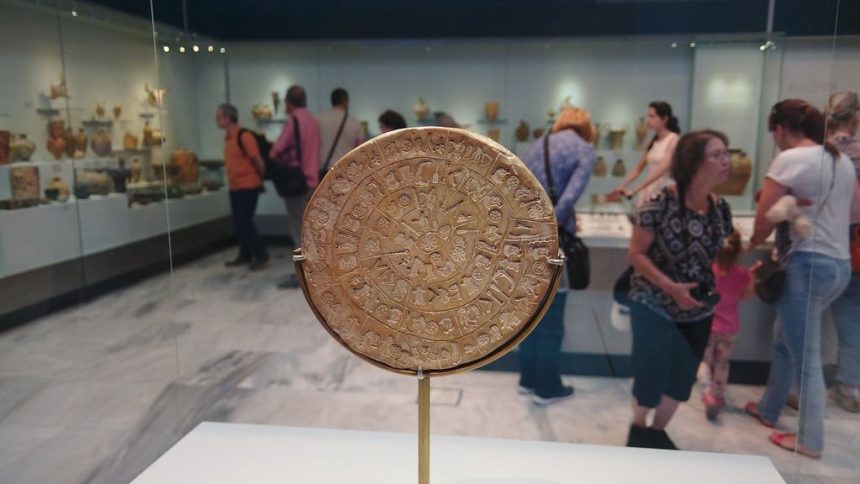
Some of history’s most powerful stories aren’t written in books. They’re cast in bronze, pressed into clay, or buried deep in desert sand. Across every continent and every era, humans have left behind objects that refuse to be understood, that deflect every theory and outlast every explanation.
What makes these artifacts so unsettling isn’t just their age. It’s the silence. The stubborn, maddening silence of things that clearly meant something, deeply, to the people who made them, but offer us almost nothing in return.
Grab a seat. Some of these are going to leave you genuinely stunned.
1. The Antikythera Mechanism – Greece’s Ancient Computer

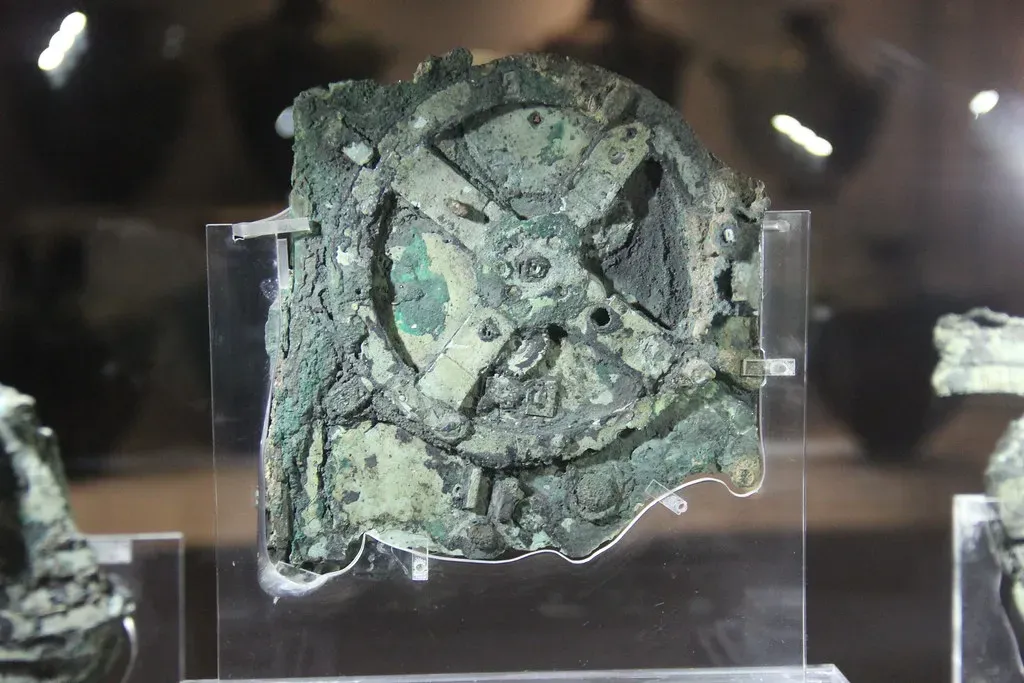
The Antikythera mechanism, discovered in 1901 by sponge divers exploring a sunken shipwreck off the Greek island of Antikythera, dates back approximately 2,200 years. What they pulled out of the sea was unlike anything else in the ancient world. Although the shoebox-sized mechanism had broken into fragments and eroded, it quickly became clear that it contained a complex series of intricately tooled gears. Decades of subsequent research have established that the mechanism dates from the second century BCE and functioned as a kind of hand-operated mechanical computer.
Exterior dials connected to the internal gears allowed users to predict eclipses and calculate the astronomical positions of planets on any given date with an accuracy unparalleled by any other known contemporary device. More recently, a 2024 study published in the Horological Journal by astronomers from the University of Glasgow made a breakthrough. They showed that the mechanism’s calendar ring was vastly more likely to have had 354 holes, corresponding to the Greek lunar calendar, than 365 holes which would have followed the Egyptian calendar – and that 354 holes is hundreds of times more probable than the 360-hole count previously suggested.
2. The Voynich Manuscript – The Book No One Can Read

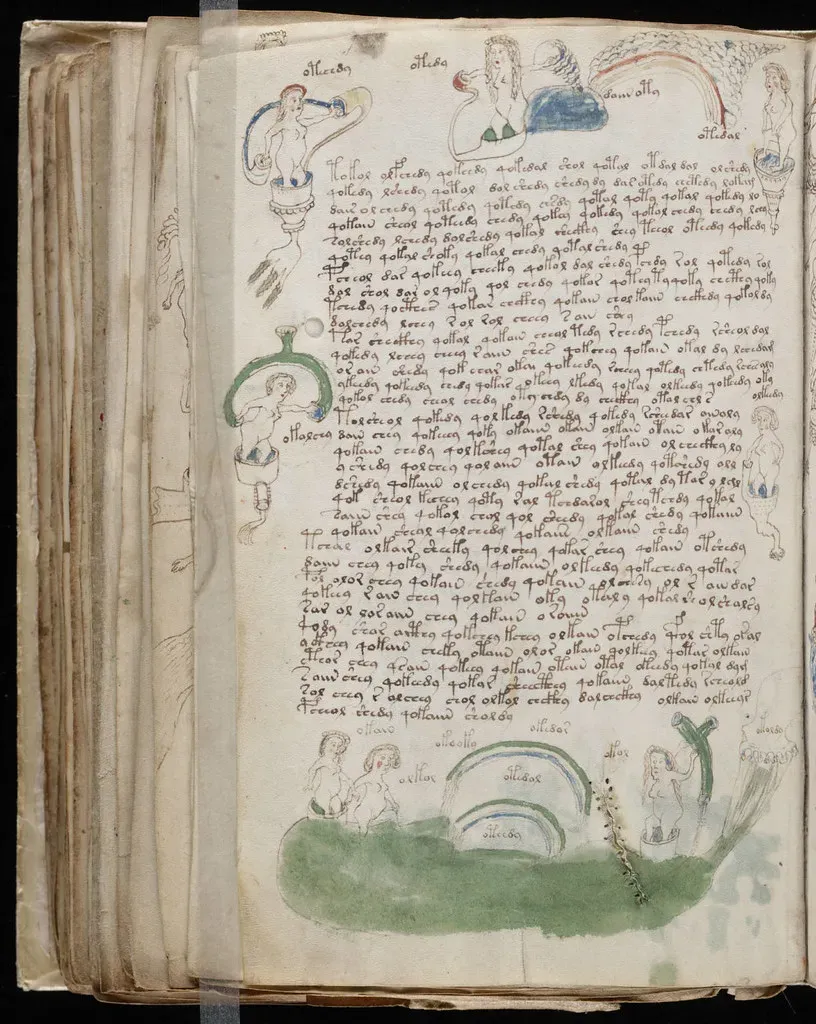
The Voynich manuscript has long puzzled and fascinated historians and the public. This late-medieval document is covered in illustrations of stars and planets, plants, zodiac symbols, naked women, and blue and green fluids. The text itself, thought to be the work of five different scribes, is enciphered and yet to be understood. Honestly, it reads like something someone invented to drive linguists insane.
Carbon dating provides a 95% probability that the skins used to make the manuscript come from animals that died between 1404 and 1438. However, its earliest securely known owner was an associate of Holy Roman Emperor Rudolf II, who lived from 1552 to 1612, leaving more than a century of ownership unaccounted for. In September 2024, multispectral scans of ten selected pages were made public, revealing details unseen with visible light. A 2025 study also proposed a historically plausible verbose substitution cipher called “Naibbe” that could encode Latin and Italian as ciphertext – though the author stressed it is a proof of concept and does not claim it is the manuscript’s actual cipher.
3. The Nazca Lines – Art Meant for the Sky

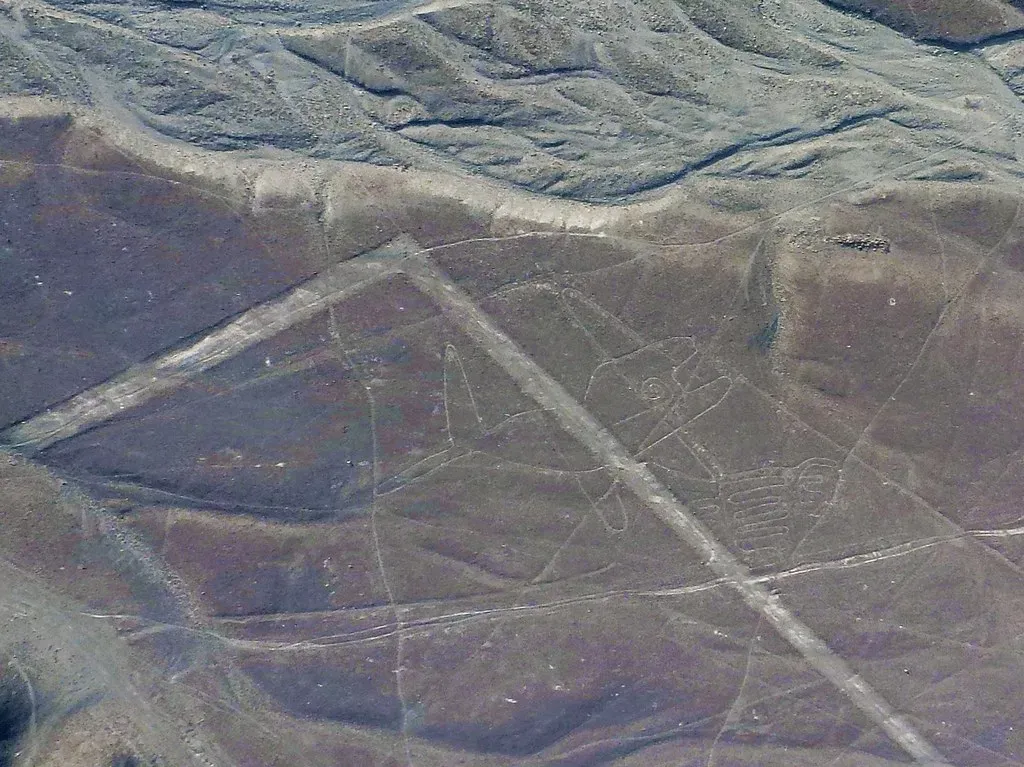
Stretched across the arid plains of southern Peru, the Nazca Lines are enormous geoglyphs – birds, monkeys, geometric shapes – etched into the desert floor. Created between 500 BCE and 500 CE, they’re best viewed from the air, which baffles researchers: why make art no one on the ground could see? Theories abound, from astronomical calendars to communication with deities – or even ancient aliens. Their true purpose remains hotly debated.
In 2024, the mystery deepened even further in an unexpected way. A team of archaeologists from Yamagata University’s Nazca Institute, in collaboration with IBM Research, used artificial intelligence to discover 303 previously unknown geoglyphs depicting parrots, cats, monkeys, killer whales, and even severed heads near the Nazca Lines. The field survey, conducted on foot for ground truthing, required 1,440 labor hours and resulted in 303 newly confirmed figurative geoglyphs. The more we look, the more there is to not understand.
4. The Phaistos Disc – A Spiral No One Can Decode

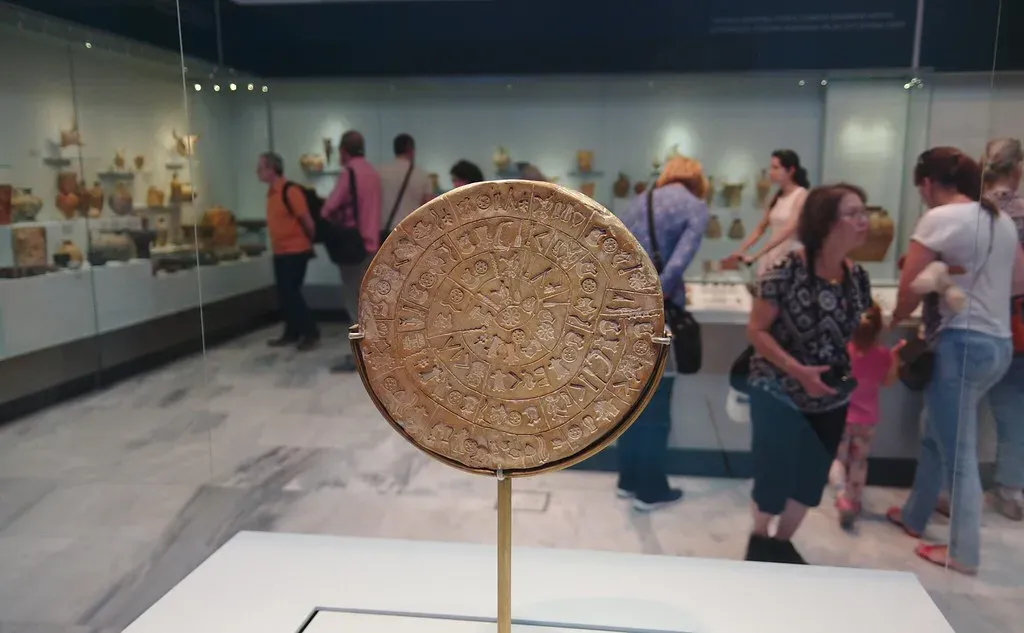
Discovered in 1908 in the ruins of the Minoan palace of Phaistos on Crete, the Phaistos Disc is a baked clay disk inscribed with mysterious symbols arranged in a spiral. Dating to about 1700 BC, it features 241 tokens made by pressing pre-formed stamps into the clay, making it one of the earliest examples of movable type. That detail alone is extraordinary enough.
The symbols have never been deciphered, and their language is unknown, leading some to suggest the disc is a ritual artifact, a board game, or even a forgery. Recent computational analysis has found recurring patterns, hinting at a possible syllabic script, but no other artifacts using the same symbols have ever been found. The Phaistos Disc remains a tantalizing window into a lost world, its message still unreadable after more than a century of study.
5. The Roman Dodecahedrons – Objects With No Instructions

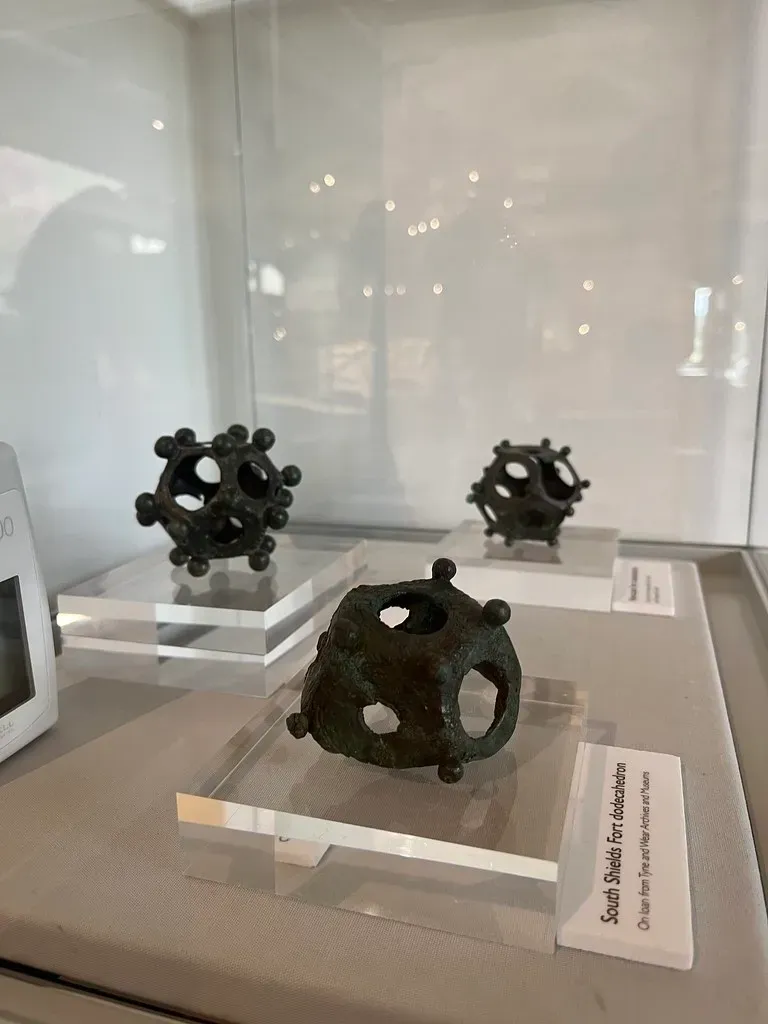
A Roman dodecahedron is a type of small hollow object made of copper alloy, cast into a regular dodecahedral shape with twelve flat pentagonal faces. Although these intricately constructed contraptions seem to have been quite common in the days of emperors Trajan and Hadrian, archaeologists have no idea what they were used for. That’s the part that makes your head spin: widespread use, zero explanation.
About 130 similar objects have been found in Austria, Belgium, France, Germany, Hungary, Luxembourg, the Netherlands, Switzerland, and the United Kingdom, but not in the Roman heartland in Italy. While the quantity and distribution of these mysterious objects suggests they were an important part of Roman culture, they are not mentioned in any surviving ancient texts or artworks. As a result, archaeologists have no idea what they were originally used for. Some think they were dice, others ceremonial objects involved in Celtic rituals. For all we know, they could have just as well been children’s toys, weights for fishing nets, musical instruments, knitting tools, or candle holders.
6. The Saqqara Bird – Egypt’s Impossible Glider


In 1898, archaeologists exploring a tomb near Saqqara, Egypt, uncovered a small wooden object shaped like a bird with straight wings and an upright tail. Dated to about 200 BC, the Saqqara Bird is often described as resembling a modern glider or even a model airplane. I think this is one of those objects where the plausible explanation still somehow feels inadequate.
Some argue it’s proof that ancient Egyptians understood aerodynamics, while others see it as a child’s toy or a ceremonial object. Wind tunnel tests show the model can glide short distances, but no other similar artifacts have been found. Without clear records or context, the Saqqara Bird remains an object of endless speculation, hovering between the worlds of science fiction and ancient ritual.
7. The Ulfberht Swords – Viking Steel from the Future

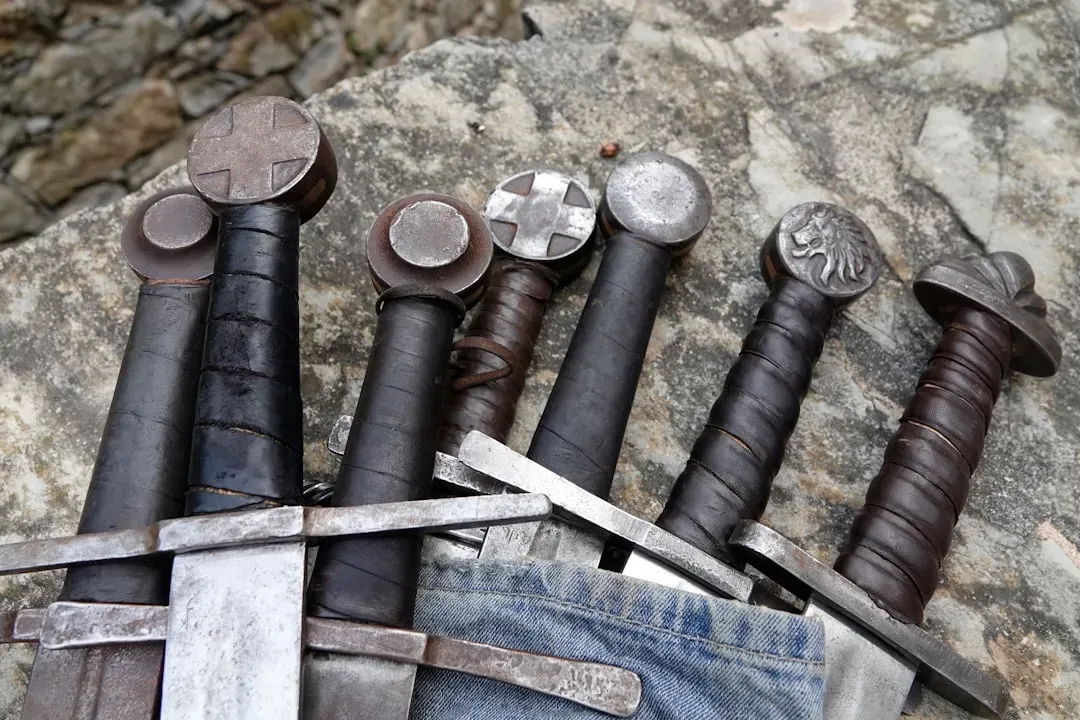
The Ulfberht swords are more than just weapons – they’re technological mysteries. Forged between 800 and 1000 CE, these Viking swords bear the inscription “+ULFBERHT+” and are made from steel so pure it wouldn’t be seen again in Europe for centuries. Think about that. The metallurgy required to create them was basically unavailable by any known method of the era.
The Ulfberht swords are a group of medieval swords discovered across Europe, dating from the 9th to the 11th centuries. Renowned for their exceptional quality and craftsmanship, these swords bear the inscription “+VLFBERH+T,” believed to be a maker’s mark. The advanced metallurgical techniques used in their production were not thought to be possible until centuries later, leading to questions about the swords’ origins and the identity of their creators.
8. The Baghdad Battery – Ancient Electricity?

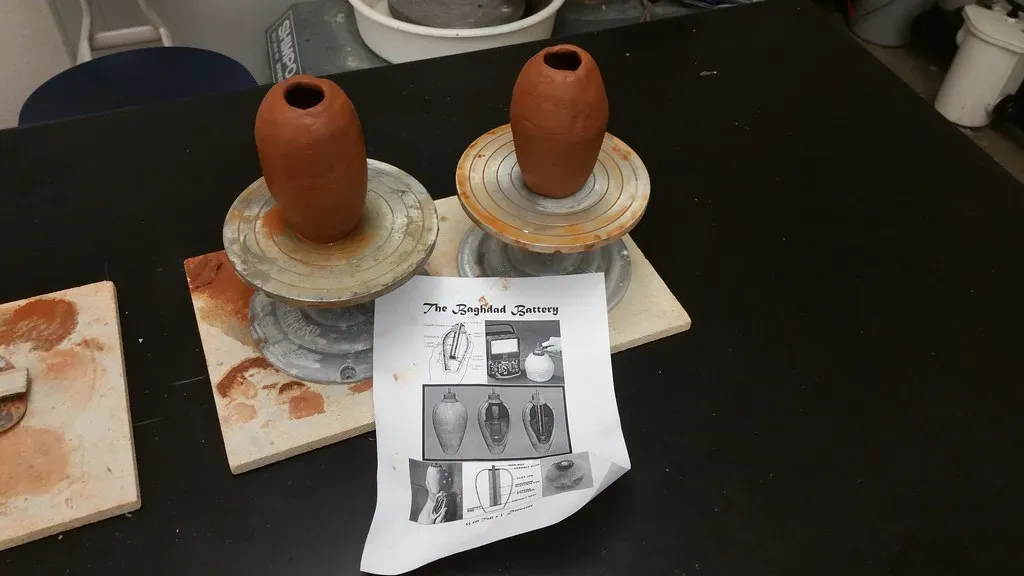
Unearthed near Baghdad, this ancient artifact features a clay jar, copper cylinder, and iron rod – components that resemble a primitive battery. Some researchers suggest it could have produced a weak electric current, hinting at lost knowledge of electricity in antiquity. It’s a wild claim, admittedly, but the design is hard to dismiss.
Someone in Baghdad had what could be a battery roughly 1,800 years ago. The 12-centimeter clay jar contained a copper cylinder with an iron rod tightly fit inside. No one has yet proven what the object was actually used for. There are no written records describing it, no companion artifacts found nearby, and no consensus in the academic world. It just sits there, stubbornly unclassifiable.
9. The Shroud of Turin – Faith Versus Science

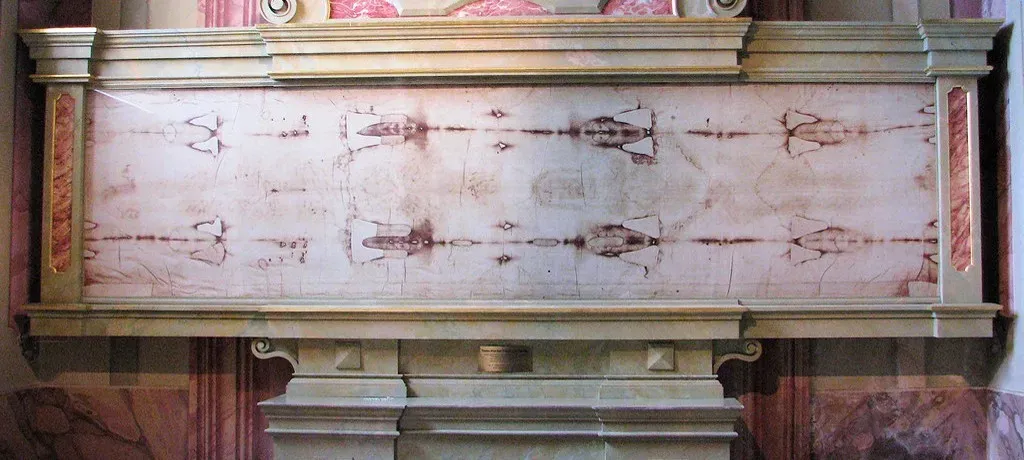
The Shroud of Turin is a linen cloth bearing the image of a man believed to be Jesus Christ. It has been one of the most examined artifacts in history, subjected to radiocarbon dating, spectroscopy, and forensic analysis. Carbon dating revealed that the fabric originated in 1260 to 1390 CE, more than a thousand years after Jesus is believed to have died. According to science, the mystery was solved – however, this wasn’t the case. Since then, many have contested the carbon dating results.
Despite numerous tests and analyses, the origins and authenticity of the Shroud of Turin remain contentious. Radiocarbon dating suggests a medieval origin, contradicting claims of its biblical significance. The shroud continues to inspire debate and intrigue, with new research attempting to unlock its secrets. It’s hard to say for sure, but it remains arguably the most contested physical object in all of religious history.
10. The Klerksdorp Spheres – Billions of Years of Questions


The Klerksdorp spheres were found by miners in three-billion-year-old pyrophyllite deposits. Almost perfect spheres, with neatly carved horizontal lines around them, scientists are baffled by their perfection and cannot think of a possible place of origin. Three billion years old. That number is almost impossible to wrap your mind around.
Geologists have proposed natural explanations involving volcanic or concretion activity, but the precision of the grooves continues to trouble researchers. The spheres range in size and are made from a variety of mineral compositions. Some are metallic blue in color. They don’t look like something nature casually produces. Whether they are truly artificial or a strange trick of geology, they remain one of the most disorienting objects ever pulled from the ground.
11. The Stone Spheres of Costa Rica – Jungle Geometry
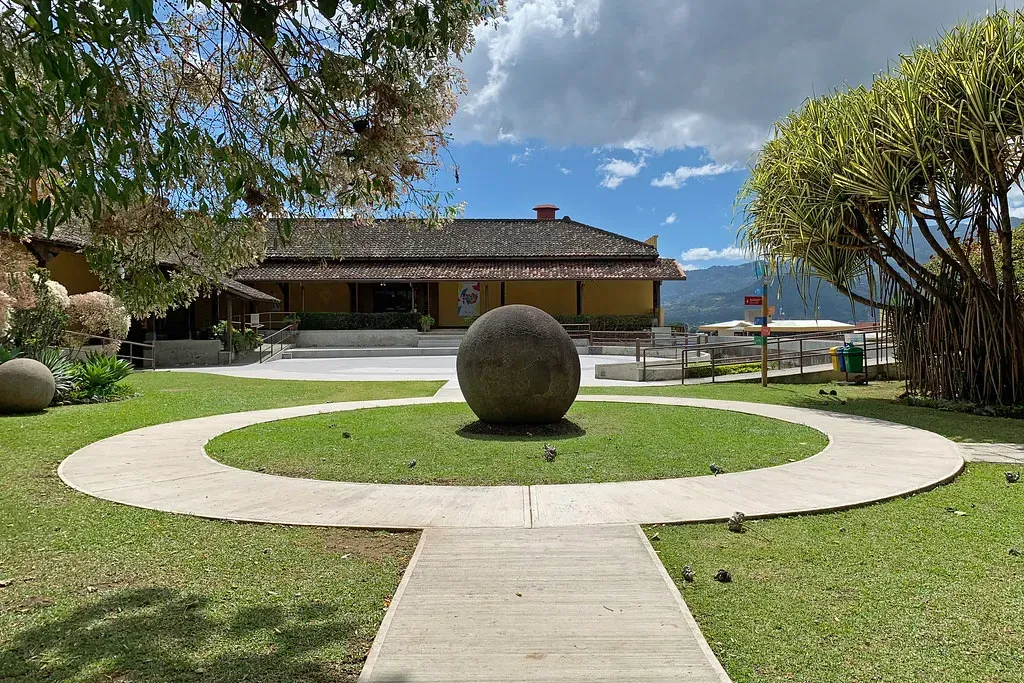
In the 1930s, workers clearing land in the Diquís Valley of Costa Rica came across almost perfectly round stone spheres. They varied in size, with the largest balls being over two meters in diameter and weighing over 16 tons. Perfect spheres. Weighing as much as a large truck. Scattered across the jungle floor like dropped marbles from a giant.
Dotting the jungles and fields of Costa Rica are hundreds of these nearly perfect stone spheres, some measuring over two meters in diameter. The artifacts were obviously man-made. However, no one is sure how they were made or for what purpose. The culture that created them left no written language and no oral tradition that has survived intact. They are simply there, round and silent.
12. The Sabu Disk – Egypt’s Turbine-Shaped Mystery
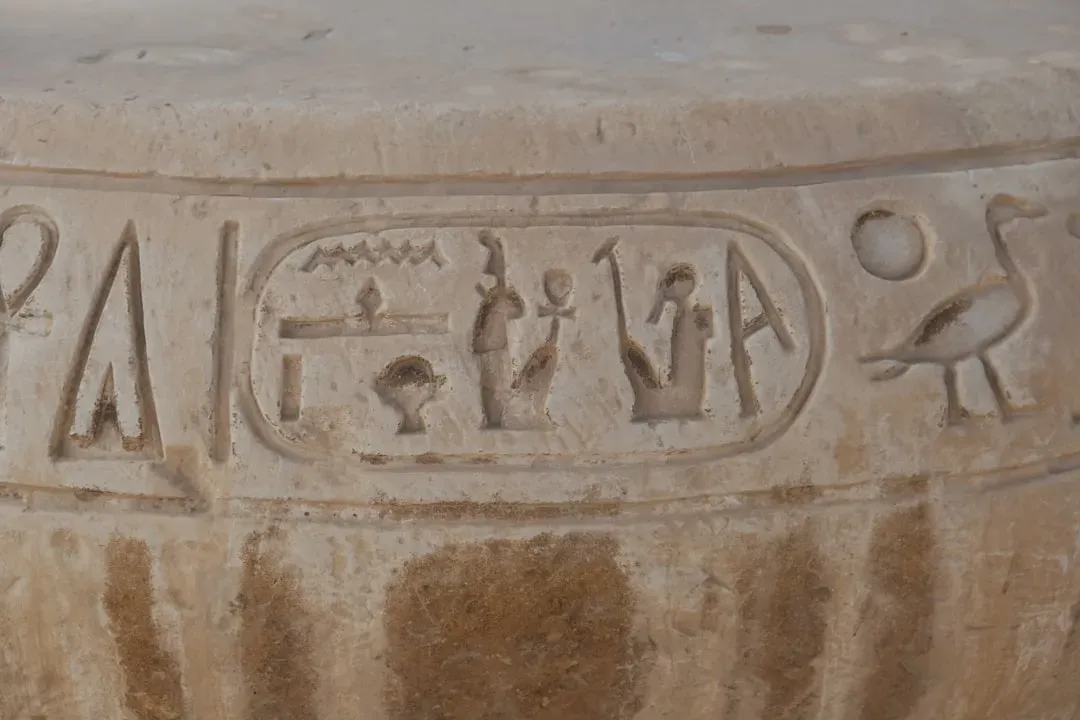
Unearthed in the tomb of Prince Sabu, a 5,000-year-old Egyptian artifact defies classification. Made of fragile schist, the Sabu Disk resembles a modern turbine or wheel, with three curved lobes and a central hole. Some propose it was a ceremonial bowl or incense holder, while others see hints of lost mechanical technology.
The schist stone from which it is carved is notoriously difficult to work with even using modern tools, yet the lobed design is delicate and precise. No other artifact quite like it has ever been found in Egypt or anywhere else. It sits in the Egyptian Museum in Cairo, where visitors tend to stare at it for a long time, unsure of exactly what they’re looking at.
13. The Dropa Stones – Discs From the Mountains of China

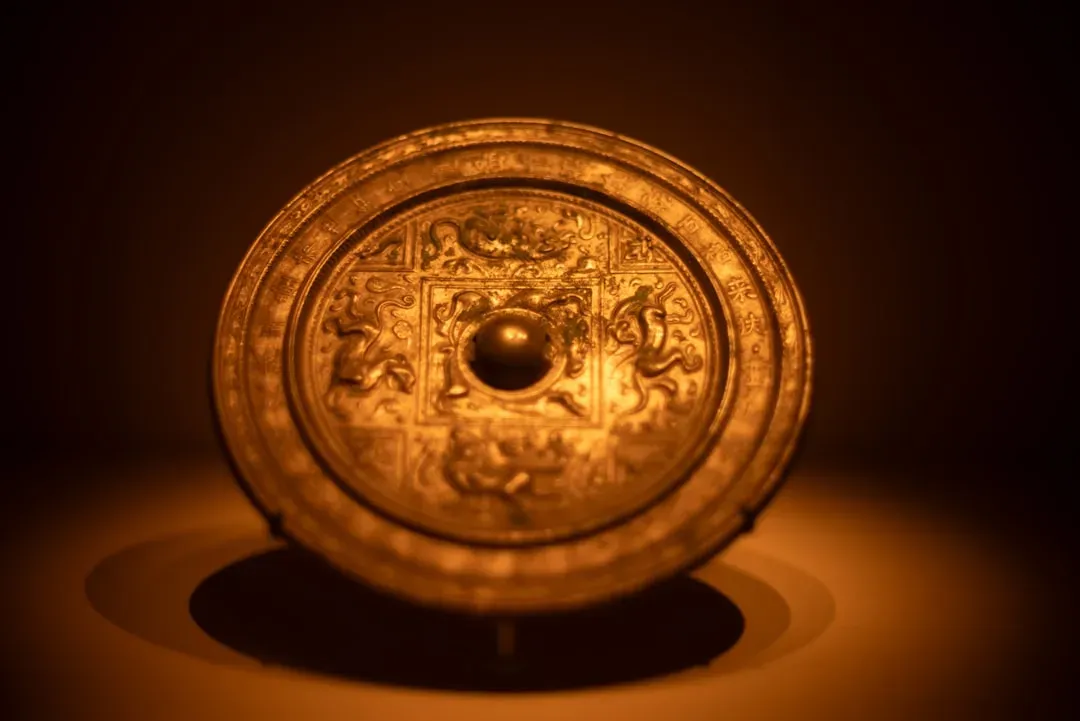
In 1938, an expedition led by archaeologist Dr. Chi Pu Tei into the Baian-Kara-Ula in China reportedly made an astonishing discovery. Nearby caves held traces of an ancient culture that once occupied them. Buried under thick layers of dust, hundreds of stone disks lay scattered about the cave’s interior. The disks turned out to be eerily similar to phonograph records – nine inches in diameter, with a circle cut into their centers and an obvious spiral groove.
The Dropa Stones are a set of 716 circular stone discs discovered in 1938 in caves in the Bayan Har Mountains of China. Around one foot in diameter with a hole in the center, each disc is inscribed with a spiral groove that spirals from the center to the edge. As of today, we have no clear information on whether the Dropa stones still exist. If they do, they remain one of the most mysterious artifacts in the world.
14. The Crystal Skulls – Beautiful, Disputed, Unexplained


The crystal skulls are a set of human skull sculptures made of clear or milky quartz. Several were presented to the world in the 19th and early 20th centuries as pre-Columbian artifacts of Mesoamerican origin, supposedly carved by the Aztec or Maya. Some of the most famous examples ended up in major museums, including the British Museum and the Smithsonian. Tests by the British Museum in the 1990s found tool marks consistent with modern rotary tools – not ancient stone-working techniques.
Still, the debate hasn’t fully died. A small number of researchers maintain that at least some of the skulls may have genuine pre-Columbian origins and that testing methods are imperfect. Others see them as elaborate 19th-century forgeries crafted to satisfy European demand for exotic “ancient” art. The skulls remain genuinely unsettling to look at regardless of their origin.
15. The London Hammer – Tool Trapped in Time
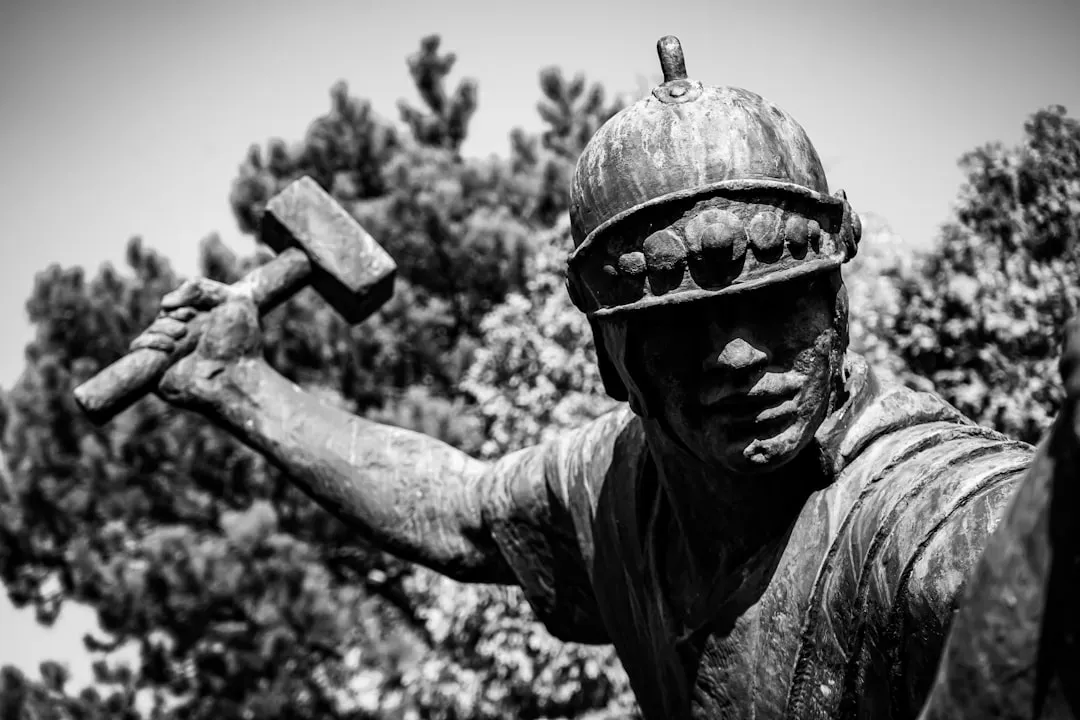
The hammer’s head, made of more than 96% iron, is far purer than anything nature could have achieved without an assist from technology, and stylistically, it resembles a 19th-century American hammer. The object was found embedded in a rock formation near London, Texas, leading some to claim it was millions of years old. Let’s be real: that’s an extraordinary claim.
There is significant reason to question the initial dating – just because the hammer was encased in old rocks doesn’t mean that it itself is as old as the rocks. The only proposed explanation is that the highly soluble minerals in the ancient limestone may have formed a concretion around the object, making it seem as old as the minerals themselves, but this has not been confirmed. There is a phenomenon called a petrifying well that can create something like this. Even so, the hammer’s unusual iron purity remains something researchers haven’t fully explained away.
16. The Piri Reis Map – A Chart Ahead of Its Time

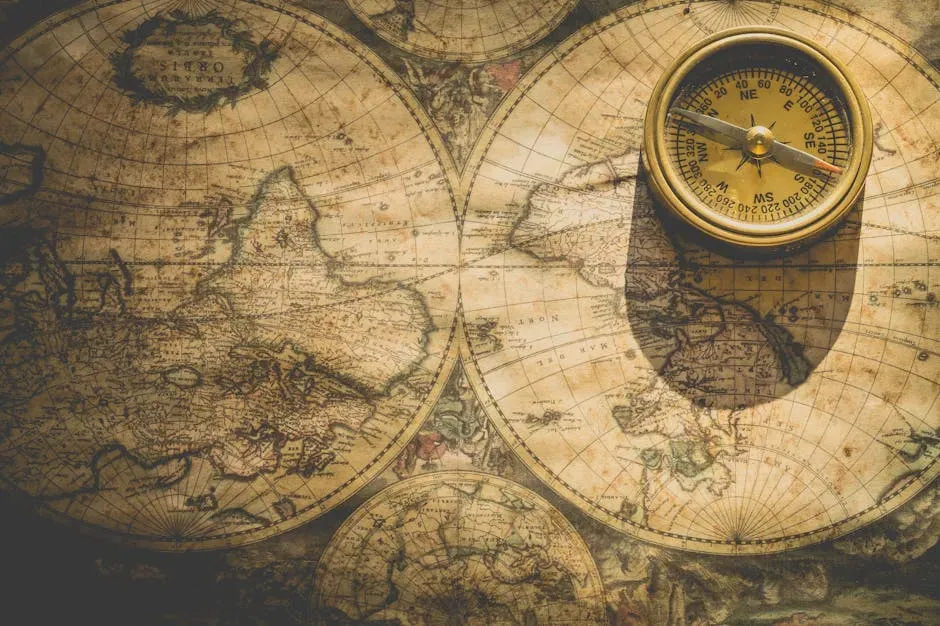
Drawn in 1513 by Ottoman admiral Piri Reis, this map has caused decades of controversy for what it appears to depict. Some researchers claim it shows the coastline of Antarctica with unsettling accuracy, despite the continent not being officially discovered until 1820. The map was compiled from older source maps, meaning the cartographic knowledge it reflects could predate the 16th century by a significant margin.
Skeptics argue that the resemblance to Antarctica is coincidental, or a misidentified representation of South America’s southern tip. Supporters counter that the geographic accuracy in some regions is too precise to be accidental given the tools available in 1513. The original map is held in the Topkapi Palace Museum in Istanbul. It has been studied, debated, and written about for over a century. Nobody agrees.
17. The Linear A Script – A Language Still Locked
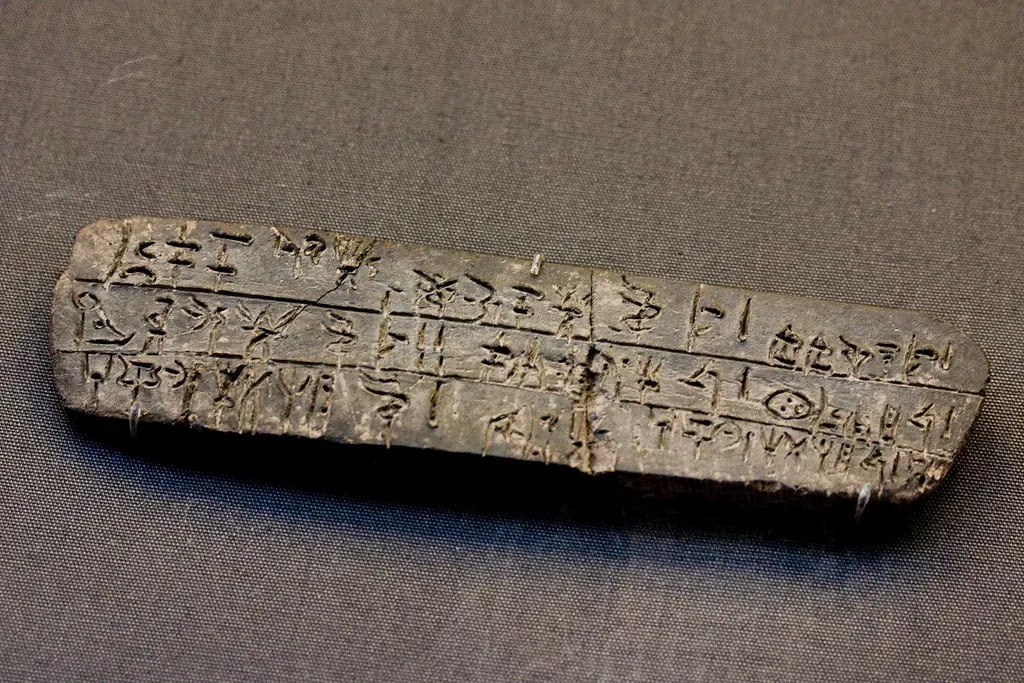
The Minoan Civilization is one of the most enigmatic of all ancient civilizations. Archaeologists know about them from their luxurious frescoes, their palatial architecture, and their religious sites, but one key piece of the puzzle is missing: their language. To this day, nobody knows how to read Linear A, the writing system of the Minoan people. If this language were ever decoded, it would reveal much about the ancient people who lived on Crete.
Linear A appears on hundreds of clay tablets and objects found across Crete and other Aegean islands. Its successor, Linear B, was deciphered in 1952 and found to represent an early form of Greek. That breakthrough raised hopes that Linear A would follow. It didn’t. The two scripts share some symbols, but the underlying language of Linear A appears to be completely unrelated to Greek. As things stand in 2026, it remains one of the only undeciphered writing systems from an otherwise well-studied civilization.
18. The Antikythera Shipwreck – What Else Is Still Down There?

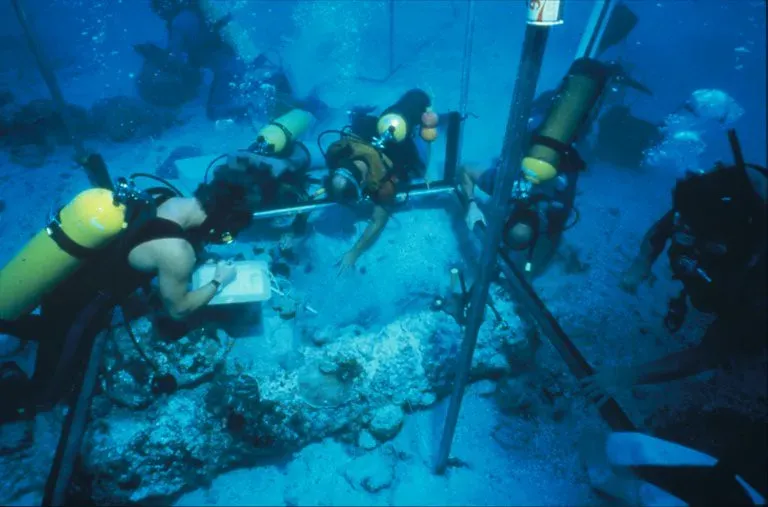
Most people know about the mechanism pulled from the Antikythera shipwreck. Far fewer know that the wreck itself keeps revealing new surprises. The 2024 expedition to the Antikythera shipwreck marked a significant milestone in underwater archaeology. Between May and June, ideal weather conditions allowed for extensive excavation, yielding about 300 objects including 21 marble fragments, numerous structural elements of the ship’s hull, and over 200 pottery fragments. Most significantly, the team discovered evidence of a second shipwreck at the site.
The findings, documented with advanced remotely operated vehicles and 3D scanning, continue to illuminate the ancient maritime tragedy that occurred over 2,000 years ago. Previous excavations revealed coins, jewelry, glassware, a seven-foot statue of Hercules and three life-sized marble horses. Yet researchers believe the seafloor around the site still holds significant undiscovered material. Each dive raises the possibility that something as important as the mechanism is still waiting to be found.
19. The Mithras Liturgy Papyrus – A Ritual That Raises More Questions

During the Roman period, few religious groups were as mysterious as the followers of the god Mithras. Worshipped primarily by soldiers, Mithras was a solar deity loosely inspired by a Zoroastrian god. This religion was based on initiation rites, a hierarchy among devotees, ritual meals, and astrology. All of this was expected to be kept secret by the initiates, meaning historians have very few religious texts.
This surviving text is the Mithras Liturgy Papyrus. Dating anywhere from the 2nd to the 4th centuries CE, it describes a mystical experience in which the soul journeys through seven stages to reach divine revelation. Historians have debated what this means for decades. Some believe the text reveals Mithraism to be a religion based around the immortality of the soul, but others believe the text doesn’t actually describe commonly held beliefs about Mithras. Other historians don’t even believe it has anything to do with Mithraism at all.
20. The Terracotta Army – Thousands of Faces, Endless Mysteries
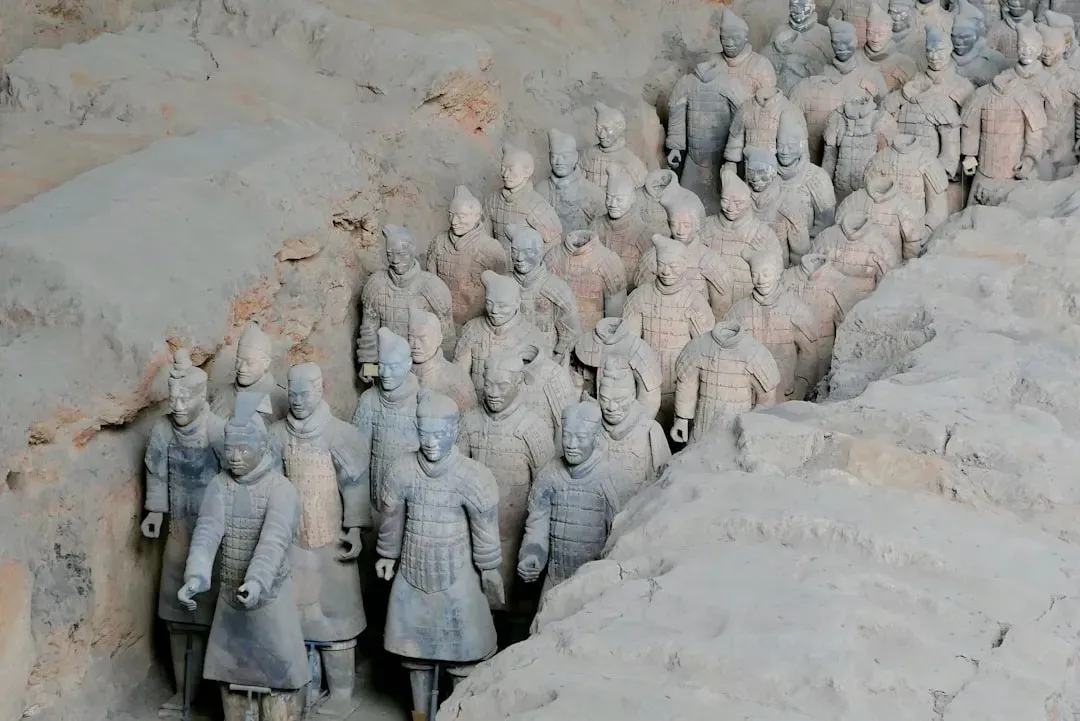
When laborers digging a well in China in 1974 discovered a life-size statue of a soldier, they knew it was something special. They had no idea what else lay below the surface. Archaeologists started excavating, finding an estimated 8,000 clay statues. Each face is reportedly unique. Each warrior carries a different expression. The craftsmanship is staggering at that scale.
What’s less often discussed is how much of the site remains unexcavated. The main burial mound of Emperor Qin Shi Huang, which the army was built to protect, has barely been touched. Ancient texts describe an elaborate underground palace with rivers of mercury – and modern soil tests have detected unusually high mercury levels around the mound, lending the old accounts credibility. Researchers are deliberately holding off on full excavation until preservation techniques are advanced enough to protect what might be found. Whatever is inside, it has been waiting over 2,000 years. It can wait a little longer.
Conclusion: The Silence That Speaks
What connects all 20 of these artifacts isn’t just age or strangeness. It’s the gap between what we can observe and what we can understand. We can see the gears of the Antikythera mechanism. We can hold the Phaistos Disc. We can photograph the Nazca Lines from the sky. We just can’t quite hear what they’re saying.
That gap is, honestly, one of the most exciting places in all of science and history. It’s where curiosity lives. Every few years, a new technology or a new mind changes the equation. The Voynich Manuscript gets a fresh multispectral scan. An AI doubles the number of known Nazca geoglyphs overnight. The Antikythera wreck reveals a second ship no one knew was there.
The secrets haven’t run out. There’s still time to find them. Which of these 20 do you think will be explained first – and which one do you think will never give up its answer? Tell us in the comments.


