There’s something magical about biting into food that carries the energy of celebration. Festival foods aren’t just meals – they’re edible stories passed down through generations, shaped by culture and festivity. Across continents, these dishes transform public squares and streets into open-air kitchens where tradition meets pure joy. The smell of spices, the sizzle of fryers, the chaos of hungry crowds – it all comes together in a sensory experience that defines what it means to truly celebrate.
Globally, one in four consumers have consumed street food over the past year, and 50% of UK consumers buy from a street food van at least once a week. These aren’t just statistics. They reflect a growing hunger for authentic tastes and shared moments. Whether it’s a towering skewer dripping with sauce or a delicate sweet wrapped in tradition, festival foods unite us in ways few things can.
Pretzels and Bratwurst at Oktoberfest, Germany

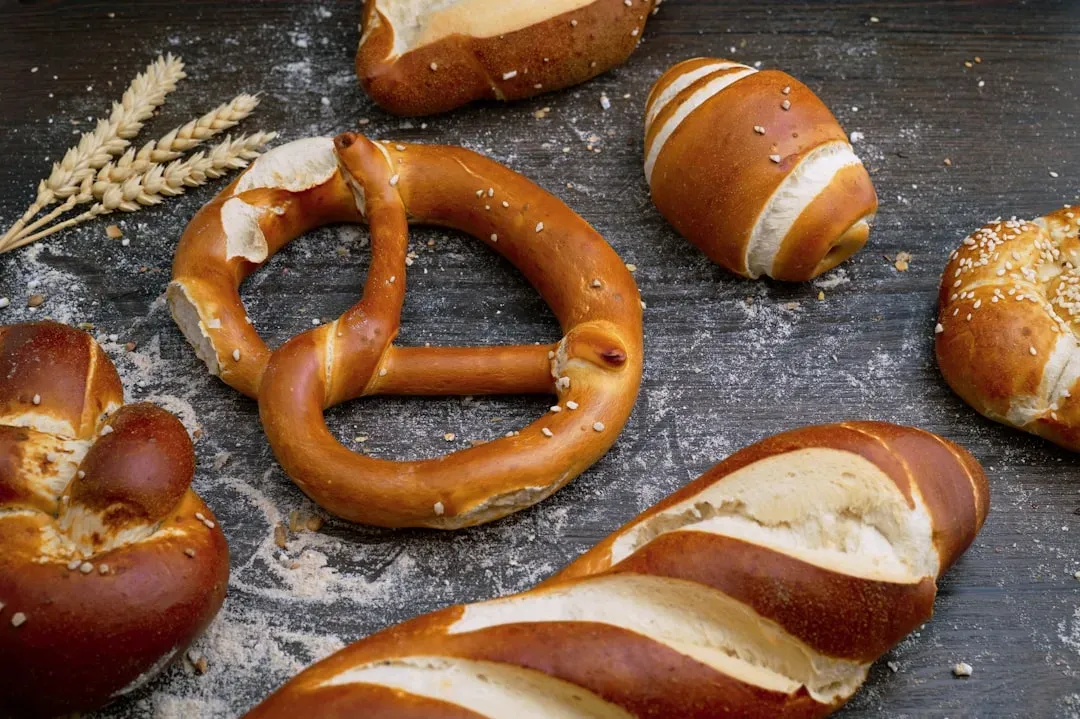
Oktoberfest is beer, sure – but it’s also about the food that soaks up those steins. The iconic pretzel, with its golden crust and soft, chewy center dusted in coarse salt, is everywhere you look. Pair it with a sausage the size of your forearm and you’ve got yourself the ultimate festival combo. Oktoberfest guests drank around 7 million litres of beer at the 2024 edition, but the food scene stole the show too.
Small and large Oktoberfest innkeepers reported an increase of around 9 per cent in food, with chicken remaining the unbeaten favourite. Nearly half a million people gorged on roasted hens, sauerkraut, and those unforgettable pretzels. The festival isn’t slowing down, either – 6.7 million guests came to the Theresienwiese over 16 days in 2024. Every bite connects you to centuries of Bavarian tradition.
Samosas and Mithai During Diwali, India

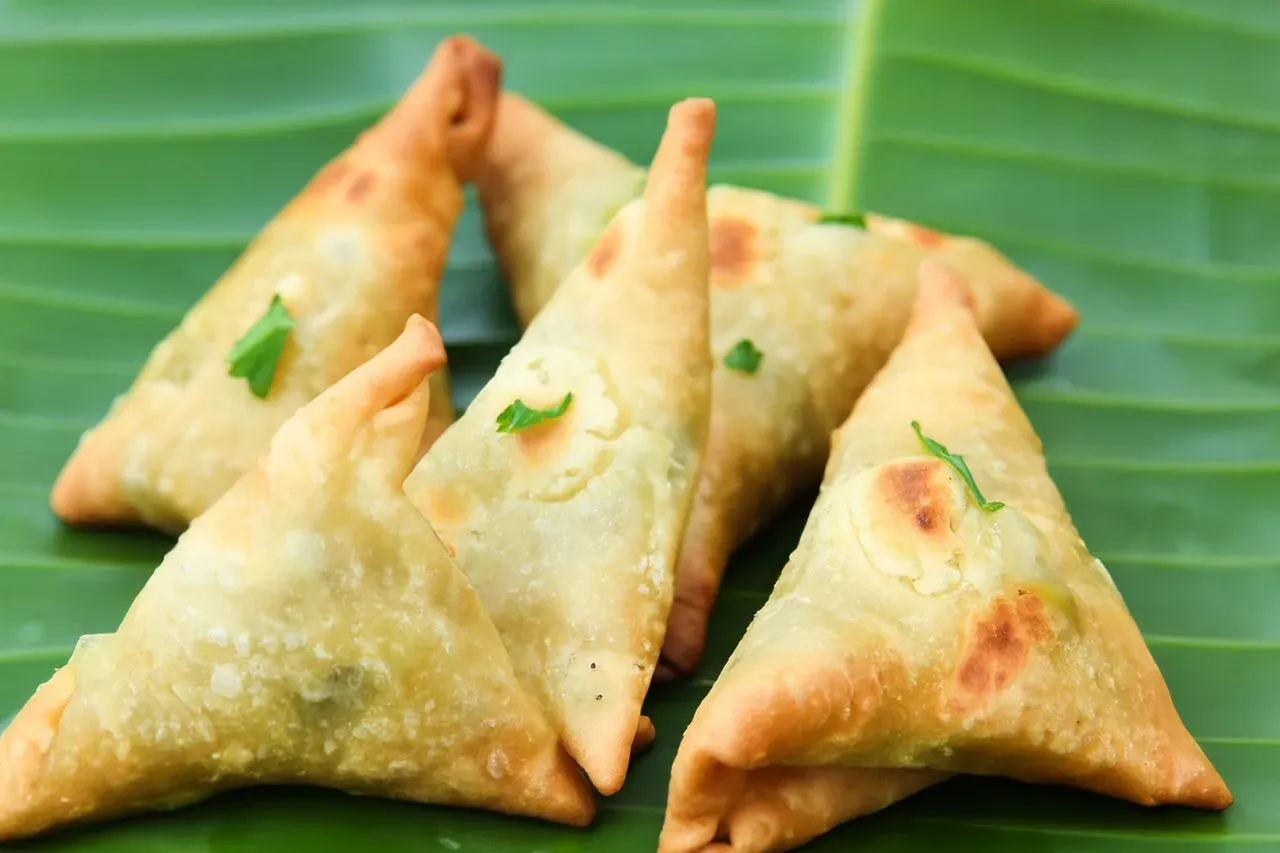
The Hindu Festival of Lights, known as Diwali, marks the beginning of the Hindu new year and celebrates the triumph of light over darkness. Food takes center stage during this five-day spectacle, and nothing says Diwali quite like samosas – those crispy triangular pockets stuffed with spiced potatoes and peas. They’re fried to golden perfection and served with tangy chutneys that make your taste buds dance.
Then there’s the sweets. Oh, the sweets. There is almost always a focus on enjoying mithai (or sweets) during Diwali. From gulab jamun soaked in syrupy goodness to besan ladoo bursting with ghee and cardamom, these confections are gifted, shared, and devoured with abandon. Food, Light and Fireworks are the highlights of Diwali celebrations in India, making every bite feel sacred.
Feijoada at Brazilian Carnival

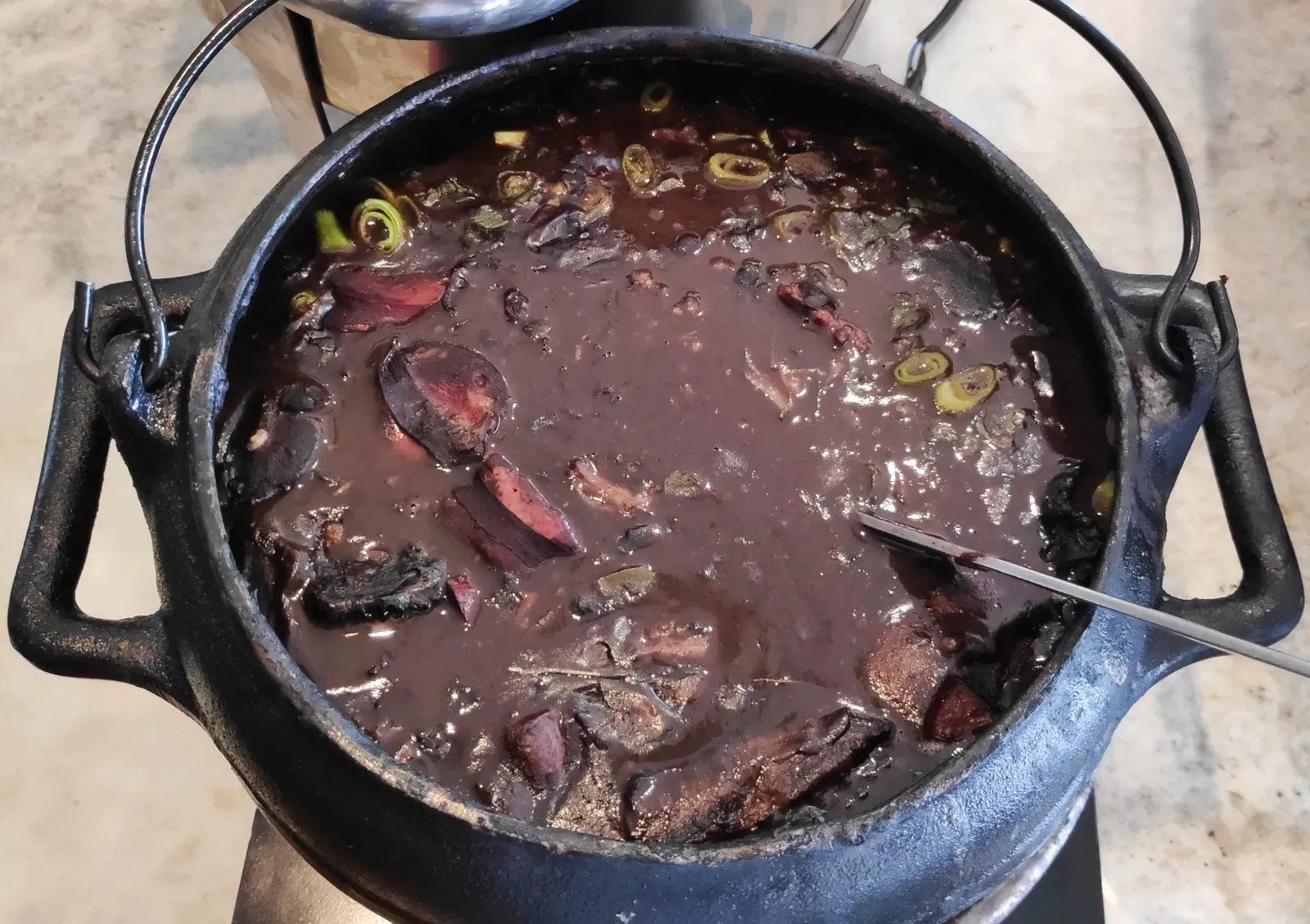
Carnival in Brazil is madness in the best way possible – costumes, samba, and food that fuels the nonstop energy. Feijoada is a dish that is eaten all year round in Brazil, but is served in large quantities during Carnival. It consists of a hearty stew made of black beans, pork, rice, cabbage and farofa. This isn’t light fare. It’s meant to anchor you through days of dancing.
Brazilian street food plays a huge part in the Carnival tradition. Vendors line the streets selling everything from coxinhas – those teardrop-shaped chicken croquettes – to brigadeiros, chocolate truffles rolled in sprinkles. According to legend, a Rio-based confectioner first whipped up this sweet treat to promote the 1946 presidential candidacy of Air Force brigadier Eduardo Gomes. He didn’t win the election, but the recipe won hearts.
Takoyaki at Japanese Festivals
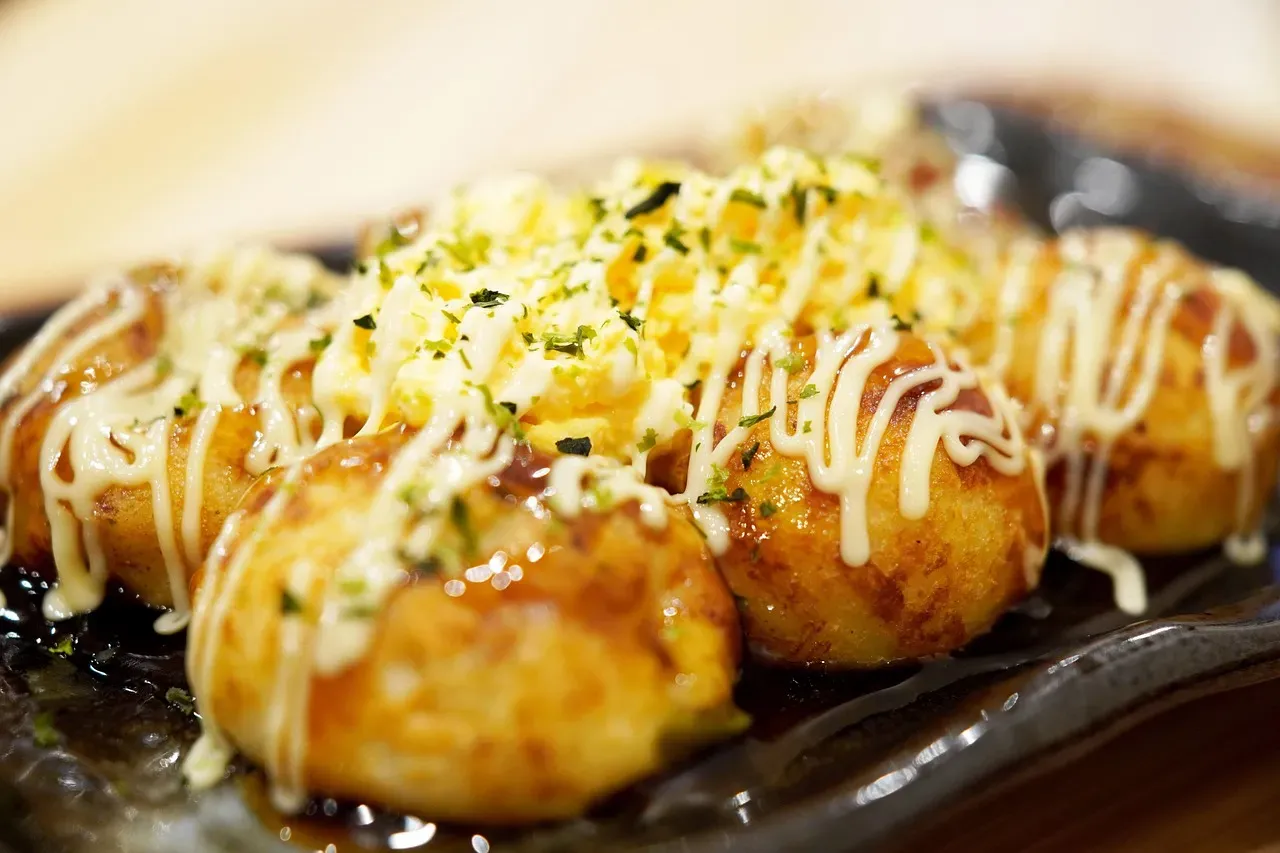
Walk through any Japanese matsuri and the smell of takoyaki will pull you in like a magnet. These little spheres of batter are stuffed with tender octopus, drizzled with tangy sauce, and topped with bonito flakes that dance in the heat. Watching them being made is half the fun – vendors flip them with lightning speed in specially molded pans until each ball is perfectly crispy outside and gooey inside.
Takoyaki isn’t fancy. It’s street food at its purest, born in Osaka and now a festival staple across Japan. You eat them piping hot, usually burning your tongue in the process, but it’s worth it. They capture the essence of Japanese festivals: simple, joyful, and impossible to resist.
Churros at La Tomatina, Spain

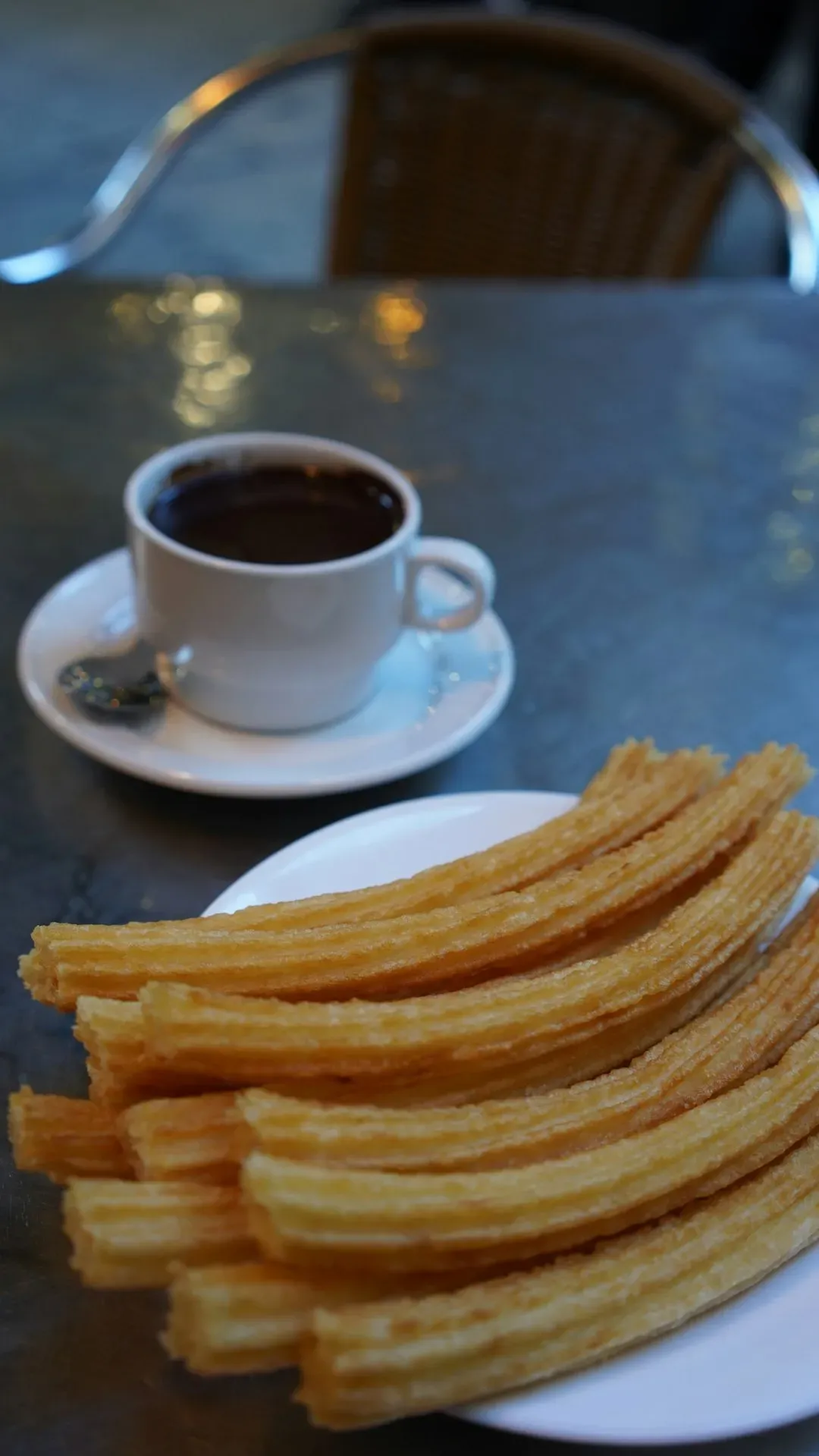
La Tomatina is the festival where thousands throw ripe tomatoes at each other in the streets of Buñol. It sounds chaotic because it is. Once the tomato fight ends and you’re covered head to toe in red pulp, you need something sweet to restore balance. Enter churros – long ribbons of fried dough dusted in cinnamon sugar, often dipped in thick hot chocolate.
Spanish churros have that perfect contrast of crunchy exterior and soft, airy interior. They’re ridiculously indulgent, especially when paired with chocolate so rich it coats your spoon. After an hour of vegetable warfare, biting into a warm churro feels like a small miracle.
Partner offer

Funnel Cakes at State Fairs, USA

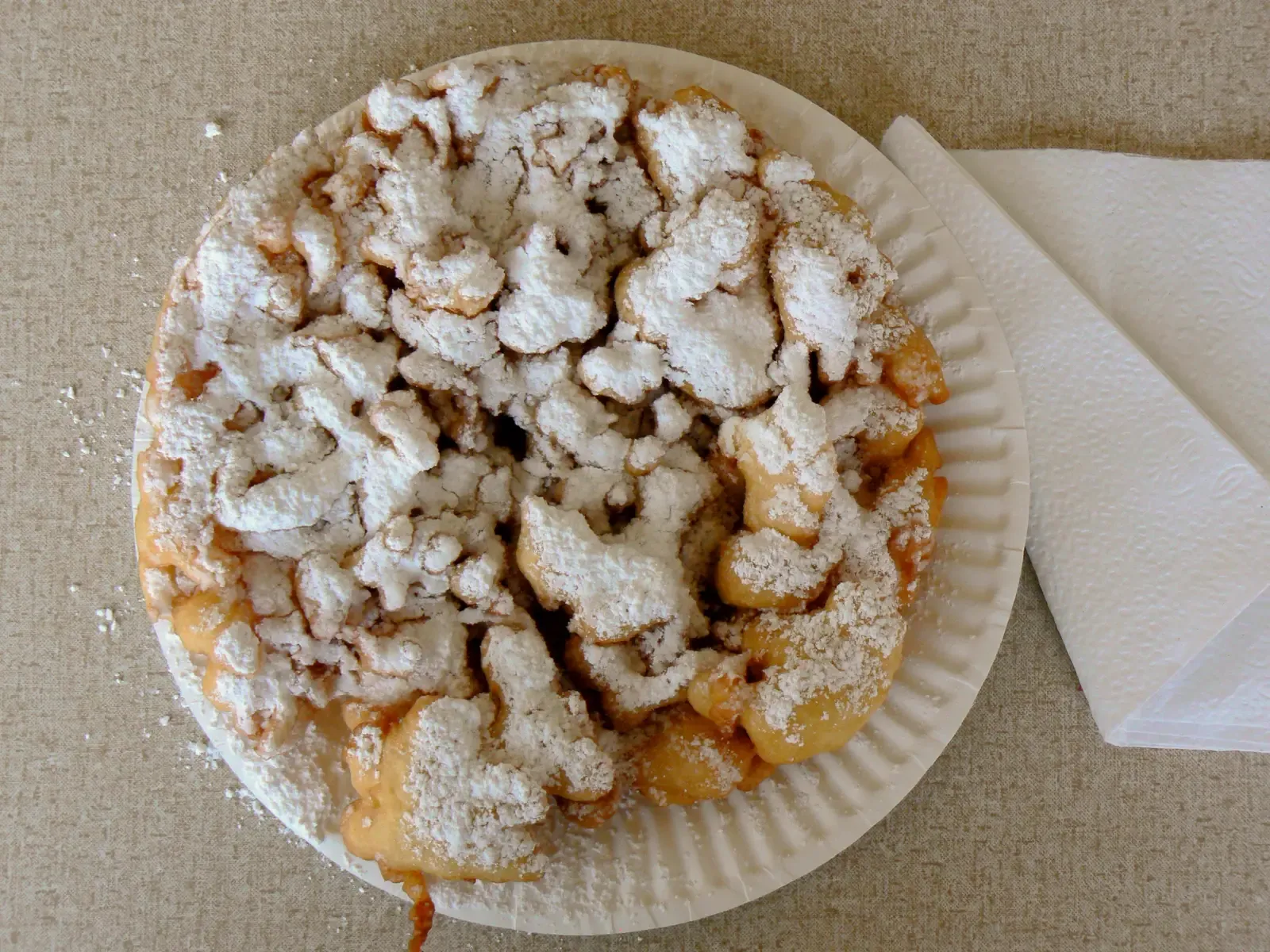
American state fairs are a shrine to fried foods, and funnel cakes reign supreme. Picture this: batter swirled into hot oil, creating a tangled web of crispy, golden deliciousness. Once fried, it’s piled high with powdered sugar, whipped cream, strawberries, chocolate sauce – whatever your heart desires. It’s messy. It’s sweet. It’s completely over the top.
Funnel cakes have been a fair favorite for decades, embodying the “go big or go home” mentality of American festivals. You can’t eat one without getting sugar all over your face, but that’s part of the charm. They’re pure nostalgia wrapped in a paper plate.
Acarajé at Salvador Carnival, Brazil
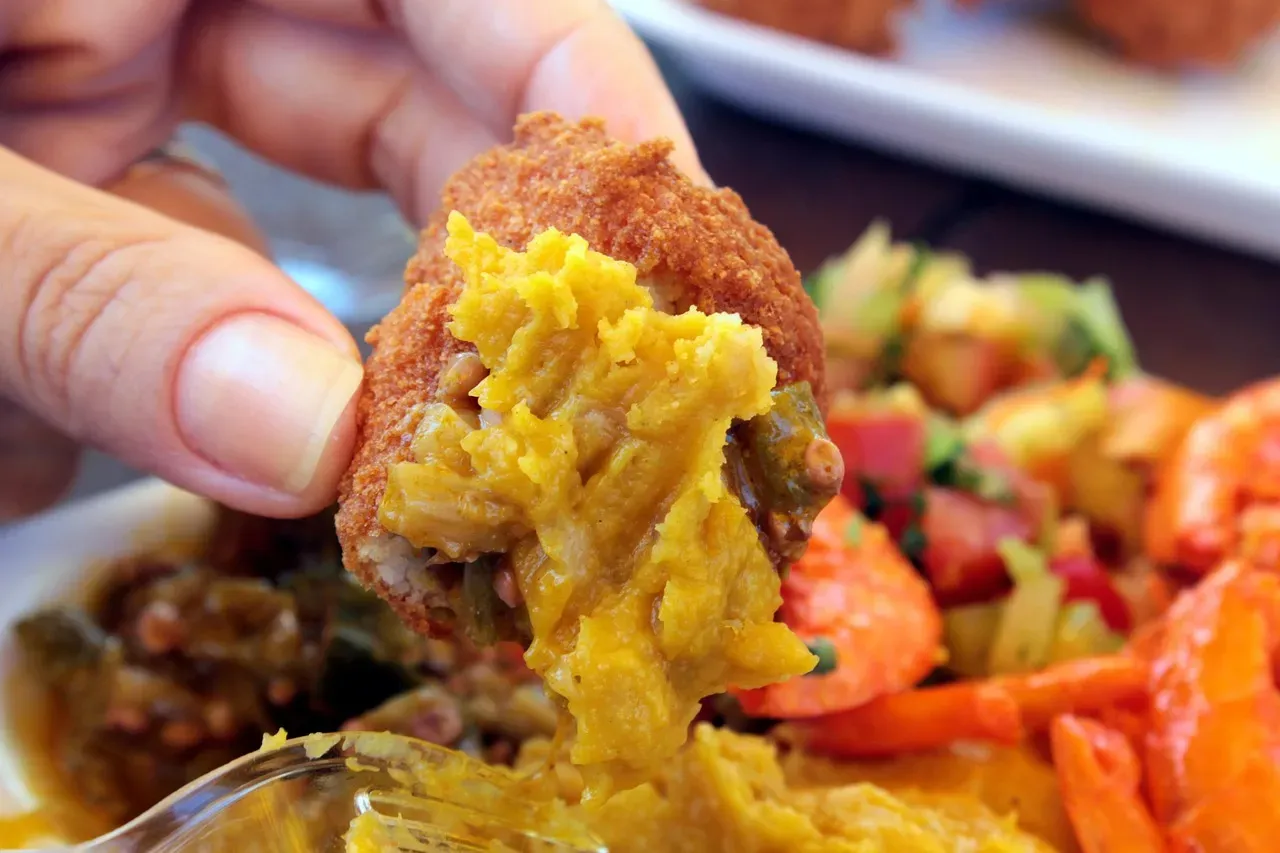
Baiana de Acarajé is a beloved street food from Bahia, Brazil, deeply rooted in Afro-Brazilian culture. It features acarajé, a black-eyed pea fritter fried in palm oil and filled with vatapá, chili sauce, and dried shrimp. The dish is sold by women dressed in traditional white lace, adding a layer of cultural reverence to each bite.
Spicy acarajé is rooted in Afro-Brazilian traditions from Bahia – balls of black-eyed peas dough, deep-fried and filled with shrimp paste. The flavors are bold and complex, with the heat of the chili balancing the richness of the palm oil. It’s festival food that tells a story, connecting you to centuries of heritage.
Baklava at Middle Eastern Festivals

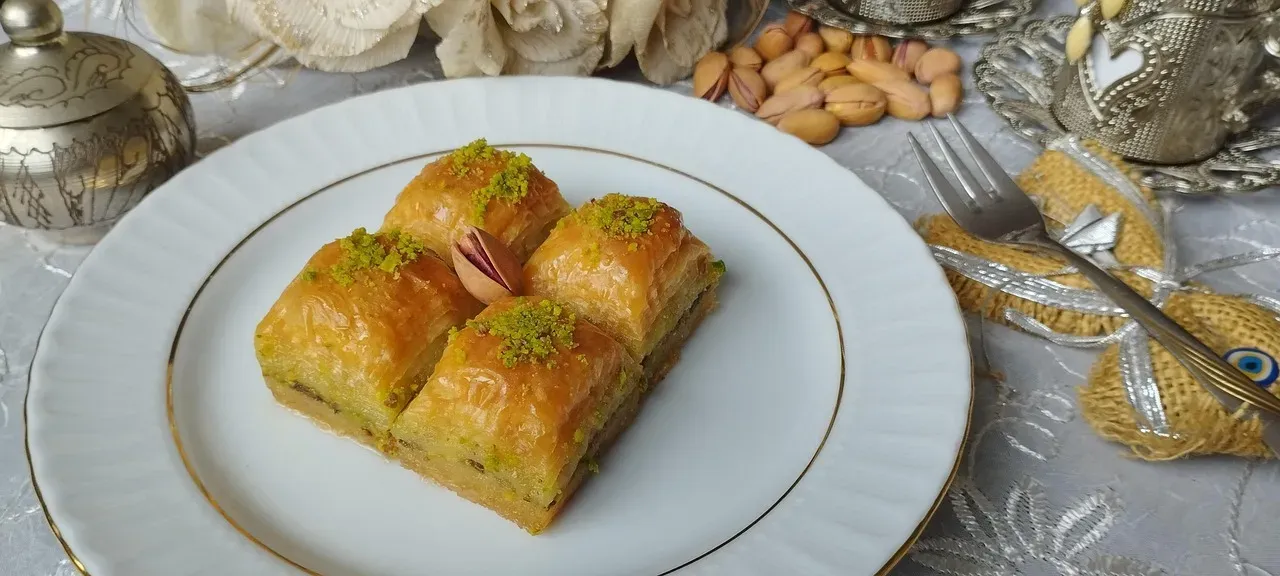
Middle Eastern festivals bring out the baklava, and once you taste it, you understand why. Layers upon layers of paper-thin phyllo dough are stacked with crushed pistachios or walnuts, then drenched in honey or syrup infused with rosewater. Each bite is a symphony of textures – crispy, nutty, sweet, and impossibly rich.
Baklava requires patience to make, but at festivals, it’s everywhere. Vendors arrange them in gleaming towers, and you can’t help but grab a piece. It’s the kind of sweet that lingers on your palate long after the festival ends, reminding you of the magic you tasted.
Poutine at Winter Carnivals, Canada

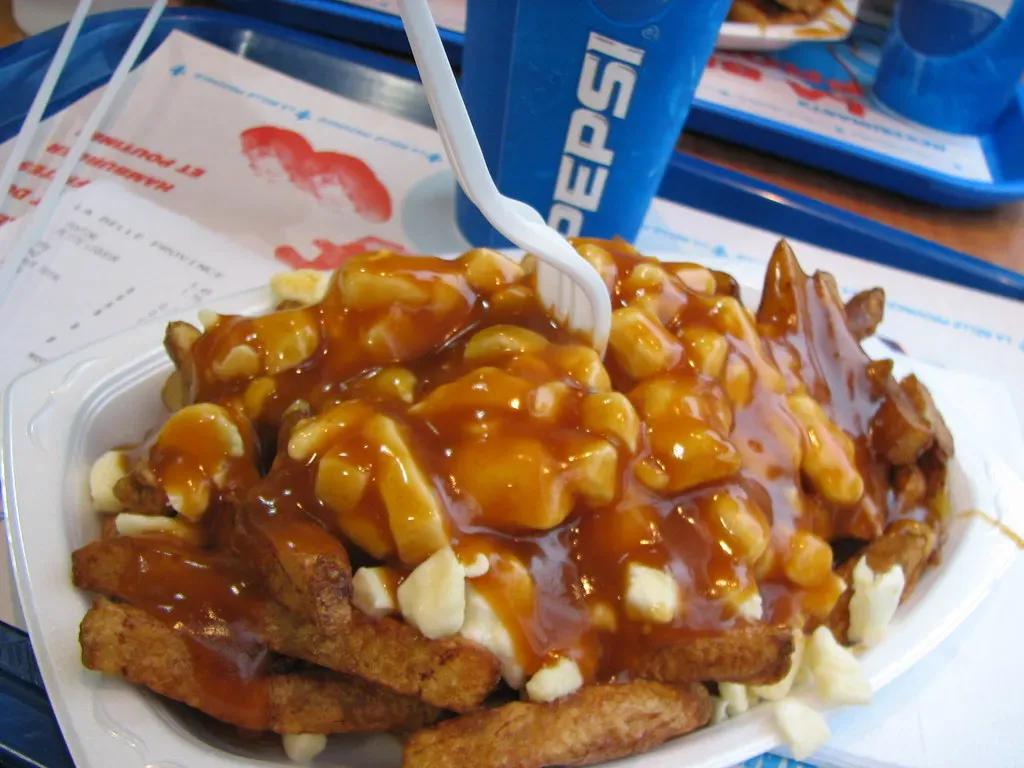
When temperatures drop and snow blankets Quebec, poutine becomes the ultimate comfort food at winter carnivals. French fries are smothered in rich gravy and topped with squeaky cheese curds that melt just enough to create a gooey, savory mess. It’s hearty, it’s warm, and it’s exactly what you need when you’re standing outside in freezing weather.
Poutine started as a humble dish in rural Quebec, but it’s now a national icon. At festivals like Quebec City’s Winter Carnival, vendors serve creative variations – pulled pork poutine, lobster poutine, even dessert poutine. The original is still the best, though. Simple, satisfying, and deeply Canadian.
Fish and Chips at British Fairs
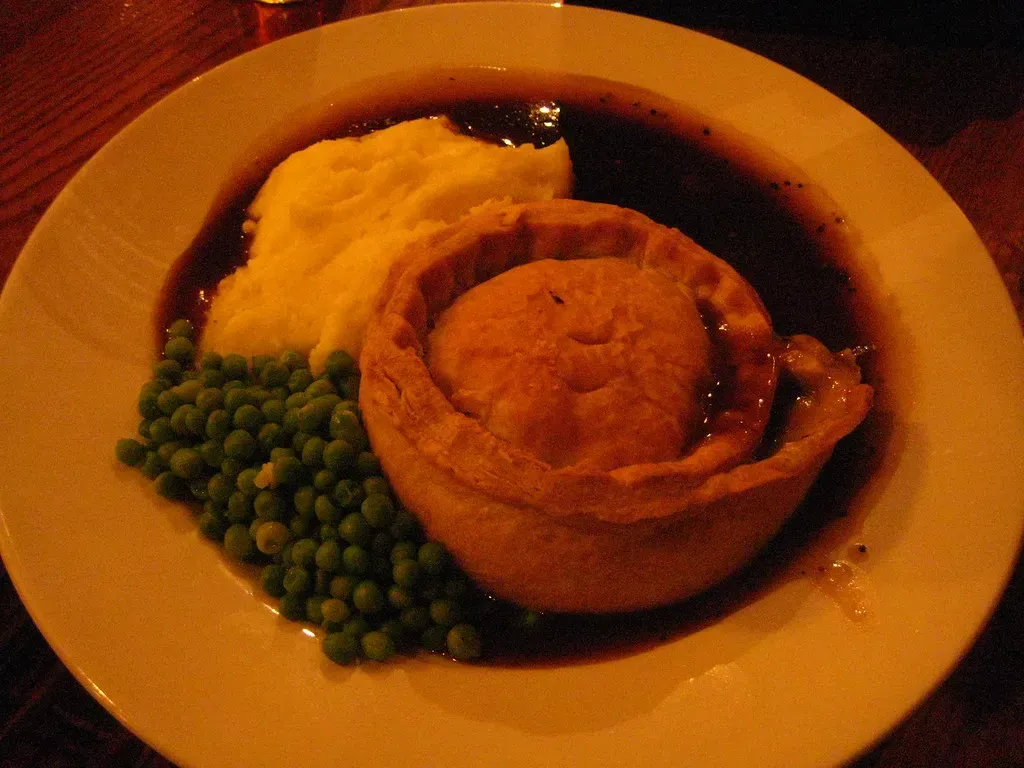
British fairs wouldn’t be the same without fish and chips. Flaky cod or haddock is battered and fried until golden, served with thick-cut chips and a generous sprinkle of salt and vinegar. Wrapped in paper and eaten straight out of the bag, it’s as quintessentially British as it gets.
The beauty of fish and chips at a fair is the setting – you’re standing in a crowd, fairground rides spinning behind you, grease staining the paper as you dig in. It’s not fine dining, but it doesn’t need to be. It’s comfort, tradition, and a taste of home all rolled into one.
Did you find yourself craving something you’ve never even tasted? That’s the power of festival food. Tell us in the comments which one you’d try first.
Partner offer
Planning a trip to Vegas?
Compare hotel rates and show tickets on VEGAS.com.