It’s hard to imagine creating something beautiful and never knowing how deeply it touched people. Yet throughout musical history, there have been artists who poured their hearts into their craft only to pass away before the world truly discovered them. These stories are equal parts heartbreaking and inspiring. They remind us that sometimes the most profound art takes years, even decades, to find its audience.
What makes these tales even more poignant is that many of these musicians died believing they had failed. Some sold only a few hundred copies of albums that would eventually move millions. Others never even developed their photographs or shared their recordings. Let’s explore the lives of ten remarkable artists who changed music forever but never knew it.
Nick Drake’s Heartbreaking Journey From Obscurity to Icon
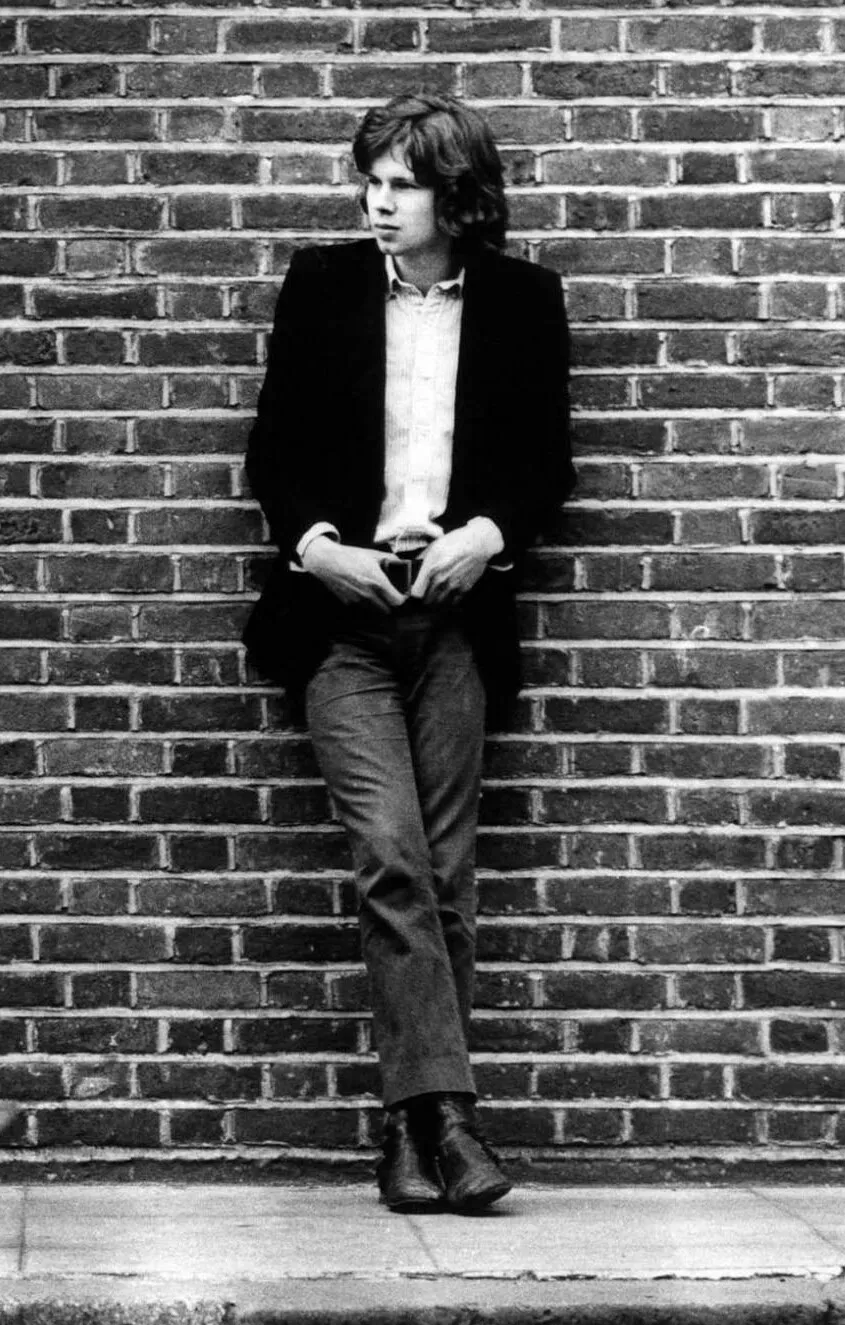
Nick Drake did not reach a wide audience during his brief lifetime, but his music found acclaim and he gradually received wider recognition following his death. Although the folk singer released three acclaimed albums from 1969 to 1972, the combined sales only totalled 20,000. His third and final album, Pink Moon, had been released two years earlier and sold fewer than 5,000 copies, but in spring 2000, it took less than three weeks for SoundScan to register an additional 5,000 sales after its title song appeared in a Volkswagen commercial. Drake was found dead at the age of 26 in November 1974 due to an overdose of antidepressants, never knowing his music would eventually inspire artists from Radiohead to Beck and become a cornerstone of modern folk music.
Vivian Maier Captured 150,000 Photographs Nobody Saw

Vivian Dorothy Maier was an American street photographer whose work was discovered and recognized after her death, having taken more than 150,000 photographs during her lifetime, primarily of the people and architecture of Chicago, New York City, and Los Angeles. She moved to Chicago’s North Shore area in 1956, where she worked primarily as a nanny and carer for the next 40 years. During her lifetime, Maier’s photographs were unknown and unpublished; many of her negatives were never developed. Maier was unaware of her rise to fame at age 82, dying a few months after her work first gained notice. Honestly, it’s staggering to think someone could create such breathtaking art and keep it locked away forever.
Eva Cassidy’s Voice That Found Millions After Death

Eva Cassidy spent years performing in small clubs around Washington D.C., struggling to find a record deal that would accept her genre-defying style. She blended jazz, blues, folk, and gospel in ways that confused record executives who wanted to market her in a single category. After releasing two albums that barely made a ripple, she died of melanoma in 1996 at just 33 years old. Two years later, a BBC radio DJ played her rendition of Over the Rainbow and the station’s phones lit up. Her posthumous compilation album Songbird eventually went multi-platinum in the UK and sold millions worldwide. She never knew that her refusal to compromise artistically would eventually be celebrated rather than rejected.
Sixto Rodriguez The Rock Star Who Didn’t Know He Was One
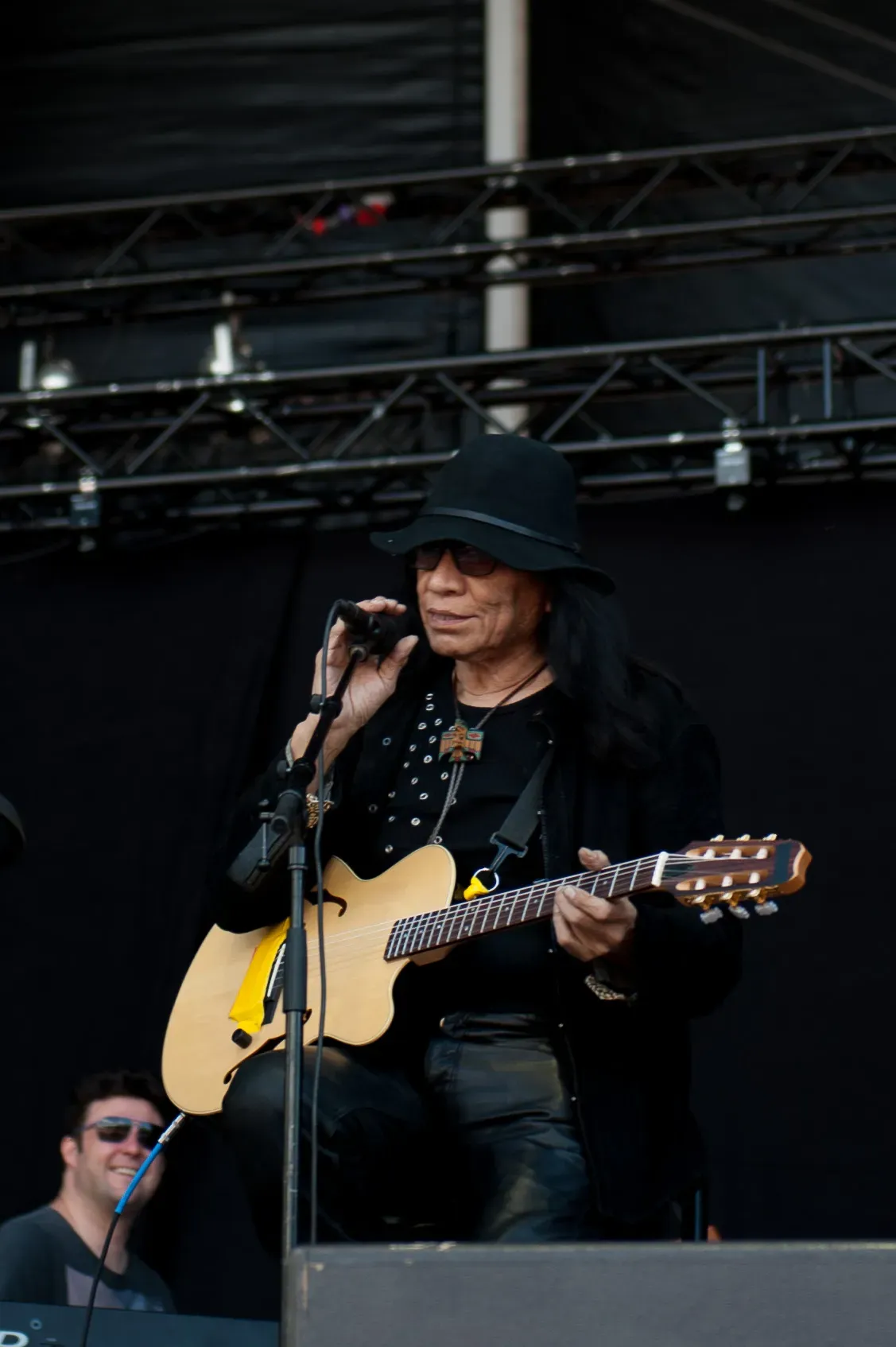
Sixto Rodriguez released two albums in the early 1970s that completely flopped in the United States, selling barely a few copies. Believing his music career was over, he returned to hard labor demolition work in Detroit. What Rodriguez didn’t know was that his albums had somehow made their way to South Africa, where they became anthems of the anti-apartheid movement. For decades, he was more famous than Elvis in South Africa while working construction jobs in America. His fans in South Africa thought he was dead. The 2012 documentary Searching for Sugar Man finally revealed his story to the world, though by then Rodriguez was in his sixties. The surreal reunion between Rodriguez and his massive fanbase remains one of music’s most bizarre and beautiful stories.
Robert Johnson Sold His Soul But Never Saw His Legacy
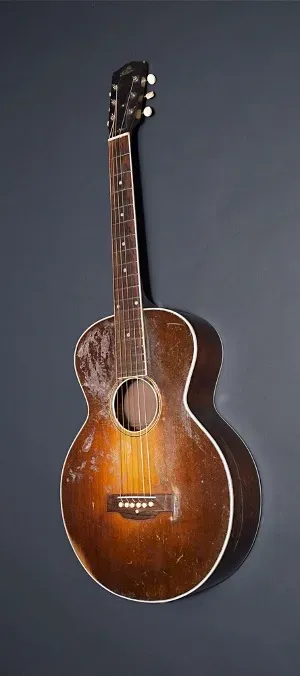
Robert Johnson recorded only 29 songs during two sessions in 1936 and 1937, then died mysteriously at age 27 in 1938. During his lifetime, his blues recordings were regional hits at best, known mainly in the Mississippi Delta. Johnson died believing he was just another traveling bluesman trying to make ends meet. Decades later, his recordings were recognized as foundational documents of American music, influencing everyone from Eric Clapton to The Rolling Stones. His guitar technique and haunting vocals essentially created the template for modern rock and blues. The legend that he sold his soul to the devil at a crossroads only added to his mystique, but Johnson himself never experienced any significant fame or financial success from his recordings.
Skip James Rediscovered Three Decades Too Late
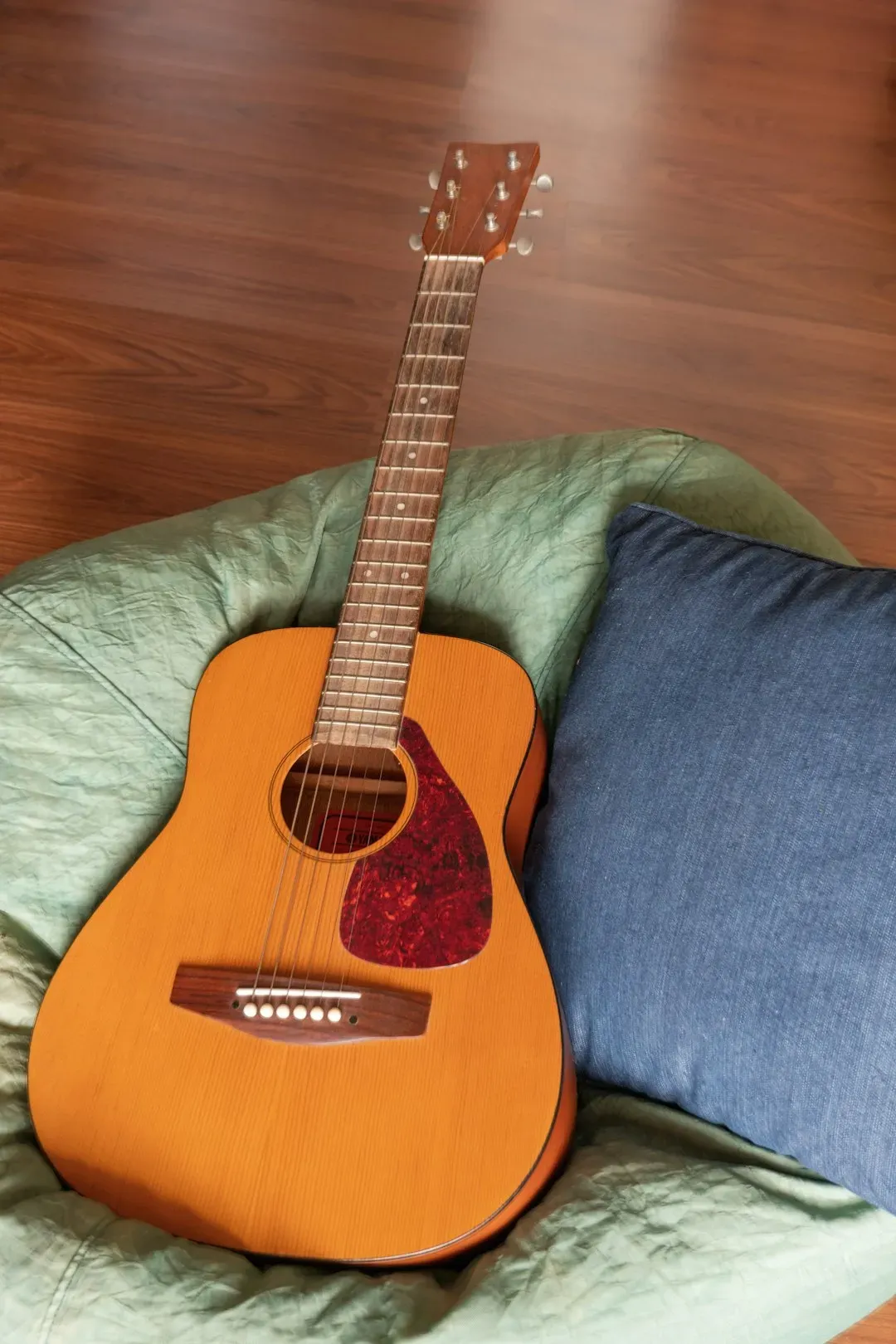
Skip James recorded his eerie, haunting blues songs in 1931, but the Great Depression destroyed any chance of commercial success. His unique guitar tunings and high, keening voice were too strange for mainstream audiences. He abandoned music entirely, became a minister, and spent decades convinced his musical career had been a complete failure. In 1964, three young music enthusiasts on a mission to find forgotten blues legends tracked him down in a Mississippi hospital. James was genuinely shocked that anyone remembered his music. He performed at the Newport Folk Festival and recorded new albums in his final years, but the revival came painfully late. He died in 1969, having experienced only a brief taste of the recognition that would grow exponentially after his death.
Jeff Buckley’s Unfinished Symphony
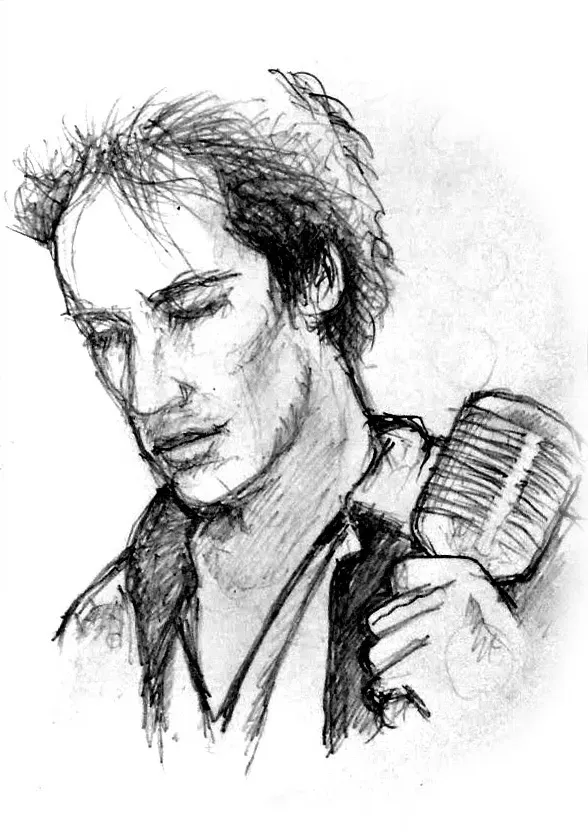
Jeff Buckley released only one complete studio album, Grace, in 1994. While critics praised it, the album initially sold poorly and Buckley struggled with the pressure of recording a follow-up. He drowned in 1997 at age 30 while swimming in the Wolf River in Memphis, leaving behind only demos and live recordings for what would have been his second album. Grace slowly built a cult following, eventually going gold and platinum in multiple countries. His cover of Leonard Cohen’s Hallelujah became one of the most beloved recordings of the song, played at countless weddings and memorials. Buckley died thinking he’d made one critically acclaimed but commercially unsuccessful album. He never knew his voice would be studied by generations of singers or that Grace would be considered one of the greatest albums of the 1990s.
Judee Sill Wrote Hymns For a World That Wasn’t Listening
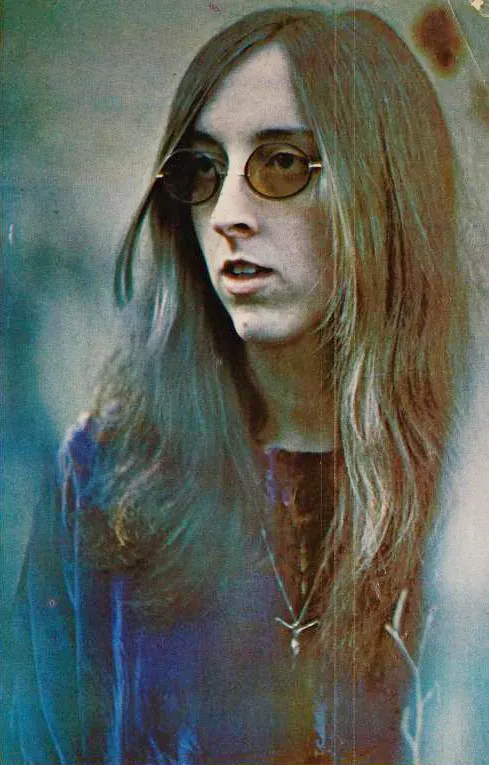
Judee Sill was the first artist signed to David Geffen’s Asylum Records in 1971, releasing two critically acclaimed albums that blended folk with baroque arrangements and spiritual lyrics. Despite the critical praise and Geffen’s support, her albums barely sold. Struggling with addiction and devastating personal setbacks, Sill died in 1979 at age 35 from a drug overdose, largely forgotten by the music industry. Her death certificate listed her as a “former musician.” Starting in the late 1990s, musicians like Shawn Colvin and the Fleet Foxes began citing her as an influence. Reissues of her albums found new audiences, and today she’s considered a pioneer who was simply too far ahead of her time. Let’s be real, the music industry failed her spectacularly.
Arthur Russell’s Thousand Different Musics
Arthur Russell was everywhere and nowhere in New York’s downtown music scene during the 1970s and 1980s. He collaborated with everyone from Allen Ginsberg to disco producers, creating avant-garde compositions, cello experiments, and dancefloor hits all while struggling to finish and release his own albums. His perfectionism meant most of his music remained unreleased when he died of AIDS-related illness in 1992 at age 40. Russell died believing he’d failed to communicate his musical vision to the world. In the 2000s, labels began excavating his vast archive of unreleased recordings. Album after album of his music emerged posthumously, revealing an artist of staggering breadth and emotional depth. He’s now recognized as one of the most innovative musicians of his generation, but he created most of his work in obscurity and poverty.
Karen Dalton The Voice Bob Dylan Couldn’t Forget
Karen Dalton possessed what Bob Dylan called his favorite singing voice, yet she only released two albums in her lifetime and both sold dismally. Her devastating interpretations of blues and folk standards were too raw and unpolished for commercial radio. Dalton struggled with addiction and poverty throughout her life, performing sporadically in small venues. She died in 1993 at age 55, homeless and largely forgotten by the music world that had once buzzed about her in Greenwich Village coffeehouses. In recent years, musicians from Nick Cave to Adele have cited her as an influence, and her albums have been reissued to critical acclaim. Dalton died on the streets, believing her music career had been a waste. She never knew future generations would treasure every note she left behind, searching desperately for any scrap of her recordings.
Looking Back At Invisible Legacies
These stories force us to confront uncomfortable truths about how we value art and artists. Fame is often a matter of timing, luck, and circumstances completely beyond an artist’s control. Nick Drake has legions of global fans and albums in his slim catalog have sold in the millions, with his final Pink Moon LP becoming his biggest posthumous hit thanks to a 1999 Volkswagen commercial featuring its title song. The same could be said for nearly everyone on this list.
There’s something profoundly unfair about artists dying in poverty and obscurity only to have their work celebrated and profited from after they can no longer benefit. Yet there’s also something beautiful about the idea that great art eventually finds its audience, even if it takes decades. These musicians created not for fame or fortune, though they certainly could have used both, but because they had to. Their art was an essential expression of who they were.
What can we learn from these tragic yet inspiring stories? Perhaps we should look more carefully at the artists working in obscurity around us right now. Maybe that struggling musician playing at the coffee shop or that photographer sharing work online that nobody seems to notice is creating something future generations will treasure. Or maybe we should simply appreciate that art doesn’t always need an audience to be valuable. These artists created their work regardless of recognition, and in doing so, they left behind something that outlasted their brief, difficult lives.
Did any of these stories surprise you? What do you think about artists who never lived to see their impact?