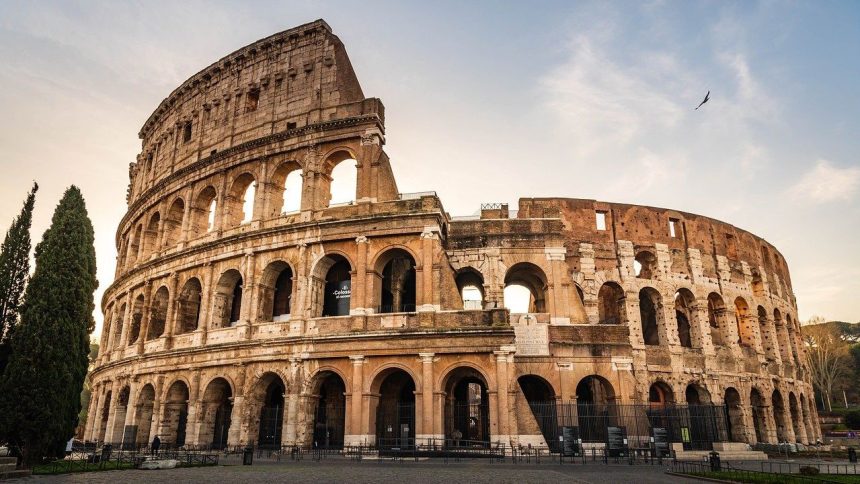
Long before the internet made the world feel small, there was a network of trade routes that did something equally revolutionary. The Silk Road wasn’t just about moving goods from one place to another. It was about people, ideas, religions, and technologies colliding in ways that forever changed civilizations. From the bustling markets of Constantinople to the caravans crossing the Taklamakan Desert, this ancient highway created connections that seem almost modern in their scope.
What’s fascinating is how these routes operated without any central authority or GPS. Merchants relied on word of mouth, handshake deals, and centuries of accumulated knowledge. Yet somehow, Chinese silk ended up in Roman togas, and Buddhist philosophy traveled thousands of miles to transform entire societies. Let’s dive into the remarkable ways this ancient network shaped our world.
Chinese Silk Became Rome’s Ultimate Status Symbol

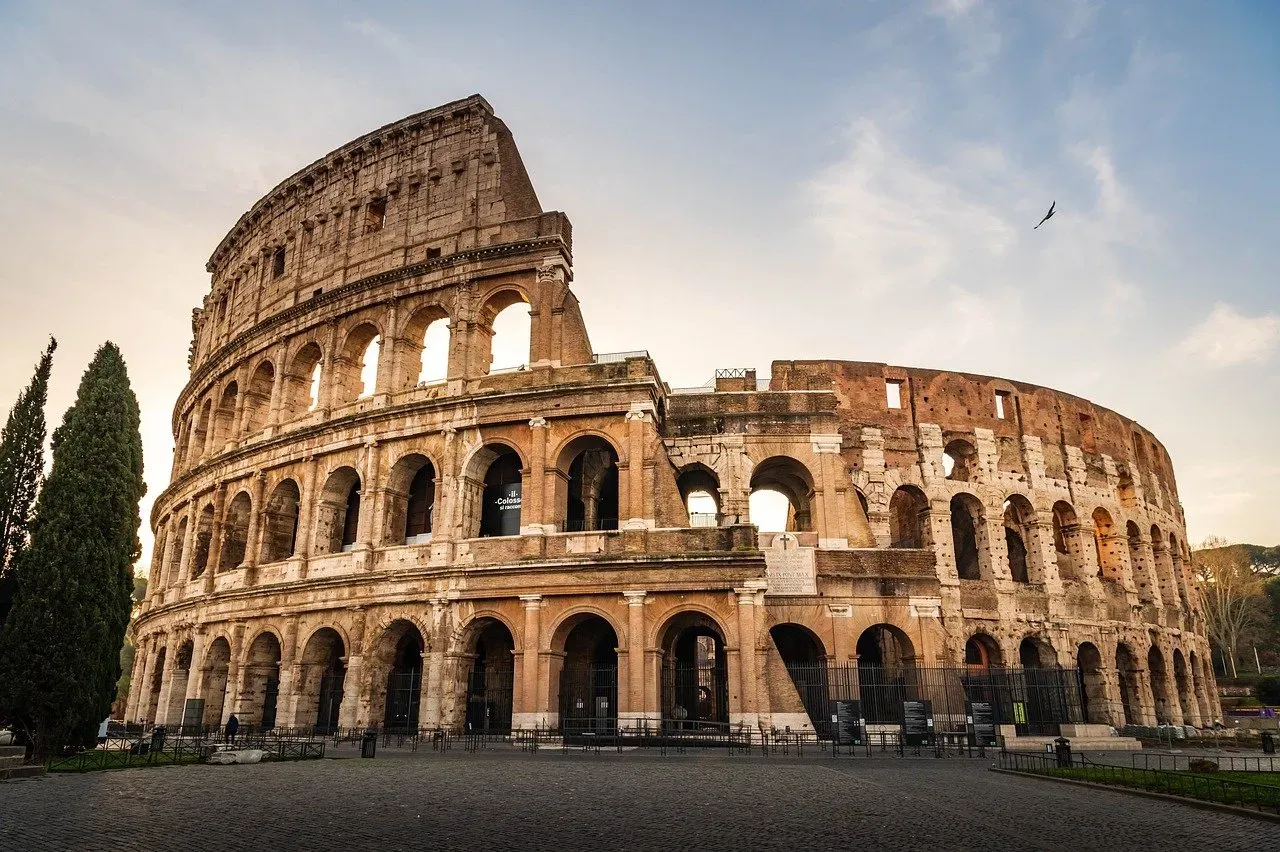
Roman aristocrats went absolutely wild for Chinese silk. They didn’t even know where it came from at first, calling the mysterious source “Seres” or “silk people.” The fabric was so valued that it literally cost its weight in gold. Roman senators actually tried to ban men from wearing it because they thought it was too feminine and extravagant, but the law failed spectacularly.
The demand was so intense that it drained Roman gold reserves. Historians estimate that the Roman Empire spent roughly fifty million sesterces annually on silk imports. That’s an astronomical sum that caused serious economic concern among Roman officials. The irony? Chinese merchants had no idea who these Romans were either, yet the trade flourished anyway.
Paper Made Its Journey West and Changed Everything

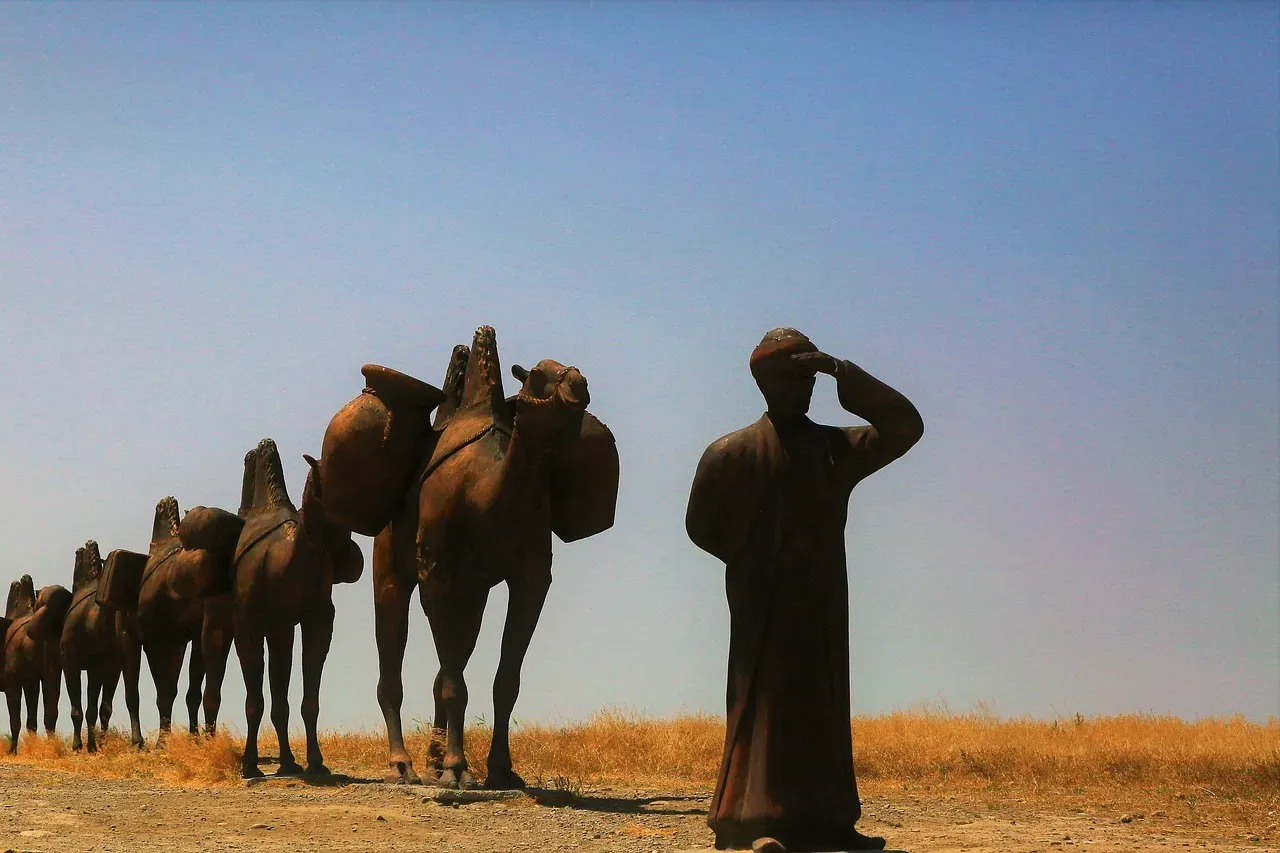
When Chinese papermaking technology traveled along the Silk Road, it revolutionized how societies kept records and shared knowledge. Before paper reached Europe, people were still using expensive parchment made from animal skins. The technology arrived in the Islamic world around 751 CE after the Battle of Talas, where Chinese prisoners of war revealed the secrets of paper production.
Within a few centuries, paper mills popped up across the Middle East and eventually Europe. This seemingly simple innovation made books more affordable and literacy more accessible. Without the Silk Road facilitating this transfer, the Renaissance and the printing revolution might have looked very different. It’s one of those quiet technological shifts that completely transformed human civilization.
Buddhism Traveled Thousands of Miles on Merchant Caravans


Buddhist monks hitched rides with merchant caravans, spreading their philosophy across Asia. The religion started in India but found its most devoted followers in China, Korea, and Japan thanks to these trade routes. Monks didn’t just carry ideas, they brought texts, art styles, and architectural concepts that transformed entire cultures.
One of the most remarkable examples is the cave temples at Dunhuang, a major Silk Road oasis. These elaborate shrines contain Buddhist art that blends Indian, Chinese, and Central Asian styles into something entirely unique. Merchants funded many of these religious sites, believing it would bring them good fortune on dangerous journeys. The connection between commerce and spirituality was surprisingly strong.
Spices Created Fortunes and Changed European Cuisine
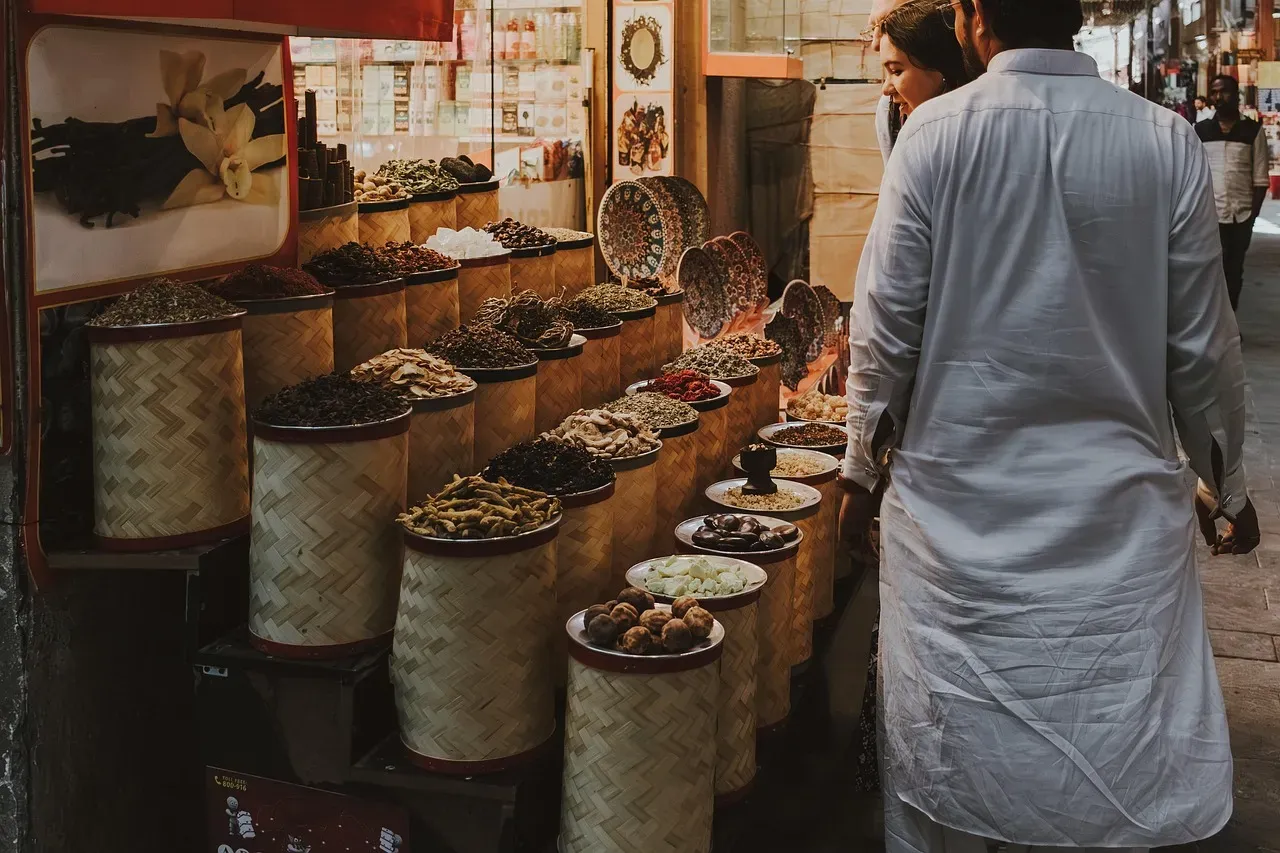
Pepper, cinnamon, and other spices traveled incredible distances before reaching European kitchens. These weren’t just flavor enhancers, they were preservation tools and status symbols. Medieval European nobles competed to show off the most exotic spices at their banquets. A single peppercorn was valuable enough to be counted individually in some transactions.
The markup on spices was staggering. Something purchased cheaply in India could be sold for hundreds of times its original price in Venice or Constantinople. This profit potential drove exploration and eventually led Europeans to seek sea routes to Asia, bypassing the Silk Road entirely. In a way, the spice trade’s success ultimately contributed to its own decline.
Mathematical Concepts Crossed Borders Through Trade


Indian mathematics, particularly the concept of zero and the decimal system, traveled westward along these routes. Arab scholars encountered these revolutionary ideas through trade connections and developed them further. Without this exchange, European mathematics might have remained stuck with cumbersome Roman numerals for much longer.
Persian mathematician Al-Khwarizmi, whose work gave us the word “algorithm,” built on knowledge that flowed along Silk Road networks. Chinese mathematicians were simultaneously developing sophisticated concepts that occasionally filtered back westward. The cross-pollination of mathematical thinking accelerated progress in astronomy, engineering, and commerce across multiple civilizations. Numbers became a universal language understood across cultural boundaries.
Gunpowder’s Recipe Spread From China to Change Warfare
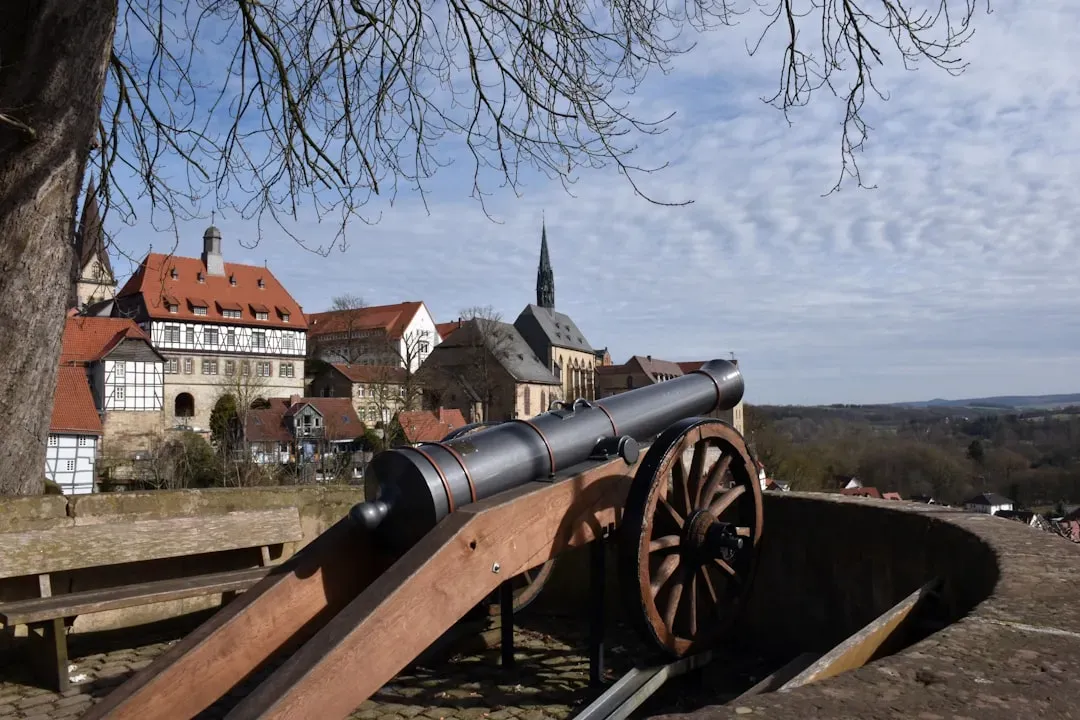
Chinese alchemists discovered gunpowder while searching for an elixir of immortality, which is darkly ironic given its eventual use. The formula traveled westward through Silk Road channels, reaching the Islamic world by the thirteenth century and Europe shortly after. This wasn’t an official transfer of technology, more like knowledge leaking through multiple points of contact.
The impact on warfare was immediate and devastating. Castles that had stood impregnable for centuries suddenly became vulnerable. The entire feudal system in Europe began to crumble because fortifications no longer guaranteed safety. What started as a Chinese chemical curiosity ended up reshaping global power structures. It’s hard to say for sure, but the modern world might look completely different if gunpowder had remained a Chinese secret.
Glass Techniques Traveled Both Directions

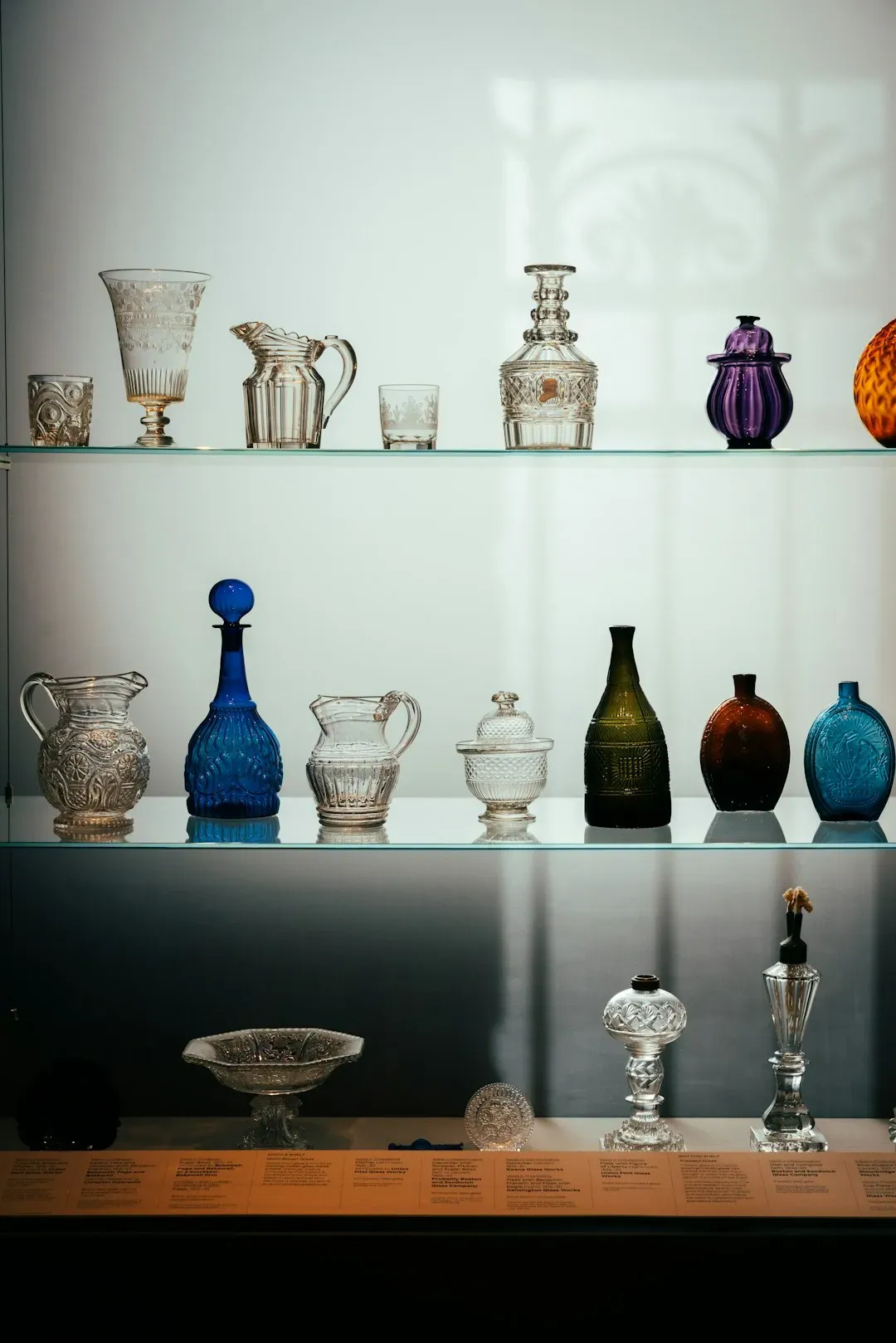
Roman glassmaking expertise impressed Eastern markets, while Islamic artisans developed techniques that eventually reached Europe. Syrian glassblowers created stunningly intricate pieces that became prized possessions across Asia. The techniques for making transparent, colorless glass spread eastward, while decorative methods traveled westward.
Chinese craftsmen were particularly fascinated by Roman glass vessels, treating them as precious treasures worthy of imperial collections. Meanwhile, European merchants coveted Islamic glassware with its sophisticated enamel work. This two-way exchange of techniques gradually improved glassmaking everywhere, leading to better windows, containers, and eventually optical instruments. The technology was shared through observation, imitation, and the occasional hired expert willing to reveal trade secrets.
Musical Instruments and Melodies Blended Along the Routes


The lute traveled from Persia to Europe, becoming a foundational instrument in Western classical music. Chinese instruments influenced Central Asian music, which in turn affected Persian traditions. Merchants didn’t just carry goods, they brought entertainment for long desert nights and introduced new sounds to each stop.
Court musicians sometimes traveled with diplomatic missions, performing for foreign rulers and inadvertently spreading musical concepts. The result was a gradual blending of scales, rhythms, and instrument designs across vast distances. You can still hear echoes of these ancient exchanges in modern music from regions that bordered the Silk Road. The silk route created a sort of continuous musical conversation spanning thousands of miles.
Culinary Traditions Mixed in Unexpected Ways


Noodles might have traveled from China to Italy, though food historians still debate this hotly. What’s certain is that Central Asian cuisines absorbed influences from every direction, creating fusion food centuries before the term existed. Samsa pastries, dumplings, and various bread styles show clear evidence of cross-cultural culinary exchange.
Almonds, pistachios, and pomegranates spread along these routes, transforming regional cuisines. Cooking techniques traveled alongside ingredients, so tandoor-style ovens appeared in various forms across multiple cultures. Medieval cookbooks from different regions sometimes feature surprisingly similar recipes, testament to centuries of shared knowledge. Food has always been one of the most effective cultural ambassadors.
Artistic Styles Merged to Create New Aesthetics

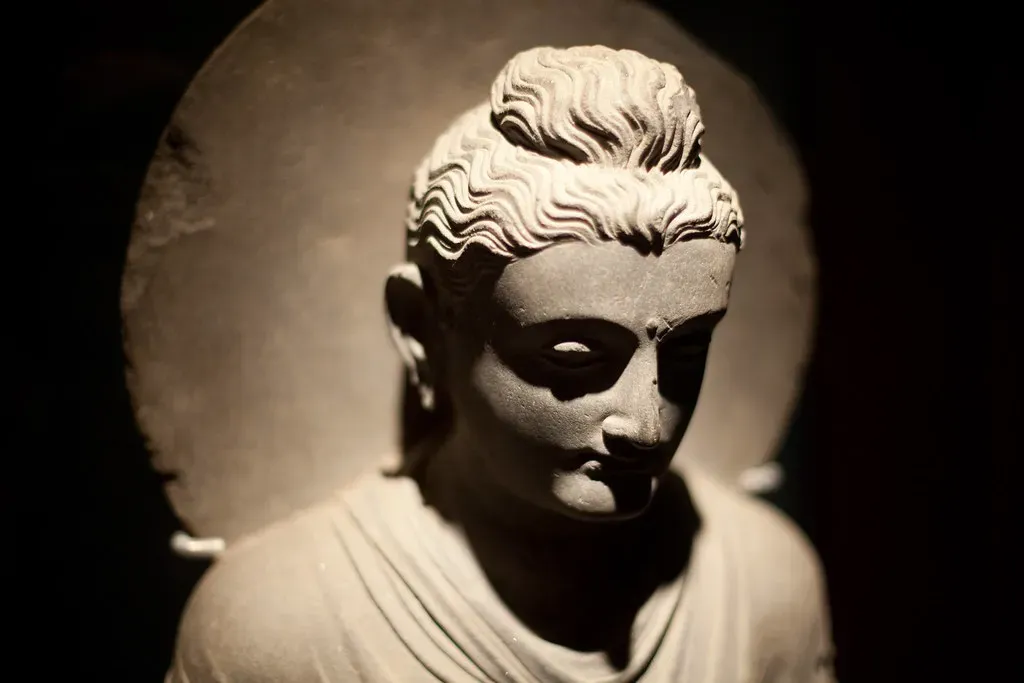
Greco-Buddhist art emerged when Hellenistic artistic traditions met Buddhist religious concepts in Gandhara. The resulting sculptures featured Buddha with distinctly Greek facial features and flowing robes inspired by Classical statuary. This wasn’t cultural appropriation, it was genuine synthesis happening in real time.
Chinese artists adopted Persian motifs, while Persian miniature painting showed Chinese influences in landscape techniques. The famous “blue and white” Chinese porcelain style actually drew inspiration from Islamic ceramics imported along the Silk Road. Art historians can trace specific design elements hopping from culture to culture like a creative relay race. Each civilization added its own twist before passing ideas along.
Medical Knowledge Was Shared Through Translation Projects

Greek medical texts reached the Islamic world, where scholars translated and expanded upon them. Chinese acupuncture concepts traveled westward, though they were often misunderstood or adapted beyond recognition. Medical practitioners in major Silk Road cities like Samarkand had access to healing traditions from multiple continents.
Persian physicians compiled medical encyclopedias that drew from Indian, Chinese, and Greek sources. These comprehensive works eventually made their way to Europe through Arabic translations. The exchange wasn’t always smooth. Some remedies worked brilliantly in new contexts, others failed completely because they relied on locally available ingredients. Still, the cross-pollination of medical knowledge saved countless lives and advanced the healing arts everywhere.
Textile Techniques Beyond Just Silk
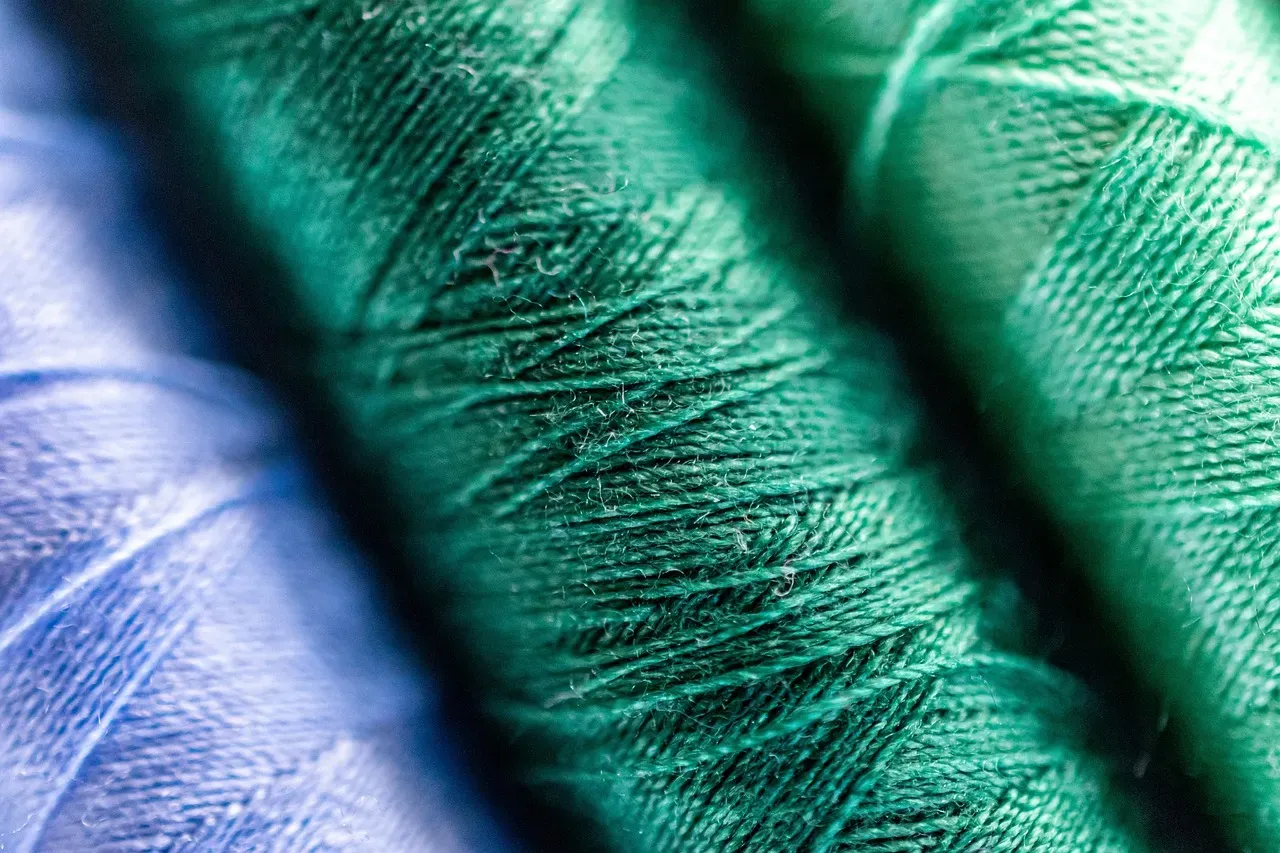
Cotton weaving methods spread from India across Asia and eventually reached Europe. Persian carpet-making techniques influenced Chinese rug production. The technology for creating specific dyes and patterns transferred through merchants who observed workshops and occasionally bribed artisans for trade secrets.
Wool processing techniques improved as methods were shared and refined. Byzantine silk production attempted to replicate Chinese methods after silkworm eggs were smuggled westward in hollow bamboo canes. The textile industry everywhere benefited from this constant exchange of techniques, tools, and materials. Fashion trends also traveled these routes, making certain colors or patterns suddenly fashionable across vast distances.
Languages Borrowed Words From Each Other

Persian became a lingua franca for trade across Central Asia, leaving lasting marks on numerous languages. Chinese absorbed foreign words for new products and concepts arriving from the west. Arabic terms entered European languages through Silk Road connections, giving us words like “cotton,” “sugar,” and “orange.”
Multilingual merchants developed pidgin languages to facilitate trade in bustling market cities. These temporary linguistic bridges sometimes evolved into more permanent linguistic features. The Sogdian language served as a primary trade language for centuries, leaving traces in texts from Mongolia to Syria. Written communication also evolved, with writing systems occasionally influencing each other through these prolonged contacts.
Astronomical Knowledge Traveled With Caravans
Chinese astronomical observations impressed Islamic scholars, who incorporated them into their own star charts. Greek astronomical models reached India and China, where they were tested against local observations and sometimes improved upon. Navigation techniques for desert travel required sophisticated star knowledge that was freely shared among caravan leaders.
The astrolabe, refined in the Islamic world, eventually reached Europe and became essential for later maritime exploration. Calendrical systems were compared and debated, leading to improvements in timekeeping across multiple cultures. Persian astronomers built on Greek foundations while incorporating Indian mathematical techniques, creating increasingly accurate models of celestial movements. The practical needs of long-distance travel encouraged serious attention to the stars.
Architectural Innovations Spread Through Observation
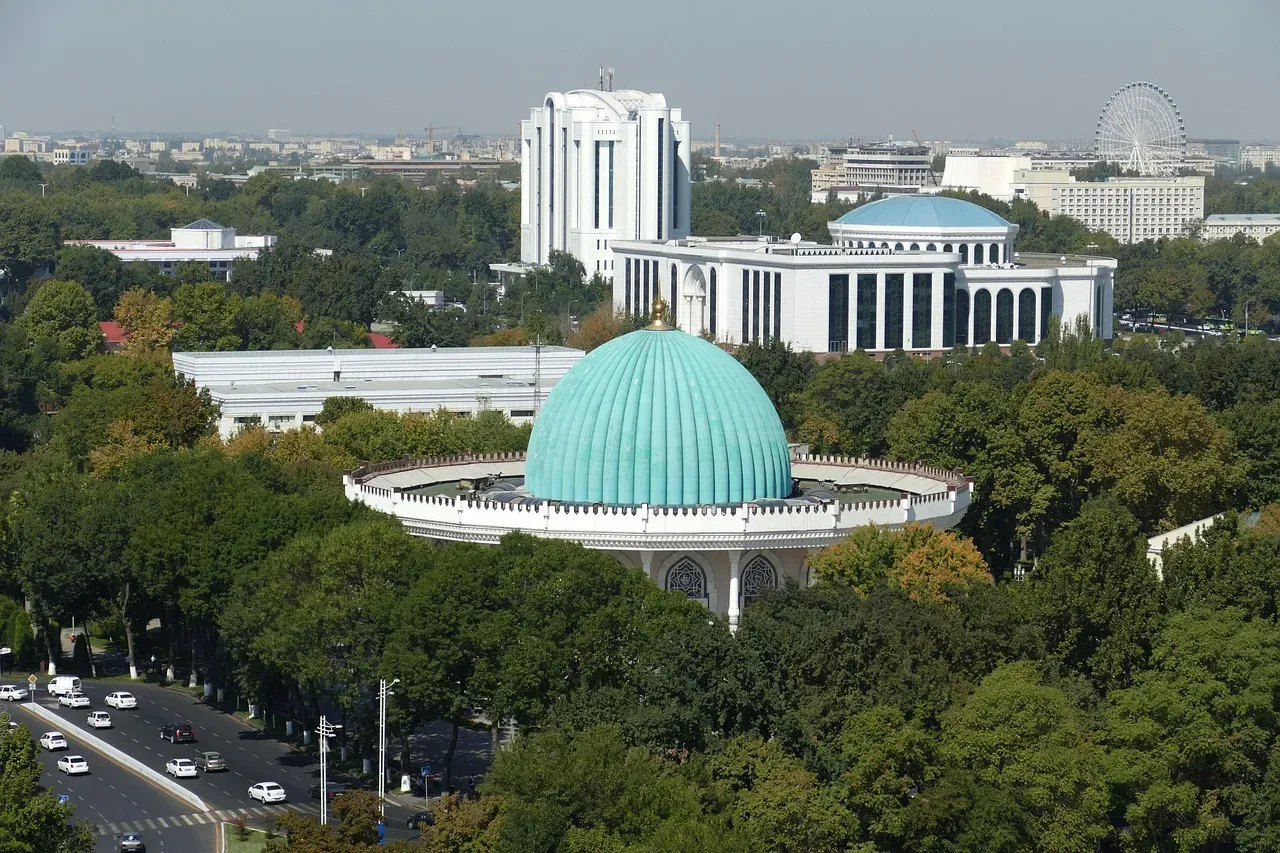
The arch and dome designs moved between Persian, Byzantine, and Islamic traditions. Chinese pagoda architecture influenced building styles in Korea and Japan. Caravanserais themselves became standardized across the Silk Road, offering similar layouts and amenities from Turkey to China.
Building techniques for earthquake resistance were particularly valued knowledge in seismically active regions. Stone carving methods and decorative approaches moved with skilled craftsmen who sought employment in foreign courts. The distinctive Islamic geometric patterns eventually influenced European design sensibilities. You can walk through Silk Road cities today and see buildings that clearly reference architectural ideas from thousands of miles away.
Diplomatic Practices Became More Sophisticated

The concept of diplomatic immunity developed partly through necessity along these routes. Ambassadors needed safe passage through multiple territories, leading to gradually accepted protocols. Gift-giving practices became elaborate diplomatic art forms, with each culture learning what others valued most.
Marriage alliances between distant kingdoms were arranged along Silk Road networks. Chinese princesses married Central Asian rulers, bringing cultural influences with them. Treaties required translation expertise, leading to the development of diplomatic language conventions. These practical arrangements for managing long-distance relationships between states laid groundwork for modern international relations. The need for peaceful trade encouraged surprisingly sophisticated diplomatic mechanisms.
Metallurgy Techniques Were Carefully Guarded but Still Spread
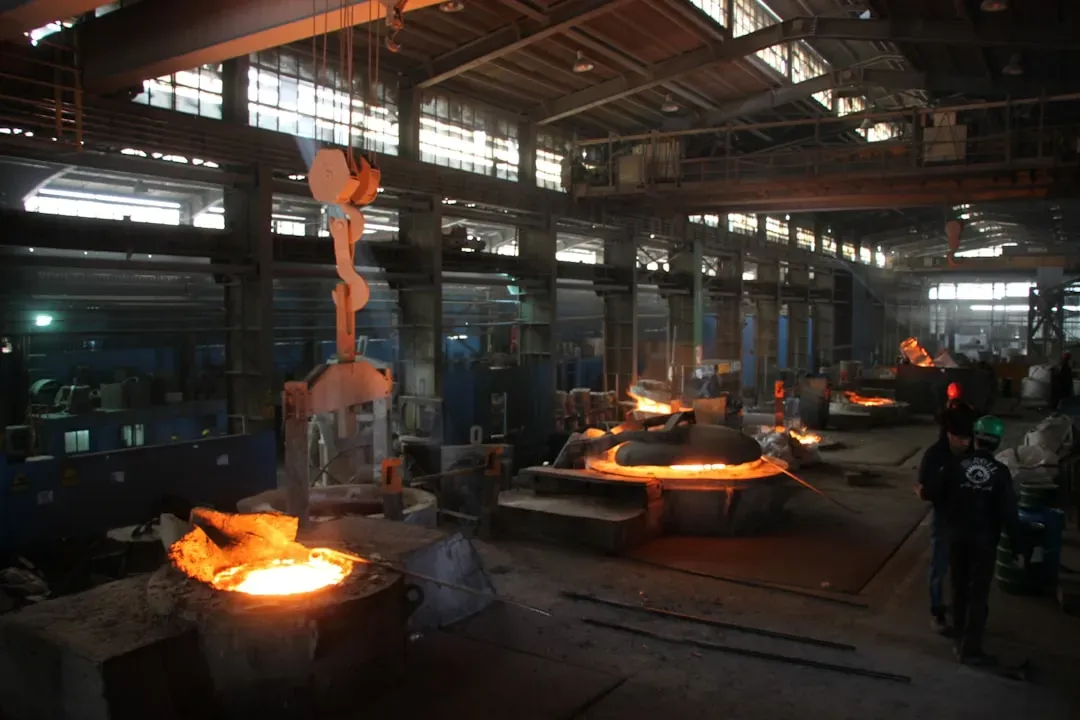
Damascus steel became legendary partly because of secrets learned through Silk Road connections. Chinese iron-working methods gradually influenced production elsewhere. Bronze-casting techniques moved between civilizations, with each adding refinements.
Gold and silver working reached extraordinary levels of sophistication through shared knowledge. Jewelry-making techniques from one region inspired innovations elsewhere. The actual secrets of metallurgy were closely guarded, but enough leaked through observation and the occasional defecting craftsman to spread improvements widely. Mining techniques also traveled these routes, making resource extraction more efficient across multiple regions.
Legal Concepts Influenced Each Other


Contract law became more sophisticated to handle complex international trade arrangements. The concept of bills of exchange developed to avoid transporting massive amounts of coins. Different legal traditions encountered each other in cosmopolitan trade cities, leading to creative solutions for resolving disputes between parties from different cultures.
Property rights concepts were debated and adapted as merchants dealt with unfamiliar legal systems. The idea of commercial partnerships evolved through practical necessity when traders from different backgrounds needed to pool resources. These legal innovations eventually filtered back to home regions, influencing domestic law codes. The merchant communities along the Silk Road essentially created early versions of international commercial law through daily practice.
Agricultural Products Transformed Regional Economies

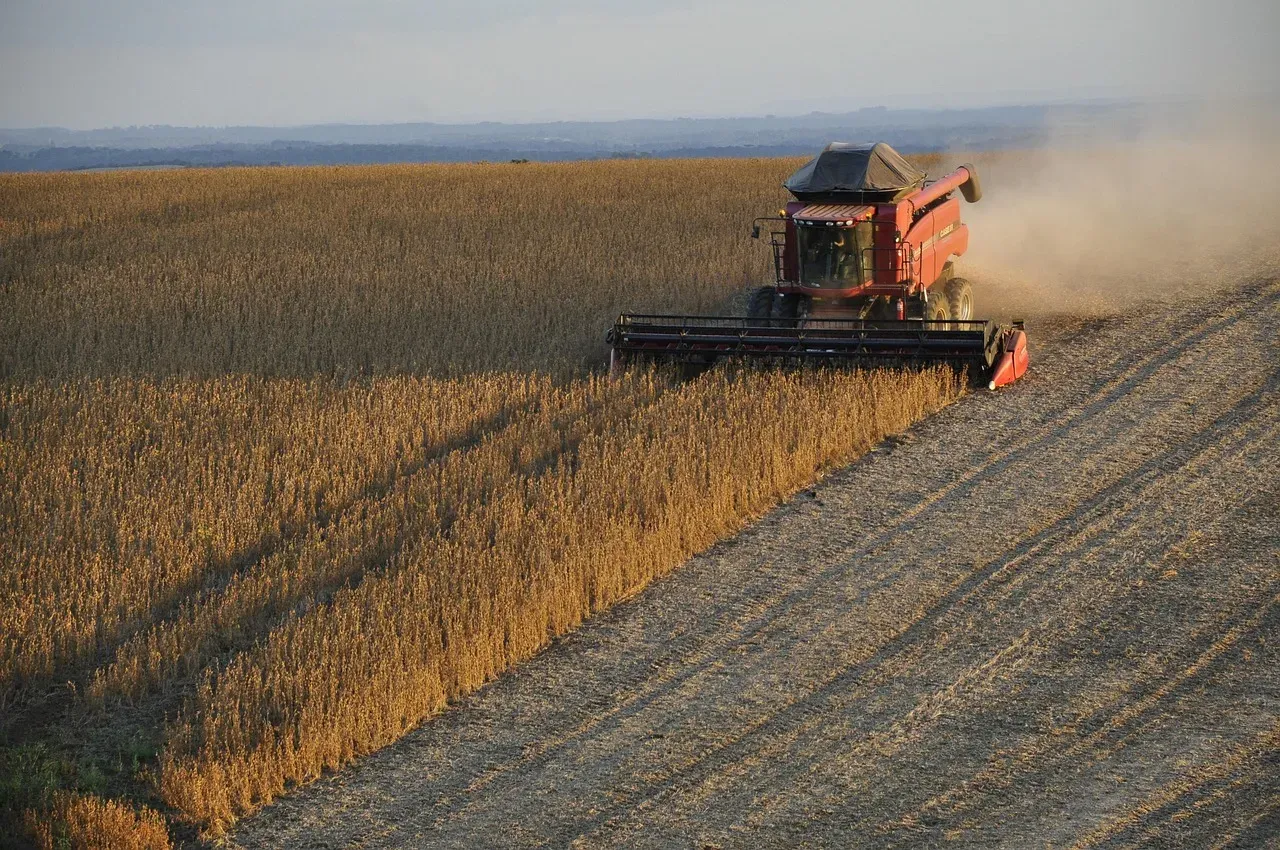
The humble grape traveled from Central Asia to China, kickstarting viticulture in new regions. Peaches made the reverse journey, heading westward and eventually becoming associated with Persia (hence “Persian apple” in some languages). Citrus fruits spread along these routes, gradually moving from Asia to the Mediterranean.
Cotton cultivation expanded dramatically as knowledge of optimal growing conditions spread. Rice varieties were exchanged and adapted to new climates. Sugar cane moved from South Asia to the Middle East and eventually to Europe. These agricultural transfers weren’t always immediate successes. Sometimes it took generations to figure out how to grow foreign crops in new environments, but persistence paid off spectacularly.
Religious Tolerance Emerged From Commercial Necessity

Major Silk Road cities became remarkably multicultural by necessity. Nestorian Christians, Zoroastrians, Buddhists, Muslims, and others lived side by side because trade required it. Merchants learned that religious persecution was bad for business, leading to practical tolerance that was unusual for the era.
Synagogues, churches, mosques, and temples stood within blocks of each other in major trading hubs. Religious festivals from different traditions became community celebrations that everyone enjoyed. This wasn’t utopia, tensions and conflicts certainly occurred. But the economic benefits of maintaining peaceful coexistence generally won out. The cosmopolitan nature of Silk Road society created environments where ideas could cross-pollinate more freely than in culturally isolated regions.
What We Can Learn From These Ancient Connections
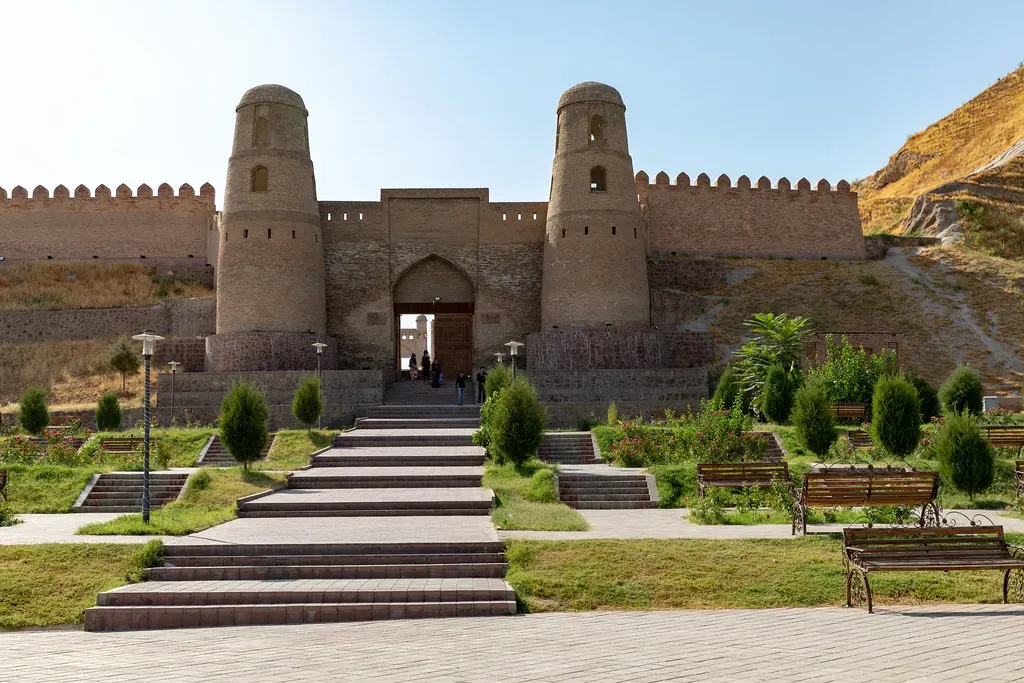
The Silk Road proves that globalization isn’t a modern invention. People have always been curious about distant places and eager to acquire foreign goods and ideas. What made these ancient networks work was mutual benefit and the willingness to engage with different cultures on relatively equal terms.
The routes flourished not through conquest or dominance, but through voluntary exchange and genuine fascination with the unfamiliar. Perhaps that’s the most important lesson from this ancient network. Human societies have always been interconnected, and we’ve historically thrived when we embrace that connection rather than resist it. The merchants, monks, and travelers of the Silk Road understood something fundamental about human nature, we’re at our best when we’re learning from each other.
Looking at how much the ancient world accomplished through these trade routes makes you wonder what we’re capable of today with our vastly superior communication technology. What do you think about how ancient connections shaped our modern world? Tell us in the comments.