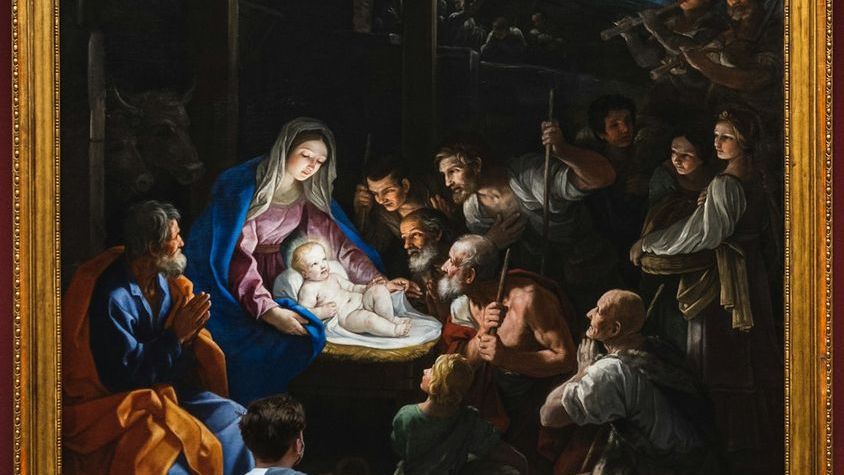
Walk into any major art museum today and you’ll find masterpieces worth millions that were once dismissed as garbage. It’s wild when you think about it. The same painting that now stops crowds in their tracks once couldn’t find a single buyer. Artists who died penniless are now household names. Their work hangs in the most prestigious galleries on earth.
This phenomenon isn’t rare. It happens constantly throughout art history. Something about certain paintings makes them invisible to their own time. Decades pass before people finally see what was there all along. The reasons behind this delayed recognition reveal as much about human psychology as they do about art itself. Let’s dive into twenty fascinating explanations for why some paintings take generations to find their audience.
1. The Work Was Too Far Ahead of Its Time
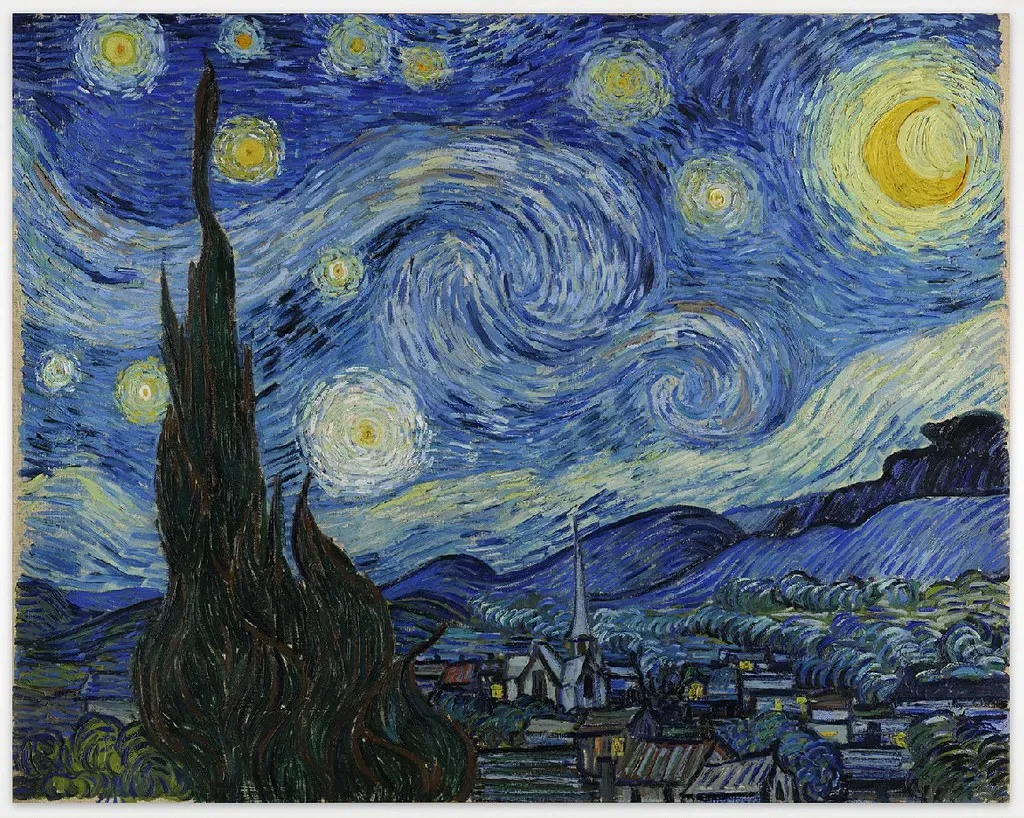
Some artists create visual languages that their contemporaries simply cannot decode. Vincent van Gogh’s swirling, emotional brushwork looked like madness to 1880s viewers trained on smooth, realistic paintings. His technique felt wrong, even offensive. People expected art to hide the artist’s hand, not celebrate it.
The Impressionists faced similar rejection. Critics called their work unfinished sketches rather than proper paintings. What we now see as revolutionary capturing of light looked sloppy and incomplete to Victorian eyes. Sometimes an artwork needs the future to catch up with it.
These visionaries paid a brutal price for their innovation. They worked in isolation, poverty, and doubt. Yet their radical visions eventually reshaped how entire generations learned to see.
2. Shifting Cultural Values Changed What Matters
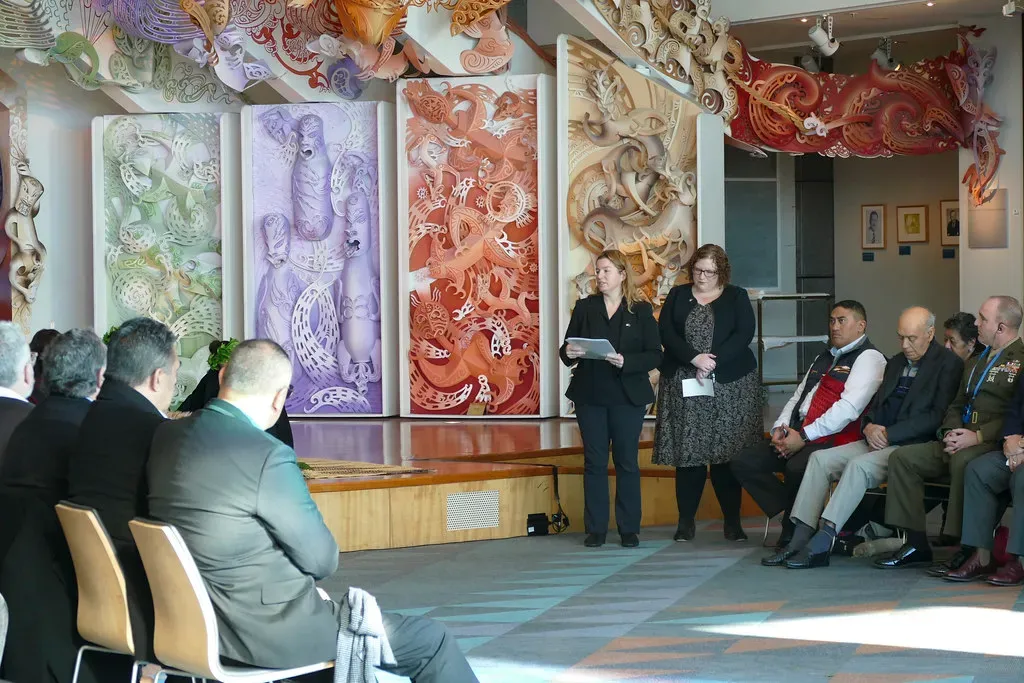
Art doesn’t exist in a vacuum. What a society values deeply influences which paintings it celebrates. During times of war, heroic battle scenes dominate. In periods of prosperity, domestic scenes and still lifes rise in popularity.
Paintings depicting everyday women’s labor were dismissed as trivial for centuries. Then feminist movements transformed how we value domestic spaces and women’s experiences. Suddenly those “minor” works became culturally significant. The paintings hadn’t changed, but the world looking at them had.
This explains why some artwork feels urgent in one era and invisible in another. Cultural priorities act like spotlights, illuminating different parts of our artistic heritage at different moments.
3. The Artist Lacked Powerful Connections
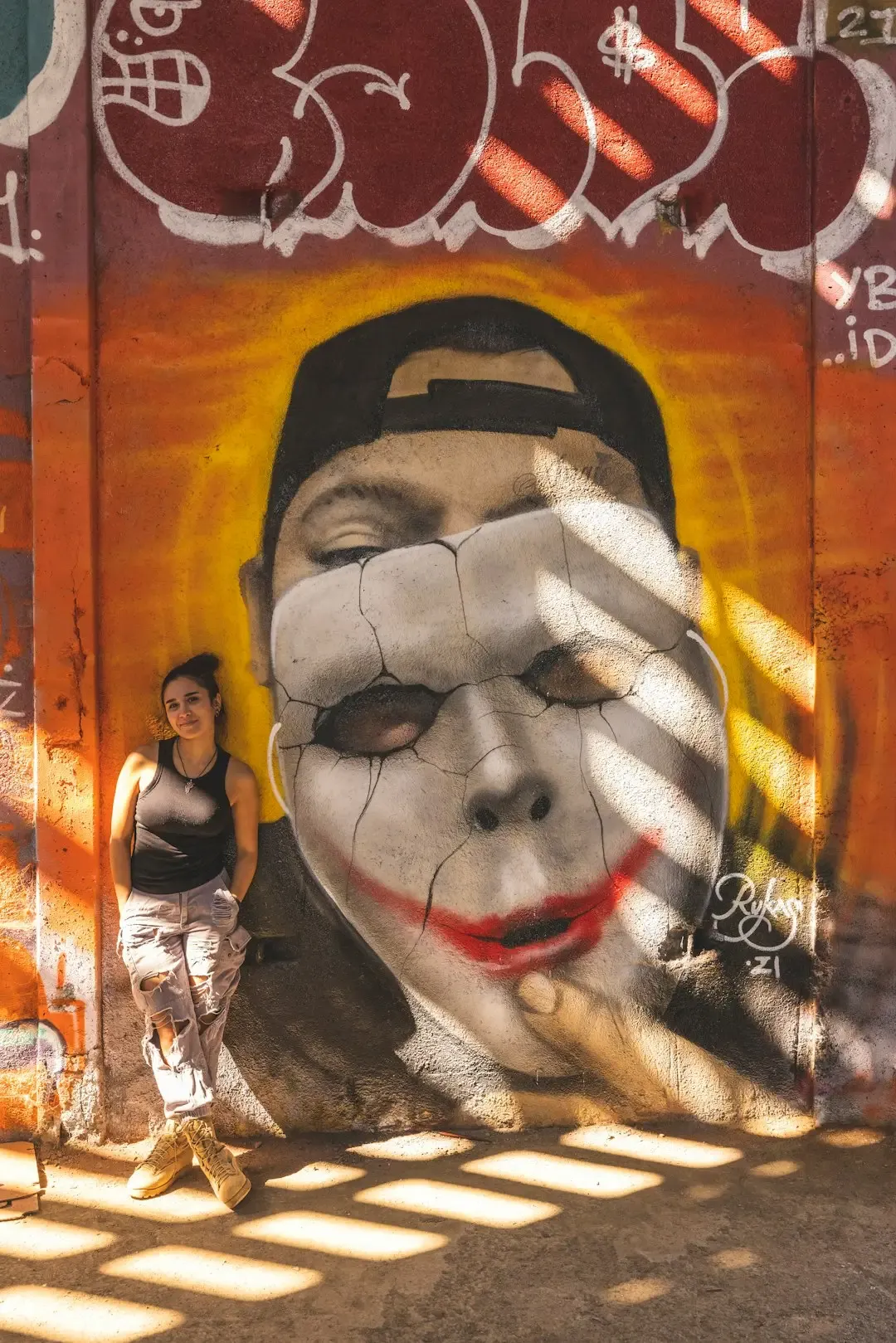
Let’s be real about the art world. It’s never been a pure meritocracy. Who you know matters enormously. Artists with wealthy patrons, gallery connections, or influential friends get noticed. Those without these advantages often disappear, no matter how talented.
Many forgotten artists were women or people of color systematically excluded from elite circles. Their work sat in attics and basements while connected mediocrities filled museum walls. Only recent scholarship has begun recovering these lost voices.
Success in art requires not just talent but access, opportunity, and advocates. Without those elements, even brilliant work can vanish for generations until someone finally rediscovers it.
4. The Subject Matter Was Considered Inappropriate
Societies have always censored art that challenges their moral boundaries. Paintings featuring nudity, sexuality, or controversial politics often face immediate rejection. They get hidden away, sold privately, or destroyed entirely.
Gustave Courbet’s “L’Origine du monde” was too explicit for 19th-century audiences. The painting remained hidden in private collections for over a century. Now it’s recognized as a masterwork of realism, but early viewers found it scandalous and obscene.
Time softens these moral panics. What once shocked eventually becomes accepted, even celebrated. The painting waits patiently while society’s comfort level catches up to the artist’s courage.
5. Dominant Art Movements Overshadowed Everything Else
When a particular style dominates, it creates blind spots. During the height of Abstract Expressionism in the 1950s, representational painting was dismissed as outdated. Talented realist painters working during that period couldn’t get gallery shows or critical attention.
Decades later, when artistic pluralism returned, these overlooked works suddenly found audiences. The paintings hadn’t changed their quality. They’d simply been created during a moment when the art establishment only had eyes for one approach.
Artistic movements function like fashions. They rise, dominate completely, then fade. Work created outside the dominant trend often needs to wait for the next shift before anyone notices it.
6. Technical Innovations Revealed Hidden Qualities
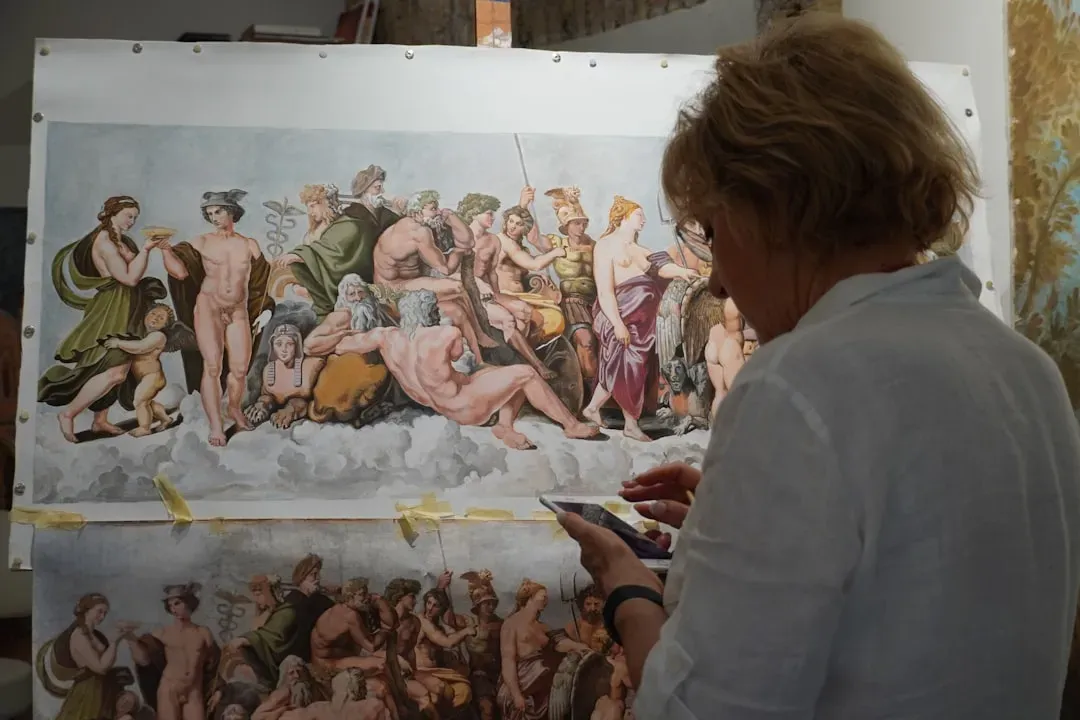
Modern conservation techniques and imaging technology have transformed how we see old paintings. X-rays reveal underpaintings and artist revisions. Infrared imaging shows details invisible to the naked eye. Cleaning removes centuries of yellowed varnish.
Some paintings looked muddy and dark for generations simply because dirt and discolored varnish obscured their true colors. Once properly cleaned and restored, these works revealed themselves as luminous masterpieces. The beauty was always there, just buried under time’s accumulation.
Technology also helps authenticate questioned works. Paintings dismissed as copies sometimes turn out to be genuine originals once scientific analysis confirms their age and materials.
7. The Artist’s Personal Story Gained Tragic Romance
Art history loves a tragic narrative. Artists who suffered, struggled, and died young often achieve posthumous fame partly because their life stories captivate audiences. The work gets reevaluated through the lens of biographical drama.
This isn’t entirely fair to the art itself, but it’s human nature. We connect more deeply with paintings when we know the artist’s struggles. That emotional context makes us look longer, think harder, and feel more intensely about what we’re seeing.
Sometimes the tragic story is the key that unlocks broader appreciation. People come for the drama and stay for the genuine artistic achievement they hadn’t noticed before.
8. A Famous Collector Finally Noticed
The art market responds powerfully to tastemakers. When a respected collector, major museum, or influential critic champions a forgotten artist, everything changes overnight. Their endorsement signals to others that this work deserves attention.
Peggy Guggenheim’s support launched careers. Her belief in certain artists gave them credibility that opened doors everywhere else. One prominent collector’s enthusiasm can spark a complete reevaluation of an artist’s entire body of work.
This reveals the art world’s herd mentality. People trust certain authorities to tell them what matters. Once those authorities speak, the broader public follows.
9. The Work Predated Critical Vocabulary to Describe It

Sometimes paintings create problems that take decades to articulate. Critics simply lack the language to discuss what makes the work significant. They can see something’s happening but can’t explain what or why.
Paul Cézanne’s spatial experiments confused early viewers. He was dismantling and rebuilding perspective in ways that wouldn’t be fully understood until Cubism provided a framework for discussion. The work existed before the critical tools to appreciate it.
As art theory evolves, it creates new lenses for viewing old work. Paintings that seemed merely odd suddenly become legible once the right conceptual framework exists to interpret them.
10. It Was Overshadowed by the Artist’s More Famous Works
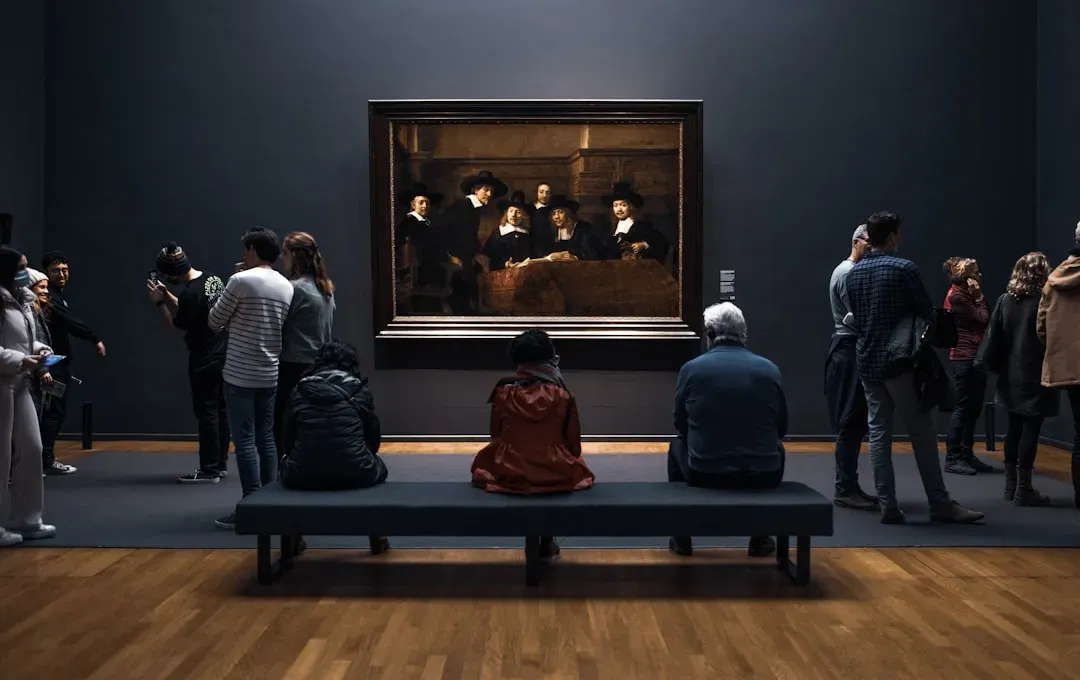
Major artists often have a few iconic pieces that dominate their reputation. Their other works get overlooked, dismissed as minor efforts or preliminary studies. Only later scholarship reveals the depth and significance of these “lesser” paintings.
Rembrandt’s late self-portraits were considered failures during his lifetime. People preferred his earlier, more polished style. Now those raw, honest late works are viewed as his greatest achievements, but that recognition took centuries to develop.
An artist’s reputation can work against full appreciation of their range. The famous pieces cast such long shadows that everything else disappears into darkness until someone bothers to look again.
11. Changing Museum Display Practices Altered Context
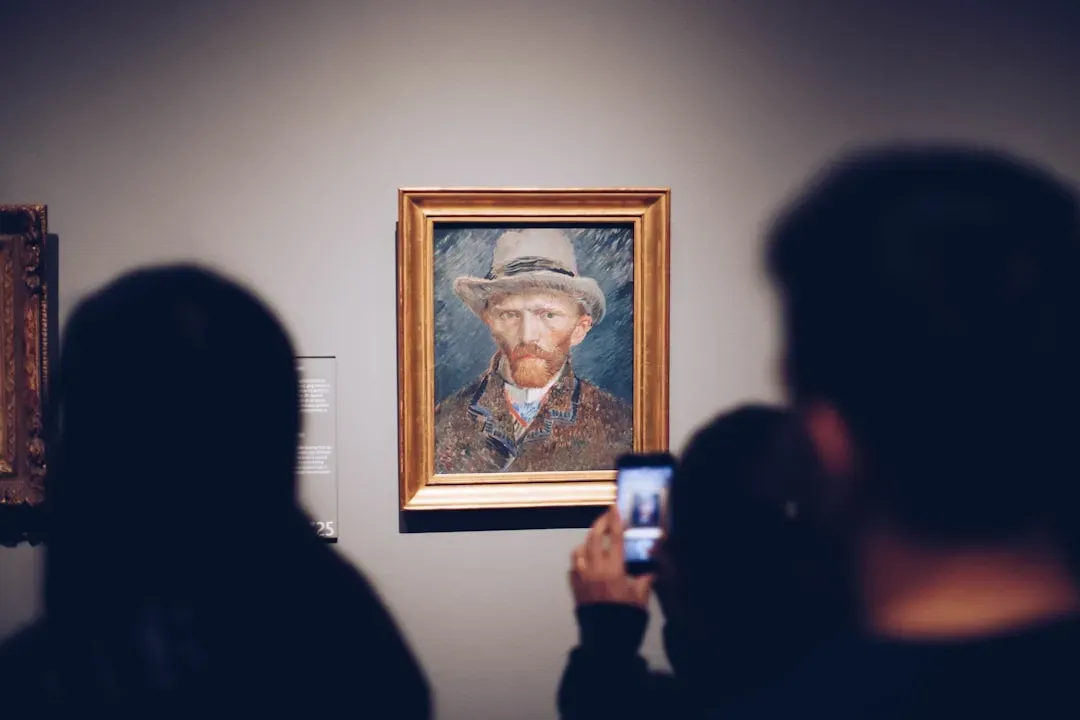
How museums hang paintings dramatically affects how we see them. For generations, galleries crammed walls floor-to-ceiling with gilded frames. Important works got lost in visual chaos. Modern display practices give each painting breathing room and proper lighting.
Context matters enormously. A painting that looked mediocre surrounded by fifty others might reveal itself as extraordinary when properly isolated and lit. The work was always good, but the presentation obscured its qualities.
Museum curation is itself an evolving art form. As display philosophies change, different paintings get their moment to shine properly for the first time.
12. Forgeries and Misattributions Confused Its Status
The art market has always struggled with authentication. Paintings get wrongly attributed to lesser artists or dismissed as copies when they’re actually originals. These mistakes can persist for generations before proper scholarship corrects them.
Once a painting enters the permanent collection under a wrong name, momentum works against correction. Museums resist admitting errors. Dealers fear market disruption. The truth can take decades to emerge and be accepted.
Some masterpieces spent years hanging in obscure provincial museums under completely wrong attributions. Only patient research and modern scientific analysis finally revealed their true creators and significance.
13. The Colors Had Faded or Changed Over Time
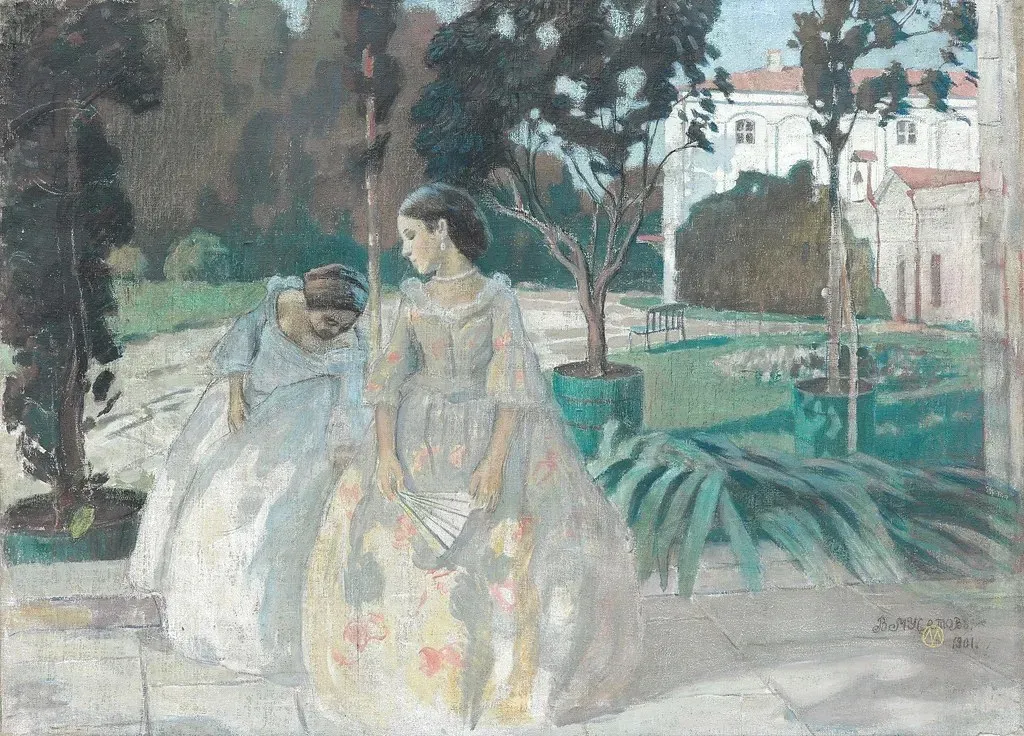
Paint chemistry isn’t stable. Some pigments fade, darken, or change color entirely over decades. Paintings can look completely different from how they appeared when first created. What we see now might barely resemble the artist’s original vision.
Certain old works that seem brown and murky were once vibrant and colorful. The blues turned green, the reds darkened to brown, and the overall palette shifted dramatically. Viewers judged the faded version without knowing the original brilliance.
Conservation efforts that reverse or account for these changes sometimes reveal why a painting was originally celebrated. The restoration returns qualities that had been lost to time and chemistry.
14. Academic Rediscovery Sparked Broader Interest
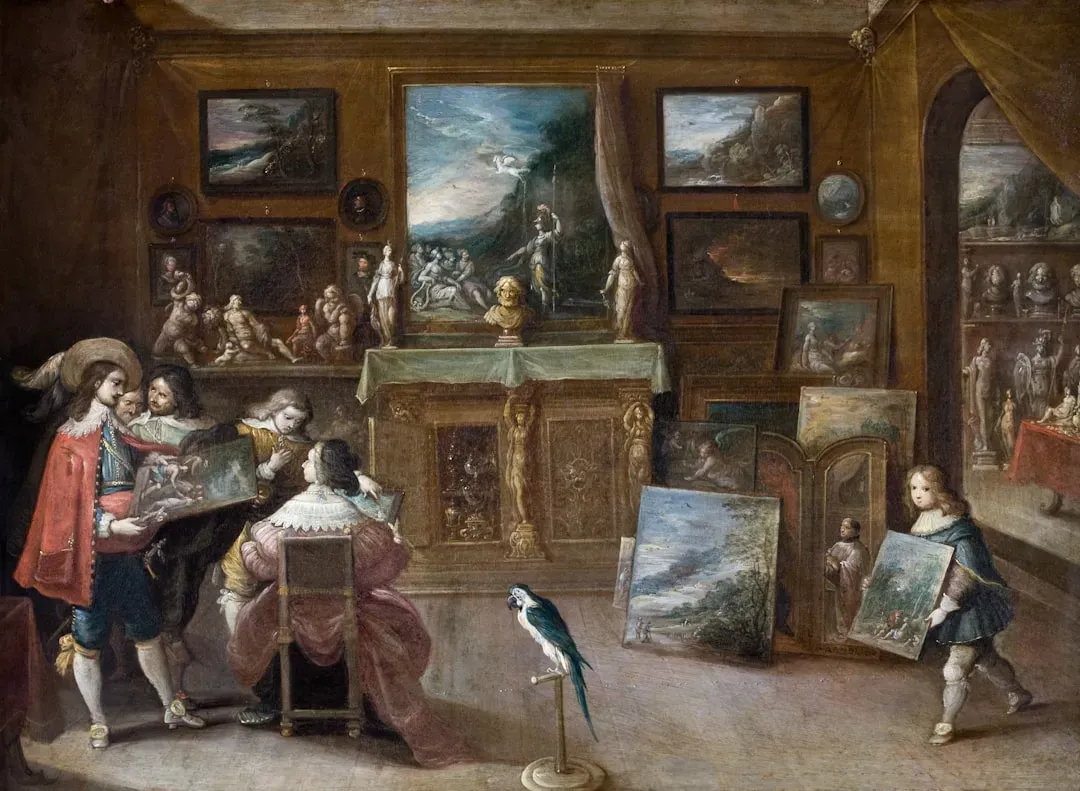
Art historians constantly dig through archives, attics, and forgotten collections. When a scholar writes a compelling dissertation or book about a neglected artist, it can trigger widespread reevaluation. Academic interest signals to the broader art world that something significant exists here.
This scholarly work takes years of patient research. Someone has to track down scattered paintings, piece together biographies, and build convincing arguments for why this artist matters. Once that groundwork exists, exhibitions and museum acquisitions follow.
The academic art world functions as a discovery engine. Its seal of approval matters enormously for bringing forgotten work back into public consciousness.
15. Political or Social Movements Created New Audiences

Art depicting marginalized experiences often goes unnoticed until those communities gain political voice. Civil rights movements, LGBTQ activism, and feminist organizing have all sparked rediscovery of work by artists from those communities.
These aren’t just diverse faces in old paintings. They’re entirely different perspectives, techniques, and concerns that dominant narratives had ignored. The paintings were always there, but suddenly people were looking and genuinely seeing them.
Social change reshapes the canon. What counts as important art expands to include voices that were previously silenced or dismissed. This ongoing process continues revealing overlooked masterworks.
16. The Original Context No Longer Existed to Appreciate It
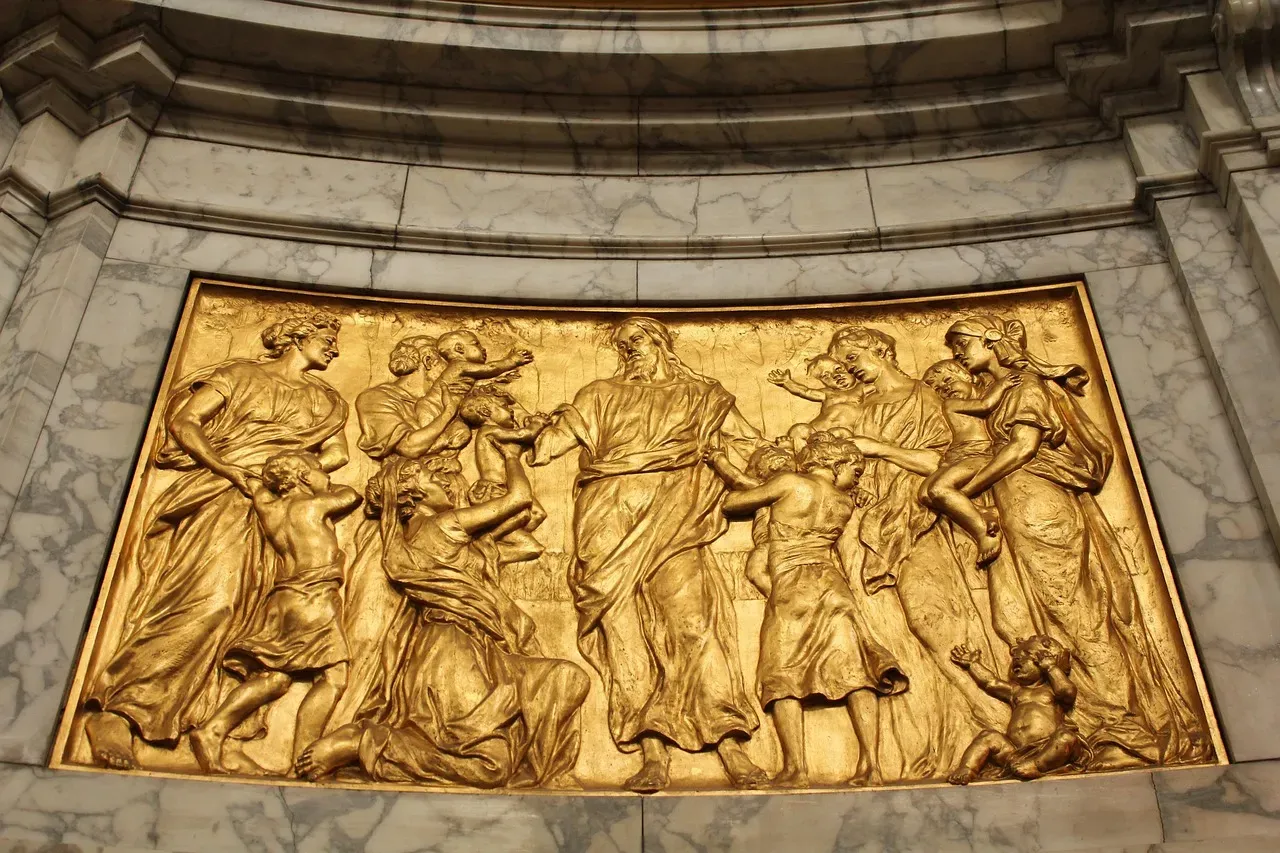
Some paintings were created for specific architectural spaces, religious practices, or cultural moments. Removed from that original context, they lose much of their impact and meaning. Only careful scholarship can reconstruct why these works mattered.
Medieval altarpieces now hanging in museums were meant to be seen by candlelight during religious services. The entire emotional and spiritual context has vanished. Modern viewers see the object but miss the experience it was designed to create.
Art historians work to explain these lost contexts. When successful, they help contemporary audiences understand what made these works powerful. The painting gets appreciated again, but in a different, more intellectual way.
17. Market Manipulation Kept Certain Works Scarce
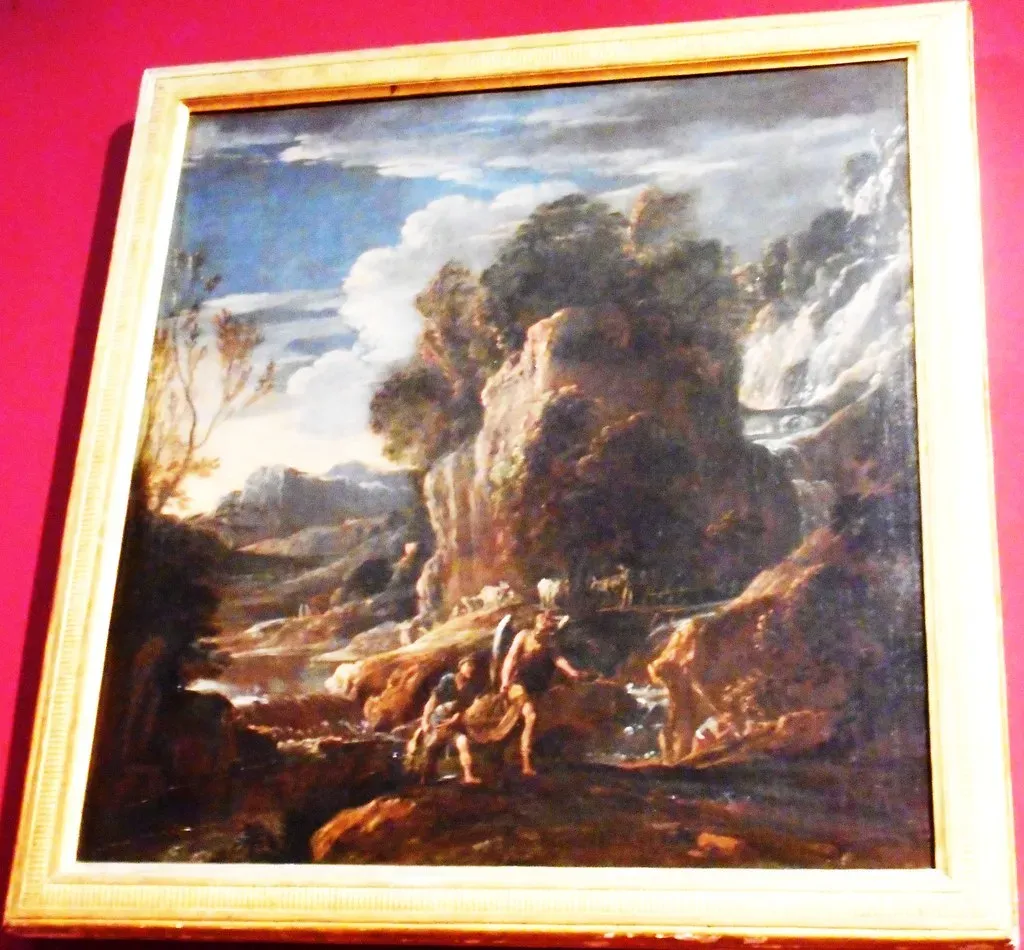
Art dealing involves strategy and sometimes manipulation. Galleries and collectors occasionally suppress certain artists’ work to maintain scarcity and high prices for pieces they own. Other artists get neglected because no one stands to profit from promoting them.
This sounds cynical because it is. The art market runs on money as much as aesthetics. Work by artists without estates, foundations, or dealer representation often disappears simply because no one’s financially motivated to promote it.
Eventually these economic factors shift. New dealers discover they can make money on previously ignored artists. Suddenly those forgotten painters get exhibitions, scholarly attention, and skyrocketing prices.
18. Reproductive Technology Finally Made It Widely Visible
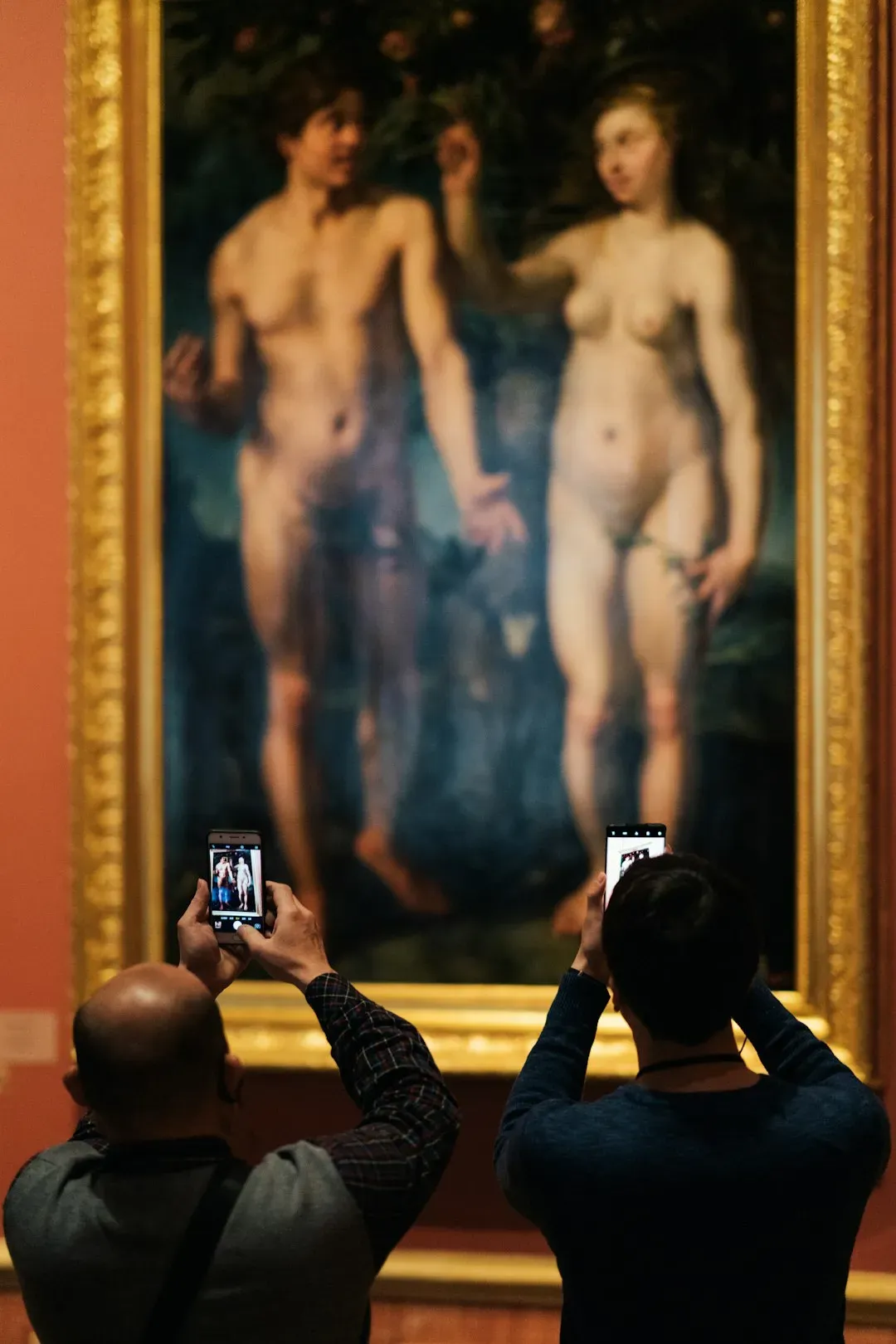
For most of history, people couldn’t see paintings unless they physically traveled to where they hung. Photography, and later digital reproduction, changed everything. Suddenly images could reach global audiences instantly.
Some paintings that seemed minor when viewed once in a gallery reveal themselves as masterpieces when you can study high-quality reproductions repeatedly. Details become visible. Compositional brilliance emerges. The wider audience these technologies create allows for broader appreciation and reevaluation.
The internet era has accelerated this dramatically. Paintings in obscure regional museums can now find global audiences. Geographic isolation no longer determines which works get recognized.
19. Alternative Art Histories Challenged Established Narratives

For generations, art history focused almost exclusively on European white male artists. This narrow focus meant enormous amounts of significant work went unstudied and unappreciated. Recent decades have seen deliberate efforts to broaden that scope.
Writing these alternative histories requires detective work. Records are sparse, works are scattered, and institutional resistance is real. But the results reveal just how incomplete our understanding of art history had been.
These expanded narratives don’t just add names to lists. They fundamentally change how we understand artistic development, influence, and achievement across different cultures and time periods.
20. Sometimes Appreciation Simply Requires Patience and Perspective
Here’s the thing about truly original work. It challenges everything viewers think they know. That’s uncomfortable. People naturally resist discomfort. They dismiss what they don’t immediately understand rather than sitting with uncertainty.
Time creates distance. Later generations approach these challenging works without the biases and expectations that blinded earlier viewers. They can see the paintings fresh, on their own terms, without the noise of contemporary controversy.
Perspective also reveals how certain works influenced everything that came after them. Their importance becomes visible only when you can trace their impact forward through decades of art history. The individual painting gains meaning from its place in a longer story.
The art world continues this cycle constantly. Work dismissed today might be tomorrow’s masterpiece. Every generation gets the opportunity to look again at what previous ones missed.
Conclusion
The delayed appreciation of certain paintings teaches us humility about our own judgments. What we dismiss today might be what future generations treasure most. The reasons behind these shifts reveal complex interactions between art, society, economics, and simple human psychology. Sometimes greatness is obvious immediately, but often it requires time, perspective, and openness to what we initially don’t understand.
These twenty factors show that artistic recognition involves far more than pure quality. Context, timing, advocacy, and countless other variables determine which paintings find their audiences when. The masterpieces waiting in attics and storage rooms around the world remind us that art history is never finished being written. What do you think causes our collective blindness to certain artistic achievements? Share your thoughts in the comments below.