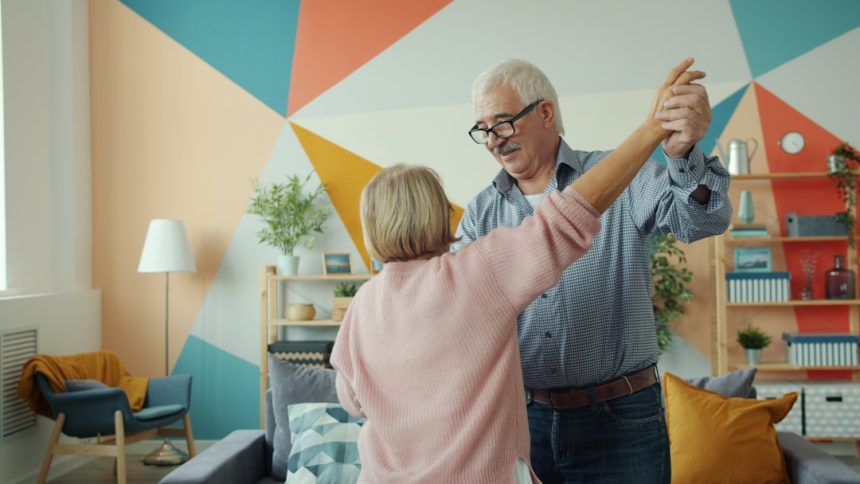
Leaving the workforce marks a transition that can feel liberating for some and unsettling for others. After decades of routine and structure, the sudden expanse of free time invites a profound question: what now? That open calendar isn’t just time to fill. It’s an opportunity to rediscover yourself, engage with new communities, and lean into pursuits that genuinely light you up inside. Finding the best use of newfound free time is one of the first challenges retirees face after leaving the workforce.
Here’s the thing. Picking up the right hobbies isn’t just about keeping busy. A meta-analysis of longitudinal studies representing 16 countries found that hobby engagement was associated with better mental and self-reported health in adults aged 65 years and older. That’s massive. The activities you choose now can shape your physical vitality, mental clarity, and emotional resilience for years to come. So let’s dive in.
Gardening: Dig Into Better Health

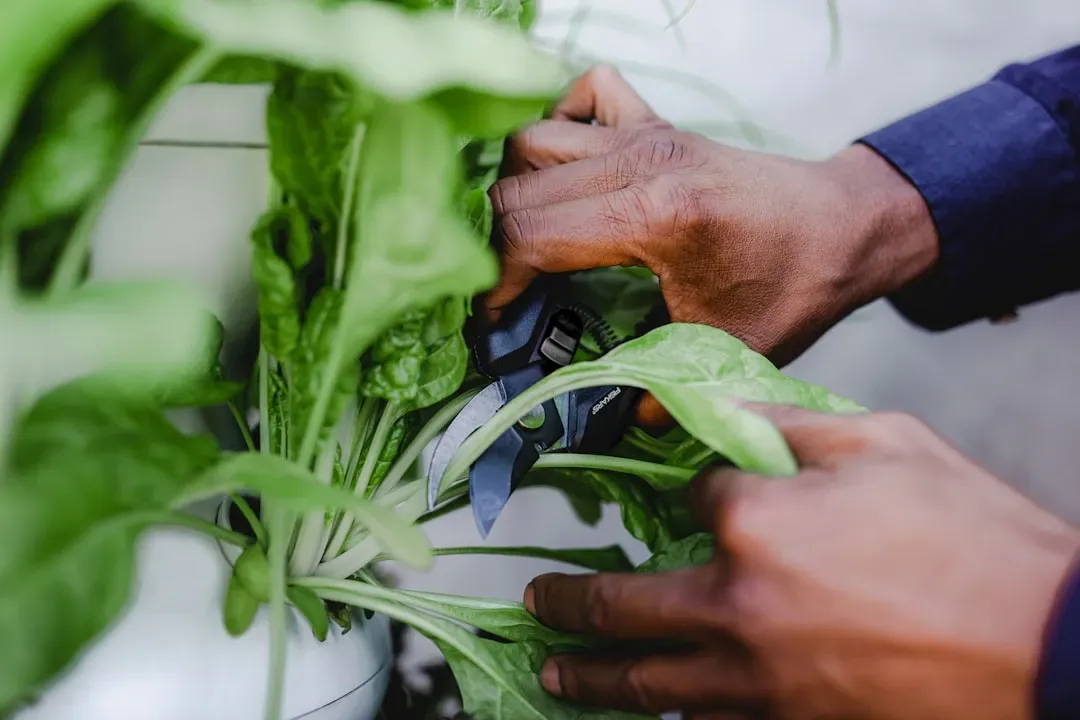
There’s something deeply satisfying about putting your hands in soil and watching life emerge. Gardening provides opportunities for increased physical activity, which can prevent osteoporosis, reduce the risk of some cancers, Type 2 diabetes, depression and heart disease. And that’s just scratching the surface. Whether you’re growing tomatoes or dahlias, gardening builds strength, flexibility, and stamina.
The meta-analysis found numerous health benefits of gardening for seniors, from better cognitive functioning and lower body mass index to increased quality of life. You’re not just growing plants. You’re cultivating wellness. Raised beds can make it easier on your back, container gardens work wonders on balconies, and community plots offer social connection alongside fresh produce.
Volunteering: Give Back and Gain More

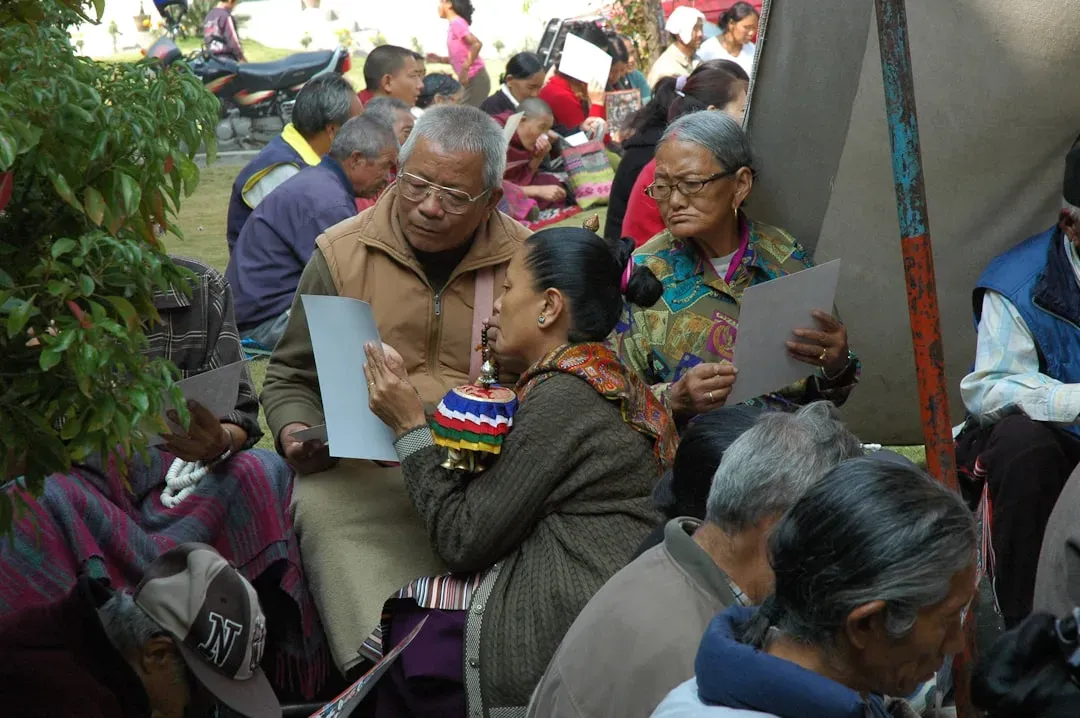
Let’s be real, the world needs more helping hands. Engagement in volunteering reduces the probability of depression by approximately 5% in the whole population, with larger gains among early retirees. Honestly, that’s remarkable research from the Health and Retirement Study published in early 2025. Volunteering doesn’t just benefit others; it transforms you from the inside out.
People who volunteer regularly have a lower risk of mortality and better physical health as they age. Museums, animal shelters, food banks, literacy programs – the options are endless. Older age, reflection, religious volunteering, and altruistic motivations increased benefits most consistently. Find something that resonates with your values, and you’ll feel the difference almost immediately.
Walking and Hiking: Simple Yet Powerful

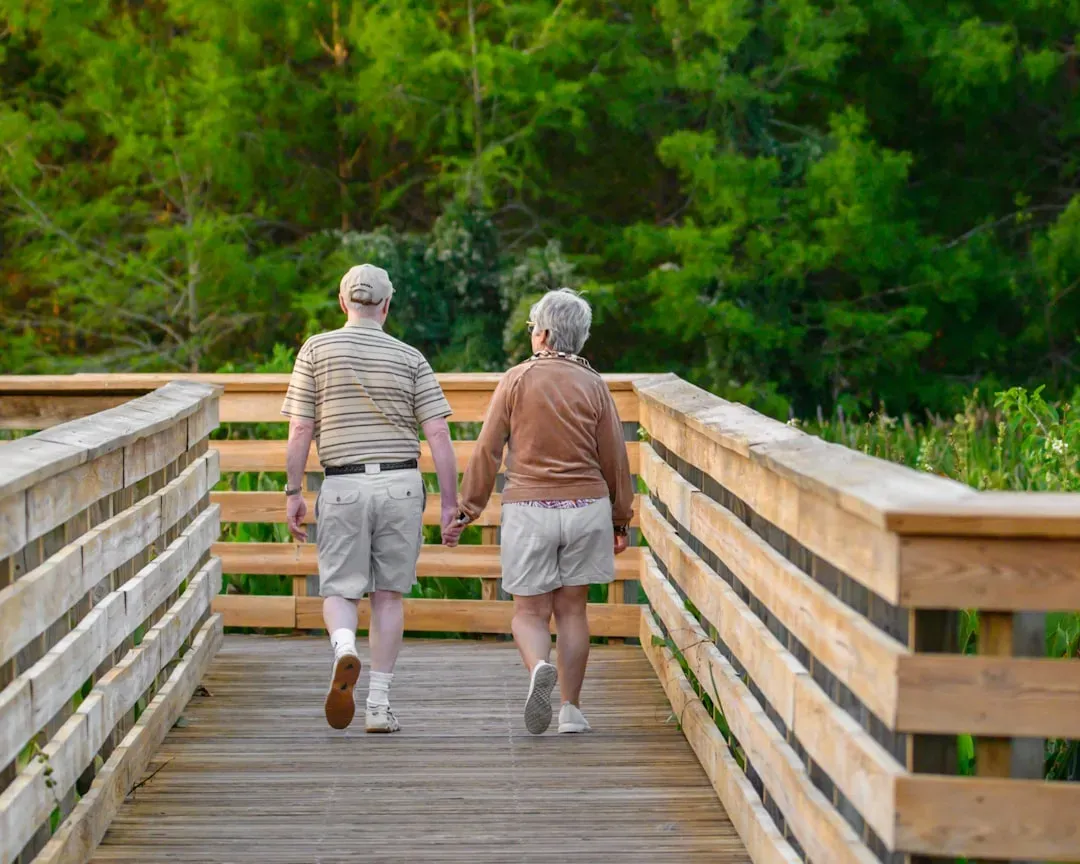
Walking with a friend provides a dose of the socializing that’s so important to healthy aging, and in a 45-minute walk you’ve helped your brain more than you would by doing a crossword puzzle. It sounds almost too simple, right? Still, walking offers fresh air, gentle exercise, and time to observe the world around you.
You don’t need fancy equipment or expensive memberships. Just lace up comfortable shoes and step outside. Hiking takes it up a notch with varied terrain and scenic views. Whether you’re strolling through your neighborhood or tackling forest trails, the benefits compound over time – improved cardiovascular health, stronger bones, and a clearer mind.
Reading and Book Clubs: Feed Your Mind

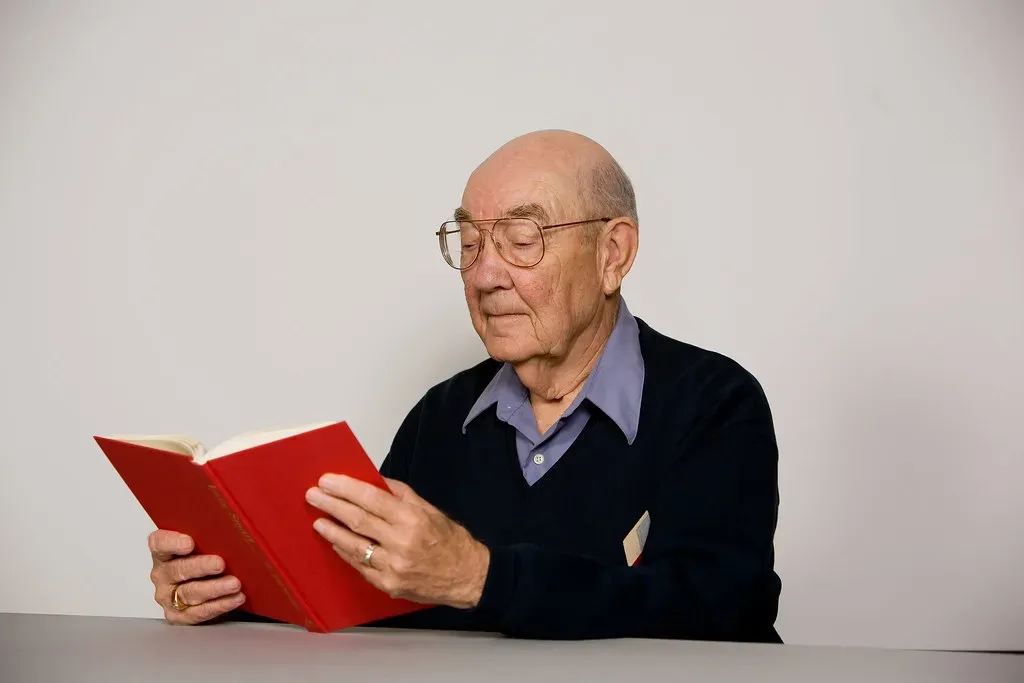
In the United Kingdom, reading was the top pick, with a high 59 percent of respondents saying they enjoyed the hobby. Reading opens doors to countless worlds without ever leaving your armchair. Fiction transports you, nonfiction educates you, and memoirs connect you to real human experiences. There’s a genre for every mood.
Joining a book club amplifies the experience. Joining a book club deepens your understanding of both books and people, and can encourage you to read books you otherwise wouldn’t read. You’ll gain fresh perspectives, make new friends, and maybe even discover your next favorite author. Libraries often host free book clubs, making this an accessible and enriching option.
Cooking and Baking: Creativity on a Plate
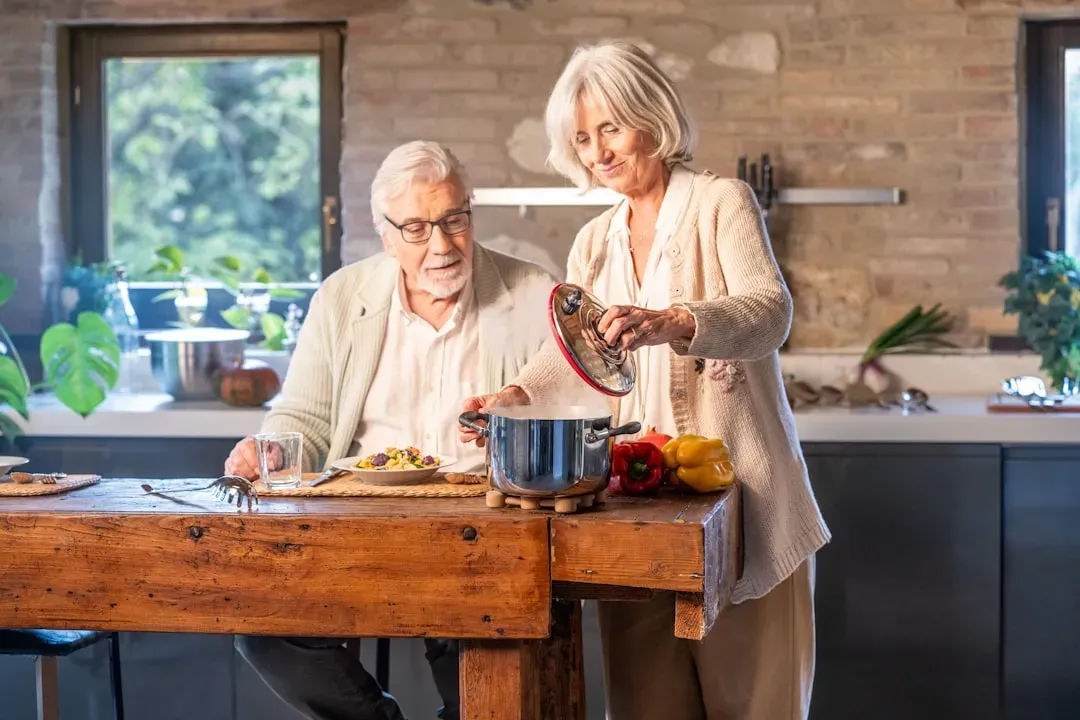
Cooking and baking is the most popular hobby among retirees in the United States with nearly half of all respondents saying it is one of their pastimes. There’s something therapeutic about measuring ingredients, following recipes, and experimenting with flavors. The kitchen becomes your laboratory, and the results are often delicious.
Cooking at home also promotes better nutrition and saves money compared to dining out. You control what goes into your meals, which matters more as we age. Hosting dinner parties turns cooking into a social event, allowing you to share your creations with friends and family while strengthening bonds over good food.
Bird Watching: Nature’s Theater

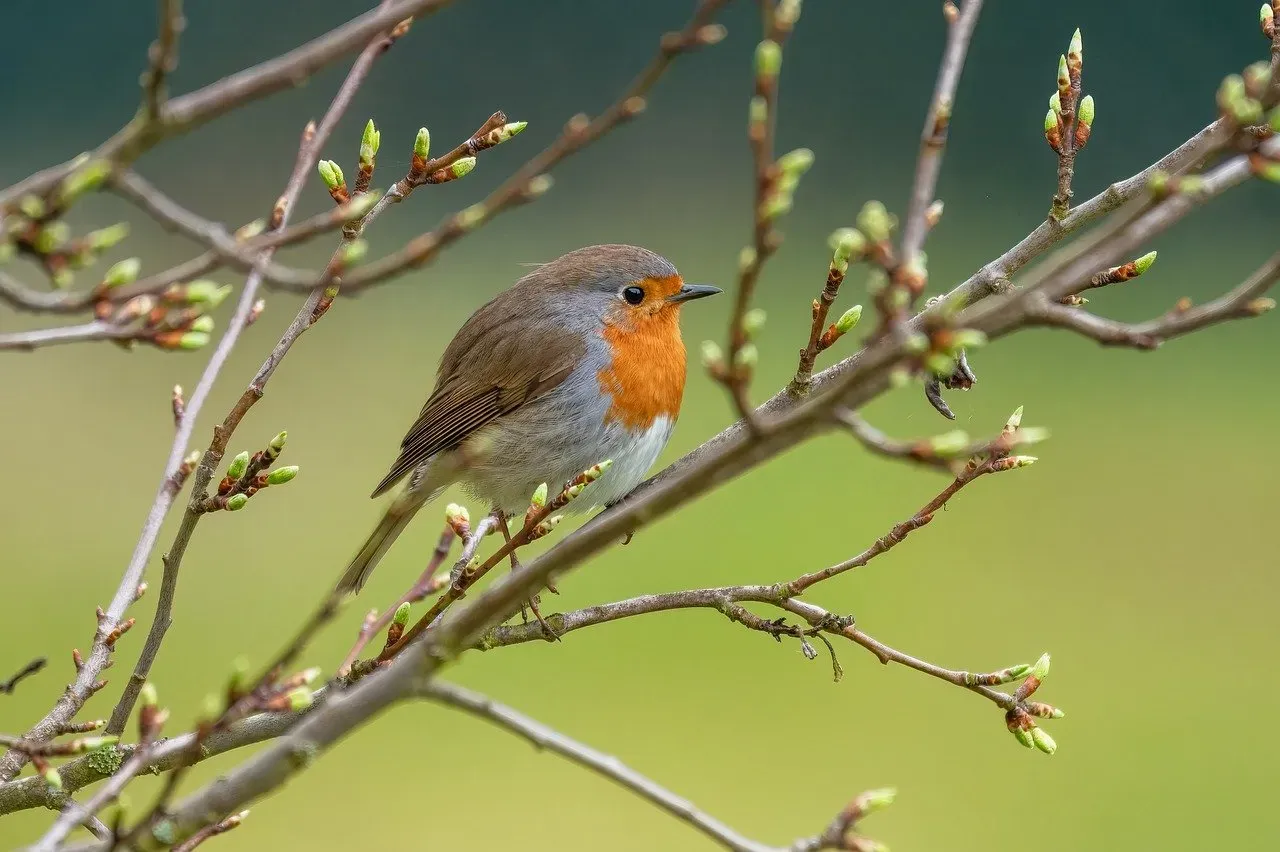
I think there’s something profoundly peaceful about observing birds in their natural habitat. You slow down, notice details, and tune into the rhythms of the natural world. Birding is a perfect activity for older people – you get outside and walk, you can go by yourself or with a group, and you exercise your reflexes and your mind.
All you need is a pair of binoculars and a field guide, though smartphone apps now make bird identification incredibly easy. Joining a local bird-watching club adds a social dimension and connects you with fellow enthusiasts who can share tips and favorite spots.
Learning a New Language: Challenge Your Brain
Research shows that bilingual seniors present Alzheimer’s symptoms an average of four years later than older adults who only speak one language. Learning a second language isn’t just impressive; it’s a powerful form of cognitive exercise. Apps like Duolingo, YouTube tutorials, and online classes make it accessible from home.
If you’re planning to travel, learning the local language enhances the experience immensely. Even basic conversational skills open doors to deeper cultural connections and richer interactions. It keeps your mind sharp and gives you a tangible skill to be proud of.
Photography: Capture Life’s Moments
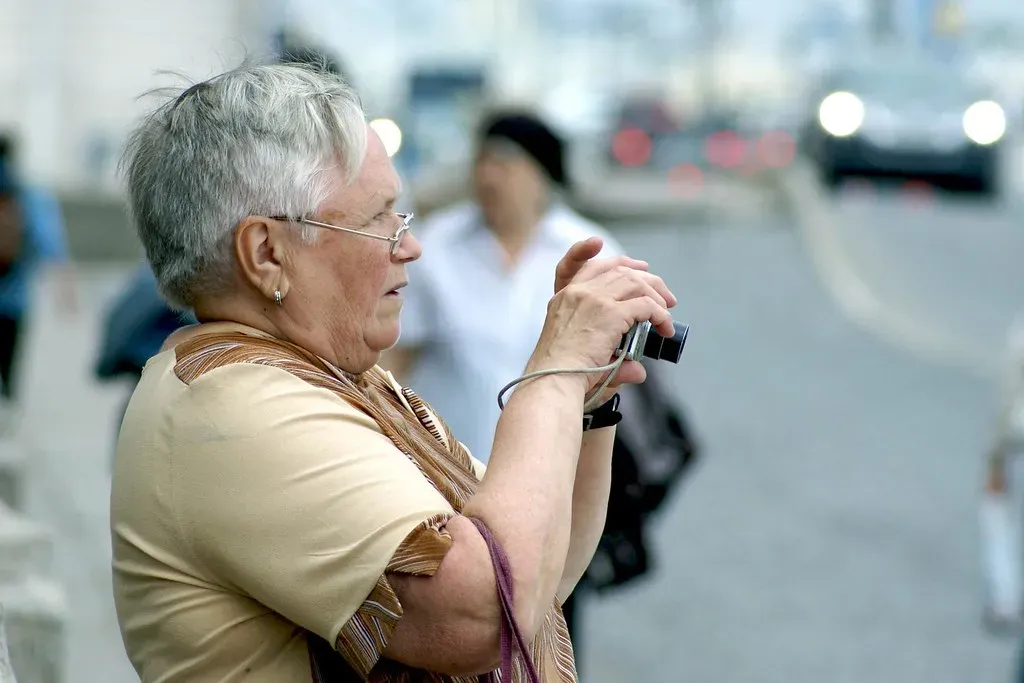
Modern smartphones make photography more accessible than ever before. You don’t need expensive equipment to start capturing beautiful images. Photography allows us to be present in the immediate moment and recall the moment later as well. It trains your eye to notice light, color, texture, and composition.
Photography walks combine gentle exercise with creative expression. Whether you’re documenting wildlife, architecture, or street scenes, each outing becomes an adventure. Sharing your work online or in local exhibitions adds another layer of satisfaction and community connection.
Crafting: Hands-On Creativity


Knitting, crocheting, woodworking, quilting – the list of craft hobbies stretches endlessly. Research on older adults who practice craft hobbies specifically noted culturally meaningful benefits and positively impacting cognitive performance and neural efficiency. Working with your hands engages different parts of the brain and provides tangible results you can see and touch.
Crafting can actually reduce risk for dementia. The repetitive motions of knitting can be meditative, while woodworking challenges problem-solving skills. Many crafts also produce gifts you can share with loved ones, adding emotional value to your creations.
Music: Play or Sing Your Heart Out


Music training makes unique demands on our brains, and embracing music and learning to play an instrument can benefit you well into your golden years. Whether you’re picking up an old instrument or learning something entirely new, music offers cognitive stimulation, emotional expression, and pure joy.
Joining a choir or ensemble adds social connection to the mix. Group rehearsals create structure, performances provide goals, and making music with others generates a powerful sense of belonging. You’re never too old to start, and the mental benefits are undeniable.
Genealogy: Uncover Your Roots

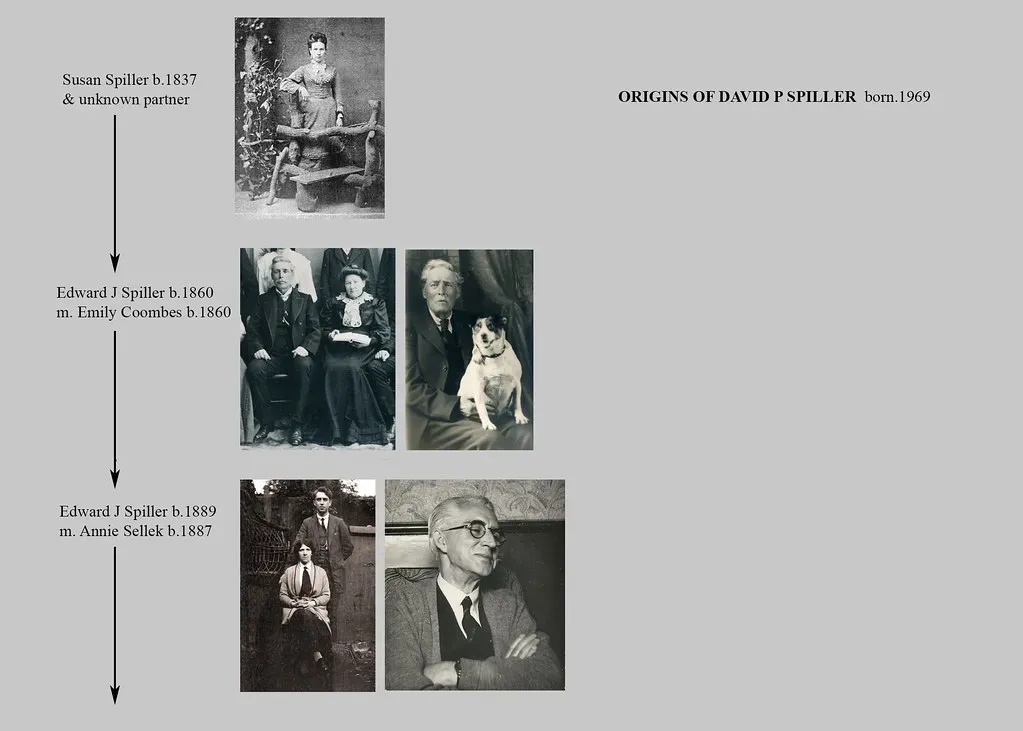
With abundant Internet resources and digital tools, genealogy has perhaps never been more popular, and genealogical detective work is a great pastime for your brain. Tracing your family tree combines research, problem-solving, and storytelling. Online databases and DNA testing services have revolutionized what’s possible.
Partner offer

One retiree shared how what she thought would take three months has occupied her for eight years, connecting her to ancestors and enriching her understanding of history. The journey can take you to archives, cemeteries, and even overseas to places your family once called home.
Yoga and Tai Chi: Mind-Body Balance

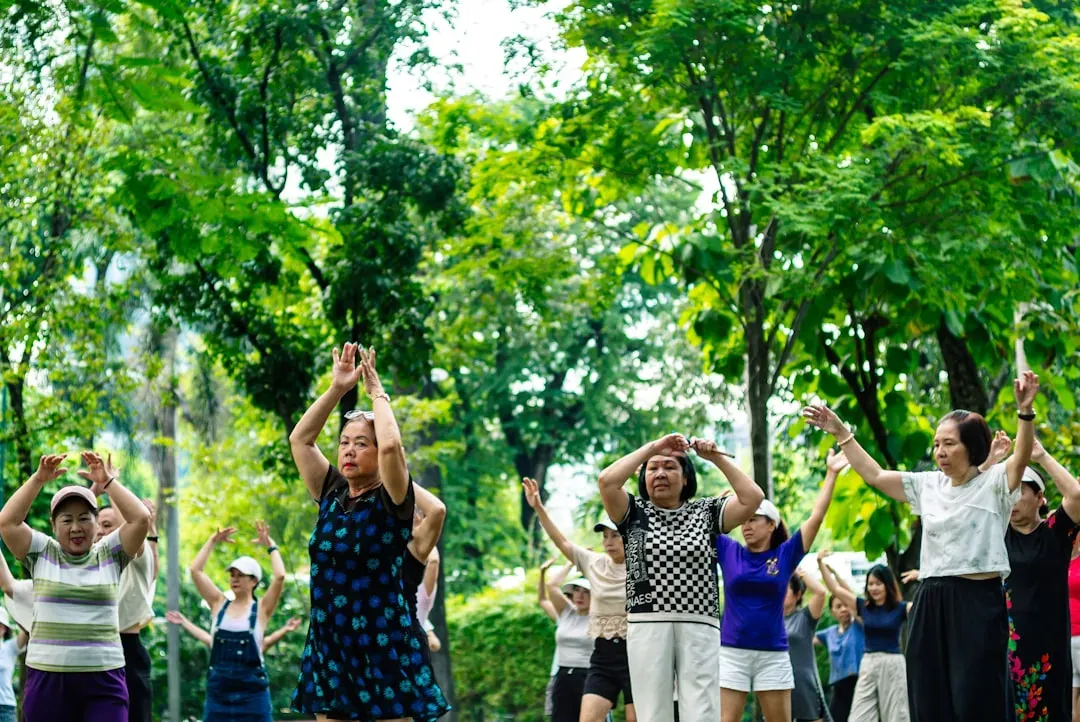
Yoga can seem intimidating for people who have never practiced, but getting started is made easy with a variety of classes fit for beginners, seniors, and people who need modifications. The benefits are tremendous, as yoga can help you stay active and flexible while also improving your mental health.
Tai chi offers similar benefits with slower, more deliberate movements. Both practices improve balance, which is crucial for preventing falls. They also reduce stress and promote mindfulness, helping you stay present and grounded in daily life.
Travel: Near or Far Adventures

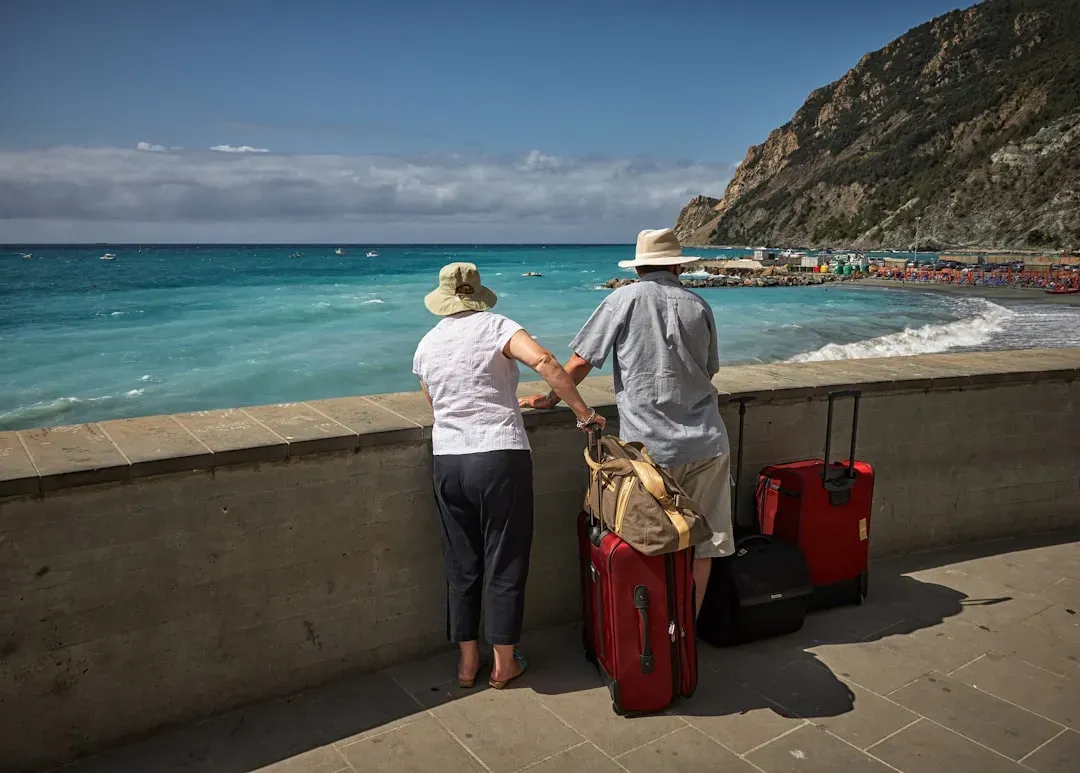
In the United Kingdom, traveling came higher up the ranking at 46 percent, followed by traveling at 44 percent. Retirement opens the door to travel without the constraints of limited vacation days. Whether you’re exploring neighboring states or crossing oceans, travel broadens perspectives and creates lasting memories.
Slow travel – spending weeks in one place rather than rushing through multiple destinations – allows deeper cultural immersion. House swaps make extended stays affordable and give you a taste of local life. Even micro-adventures close to home can scratch the travel itch.
Fishing: Patience and Peace

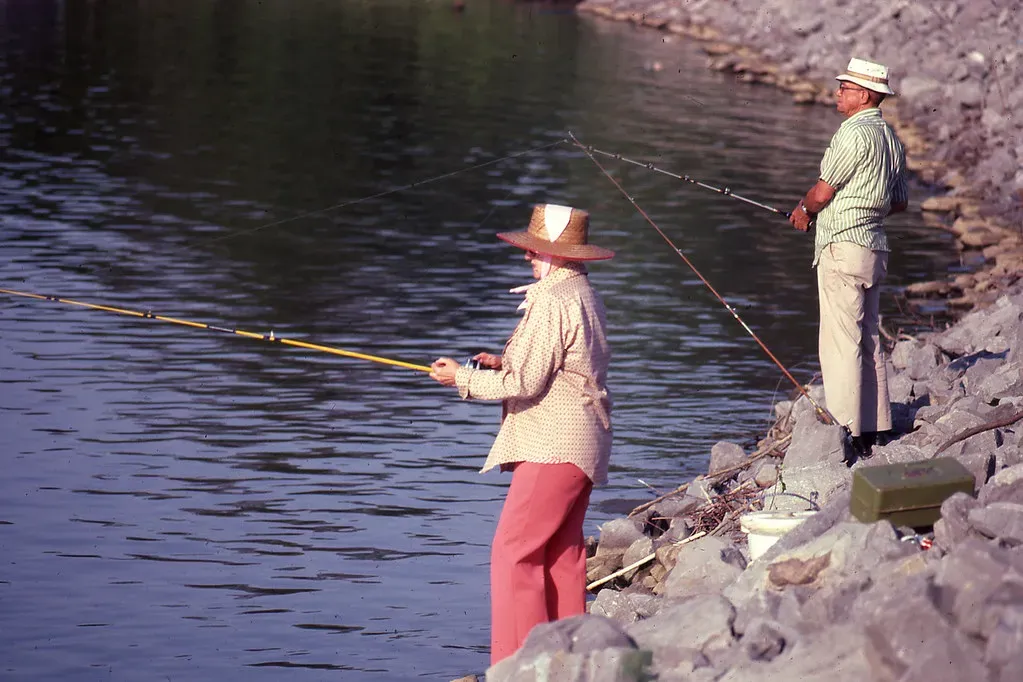
Fishing can be both relaxing and rewarding, and many people find that being on the water offers another level of relaxation because you experience a physical separation from TVs, computers, and to-do lists. There’s a meditative quality to casting a line and waiting patiently.
If you catch something, all the better – fresh fish for dinner is an excellent reward. Fishing clubs provide social connections and shared knowledge about the best spots and techniques. It’s an activity that can be as solitary or social as you prefer.
Dancing: Move to the Music

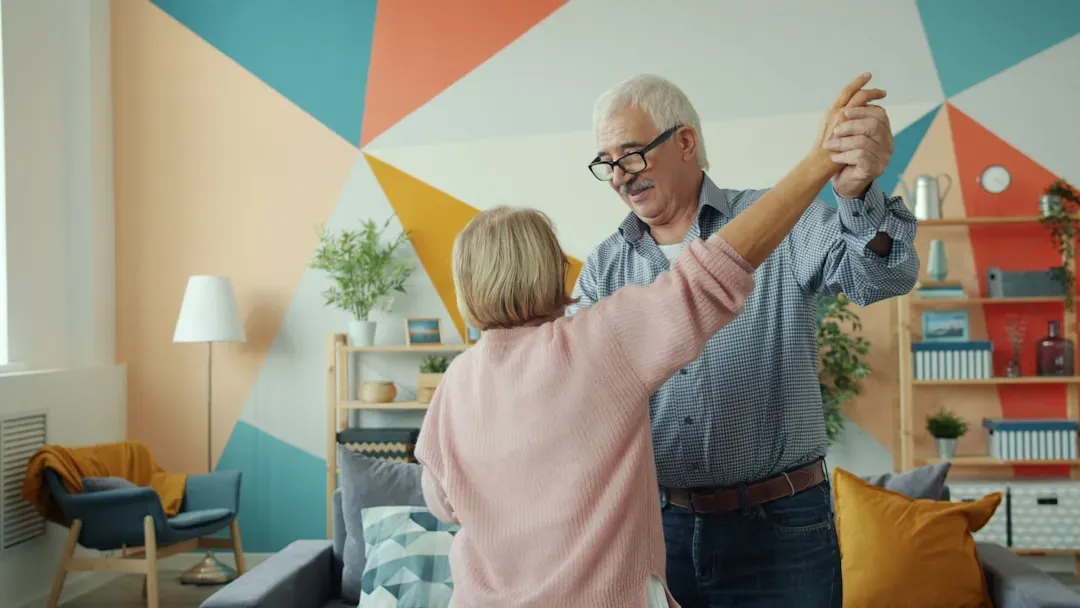
Dancing is an excellent example of an active hobby that seniors at varying levels of fitness can enjoy, with or without a partner. Line dancing, ballroom, salsa, or even informal dancing at home all offer cardiovascular benefits and improve coordination. The music lifts your spirits, and movement releases endorphins.
Many community centers and senior living facilities offer dance classes specifically designed for older adults. The social atmosphere makes it fun rather than feeling like exercise, and you’ll likely make friends who share your enthusiasm for movement.
Video Gaming: Not Just for Kids
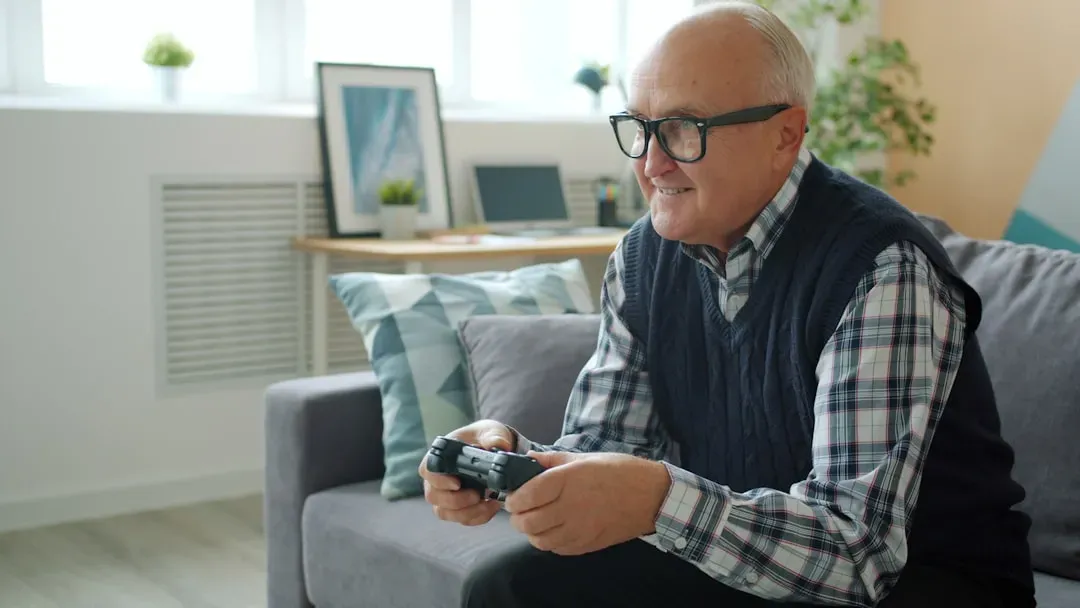
Recent research shows more and more older adults are turning to video games as an activity and hobby. Video games can offer a few benefits to seniors, including keeping you mentally sharp, reducing stress, and helping you keep in touch with friends via online social gaming.
Puzzle games challenge cognitive skills, adventure games tell compelling stories, and multiplayer games connect you with people worldwide. Gaming systems like the Nintendo Switch offer accessible options, and many games now feature difficulty settings that accommodate different skill levels.
Painting and Drawing: Visual Expression

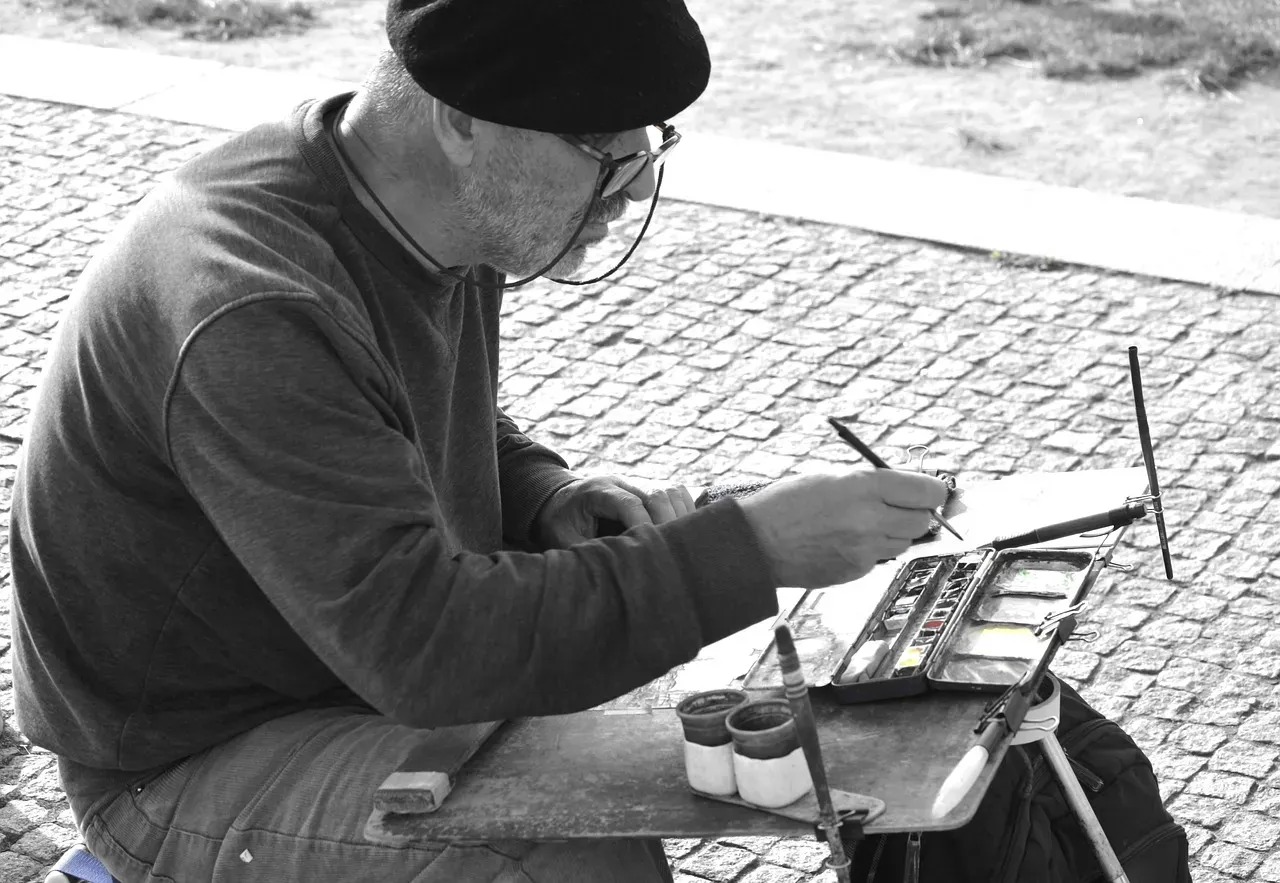
Art classes and memoir writing offer retirees the chance to explore their creativity, discover hidden talents and leave a personal legacy. You don’t need to be the next Picasso to enjoy painting. The process itself – mixing colors, making marks, watching images emerge – is therapeutic and engaging.
Watercolors are forgiving for beginners, acrylics dry quickly, and colored pencils offer precision. Local art centers often offer classes for all skill levels, providing instruction and community. Your artwork becomes a reflection of how you see the world.
Writing: Share Your Stories

Memoir writing allows you to document your life experiences for future generations. Blogging lets you share opinions and insights with a wider audience. Fiction writing exercises imagination and creativity. Whatever form appeals to you, writing offers a powerful outlet for self-expression.
Writing groups provide feedback, encouragement, and accountability. Libraries and community centers frequently host these gatherings. The act of putting thoughts into words clarifies thinking and preserves memories that might otherwise fade with time.
Puzzles and Games: Mental Gymnastics

Crossword puzzles, Sudoku, jigsaw puzzles, chess, bridge – games keep the mind active and engaged. Older people with mild cognitive impairment who engage in high levels of activities such as word games and hobbies have better memory, working memory, attention and processing speed.
Board game cafes and clubs provide social environments for playing. Online platforms connect you with opponents worldwide. The strategic thinking required exercises your brain in ways that support long-term cognitive health.
Pet Care and Animal Volunteering
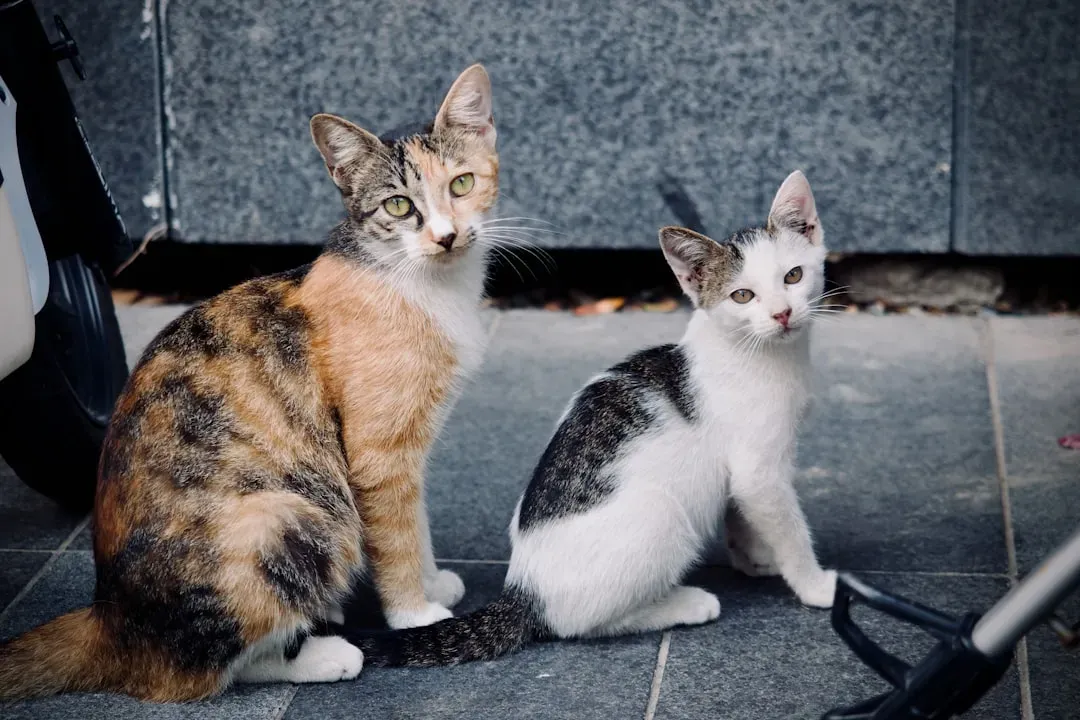
In the United States, caring for pets ranked third at 39 percent among popular hobbies. Pets provide unconditional love, structure to your day, and motivation to stay active through walks and playtime. The companionship combats loneliness and gives purpose to daily routines.
If owning a pet feels like too much commitment, animal shelters always need volunteers to walk dogs, socialize cats, or help with administrative tasks. You get the joy of animal interaction without the full-time responsibility.
Continuing Education: Never Stop Learning
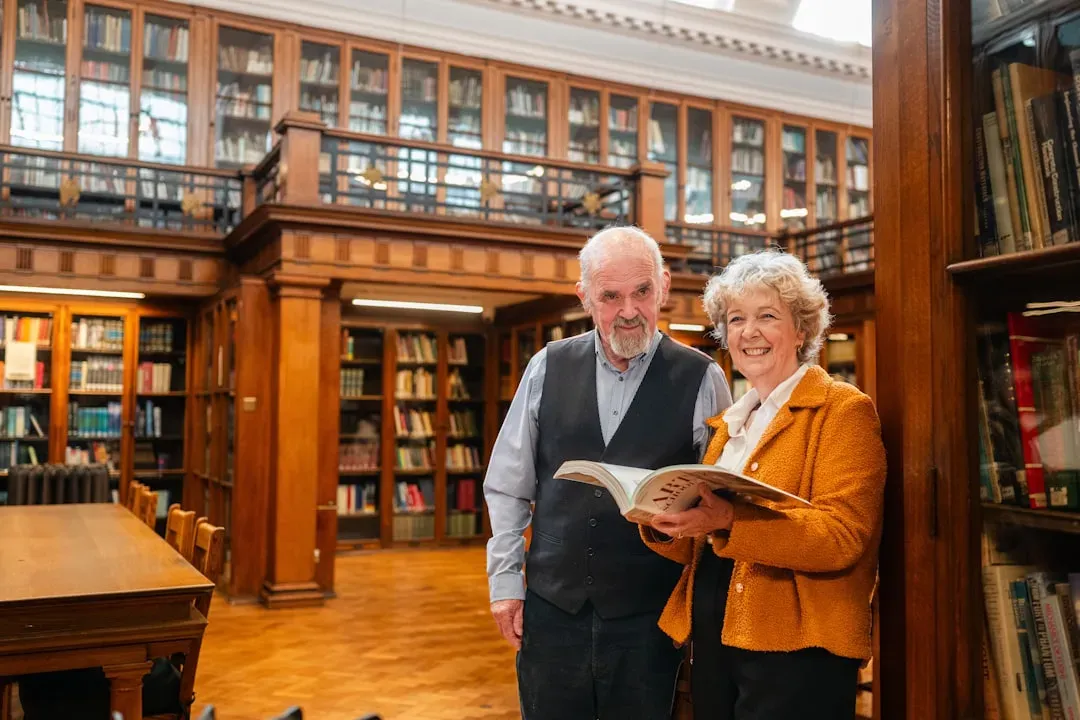
Many universities offer courses specifically designed for older adults, often at reduced rates or even free. Online platforms like Coursera and edX provide access to lectures from top institutions worldwide. You can study anything from art history to astrophysics, purely for the joy of learning.
Building blocks that blend socializing, moving, creating and thinking have been shown to correlate with high scores on standard measures of successful aging and cognitive health. Intellectual stimulation keeps your mind agile and opens conversations with people who share your curiosity.
Wrapping It All Together
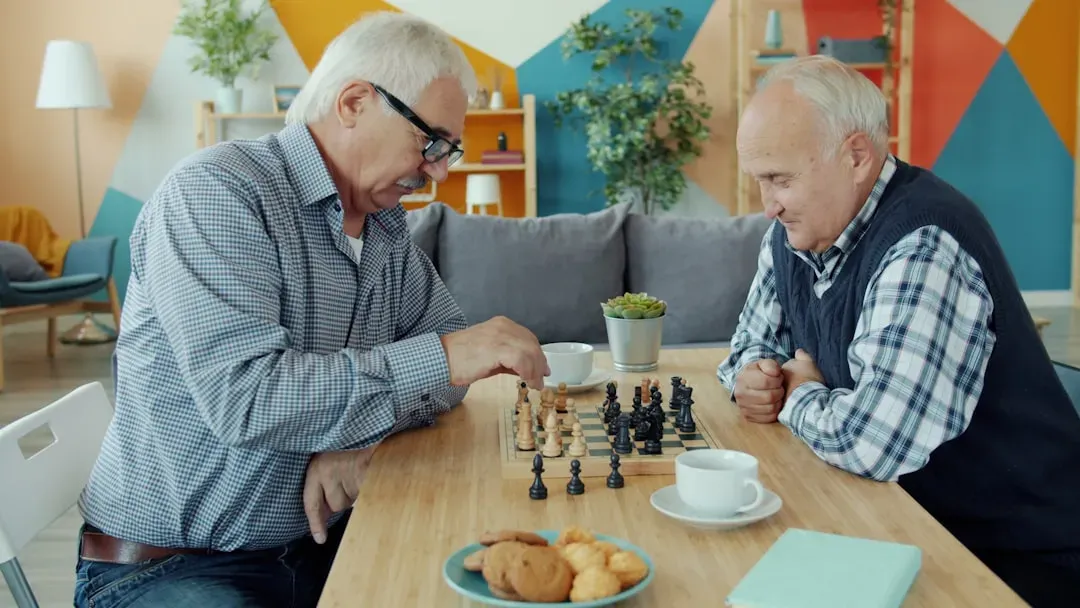
The beauty of retirement is choice. You’re no longer bound by someone else’s schedule or priorities. The happiest retirees typically have three to four core hobbies. Mix activities that move your body with ones that challenge your mind. Balance solitary pursuits with social ones. Try things that sound interesting even if they’re outside your comfort zone.
The hobbies you pick up now can literally add years to your life and life to your years. So which ones are calling to you? What have you always wanted to try but never had the time? There’s no better moment than right now.
Partner offer
Planning a trip to Vegas?
Compare hotel rates and show tickets on VEGAS.com.