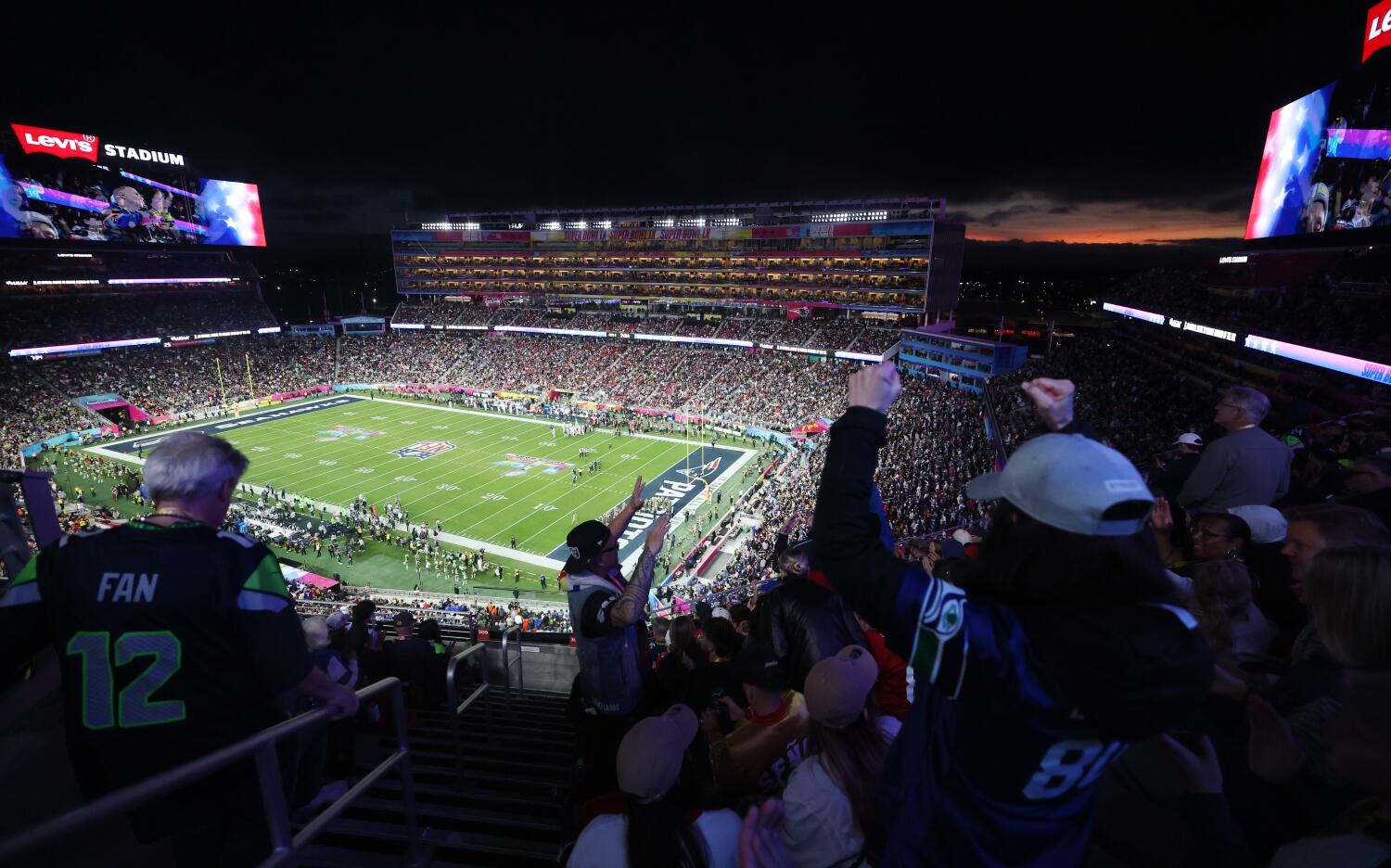
Super Bowl Operations Strike Hard (Image Credits: Ca-times.brightspotcdn.com)
Santa Clara County – Law enforcement achieved notable victories against sex trafficking during Super Bowl LX at Levi’s Stadium, building momentum for defenses against exploitation during the 2026 FIFA World Cup.[1][2]
Super Bowl Operations Strike Hard
The multi-agency effort launched nearly 40 investigations across 11 Bay Area counties in anticipation of the February 8 showdown.[3] Authorities arrested 29 suspected traffickers and recovered 73 victims, among them 10 minors.[4]
Lt. Josh Singleton of the Santa Clara County District Attorney’s Human Trafficking Task Force described the grim reality: “The youngest victim we saw was 12 years old, which is extremely tragic.”[4] Operations uncovered hotspots from Salinas to San Francisco, demonstrating trafficking’s pervasive reach even under public scrutiny.
In Santa Clara County specifically, two traffickers faced arrest, seven victims gained freedom, and investigators seized a firearm during one raid.[1] Sixteen individuals also drew charges for solicitation, underscoring a comprehensive approach to disrupt demand.
Regional Breakdown Highlights Collaboration
Coordinated sweeps revealed varying impacts across jurisdictions, with San Mateo County rescuing 20 victims and Contra Costa County securing 17 victims alongside seven trafficker arrests.[3] Monterey and Solano counties each netted six traffickers.
Partner offer
The Santa Clara County Human Trafficking Task Force orchestrated involvement from 67 agencies, spanning from Sacramento to Monterey. A command center in Sunnyvale housed over 20 analysts from the Sheriff’s Office, the DA’s Crime Strategies Unit, federal partners, and nonprofits like In Our Backyard and the National Center for Missing and Exploited Children.[1]
- San Mateo County: 20 victims recovered
- Contra Costa County: 17 victims, 7 traffickers arrested
- Santa Clara County: 7 victims, 2 traffickers arrested
- Monterey County: 6 traffickers arrested
- Solano County: 6 traffickers arrested
World Cup Looms Large on Horizon
Levi’s Stadium will host six FIFA World Cup matches from June 13 to July 1, drawing massive international crowds and potential trafficking risks.[2] Officials plan to replicate the Super Bowl model, coordinating with task forces in other host cities like Los Angeles.
District Attorney Jeff Rosen hailed the prior success: “Beyond football, the Super Bowl was a triumph of Bay Area law enforcement planning, organization, cooperation, and safety.”[1] Lt. Joshua Singleton emphasized proactive steps, including airport outreach, billboard campaigns, and engagement with foreign consulates to foster global awareness.[2]
Challenges Persist Despite Momentum
Task force leaders identified hurdles such as funding shortages, staffing gaps, and cultural differences among international visitors unfamiliar with U.S. laws on solicitation.[2] Sustaining multi-agency momentum post-event remains critical, especially with the 2028 Los Angeles Olympics approaching.
Social service partners like Community Solutions provided vital support, ensuring rescued victims received immediate care and resources.[4] San Jose police employed online stings, posing as minors on social platforms to snare predators swiftly.
Key Takeaways
- Super Bowl operations rescued 73 victims, including 10 minors, across 11 counties.
- 67 agencies collaborated via a Sunnyvale command center for real-time action.
- World Cup preparations focus on international outreach and replicated strategies.
Northern California’s resolve against human trafficking grows stronger with each major event, proving coordinated action saves lives. What steps should communities take next? Tell us in the comments.
Partner offer
Planning a trip to Vegas?
Compare hotel rates and show tickets on VEGAS.com.