Most of us have done it. You walk outside on a cold winter morning, hit the remote start, and duck back inside to pour another cup of coffee. It feels harmless, almost routine. But in certain parts of the Las Vegas Valley, that small, thoughtless habit could cost you your vehicle, your health, or worse. The risks are real, well-documented, and they vary by location in ways most drivers never think about.
Here is what the data and law enforcement actually say. Let’s get into it.
1. Residential Neighborhoods and Driveways, Particularly in the Northwest and Southeast Valley

There is something almost absurd about losing your car in your own driveway. Yet it happens constantly, and winter mornings are peak hunting season for opportunistic thieves. An idling car is a prime target for thieves, and the temptation to leave it running while you dash inside is especially high during cold weather.
Motor vehicle thefts in the Las Vegas Valley surged by over 37 percent year-over-year in 2023, with neighborhoods like Summerlin, the Northwest, and the Southeast recording particularly alarming spikes of roughly 75 percent, 83 percent, and 63 percent respectively. Think about that for a second. Those are not downtown casino corridors. Those are quiet, residential streets where people feel safe.
More than one million vehicles were reported stolen nationwide in 2023, and vehicle theft rates have continued to rise since 2019. A warming car, left alone, running and unlocked in a driveway, is basically a gift with a bow on it. The National Insurance Crime Bureau directly advises: do not leave the area while your vehicle is running. Honestly, it does not get clearer than that.
2. Shopping Center Parking Lots, Including Areas Near Major Retail Strips

Here’s the thing about shopping center parking lots in winter: they are the perfect hunting ground. Drivers pull in, leave the engine running to keep the heat going for a minute, and step inside “just for a second.” That second is all it takes. According to Las Vegas Metropolitan Police Department guidance, an idling car is a prime target for thieves, especially during extreme weather when drivers leave vehicles running outside stores.
According to the Las Vegas Metropolitan Police Department, auto theft went up nearly 40 percent in 2023 compared to 2022. Parking lots, particularly those attached to retail strips and busy shopping centers, see heavy foot traffic and easy escape routes. The NICB has noted that a surprising number of vehicle thefts occur because owners forget to lock their doors or leave their keys inside, and that taking a few seconds to secure the vehicle can significantly reduce its vulnerability to theft.
The Strip-adjacent properties tell an even more specific story. Circus Circus is the Strip property with the highest number of reported motor vehicle thefts at 258, followed by The Strat with 227 reported thefts since 2019. High-traffic parking areas are simply not the place to leave a running, unlocked vehicle, no matter how cold the morning feels.
3. Enclosed or Semi-Enclosed Spaces Near Homes, Including Attached Garages and Carports
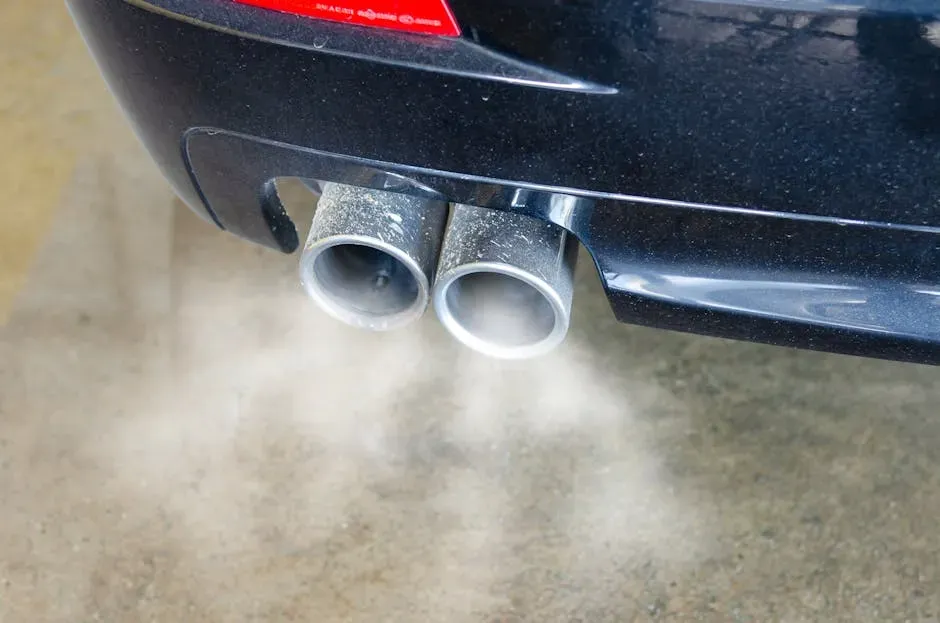
This third location might surprise you because the risk here is not primarily about theft. It is about something far more invisible and far more dangerous. Leaving a car idling in or near an enclosed garage is one of the leading causes of accidental carbon monoxide poisoning in the United States. The EPA explicitly warns against idling a car in a garage, even if the garage door to the outside is open, because fumes can build up very quickly in the garage and the living area of your home.
Carbon monoxide is an odorless, colorless, and toxic gas. Because it is impossible to see, taste, or smell the toxic fumes, CO can kill you before you are even aware it is in your home. In winter, when garage doors stay closed longer to retain heat, and when homes are sealed tight against the cold, the risk multiplies dramatically. Peak CO concentrations in the ambient air typically occur during the colder months, when there is an increase in emissions from home heating and idling vehicles, combined with nighttime temperature inversions that prevent pollutants from dispersing.
Hundreds of people die accidentally every year from CO poisoning caused by malfunctioning or improperly used fuel-burning appliances, and even more die from CO produced by idling cars. Fetuses, infants, elderly people, and people with a history of heart or respiratory disease are especially susceptible. A carport attached to the home, or a narrow side-yard where the car sits close to windows, can create the same hazard even without four walls. Just one minute of idling puts more carbon monoxide into the air than smoking three packs of cigarettes. That is not a metaphor. That is a hard, uncomfortable fact.
What You Should Do Instead
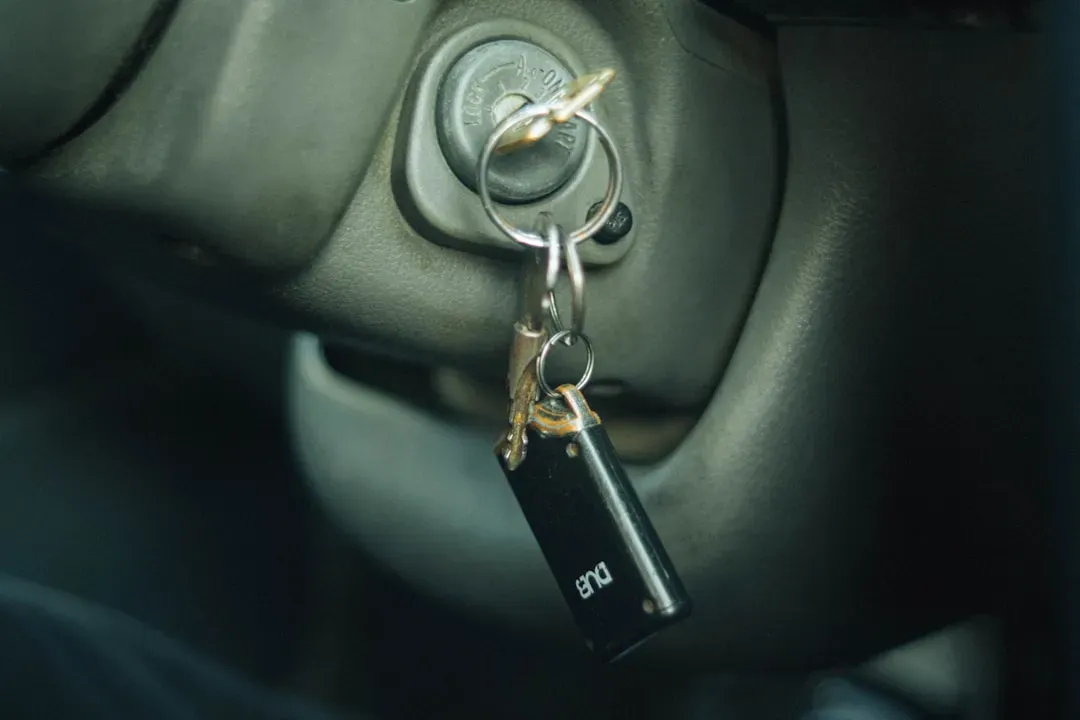
The good news is that the solution is genuinely simple. The NICB recommends not leaving your keys in your vehicle and never leaving the area while your vehicle is running. Remote start systems are convenient, but they are only safe when the vehicle stays locked and remains in your line of sight. A locked car with a running engine is still safer than an unlocked one, though neither should be left unattended for long periods.
Progress is being made locally. Crime statistics released by the FBI showed that the Las Vegas metro area saw a roughly 35 percent decline in motor vehicle thefts from 2023 to 2024, which was twice the national rate of decrease. That improvement came from better policing, anti-theft software updates from automakers, and community awareness. LVMPD partnered with local dealerships in 2023 to update cars with anti-theft software, while also handing out free steering wheel locks. Those are real, practical steps that worked.
Still, a decline in statistics does not mean the threat has vanished. The Valley remains one of the more theft-prone metro areas in the American West, and winter mornings remain the riskiest window. Think of leaving your car running and unattended like leaving your front door wide open with your wallet on the welcome mat. The neighborhood may be safer than it used to be, but why take the chance?
What would you do if you walked back out and your car was simply gone? Tell us in the comments.