


Walk through any antique market today and you will almost certainly pick up something that puzzles you completely. It has a handle, or a blade, or a clever hinge, and yet no one around you can explain what it does. That confusion is not a sign of ignorance – it is a sign of how dramatically daily life changed between the 1800s and now. The tools people once kept on their kitchen tables and dining sideboards have become genuine mysteries, and the stories behind them turn out to be far more interesting than most people expect.
Object One: The Sugar Nipper – A Kitchen Staple Nobody Recognizes
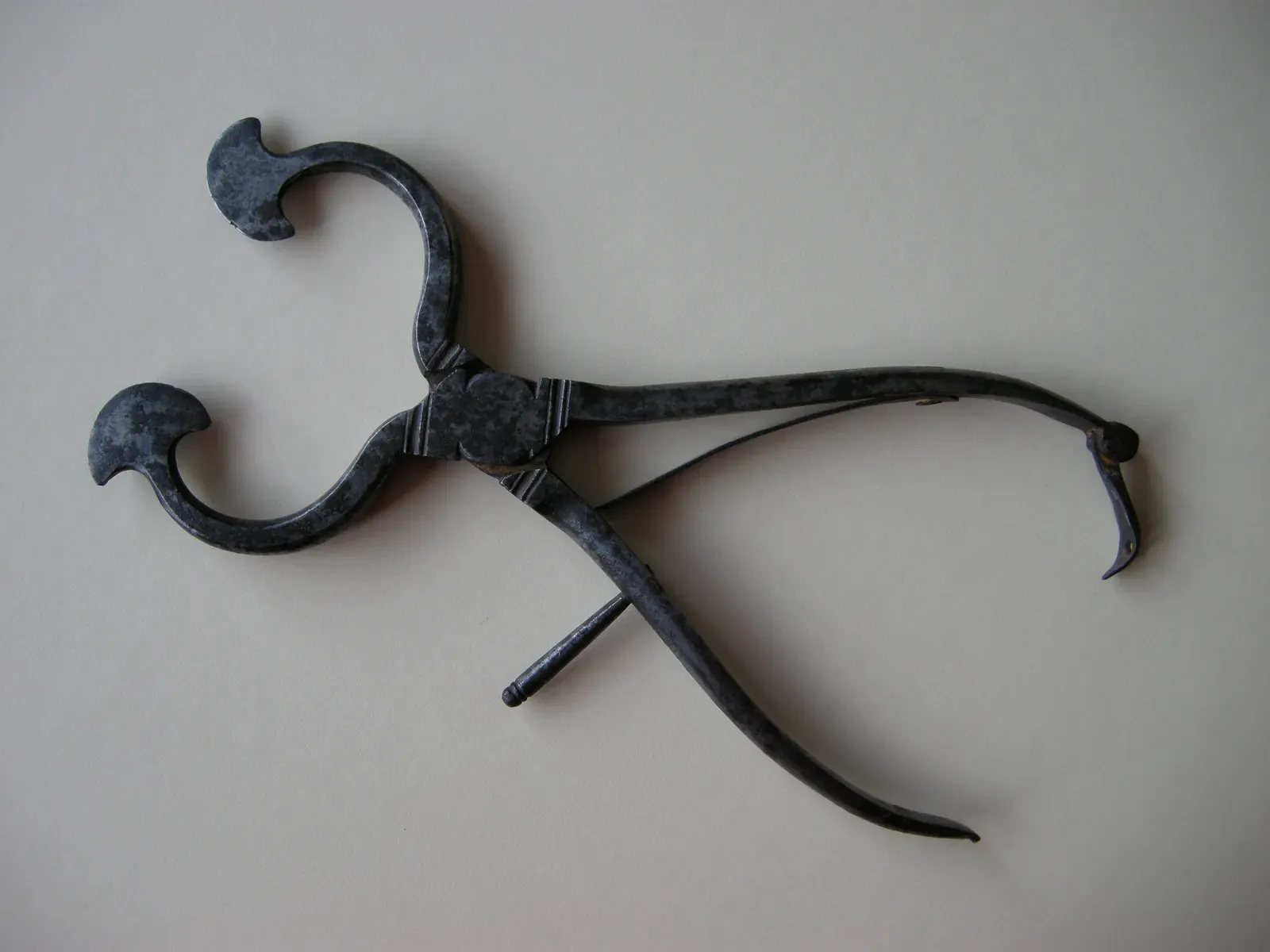
Sugar nips were a large pair of pincers with sharp blades, designed to cut sugar from a block. Before the introduction of granulated and cube sugars in the second half of the 19th century, the domestic consumer purchased sugar in the form of a sugarloaf, or at least a part of one, and pieces were cut from it by hand using sugar nips and other tools such as a sugar hammer. Today, most people who spot a pair in an antique store assume they are some kind of garden tool or old-fashioned tongs for serving food at the table.
In 1840, sweetening your tea was a complicated affair. To the cone-shaped loaf of refined sugar bought from the grocer, you would take a sugar nipper – a pair of sharp-edged cast-iron pincers – to twist off a fist-sized chunk. Sugar nippers were basic household tools, but before using them you would probably cut the hard whitish cone into smaller chunks with a hammer and chisel. The nippers were sometimes on a stand so you could put all your strength into forcing the cutting blades through the pieces of sugarloaf. The sheer physicality of the task surprises modern visitors to museums when they learn this was simply how a household sweetened its morning tea.
The Sugar Nipper’s Place in Victorian Social Life
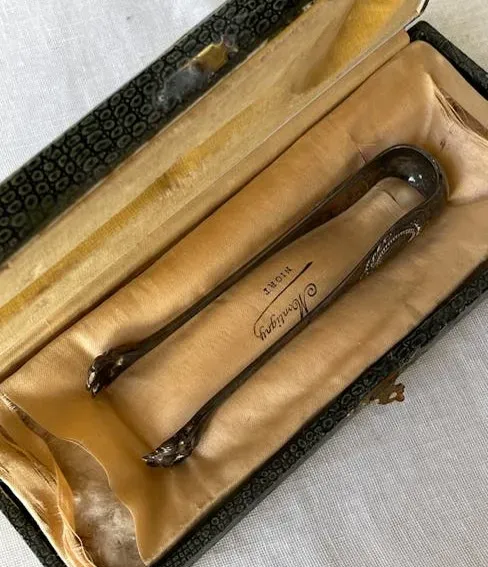
In wealthy households, the mistress of the house would cut up the loaf using sugar nippers to break the hard substance into smaller, usable parts for the table. The sugar nips were tongs with a flat surface at the end suitable for lifting pieces of sugar, but they were also sturdy and tough. Nips used for cutting were often made from steel, but decorative tongs for table use were often made from silver with elaborate engravings.
In the 1800s, sugar was not granulated or sold in lumps but poured into cones and crystallized into sugar loaves wrapped in paper. Sugar was used to sweeten many delicacies and drinks, but especially tea, which became popular among all social classes. The process of refining sugar was labor-intensive and sugar cones were prized, making nippers a household necessity. By the 20th century, as sugar became more accessible and pre-packaged, the practice of sugar nipping vanished, along with the unique tool itself. What was once as common as a spoon is now almost completely unrecognizable.
Object Two: The Mustache Cup – When Grooming and Tea Collided
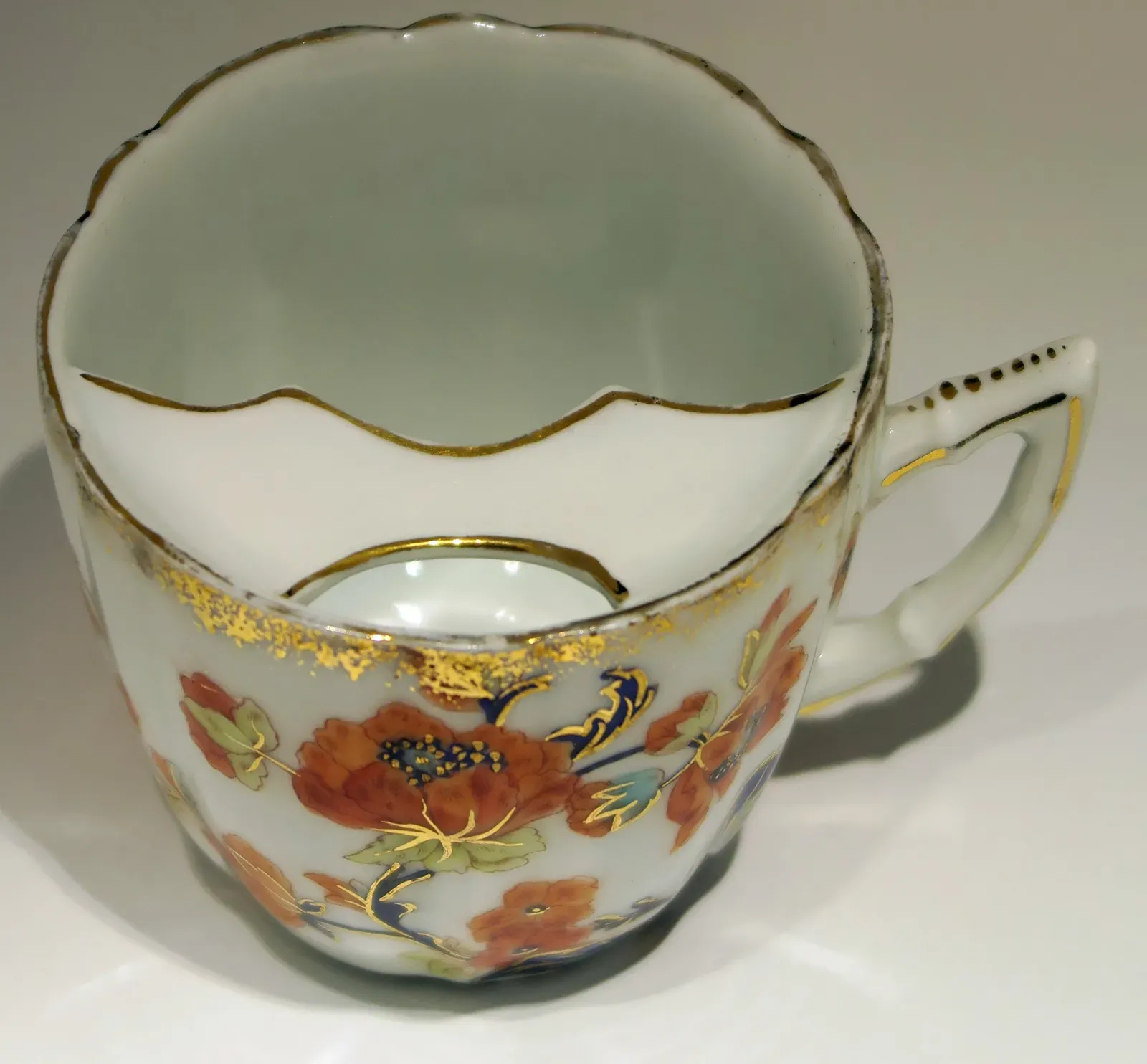
The moustache cup is a drinking cup with a semicircular ledge inside. The ledge, called a moustache guard, has a half moon-shaped opening to allow the passage of liquids and serves as a guard to keep moustaches dry. It is generally acknowledged to have been invented in the 1870s by British potter Harvey Adams. Most people who encounter one today assume it is a defective teacup, or perhaps a novelty item with some kind of floral display shelf built in. The actual reason is far more practical than that.
For a myriad of reasons, mustaches were grown in all shapes and sizes, and the amount of stiff pomade that was required to hold the hairs in place led to drawing room disasters. When attending social functions and afternoon teas, two problems arose. Steam from the hot beverages melted the mustache wax and sent it dribbling down the chin, often streaked with dye, right into the cup along with the by then drooping mustache. The other dilemma was that strong coffees and teas often stained and discolored the bottoms of many mustaches.
The Mustache Cup’s Rise Across Continents
The new invention spread all over the European continent and soon, every famous potter was making the new cups. A multiplicity of moustache cups were made by famous manufactories such as Meissen, Royal Crown Derby, Imari, Royal Bayreuth, Limoges and others. The mustache cups came in a wide variety of sizes, including larger “farmers’ cups” for pints of tea and tiny porcelain cups embossed with the owner’s name. These teacups were popular not just in the U.K., but also in the U.S., where they were sold at stores such as Sears and Marshall Field’s.
Between 1920 and 1930, moustaches progressively began to go out of fashion; hence, moustache cup production fell. Today, though, these examples of Victorian male elegance are coveted and collected by a growing number of enthusiasts. Moustache cups are becoming highly collectible as their popularity has increased in recent years due to a resurgence of men’s facial hair styles, particularly ones calling for moustache wax. Still, if you hand one to someone on the street today, the odds of them guessing its purpose correctly are remarkably slim.
Object Three: The Glove Stretcher – Fashion’s Most Forgotten Tool
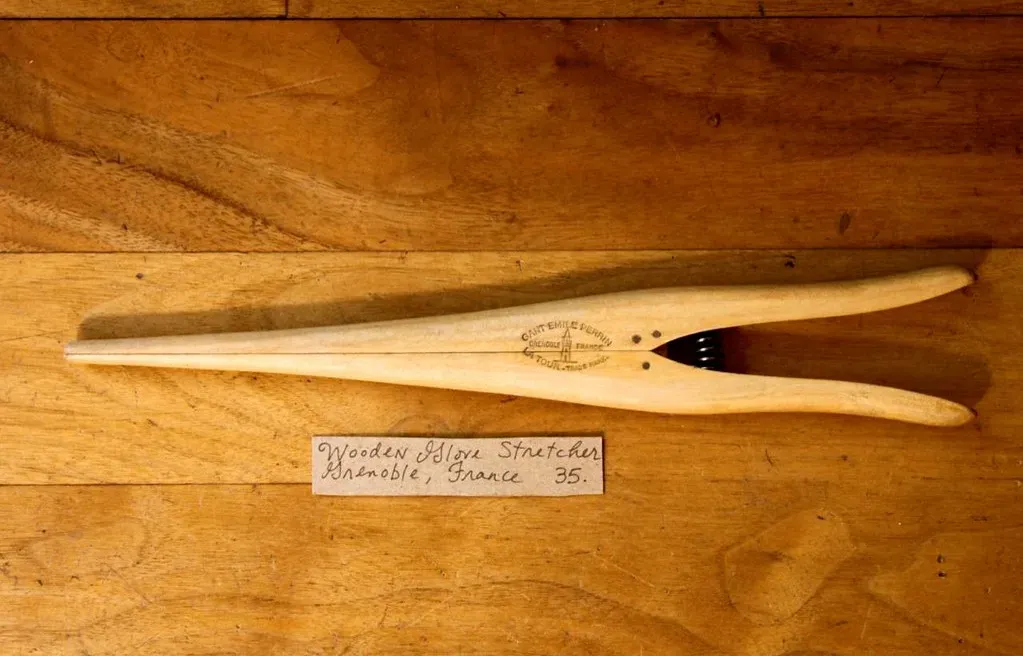
The glove stretcher is a surprisingly elegant tool, usually crafted from wood, bone, or ivory, and shaped like slender scissors. Its purpose was to gently stretch the fingers of tight leather gloves, helping them slide smoothly onto the hand. In the 1800s, gloves were not just for warmth – they were a symbol of status and propriety, and a snug fit was essential. Today, most people who come across one in a drawer or antique box reach for their phones to search what it could possibly be.
Kid leather was considered to be the best material for gloves worn by a proper Victorian lady, as cotton and silk were easily stretchable, thus revealing the imperfections of a hand. The leather of a young goat was essential to emulate the desired appearance of a hand with tapered fingertips. Fashion experts note that both men and women prized a well-fitted glove, and stretching them kept leather supple and comfortable. As gloves became less common in everyday wear, the need for these tools vanished, making them a rare sight in modern times.
Why These Objects Still Matter
Unidentified museum objects set out to bring together intriguing items from across collections which are only partly understood. Within every museum collection there are curious objects that cannot be classified with any great certainty. This is not just a problem for curators – it reflects a genuine break between the material culture of the 1800s and the world we inhabit now. Victorians were curious people interested in nature, the sciences, anatomy, botany, and morbidity. For upper-class citizens, collecting scientific objects showed that they were sophisticated and educated.
The Victorian period, spanning from 1837 to 1901, was a time of great change and innovation in the arts, fashion, and daily life. The tools people built and used during that era were designed with ingenuity, precision, and a level of everyday elegance that modern mass production simply does not replicate. Doubt surrounds the original function of all the items that have been selected as unidentified museum objects. In many cases, a use has been identified but later challenged, whilst other items continue to confound all attempts at categorisation. Sugar nippers, mustache cups, and glove stretchers each tell a story about rituals – around tea, grooming, and fashion – that once organized entire households and social occasions, now completely invisible to modern eyes.


