Some of the most quoted moments in film history were never typed onto a page by a screenwriter. They showed up on set, in the heat of a take, often because an actor felt something the script simply hadn’t captured. Decades later, these unplanned lines have outlived entire scripts around them, becoming shorthand for the films that made them famous. What’s striking is how differently each of these moments came together. One was born out of frustration with cheap producers, another out of a director’s desperate gamble on a final week of shooting, and the third out of a quiet, almost accidental moment between two actors killing time on set.
1. “You’re gonna need a bigger boat” – Jaws (1975)

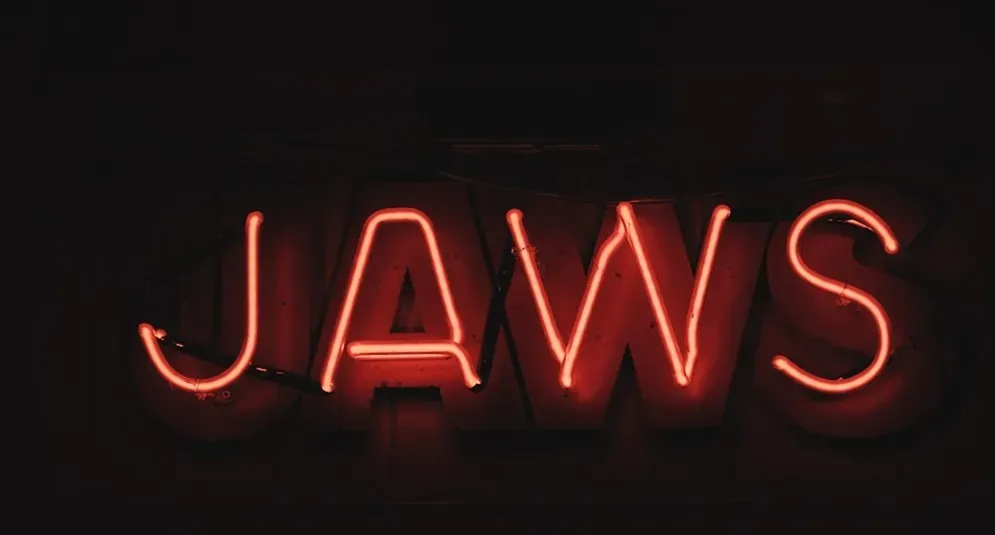
Roy Scheider’s line as Chief Brody, delivered the instant he finally sees the size of the shark, regularly lands near the top of lists ranking the greatest movie quotes ever. According to Carl Gottlieb, one of the film’s screenwriters, this quote was nowhere in the actual script. Instead, it grew out of real frustration on set. Gottlieb explained that the producers were very stingy, so everyone on set kept telling them “you’re gonna need a bigger boat,” referring to an actual undersized barge used during filming.
The phrase became such a running joke that it eventually made its way into Scheider’s performance almost by habit. Scheider ad-libbed the line at different points throughout filming, and the take that ended up in the final cut came right after the suspenseful first look at the great white shark. It is a rare case where an inside joke about a production headache became one of the most recognizable single lines in cinema.
2. “You talkin’ to me?” – Taxi Driver (1976)
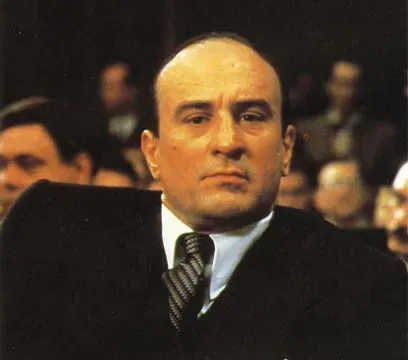
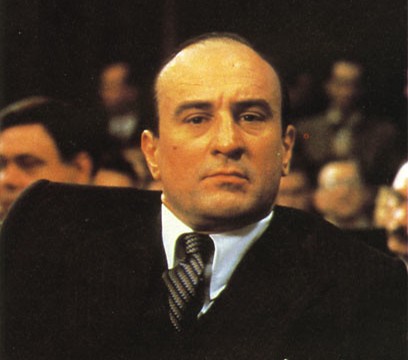
Robert De Niro’s mirror monologue as Travis Bickle is often cited as one of the defining moments of 1970s American cinema, and for decades it was simply assumed to be a scripted showcase for the actor. It wasn’t. Martin Scorsese has confirmed directly that the line “wasn’t in the script, it came from him,” referring to De Niro.
The scene came together almost by accident, late in a difficult shoot. Scorsese recalled there was no dialogue written for the scene at all, and he simply asked De Niro if he could say something to himself in the mirror. With producers pushing to move on and the schedule already strained, Scorsese described being under pressure from producers but pushing to keep filming anyway. The improvisation that followed became one of the most imitated passages of dialogue in film history, even though not a word of it existed on paper beforehand.
3. “Here’s looking at you, kid” – Casablanca (1942)

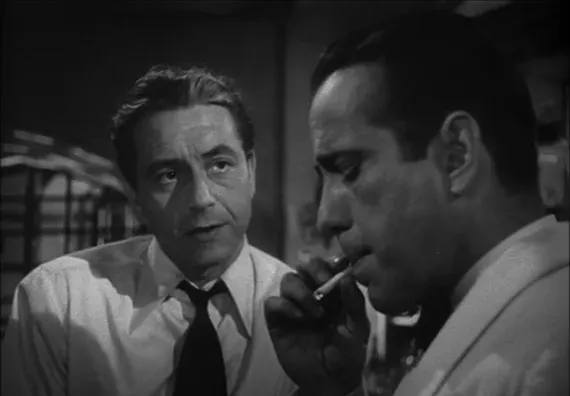
Humphrey Bogart’s toast to Ingrid Bergman in Casablanca is often treated as the height of classic Hollywood screenwriting, polished dialogue built for maximum romantic effect. The reality is more casual than that. The line was originally written in the script as “Here’s good luck to you, kid,” before Bogart changed it while filming the Paris flashback scenes on the Warner Bros. backlot.
The phrase reportedly did not come from nowhere either. Film historians have long noted that Bogart had used a version of the toast informally off camera, and it slipped naturally into character once he was in front of the lens. The ad-libbed line was simply kept in the film once it worked, alongside other small on-set adjustments that shaped the finished picture. Eight decades later, it remains one of the most recognizable closing lines any actor has ever delivered on screen.
None of these three moments were planned as legacy-defining lines when the cameras started rolling. They were solutions to small, practical problems: an actor needing something to say, a joke that had worn a groove into the cast’s vocabulary, a line that simply felt more natural coming out of a specific mouth in a specific moment. What connects them isn’t clever screenwriting at all, but the instincts of performers and directors willing to let a scene breathe past what was written down.