Gut health has become the talk of every kitchen table lately, hasn’t it? The hype around probiotics and fermented foods is hard to miss. Grocery store shelves have transformed, now packed with jars and bottles promising better digestion and a healthier immune system. These fermented and pickled creations aren’t just trendy fad foods. They carry centuries of culinary wisdom, rooted in traditions from Korea to Japan to Europe.
Pickled foods, along with sour and briny flavors, are being listed as popular for 2025, according to trend prediction reports. Pickles now command a market worth roughly three billion dollars annually in the United States and it’s growing.
Kimchi: The Spicy Probiotic Powerhouse
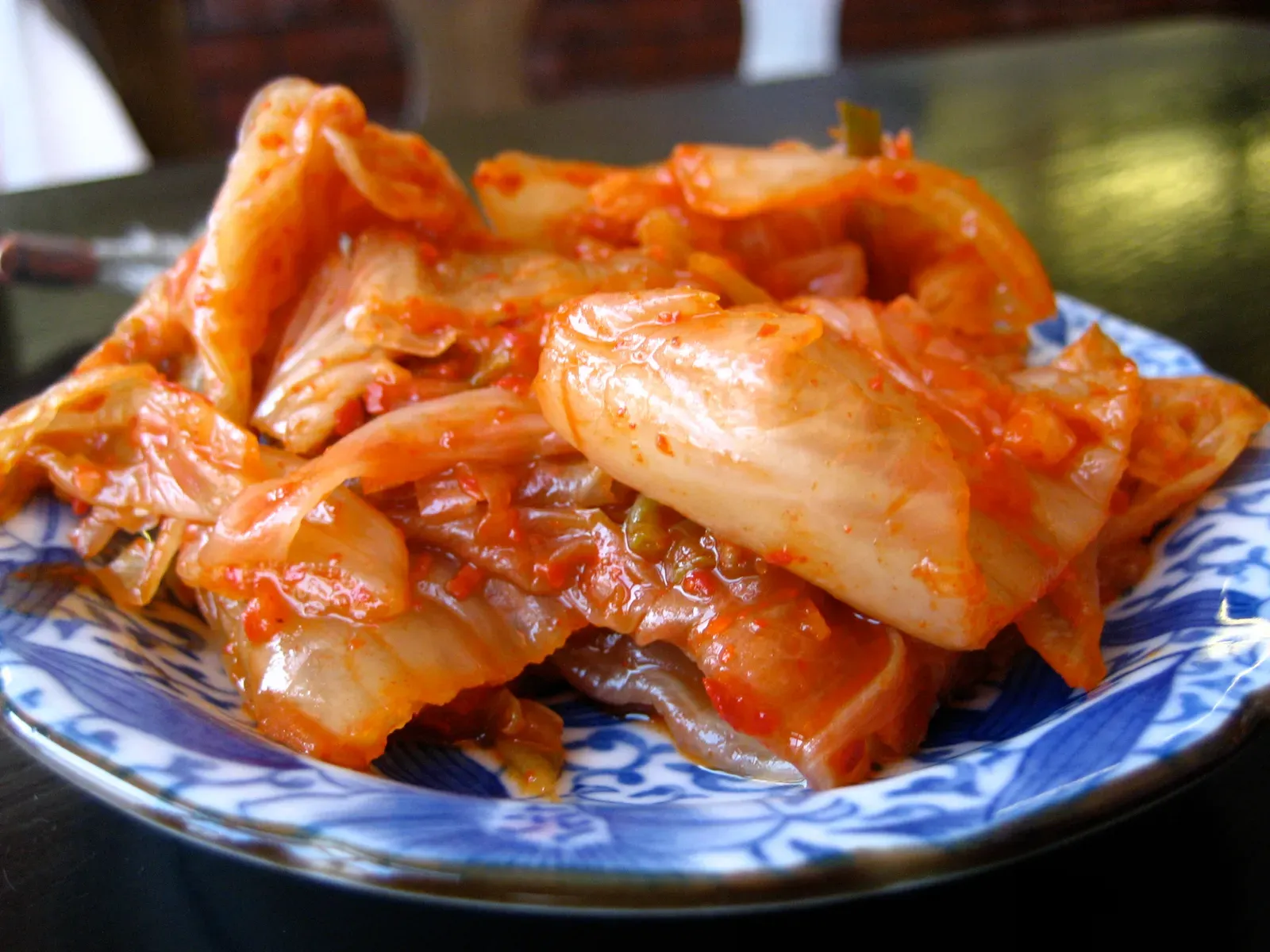
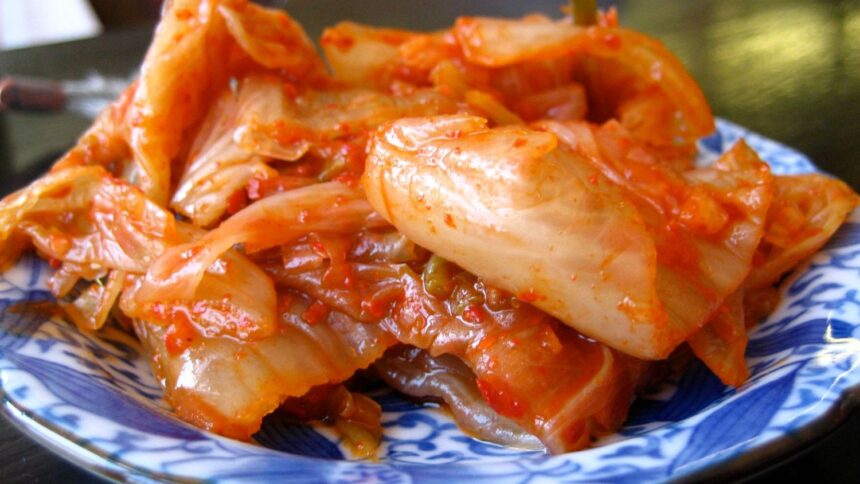
Fermented foods, such as yogurt, kimchi, kombucha tea, and pickled vegetables, remained the number one superfood trend for the seventh consecutive year. Kimchi, that spicy and tangy Korean staple made primarily from fermented cabbage and radish, has officially gone global. Fermented foods like kombucha and kimchi have had a huge surge in popularity in recent years, and honestly, it’s not hard to see why.
The complex layers of flavor in kimchi come from garlic, ginger, chili pepper, and fish sauce, all working together through fermentation. Lactobacillus organisms actually become more prominent in the fermented food and those reduce the pH and actually then that helps exclude some of the pathogenic or harmful bacteria. This means kimchi not only tastes incredible but actively supports your gut microbiome. In India, over eighty five percent of households consume some form of pickled food weekly, while South Korea’s kimchi culture is so pervasive that the government subsidizes cabbage farming to stabilize supply, with per capita consumption exceeding 27 kilograms annually.
I know it sounds crazy, but kimchi works in almost anything. Toss it into fried rice, layer it on tacos, or blend it into creamy pasta sauces. Chefs worldwide are experimenting with it beyond traditional Korean dishes. Pickled foods were on roughly one third of menus in 2023, and more unique fermented items such as kimchi and kefir are predicted to become regulars on some of the most well known menus across the US.
Kombucha: The Fizzy Functional Beverage

Kombucha has evolved from a health store curiosity into a mainstream beverage stocked in nearly every supermarket cooler. Kombucha actually dates back more than two thousand years, so the tea isn’t just a new fad or social media trend. This fermented tea starts with black or green tea, sugar, healthy bacteria, and yeast, then ferments anywhere from a week to a month.
Thailand based Fermenthe launched a new ready to drink kombucha range that featured the highest kombucha concentrate in the world. The drink delivers that signature tangy, slightly sweet, effervescent quality that enthusiasts love. What makes it appealing beyond the taste? The probiotics. Fermentation transforms simple tea into a functional drink with potential digestive and immune benefits.
The variety of kombucha flavors has exploded. From classic ginger lemon to exotic hibiscus blends and even tropical fruit infusions, there’s something for every palate. Kombucha, a fermented tea beverage known for its probiotic benefits and unique flavor profiles, is experiencing increased demand. Some brands are now adding prebiotic fiber or adaptogens to enhance the wellness factor even further. Let’s be real, it’s a drink that makes you feel virtuous while still being enjoyable.
Pickled Vegetables: The Global Pantry Staple
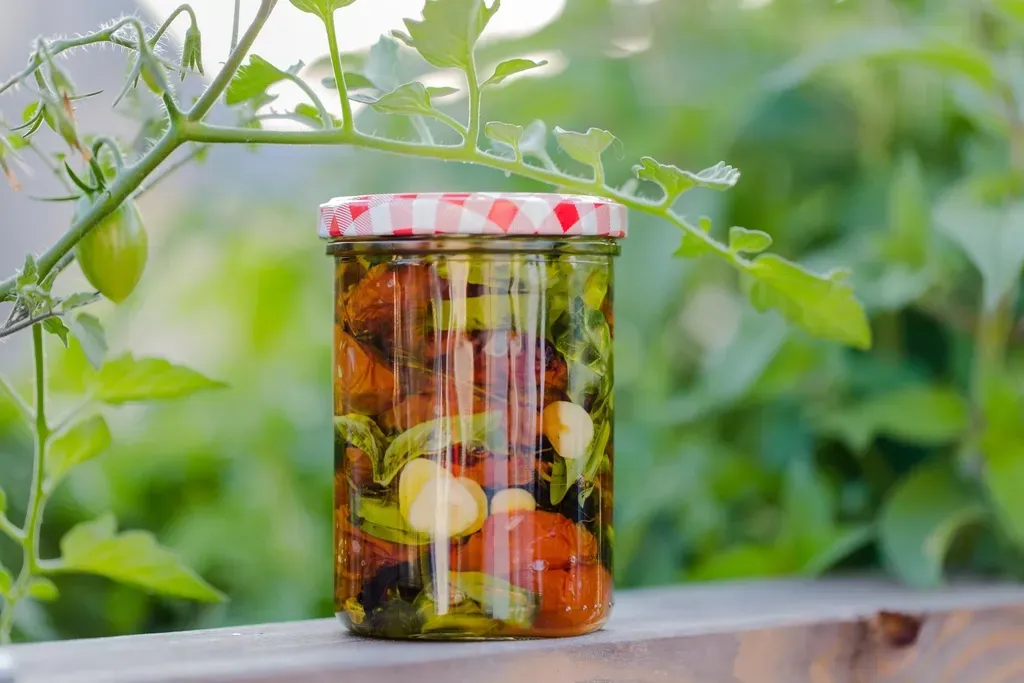
Pickled vegetables span cultures and cuisines, from American dill pickles to European sauerkraut to Middle Eastern pickled turnips. The pandemic stimulated consumer demand for shelf stable and fermented foods, leading to an increase in demand for pickled products. The process of pickling preserves vegetables while adding that irresistible tang and crunch that elevates so many dishes.
Pickled vegetables popularity has changed by nearly twenty seven percent over the past year. This sustained growth is driven by evolving consumer preferences for fermented and preserved foods, increased awareness of the health benefits of pickled vegetables, and expanding product innovations catering to diverse culinary traditions. Think about pickled jalapeños on nachos, pickled onions on burgers, or pickled beets in salads. They provide contrast and brightness that balances rich or fatty dishes beautifully.
The beauty of pickled vegetables lies in their accessibility. You don’t need elaborate equipment or exotic ingredients to make them at home. Pickled beets, pears, kimchi, and flavored vinegar are on top of some cottage foods menus this year. Simple vinegar brines with salt, sugar, and spices can transform carrots, cucumbers, radishes, and cauliflower into something special within hours.
Kefir: The Tangy Drinkable Probiotic

Fermented dairy products hold the dominant market share, accounting for approximately thirty one percent of global revenue in 2024. Kefir stands out among fermented dairy offerings as a tangy, slightly effervescent drink packed with probiotics and protein. Traditional kefir originates from the Caucasus Mountains and is a fermented milk drink with a creamy texture, sour taste, and subtle effervescence produced by adding a starter culture termed kefir grains to milk.
Kefir has evidence from at least one clinical trial suggesting beneficial effects in both lactose malabsorption and eradication of certain stomach bacteria. This makes it a practical option for people who struggle with regular milk but still want dairy benefits. Kefir’s thinner consistency compared to yogurt makes it easy to drink straight or blend into smoothies for a probiotic boost.
The flavor profile ranges from mildly tangy to quite sour, depending on fermentation time and the specific cultures used. Some brands are adding fruit flavors or sweeteners to make kefir more approachable for newcomers. In January 2024, Danone acquired Lifeway Foods, a U.S. based kefir producer, to strengthen its probiotic dairy portfolio. That tells you something about where the market is heading.
Tempeh: The Protein Rich Fermented Staple
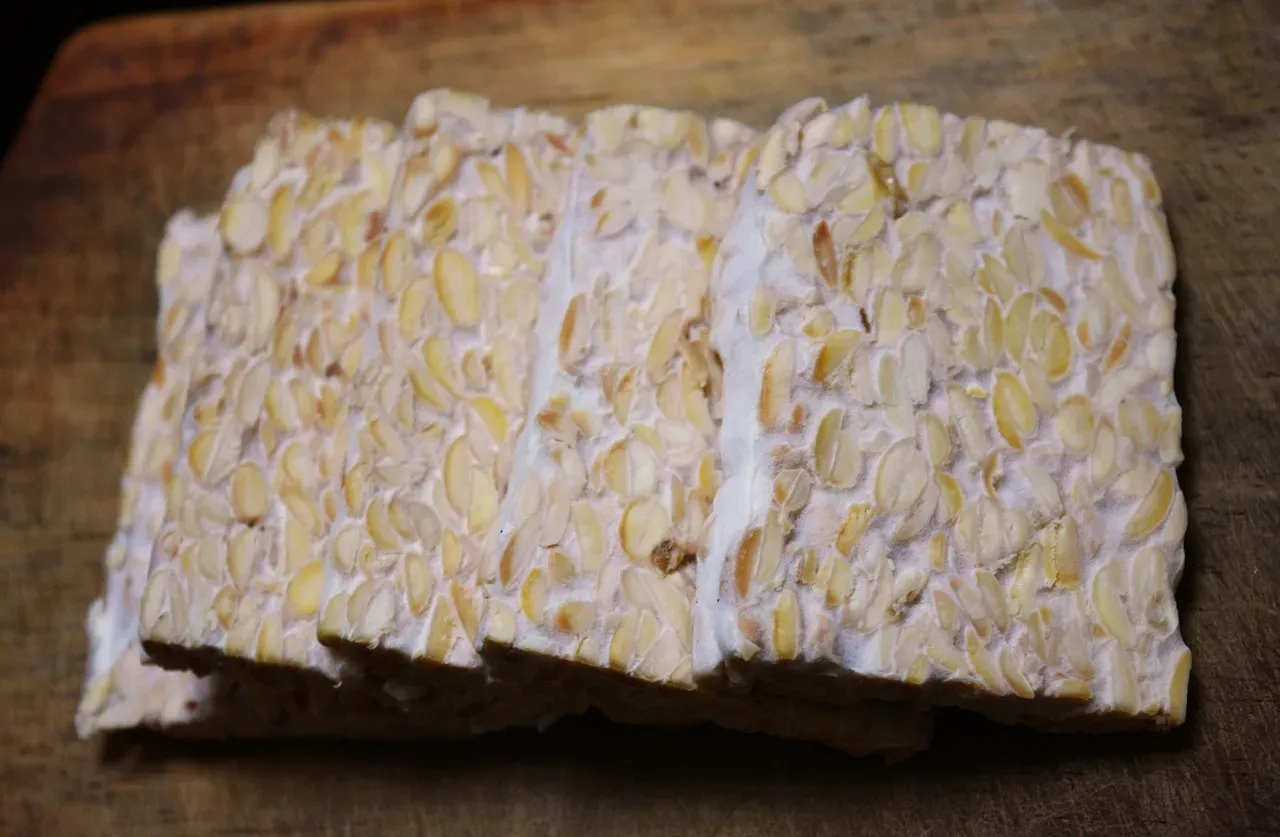
Indonesian tempeh offers an opportunity for market growth in the plant based realm as tempeh absorbs flavors well and can be used as a meat substitute in everyday dishes, and tempeh chips are increasingly being positioned as protein and fiber rich alternatives. Tempeh is made from fermented soybeans pressed into a firm cake, delivering substantial protein, fiber, and that characteristic nutty, earthy flavor.
Unlike tofu, tempeh maintains a firm, almost meaty texture that holds up beautifully to grilling, sautéing, or crumbling. Its firm texture and ability to absorb flavors make it a versatile ingredient in various cuisines, with increasing demand for plant based protein sources and the rising trend of clean label foods driving growth of the tempeh segment. Slice it thin and fry it crispy for sandwiches. Marinate thick slabs and grill them. Crumble it as a ground meat substitute in tacos or pasta sauces.
Tempeh offers nutritional advantages beyond just protein. The fermentation process makes the soybeans more digestible and increases the bioavailability of minerals. For anyone exploring plant based eating, tempeh provides that satisfying, substantial quality that lighter options sometimes lack. It’s become a staple in many vegetarian and vegan kitchens for good reason.