You can wander through cobblestone streets one minute and swipe into a smart fitness center the next. Historic districts are experiencing a fascinating transformation, where centuries-old architecture meets cutting-edge conveniences. These neighborhoods aren’t frozen in time anymore. They’re pulsing with life, blending their storied past with amenities that rival brand-new developments.
This isn’t about sacrificing history for progress or vice versa. It’s about something much more interesting. The most successful historic districts today are those that honor their architectural roots while welcoming modern infrastructure.
Charlotte’s Fourth Ward: Victorian Elegance Meets Urban Living
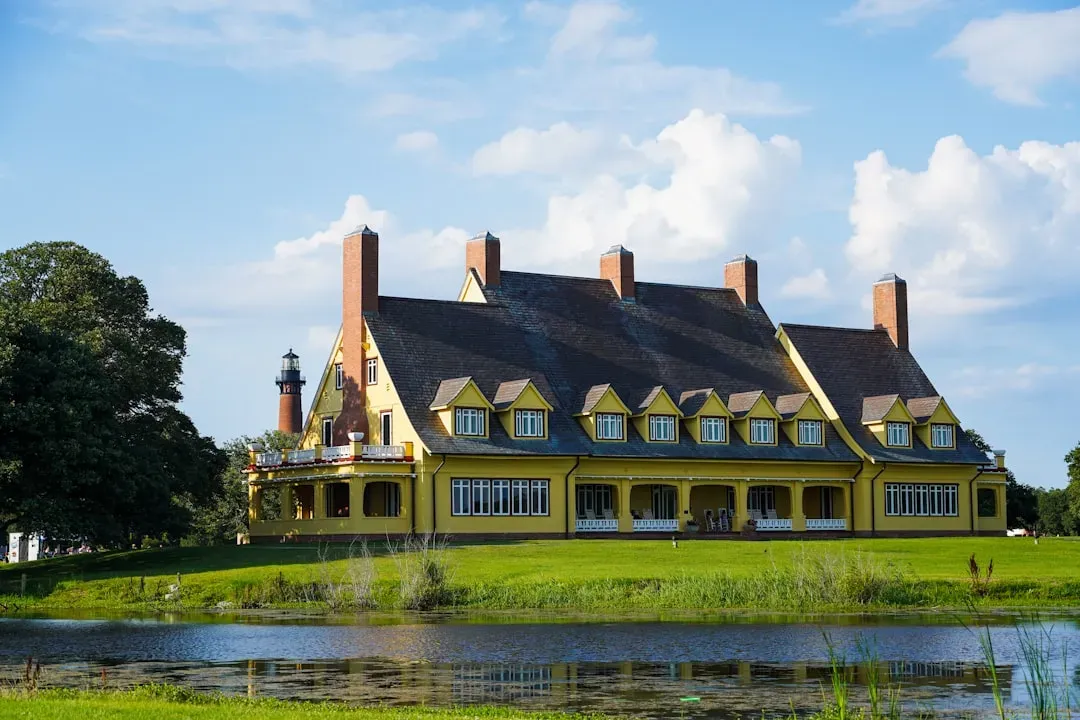
Nestled near Uptown Charlotte, the Fourth Ward Historic District exudes Victorian charm with its historic homes, tree-lined streets, and beautifully restored gardens. Walking through this neighborhood feels like stepping into a different era, yet residents enjoy the conveniences of modern city life just blocks away. It’s a perfect example of urban preservation, showcasing how a community’s heritage can coexist with modern development.
The transformation of Fourth Ward demonstrates what’s possible when preservation meets progress. Honestly, it’s hard to find many places that strike this balance so well. Wesley Heights, one of Charlotte’s eight designated historic districts, has recently seen a massive resurgence, proving that historic neighborhoods remain attractive to modern buyers seeking character alongside convenience.
Chicago’s Printers Row: Industrial Heritage Transformed
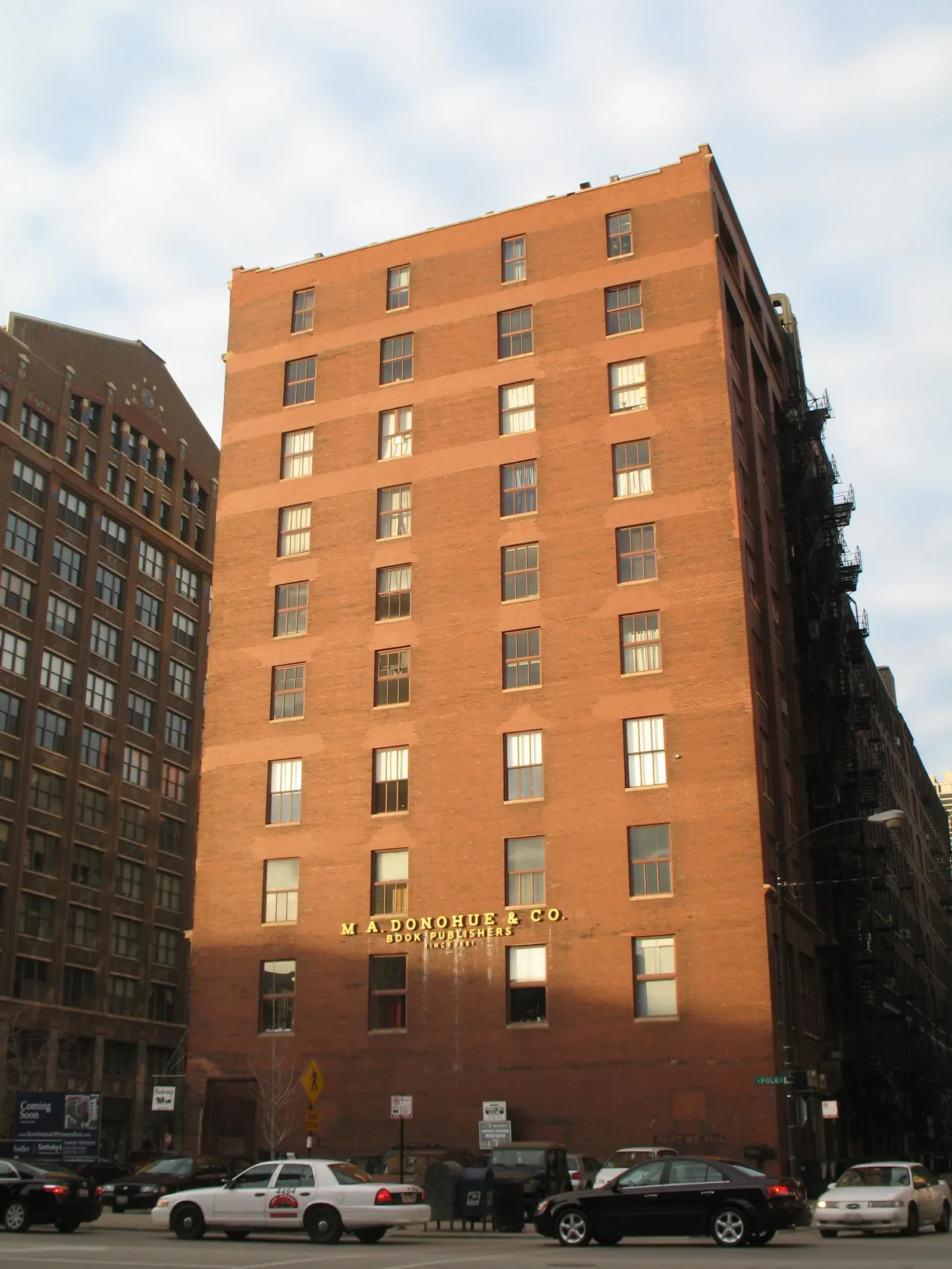
Chicago’s iconic Printers Row was once a hub for the city’s printing and publishing industry in the late 19th and early 20th centuries, its massive loft buildings housed numerous printing establishments. Today tells a completely different story. Printers Row is a residential neighborhood blending old and new, with the district’s architectural charm maintained through the adaptive reuse of the historic buildings, many converted into chic residential lofts.
What makes this area special is how the buildings’ bones were respected during conversion. Think exposed brick, soaring ceilings, and industrial details combined with modern HVAC systems and high-speed internet. The district’s historic Dearborn Station, once a bustling transit point, now serves as a charming retail and office complex, showing how old structures can find new purpose without losing their soul.
Punta Gorda’s Historic District: Waterfront Charm Enhanced
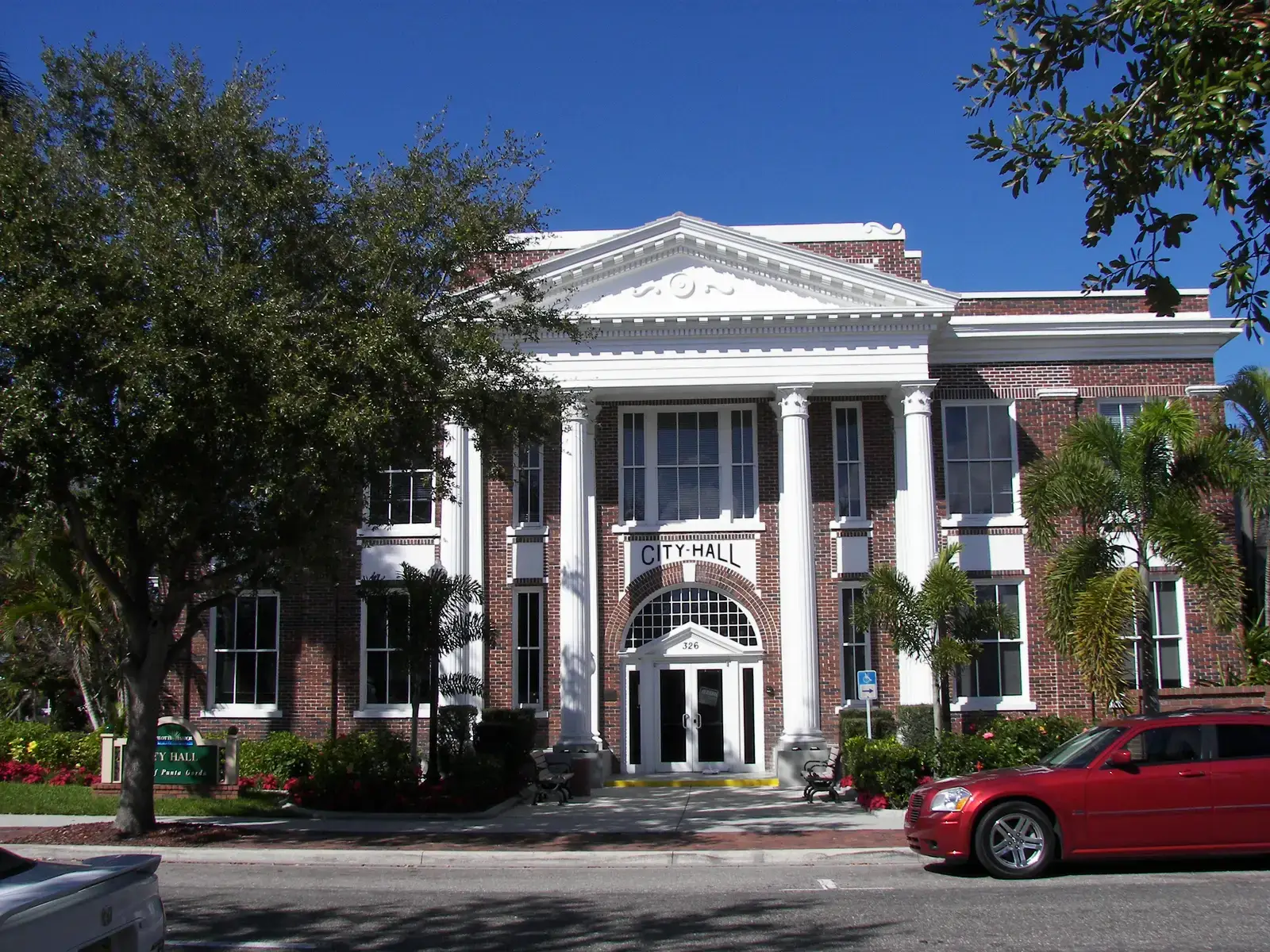
Punta Gorda dates to the 19th century and tells its story through a series of vibrant murals, with Marion Avenue, the pretty and picturesque main street, lining up eclectic shops and eateries. Yet this Florida district isn’t stuck in nostalgia. It overlooks the river and the county’s newest attraction on the opposite shore – Sunseeker Resort Charlotte Harbor, while Wyvern Hotel’s rooftop bar and Four Points by Sheraton with TT’s Tiki Bar maintain the lively atmosphere.
The balance here is remarkable. Historic preservation coexists with modern hospitality infrastructure. Laishley Park and its crab house cater to sea enthusiasts and families, complementing the extensive bike trails along the river. Residents and visitors get both worlds – the authenticity of a 19th-century town and the recreational facilities of a contemporary resort destination.
Nashville’s Germantown: Manufacturing Past, Trendy Present
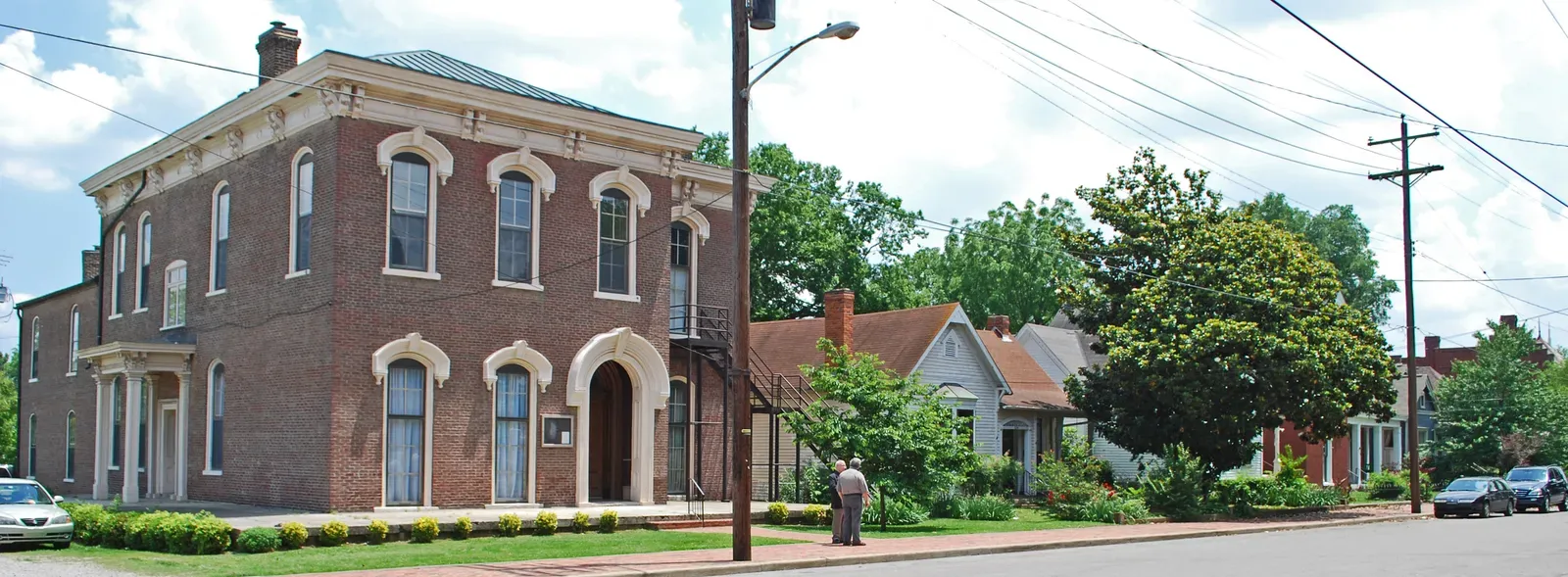
Named after the influx of German immigrants who settled in the area in the early 1900s, it quickly became a hub for manufacturing and commerce, and today, Germantown is a trendy and walkable neighborhood known for its Victorian-influenced architecture, chic restaurants, and lively arts scene. The transition from industrial quarter to cultural hotspot happened gradually but deliberately.
The neighborhood was added to the National Register of Historic Places in 1979, ensuring its rich history and distinctive character will be preserved for future generations. Still, preservation doesn’t mean stagnation. Modern amenities abound – from boutique fitness studios to farm-to-table restaurants – all housed within those carefully restored Victorian structures. The authenticity remains, but the lifestyle offerings are decidedly 21st century.