Imagine living through history’s most bizarre and catastrophic moments with nothing but word of mouth to spread the news. No live tweets, no viral videos, no frantic refresh cycles on social media feeds. Today, we examine three historical events so dramatic and surreal that they would absolutely dominate every corner of the internet if they happened right now. These aren’t just footnotes in dusty textbooks. They’re moments when the world went sideways in ways that still challenge our understanding of what really happened.
Pompeii’s Final Hours: The Ultimate Disaster Story
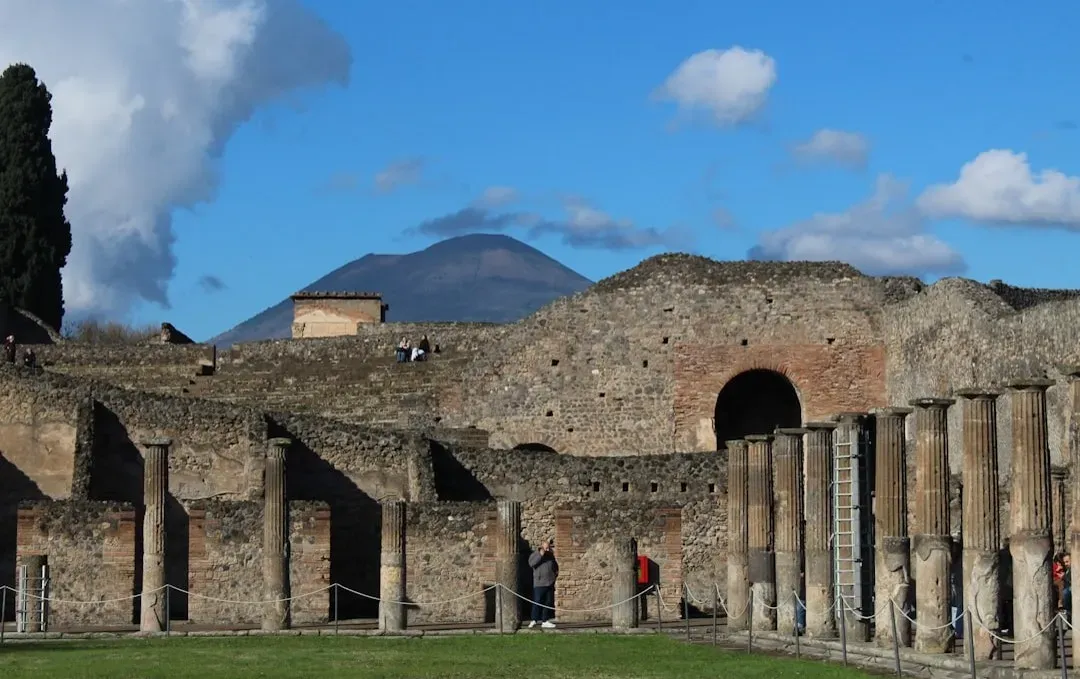
Mount Vesuvius in 79 AD delivered what would be the most documented natural disaster of all time if it happened today. Vesuvius violently ejected a cloud of super-heated tephra and gases to a height of 33 kilometers, ejecting molten rock, pulverized pumice and hot ash at 1.5 million tons per second, ultimately releasing 100,000 times the thermal energy of the atomic bombings of Hiroshima and Nagasaki. The eruption began around midday, giving residents little warning. The total population of both cities was over 20,000, and the remains of over 1,500 people have been found at Pompeii and Herculaneum, though the total death toll from the eruption remains unknown.
The timing of the eruption has recently been refined by archaeological discoveries. In October 2018, Italian archaeologists uncovered a charcoal inscription reading the 16th day before the calends of November, or October 17, that was probably made by a worker renovating a home, which has subsequently been suggested as the most likely date for the eruption. The first pyroclastic surge hit Herculaneum around 1 am with temperatures within the surge soaring to around 250 degrees Celsius, and then around 7:30 am the fourth surge crashed into Pompeii at over 200 mph with temperatures now exceeding 300 degrees Celsius, causing certain death in a fraction of a second for every living thing that resided in Pompeii at that time. The cities were frozen in time, preserved under layers of ash that would captivate archaeologists for centuries.
The Dancing Plague of 1518: When Strasbourg Lost Control
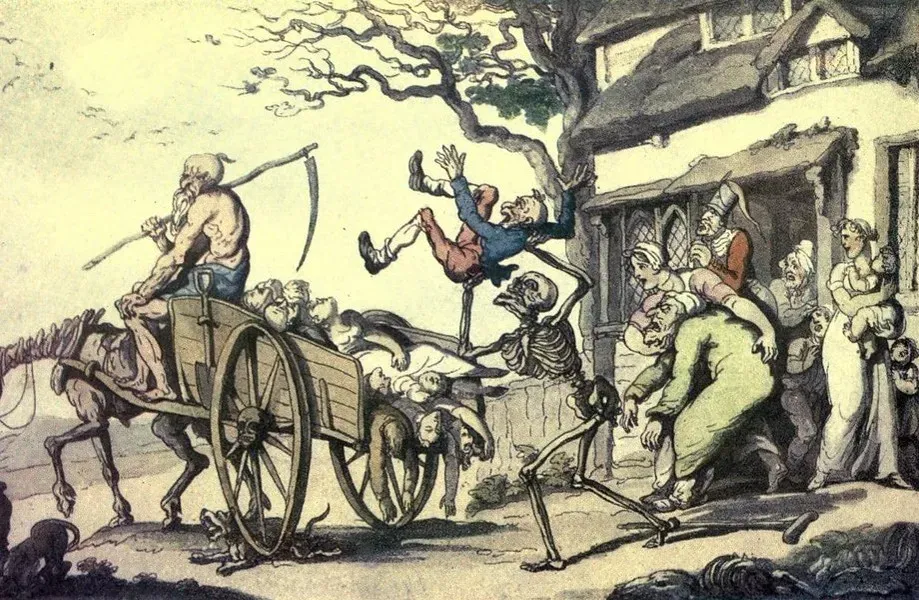
The summer of 1518 saw one of the most bewildering events in recorded history unfold in Strasbourg. On July 14, 1518, on the narrow-cobbled street outside her half-timbered home, Frau Troffea was reportedly seized by spasmodic, convulsive movement and continued dancing uncontrollably all day until she collapsed. This wasn’t a celebration or performance. Her husband begged her to stop, but Troffea began dancing again the next day on swollen, bloody feet, and over 30 people had joined her by week’s end, with the mob reaching 400 strong within a month. Some accounts noted several dancers died of heart attacks, exhaustion, or starvation each day.
The authorities’ response would fuel countless memes and debates today. Strasbourg’s City Council sought advice from local doctors who agreed this was a fever, and since it was a fever, rather than trying to keep the dancers from dancing, it was better to make them dance even more so they could sweat it out. The City Council decided to cure evil with evil, leaving space for the dancers and hiring dozens of professional musicians to accompany them night and day, with some healthy inhabitants joining to watch, feed them, and help them when they fell exhausted, which only helped spread the contagion. The most widely accepted theory is that of medical historian John Waller, who laid out his reasons for believing the dancing plague was a form of mass psychogenic disorder, as such outbreaks take place under circumstances of extreme stress and generally take form based on local fears, and in the case of the dancing plague of 1518, Waller cited a series of famines and the presence of diseases such as smallpox and syphilis as the overwhelming stressors affecting residents of Strasbourg.
Mount Tambora: The Volcano That Stole Summer
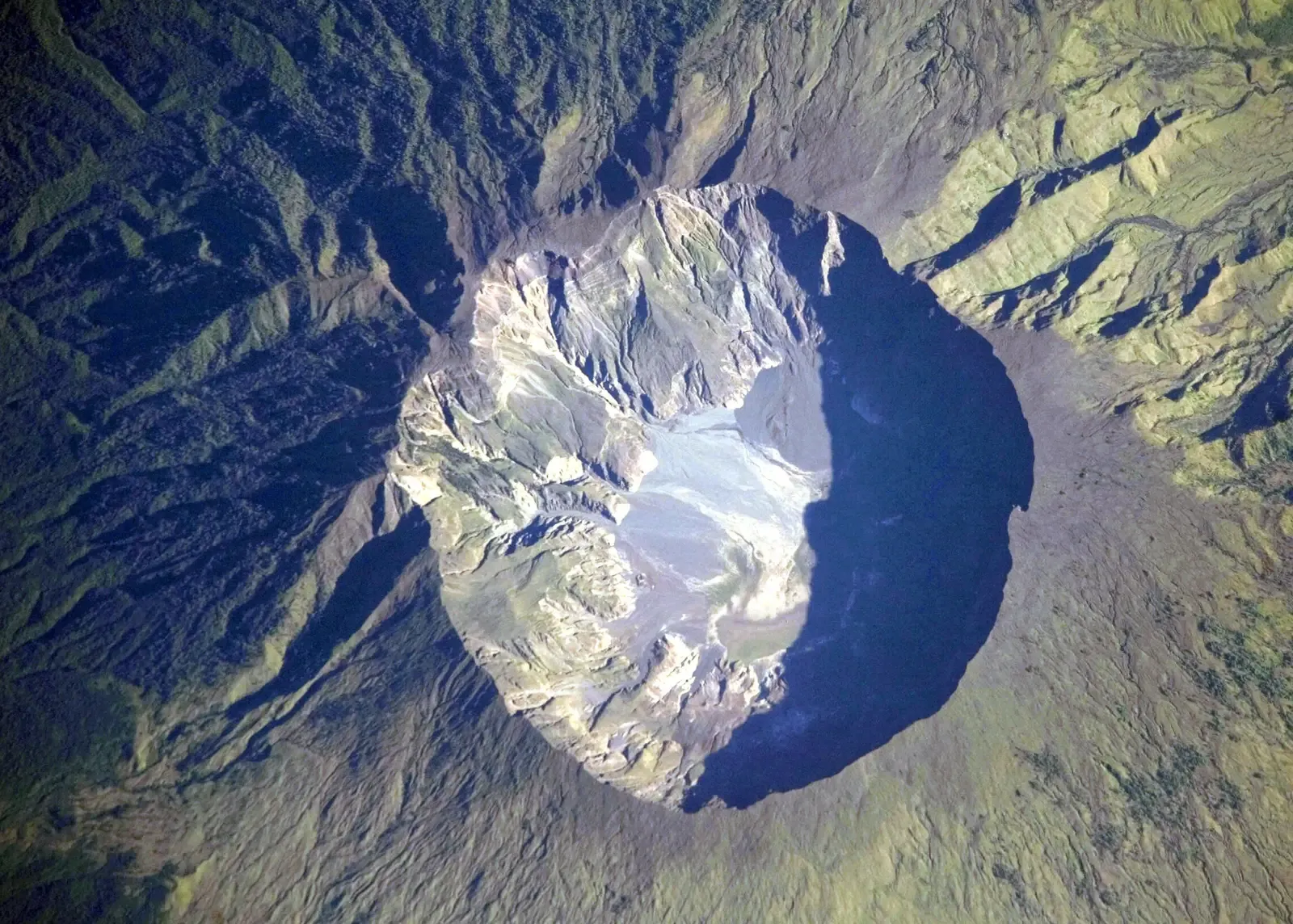
April 1815 witnessed an eruption so massive it changed weather patterns across the entire globe for years. On April 5, 1815, Mount Tambora started to rumble with activity, and over the following four months the volcano exploded in the largest volcanic explosion in recorded history. The eruption caused a volcanic winter, and during the Northern Hemisphere summer of 1816 global temperatures cooled by 0.53 degrees Celsius, with this cooling directly or indirectly causing 90,000 deaths, as the eruption of Mount Tambora was the largest cause of this climate anomaly. The scale of destruction was incomprehensible. The eruption was one of the greatest volcanic eruptions in history, with its toll perhaps as many as 90,000 lives.
The global impact would have dominated news cycles for months in our connected world. The year 1816 is known as the Year Without a Summer because of severe climate abnormalities that caused average global temperatures to decrease by 0.4 to 0.7 degrees Celsius, with summer temperatures in Europe that year being the coldest of any on record between 1766 and 2000, resulting in crop failures and major food shortages across the Northern Hemisphere. On June 4, 1816, frosts were reported in the upper elevations of New Hampshire, Maine, Vermont, and northern New York, on June 6 snow fell in Albany, New York and Dennysville, Maine, and on June 8 the snow cover in Cabot, Vermont was reported still to be 46 centimeters deep. Europe, still recuperating from the Napoleonic Wars, suffered from widespread food shortages resulting in its worst famine of the century, with low temperatures and heavy rains resulting in failed harvests in Great Britain and Ireland, and famine prevalent in north and southwest Ireland following the failure of wheat, oat and potato harvests as food prices rose sharply throughout Europe.
Why These Events Would Dominate Social Media
Each of these historical catastrophes possessed the perfect ingredients for viral content. The Tunguska event combined mystery, massive destruction, and the terrifying realization that space rocks can devastate entire regions without warning. Eyewitness accounts would flood platforms within minutes, with satellite imagery and seismic data analyzed in real time by millions of amateur sleuths. Conspiracy theories would proliferate faster than scientists could debunk them. The sheer visual spectacle of 80 million flattened trees and the butterfly-shaped destruction pattern would generate endless drone footage and mapping visualizations.
Pompeii offered something different: a countdown to disaster with real people making life-or-death decisions. Live streams from the doomed cities would be utterly haunting. Minor earthquakes were reported in the four days before the 79 AD eruption, but the warnings were not recognized, as the inhabitants of the area surrounding Mount Vesuvius had been accustomed to minor tremors in the region. The tension between scientific warnings and public complacency would play out in comment sections worldwide. Plaster casts of victims preserved in their final moments would become the most shared images in history, sparking debates about ethics, mortality, and how societies respond to existential threats. The archaeological significance would be livestreamed to classrooms and museums instantly.
The Modern Parallels We Can’t Ignore
These events resonate because they expose vulnerabilities we still face. Asteroid detection programs exist precisely because Tunguska proved the threat is real. NASA Planetary Defense Officer Lindley Johnson stated that a collision of a NEO with Earth is the only natural disaster we now know how humanity could completely prevent, and we must keep searching for what we know is still out there and continue to research and test planetary defense technologies and capabilities that could one day protect our planet’s inhabitants from a devastating event. Volcanic eruptions remain unpredictable. Today, Mount Vesuvius is the only active volcano on the European mainland, with its last eruption in 1944 and last major eruption in 1631, and another eruption is expected in the near future which could be devastating for the 700,000 people who live in the death zones around Vesuvius.
The dancing plague reminds us that mass psychological phenomena can spread through communities under extreme stress. In our hyperconnected age, social contagion moves at digital speed. Mental health crises, viral challenges, and collective anxieties spread across populations faster than any medieval dancing mania. The mechanisms that drove hundreds to dance uncontrollably in 1518 haven’t disappeared. They’ve simply found new expressions in our modern world. Understanding these historical precedents helps us recognize patterns in contemporary social behavior, from panic buying during crises to the rapid spread of misinformation. The past offers warnings we’d be foolish to ignore, especially when armed with technology that amplifies both our best responses and our worst impulses.