History loves a clean story. We like our heroes simple, their motivations pure, their characters carved in marble. The problem is that real people – even the greatest ones – have always been far messier than their monuments suggest. Some of history’s most celebrated figures carried a second self beneath their public face: a hidden personality that operated in the shadows of the one the world adored. These weren’t frauds or impostors. They were complicated human beings whose dual natures often made them more effective, more daring, and ultimately more consequential than anyone around them knew.
1. Abraham Lincoln: The Stoic Who Secretly Fell Apart
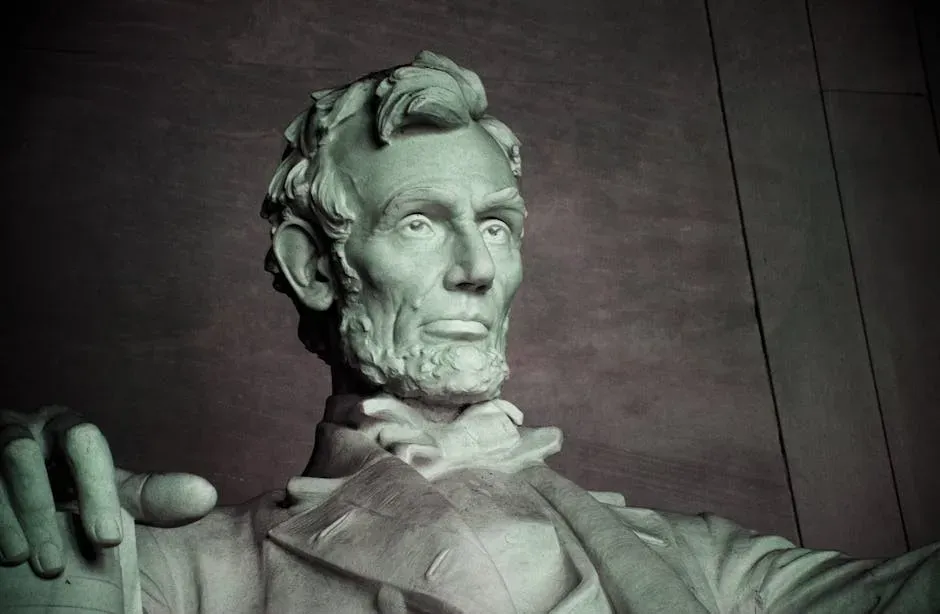
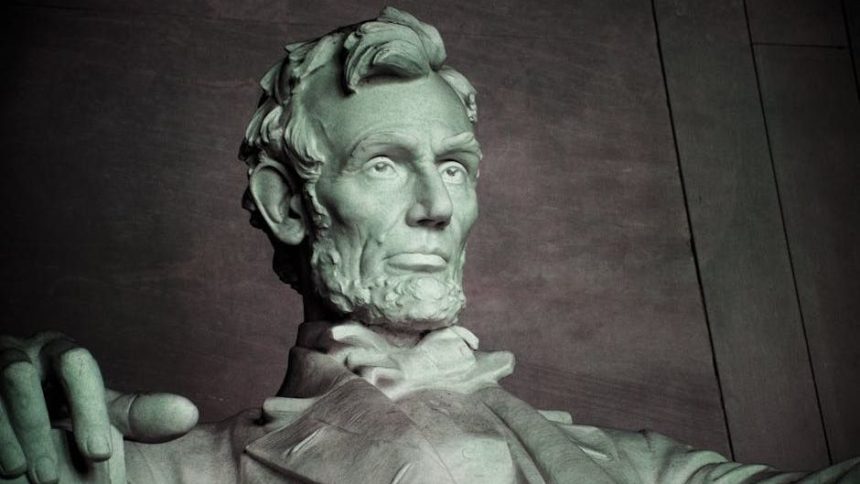
The image of Abraham Lincoln is perhaps the most enduring symbol in the American consciousness. From the weathered face on the penny to the towering marble statue in Washington, he is often viewed as a stoic, almost mythical figure who navigated the Civil War with unwavering resolve. That is the public Lincoln – the one cast in bronze. The private Lincoln was something entirely different. Recent scholarly investigations and the surfacing of previously overlooked personal accounts are providing a much more intimate look at the man who occupied the White House during its darkest hour, suggesting that the sixteenth president was a person of profound emotional complexity whose private battles often rivaled the public turmoil of a nation divided.
Historians are increasingly focusing on Lincoln’s internal life, specifically his documented struggles with what was then termed melancholy. Far from the polished icon of leadership, Lincoln was a man who frequently succumbed to deep bouts of sorrow. His law partner William Henry Herndon, who knew Lincoln long before he became a national icon, described him as “secretive, silent, and a very reticent minded man, trusting no man, nor woman, nor child with the inner secrets of his ambitious soul.” As we look closer at these private details, the legendary figure of Lincoln becomes less of a marble monument and more of a living, breathing person – a man who used humor and storytelling not just for political gain, but as a shield against his own psychological burdens. The stories he told were often earthy and self-deprecating, revealing a lack of pretension rare for men in high office.
2. Abraham Lincoln: The Warm Father Behind the Commander
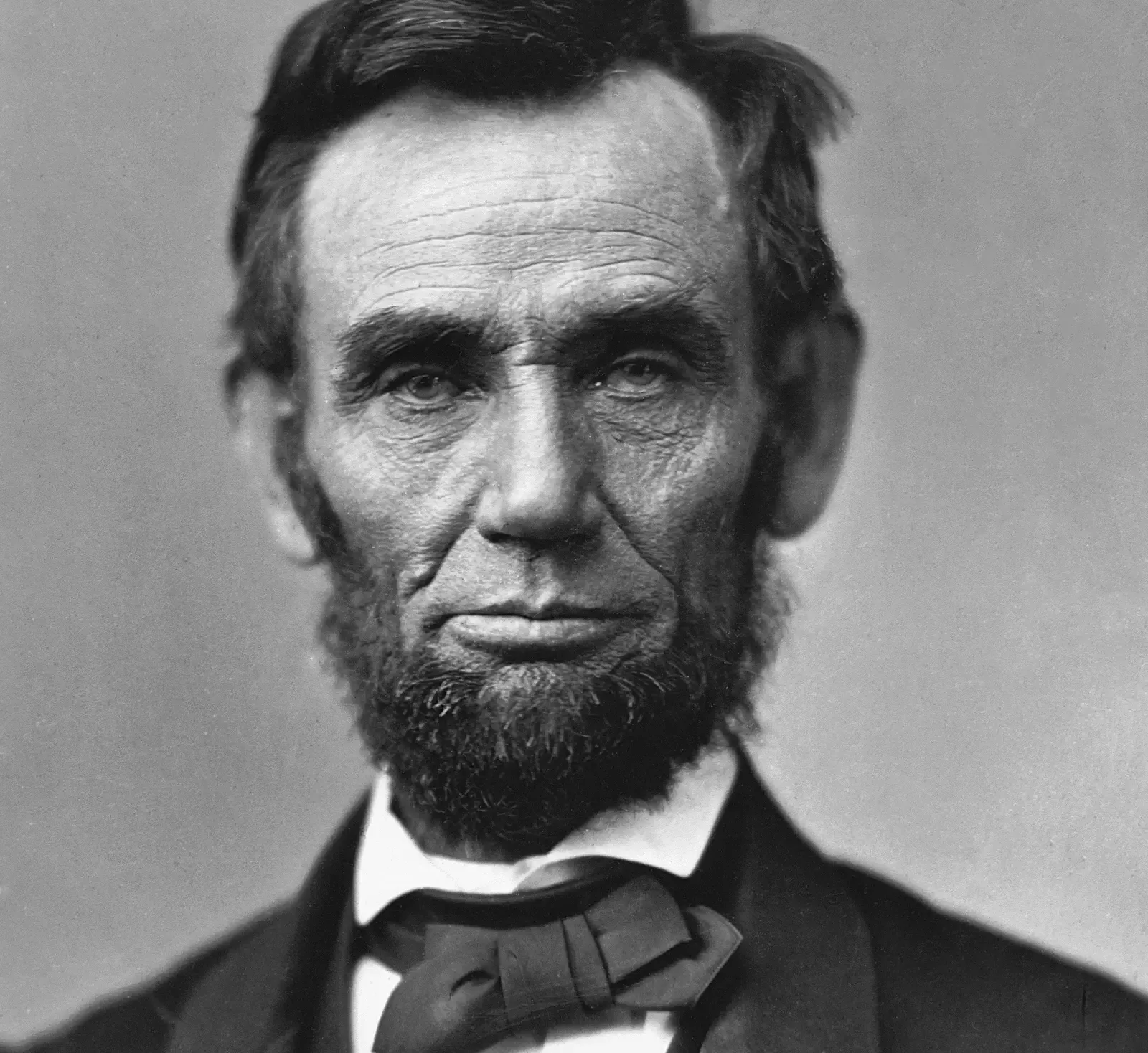
If you read Lincoln’s words, his letters, speeches, and debates, you realize Lincoln’s personality was not that of a shrewd, humorous, saintly man, but a combination of traits found in the biographies of great artists: passionate, gloomy, seeming-cold, and conscious of superiority. Yet at home, the contrast was stark. His relationship with his family offers a stark contrast to the formal image of the Victorian era. While many fathers of the mid-nineteenth century maintained a strict, distant authority over their children, Lincoln was remarkably permissive and affectionate. A 2025 article in Psychology Today noted that psychiatrist A.A. Brill argued that “two contrasting natures struggled within him,” with Lincoln’s dark side inherited from his brute of a father while his light side derived from his cheerful, affectionate mother.
The loss of his son Willie during the middle of the war shattered his psyche in ways that official reports of the time never fully captured. New analysis of Mary Todd Lincoln’s correspondence reveals a household that was often in a state of emotional crisis, where the president would wander the halls at night, unable to find peace. By examining his letters and the diaries of his closest confidants, researchers are finding that Lincoln’s greatness may have actually stemmed from his vulnerability rather than a lack of it. The man who publicly projected calm authority was, behind closed doors, a grieving father unraveling in real time.
3. Harriet Tubman: The Freedom Conductor Who Became a Spy
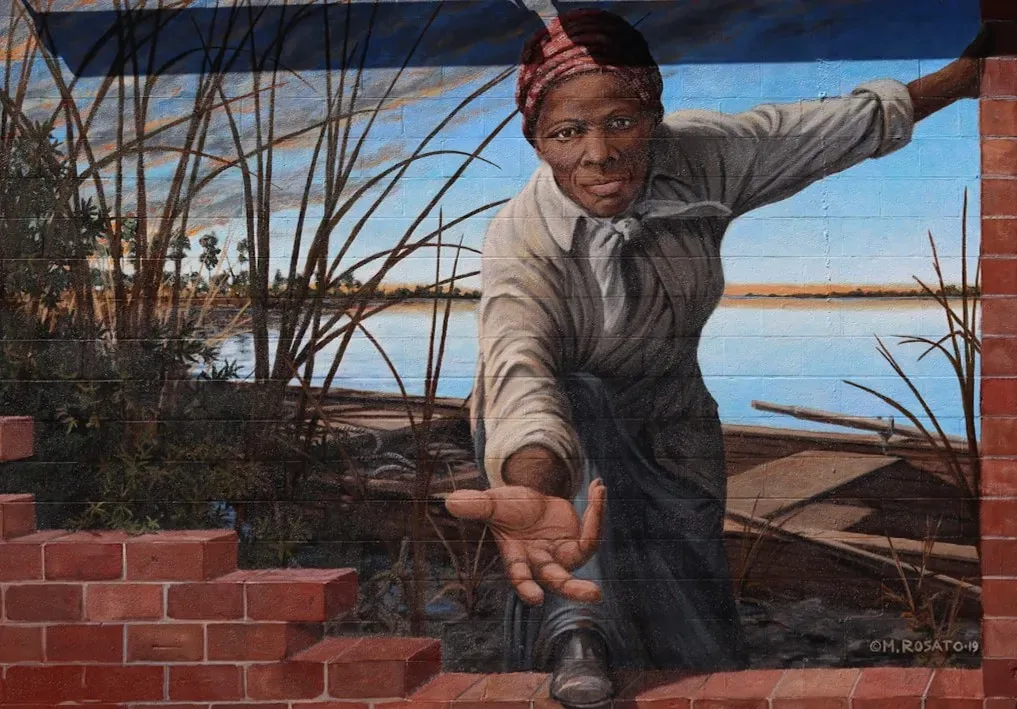
Harriet Tubman is well known for risking her life as a “conductor” in the Underground Railroad, which led escaped enslaved people to freedom in the North. But the former enslaved woman also served as a spy for the Union during the Civil War. Most people carry only the first half of that sentence in their minds. The second half is the one that changes everything. Perhaps her most significant, but less celebrated, contributions came during the Civil War, when she worked for the Union as a nurse, soldier, and spy. Tubman’s skills and abilities, honed in the backwoods of Maryland as she spirited people north, were crucial to penetrating slave-holding power in South Carolina and delivering a devastating blow to the Confederacy.
Once in Hilton Head, Harriet began her work as a spy and an organizer and leader of scouts. She selected and paid nine reliable black scouts, riverboat pilots who knew every inch of the local waterways, and trained them in methods of gathering intelligence. As a spy, Tubman disguised as an elderly woman would wander unobserved through rebel territory, obtaining information from enslaved African Americans while at the same time watching Confederate troop movement, locations, ammunition depots, and supply lines. Her double persona – the humble freedom seeker on the surface, the trained intelligence operative underneath – was so complete that even most of her contemporaries never fully grasped the scope of what she was doing.
4. Harriet Tubman: The Military Commander the History Books Ignored

As a guerilla fighter in 1863, under the command of Colonel James Montgomery, during the Combahee Ferry Raid, Tubman became the first woman to lead an armed military assault. She and 150 African American soldiers attacked plantations and destroyed Confederate mines, storehouses, and crops along the Combahee River in South Carolina. During this raid, she and her fellow Black soldiers rescued 700 slaves. The raid was a complete military success, and yet Tubman remained largely unrecognized for it during her lifetime. Despite serving the Union in several capacities during the war, Tubman was only paid $200.
Tubman was accepted in June 2021 to the United States Army Military Intelligence Corps Hall of Fame at Fort Huachuca, Arizona. She is one of 278 members, 17 of whom are women, honored for their special operations leadership and intelligence work. The recognition came more than a century late. The use of former slaves as spies was a covert operation – President Abraham Lincoln didn’t even tell the Secretary of War or the Secretary of Navy about it. The man in charge of the secret spy ring was Secretary of State William Seward, who’d met Tubman when his house was a stop on the Underground Railroad. The conductor of freedom had, in secret, also become a conductor of war.
5. Nikola Tesla: The Visionary Genius With a Fractured Inner World

Nikola Tesla, the Serbian-American inventor, remains a fascinating figure in history, renowned for his groundbreaking contributions to science and technology. Yet, behind the brilliance lay a man plagued by financial struggles and misunderstood ideas. The world saw a bold, confident inventor who lit up the night sky with alternating current. Behind the laboratory doors was a man governed by rituals, phobias, and an inner life that would startle anyone who truly looked. With brilliance often comes eccentricity. Tesla had obsessive compulsive disorder, which compelled him to do things in threes, including only inhabiting a hotel room that was divisible by the number three.
He was obsessive, relentless, and so deeply committed to his vision that he sacrificed everything for it. He worked endlessly, often sleeping just two hours a night, and never stopped pushing the boundaries of what was possible. He never married, believing that celibacy helped him focus on his work. A 2025 biographical investigation, drawing from the Tesla Museum archives, shed new light on previously unknown aspects of the inventor’s life, including details of a mysterious invention the prolific inventor pursued until his death – a theoretical radio device capable of communicating with the past. The public Tesla was the man of the future; the private Tesla was a figure suspended somewhere between science and mysticism.
6. Nikola Tesla: The Mystic Who Hid Behind the Inventor’s Coat

While Einstein dethroned the ether in mainstream physics, Tesla clung to it with absolute conviction. He viewed the ether as a luminous sea of subtle substance – omnipresent, conscious, and the true conveyor of energy and intelligence throughout the cosmos. To Nikola Tesla, the ether was not empty space, but a plenum of potential. This was not the Tesla the public celebrated. The world wanted the engineer; Tesla himself seemed equally drawn to the philosopher and the mystic. He believed his Wardenclyffe Tower could extract energy directly from the ether, offering wireless power and communication to the world. The tower was more than a transmitter – it was an antenna for the infinite.
After Tesla’s death, many of his papers, including those related to his “death ray” and other advanced technologies, were seized by the U.S. government. Some believe these documents were hidden to prevent the disclosure of groundbreaking inventions that could change the global power structure. His legacy is a blend of reverence and controversy. While celebrated for his contributions to modern alternating current electricity, he was also known for his eccentricities and unconventional ideas. Despite financial hardships and personal setbacks, Tesla’s inventions continue to inspire scientists and innovators to this day. The man the world labeled a genius and the man who believed he was receiving knowledge from the cosmos were, in fact, the very same person – living inside the same restless, extraordinary mind.