The phrase “the book was better” has become almost automatic when discussing film adaptations. Readers and moviegoers alike typically champion the original source material, arguing that novels offer depth, nuance, and detail that cinema simply cannot match. Still, history has proven that this rule isn’t absolute. A handful of films have managed to do the seemingly impossible: they’ve taken good books and transformed them into something even better on screen.
These rare adaptations succeed by understanding what makes cinema unique. They trim unnecessary subplots, strengthen character development, and use visual storytelling to create emotional impact that words on a page cannot fully capture. The directors behind these films recognized that adaptation isn’t about faithful replication – it’s about translation. What follows are three undeniable examples where Hollywood got it right, creating films that stand not just alongside their literary predecessors, but above them.
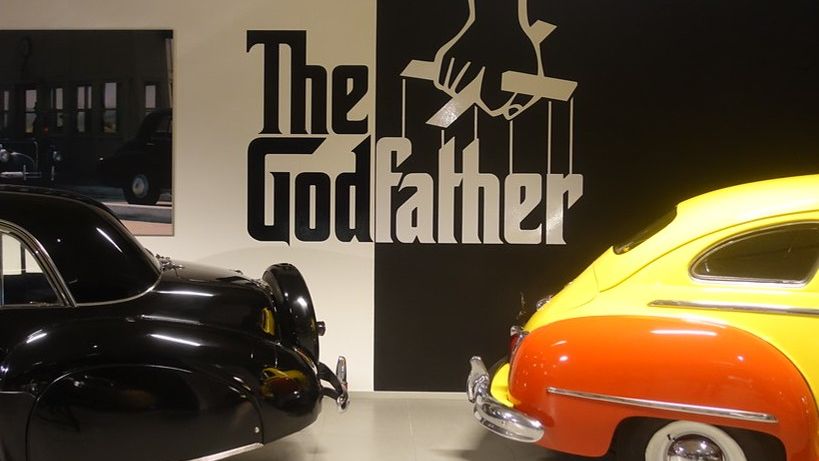
The Godfather: Streamlining Puzo’s Pulp Into Cinematic Gold
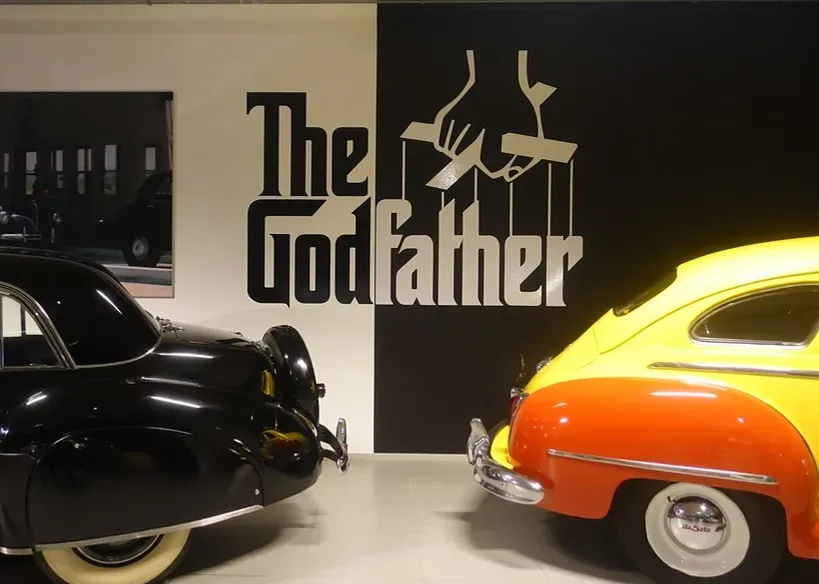
Mario Puzo once paid a very high compliment to Francis Ford Coppola and his adaptation, telling Charlie Rose in 1996 that if you picked the twenty best movies of all time, you would have to include The Godfather, though you couldn’t say the same thing about the book. Coppola’s film is far more than just an adaptation of an incredible novel – it’s a film that took risks and chances on its own. The author himself acknowledged what many critics and audiences have recognized: the movie surpassed its source material.
At the time he began writing The Godfather, Puzo had written two novels that were critically acclaimed but financially unsuccessful, which convinced him it was “time to grow up and sell out.” The resulting 1969 novel was deliberately crafted as commercial fiction, filled with subplots about Johnny Fontane’s singing career, Lucy Mancini’s sexual adventures in Las Vegas, and even Mafia connections that gave the book a pulpy feel. The chief differences between book and film are of omission and presentation – the film does without extensive subplots for minor characters, and it presents the main story more as an epic family tragedy than the seedy pulp fiction style of the novel. Coppola and Puzo streamlined these digressions, focusing laser-sharp attention on the Corleone family itself.
Jaws: Fixing Benchley’s Unlikeable Characters
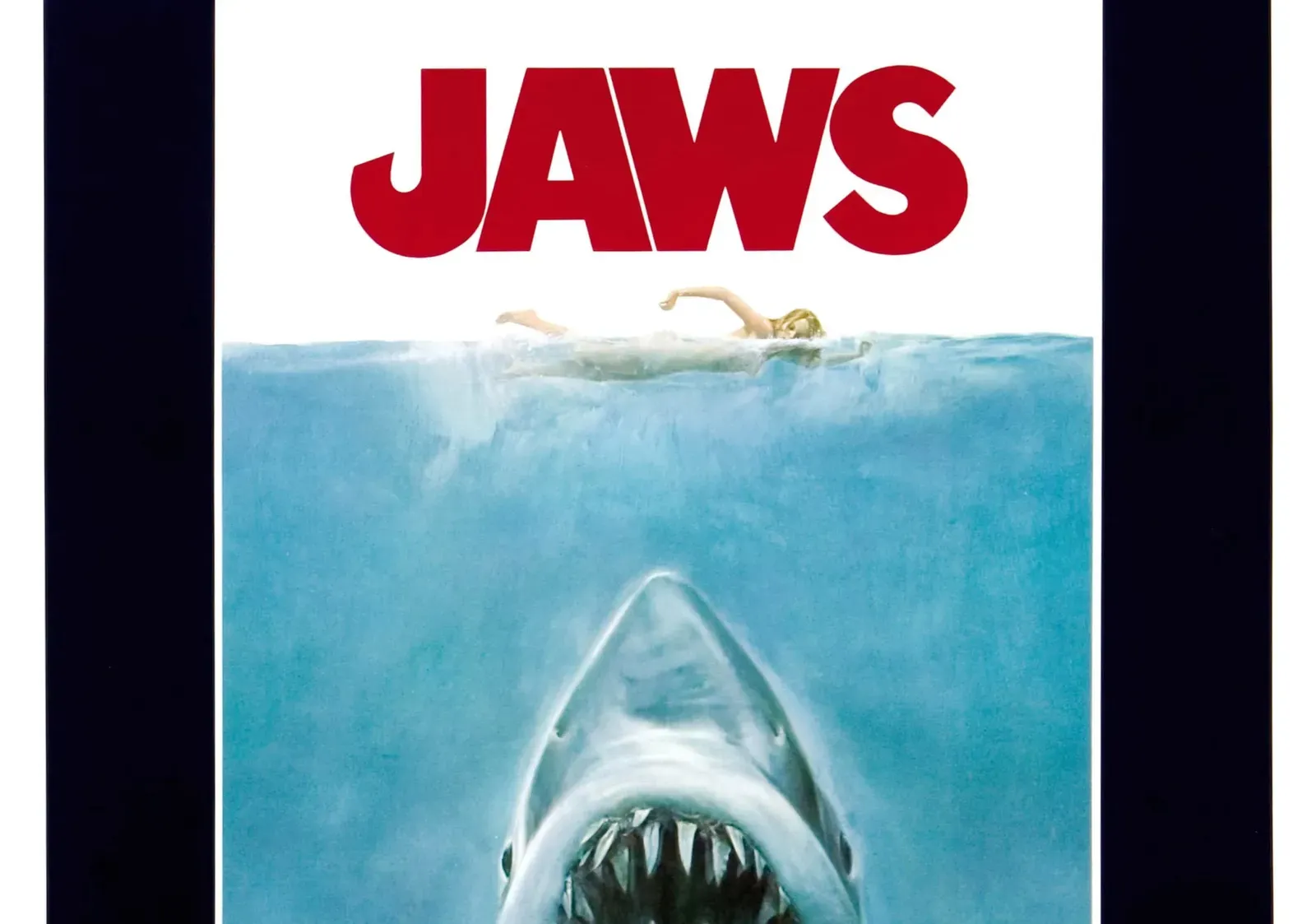
Peter Benchley’s 1974 novel Jaws is darker and more complicated than Spielberg’s film. Spielberg famously found nearly all the characters in the book unlikable, and sought to fix that, lest the audience begin to sympathize with the shark rather than the humans. The book featured Chief Brody as a depressed man worried about his wife’s affair, Matt Hooper actually having that affair with Brody’s wife Ellen, and Mayor Vaughn connected to the Mafia. These subplots dragged down what should have been a taut thriller.
Ironically, production obstacles created one of the film’s strengths – the ominous felt presence of the shark, rather than its visual appearance, created unparalleled tension, heralded by a score written by John Williams. The screenplay wisely excised much of the fluff and the hateful tension between the three lead characters, focusing on making the central idea of a killer shark on the loose as suspenseful and exciting as possible, striking the perfect balance of lighthearted adventure and heartfelt character moments. The book was quite popular in its own right, but it was Steven Spielberg’s film adaptation in 1975 that made Jaws a household name, becoming the highest-grossing film of all time upon its release and originating the notion of the summer blockbuster.
The Shawshank Redemption: Expanding King’s Novella Into Emotional Depth
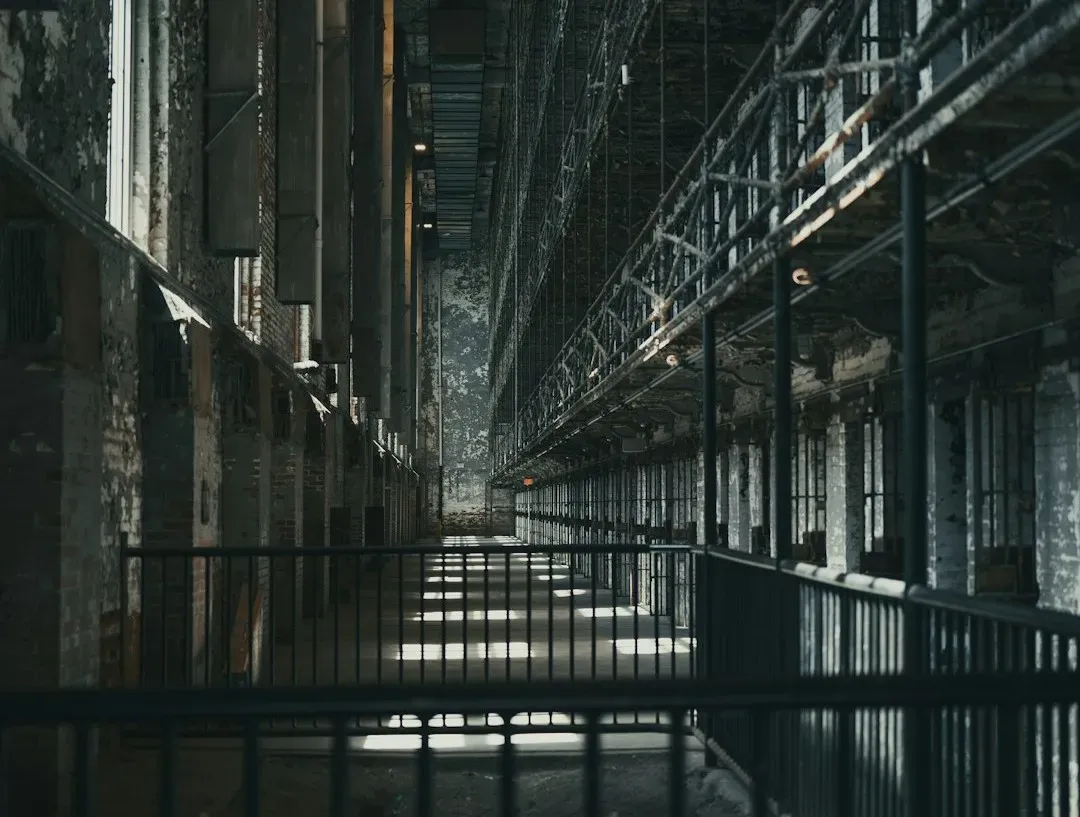
Rita Hayworth and Shawshank Redemption is a realist novella by Stephen King, first published in 1982 by Viking Press in his collection Different Seasons. King didn’t believe that his book had enough meat to be worthy of a feature film, but writer-director Frank Darabont insisted on the opposite, and aside from a few character discrepancies, The Shawshank Redemption is a near-perfect distillation of King’s story. What Darabont brought to the adaptation was a visual language of hope that the novella only hinted at.
The film stays truer to its title by using a character who is actually guilty yet undergoes a transformation through his connection with Andy and his experiences in prison, and it also adds what is possibly the story’s most iconic scene, in which Andy defies authority and plays opera for the inmates. The Shawshank Redemption adapted Stephen King’s novella into beloved film, with Frank Darabont’s screenplay expanding character relationships creating emotional depth, proving short stories could become feature-length masterpieces. The film earned seven Academy Award nominations and has become one of the most beloved films of all time, far eclipsing the novella’s cultural footprint.
Why These Adaptations Succeeded Where Others Failed
Rarer still are the movies that actually improve upon their source material by expanding on the themes, stories, character arcs, and worldbuilding. The three films discussed here share common strategies that explain their success. Each director recognized that cinema operates by different rules than literature. Books can meander through subplots and internal monologues, but films demand tighter focus and visual storytelling. Coppola cut Puzo’s pulp digressions. Spielberg eliminated Benchley’s cynical side stories and moral ambiguity. Darabont expanded King’s compact novella with iconic visual moments.
These directors also understood character likability matters more on screen than on the page. Readers can tolerate flawed or unsympathetic protagonists because they have access to internal thoughts and motivations. Movie audiences need someone to root for within minutes. Spielberg transformed Brody from a resentful native into a fish-out-of-water hero. Coppola made the Corleones sympathetic despite their criminality by focusing on family loyalty. Darabont gave us Morgan Freeman’s warm narration to guide us through Andy’s silent determination. Each adaptation made smart choices about what to keep, what to cut, and what to enhance.
The Role of Visual Storytelling in Surpassing Source Material

Coppola didn’t need to have his film lit the way it was – a heavy focus on blacks and oranges, with lots of heads swimming in a black backdrop – but doing so created a certain texture to the film that was wholly original and is now a commonly used lighting setup in modern cinema. Cinema’s greatest advantage over literature is its ability to convey meaning through images, sound, and performance. A single shot can communicate what might take paragraphs to describe. The right musical score can elevate emotion beyond what prose achieves.
Consider the iconic moments that define these films: the severed horse head in The Godfather, the first barrel surfacing in Jaws, Andy standing in the rain in Shawshank. None of these moments relied heavily on dialogue. They worked through visual composition, editing, and sound design. While Crichton’s Jurassic Park novel was an exciting science fiction novel that presented the same message about the dangers of genetic engineering, it lacked the visual spectacle of the movie that made it the highest-grossing film of all time at one point, with CGI dinosaurs creating a moment of movie magic that still holds up today. The same principle applies to these three films – they harnessed cinema’s unique tools to create experiences the books couldn’t match.
When Faithfulness Becomes a Limitation

Some film theorists have argued that since a transcription of a novel into film is impossible and even holding up a goal of accuracy is absurd, a film adaptation must change to fit and maximize faithfulness along axes like effect, theme, or message of a novel. The most successful adaptations recognize this truth. They understand that being slavishly faithful to every plot point and character detail often results in bloated, unsatisfying films. Peter Jackson’s Lord of the Rings trilogy succeeded precisely because it made bold cuts and changes while preserving the epic scope and emotional core of Tolkien’s work.
The three films examined here demonstrate that improvement requires courage to depart from the source. Puzo worked with Coppola on The Godfather screenplay and willingly jettisoned his own subplots. Benchley co-wrote the Jaws screenplay but ultimately Spielberg brought in other writers to reshape it according to his vision. Darabont bought the rights to King’s story for just five thousand dollars and made it his own. Each adaptation benefited from creative voices willing to serve the story rather than worship the original text. The result in each case was a film that honored the spirit of the book while transcending its limitations, proving that sometimes the adaptation really can be better than the source.