Most people who walk into a casino expect to stay for an hour or two. Many stay far longer. The gap between intention and reality isn’t a matter of willpower alone. It’s by design.
Casinos are masterful at employing psychological tactics to influence gamblers’ behavior and maximize profits. From the moment you step inside, every aspect of the environment is carefully designed to keep you playing longer and spending more. Understanding the specific mechanics behind this design doesn’t require a psychology degree. It just requires knowing where to look.
Trick #1: No Clocks, No Windows, No Time

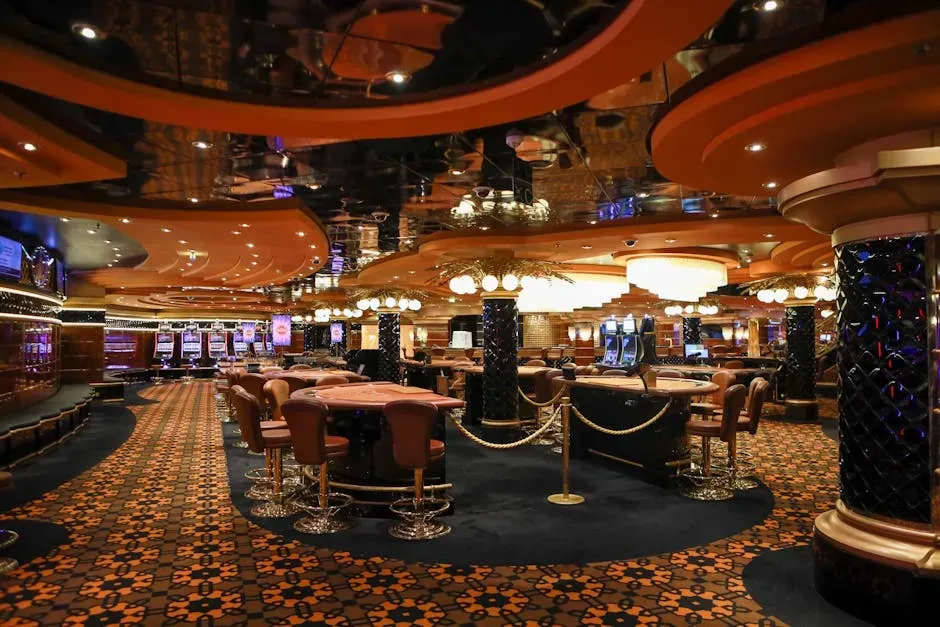
The strategy behind eliminating time awareness is straightforward: remove all evidence of the time of day. Casinos want gamblers to lose track of time and how long they’ve been playing games and have employed many tactics to make it seem as if time has come to a standstill. There are typically no clocks hung on casino walls, and there are practically no windows so that gamblers don’t see the sun rise or set. Even if there are windows, they’re likely heavily tinted to prevent players inside from seeing whether it’s day or night.
This tactic plays into a phenomenon known as “temporal distortion,” where the absence of time cues like clocks or windows leads players to lose track of time. There are studies showing that such environments can significantly extend gambling sessions by disrupting players’ internal sense of time.
Due to a lack of clocks and natural daylight, casinos can simulate daylight during the dark hours to lure players into remaining at the tables and slot machines. Casino-related context constitutes a key factor in the repetition of gambling behaviors. It’s very easy to lose track of time in a casino because there usually are no windows or clocks to remind you how long you’ve been playing. When you don’t think about time, you don’t feel pressured to step away from the game and head home.
Trick #2: Sensory Overload That Freezes the Mind

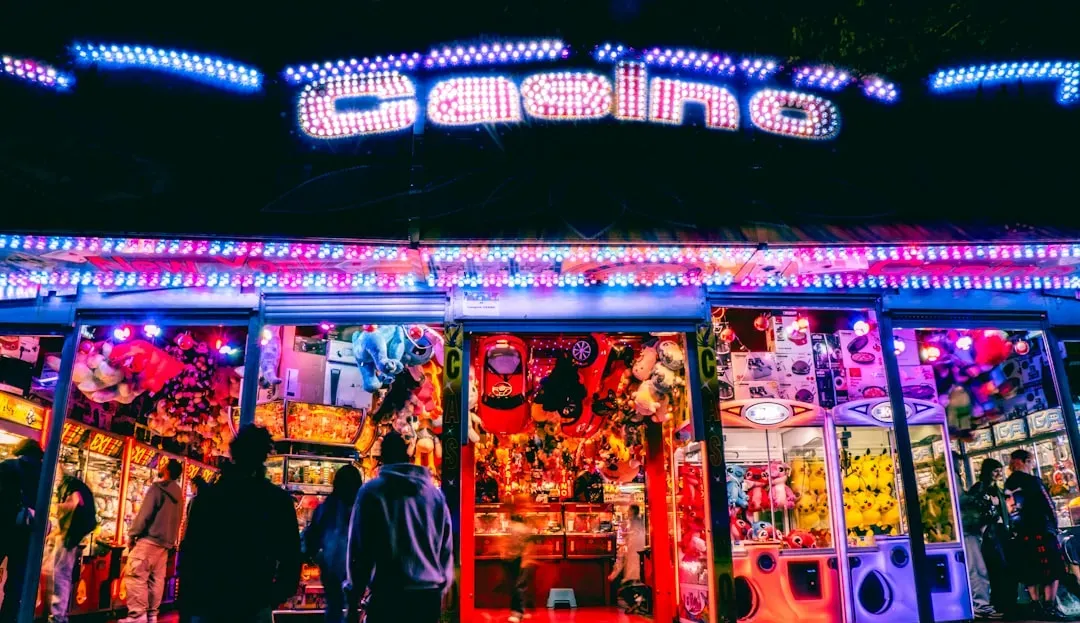
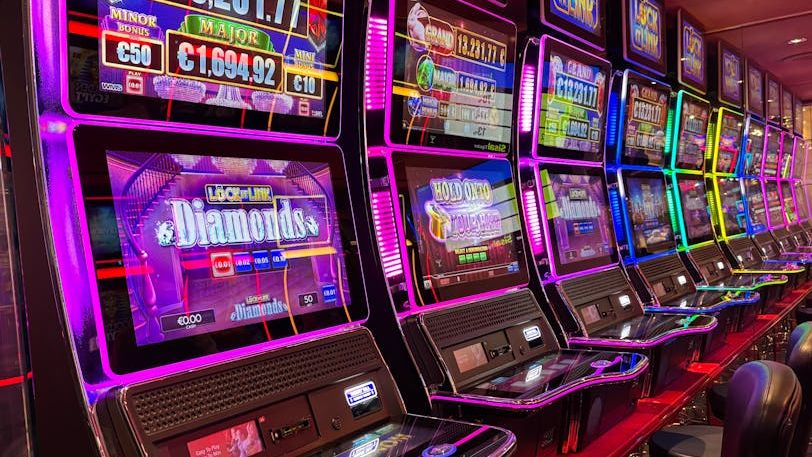
When you enter a casino, your senses are overwhelmed with exciting bright lights and the loud sounds of winning. This highly stimulating environment completely draws players in, enabling them to ignore the outside world and act before thinking about their losses.
A study published in the Journal of Neuroscience found that reward-linked stimuli, such as slot machine lights and sounds, can promote risky decision-making, particularly when audio and visual elements are used together. The researchers concluded these cues might promote problem gambling.
Adding flashing lights and music to gambling encourages risky decision-making. Scientists discovered rats behaved like problem gamblers when sound and light cues were added to a “rat casino” model. What’s more, the researchers were able to correct the behavior by blocking the action of a specific dopamine receptor, laying the groundwork for possible treatment of gambling addiction in humans. Casinos also play background music to affect how people behave. A study from the Journal of Behavioral Addictions found that people who gambled while listening to a low-tempo soundtrack gambled longer because it had a relaxing effect. Those who heard high-tempo music had faster reaction times with betting. In other words, casinos can use music to encourage people to bet without thinking first.
Trick #3: Intermittent Rewards and the Dopamine Loop

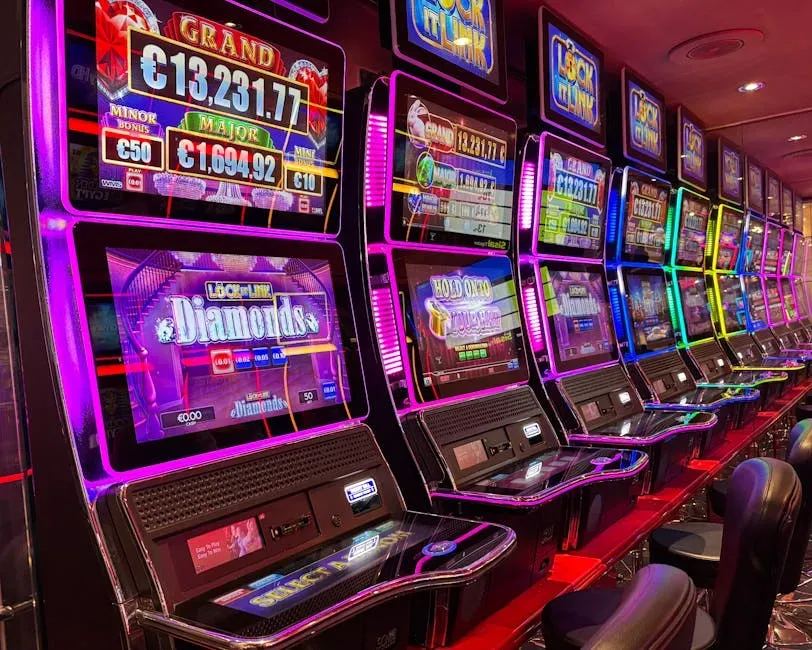
Slot machines operate on a “variable-ratio schedule,” which means that reinforcement is given after an unpredictable number of responses. Research shows that behaviors reinforced on these schedules tend to reoccur again and again. A slot player has no way of knowing how many times he has to play before a winning combination comes up, but he does know that eventually, the machine will pay off. Consequently, it is always possible that the next play will be a winning one, and this makes it very hard for the player to walk away.
A 2024 study published in Current Opinion in Behavioral Sciences confirmed that intermittent rewards trigger stronger dopamine responses than predictable ones. When individuals anticipate or experience a win, dopamine floods the brain, reinforcing the behavior and encouraging repetition. This mechanism is strikingly similar to how addictive substances affect the brain, making gambling a potent source of psychological reinforcement.
Studies show that gambling triggers dopamine release at higher levels than natural rewards like food or social connection. Even more surprisingly, near misses – those moments when a gambler just barely loses – can activate the brain’s reward circuitry almost as strongly as an actual win. This keeps people coming back, hoping that the next bet will finally pay off.
The Maze That Keeps You In


Classic Casino Design, popularized by Bill Friedman, focuses on creating intimate, windowless spaces filled with gaming machines. This approach often incorporates maze-like layouts that make it challenging for patrons to navigate, subtly encouraging them to continue gambling as they try to find their way around.
The layout of the casino and its gambling machines are deliberately confusing and maze-like to catch your attention as you search for an exit. Some casinos even place the bathrooms further inside the building, so you’ll need to walk even deeper to reach them, exposing you to more enticing slot machines and poker tables in the process.
By creating complex pathways and obscuring exits, casinos make it difficult for players to leave, subtly nudging them to continue gambling. This layout strategy, often referred to as “gaming design,” focuses on maximizing exposure to gaming opportunities. As players wander in search of restrooms or exits, they’re continually presented with enticing games and flashing lights, increasing the likelihood of spontaneous gambling decisions.
Near-Misses: Almost Winning Is Worse Than Losing

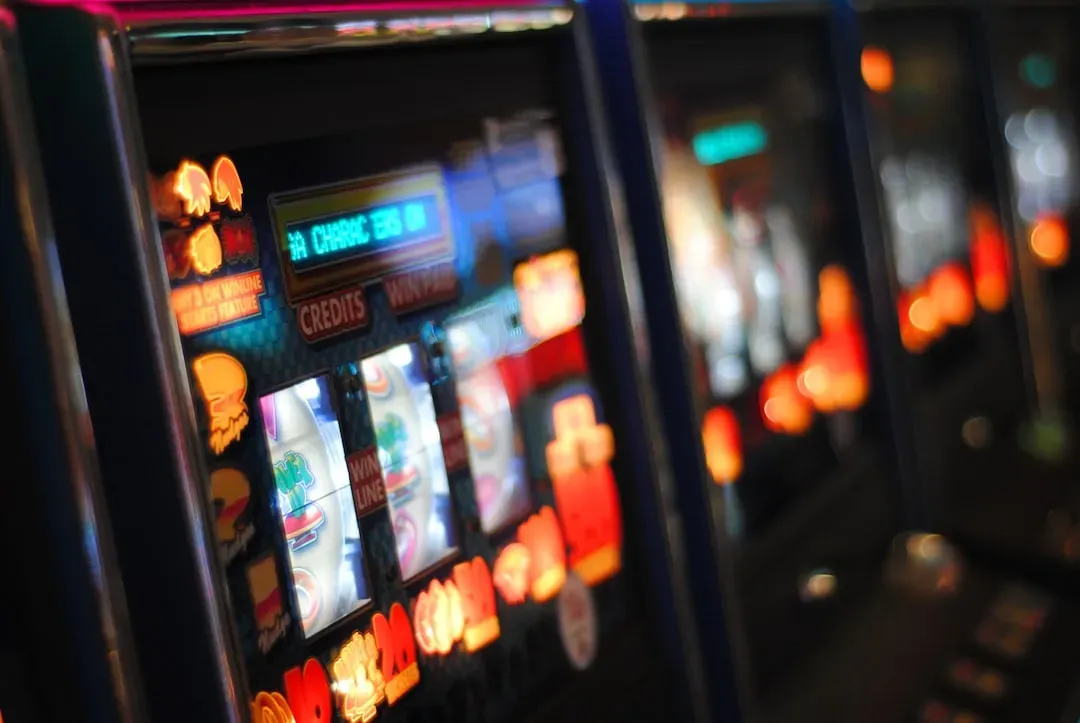
The concept of near-misses is a powerful tool in the casino’s psychological arsenal. Slot machines and other games are often programmed to display results that come tantalizingly close to a big win, even when the outcome is a loss. These near-misses trigger a psychological response similar to an actual win, encouraging players to continue gambling, believing they’re “due” for a win.
Research has shown that near-misses can be more motivating than actual wins, as they activate the brain’s reward circuitry, particularly in the midbrain region associated with dopamine release. This response can lead individuals to continue gambling, chasing the elusive win that feels just within reach.
Neurological research conducted at institutions like the University of Cambridge and Stanford confirms that even near-misses in slot games stimulate dopamine activity. This reinforces the illusion of control and encourages continued play, despite actual odds remaining unchanged.
Losses Disguised as Wins

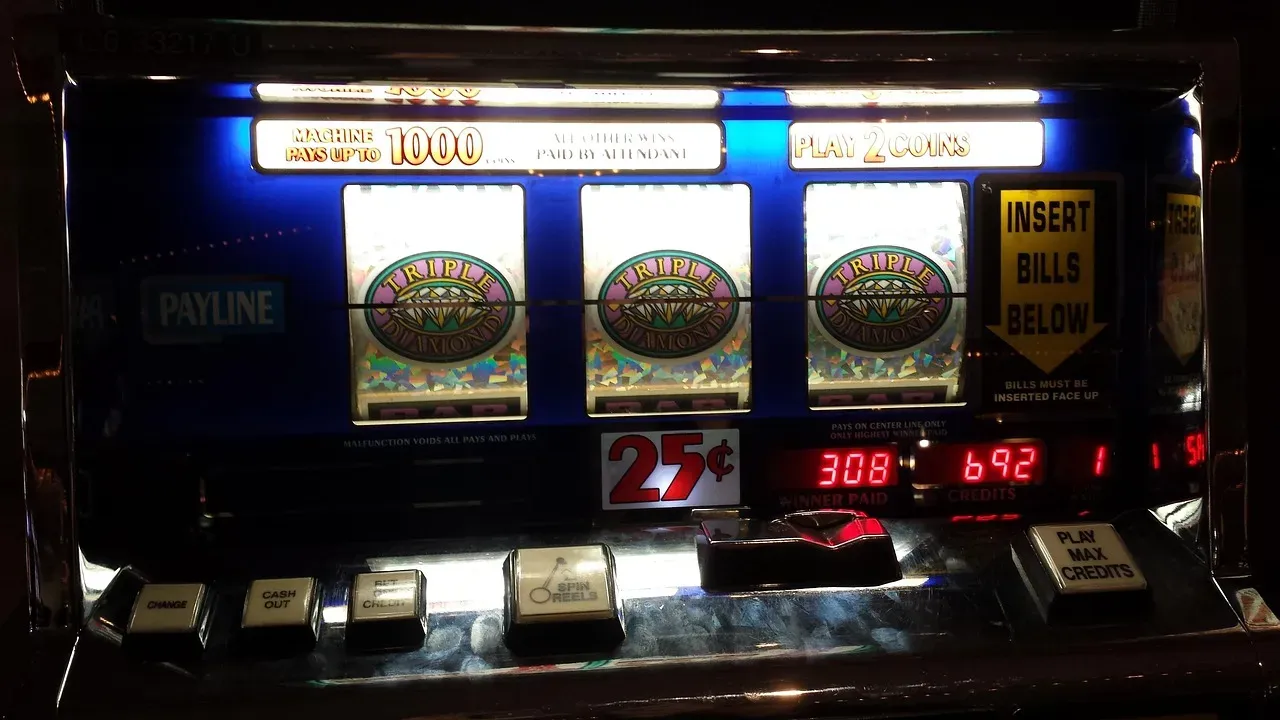
Loss Disguised as Win (LDW) refers to scenarios where players get a payout that is less than their original wager but is celebrated as if it were a win. For example, if a player bets $2 on a slot machine and wins back $1, they have still lost $1. The machine will celebrate this result with lights and sounds, making it feel like a win. This produces a false sense of success, encouraging players to continue playing despite them losing money.
Slot machines employ a technique known as “classical conditioning.” Sounds, flashing lights, and celebratory animations – even during losses – mimic the environment of a win, training the brain to associate play with pleasure. Over time, this causes players to enjoy the experience regardless of outcomes.
Loss disguised as wins is a particularly insidious feature of modern slot machines. These occur when a player wins an amount smaller than their original bet. The machine celebrates with lights and sounds as if it were a true win, even though the player has actually lost money. This trick can lead players to feel like they’re winning more often than they really are.
Chips Instead of Cash: The Psychological Distance From Money

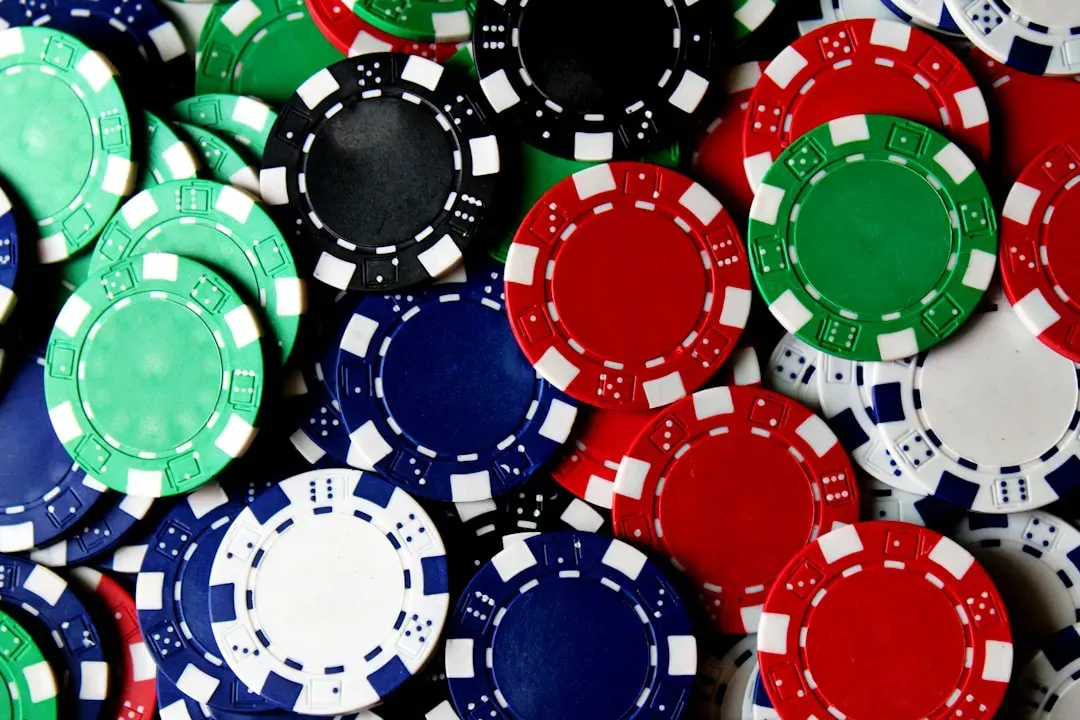
Casinos use chips rather than cash, making it emotionally easier for people to part with money. Studies show that people tend to spend much more when paying by credit card than when paying with cash.
One of the ways casinos keep you gambling is by making it feel like you aren’t spending any money at all. To accomplish this, they utilize several tricks to make players feel dissociated or separate from gambling. A well-known example is the brightly colored chips used in poker instead of real money. Gamblers don’t feel they’re giving away large sums of cash when betting big with the chips, which tricks them into thinking they aren’t spending as much money as they actually are.
When you play a slot machine, you’ll first feed cash into it. Your money is then converted into digital credits. When it’s time to cash out, the machine will not give you your change. Instead, it’ll print a voucher. These convenient vouchers make it easier for guests to forget they’re spending real money.
Scent Engineering: The Hidden Layer of Manipulation

Studies have shown scents can affect behavior, so casinos actively manage the “scent environment.” When Harrah’s in Las Vegas sprayed a pleasant perfume around specific slot machines, those machines’ revenue dramatically increased and was found to be roughly forty-five percent higher than revenue from similar odorless machines.
Alan Hirsch, founder and director of the Smell and Taste Treatment and Research Foundation, studied the effect of certain scents on gamblers. When a casino in Las Vegas pumped a pleasant but unidentifiable scent into a slot-machine area on a Saturday, the machines raked in about fifty percent more money than on the previous or following Saturday. The smell may have boosted gamblers’ moods, causing them to stay longer and spend more.
Casino operators employ psychological methods when designing the physical layout, color schemes, gameplay, and even fragrance in the air to encourage spending. The scent layer is probably the least visible trick of all, which makes it arguably the most effective.
Comfortable Chairs and Climate Control: Physical Comfort as Bait

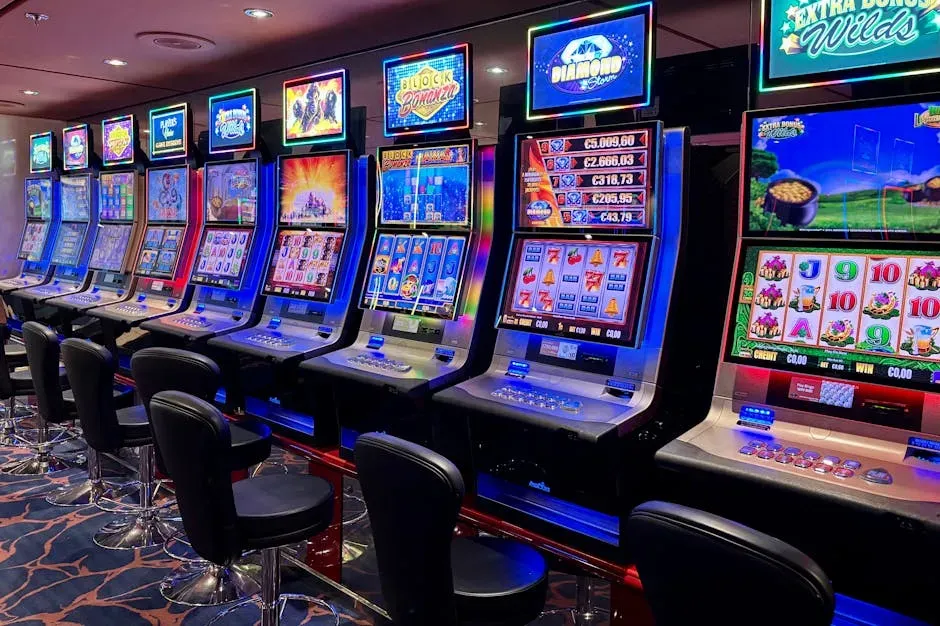
High-quality, ergonomic chairs are designed to provide maximum comfort, lessening the physical strain of sitting for long periods. This also makes it easier for players to lose track of time and keep gambling.
The casino atmosphere plays a crucial role in how players behave. Casinos are designed to be comfortable and inviting, with plush seating, ambient lighting, and climate-controlled environments. This carefully crafted atmosphere encourages players to linger, reducing the likelihood of them leaving the gaming floor. Additionally, many casinos offer complimentary drinks, including alcohol, to further enhance comfort and relaxation, subtly increasing the time and money spent at the tables.
Casinos also control the temperature, air quality, and even the lighting inside the building. Physical fatigue is one of the few natural signals that might remind a player to leave. Removing it is a deliberate choice.
The Autoplay Trap: Time Distortion Goes Digital
A 2024 study published in Frontiers in Psychiatry examined the real-world impact of autoplay at an online casino in Sweden. The researchers found that autoplay increased the number of spins by about three percent and the total amount wagered by roughly seven to nine percent. Even subtle design choices like autoplay can measurably increase how much players spend, without them necessarily noticing.
A study by Nottingham Trent University found that high-speed gambling reduces self-control, even among non-problem gamblers. The faster the game, the less time players have to reflect, leading to more impulsive decisions and prolonged play.
Casino operators benefit from what’s called “time-on-device,” meaning the longer a player engages with a game, the higher the revenue. To maximize this, slot machines are fine-tuned to prolong play by offering frequent small wins and triggering dopamine spikes. This constant engagement maintains the reinforcement loop, making players less likely to step away. Autoplay features, fast spin options, and minimal downtime between rounds further facilitate continuous play.
The Bigger Picture: Why Awareness Still Matters

Casinos don’t just rely on luck to make money – they rely on psychology. From the moment you step onto a gaming floor, everything around you is designed to keep you playing longer than you planned. While gambling industry groups promote responsible gaming, the subtle cues that influence behavior are often hiding in plain sight. Lighting, sounds, and layout all work together to shape the level of risk guests take and how hard it is for them to walk away.
According to a 2024 report by the National Council on Problem Gambling, nearly two thirds of respondents who reported problematic gambling behavior cited “trying to recover losses” as their main reason for continuing to play, even when they knew they should stop.
The illusion of control is a powerful psychological tool used by casinos to keep players gambling. By understanding these tactics – such as the programming of near-misses, the exploitation of the gambler’s fallacy, and the inclusion of pseudo-skill elements – players can become more aware of how their behaviors are influenced. This awareness can help mitigate the effects of these manipulations and promote more mindful and responsible gambling habits.
The casino floor is, at its core, an environment engineered to make time disappear. Knowing that doesn’t make you immune, but it does change the terms of engagement. Walking in with awareness of these tricks is, at minimum, a more honest way to play.