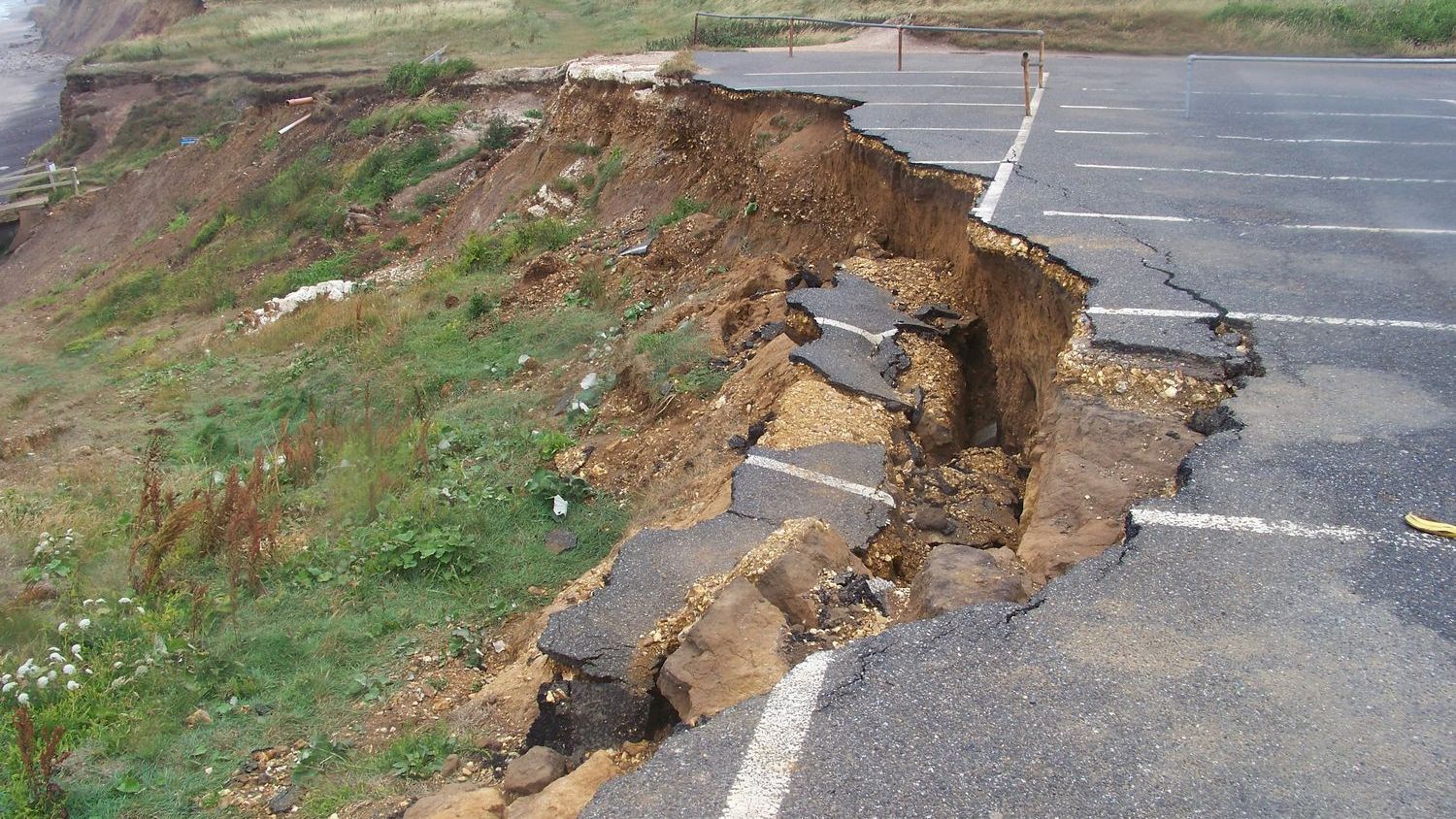

Series of many earthquakes, including 4.4 magnitude, rattles Imperial County, USGS says – Image for illustrative purposes only (Image credits: Unsplash)
Imperial County, California – A series of earthquakes, capped by a 4.4-magnitude event, shook the Brawley area on Saturday evening. The U.S. Geological Survey recorded the activity and noted that dozens of smaller tremors accompanied the larger shock. The location sits just west of the Nevada line, placing the swarm within range of communities that monitor seismic events along the border.
Sequence of the Evening Activity
The strongest quake registered 4.4 magnitude and occurred as part of a broader cluster that began in the early evening hours. USGS instruments captured multiple aftershocks in quick succession, a pattern typical of the region’s frequent seismic swarms. Residents in Brawley reported brief shaking that lasted only seconds for the main event, followed by lighter jolts over the next hour.
Officials emphasized that no immediate damage reports had surfaced by late Saturday. The agency continued to monitor the sequence through the night, updating its online catalog as new readings arrived. This rapid succession of events kept local emergency offices on alert, though the overall energy released remained moderate.
Why the Swarm Draws Regional Attention
Imperial County lies along active fault zones that extend toward southern Nevada, so seismic activity here often registers on instruments used by Las Vegas-area residents. The 4.4-magnitude quake and its companions fit a familiar pattern of short-lived swarms rather than a single large rupture. Such episodes serve as reminders that the broader region experiences regular, low-to-moderate shaking.
Partner offer

Border communities track these events closely because even modest quakes can produce noticeable motion dozens of miles away. The USGS data showed the epicenter remained centered near Brawley, limiting the reach of stronger shaking. Still, the timing on a Saturday evening meant many people were at home and able to feel the motion directly.
What matters now: The swarm underscores the need for ongoing preparedness in areas where smaller quakes occur regularly, even when no major damage follows.
Seismic Patterns in Southern California
The Brawley area has long been known for earthquake swarms linked to the complex network of faults that cross the Imperial Valley. These clusters often begin suddenly and taper off within hours or days, unlike the prolonged aftershock sequences that follow a single large mainshock. The latest sequence followed that established behavior, with the 4.4 event serving as the peak rather than the start of a larger crisis.
USGS scientists note that swarms like this one release built-up stress in smaller increments, which can reduce the likelihood of a much stronger quake in the immediate term. At the same time, the agency continues to study the underlying geology to refine forecasts for the entire border region. Public updates remain available through the agency’s website and mobile alerts.
Staying Ready for Future Events
Local emergency managers recommend that households keep basic supplies on hand and review simple safety steps, such as securing heavy furniture and knowing how to drop, cover, and hold on. These measures apply equally in Imperial County and across the state line in Nevada, where similar fault systems exist. The Saturday swarm provided a timely prompt without causing disruption.
Authorities will continue to evaluate the sequence in the coming days. Residents who felt the shaking are encouraged to report their experiences through the USGS “Did You Feel It?” tool to help refine future assessments. The event serves as a quiet reminder that the ground beneath the border region remains active and worth monitoring.
Partner offer
Planning a trip to Vegas?
Compare hotel rates and show tickets on VEGAS.com.